Building a Sustainable Business: The Lean AI Ops Guide
Building a Sustainable Business: The Lean AI Ops Guide
Feb 04, 2026
Introduction
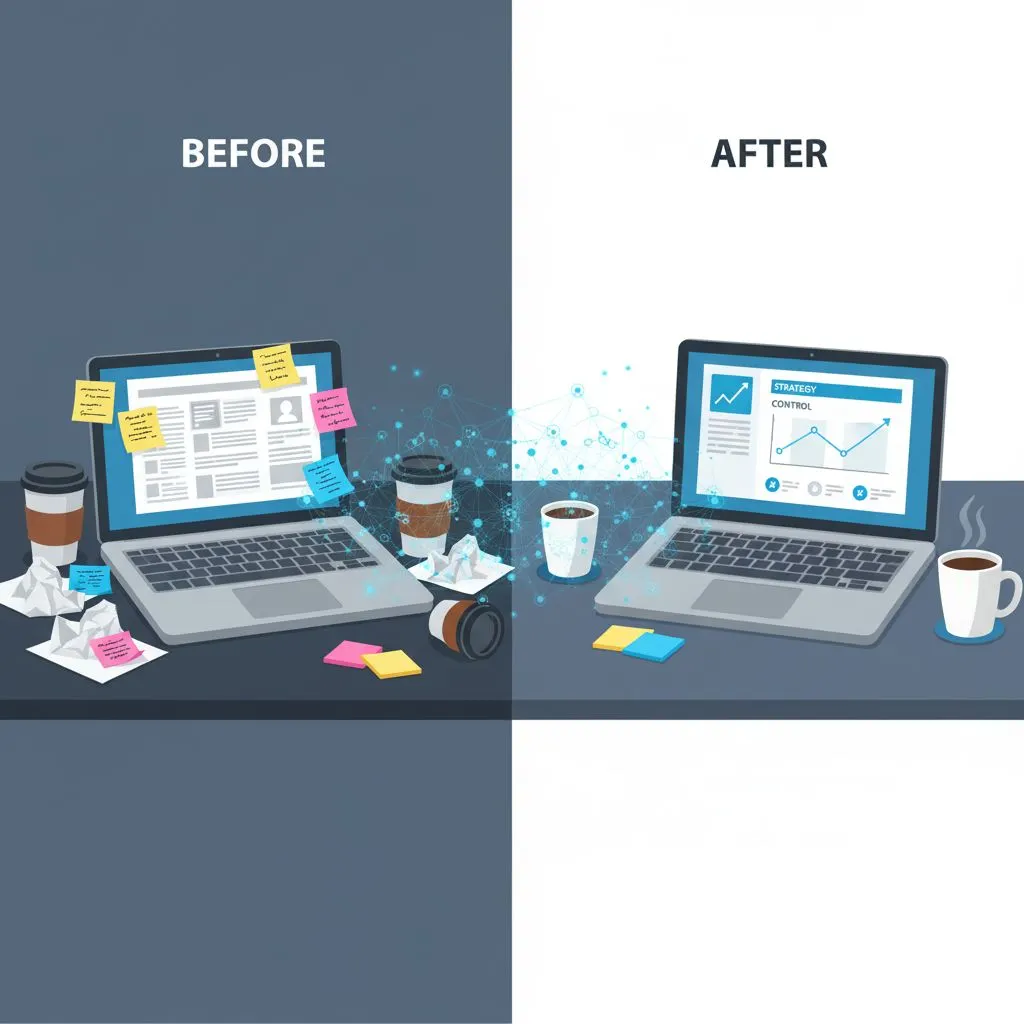
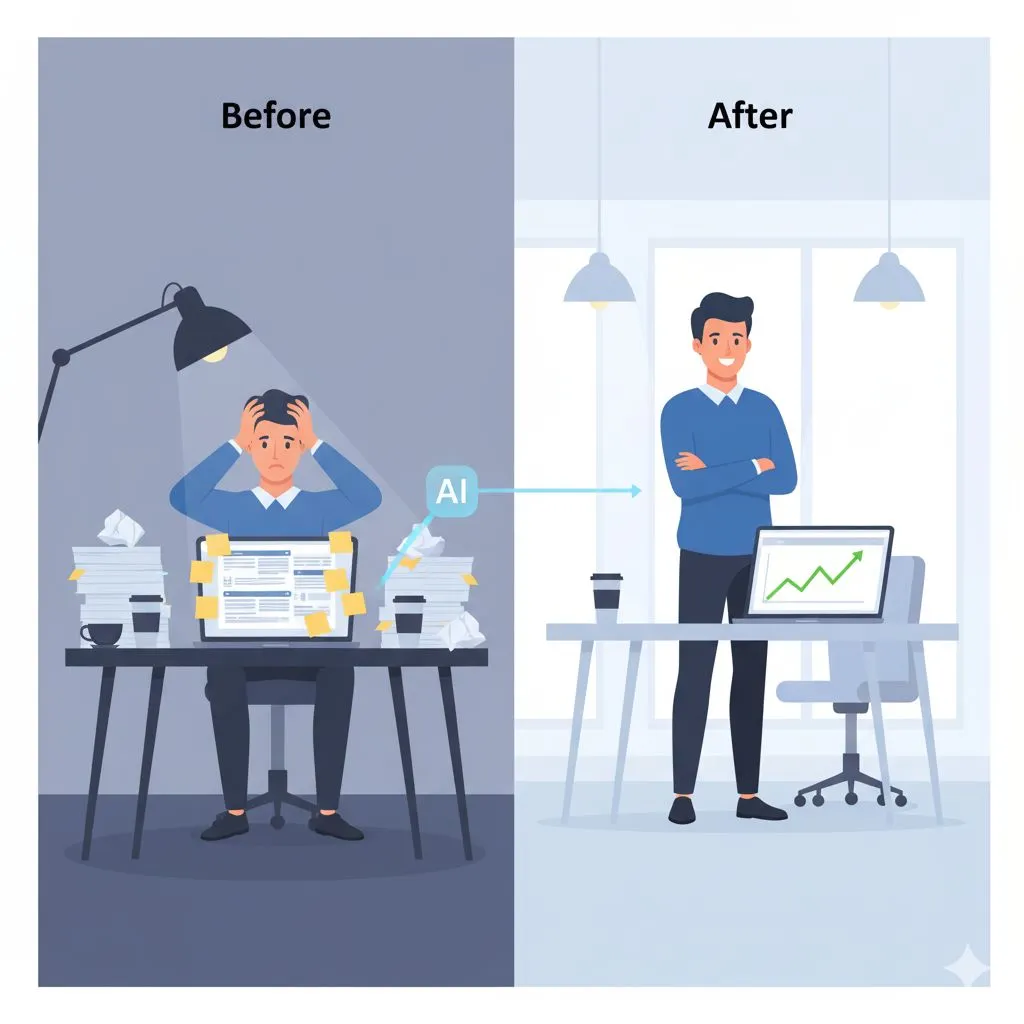
If you are reading this, you are likely wearing at least five different hats right now. You are the CEO, the marketing director, the lead salesperson, the customer support agent, and the primary content creator. This is the reality for Alex Rivers—our archetype for the ambitious, talented, but perpetually exhausted small business owner.
You built your business because you have a specific expertise. You offer a service or product that is high-quality and valuable. Building a sustainable business at the solopreneur or small-team level requires more than effort — it requires the right AI framework. Explore the Ultimate Guide to AI for Small Business for the complete strategic overview. But somewhere along the line, the "business" of running the business took over. You are spending 10+ hours a day fighting fires, leaving zero time for high-level strategy.
When we talk about a sustainable business, we often think of environmental impact. But for the small business economy, sustainability has a different, more urgent meaning: Can you keep operating at this pace for another five years without burning out?
If the answer is "no," your business model isn't sustainable. It’s a ticking clock.
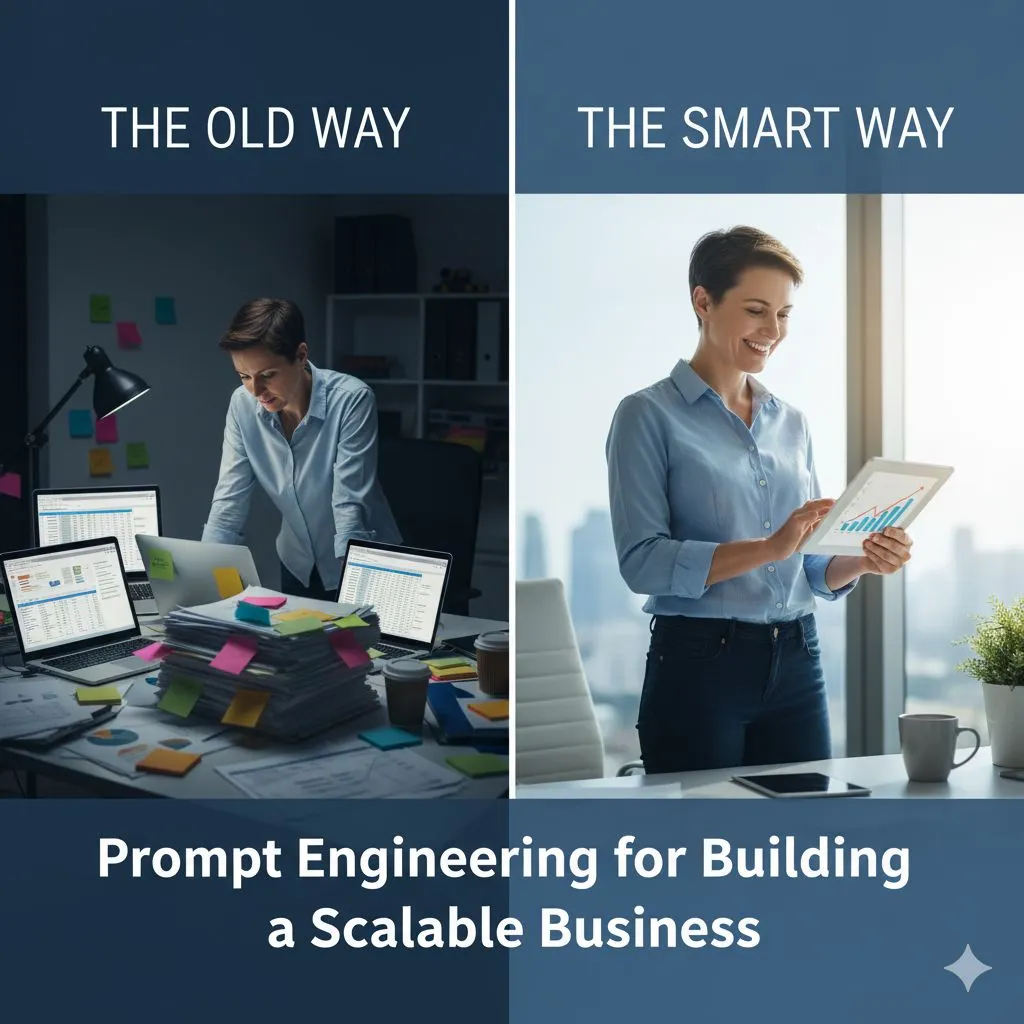
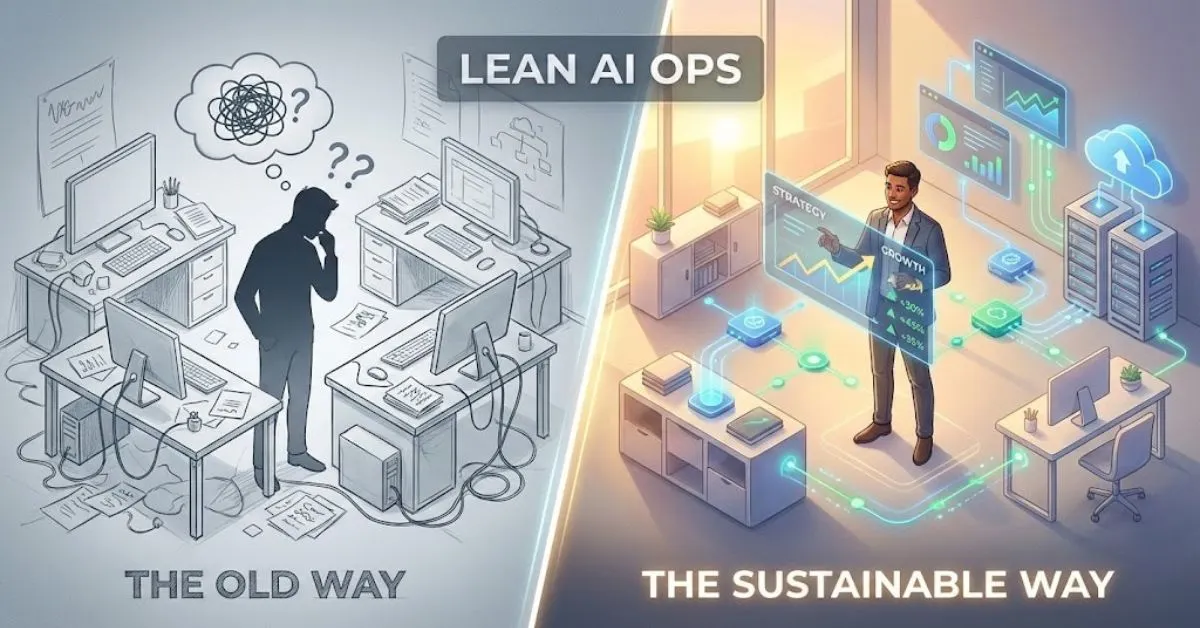
The solution isn't to "hustle harder." You are already working at capacity. The solution lies in a new operational framework: Lean AI Ops. This isn't about replacing your team with robots or churning out spammy content. It is about fundamentally restructuring how you work to achieve big-agency results with a small-team footprint.
The "Hustle" Trap: Why Traditional Scaling Fails Small Teams
The traditional advice for scaling a business usually involves two paths:
- Hire more people: This increases overhead, management stress, and financial risk.
- Work more hours: This leads to creative fatigue and eventual burnout.
For a team of 2–10 people, or a solopreneur, neither of these options is attractive. You want to compete with larger players, but you don’t have their resources. You see competitors churning out daily articles, dominating LinkedIn, and launching slick campaigns, and you wonder, “How do they have the time?”
This creates the Resource Gap. You attempt to bridge this gap by trying every new digital tool that pops up on your feed. But this leads to Complexity Creep. Suddenly, you have a CRM, a project management tool, an email scheduler, and three different design apps—none of which talk to each other, and all of which require your time to manage.
This pattern — adding tools without a strategy first — is one of the most expensive traps solopreneurs walk into. Don't Buy Software Yet: Strategy First for Solopreneur Marketing breaks down exactly how to avoid it.
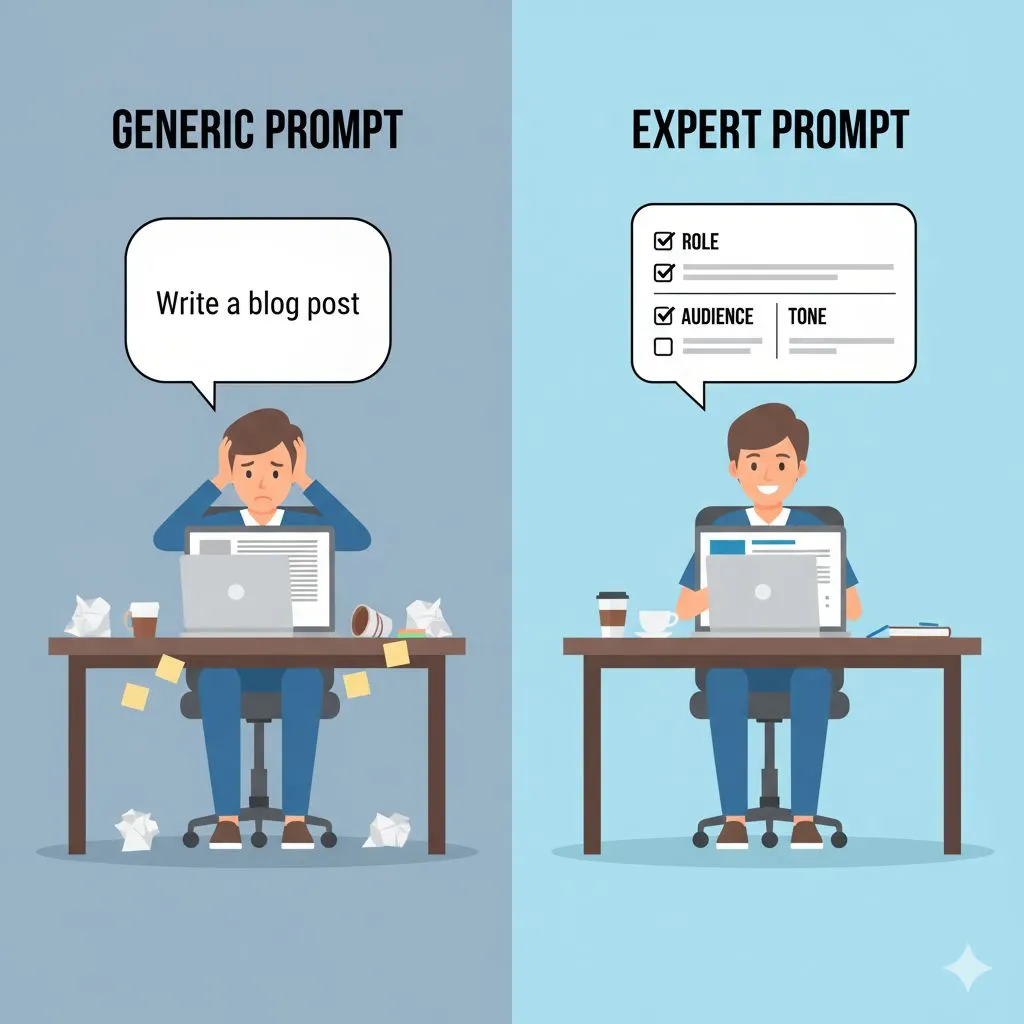
This is where the skepticism sets in. You’ve likely tried AI tools before. Maybe you asked a chatbot to write a blog post, and it came back sounding generic, robotic, and completely off-brand. You thought, “I can’t use this. My clients expect expert-level insight.” So, you went back to doing it manually.
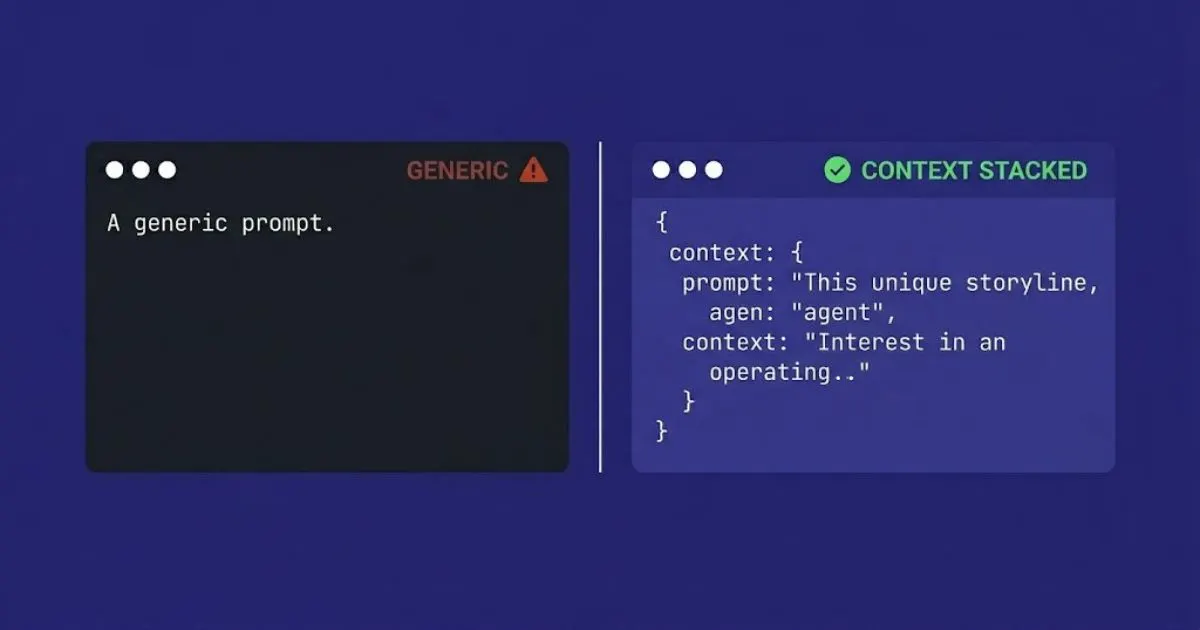
That skepticism is healthy, but it’s based on a misunderstanding of how to wield the technology. The failure wasn't the AI; it was using generic prompts instead of strategic ones — and that is a completely fixable problem. It requires a system that eliminates waste and amplifies your expertise.
Core Concept: What is Lean AI Ops?
To escape the hustle trap, we must adopt a methodology we call Lean AI Ops.
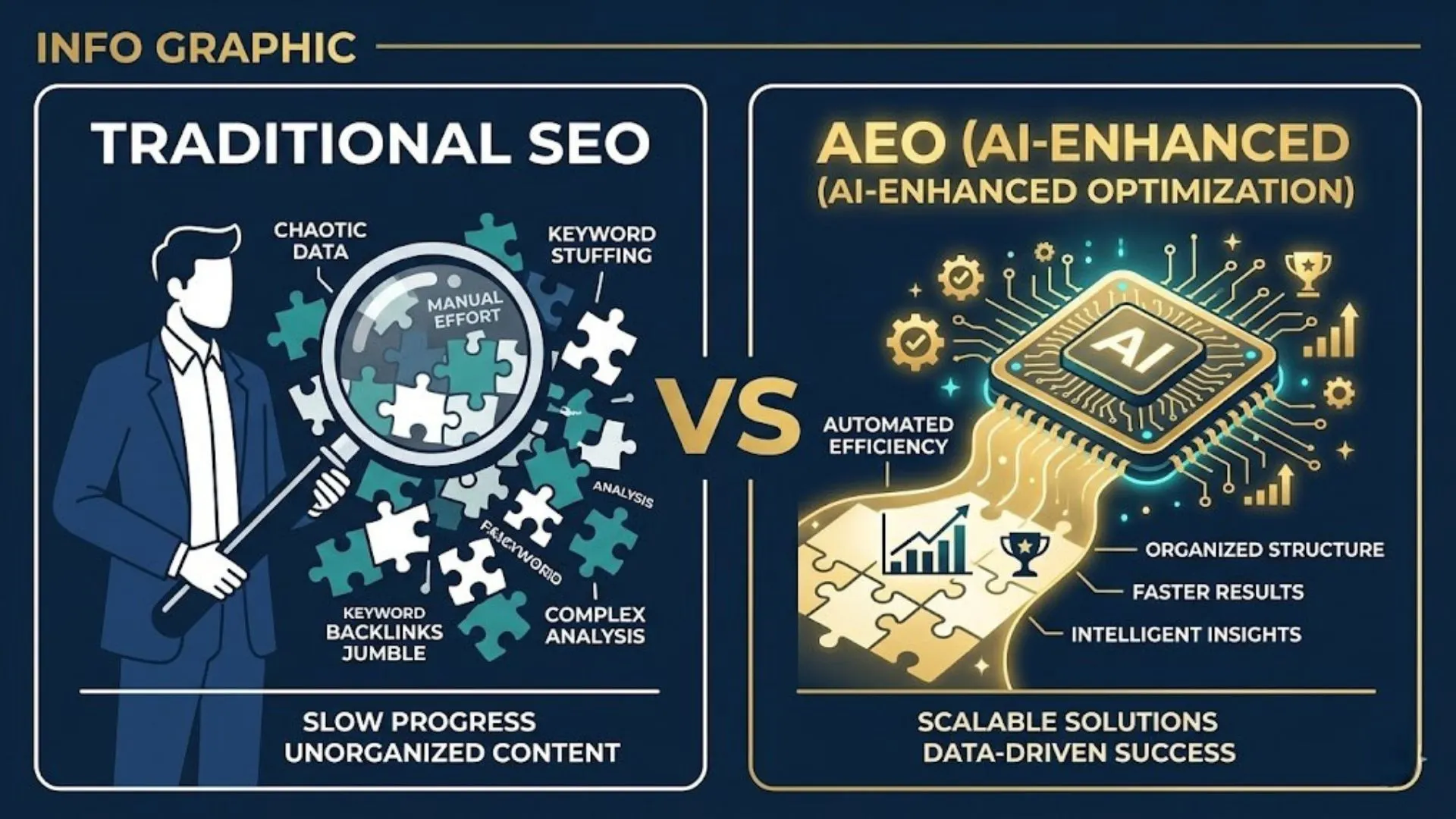
"Lean" is a business methodology derived from manufacturing that focuses on minimizing waste without sacrificing productivity. "AI Ops" is the application of artificial intelligence to operational workflows. When you combine them, you get a powerful strategy for the resource-constrained entrepreneur.
Lean AI Ops is defined by the formula:
Efficiency (Lean) + Leverage (AI) + Strategy (Ops) = Sustainable Growth
In this model, "waste" isn't just physical scrap; it is cognitive waste. Every hour you spend drafting a routine email, staring at a blank page for a sales letter, or manually formatting a proposal is cognitive waste. It drains the creative battery you need to actually serve your clients.
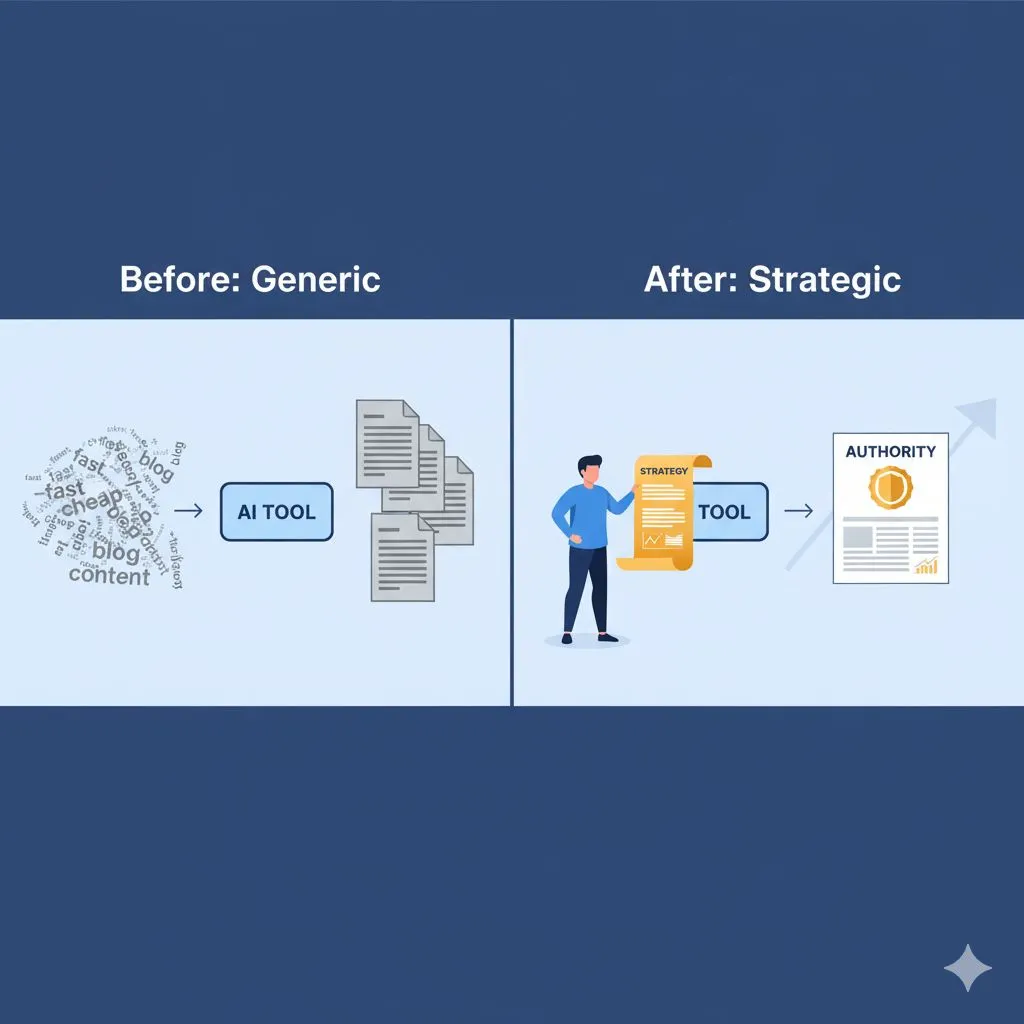
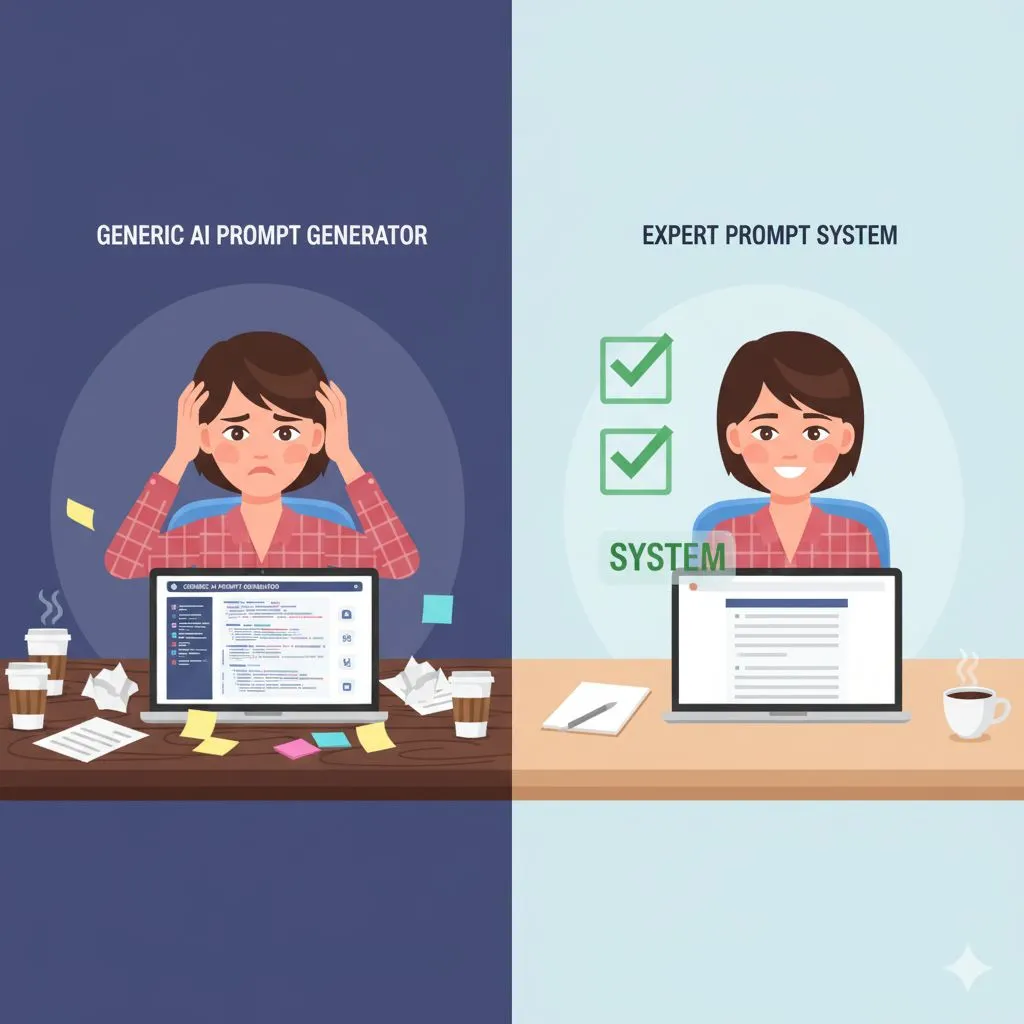
Crucially, Lean AI Ops distinguishes between Generic AI and Strategic AI.
- Generic AI is asking a chatbot to "write a sales page." The result is usually fluffy and unpersuasive.
- Strategic AI utilizes engineered, industry-specific prompts — available across 30 industry-specific Expert AI Prompt Packs — that act as structured frameworks. It’s the difference between asking an intern to "guess" what you want and giving a senior strategist a detailed creative brief.
Strategic Implementation: The 3 Pillars of AI Scaling
To build a truly sustainable business, you must implement Lean AI Ops across three critical pillars.
Pillar 1: Content Velocity & Authority
For the definitive framework on scaling content with a small team, the Small Business Playbook for AI Content Creation covers the full content engine strategy.
Content is the fuel of modern business, but it is also the biggest time sink. For Alex Rivers, the goal isn't just "more content"; it is "expert-level content" that builds trust.
In a Lean AI Ops model, you stop writing from scratch. Instead, you use prompt frameworks to generate 80% of the draft.
- Instead of: Spending 4 hours writing a thought leadership article.
- You do: Use a "Technical Authority Article" prompt, input your unique viewpoint, and get a polished structure in 5 minutes. You then spend 30 minutes refining the tone.
Result: You produce 5x the content with higher consistency, keeping your brand top-of-mind without the late-night writing sessions.
Pillar 2: Operational Workflows
The unseen killer of sustainability is "admin friction." Answering the same client questions, drafting proposals, and managing project updates eat up your day.
Lean AI Ops treats these as automatable workflows. The AI Implementation Workflows and How-To Guides show you exactly how to map and eliminate each friction point step by step. By utilizing prompt packs designed for operations, you can generate:
- Standard Operating Procedures (SOPs) for your team.
- Persuasive proposal templates tailored to specific client needs.
- Crisis communication drafts for when things go wrong.
Result: You remove yourself as the bottleneck. Your business runs smoother, and your team (if you have one) has clear guidance without you needing to micromanage every step.
Pillar 3: Sales & Conversion
This is where the ROI of a sustainable business model becomes undeniable. Many entrepreneurs dread sales because they feel "salesy" or struggle to articulate their value proposition clearly.
In a traditional model, you might stare at a blank screen trying to write a landing page that converts. In a Lean AI Ops model, you utilize specific frameworks designed for conversion psychology. You can generate:
- Objection-handling scripts.
- Cold outreach sequences that actually offer value.
- High-converting landing page copy built on proven marketing formulas like PAS — the same framework used in Expert AI Prompts sales template.
By systematizing sales, you stop relying on "luck" or "word of mouth" alone. You build a predictable engine that brings new leads into your ecosystem.
Quality Control: Maintaining the Human Touch
The biggest objection we hear from ambitious owners like Alex is: “Will this actually work in my industry? Is the quality high enough to represent my brand?”
This is a valid concern. A sustainable business relies on credibility. If your output looks robotic, you lose trust. Run a quick self-check with 5 Signs Your AI Content Writer Is Hurting Your Brand Authority before you scale your output.
The secret to Lean AI Ops is the 80/20 Rule.
- The AI provides the 80%: The structure, the formatting, the preliminary research, and the first draft.
- You provide the 20%: The nuance, the strategic insight, the personal anecdotes, and the final polish.
You are not outsourcing your brain; you are outsourcing the manual labor of typing and structuring.
Think of Expert AI Prompts as a sous-chef. The sous-chef chops the vegetables, preps the station, and reduces the sauces. This allows you, the Executive Chef, to focus entirely on the flavor profile and the final presentation. You would never say a chef isn't "cooking" just because they didn't peel every potato themselves. Similarly, you are still the author of your business success; you are just using better tools to get there.
By using high-quality, pre-tested prompts, you eliminate the "generic robot" feel. You ensure that the tone matches your brand—whether that’s professional and corporate, or witty and casual. This quality control is what separates a sustainable brand from a spam factory.
Test the quality yourself — download the free 5-Hour Saver Prompts and see the difference strategic prompts make, no purchase required.
The Roadmap: From Overwhelmed to Optimized
How do you transition from your current state of overwhelm to this new, sustainable model? You don't need to overhaul your entire business overnight. Follow this four-step roadmap.
Step 1: The Friction Audit
Spend one week tracking your time. Identify the tasks that are:
- Repetitive.
- Time-consuming.
- draining your energy.
- Examples: Writing weekly newsletters, answering RFPs, creating social captions.
Step 2: Equip Your Toolkit
Don't waste time trying to become a "prompt engineer" yourself—that is a full-time job. Instead, invest in proven, pre-built assets. Browse all 30 industry-specific prompt packs to find the exact match for your business type and primary workflow. This buys you speed and accuracy immediately.
Step 3: Integrate and Refine
Take one friction point from Step 1 and apply a prompt solution. For example, if your newsletter is a bottleneck, use a prompt to generate your next three weeks of topics and outlines. Test the output, refine it with your voice, and hit send. Once one workflow is optimized, move to the next.
Step 4: Scale and Reinvest
As you reclaim 5, 10, or 15 hours a week, do not fill that time with more busy work. Reinvest it into high-leverage activities:
- Strategic partnerships.
- Product development.
- Personal rest (crucial for sustainability).
Conclusion
The era of the "exhausted solopreneur" as a badge of honor is over. To compete in today’s market, you don't need a bigger staff; you need a smarter system.
Building a sustainable business means creating a machine that supports your life, rather than a monster that consumes it. By adopting Lean AI Ops, you transform from a frantic operator into a confident strategist. You gain the ability to produce expert-level work at scale, creating a competitive moat that larger agencies can’t cross because they lack your agility.
You have the expertise. You have the ambition. Now, you just need the leverage.
Stop spinning your wheels on low-value tasks. It is time to refine your processes, elevate your brand credibility, and secure your financial freedom.
Not ready to commit yet? Start with the free resources at Expert AI Prompts — 11 zero-risk tools that let you experience strategic prompts before you buy.
Ready to build your conversion engine?
The most critical part of a sustainable business is a predictable sales mechanism. Stop guessing at what makes people buy and start using proven frameworks.
Get the Sales Landing Page Startup Prompt Advantage.
Unlock the exact prompts you need to build high-converting assets in minutes, not days. Scale smarter. Grow faster. Begin here.
Ready to compare the full range? See all 30 prompt packs and pricing and find the right pack for your industry in minutes.
Further Reading
• Scaling Without Hiring: The Solopreneur's Guide to AI
• 5 Boring Tasks You Should Never Do Manually Again
• From Operator to Strategist: Using AI to Escape the Daily Grind