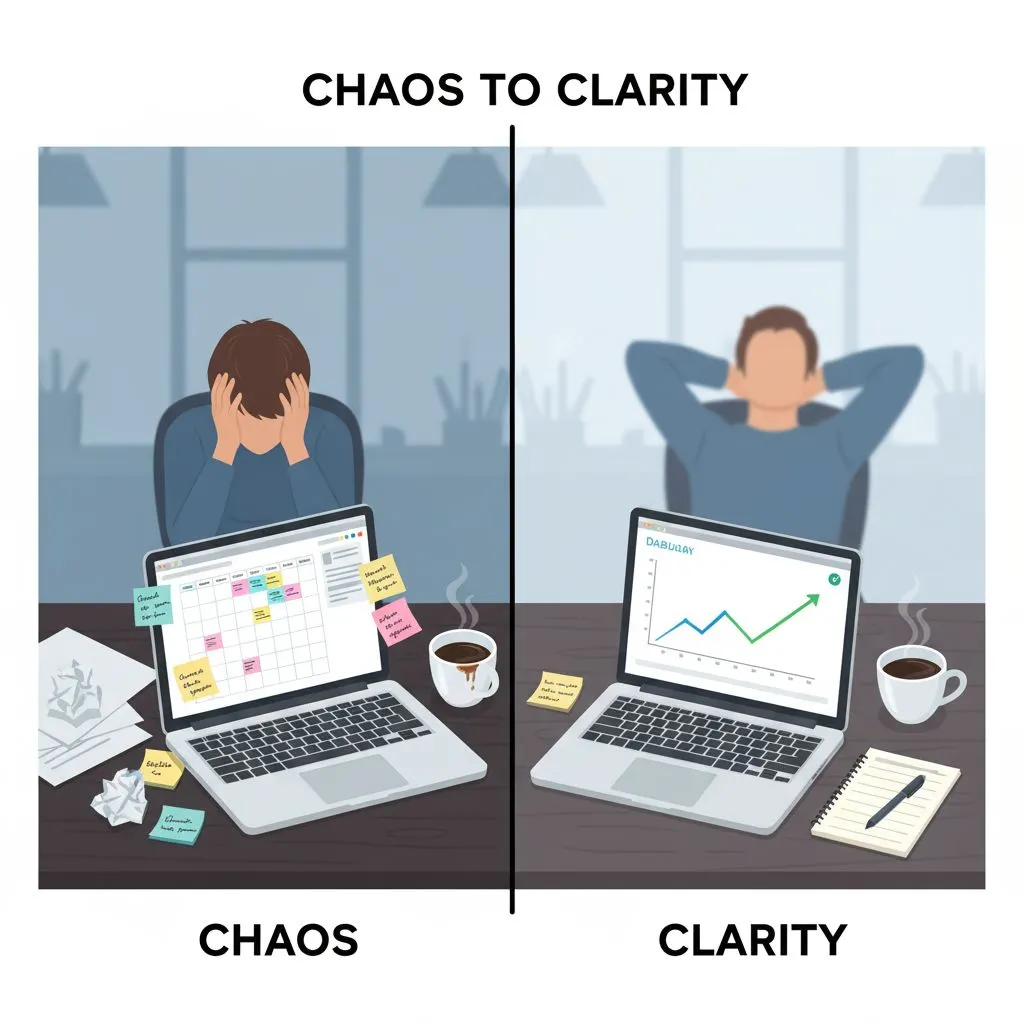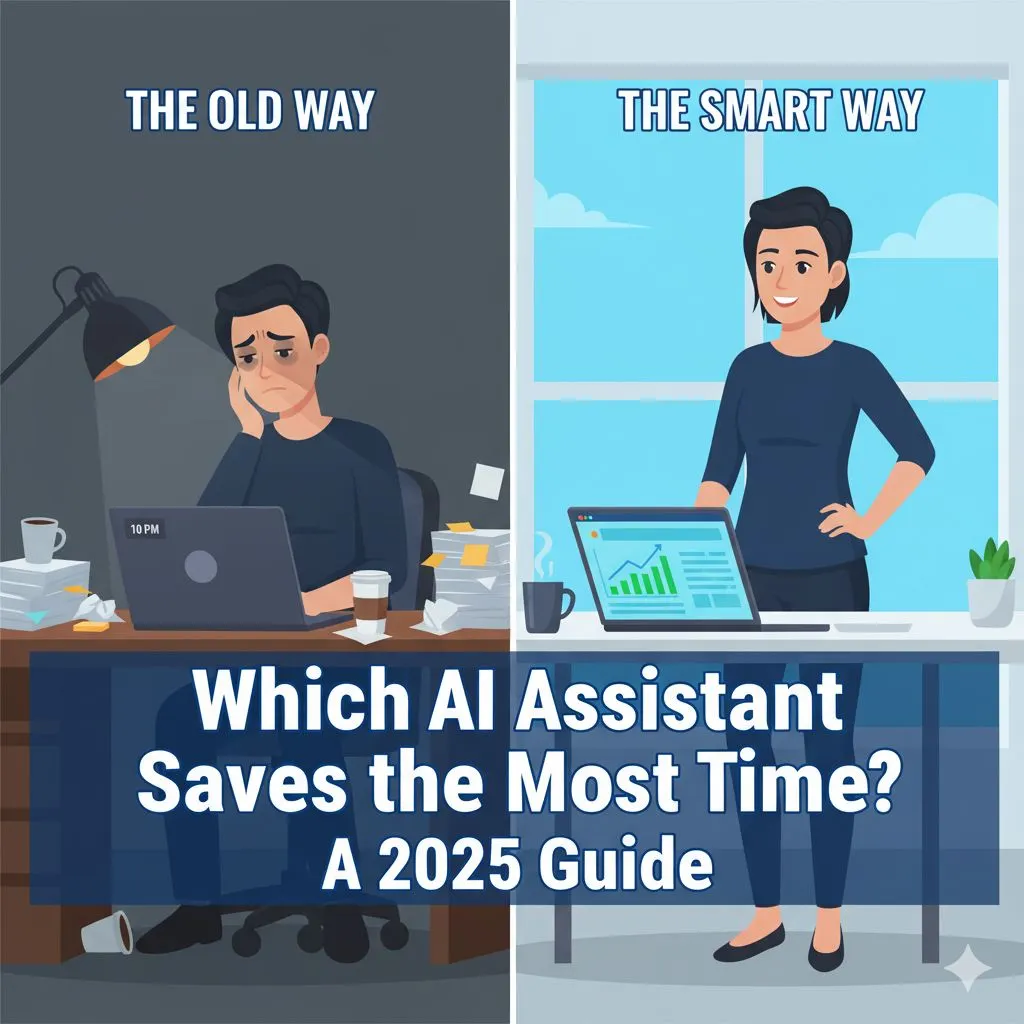
Why "Plug and Play" AI Often Fails Without Strategy
Why "Plug and Play" AI Often Fails Without Strategy
Feb 02, 2026

The Myth of the Magic Button
You have likely been there. You opened an AI tool, typed in a command like "Write a blog post about digital marketing," and waited for the magic to happen. You were promised that this technology would be your new superpower—a way to replace an entire marketing team for $20 a month.
The text generated. You read it. And then, you sighed.
It wasn't wrong, technically. But it was flat. It was repetitive. It used words like "delve," "landscape," and "revolutionary" three times in the first paragraph. It didn't sound like you. It didn't sound like an expert. It sounded like... a robot. So, you spent the next 45 minutes rewriting it, fixing the tone, and injecting actual insight. By the time you hit publish, you realized you hadn't saved any time at all. In fact, the frustration of wrestling with the tool left you more drained than if you had just written the piece yourself.
This is the "Plug and Play" trap.
For ambitious entrepreneurs and small business owners, the allure of AI is obvious. You are juggling client delivery, business development, and operations. You are overworked, operating with limited resources, and desperately looking for leverage to compete with bigger agencies. The promise of "instant content" is intoxicating.
But here is the hard truth that the hype cycles won't tell you: AI is not a vending machine. You cannot simply insert a coin (or a basic prompt) and expect a gourmet meal to pop out.
AI is a tool of immense power, but like a scalpel, it requires a surgeon's hand to work effectively. The reason most small businesses fail to see ROI from AI isn't that the technology is flawed—it's that they lack a cohesive AI implementation strategy. They are trying to use a jet engine to drive a bicycle.
Building a strategic approach to AI requires more than good tools -- the Entrepreneurs' Playbook for Prompt Engineering shows exactly how ambitious business owners structure their AI systems for scale.
In this guide, we are going to dismantle the myth of "easy" AI. We will explore why generic prompts produce generic results that can actually harm your brand, and we will lay out exactly how to shift from "playing" with AI to deploying it strategically to reclaim your time and scale your business.
The "Plug and Play" Trap & The Cost of Generic
The High Cost of "Generic In, Generic Out"
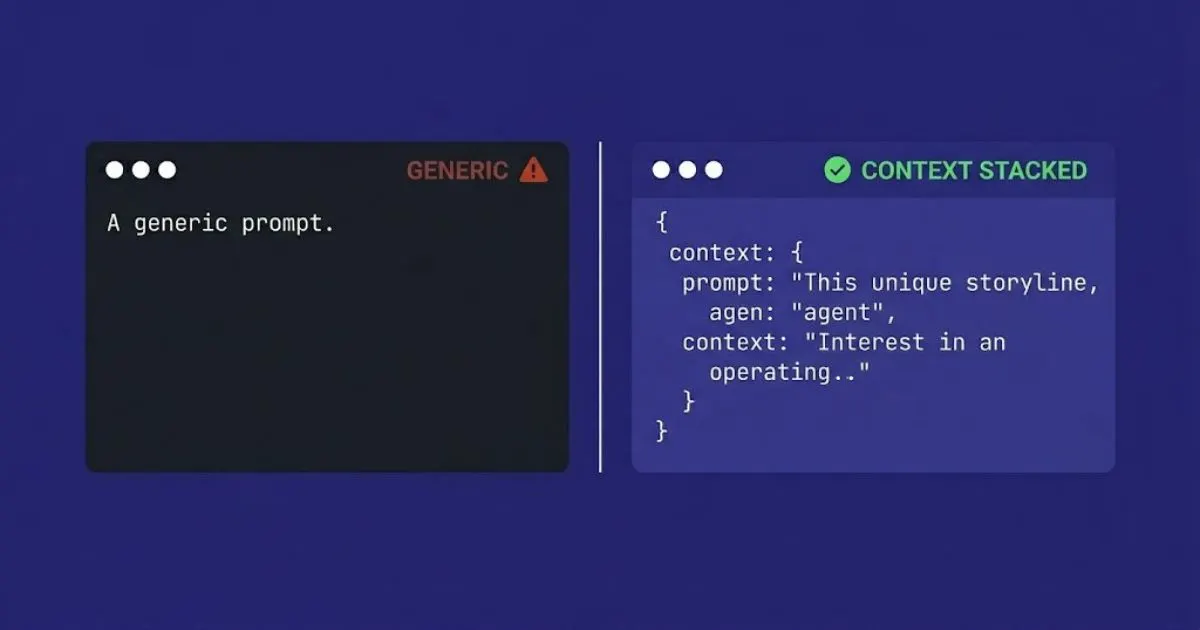
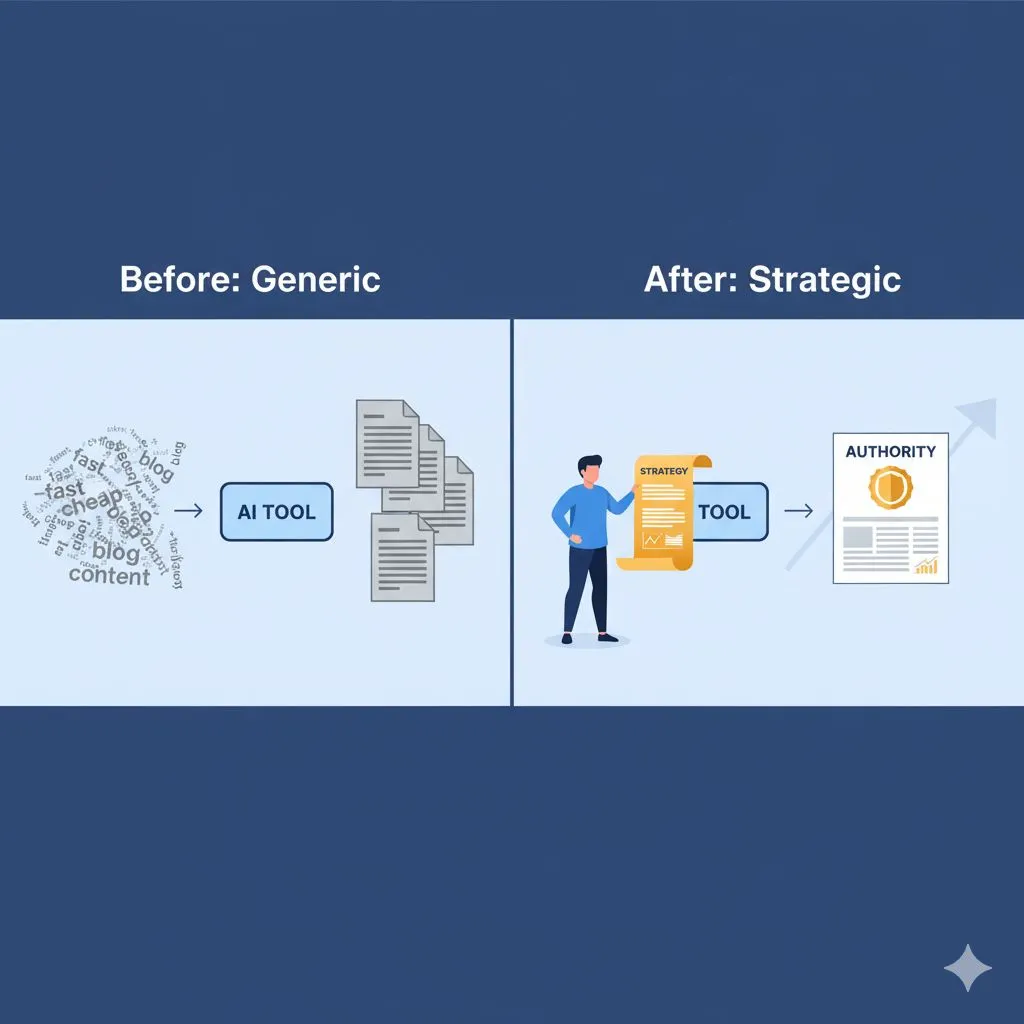
The fundamental issue with "plug and play" usage is a concept computer scientists have known for decades: Garbage In, Garbage Out. In the context of generative AI, this is better described as "Generic In, Generic Out."
When you use a simple prompt without strategy, the AI defaults to the average of its training data. It gives you the most statistically probable answer. In business terms, "statistically probable" means average. It means mediocrity.
If you ask for a "sales email," the AI will give you the most common structure of a sales email found on the internet. It won't know your unique value proposition. It won't understand the specific pain points of your customer persona, Alex. It won't know that your brand voice is "confident but approachable." Learning how to train AI to write in your brand voice is the foundational fix that prevents generic output from the first prompt. It just knows what a generic sales email looks like.
The Hallucination of Efficiency
This leads to a phenomenon called the Hallucination of Efficiency. It feels like you are moving fast because text is appearing on the screen instantly. But efficiency is not measured by word count; it is measured by usability.
If you generate 1,000 words in 30 seconds, but those words are fluff, factual hallucinations, or tonal mismatches, your efficiency is zero. The time you spend editing—trying to scour the "robot" out of the text—often exceeds the time it takes to create content from scratch. This workflow bottleneck is exactly what causes stress for business owners who are already stretched thin. You are adding a step (editing bad AI) rather than removing one (creation).
Brand Erosion: The Silent Killer
Perhaps the most dangerous risk of an undefined AI implementation strategy is brand erosion. In a digital world crowded with noise, your unique perspective and authority are your only differentiators.
If you start publishing generic AI content, your audience will notice. They may not know why the content feels off, but they will sense the lack of depth. They will stop engaging. Your credibility—the asset you have worked hardest to build—will begin to dissolve. The most expensive errors business owners make with AI are documented in the Common Pitfalls: AI Mistakes to Avoid guide -- a resource that covers each failure pattern with a clear fix. To compete with larger players, you cannot afford to sound like a commodity. The hidden financial damage of copy-pasting free prompts is quantified in depth in Why Copy-Pasting Free ChatGPT Prompts Is an Expensive Mistake. You need to sound like an expert. And experts don't use "plug and play" thoughts.
The Anatomy of a Successful AI Implementation Strategy
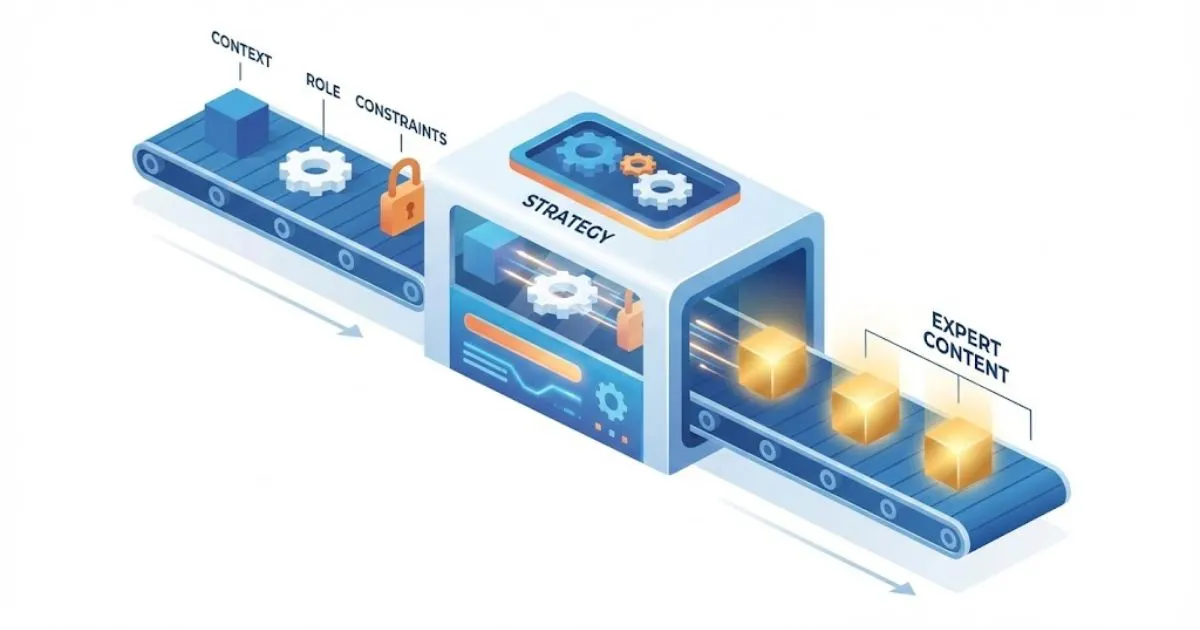
So, how do we fix this? How do we turn this overwhelming tool into the scalable asset it promised to be? The answer lies in shifting your mindset from "prompting" to "strategizing." A successful AI implementation strategy relies on three core pillars: Context, Role, and Constraints.
1. Context is King
Before you ask the AI to do anything, you must ground it in reality. You wouldn't hire a human intern and say, "Write a post," without telling them who your company is, what you sell, or who you are selling to. You shouldn't do that to an AI, either.
Strategic implementation starts with "priming" the AI. You must feed it your brand identity, your target audience's psychographics (their fears, desires, and objections), and the specific goal of the content.
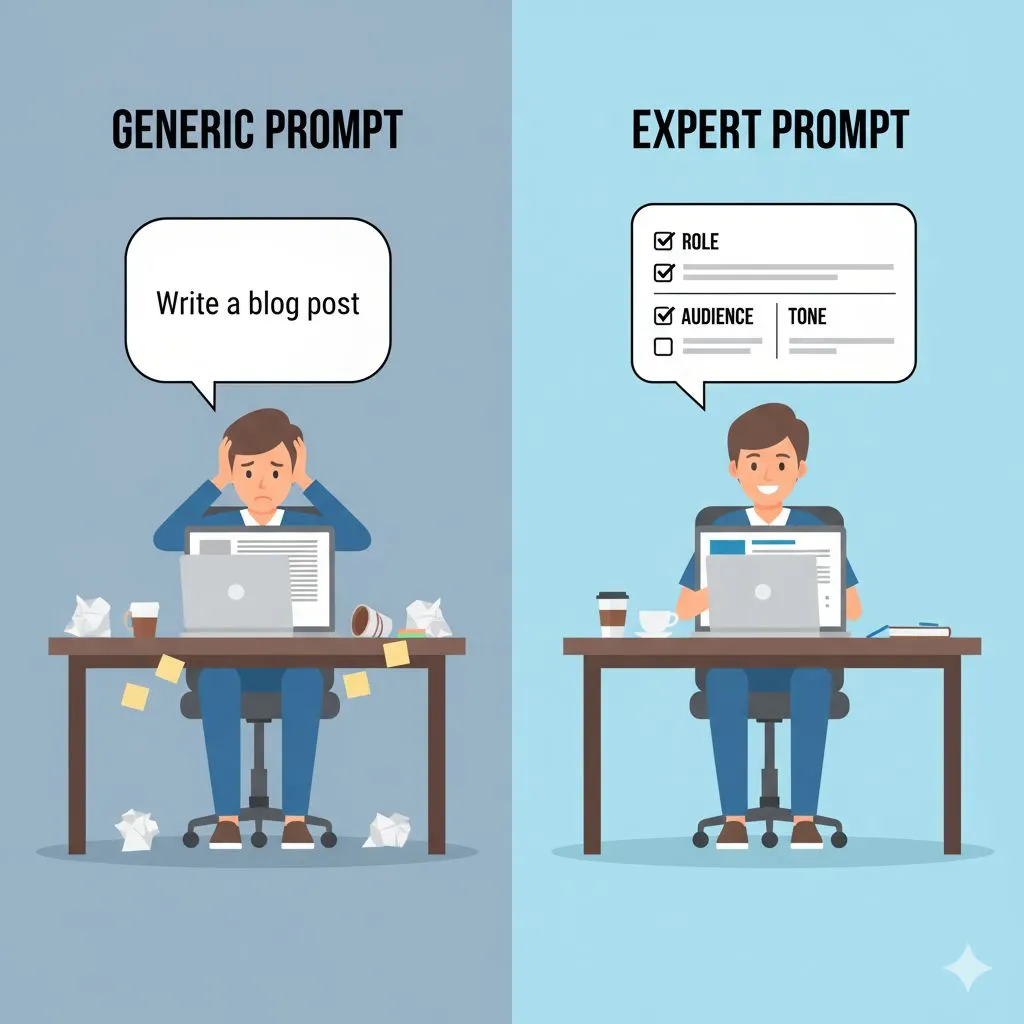
- Bad Approach: "Write a post about productivity."
- Strategic Approach: "I run a consulting firm for overworked entrepreneurs. Write a LinkedIn post targeting small business owners who feel guilty about taking time off. The goal is to shift their mindset from 'hustle' to 'leverage.'"
For a full side-by-side breakdown, see generic vs strategic AI prompts -- with real examples that show precisely what separates a weak prompt from an expert one.
2. Role Definition
One of the most powerful strategic moves is assigning the AI a specific persona. When you define a role, you narrow the AI's focus and access specific subsets of its training data.
- Example: "Act as a Senior Copywriter with 10 years of experience in B2B SaaS."
- Example: "Act as a empathetic Business Coach specializing in time management."
- By defining the role, you tell the AI how to think, not just what to write.
For entrepreneurs unfamiliar with this technique, what is an AI prompt engineer for small business breaks down the core concepts without technical jargon.
3. Constraints Breeds Creativity
Ironically, AI works best when you tell it what not to do. Open-ended prompts lead to rambling. Constraints lead to precision. Your strategy must include style guidelines.
- "Do not use buzzwords like 'game-changer'."
- "Keep sentences under 20 words."
- "Use a tone that is professional yet conversational, avoiding academic jargon."
The Framework: Building the Machine
Entrepreneurs who want a shortcut to building this system should start with the automated prompt engineering shortcut for consistent AI outputs -- a step-by-step guide to creating prompt chains that deliver repeatable results.
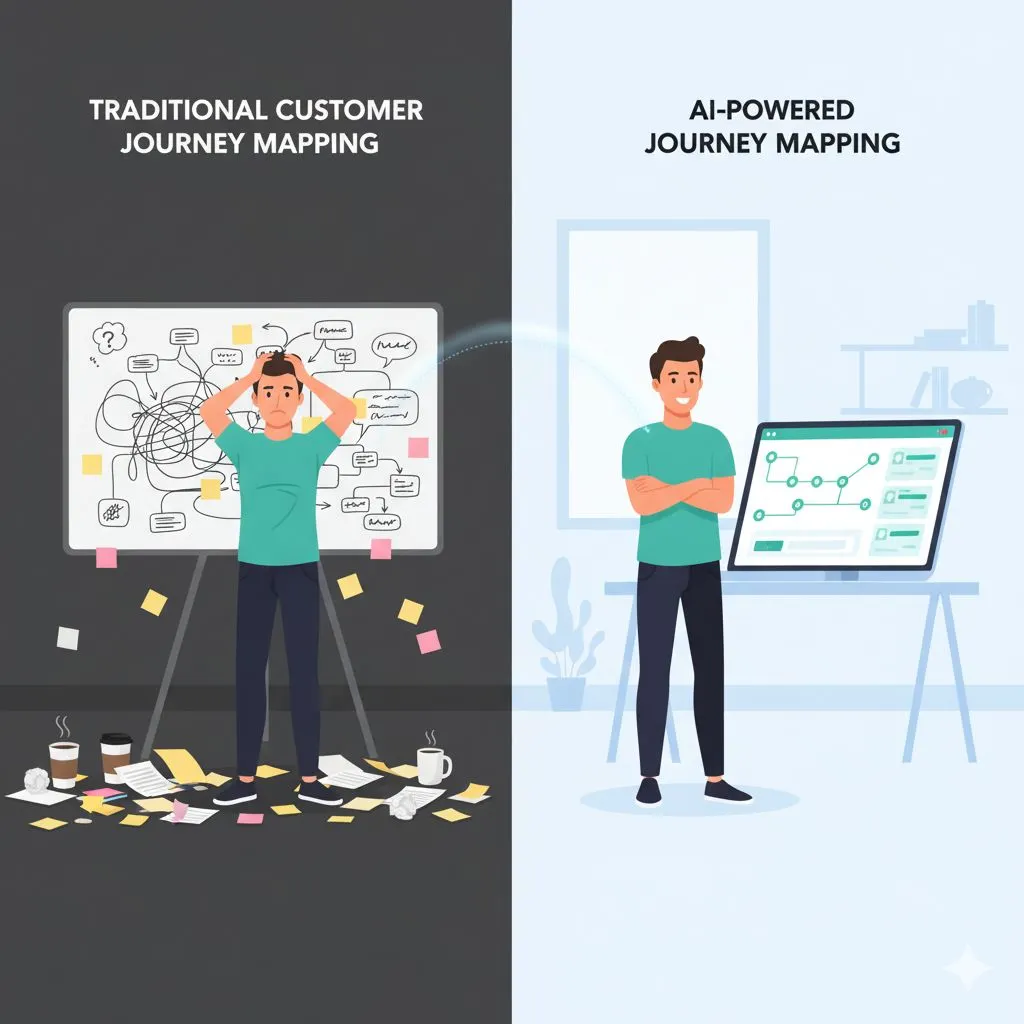
This is where the transition happens. You move from treating AI as a toy to treating it as a system. This involves creating a library of "Prompt Chains"—sequences of prompts that build upon each other.
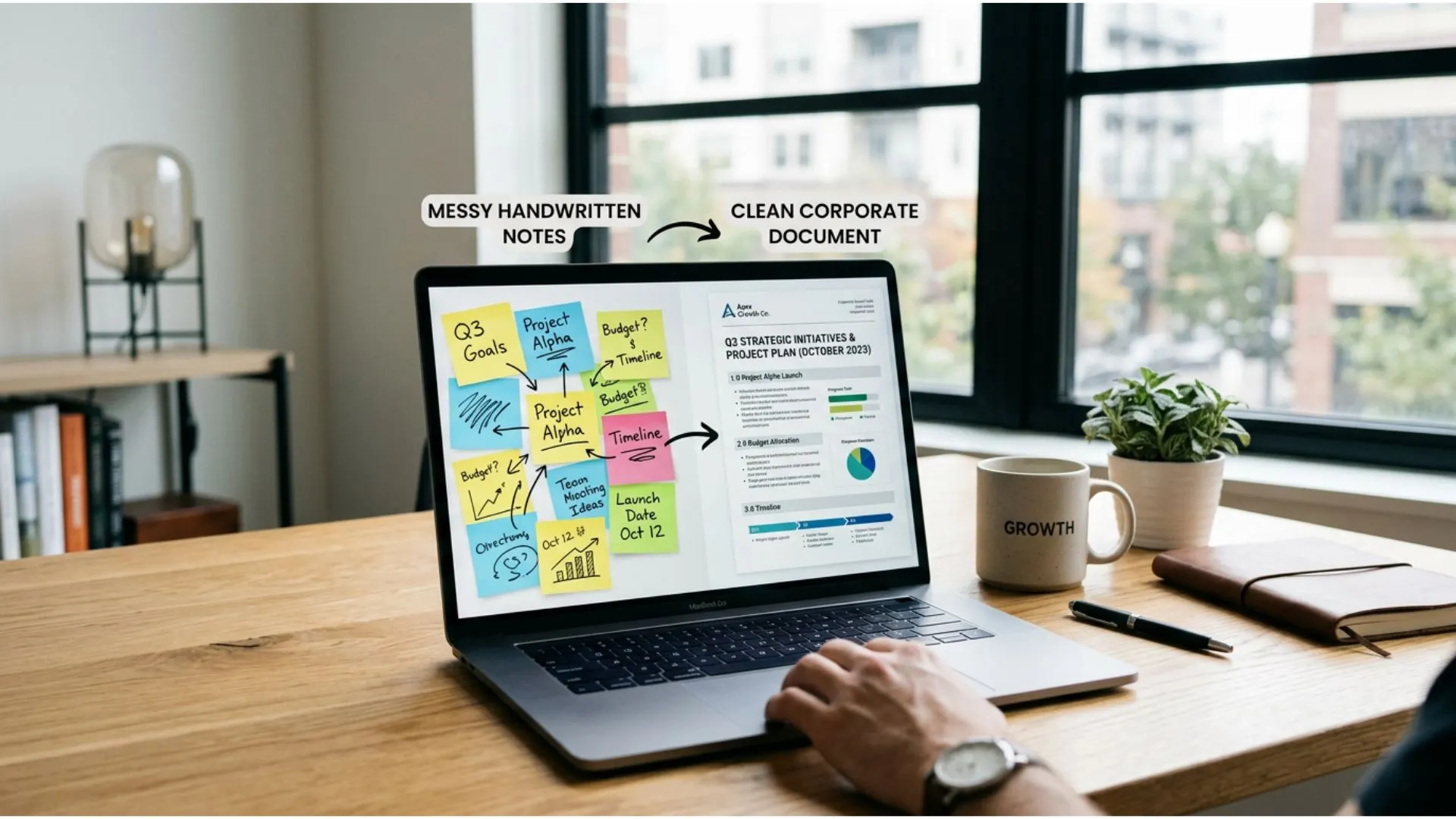
Instead of asking for a final result immediately, you might first ask the AI to generate an outline. Then, you review the outline. Then, you ask it to draft section one. This iterative process allows you to inject your strategy at every checkpoint, ensuring the final output is polished and aligned with your brand.
From Tool to Teammate: Operationalizing AI

To truly scale your business and reclaim your time, your AI implementation strategy must become a Standard Operating Procedure (SOP). This is the difference between a freelancer and a CEO. A freelancer uses tools; a CEO builds systems.
You need to document your best prompts. When you find a prompt structure that delivers expert-level results, save it. Refine it. Turn it into a template that you or your team can use repeatedly. A ready-made starting point: download the 1-Page Perfect Prompt Framework Guide -- a free resource that gives you a reusable prompt structure for any business task. This eliminates the "blank page syndrome" every time you open the software.
Furthermore, you must institute a "Human-in-the-Loop" review phase. The AI is the drafter; you are the Editor-in-Chief. Your job is to add the 10% of magic—the personal anecdotes, the strong opinions, the nuance—that the AI cannot fake. This combination of AI speed and human strategy is where the real leverage lives. It allows you to produce 5x the content without 5x the effort.
The Expert AI Prompts Difference
We understand that building this strategy from scratch is time-consuming—the very thing you are trying to avoid. That is why "Plug and Play" is so tempting. But there is a middle ground.
At Expert AI Prompts, we don't sell "magic buttons." We sell pre-engineered strategy.
Browse the complete Expert AI Prompts product catalogue -- 30 industry-specific prompt packs engineered to deliver strategy, not just content.
Our prompts aren't just one-liners; they are complex, multi-layered instructions that have the strategy built right in. We have already done the heavy lifting of defining the roles, setting the context constraints, and engineering the output format. When you use an Expert AI Prompt, you aren't just asking for text; you are deploying a proven framework designed for your specific industry.
This bridges the gap. You get the speed of "plug and play" with the quality of a custom strategy. This is how you stop hustling and start scaling.
Entrepreneurs ready to build this level of strategic expertise will find everything they need in the Prompt Engineering Edge AI Toolkit -- purpose-built for business owners who want prompt mastery without a technical background.
Conclusion: Reclaim Your Time, Own Your Growth
The digital landscape is shifting. The businesses that win won't be the ones that just "use AI." They will be the ones that implement it with a clear, ROI-driven strategy.
For the overworked business owner, this is your exit ramp from the daily grind. By adopting a strategic approach to AI, you can finally break through the bottlenecks that have been holding you back. You can maintain a consistent, high-quality brand presence that competes with the big agencies, all while actually working fewer hours.
Stop accepting generic outputs. Stop wasting time editing bad copy. It's time to treat your AI implementation with the same seriousness you treat your business finances or your client relationships.
The tools are ready. The strategy is the key. Are you ready to unlock it?
When you're ready to deploy at full scale: see all 30 industry-specific prompt packs and pricing -- one-time investment, permanent leverage.
Access 11 free AI resources -- including the Ultimate Guide to AI for Small Business -- and start building your strategy today. No credit card required.
Ready to stop spinning your wheels?
Don't waste another hour on trial-and-error. We have compiled the comprehensive roadmap for entrepreneurs who want results, not just robots.
Download the Ultimate Guide to AI for Small Business
More from Expert AI Prompts
• Entrepreneurs' Playbook for Prompt Engineering -- the complete strategic framework for AI-powered business owners
• Common AI Mistakes to Avoid -- 12 advisory guides covering the costliest AI implementation errors
• Implementation and How-To Guides -- step-by-step workflows for operationalising AI in your business
• Don't Buy Software Yet -- Strategy First -- the advisory page that saves solopreneurs from costly tool-first decisions
• Case Study: AI Prompt ROI Analysis -- Scaling Delivery -- proof that strategic prompting delivers measurable business results