What is Prompt Engineering? A Simple Definition for Business Owners
What is Prompt Engineering? A Simple Definition for Business Owners
Jan 27, 2026

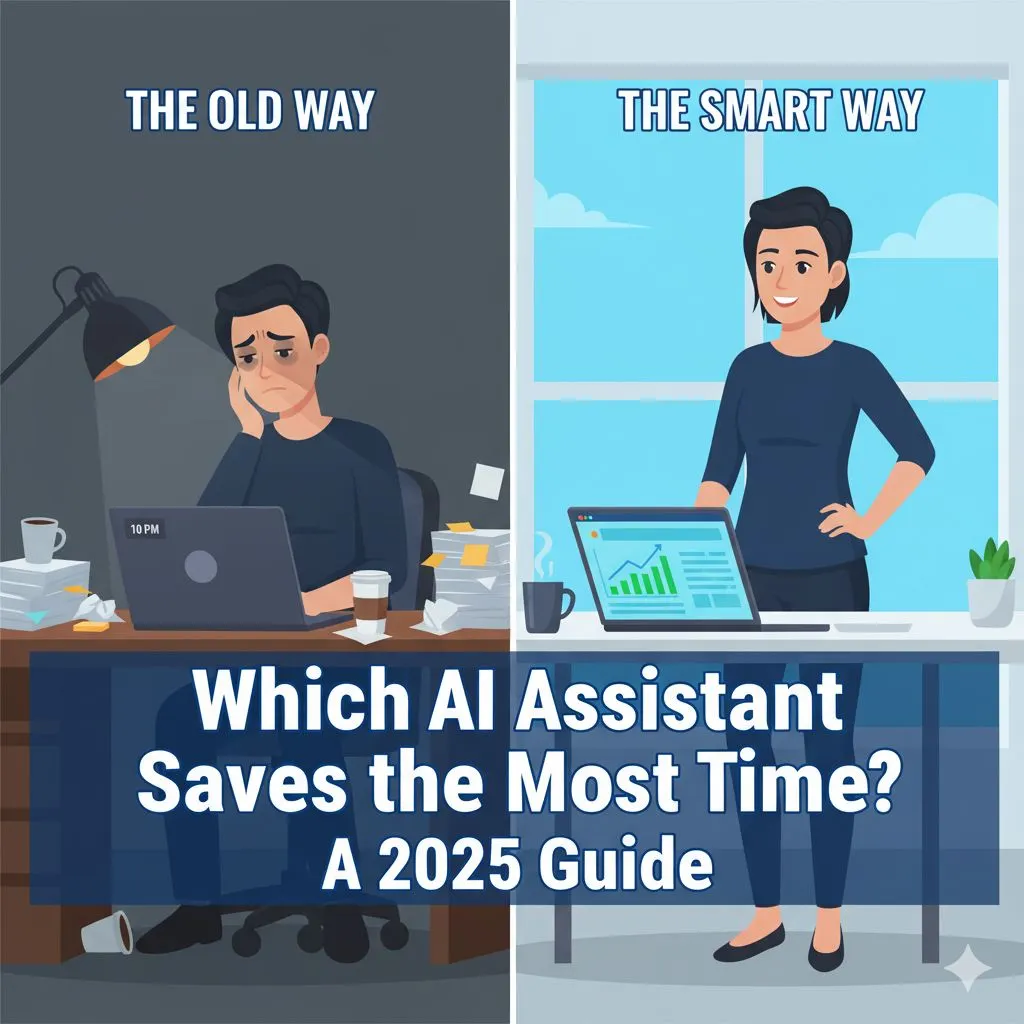
You’ve tried it. You opened ChatGPT or Claude, typed in a request like "Write a marketing email for my business," and waited for the magic to happen.
But the magic didn't happen.
Instead, you got a stiff, robotic, overly enthusiastic wall of text that sounded nothing like you. You sighed, deleted it, and wrote the email yourself. You lost twenty minutes trying to save ten. You thought, "Maybe this AI thing is just hype."
Here is the hard truth: The AI isn't broken. It’s just waiting for better leadership.
If you are a business owner like Alex Rivers—juggling client delivery, finances, and marketing while trying to find time to actually sleep—you cannot afford to waste time on tools that don't work. But you also can't afford to ignore the biggest leverage point in modern business history.
To bridge that gap, you need to understand one specific skill: Prompt Engineering.
Forget the technical-sounding name. You don’t need to learn code. You don’t need a computer science degree. If you know how to brief a human employee, you can learn prompt engineering.
The Simple Definition
Prompt Engineering is simply the art of effectively delegating tasks to Artificial Intelligence.
Think of "prompting" as writing a job description or a project brief. The "engineering" part just means structuring that brief in a logical way that guarantees a specific result.
When you type a sentence into an AI tool, that is the prompt.
When you structure that sentence to ensure the output is high-quality, on-brand, and usable immediately, that is prompt engineering.
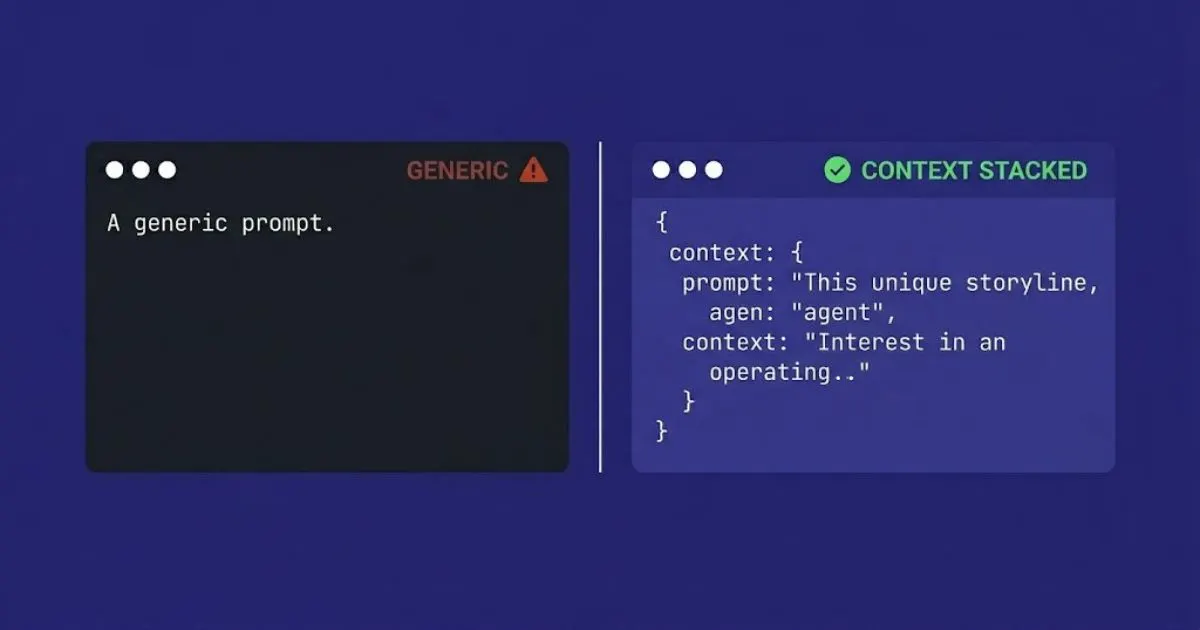
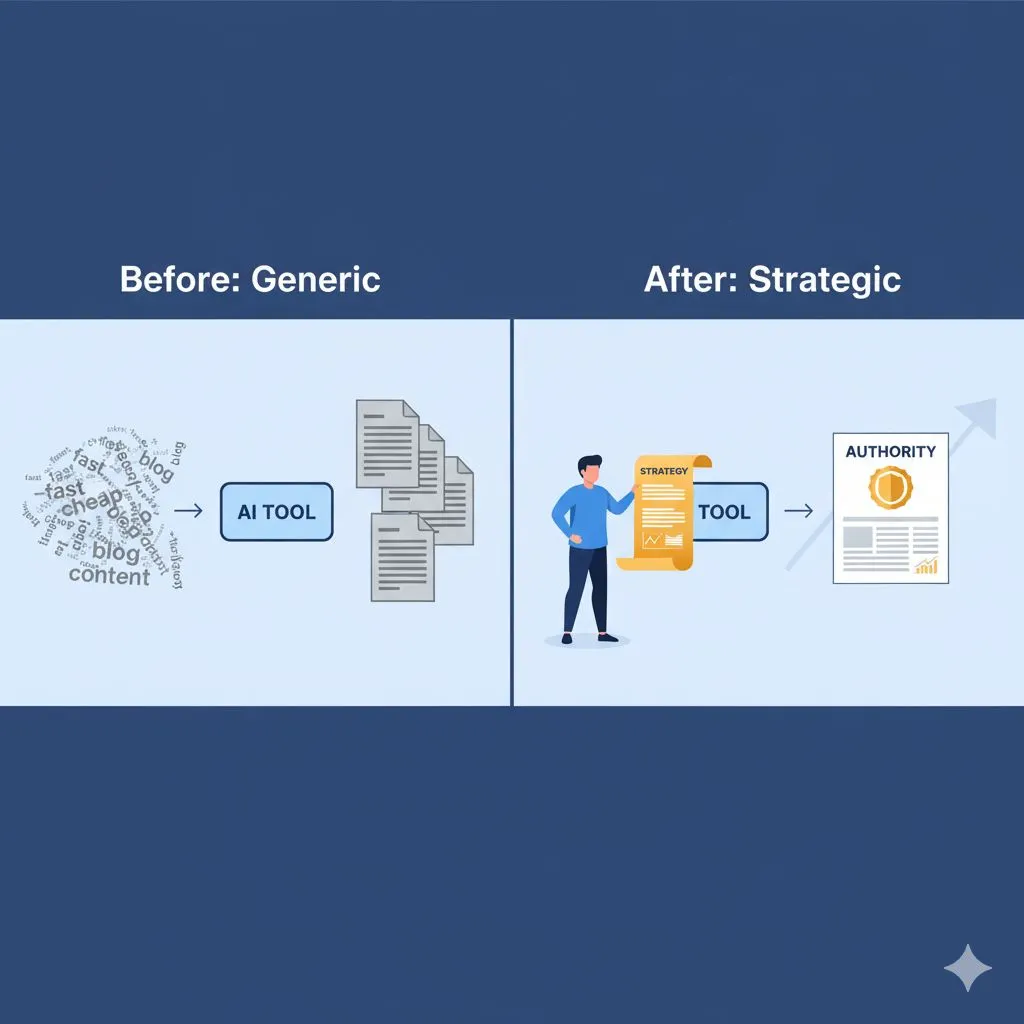
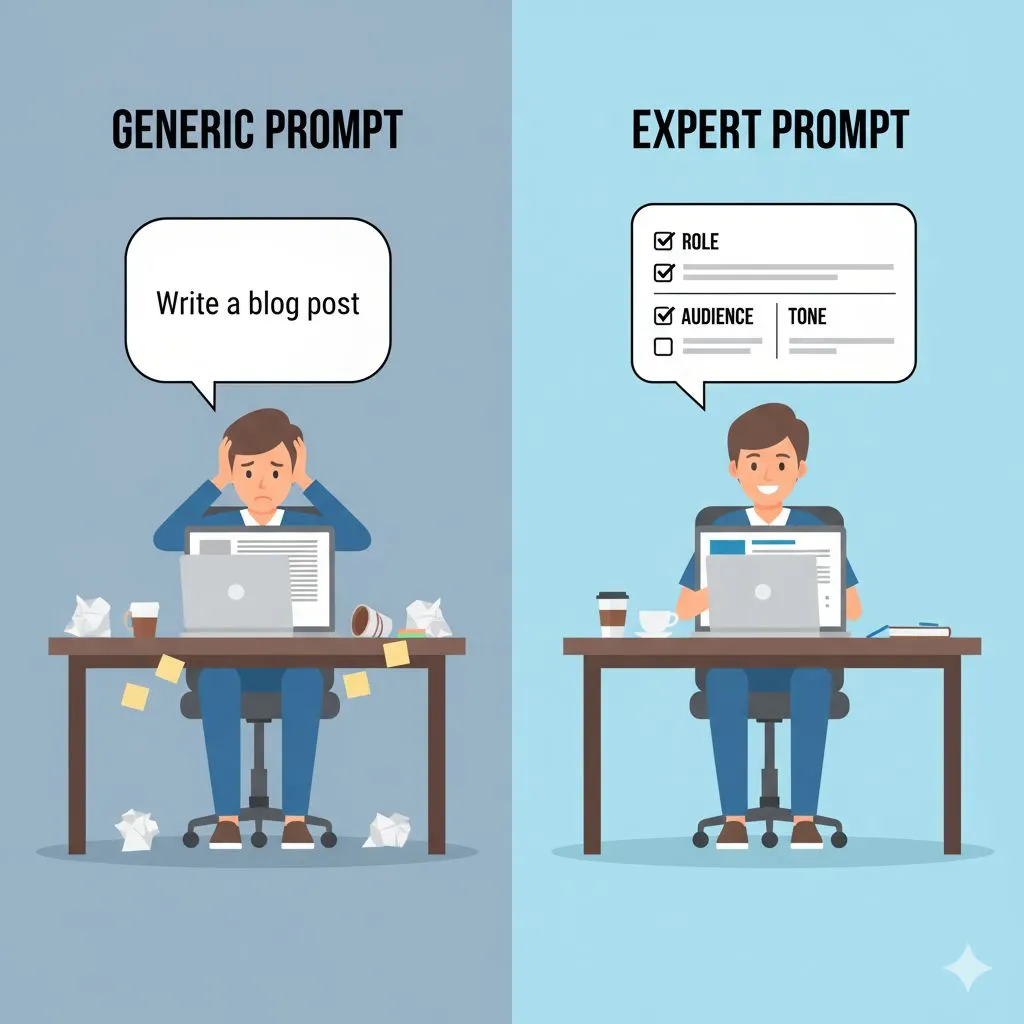
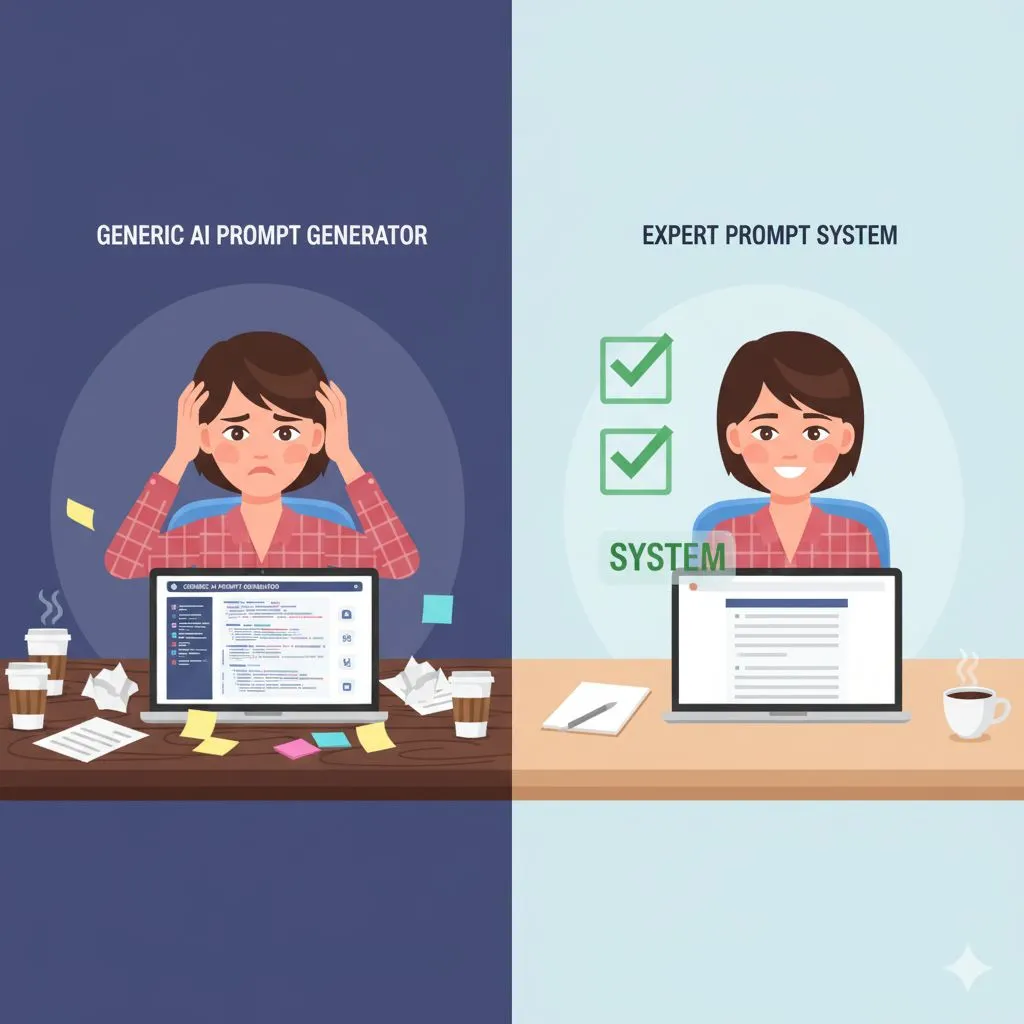
The difference between a weak prompt and a powerful one is strategy — see exactly how generic vs strategic AI prompts compare and why the gap matters for your brand.
The "Brilliant Intern" Analogy
To understand why this matters, imagine you just hired a new intern. This intern is incredibly well-read; they have read almost every book, article, and website in existence. They type at lightning speed. They never get tired.
However, this intern is also painfully literal and has zero context about your life or business.
If you tell this intern: "Write a post about coffee."
They will stare blankly, then produce a generic encyclopedia entry about the history of coffee beans. Technically, they did what you asked. But it’s useless for your business.
Now, imagine you use prompt engineering. You tell the intern:
"Act as a social media manager for a high-end artisanal coffee shop in Melbourne. Write a catchy 100-word Instagram caption about our new cold brew. The tone should be witty and energetic. Target audience is busy professionals. Include a call to action to visit before 9 AM."
Suddenly, the intern hands you a perfect piece of content.
That is the difference. The first example is a casual user. The second example is a business owner using prompt engineering to scale.
Why You Must Care About This (The ROI)
For an entrepreneur wearing many hats, "learning a new skill" usually sounds like "adding more work." But prompt engineering is different. It is the only skill that literally creates time.
Here is why mastering this matters for your bottom line:
1. Speed vs. Quality
Most people think you have to choose between doing something fast or doing it well. With expert prompting, you get both. You can produce a first draft of a proposal, a blog post, or a strategy document in seconds. Even if you spend 10 minutes refining it, you have saved hours of staring at a blank page.
2. Consistency at Scale
One of the biggest pain points for small businesses is brand inconsistency. One day you sound professional, the next day you’re rushed and sound sloppy. A well-engineered prompt acts as a Standard Operating Procedure (SOP). It forces the AI to adhere to your brand voice, formatting rules, and quality standards every single time.
3. Leverage Without Headcount
You want to compete with the big agencies, but you don’t have their budget for a team of ten. Prompt engineering turns you into a "team of one." With the right prompts, you are the Creative Director, the Copywriter, the Strategist, and the Data Analyst, all before lunch.
The Core Framework: The C.R.E.O. Method
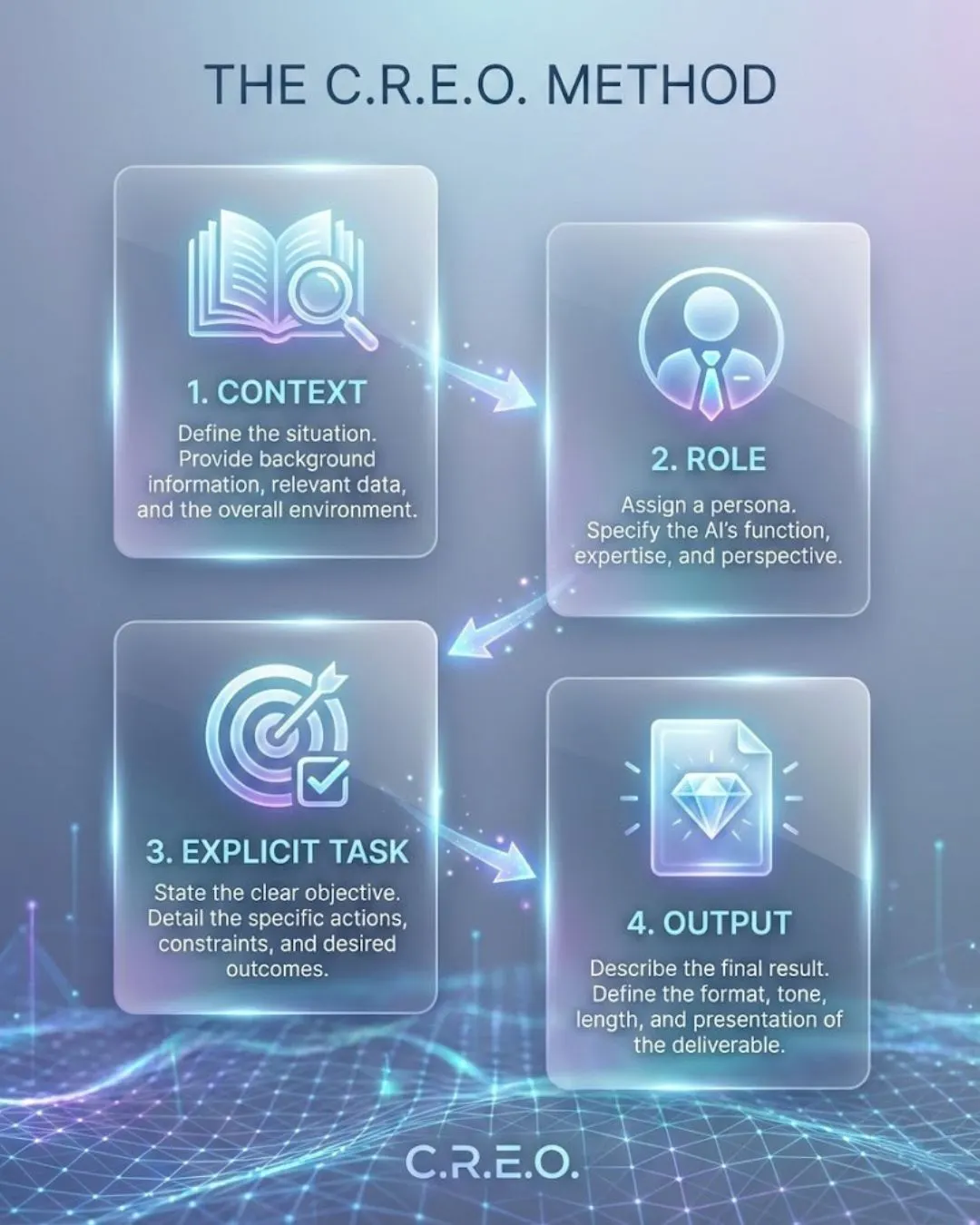
So, how do you actually do it? How do you move past "Write a blog" to expert-level commands?
At Expert AI Prompts, we teach a simple structure that works across every industry. We call it the C.R.E.O. Method.
Every time you sit down to use AI, ensure your prompt contains these four elements:
C — Context
Don't assume the AI knows who you are. Give it the background.
- Weak: "Write a sales email."
- Strong: "I run a boutique consulting firm for dentists. We help them get more patients. We are launching a new coaching program."
R — Role
Tell the AI who it needs to be. This primes the system to access specific vocabulary and frameworks.
- Weak: "Write some copy."
- Strong: "Act as a Senior Direct Response Copywriter with 10 years of experience in B2B sales."
E — Explicit Task
Be specific about what you want done. Use strong verbs.
- Weak: "I need ideas for a video."
- Strong: "Generate 5 YouTube video titles and short outlines that address the top 3 fears of dentists regarding practice management."
O — Output Constraints
This is where most people fail. Tell the AI exactly how the result should look.
- Weak: "Make it good."
- Strong: "Keep the tone professional but empathetic. Use short paragraphs. No jargon. Format the output as a table. Total length: under 300 words."
Putting it together:
When you combine C+R+E+O, you stop gambling with AI and start directing it. You move from "hoping for something good" to "demanding excellence."
Download the free 1-Page Perfect Prompt Framework Guide — a concise reference card that keeps C.R.E.O. in front of you every time you open AI.
Why Your Past Attempts Failed (And How to Fix Them)
If you are skeptical because you’ve tried AI and were unimpressed, that is a valid feeling. But usually, the failure stems from one of three common traps.
Trap 1: The "Mind Reader" Assumption
Business owners often treat AI like a long-time business partner. You think, "It should know I don't use emojis in client emails." It doesn't. Unless you explicitly state your constraints (The 'O' in CREO), the AI will revert to its default setting: generic, cheerful, and slightly boring.
- The Fix: If you don't like the output, look at your prompt. Did you forbid what you didn't like? If the AI was too salesy, did you say "Use a subtle, consultative tone"?
See the most expensive prompting mistakes business owners make — and the straightforward fixes that protect your brand output.
Trap 2: The "One-Shot" Fallacy
Rarely does a human employee nail a complex project in the first draft without feedback. Why expect AI to be different?
- The Fix: Treat the AI output as a conversation. If the first result is 80% there, don't rewrite it manually. Reply to the AI: "This is good, but make the second paragraph punchier and remove the passive voice." This is called Iterative Prompting.
Trap 3: Generic Inputs
If you input generic data, you will get generic results. If you ask for "tips for business growth," you will get the same advice found on page 1 of Google.
- The Fix: Feed the AI unique data. Paste in a messy transcript of your thoughts, a previous successful email you wrote, or specific customer complaints. Ask it to process that specific information.
Moving From Operator to Strategist
The ultimate goal of prompt engineering isn't just to write faster emails. It is to change your role in your business.
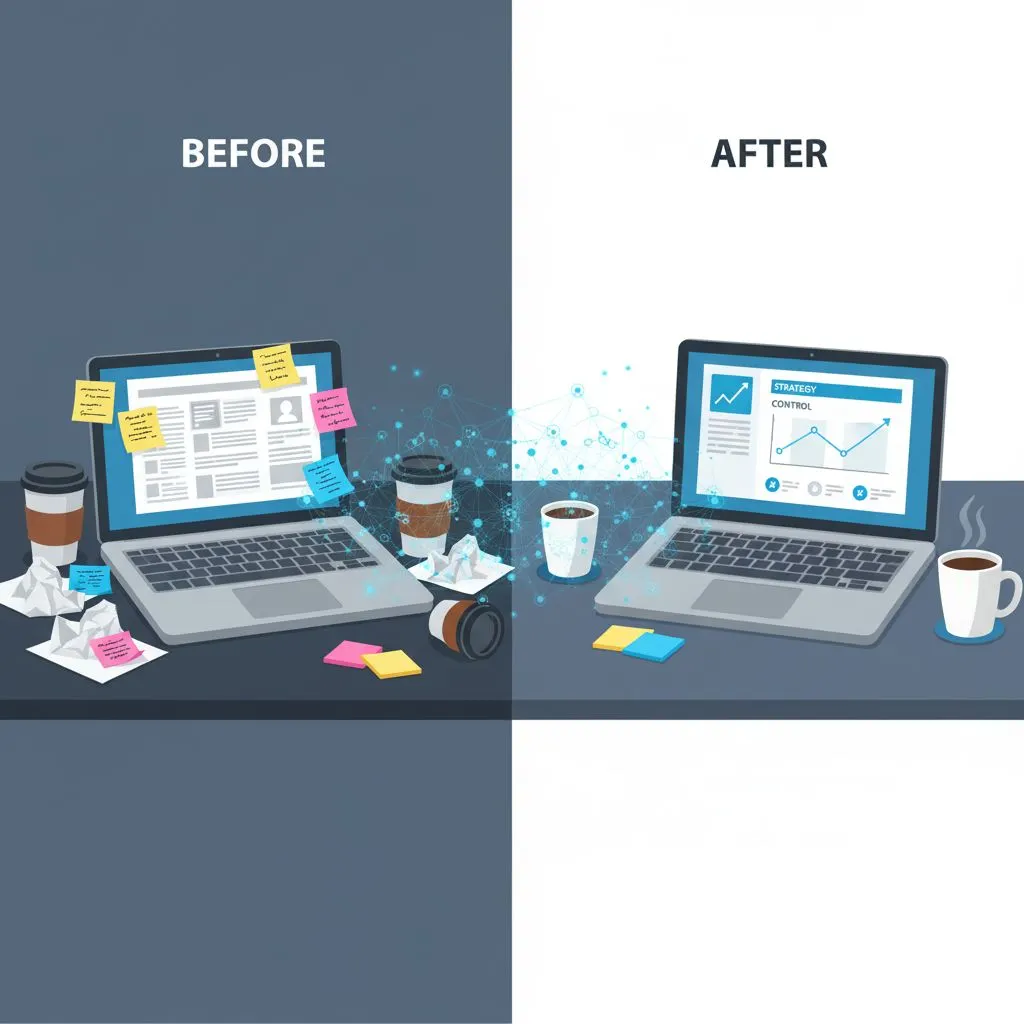
Right now, you are likely the "Operator." You are the one turning the screws, typing the words, and fixing the problems. This limits your income to the number of hours you have in a day.
Prompt engineering allows you to become the "Strategist."
For a deeper look at how this transition plays out in practice, read how ambitious owners are using AI to escape the daily grind.
- The Operator writes the newsletter (1 hour).
- The Strategist designs a prompt structure that generates the newsletter, then spends that hour developing a new revenue stream.
- The Operator answers customer support tickets (2 hours).
- The Strategist builds a prompt library that allows a junior assistant to answer those tickets with the CEO's voice and accuracy.
This shift is how you scale a small team of 2–10 people into a powerhouse that competes with firms ten times your size. You aren't working harder; you are leveraging technology to multiply your strategic intent.
The Prompt Engineering Edge Toolkit gives you the complete pre-built system — designed to embed the Strategist role directly into your daily AI workflow from day one.
Real-World Application: 3 Scenarios for the Busy Owner
Let's look at how Alex Rivers—our prototype for the ambitious, overworked owner—uses this in the wild.
Scenario A: The Content Bottleneck
The Pain: Alex knows he needs to post on LinkedIn to build authority, but staring at the cursor takes 45 minutes every morning.
The Prompt Solution: Alex pastes a link to a recent industry news article into the AI.
Prompt: "Act as an industry thought leader. Read this article. Summarize the key point in 2 sentences, then write a contrarian opinion arguing why this news is actually good for small businesses. Format as a LinkedIn post with a hook, 3 bullet points, and a question for the comments."
Result: A thought-provoking post in 30 seconds.
Scenario B: The Client Crisis
The Pain: A client sent an angry email about a delay. Alex is stressed and tempted to reply defensively.
The Prompt Solution: Alex pastes the angry email into the AI.
Prompt: "Act as a crisis communications expert. Read this angry client email. Draft a reply that acknowledges their frustration without admitting liability. The tone must be empathetic, professional, and solution-oriented. Propose a call for Tuesday at 10 AM to resolve this."
Result: A de-escalated situation and a preserved relationship, handled with zero emotional energy spent.
Scenario C: The Strategic Pivot
The Pain: Alex wants to launch a new service but isn't sure how to price it.
The Prompt Solution:
Prompt: "Act as a business consultant. I am launching a service that does [X] for [Y] audience. My competitors charge between $500 and $1000. Give me 3 pricing models: one low-tier penetration strategy, one premium value-based strategy, and one recurring subscription model. List the pros and cons of each for a small team."
Result: Clear strategic options to make an informed decision.
Conclusion: Stop Hustling, Start Engineering
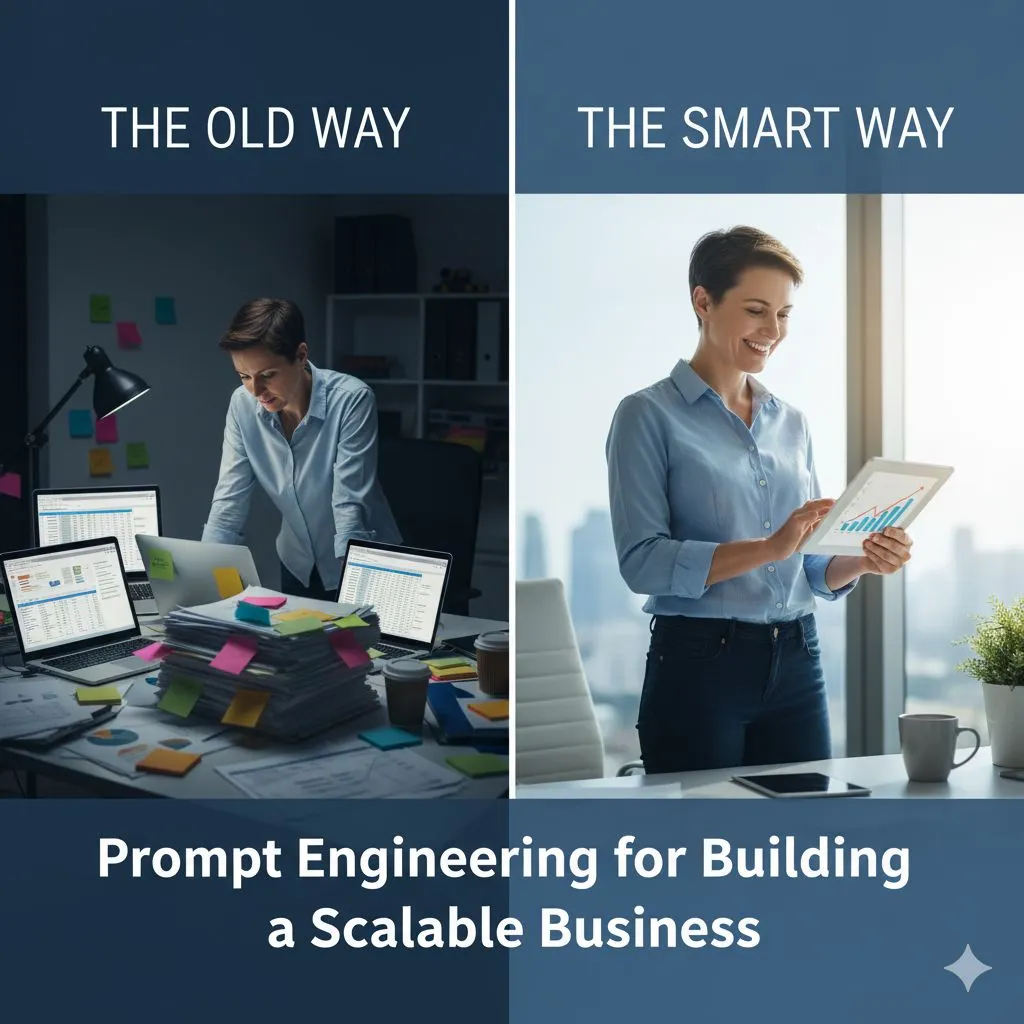
Prompt engineering is not about cheating the system. It is about building a better system.
For years, the narrative for small business owners has been "hustle harder." Wake up earlier. Work later. Sacrifice more. But you know that model has a ceiling, and you have likely hit it.
AI offers a way to break through that ceiling, but only if you know how to speak its language. By mastering the art of the prompt—by mastering Context, Role, Task, and Constraints—you stop being the bottleneck in your own business.
You have the vision. You have the expertise. Now, you have the tool to execute that vision at scale.
Don't let the "tech" intimidate you. It’s just delegation. And as a business owner, delegation is your most profitable skill.
Start for free: access 11 free AI prompt resources — including prompt frameworks, content planners, and time-saving toolkits — at zero cost.
Ready to Reclaim Your Time?
You don't need to reinvent the wheel. You just need the right toolkit. We have developed a comprehensive playbook specifically for entrepreneurs who want to skip the "trial and error" phase and go straight to results.
Get The Entrepreneur's Playbook for Prompt Engineering Here
Start scaling smarter today.
Ready to go all-in? Browse all 30 industry-specific Prompt Packs and find the pack built for your industry.
Further Reading
• Mastering the Art of the Prompt: A Guide for Non-Techies
• Why You Don't Need a Prompt Engineering Degree (Just Better Prompts)
• 10 Perfect Prompt Examples for Marketing Copy
• Why Expert AI Prompts Are the High-Leverage Skill You Need