Mastering the Art of the Prompt: A Guide for Non-Techies
Mastering the Art of the Prompt: A Guide for Non-Techies
Jan 25, 2026

You didn’t start your business to spend ten hours a day staring at a blinking cursor. You started it to solve problems, serve clients, and build a life of financial independence. Yet, here you are—juggling marketing, operations, and strategy, wearing ten different hats, and feeling like you’re constantly behind.
You’ve heard the noise about Artificial Intelligence. You’ve likely seen the headlines promising that AI will "do the work for you." Maybe you’ve even tried it—typed a quick question into ChatGPT or Claude—only to get back a generic, robotic response that sounds nothing like you and certainly isn’t good enough to put in front of a client.
So, the skepticism sets in. Is this just more hype? Is it just another tool that requires a PhD to operate?
Here is the truth: AI is the most powerful leverage a small business owner has ever had access to, but it has a language barrier. The difference between a generic, useless output and a strategy that doubles your revenue lies in one skill: prompt engineering.
Don't let the technical jargon scare you. Prompt engineering isn’t about writing code. It isn't about complex algorithms. It is simply the art of clear, strategic communication. It is the skill of asking for exactly what you want in a way that guarantees you get it. To go deeper on this foundational skill, explore the complete Entrepreneurs’ Playbook for Prompt Engineering — a step-by-step guide to mastering strategic prompts for business growth.
This guide is for the "non-techie." It is for the ambitious entrepreneur who wants to stop hustling 24/7 and start scaling. By mastering the art of the prompt, you can transform AI from a frustrating toy into your most valuable, tirelessness employee.
Phase 1: The Mindset Shift—From Operator to Director
To master prompt engineering, you first need to change how you view the AI. This shift is part of a broader transformation that AI enables for small business owners — the full picture is covered in the ultimate guide to AI for small business.
Most people treat AI like Google. They type in keywords or half-formed questions like, "Write a marketing plan" or "Give me blog ideas."
When you do this, you are forcing the AI to guess. It has to guess your industry, your target audience, your brand voice, and your specific goals. Naturally, it guesses the average. And in business, "average" is invisible.
To get expert-level results, you must stop acting like a frantic operator and start acting like a Creative Director.
Treat AI Like an Intern, Not a Search Engine
Imagine you hired a bright, enthusiastic, but inexperienced intern named Alex on their first day. If you walked by Alex’s desk and shouted, "Write an email to clients!" and then walked away, what would happen?
Alex would panic. They would write a generic, stiff, potentially embarrassing email because they have no context. Who are the clients? What is the offer? Are we apologizing or selling?
AI is that intern. It has access to the sum of human knowledge, but it has zero context about your business until you give it to it.
Effective prompt engineering is simply the act of delegation. It requires you to pause and define:
- Who needs to do the work? ( The Role)
- What specifically needs to be done? (The Task)
- How should the final product look? (The Format)
To understand what an AI prompt engineer does for small business owners — and why this is one of the most in-demand skills in business right now — see how the role is defined in practice.
The Cost of Bad Instructions
Vague prompts are expensive. They cost you time because you have to rewrite the AI’s output. They cost you credibility if you publish robotic content. But mostly, they cost you opportunity.
When you master the prompt, you stop trading time for money. You spend two minutes crafting a strategic instruction, and the AI spends ten seconds doing work that used to take you three hours. That is the definition of scaling.
Phase 2: The Anatomy of a Perfect Prompt (The C.R.E.F.O. Method)
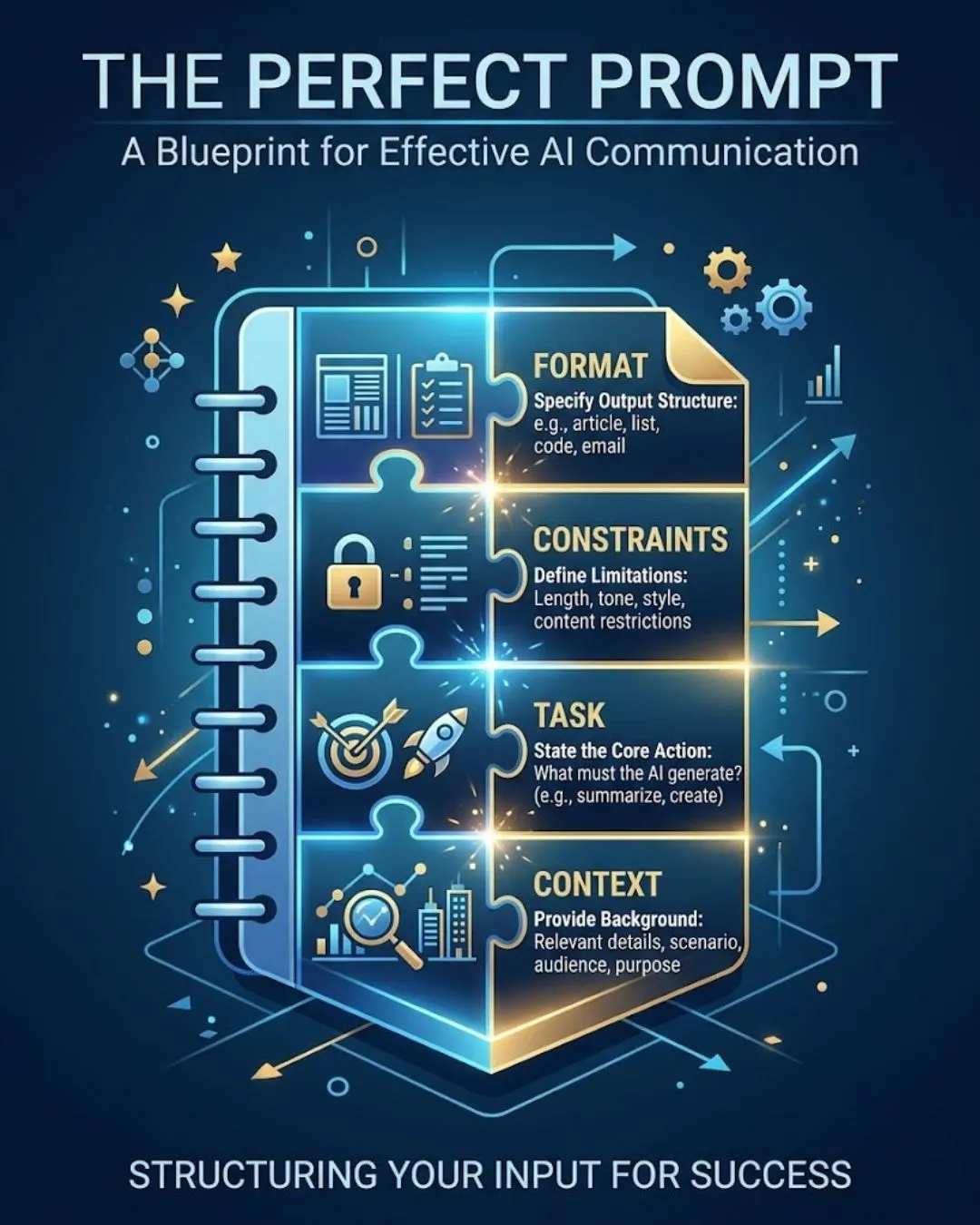
Now that we are thinking like directors, how do we actually write the script? You don't need to memorize complex syntax, but you do need a framework. At Expert AI Prompts, we use the C.R.E.F.O. Method to ensure consistent, high-quality results.
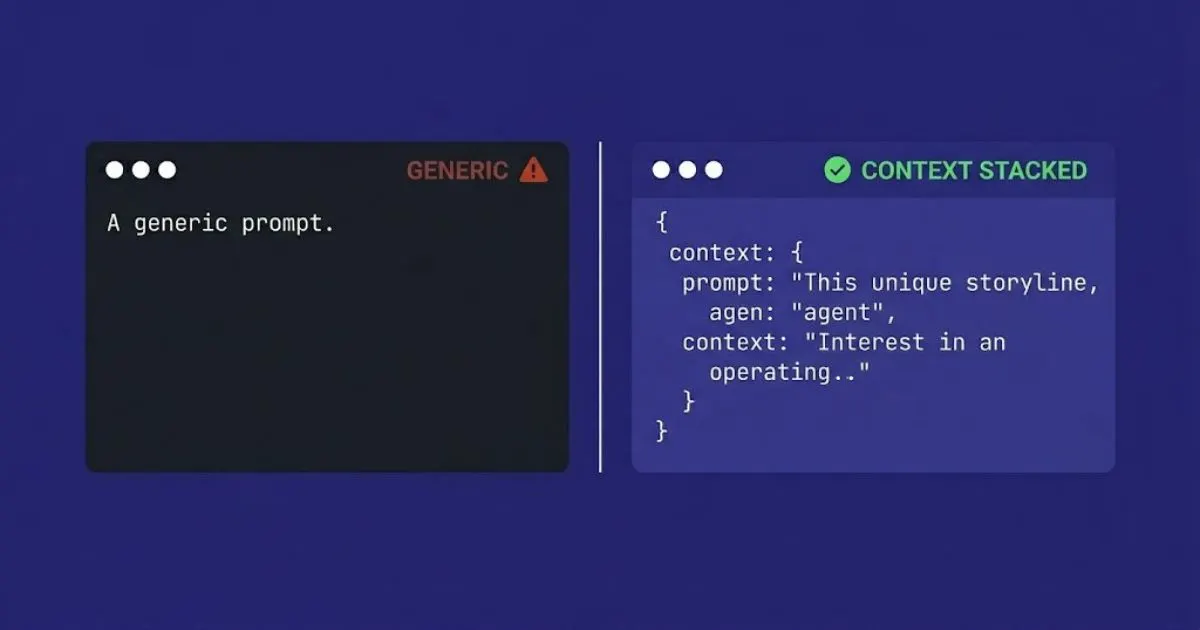
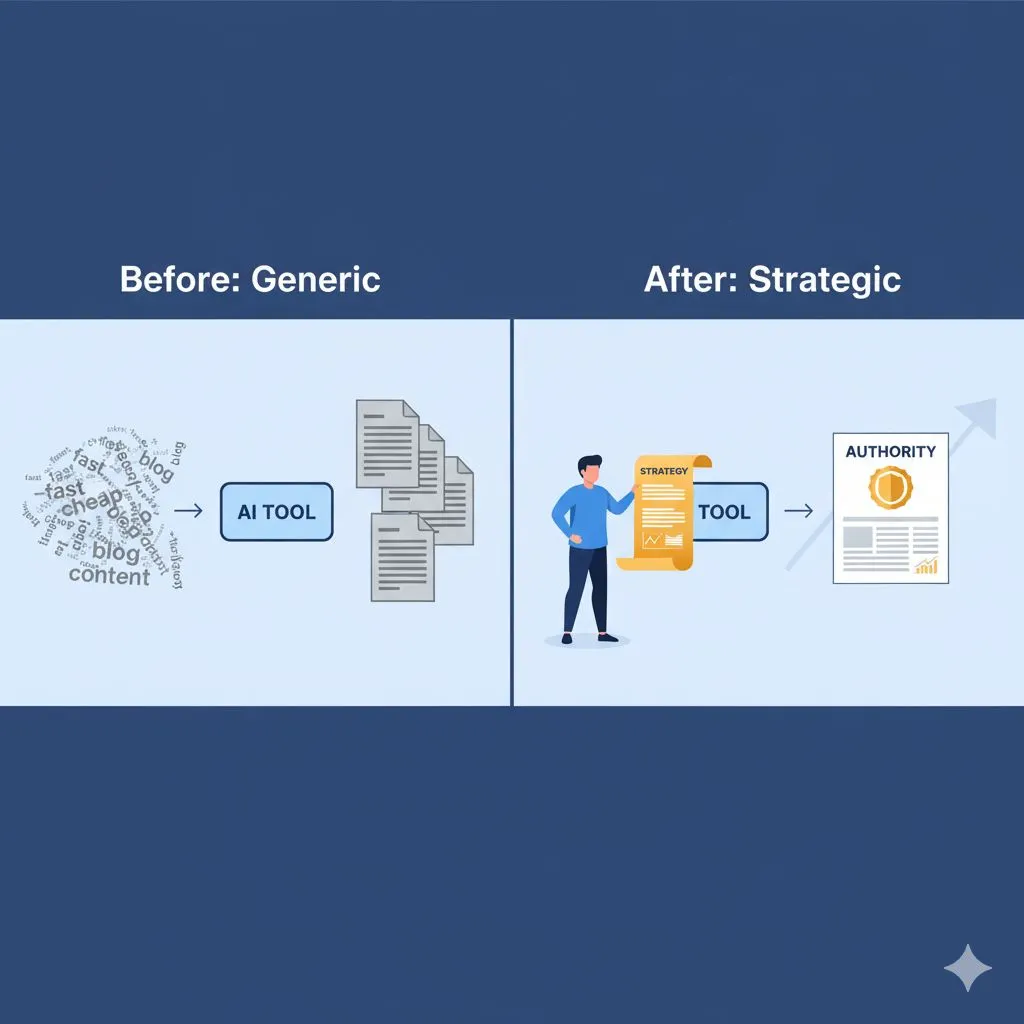
If you skip any of these elements, you introduce ambiguity. And ambiguity is the enemy of quality. The gap this creates in real business outputs is significant — see how generic vs. strategic AI prompts compare and what it means for your results.
1. Context (The Role)
Start by telling the AI who it is. This primes the system to access specific vocabulary and strategic frameworks suitable for that role.
- Weak: "Write a blog post about coffee."
- Strong: "Act as a specialized Coffee Roaster and Brand Storyteller with 15 years of experience in the artisanal beverage industry."
2. Request (The Task)
Be aggressively specific about the action you want taken. Use strong verbs.
- Weak: "I need help with an email."
- Strong: "Draft a persuasive, empathetic cold outreach email to local cafe owners to pitch our new wholesale bean subscription."
3. Examples (The Style)
This is the secret sauce of prompt engineering. AI mimics patterns. If you want it to sound like you, give it a sample of your writing or a specific structure to follow.
- Instruction: "Adopt a tone that is professional yet warm, similar to the writing style of Seth Godin—short sentences, punchy insights, and no jargon."
4. Format (The Output)
Don't let the AI decide how the data looks. Tell it exactly how you want to consume the information.
- Instruction: "Format the output as a bulleted list of 5 key points, followed by a 'Call to Action' script. Do not use hashtags."
5. Outcome/Constraints (The Boundaries)
Tell the AI what not to do. This prevents fluff and keeps the content focused on your business goals.
- Instruction: "Keep the email under 150 words. Focus on the benefit of time-saving for the cafe owner, not the technical details of the roasting process."
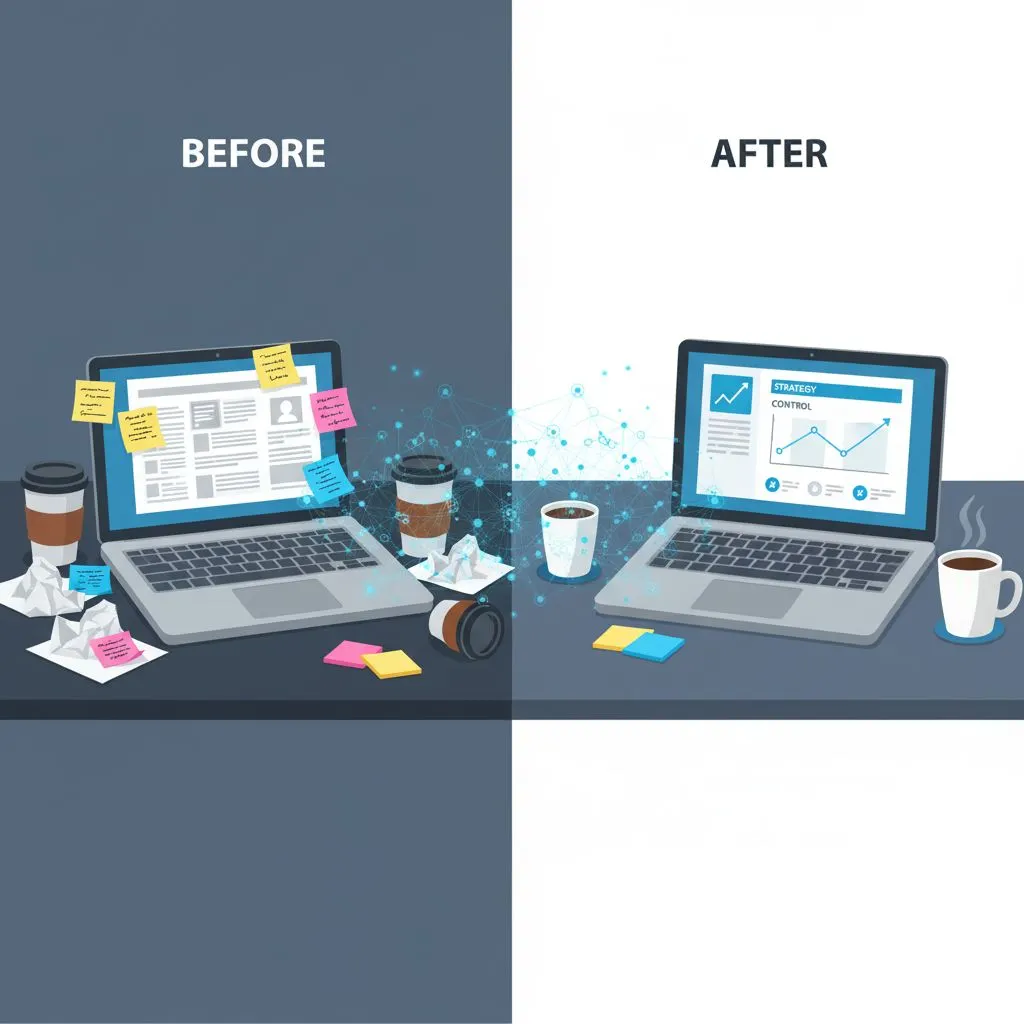
Putting It All Together: A Before & After
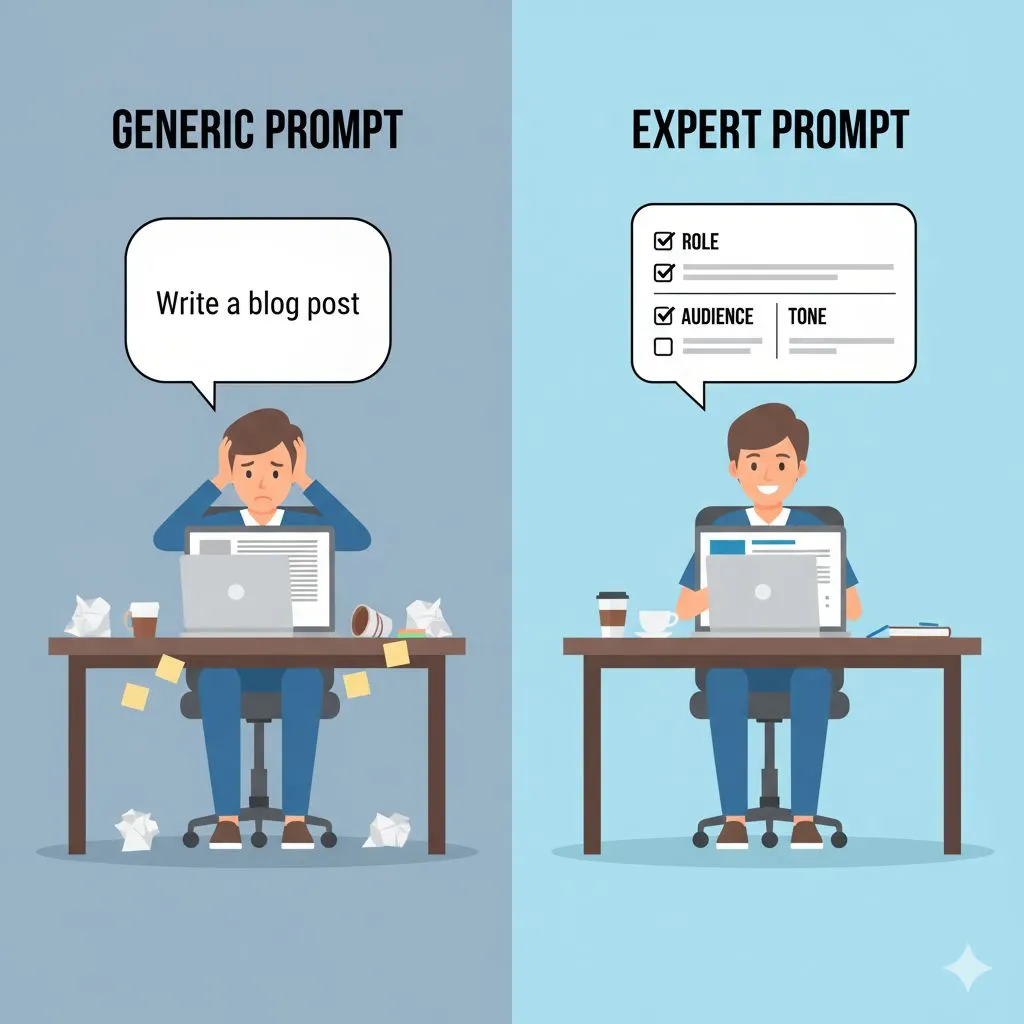
The "Amateur" Prompt:
"Write an Instagram post for my consulting business about time management."
The Result: A generic, emoji-filled block of text about "hustling hard" that looks like every other spam bot on the internet.
The "Expert" Prompt:
Context: Act as a Senior Business Consultant for scaling agencies.
Request: Write an Instagram caption debunking the myth that "more hours equals more success."
Constraint: Do not use clichés like "hustle culture." Keep the tone authoritative but empathetic.
Format: Start with a controversial hook. Use short paragraphs. End with a question to drive engagement.
Goal: Position my brand as a solution for overworked agency owners.
The Result: A sharp, insightful piece of content that stops the scroll, speaks directly to your ideal client's pain points, and establishes your authority.
See the difference? The first prompt is a gamble; the second is a strategy.
Phase 3: Troubleshooting & Iteration (Where Most Give Up)
Even with a strong framework, sometimes the AI misses the mark. This is the moment where many business owners throw up their hands, say "AI doesn't work for my industry," and go back to doing everything manually.
Don't be that person.
Prompt engineering is not a one-and-done command line; it is a conversation. The ability to refine an output is what separates the novices from the pros.
The "First Draft" Fallacy
Expect the first output to be a "B-" grade. It’s a solid draft, but it lacks your soul. This is normal. In the traditional world, you wouldn't publish the very first draft you wrote on a napkin, so don't expect the AI to nail it instantly.
Instead of rejecting the result, critique it. Talk to the AI exactly as you would that intern we mentioned earlier.
- Critique: "That’s good, but it sounds too corporate. Rewrite the second paragraph to sound more conversational, like two friends talking over coffee."
- Critique: "You missed the point on pricing. Emphasize that we offer value-based pricing, not hourly rates."
Taming Hallucinations and Fluff
AI models are designed to be people-pleasers. Sometimes, they will make things up to satisfy a prompt, or they will fill space with "fluff" adjectives (like "cutting-edge," "transformative," or "game-changing") because they think that’s what marketing sounds like.
If you see this happening, use a "Negative Constraint" prompt:
"Rewrite the section on services. Remove all adjectives. State the facts only. Do not invent statistics."
Refining the Tone
The biggest objection we hear from clients like Alex Rivers is: "It doesn't sound like me."
This is usually because the prompt didn't provide a "Voice ID." If the AI is sounding robotic, try pasting a paragraph of your own previous writing into the chat and saying:
"Analyze the writing style, sentence structure, and tone of the text below. Then, rewrite the generated content applying this exact style."
This simple trick can instantly transform a generic robot into a digital clone of your brand voice. For a structured, repeatable process, how to train AI to write in your brand voice walks through exactly how to lock in your tone across every future prompt.
Phase 4: Scaling Your Genius
Once you have mastered the art of the prompt and learned to iterate, you unlock the real power of AI: Scale.
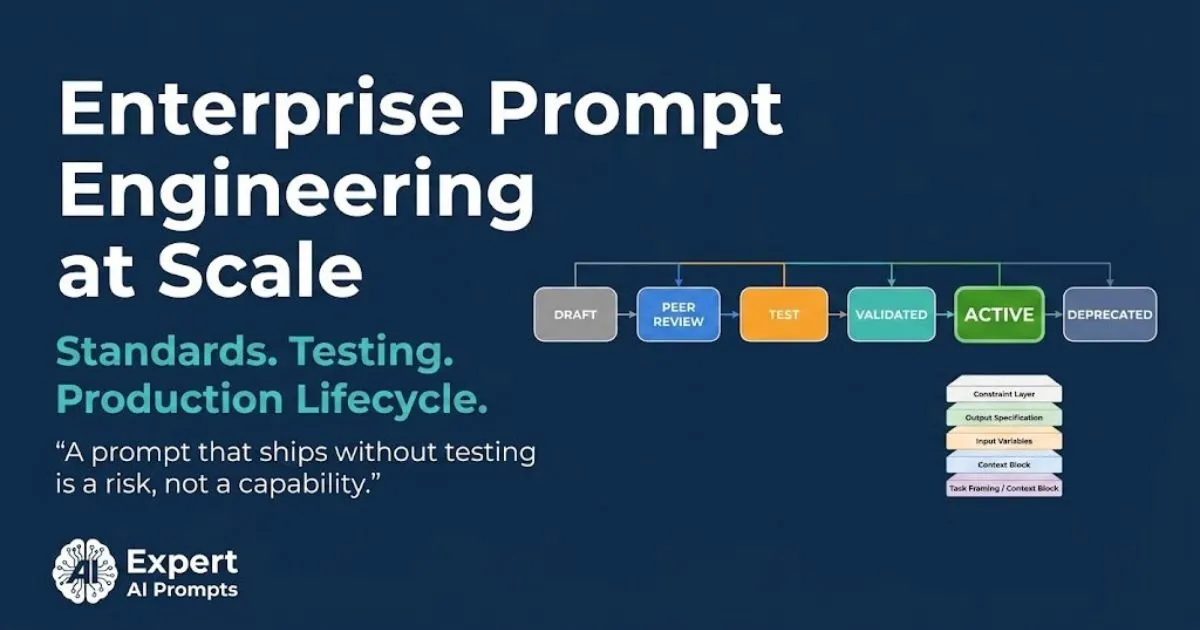
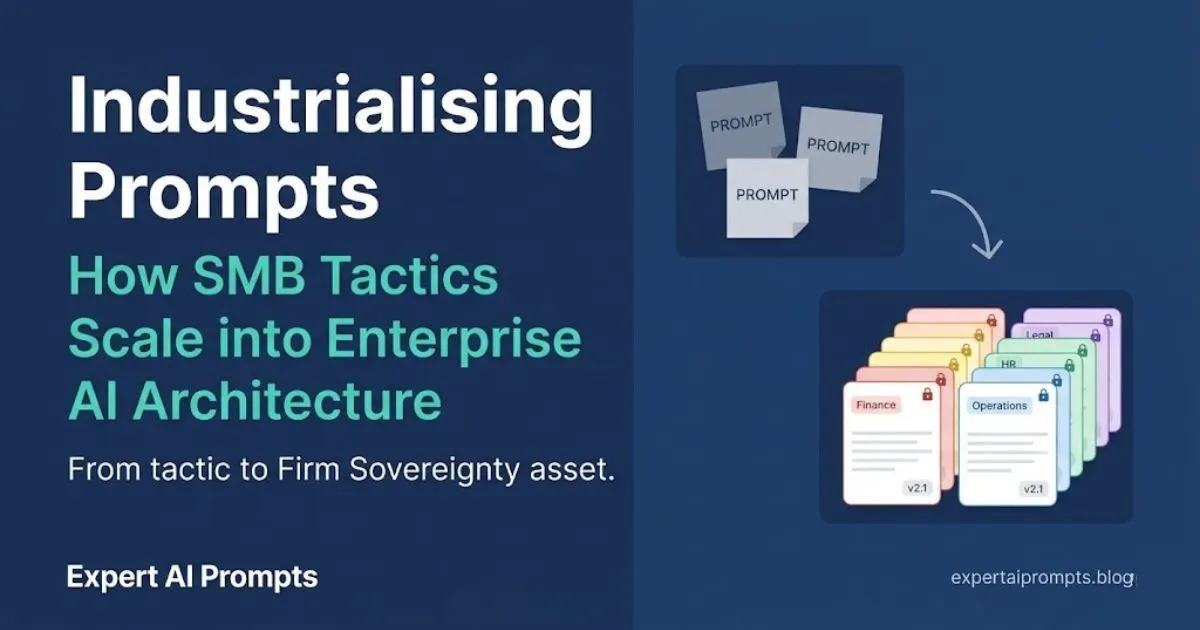
You shouldn't be writing the same prompts from scratch every day. That is inefficient. The goal is to build a "Prompt Library"—a collection of pre-validated, high-performing prompts that run your business operations for you.
Building Your Asset Library
Imagine having a folder on your desktop containing prompts that are 95% ready to go.
- The "Blog Post" Prompt: Just insert the topic.
- The "Client Onboarding" Prompt: Just insert the client name.
- The "Quarterly Strategy" Prompt: Just insert your sales data.
To build this library faster, the automated prompt engineering shortcut for consistent AI outputs shows you how to systematise the process without building each prompt from zero.
When you systemize your prompts, you are essentially documenting your SOPs (Standard Operating Procedures) in a way that executes the work for you. This allows you to hand off these tasks to a virtual assistant or a team member. You are no longer the bottleneck; you are the architect of the system.
The Competitive Edge
The business landscape is splitting into two groups: those using AI to move at light speed, and those stuck in the slow lane of manual creation.
By building a library of expert prompts, you can produce a month’s worth of social content in an hour. You can draft a proposal in minutes. You can analyze market trends over lunch. This isn't just about saving time—it’s about competing with agencies and companies ten times your size, simply because you are smarter about how you deploy your resources.
Conclusion: Reclaiming Your Time
Mastering prompt engineering is the highest-ROI skill you can learn this year. It transforms the computer from a tool that demands your input into a partner that amplifies your output.
For the overworked entrepreneur, this is the key to freedom. It allows you to step back from the weeds of daily operations and return to the visionary work that actually grows your business.
However, we know that staring at a blank chat box can still be intimidating. Learning the syntax, testing the variables, and refining the outputs takes time—time you might not have right now. Start with the free 1-page Perfect Prompt Framework guide — a single reference sheet capturing the full C.R.E.F.O. method so you are never staring at a blank prompt box again.
You understand the theory. You know the value. But what if you could skip the "trial and error" phase entirely?
Stop Spinning Your Wheels—Start Winning Clients
You don’t have to build your prompt library from scratch. We’ve already done the heavy lifting for you.
We have engineered, tested, and refined a comprehensive suite of prompts designed specifically for ambitious business owners who need expert results immediately.
The Prompt Engineering Edge AI Toolkit gives you access to pre-built, industry-specific prompts that are ready to plug and play. No guessing. No frustration. Just instant, high-quality output that elevates your brand and streamlines your workflow.
Don't let the tech giants have all the fun. Equip yourself with the tools to compete, scale, and win.
Get The Prompt Engineering Edge AI Toolkit Today
Not sure which resource fits where you are right now? Explore all free AI tools and downloads at the Expert AI Prompts Free Offers Hub and find the right starting point.
Ready to go all in? Browse all 30 industry-specific prompt packs and pricing to find the pack built for your business.
Further Reading
What is Prompt Engineering? A Simple Definition for Business Owners
Why You Don’t Need a Prompt Engineering Degree (Just Better Prompts)