Why Expert AI Prompts Are the High-Leverage Skill You Need
Why Expert AI Prompts Are the High-Leverage Skill You Need
Feb 04, 2026

Part I: The Great Leveler
For the last twenty years, the divide between the "haves" and "have-nots" in business was defined by technical resources. If you wanted to scale, you needed a dev team. If you wanted to dominate a market, you needed a massive payroll. If you wanted to automate, you needed to speak the language of machines: Python, JavaScript, C++.
For the ambitious solopreneur or the small team leader, this was a ceiling. You had the vision, the hustle, and the market knowledge, but you were bottlenecked by the execution gap. You were stuck in the weeds, manually turning every gear because you couldn’t afford the engineers to build the engine for you.
The code has changed.
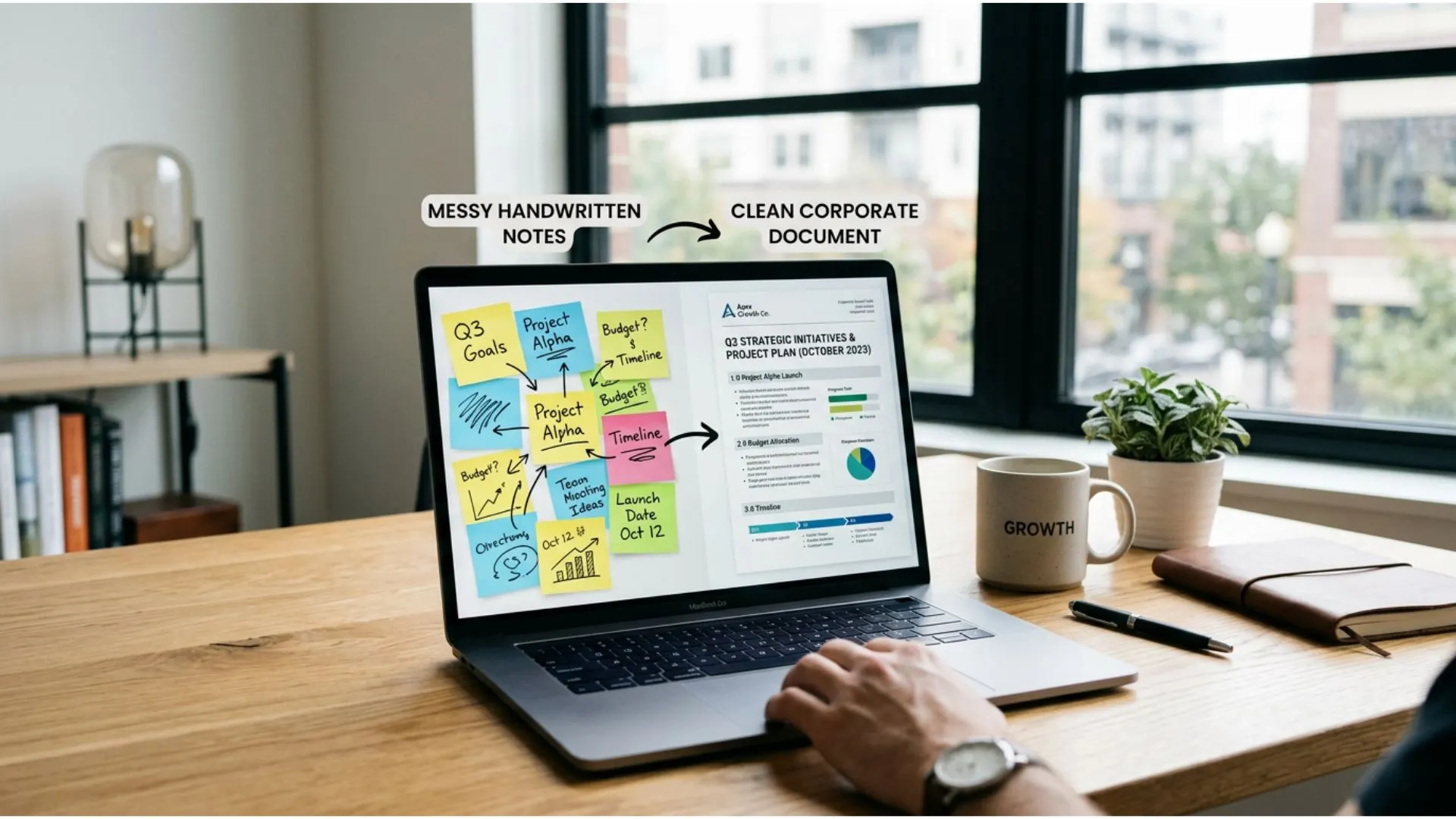
We are currently living through the single greatest democratization of leverage in industrial history. The barrier to entry has collapsed. The new programming language isn't binary; it’s English. It’s the natural language you use to pitch clients, write emails, and negotiate deals.
But there is a catch. Just because the barrier is down doesn't mean everyone is walking through it effectively.
We have moved from an era of syntax to an era of semantics. The machine no longer cares about semicolons; it cares about context. This shift means that the most valuable skill in the modern economy is no longer writing code—it is articulating value.
This is the dawn of the Expert AI Prompt. Explore the full strategic framework in the Entrepreneur's Playbook for Prompt Engineering — the complete guide to using expert prompts as your business operating system.
An expert prompt is not a casual question thrown into a chatbot. It is a precise set of instructions, a piece of "code" written in prose, that commands a neural network to perform expert-level labor. For the overworked business owner, this is the equalizer. It is the tool that turns a one-person shop into a scalable powerhouse.
Part II: The "Generic" Trap vs. The Strategic Edge
If AI is the new coding, why are so many business owners still overwhelmed?
The answer lies in the "Generic Trap."
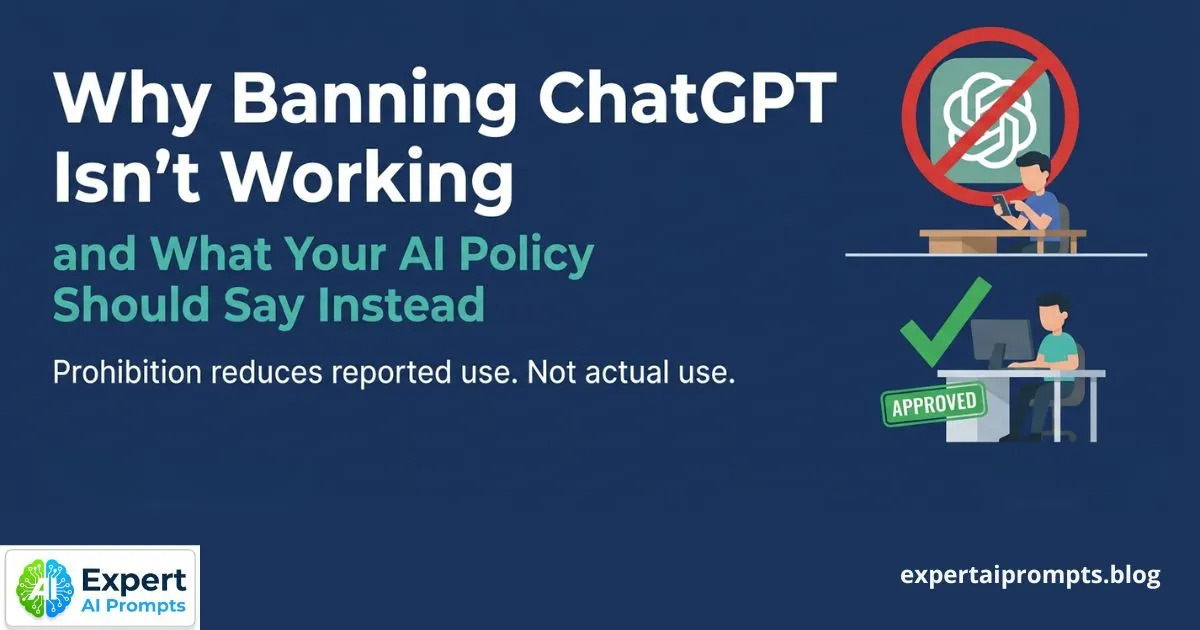
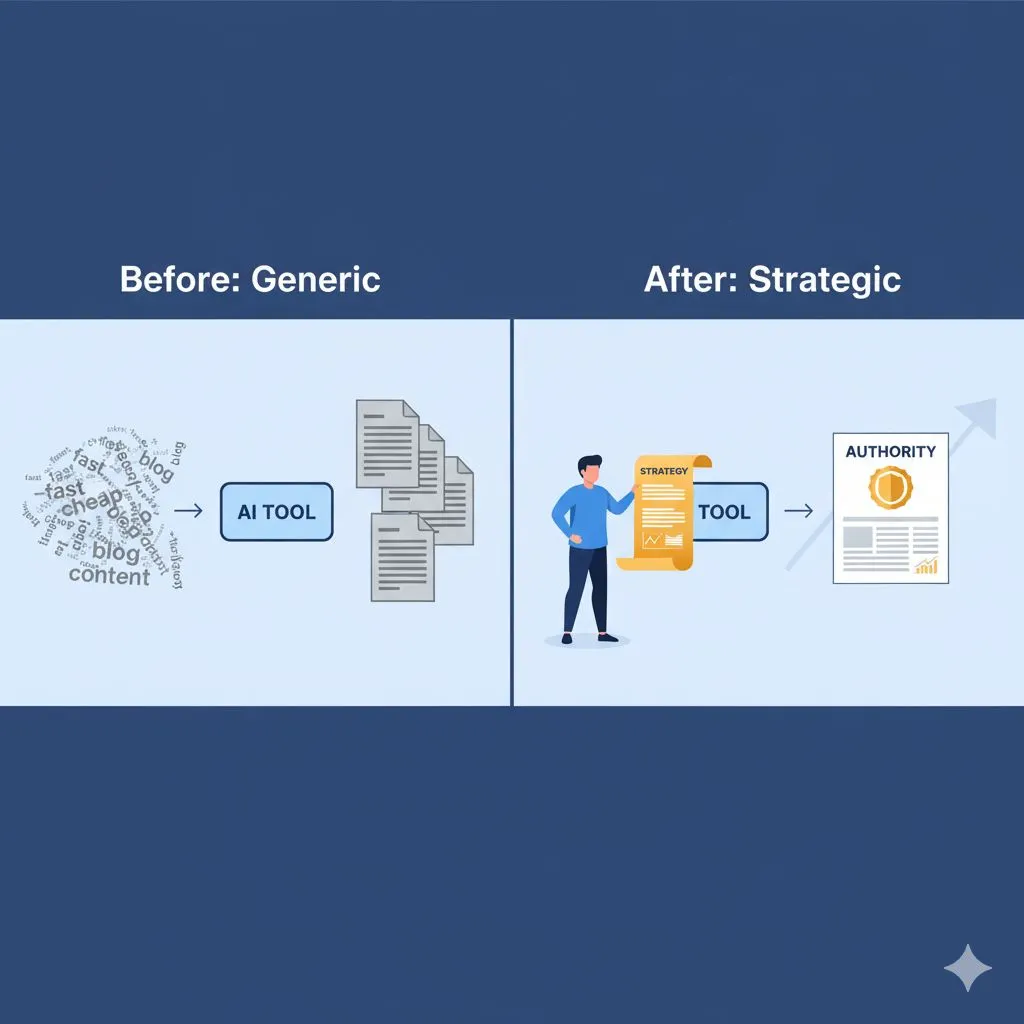
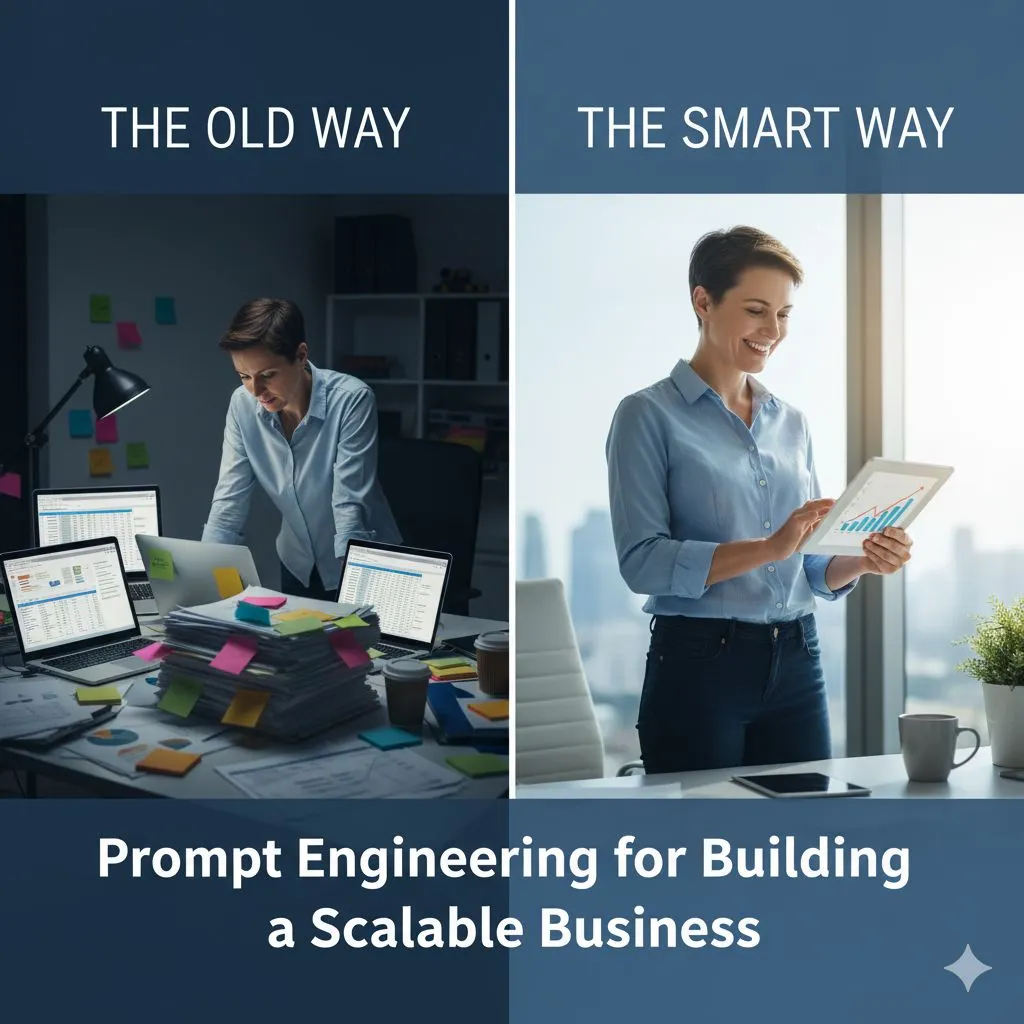
Most entrepreneurs treat AI like a magic 8-ball. They type in, "Write a marketing plan for my consulting business," and they get back a generic, fluffy, hallucinated mess that sounds like it was written by a sleepy intern. They look at the output, sigh, and think, “AI is overhyped. I guess I have to do this myself.”
They return to the grind, convinced that high-quality work still requires their manual touch.
This is a user error, not a system failure.
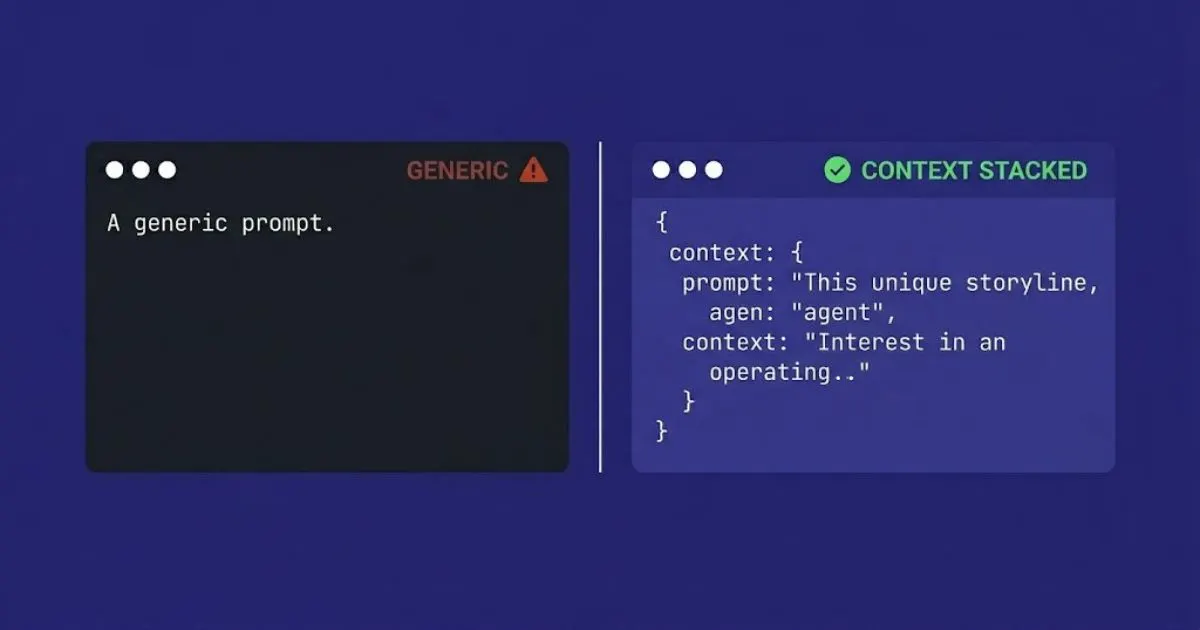
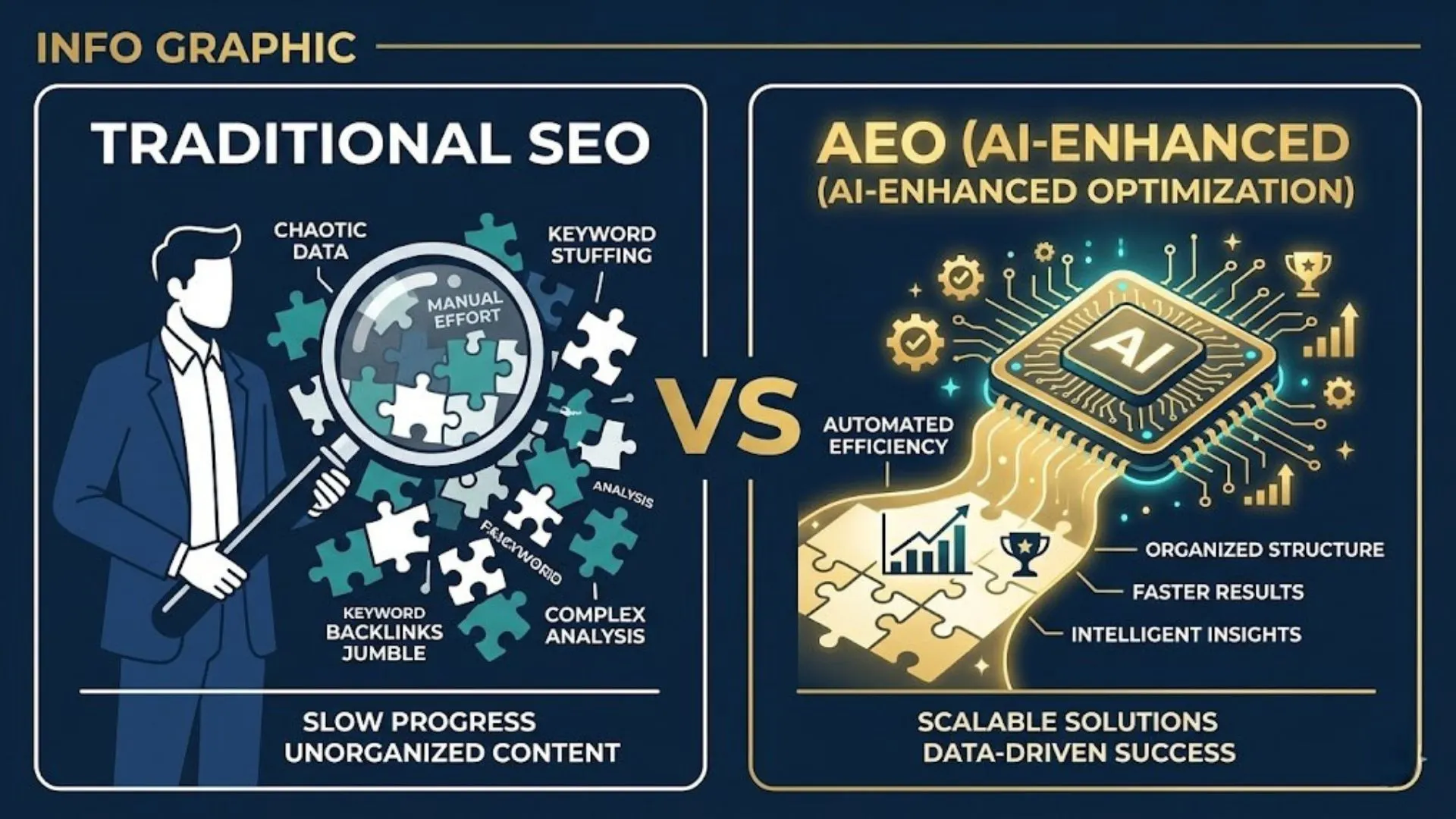
The difference between a generic output and a business-grade asset is the prompt. A generic prompt yields generic results. It creates noise. It wastes time.
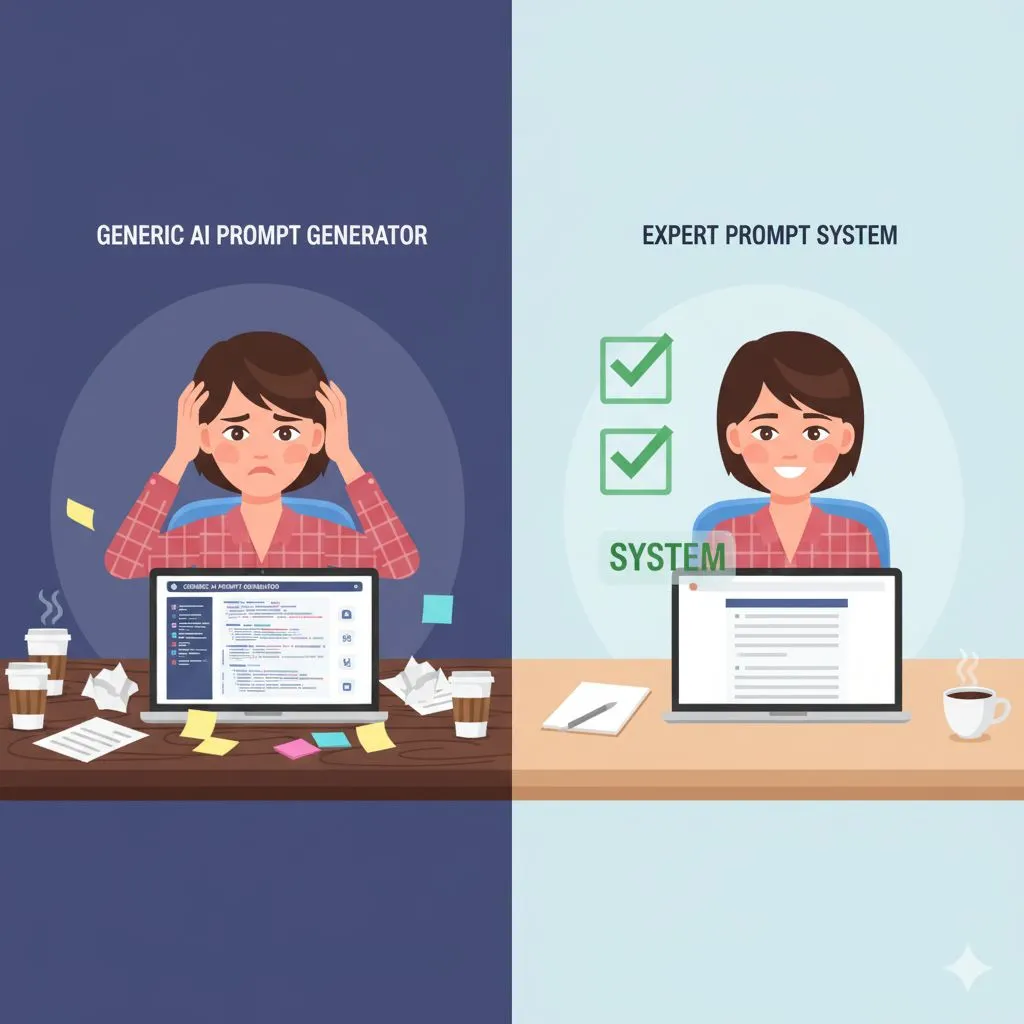
Expert AI prompts are different. They are engineered. See exactly what separates expert-engineered prompts from generic shortcuts in the detailed breakdown: generic vs. strategic AI prompts — what the difference costs your business. They leverage the same principles as software engineering but apply them to language. An expert prompt doesn't just ask for content; it defines the persona, sets the constraints, outlines the strategic framework, and dictates the format.
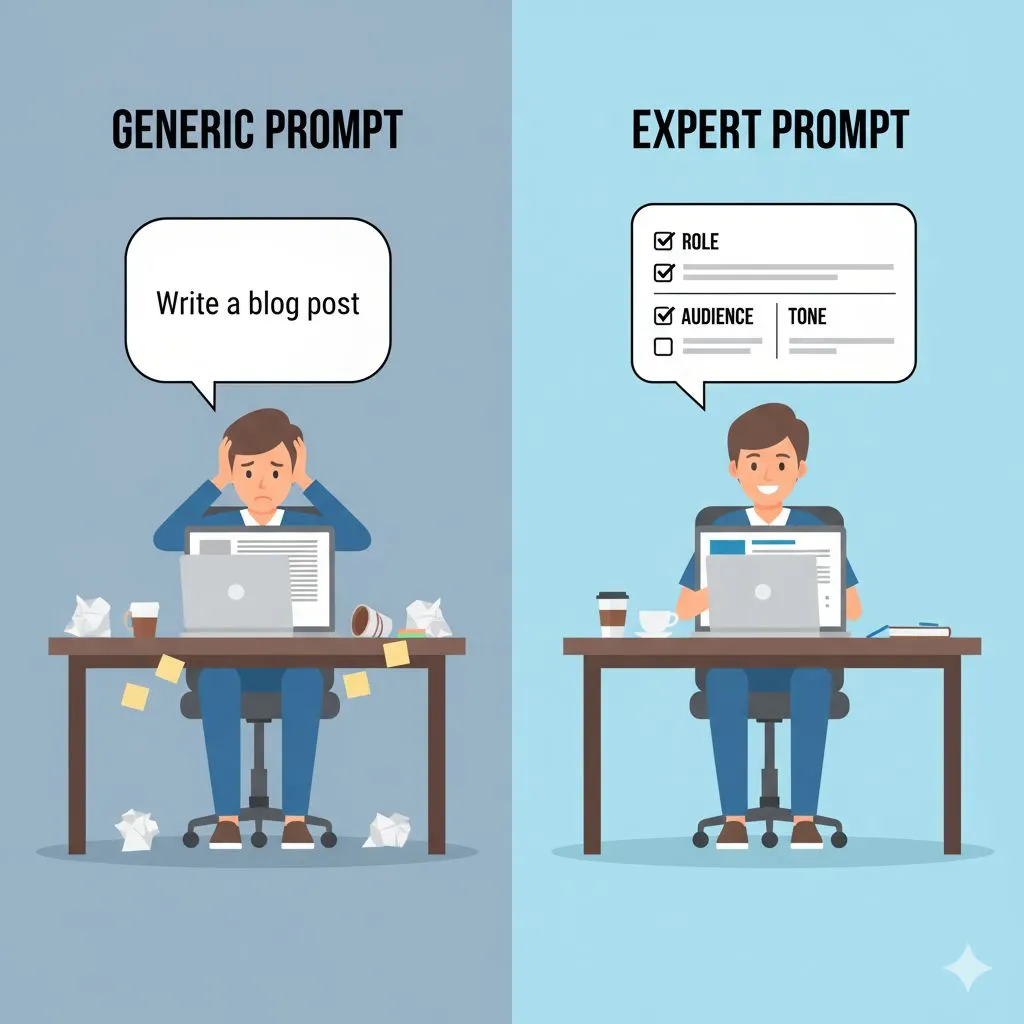
Consider the difference:
- The Amateur: "Write an email to get new clients."
- The Strategist: "Act as a senior copywriter specializing in B2B direct response. Write a 3-part cold outreach sequence targeting CTOs of mid-sized fintech firms. Use the AIDA framework. The tone should be authoritative but conversational. Address the pain point of 'technical debt.' The goal is to book a 15-minute discovery call. Do not use jargon. Keep sentences under 20 words."
The first user gets spam. The second user gets a revenue-generating asset. Apply this immediately with 5 expert AI prompt examples for copywriting — real, structured prompts you can adapt for your business today.
This is why expert prompts are the new coding. You are literally programming the AI to behave as a specific employee. When you use pre-built, expert-level prompts, you are bypassing the trial-and-error phase. You are installing a "module" of expertise directly into your workflow.
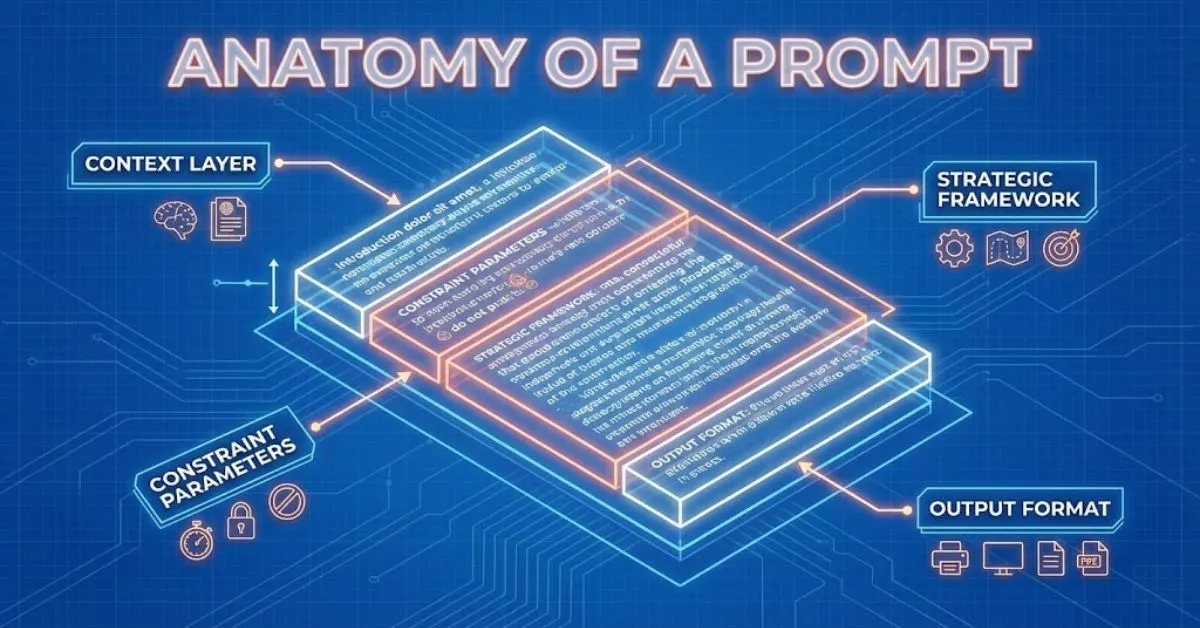
Part III: The Anatomy of the New "Code"
For the small business owner wearing many hats—marketer, sales director, operations manager, HR lead—the cognitive load is crushing. You don't have time to become a "Prompt Engineer" from scratch. You don't have 100 hours to test which combination of words makes ChatGPT sound like a human rather than a robot.
You need the code written for you. Download the 1-Page Perfect Prompt Framework guide — a free resource that gives you the exact structure used in every expert-engineered prompt.
The anatomy of an expert prompt serves as a Standard Operating Procedure (SOP). In the past, you would write an SOP document for a human employee, hoping they read it and executed it correctly. Now, the prompt is the SOP, and the AI executes it instantly, without fatigue or complaint.
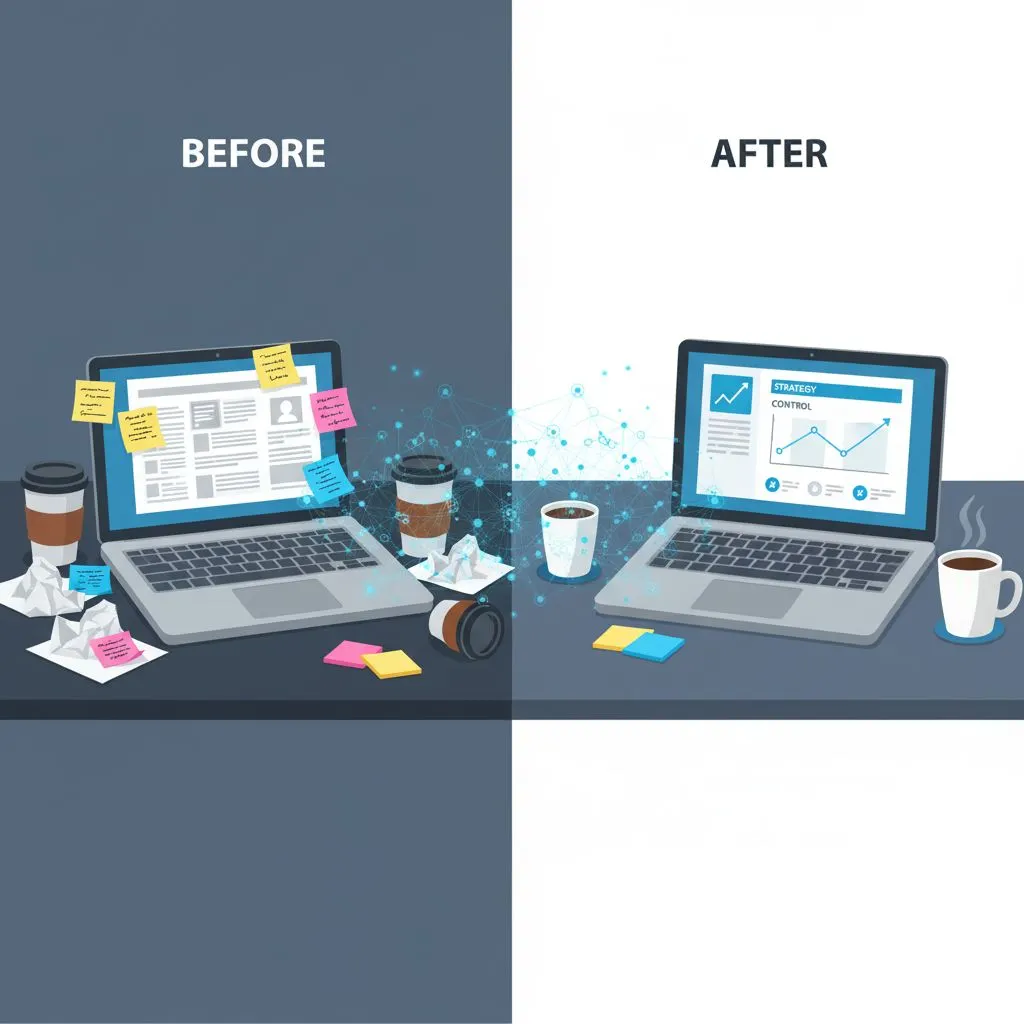
This reliability transforms your business operations. It turns the AI from a slot machine (where you hope for a good result) into a vending machine (where you get exactly what you ordered, every time).
Strategy Over Syntax
The beauty of this shift is that it favors the experienced business owner. The 22-year-old coding whiz doesn't have your decade of industry experience. They don't understand the nuances of client psychology or supply chain bottlenecks.
Because prompts are written in natural language, your business acumen is now your competitive advantage. The "code" requires strategy, not syntax. By utilizing expert ai prompts tailored to your industry, you are leveraging your strategic knowledge to direct the machine.
You provide the what and the why. The prompt handles the how.
Part IV: The "One-Person Unicorn"

We are entering the age of the "One-Person Unicorn"—companies with the revenue and reach of a 50-person agency, run by a team of three, or even one.
How? By building a digital workforce.
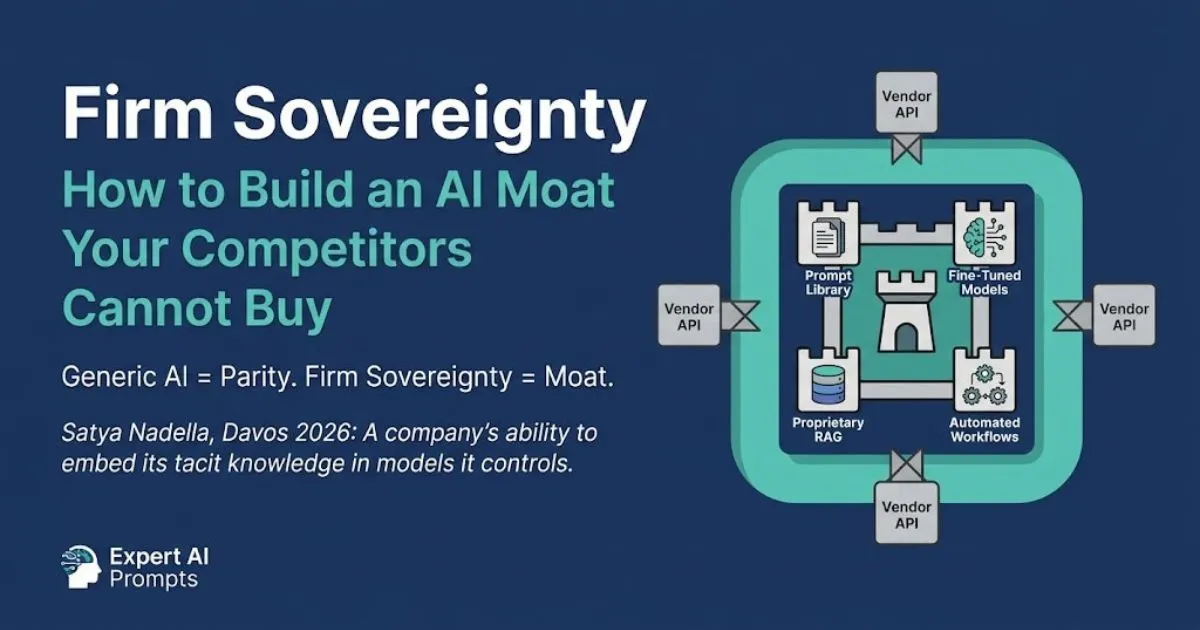
When you utilize a library of expert prompts, you are essentially hiring an on-demand staff.
- Need a press release? Deploy the PR Manager prompt.
- Need to analyze a P&L statement? Deploy the CFO prompt.
- Need a month of social content? Deploy the Social Strategist prompt.
The Prompt Engineering Edge AI Toolkit gives you a complete, structured library of these workforce-level prompts — pre-engineered for business owners who need results, not experimentation.
For Alex Rivers—our archetype of the ambitious, stretched-thin entrepreneur—this is the exit ramp from the rat race. It solves the "Scale Paradox": I need to grow to hire help, but I need help to grow.
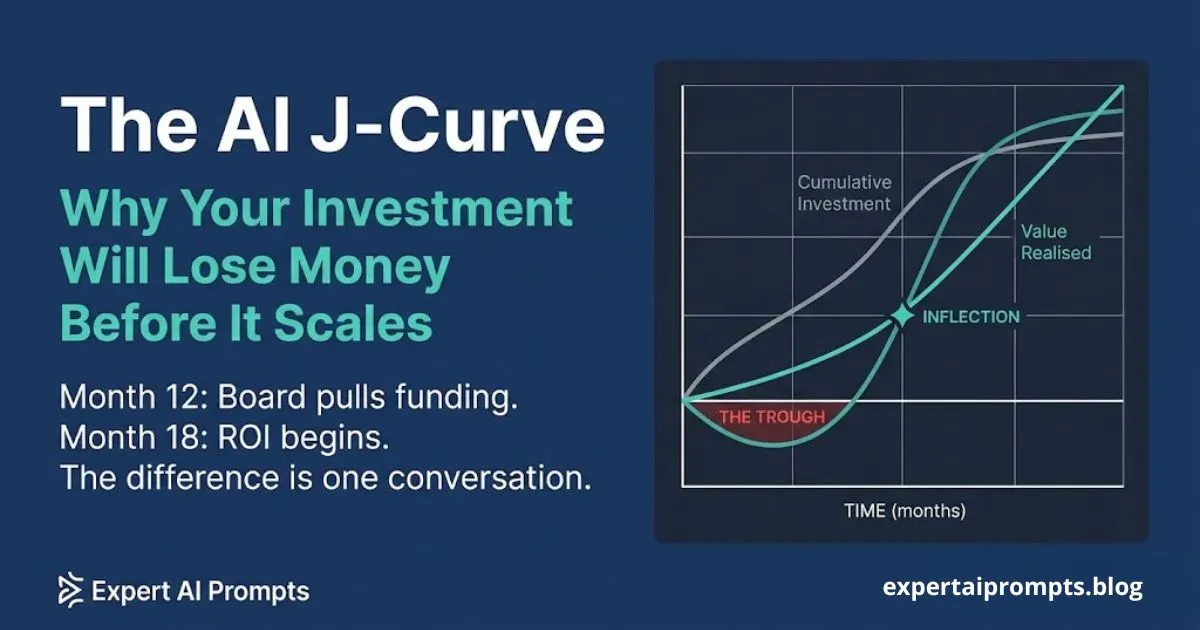
With expert prompts, you scale the output without scaling the overhead. You reduce the "Time Tax" of creation. Instead of spending four hours writing a proposal, you spend 15 minutes refining the output of a prompt designed to structure high-ticket proposals.
That is 3 hours and 45 minutes bought back. Multiply that across every function of your business—email, analysis, content, planning—and you are reclaiming 20+ hours a week.
That is time you spend on strategy. That is time you spend with your family. That is time you spend sleeping. See how one agency owner applied this exact framework: scaling agency operations with AI prompts — a real-world case study.
Part V: Conclusion
The era of "hustling harder" is over. The market is too fast, and the competition is too fierce. You cannot outwork an algorithm, and you cannot out-spend the giants.
But you can out-think them.
The divide in the next five years will not be between those who can code and those who cannot. It will be between those who create manually and those who curate strategically. It will be between the overworked operators and the sovereign architects.
You have a choice. You can continue to drown in the daily operations, skeptical of new tools, writing every word and solving every problem from scratch. Or, you can acknowledge that the tools of creation have changed.
Expert AI prompts are not a cheat code; they are the new operating system for efficient business. They allow you to punch above your weight class. They allow you to demand excellence from AI rather than hoping for it.
Stop tinkering. Stop accepting "good enough" outputs. Stop acting as the bottleneck in your own business.
It is time to start commanding.
Not sure where to begin? Access free AI prompt resources at Expert AI Prompts and experience the difference a structured prompt makes — no commitment required.
Ready to go all-in? Browse all 30 industry-specific prompt packs and pricing — find the pack built for your industry and start scaling today.
Ready to install your new digital workforce?
Scale smarter, not harder.
Get Your Expert AI Prompt Pack Today
Further Reading
Entrepreneur's Playbook for Prompt Engineering
Mastering the Art of the Prompt: A Guide for Non-Techies
What is Prompt Engineering? A Simple Definition for Business Owners
Beyond ChatGPT: Why You Need Specialized Prompts
Why You Don't Need a Prompt Engineering Degree (Just Better Prompts)