Why You Don't Need a Prompt Engineering Degree (Just Better Prompts)
Why You Don't Need a Prompt Engineering Degree (Just Better Prompts)
Jan 29, 2026
Part 1: The AI Skill Gap and The Hype Cycle
If you are like most ambitious small business owners today, your LinkedIn feed is likely a relentless stream of AI hype. You scroll past announcements for new "Prompt Engineering Certifications," six-week bootcamps promising to turn you into an "AI Whisperer," and endless threads debating the nuances of temperature settings and token limits.
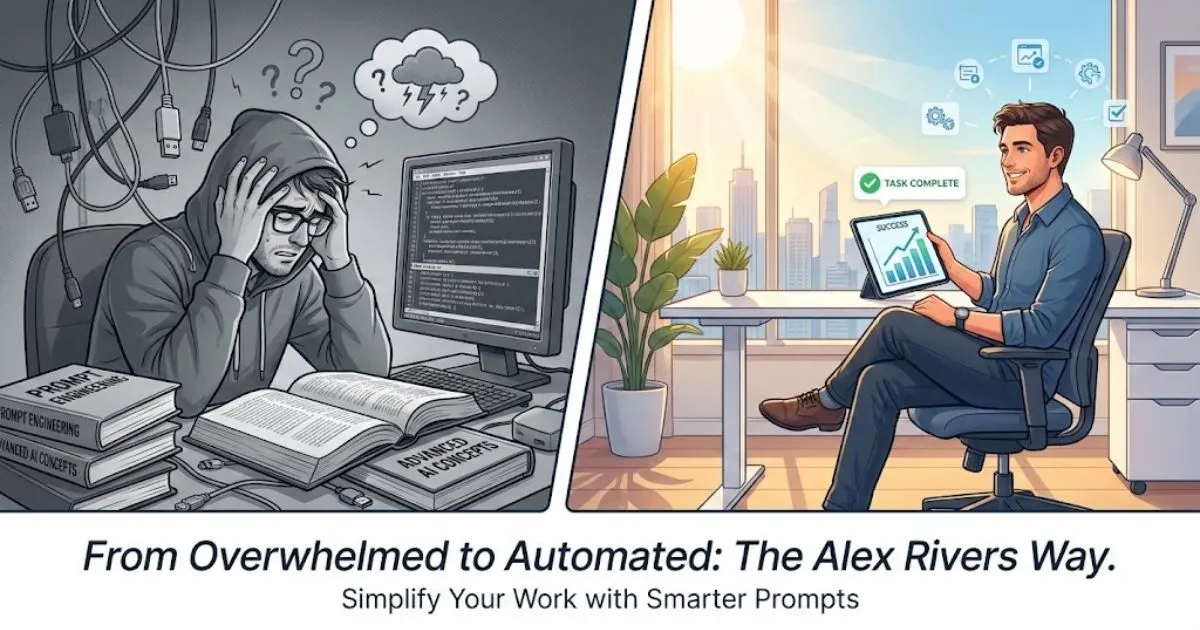
For someone like you—let’s call you Alex—who is already wearing the hats of CEO, marketing director, and customer support lead, this creates a specific kind of anxiety. You know AI is the future. You know you need it to compete with the bigger players who have dedicated tech teams. But the idea of pausing your business for a month to take a prompt engineering course feels impossible.
Here is the truth that the course creators won't tell you: You don't need to be a prompt engineer.
In fact, treating AI as a technical skill to be mastered is the single biggest mistake overwhelmed entrepreneurs make. It keeps you in the weeds, tinkering with syntax, when you should be operating at a strategic level. As a business owner, your goal isn't to understand how the large language model works under the hood; your goal is to get a polished, expert-level result that drives revenue, and to get it now. The Entrepreneur's Playbook for Prompt Engineering shows exactly how to use AI at a strategic level — without ever touching the technical side.
The "Prompt Engineering" Hype Cycle
Let’s dismantle what these courses are actually selling. "Prompt engineering" emerged as a hot skill when AI models were rawer, more stubborn, and required complex, code-like instructions to function correctly. Early adopters found that by tweaking variables and using arcane phrasing, they could "hack" the system to produce better results.
Naturally, an industry sprang up to teach these hacks. But here is the reality for a business owner in 2024 and beyond: AI models are evolving faster than the curriculums designed to teach them. They are becoming more conversational, more intuitive, and better at understanding intent.
For a software developer building an app on top of OpenAI’s API, a deep dive into engineering is necessary. For you—someone trying to generate a month’s worth of social media content, write a compelling proposal, or analyze customer data—spending 40 hours learning the technical "syntax" of AI is a massive negative ROI.
Every hour you spend learning the difference between "zero-shot" and "few-shot" chain-of-thought prompting is an hour you aren't spending on client acquisition or business strategy. You are trading your high-value time for a low-value technical skill that is rapidly becoming commoditized.
Part 2: Strategy Beats Syntax
The Difference Between Tinkering and Scaling
There is a distinct difference between "playing" with AI and using it to scale a business.
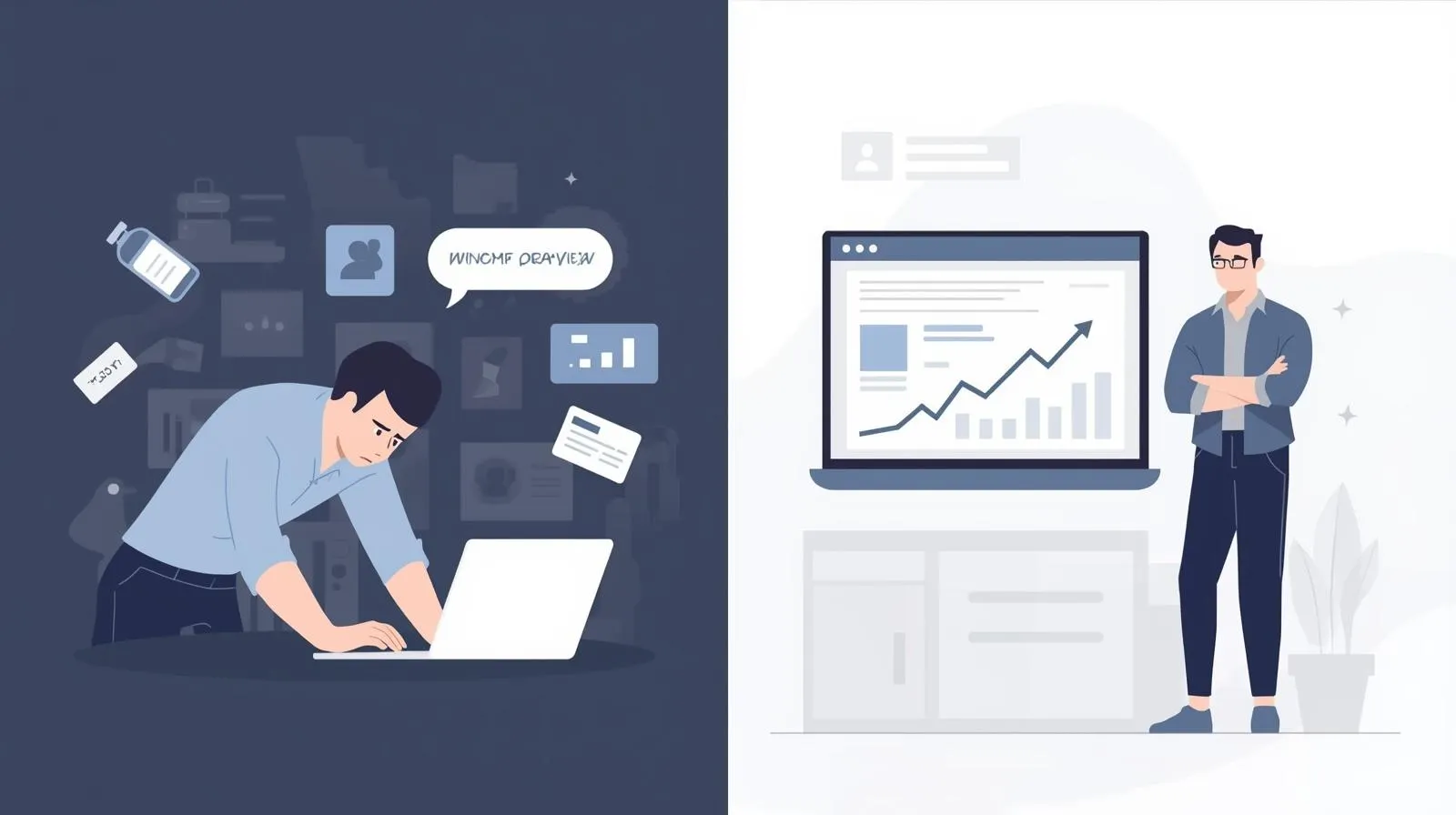
The "Tinkerer" (often the graduate of a prompt engineering course) spends 45 minutes crafting the perfect, complex prompt to write an email. They obsess over the phrasing. They treat the AI like a puzzle to be solved.
The "Scaler" (that’s you) looks at the business bottleneck—"I spend too much time writing emails"—and asks: What is the fastest way to get an expert-level output so I can hit send and move on?
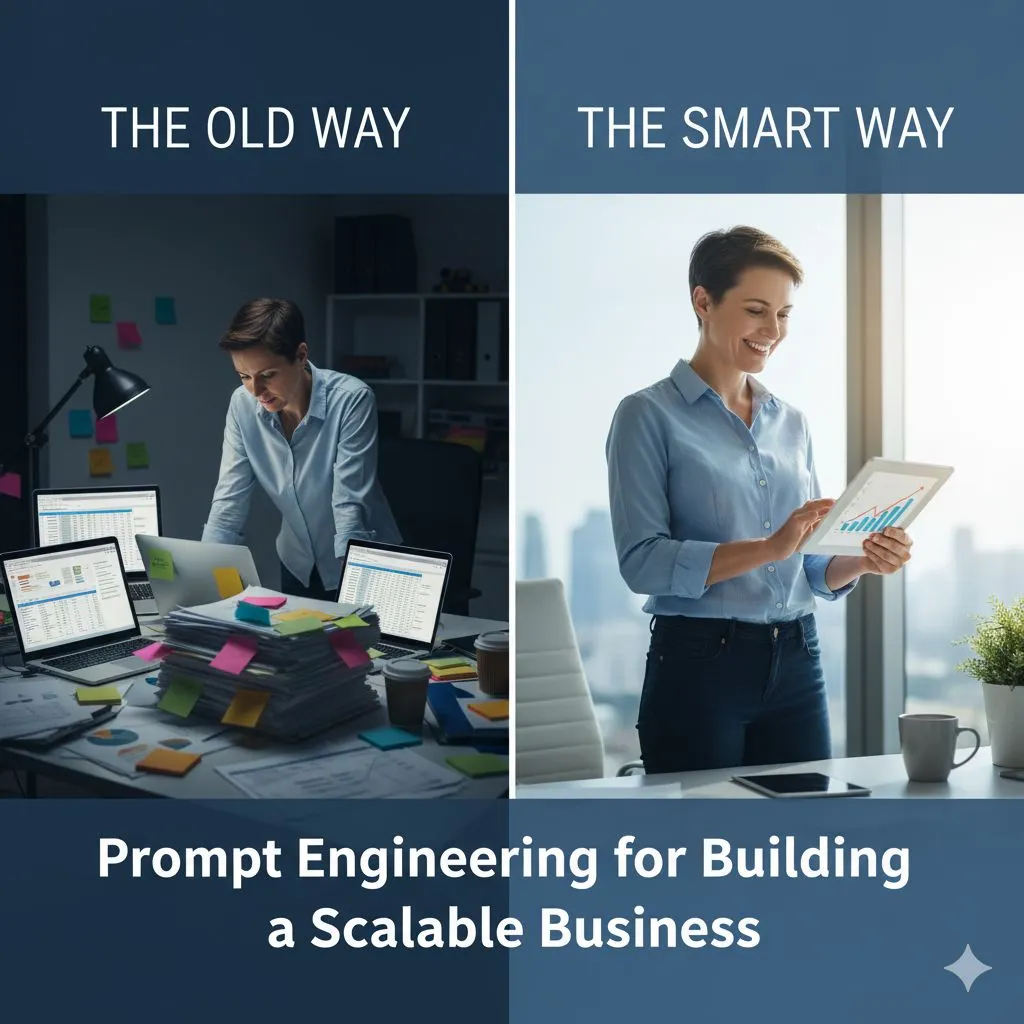
Scaling requires systems, not just skills. It requires reliability. If you have to "engineer" a new prompt from scratch every time you need a blog post, you haven't saved time; you've just shifted your labor from writing to prompting.
Why Context Matters More Than Code
The secret that effective AI users know is that strategy beats syntax.
A prompt engineering course will teach you how to format a request. But it won't teach you the business strategy behind the request. If you ask AI to "write a viral LinkedIn post" using perfect technical syntax, but you haven't defined your brand voice, your target audience's pain points, or your unique value proposition, you will get a technically perfect, generic piece of garbage.
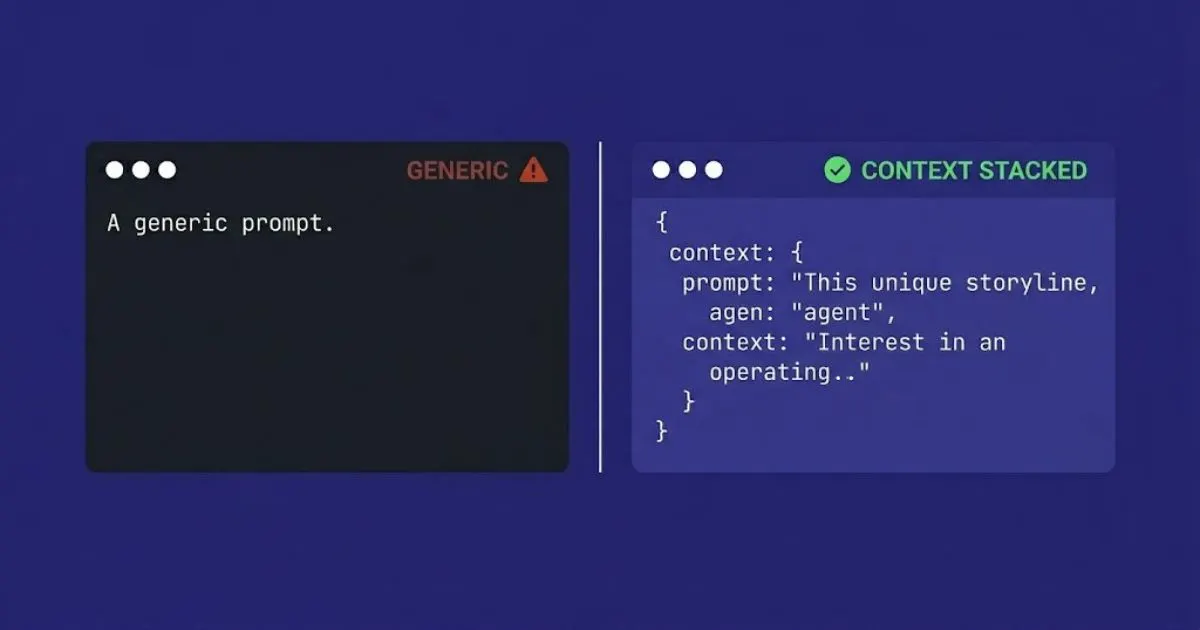
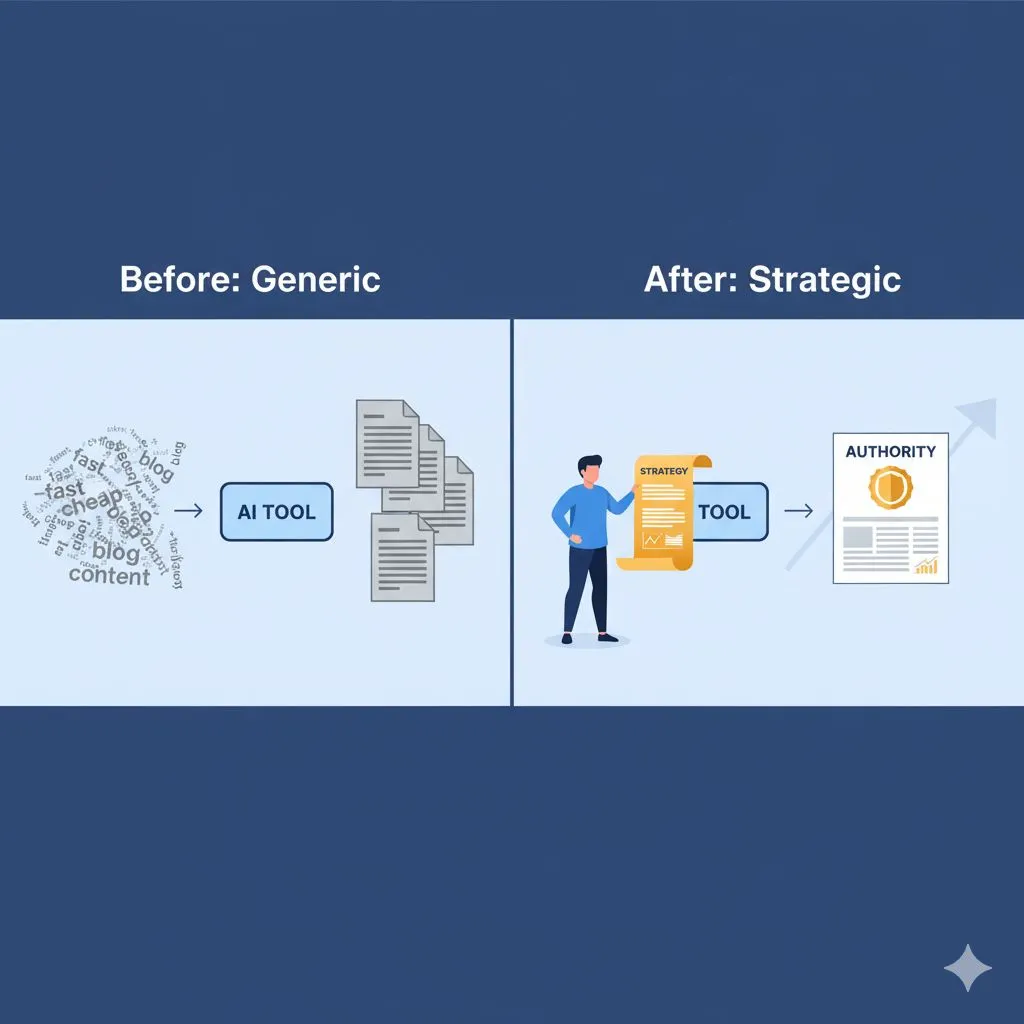
This is the "Garbage In, Garbage Out" principle. A degree in prompt engineering doesn't fix a lack of business strategy. See exactly how the difference plays out: generic AI prompts vs strategic AI prompts — a side-by-side breakdown.
Consider these two approaches:
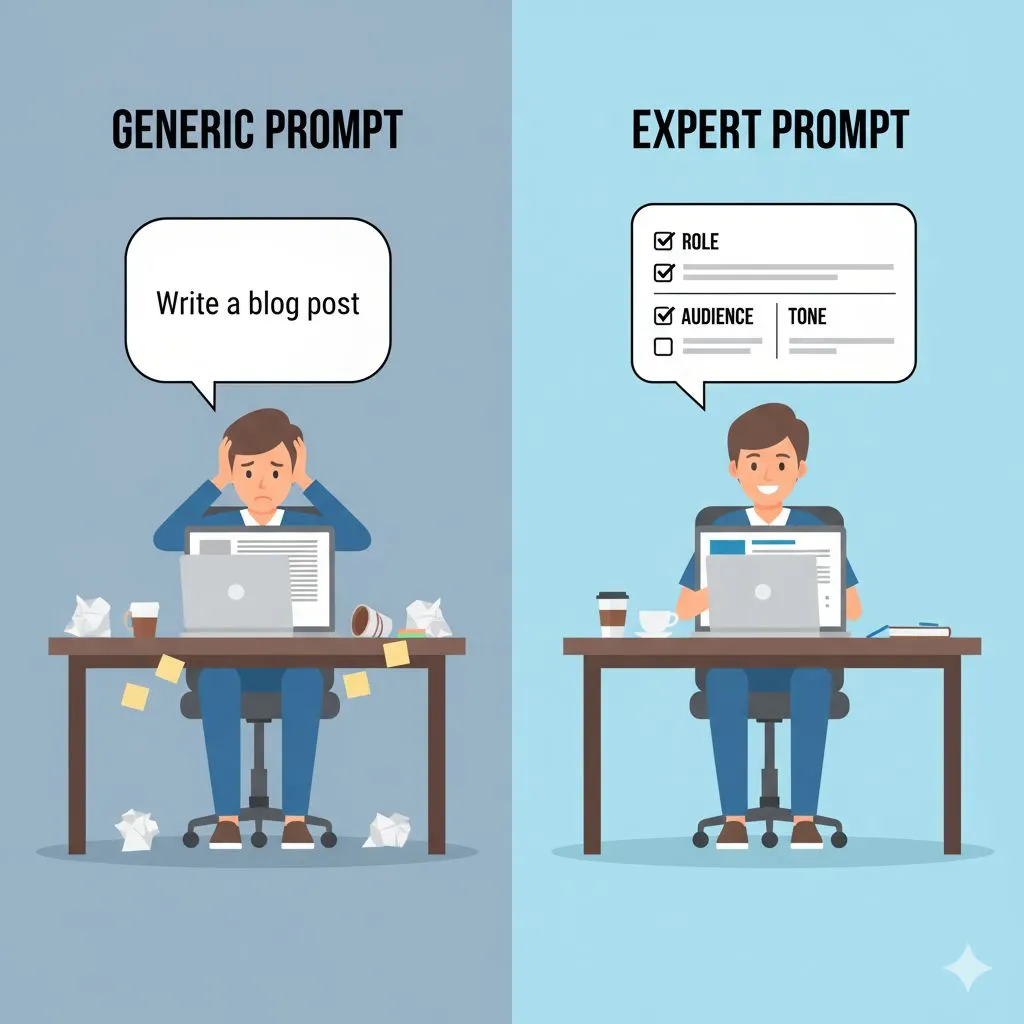
- The "Engineered" Approach: “Act as an expert copywriter. Use a temperature of 0.7. Utilize the AIDA framework. Ensure a perplexity score of 40. Write a post about marketing.”
- The "Strategic" Approach: “I run a boutique marketing agency for dentists. My clients are stressed about patient retention. Write a LinkedIn post that empathizes with their fear of losing patients to corporate chains, and position our automated recall system as the peace-of-mind solution. Tone: Empathetic but authoritative.”
The second prompt doesn't require a certificate to write. It requires you to know your business. The AI handles the heavy lifting of language generation, but you provide the strategic direction. The best "prompt engineers" aren't coders; they are people who understand their industry deeply and know how to articulate what they want.
Part 3: The "Buy vs. Build" Mentality
The Entrepreneur’s Leverage
Successful entrepreneurs understand leverage. You don't weave your own clothes; you buy them from experts. You don't build your own CRM software from scratch code; you subscribe to a platform that works.
Why should your AI prompts be any different?
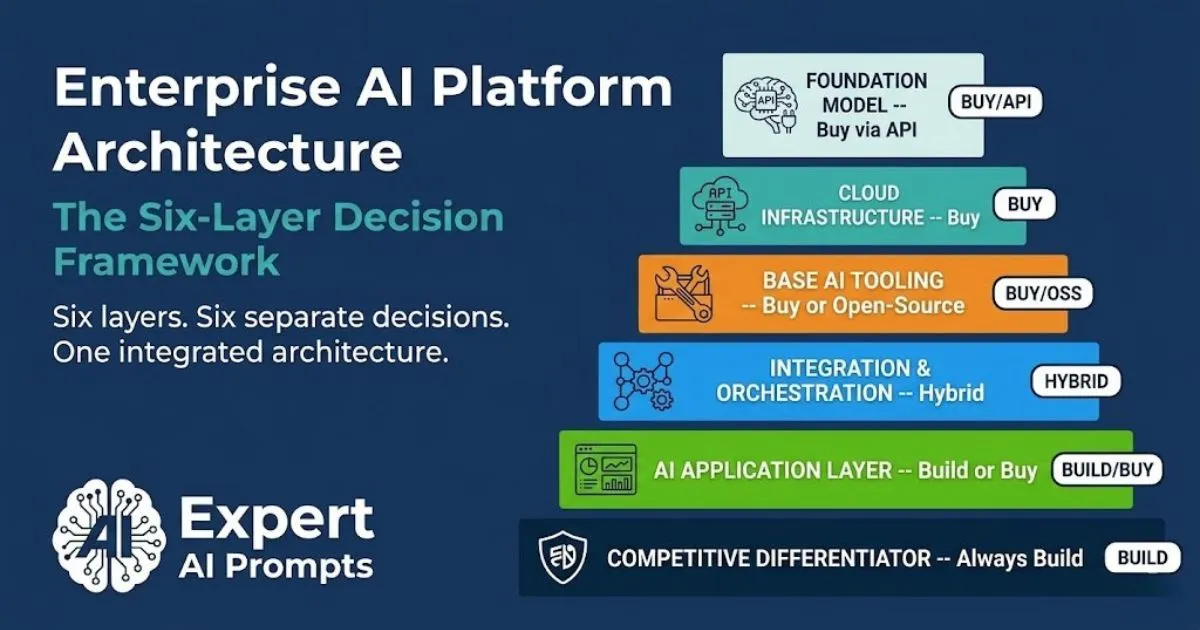
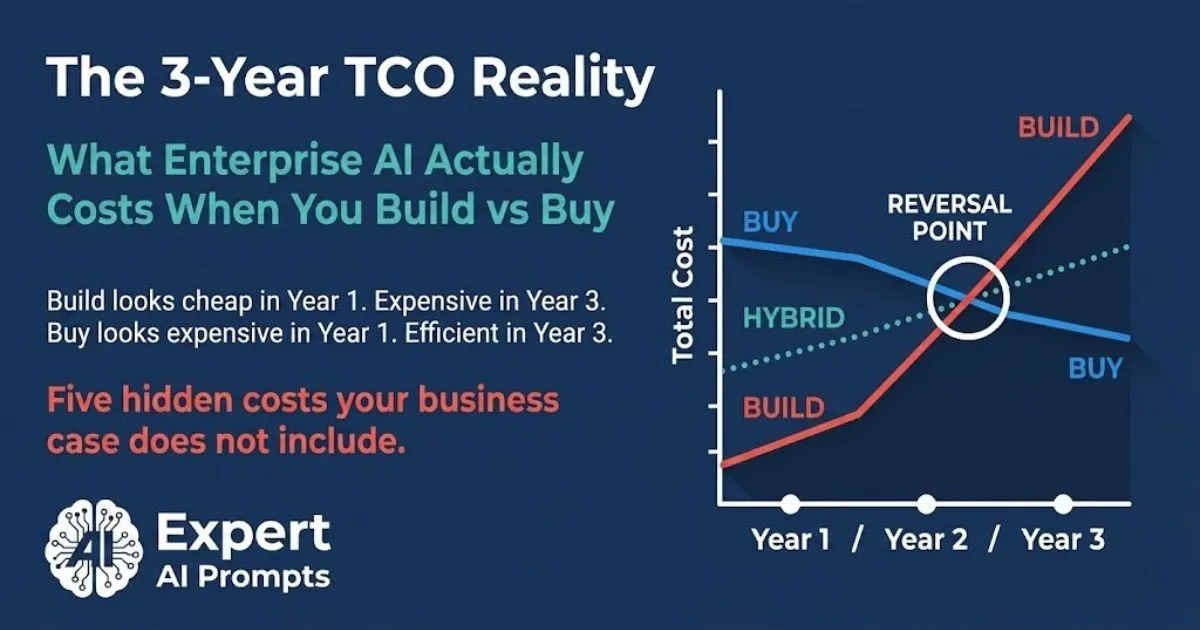
The "Build" mentality says: "I must take a prompt engineering course so I can build my own tools."
The "Buy" mentality says: "I will acquire proven, expert-level prompts that already work, so I can deploy them immediately."
This is where the "Buy vs. Build" framework transforms your workflow. Instead of staring at a blinking cursor wondering how to phrase a request, smart business owners are building libraries of "Strategic Assets"—pre-validated prompts designed for specific outcomes.
When you use a pre-built prompt pack, you are essentially downloading the expertise of a strategist who has already done the trial-and-error for you. The Prompt Engineering Edge AI Toolkit is pre-built for exactly this: 50 expert-level prompts, ready to deploy with zero technical knowledge required. You are bypassing the learning curve. You are jumping straight to the result.
How to Spot "Expert-Level" Prompts (Without Being an Expert)
So, if you aren't taking the course, how do you know if a prompt is good? You don't need to be an engineer to judge quality; you just need to look for three things:
- Role Definition: Does the prompt tell the AI who to be? (e.g., "Act as a Senior CFO for a SaaS startup..."). This sets the baseline for quality.
- Contextual Constraints: Does the prompt limit the AI? (e.g., "Do not use jargon," "Keep sentences under 20 words," "Focus on ROI"). Constraints create clarity.
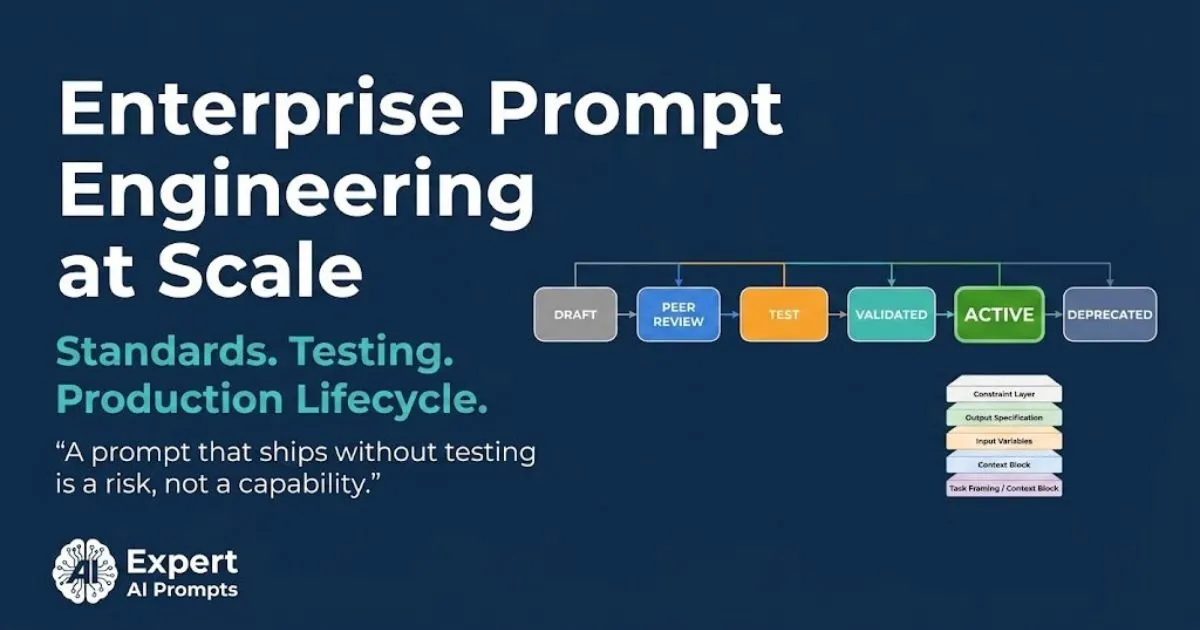
- Iterative Structure: Great prompts often ask the AI to "think" before it writes, or to outline before drafting. This ensures logic flow.
If you have a library of prompts that contain these elements, you can produce content that rivals top-tier agencies without ever understanding the underlying code. Download the free 1-Page Perfect Prompt Framework Guide and apply these three elements to every prompt you write from today.
Part 4: Implementation & Conclusion
Turning Bottlenecks Into Breakthroughs
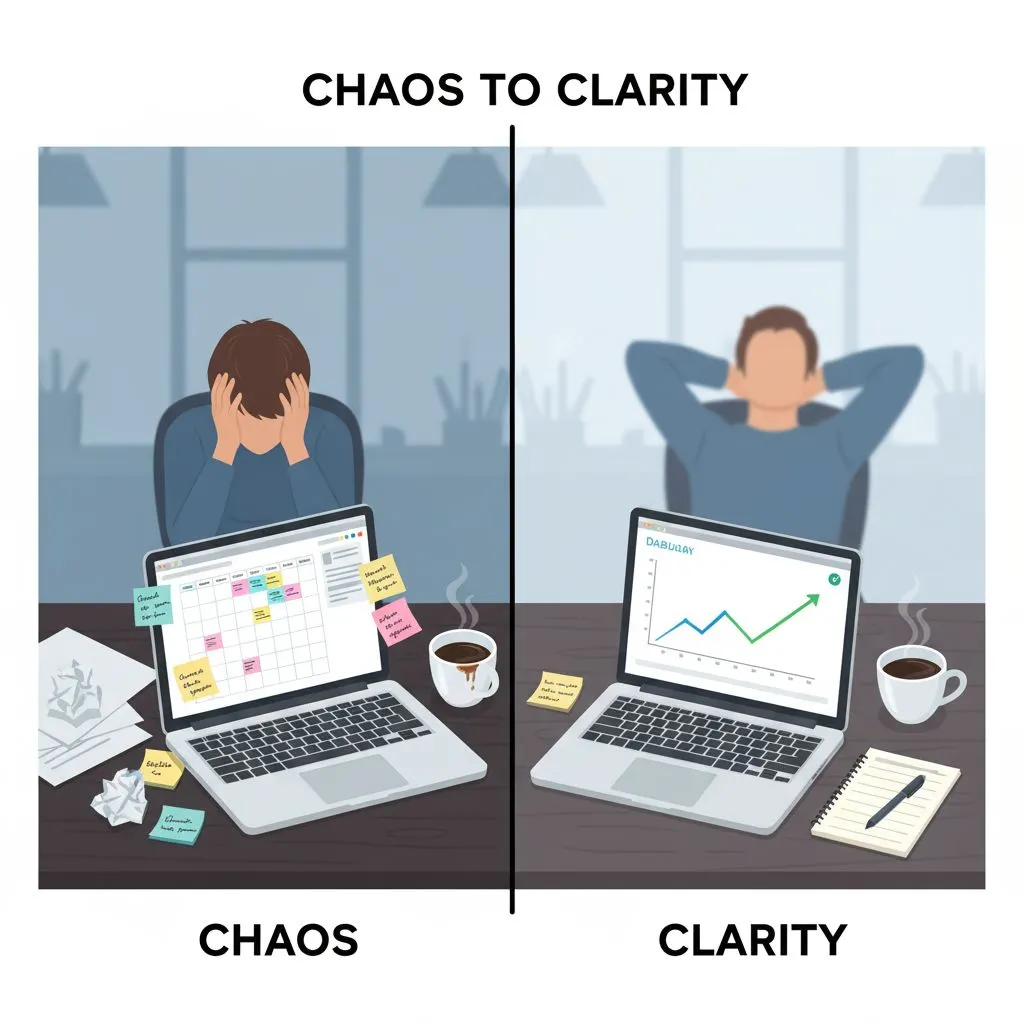
Let’s go back to your reality, Alex. You have limited resources. You have a small team (or maybe just yourself). You are fighting to grow a business while managing the daily chaos.
You do not have time to become an AI technician. And frankly, your business doesn't need you to be one. It needs you to be the visionary.
By shifting your mindset from "learning prompt engineering" to "utilizing expert prompts," you reclaim your time. You stop treating AI as a project and start treating it as an employee. You move from the anxiety of "falling behind" to the confidence of having a competitive advantage.
Reclaiming Your Role
The goal of AI in your business should be to make you more of who you are—more strategic, more creative, more connected to your customers—not to turn you into a computer operator.
Don't let the hype industry convince you that you need another degree to be relevant. You have the industry knowledge. You have the business acumen. All you need are the right instructions to unlock the power of AI.
Stop hustling to learn a skill that will be obsolete in a year. Start scaling with tools that work today.
Ready to skip the learning curve?
You don't need a course to get expert results—you just need the right prompts. We’ve spent hundreds of hours engineering the strategy so you don't have to.
Not ready to commit yet? Start free: grab 11 free AI prompt resources — no credit card, no hype.
Get your Industry-Specific Prompt Pack today and start scaling immediately.
Compare all 30 industry-specific packs in the Expert AI Prompts Pricing Catalog and find the right toolkit for your business.
Further Reading
• Entrepreneur's Playbook for Prompt Engineering — the strategic framework behind every prompt pack
• Mastering the Art of the Prompt: A Guide for Non-Techies
• What is Prompt Engineering? A Simple Definition for Business Owners
• 10 Perfect Prompt Examples for Marketing Copy