10 "Perfect Prompt" Examples for Marketing Copy
10 "Perfect Prompt" Examples for Marketing Copy
Jan 28, 2026

If you are like most small business owners, your to-do list is a mile long, and "write marketing copy" is usually pushed to the bottom. You know you need to post on LinkedIn, send that newsletter, and update your website to compete with the bigger agencies, but you are stuck in the weeds of daily operations.
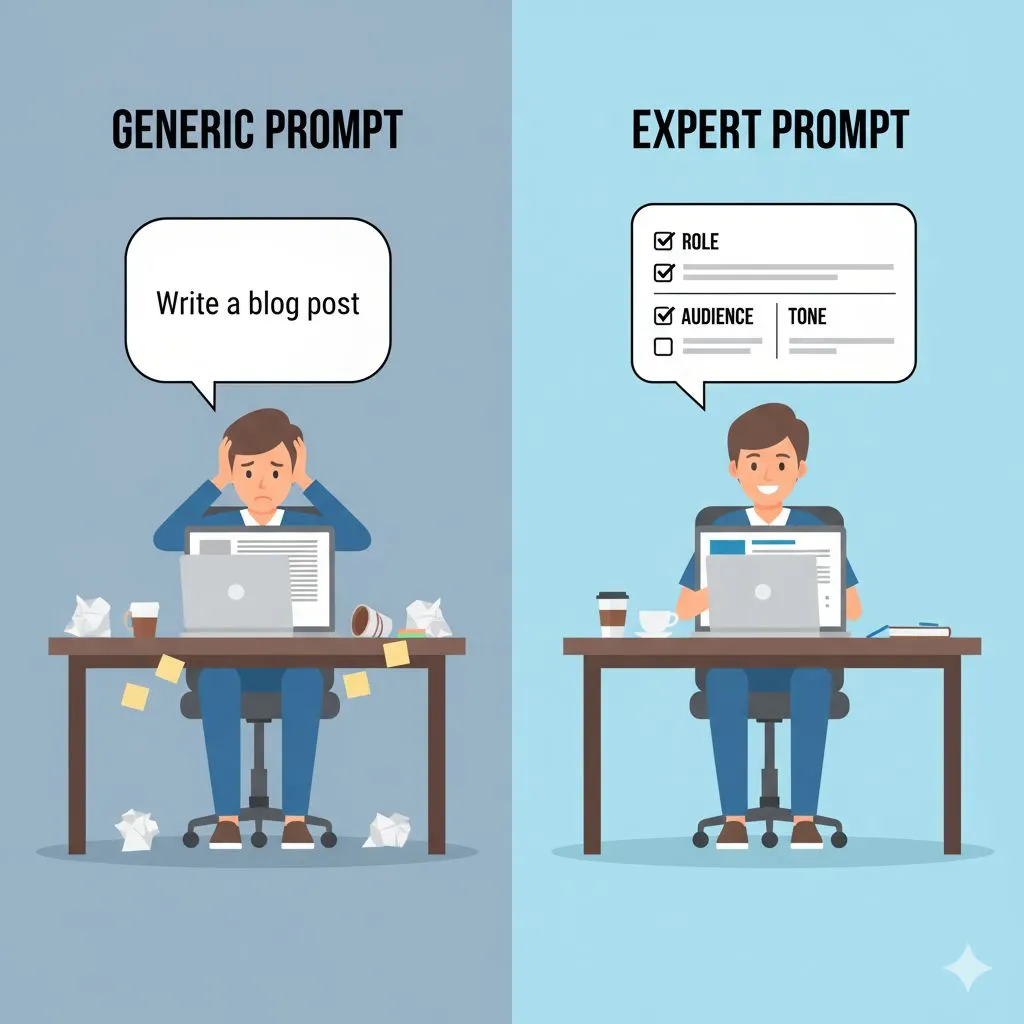
You have probably tried ChatGPT or similar tools to help. You typed in, "Write a blog post about digital marketing," and the result was... underwhelming. It was likely stiff, generic, and robotic—certainly not high-quality enough to represent the brand you have worked so hard to build.
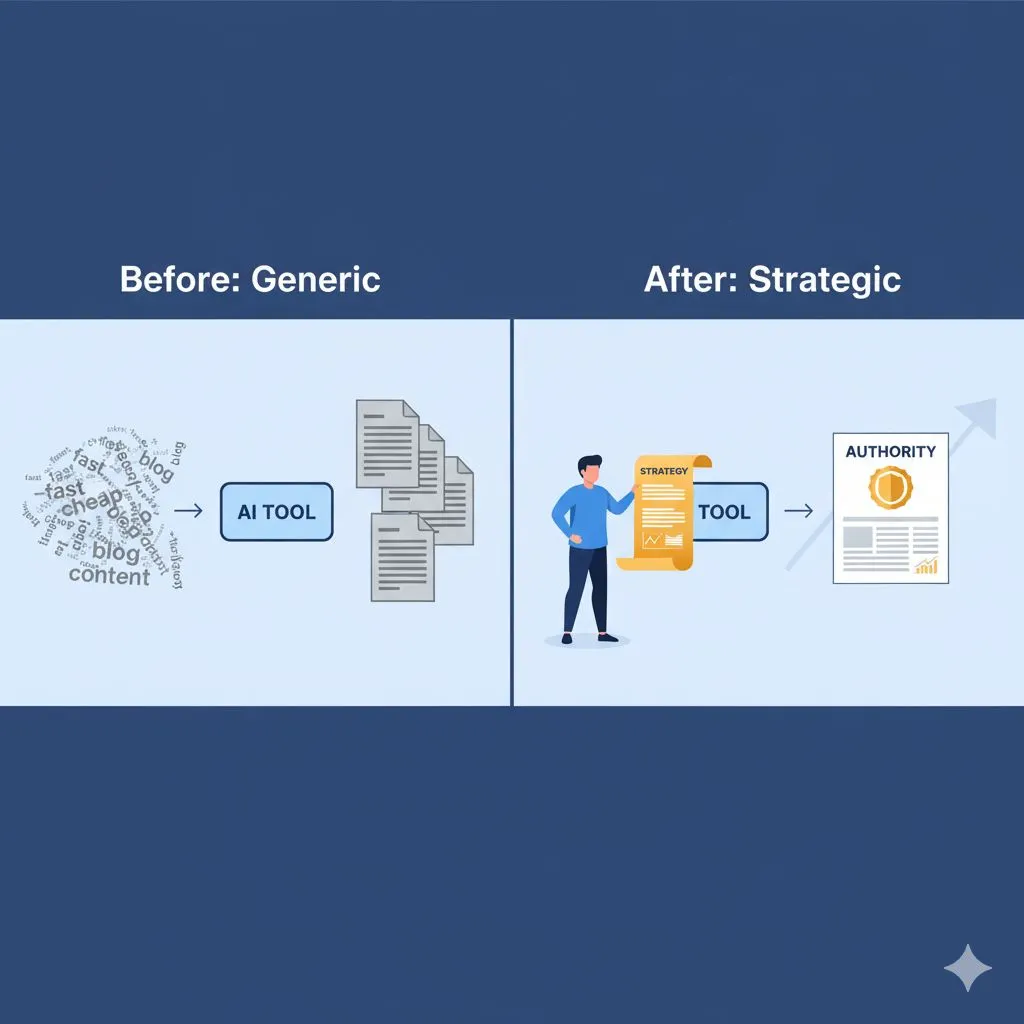
This is the "Garbage In, Garbage Out" problem. AI is a multiplier, but it multiplies whatever you give it. If you give it a vague command, you get vague results. But if you give it a strategic, structured prompt, you get expert-level copy that can rival a professional copywriter.
For an ambitious entrepreneur like you, who values efficiency and ROI, mastering ai prompt examples isn't just a cool trick; it is a survival skill. It is how you scale your output without hiring a marketing team.
To understand the framework that separates generic from high-performance prompts, read the Entrepreneurs' Playbook for Prompt Engineering.
Below, we have curated 10 "Perfect Prompt" examples designed specifically for marketing copy. These aren't random suggestions; they are engineered tools to help you reclaim your time and elevate your brand presence.
The Anatomy of a Perfect Prompt

Before we dive into the examples, let’s briefly decode why these prompts work. Most people talk to AI like a search engine. To get results that actually drive business growth, you need to talk to it like a Manager speaking to a Junior Specialist.
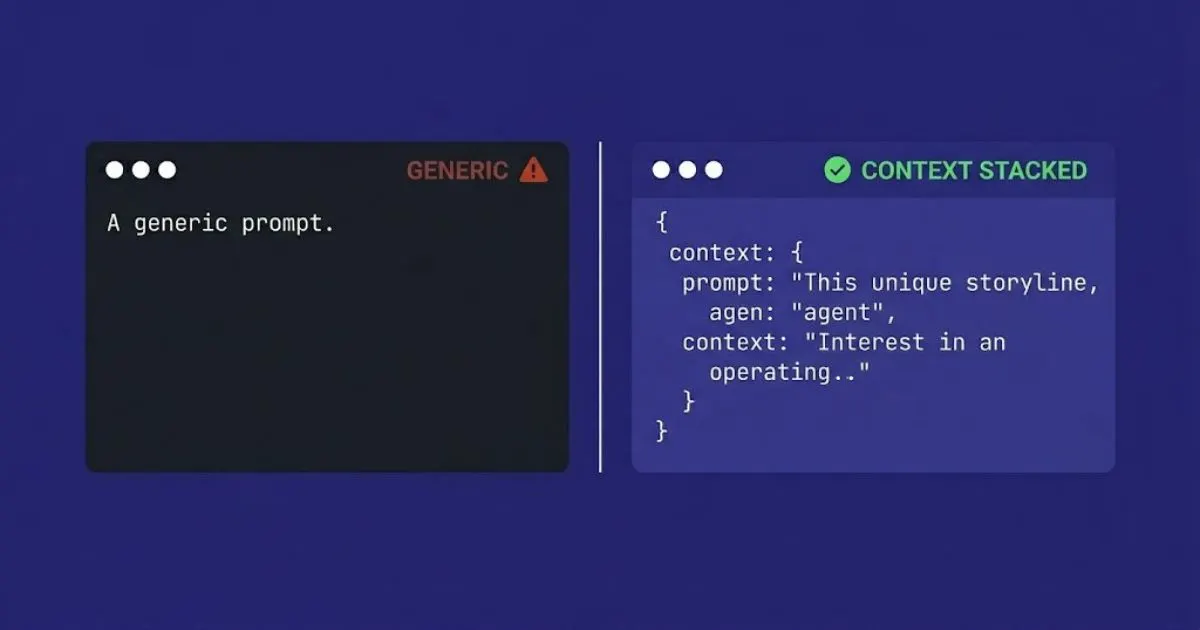
At Expert AI Prompts, we build our tools around a specific framework — generic vs strategic prompts — to ensure consistency. A "Perfect Prompt" generally contains four key elements:
- Role: Who is the AI acting as? (e.g., "You are a Senior Copywriter.")
- Context: What is the background info? (e.g., "We sell eco-friendly office furniture to startups.")
- Task: What exactly do you need? (e.g., "Write 3 headlines.")
- Constraints: What are the rules? (e.g., "Use a professional but witty tone. No jargon.")
When you combine these elements, you stop getting generic fluff and start getting usable assets. Let’s look at how this applies to your daily marketing tasks.
Social Media & Authority Building Prompts
Social media is often the biggest time-drain for solopreneurs. You stare at the screen wondering what to post, eventually posting nothing. These prompts are designed to break that bottleneck and position you as an industry authority, not just another noise-maker.
For a strategic foundation, the complete guide to AI for social media covers content planning, engagement, and scheduling workflows for small teams.
Example 1: The LinkedIn Thought Leadership Post
The Goal: To demonstrate your expertise and build trust with B2B clients without sounding arrogant.
The Prompt:
"Act as an Expert Brand Storyteller and Ghostwriter for a B2B industry leader.
Context: I run a [Your Business Type, e.g., Boutique HR Consulting Firm] helping [Target Audience, e.g., tech startups] solve [Specific Pain Point, e.g., high employee turnover].
Task: Write a LinkedIn post using a 'Contrarian' hook. The post should challenge a common myth in my industry: [Insert Myth, e.g., that salary is the only thing that retains talent].
Structure:
- Hook: A punchy, one-sentence statement that disrupts scrolling.
- The Myth: Briefly explain the common misconception.
- The Truth: Explain my unique perspective based on efficiency and long-term results.
- Takeaway: One actionable tip for the reader.
Tone: Professional, empathetic, and authoritative. Use short paragraphs for readability."
Why This Works:
This prompt forces the AI to take a stance. By defining the "Contrarian" structure, you avoid the bland "Here are 3 tips" posts that everyone else is sharing. It positions you as a strategic thinker.
To get 50 pre-built prompts built for LinkedIn authority and B2B lead generation, explore the AI Prompt System for LinkedIn.
Example 2: The Instagram Caption Generator
The Goal: To turn a simple product or service photo into an engagement opportunity.
The Prompt:
"Act as a Social Media Manager specializing in community engagement.
Task: Write 3 options for an Instagram caption for a photo of [Describe Image, e.g., our team working late on a client launch].
Context: Our brand values are hard work, transparency, and client success.
Options Required:
- The Storyteller: A short paragraph about the 'behind the scenes' reality.
- The Question: A short caption ending with a specific question to drive comments.
- The Minimalist: One punchy sentence + 3 relevant hashtags.
Constraint: Avoid emojis in the middle of sentences. Keep the tone relatable but professional."
Why This Works:
Instead of one generic caption, you get three distinct strategies (Story, Engagement, Brevity). This allows you to choose what fits your mood and visual best, saving you from "writer's block."
Example 3: The Content Calendar Strategist
The Goal: To map out a month of content so you don't have to think about it daily.
The Prompt:
"Act as a Chief Marketing Officer.
Context: My business is [Business Name/Type] targeting [Target Audience]. My primary goal this month is [Goal, e.g., driving traffic to my new webinar].
Task: Create a 4-week content calendar table.
Columns Required:
- Week Number
- Content Theme
- Post Topic Headline
- Content Format (e.g., Video, Carousel, Text)
- Call to Action (CTA)
Constraint: Ensure a mix of educational, inspirational, and promotional content (80% value, 20% sales)."
Why This Works:
This moves you from "tactical execution" (writing one post) to "strategic planning." It ensures your content supports a business goal rather than just filling space.
To skip the blank-page stage entirely, download the Free 1-Week Content Plan Template with AI Prompts and start planning this afternoon.
Direct Response & Email Marketing Prompts
For a small business, the inbox is where the money is made. Whether you are cold pitching or nurturing existing clients, you need copy that converts.
Example 4: The Cold Outreach Email
The Goal: To get a response from a prospect who doesn't know you, without sounding spammy.
The Prompt:
"Act as a B2B Sales Specialist skilled in 'Cold Emailing'.
Context: I am selling [Product/Service] to [Target Persona]. Their biggest pain point is [Pain Point].
Task: Write a cold outreach email using the 'PAS' Framework (Problem - Agitation - Solution).
Constraints:
- Subject line must be under 7 words and intriguing (non-clickbait).
- Total word count under 150 words.
- Focus on their problems, not my features.
- CTA should be low friction (e.g., 'Is this worth exploring?').
Tone: conversational, respectful of their time, confident."
Why This Works:
The PAS framework is a classic copywriting technique. By strictly limiting the word count and focusing on the prospect's pain (Agitation), the AI avoids writing a long "brochure" about your company that no one will read.
For a deep dive into PAS copywriting and AI, read Writing Sales Pages That Convert Using the PAS Framework and AI.
Example 5: The "Value-First" Newsletter
The Goal: To stay top-of-mind with your list by providing genuine value, building credibility over time.
The Prompt:
"Act as an Expert Newsletter Editor.
Topic: [Insert Topic, e.g., The rise of AI in small business].
Task: Write a newsletter segment that creates an 'Aha!' moment for the reader.
Structure:
- The Observation: What is happening in the market right now?
- The Insight: Why does this matter to my reader ([Target Audience])?
- The Action: What is one simple step they can take today to benefit from this?
Tone: Informative, encouraging, and succinct. Write as if you are emailing a friend."
Why This Works:
This prompt structure ensures you are always delivering ROI to the reader. It prevents the common mistake of only emailing when you have something to sell.
If growing a profitable newsletter is a goal, the Newsletter Prompt Power Pack delivers 50 prompts for content creation, subject lines, and list growth — built for business owners who want results without hiring a copywriter.
Website & Sales Copy Prompts
Your website is your 24/7 salesperson. Before writing a single word, it helps to review proven 5 expert AI prompt examples for copywriting to see the pattern that separates high-converting copy from generic drafts. If the copy is confusing, you are losing money while you sleep.
Example 6: The Landing Page Hero Section
The Goal: To instantly communicate what you do and why it matters within 3 seconds of a visitor landing on your site.
The Prompt:
"Act as a Conversion Copywriter specializing in landing pages.
Product: [Product Name], which helps [Target Audience] achieve [Main Benefit].
Task: Write 3 variations of a 'Hero Section' (Headline + Sub-headline + Button CTA).
Variations:
- The 'Direct' approach (focus on clarity).
- The 'Benefit-Driven' approach (focus on the result).
- The 'Fear of Missing Out' approach (focus on the cost of inaction).
Constraint: Headlines must be under 10 words. Sub-headlines must address a primary objection."
Why This Works:
Testing headlines is the fastest way to improve conversion rates. This prompt gives you three distinct angles to A/B test immediately.
Example 7: The "About Us" Brand Story
The Goal: To humanize your brand and build a connection.
The Prompt:
"Act as a Brand Biographer.
Context: I started my company, [Company Name], because I was frustrated by [Problem you saw in the industry]. We believe in [Core Values].
Task: Write an 'About Us' page blurb (approx. 200 words).
Narrative Arc:
- The Struggle: Briefly mention the industry problem.
- The Spark: The moment the business was founded to solve it.
- The Mission: How we help clients today.
Tone: Humble, authentic, and customer-centric (make the customer the hero, not just us)."
Why This Works:
Most "About Us" pages are boring timelines. This prompt forces a narrative structure that connects your history to the customer's current needs.
Paid Ads & Video Scripts
To scale, you eventually need to pay for traffic or leverage video. For the strategy behind both channels, the complete guide to AI in advertising and sales covers ad copywriting, sales funnel automation, and B2B outreach in full. These mediums require punchy, high-energy copy.
Example 8: The Facebook/Instagram Ad Hook
The Goal: To stop the scroll and get a click at the lowest possible cost.
The Prompt:
"Act as a Direct Response Ad Copywriter.
Offer: A free guide on [Topic].
Target Audience: [Audience].
Task: Write 5 'Hooks' (the first sentence/lines of the ad text).
Styles:
- The Question Hook (e.g., 'Struggling with...?')
- The Statement of Fact Hook (e.g., '80% of businesses fail because...')
- The 'Call Out' Hook (e.g., 'Attention Agency Owners...')
- The Story Hook (e.g., 'I used to spend 10 hours a week on...')
- The 'Negative' Hook (e.g., 'Stop doing [X] if you want [Y]...')
Constraint: Keep it under 2 sentences. High urgency."
Why This Works:
In advertising, the hook is 80% of the battle. Having five different psychological angles allows you to test what resonates with your market without spending a fortune.
For a complete library of ad frameworks — including advertorial hooks, retargeting sequences, and DM copy — the Ad Copy Pros Prompt Pack is built specifically for business owners running paid campaigns.
Example 9: The Educational Video Script (Short-Form)
The Goal: To create Reels, TikToks, or YouTube Shorts that educate and drive authority.
The Prompt:
"Act as a Video Scriptwriter for TikTok/Reels.
Topic: [Specific Tip or Insight].
Task: Write a 60-second video script.
Structure:
- Visual Hook (0-3s): What text is on screen? What do I say to grab attention?
- The Problem (3-15s): Validate the viewer's struggle.
- The Solution (15-45s): Three rapid-fire tips.
- CTA (45-60s): What should they do next? (e.g., Read the caption).
Tone: Energetic, fast-paced, and concise."
Why This Works:
Video needs pacing. This prompt structures the time for you, ensuring you don't ramble and lose the viewer's attention before the Call to Action.
Platform-specific prompt packs take these scripts to the next level: the TikTok Prompt Playbook and the YouTube Creators AI Toolkit each deliver 50 platform-tuned scripts, hooks, and descriptions.
Example 10: The Re-engagement Campaign
The Goal: To win back previous clients or leads who went cold.
The Prompt:
"Act as a Customer Success Manager.
Context: I haven't heard from [Client Name] in 6 months. We last worked on [Project].
Task: Write a 'Check-in' email.
Constraint: Do not pitch a sale directly. Focus on offering value.
Content: Ask how they are holding up with [Current Industry Challenge]. Share a link to a relevant resource or article I wrote that might help them.
Tone: Casual, warm, low-pressure."
Why This Works:
It removes the desperation of "please hire me again" and replaces it with "I'm a helpful partner," which is far more likely to result in a new contract.
For B2B service providers managing multiple client relationships, Expert AI Prompts for B2B Marketing includes cold outreach, re-engagement, and proposal prompts in one pack.
Conclusion: From Operator to Strategist
The difference between a stressed business owner and a scaling entrepreneur isn't always resources—it's leverage.
By using these ai prompt examples, you aren't just "writing copy." You are building a system. You are leveraging AI to do the heavy lifting of drafting, structuring, and brainstorming, so you can focus on the high-level strategy and the creative finishing touches.
These prompts allow you to produce expert-level content for LinkedIn, email, and your website in a fraction of the time it used to take. But remember, the magic isn't just in the examples—it's in the framework behind them.
Once you understand the underlying structure of a perfect prompt (Role, Context, Task, Constraints), you can build your own prompts for any situation your business faces, from HR policies to financial planning.
Ready to customize these prompts for your unique business?
Don't guess at the variables. We have broken down the exact formula we use to generate high-ROI results every time.
Download the 1-Page Perfect Prompt Framework Guide and start turning your AI tool into your most valuable employee today.
Ready to invest in the right tool? View the full range of 30 industry-specific packs at the Expert AI Prompts Pricing Catalog — one-time investment, lifetime access.