Why AI-Generated Ads Fail (And How to Fix Them)
Why AI-Generated Ads Fail (And How to Fix Them)
Jan 27, 2026

The Promise, The Reality, and The Crash
For small business owners like you, the promise of ai generated advertising feels like a lifeline. You are juggling client delivery, invoicing, and operations, and suddenly, a tool promises to handle your marketing in seconds. It sounds perfect. You imagine a world where you click a button, and high-converting copy appears, freeing you up to focus on growth.
But for many, that dream quickly turns into a budget-draining nightmare.
We see it constantly: ambitious entrepreneurs who try to scale their marketing using generic AI tools, only to be met with robotic copy, bizarre visuals, and—worst of all—zero return on investment (ROI). The issue isn't the technology itself. The issue is how the technology is wielded.
In this case study, we are analyzing "Apex Boutique Consulting," a composite representative of the typical businesses we help. Like many of you, Apex is a small team punching above its weight. They offer high-end operational consulting but struggled to compete with larger agencies for visibility. Their journey from a failed, generic AI campaign to a high-performing, strategic revenue engine offers a blueprint for how you can reclaim your time without sacrificing your brand’s credibility.
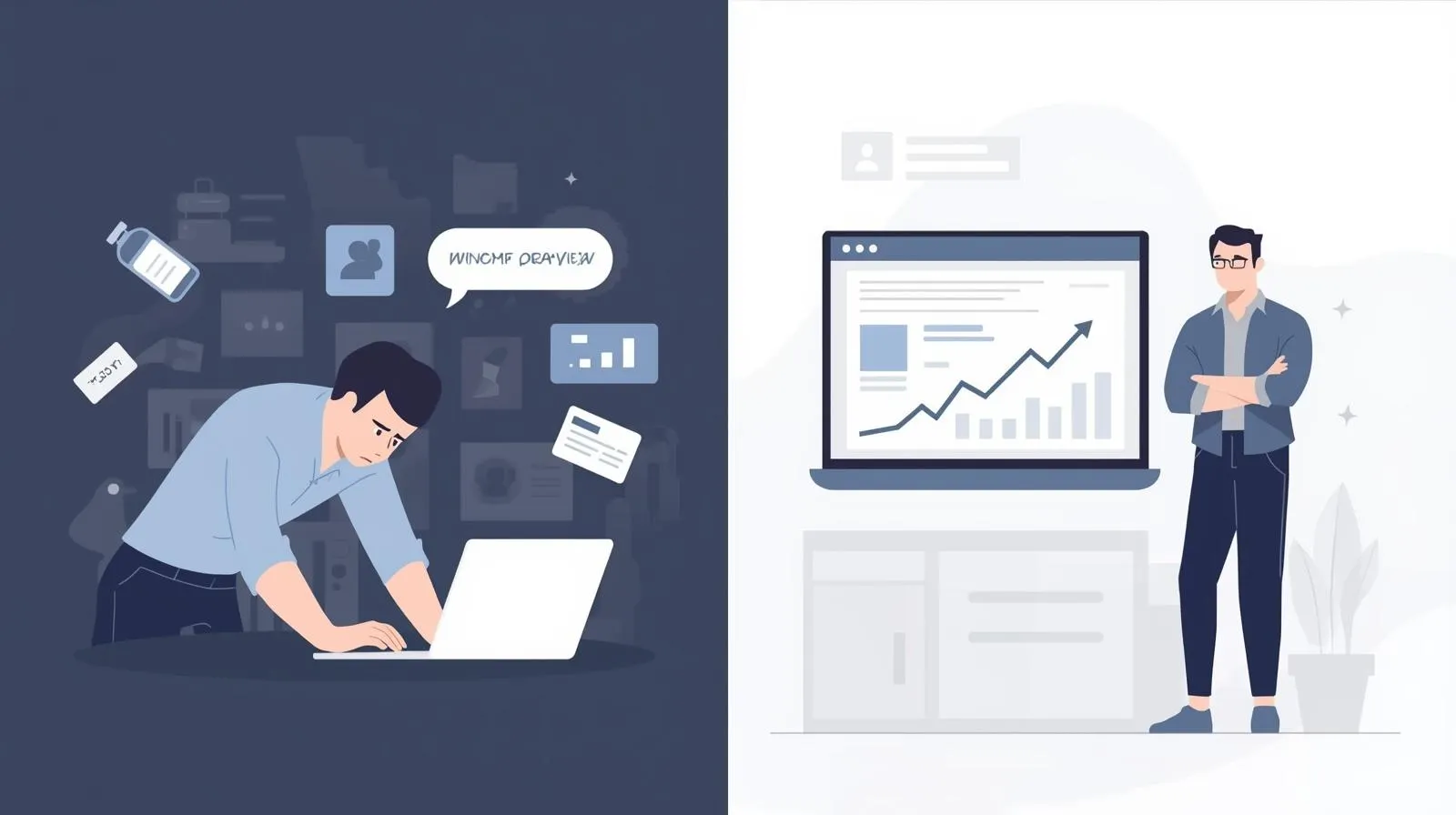
Phase 1: The Failure – The "Spray and Pray" Approach
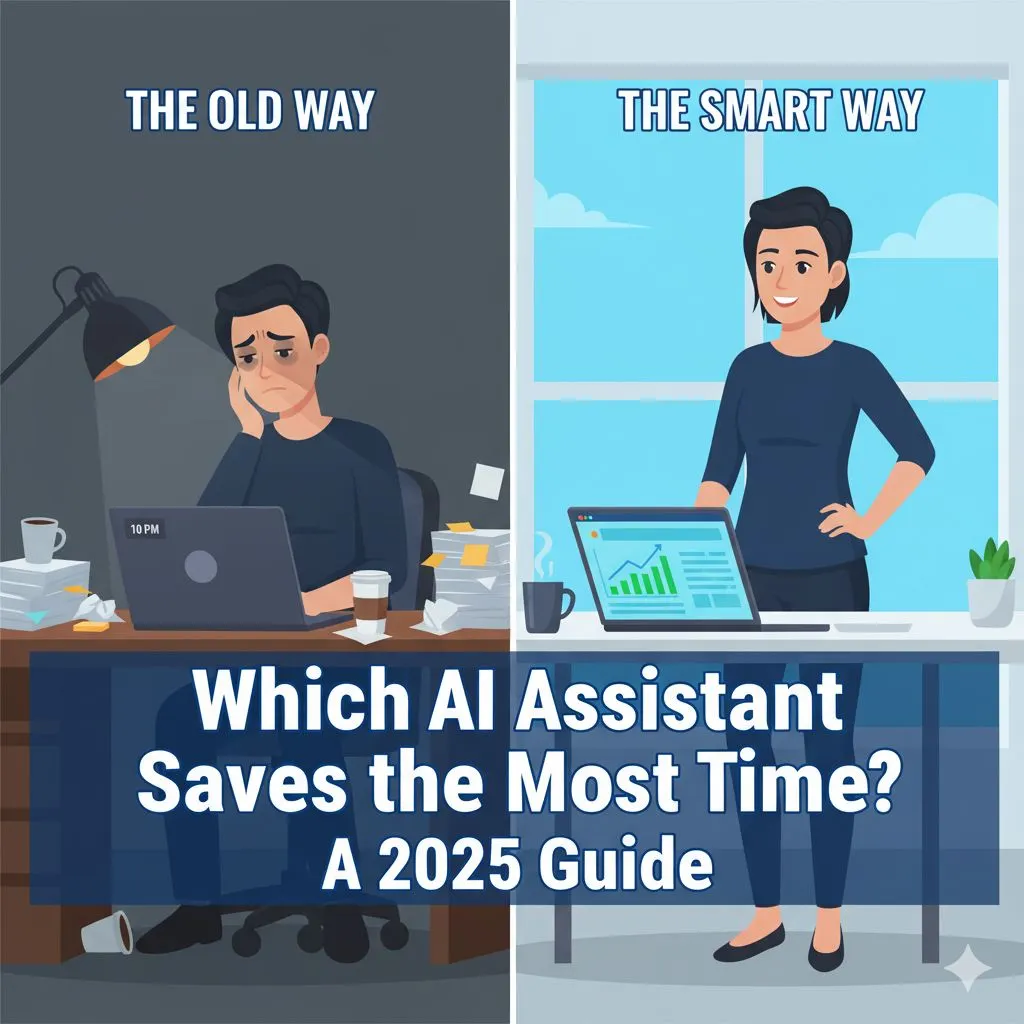
The founder of Apex, let's call him Mark, fits the profile of the overworked solopreneur perfectly. He knew he needed to run ads to keep his lead pipeline full, but he simply didn't have the hours in the day to write creative copy or the budget to hire a $5,000/month agency.
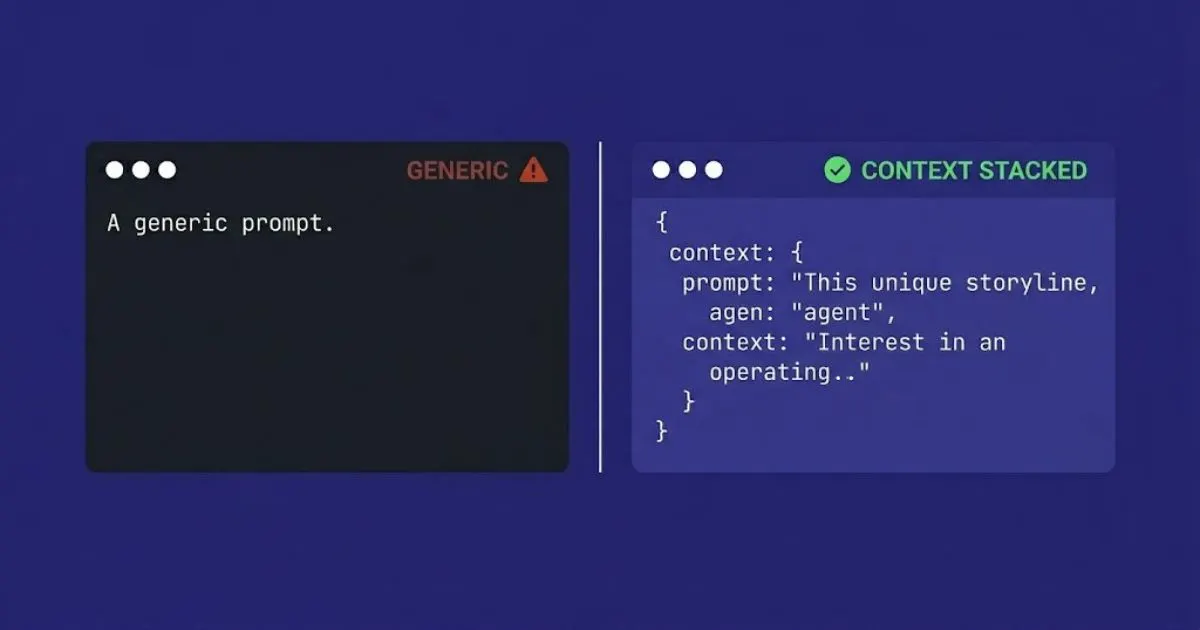
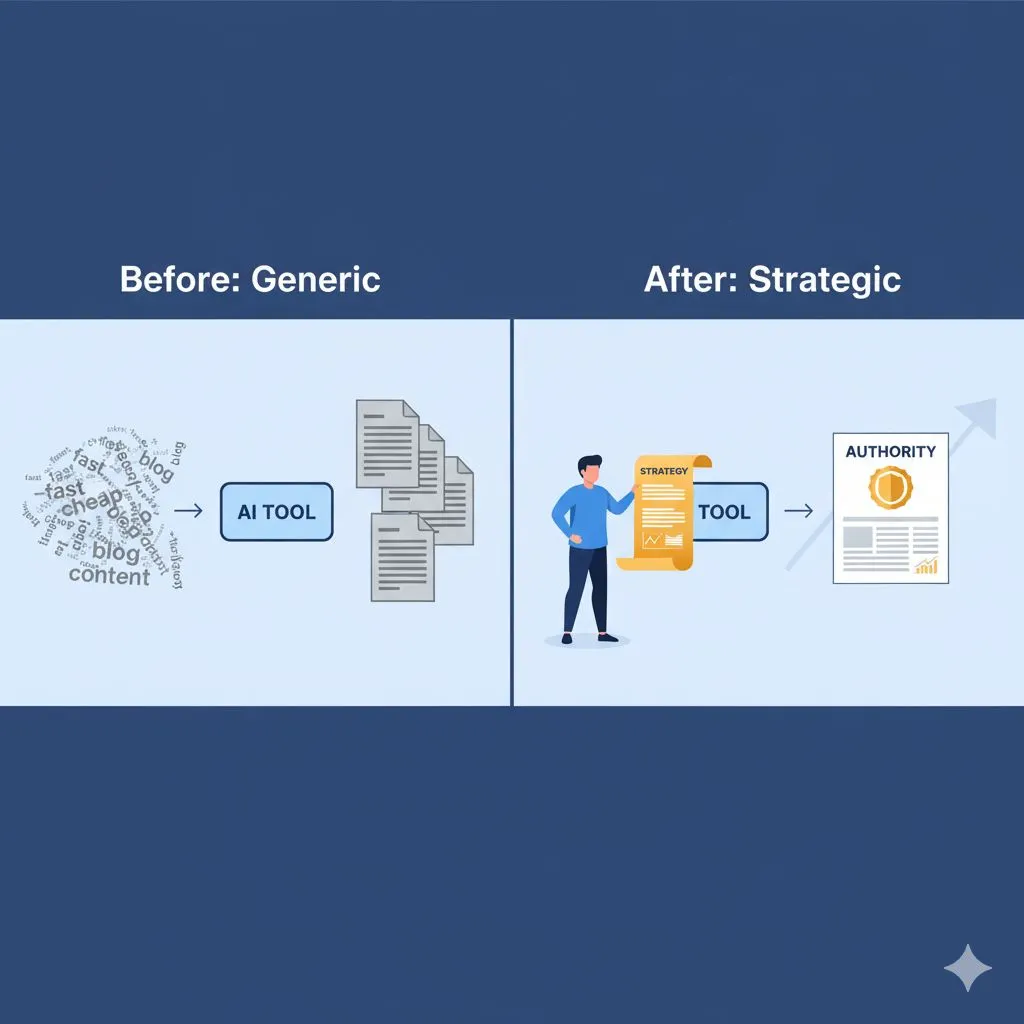
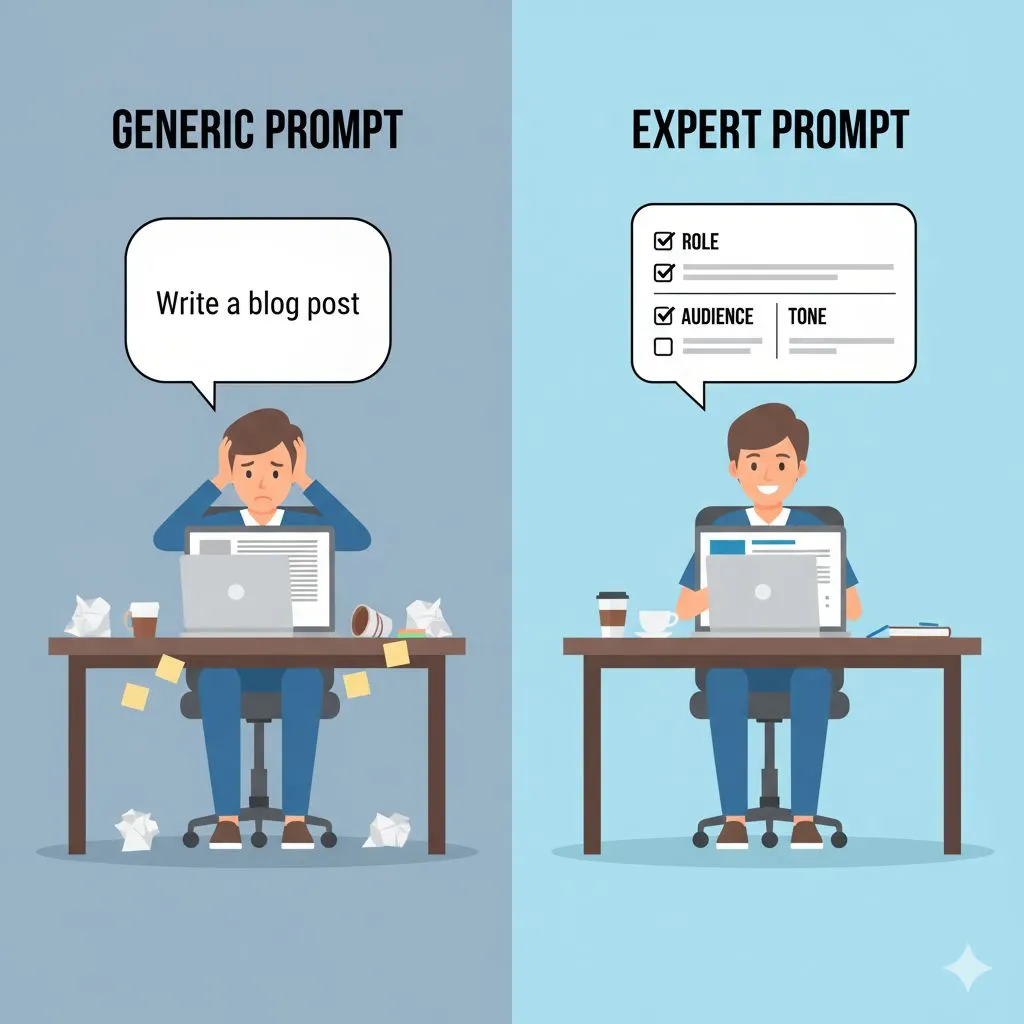
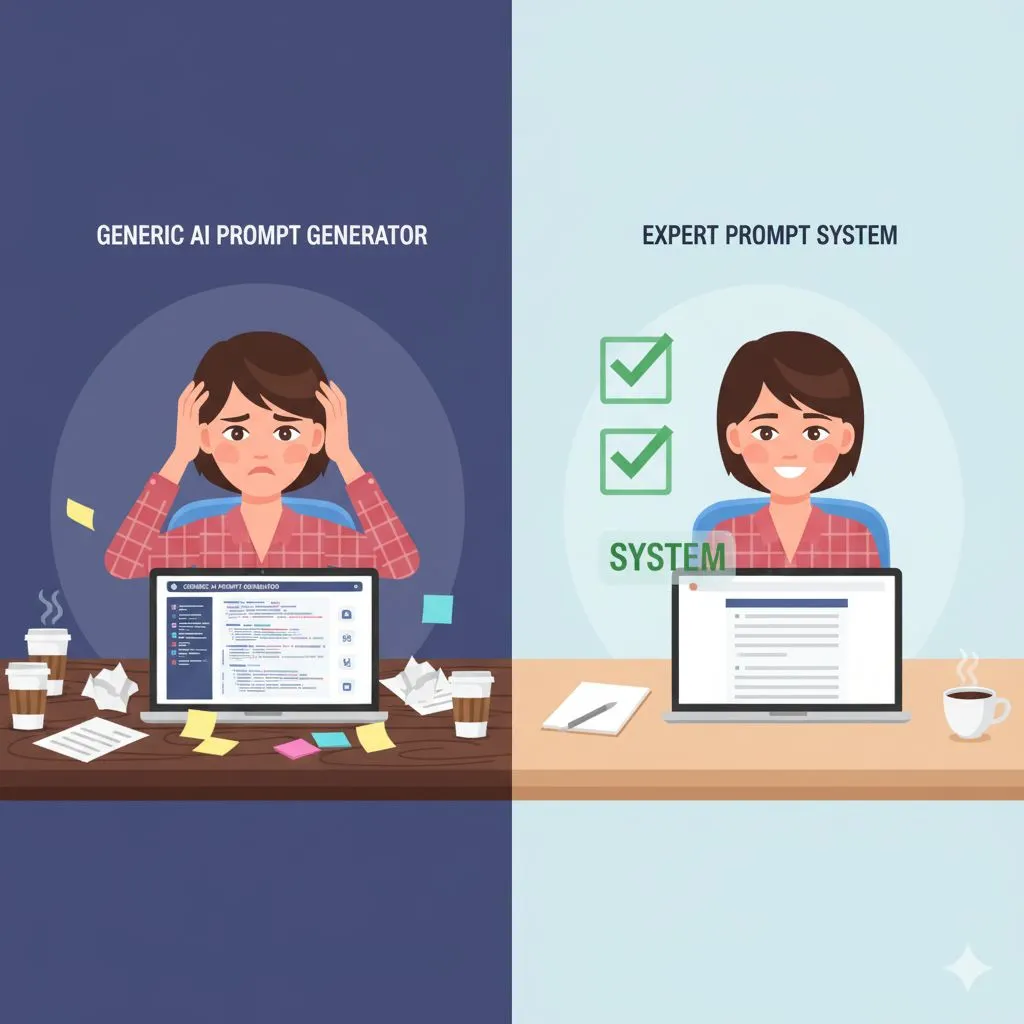
When Mark discovered a popular generic AI tools, he thought his problems were solved. He sat down and typed in what we call a "Zero-Shot Prompt"—a prompt with no context, strategy, or constraints.
The Prompt:
"Write 5 Facebook ads for a consulting business that helps companies save money."
The Output:
The AI did exactly what it was told. It generated five variations of the following:
- "Unlock your business potential today!"
- "Are you ready to take your game to the next level? Our consulting is a game-changer."
- "Save money and grow fast with Apex Consulting. Click here to learn more!"
On the surface, the sentences were grammatically correct. But dig a little deeper, and the cracks appear. The copy was bland, riddled with clichés ("game-changer," "unlock potential"), and completely devoid of human emotion or specific value propositions.
The Visuals:
To match the copy, Mark used a basic AI image generator with the prompt: "Business meeting in a modern office."
The result was the now-infamous "uncanny valley" aesthetic. The images featured people with overly smooth skin, vague facial expressions, and, in one unfortunate instance, a hand with six fingers resting on a conference table.
The Campaign Launch:
Mark, pressed for time and trusting the "intelligence" of the AI, loaded these assets into his ad manager and set a budget of $1,000 for the month. He expected leads to pour in.
The Result:
- Impressions: 50,000 (The ads were seen).
- Click-Through Rate (CTR): 0.12% (Industry average is closer to 0.90% - 1.5%).
- Cost Per Click (CPC): Skyrocketed due to low relevance scores.
- Leads Generated: 0.
If this scenario feels familiar, the Ad Copy Pros AI prompt toolkit was built to solve exactly this problem.
The campaign didn't just fail; it burned through a significant portion of Apex's marketing budget with nothing to show for it. Mark was left frustrated, skeptical, and more stressed than before. He concluded, "AI doesn't work for my industry."
But he was wrong. AI wasn't the problem. The input was.
The Diagnosis – Why Generic AI Ads flop
To turn Apex’s marketing around, we first had to perform an autopsy on the failed campaign. Why did the ai generated advertising fail so spectacularly?
For entrepreneurs like Mark—and perhaps you—understanding the mechanics of this failure is crucial to avoiding it. The failure came down to three specific "Strategy Gaps" that generic prompting cannot bridge on its own.
1. The "Hallucination" of Value
AI Language Models (LLMs) are prediction engines, not sales experts. When you ask for an ad without giving specific constraints, the AI defaults to the most statistically probable words found on the internet. Unfortunately, the internet is full of bad marketing.
In Apex’s case, the AI focused on generic benefits like "saving money" and "growing fast." It failed to address the specific pain points of Apex’s target audience: the chaos of unorganized workflows and the fear of burnout.
The Lesson: If you don't tell the AI what makes you different, it will make you sound like everyone else.
2. Lack of Brand Voice (The "Robot" Factor)
Your brand voice is your competitive advantage. It’s what builds trust. When Mark used the generic prompt, the AI adopted a flat, enthusiastic-but-hollow tone often referred to as "Corporate Lorem Ipsum."
For a consulting firm, trust is the currency. A prospective client reading "Unlock your potential!" doesn't feel understood; they feel sold to. The copy lacked the nuance, authority, and empathy required to sell a high-ticket service. It sounded like a template, and in a crowded digital market, the human brain is wired to ignore templates.
3. Missing Context: The "Who" and The "Why"
This was the critical error. The AI didn't know who it was talking to.
- Was the audience a startup founder or a corporate CEO?
- Was the tone supposed to be urgent or reassuring?
- What was the specific offer?
Without these inputs, the AI aimed for the middle and missed everyone. It’s the equivalent of walking into a networking event and shouting, "I help people!" without introducing yourself or asking about the other person.
The Review Bottleneck
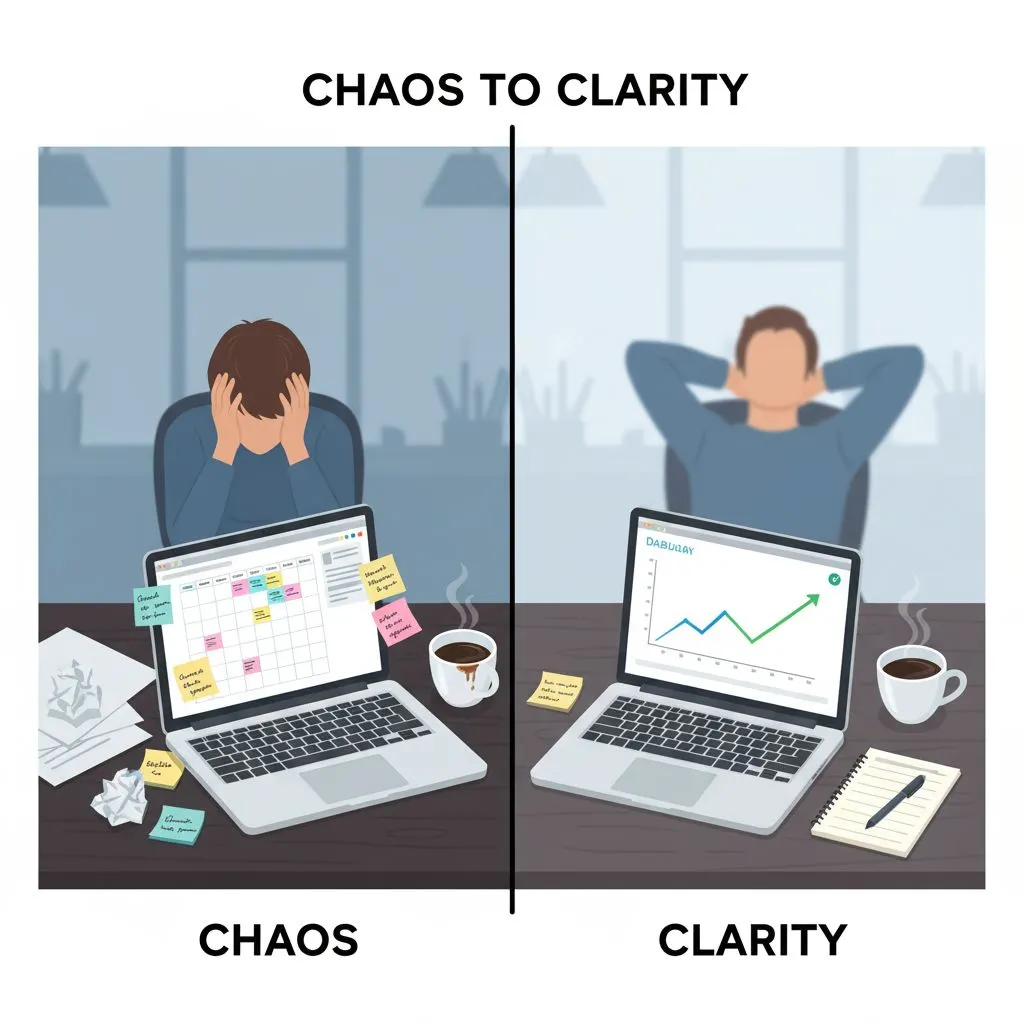
The irony of Mark’s attempt to save time was that he ended up spending more time trying to fix the mess. After the ads flopped, he spent hours staring at the screen, trying to tweak the bad AI copy, unsure of what was actually wrong.
This is a common trap. We call it the Review Bottleneck. When the output is mediocre, you spend hours polishing a turd rather than creating a gem. Mark realized that to scale his business without adding staff, he didn't need a "content generator"—he needed a "strategic partner." → start with a free AI prompt resource
He was ready to pivot. He was ready to stop using AI as a magic button and start using it as a force multiplier.
The Pivot – Strategic AI Implementation
The turnaround for Apex Boutique Consulting didn't require hiring a new agency or buying expensive software. It required a shift in how they communicated with the AI.
Mark adopted the Expert AI Prompts methodology. This approach treats the AI not as a writer, but as a junior strategist that needs clear, expert-level direction.
The Shift: From "Write This" to "Act As"
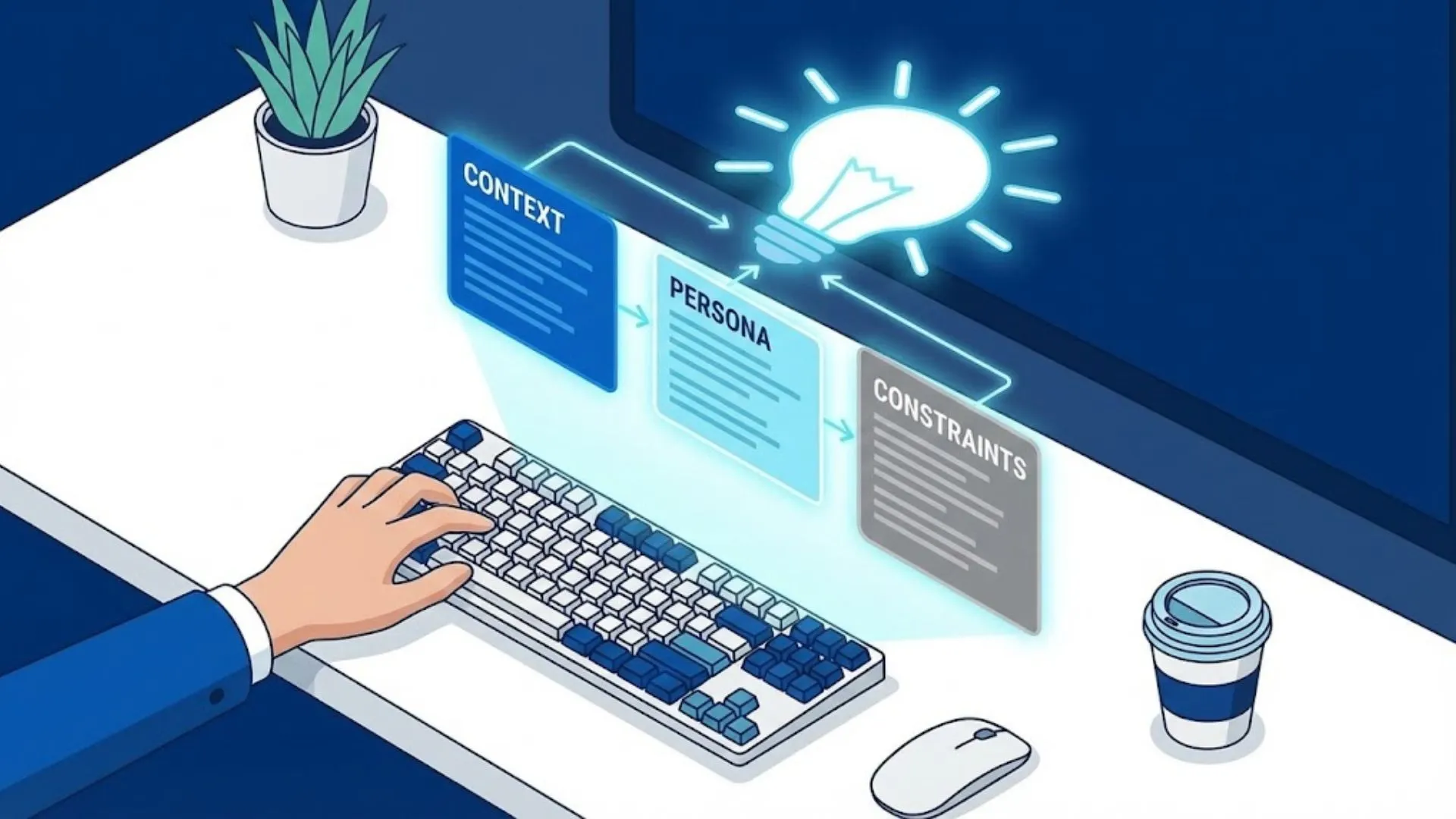
We moved Mark away from one-sentence prompts. Instead, we built a Structured Prompt Stack designed to inject strategy, persona, and constraints into the AI before it ever wrote a word of copy. Grab the 1-page perfect prompt framework (free download) before you dive in.
Here is the breakdown of the new process:
Step 1: Defining the Persona and Context
Instead of "Write an ad," the new prompt began with context:
"Act as a Senior Direct Response Copywriter with 15 years of experience in B2B consulting. Your goal is to write Facebook ad copy targeting overwhelmed small business owners (Revenue $1M-$5M) who are struggling with operational bottlenecks. The tone should be empathetic, authoritative, and direct. Avoid clichés like 'unlock potential' or 'game-changer.'"
Why this works: It assigns a role (Expert), defines the audience (Small Business Owners), sets the constraint (No clichés), and establishes the goal.
Step 2: Inputting the Differentiator
Next, we fed the AI the specific value proposition of Apex:
"The core offer is a '90-Day Workflow Audit' that guarantees to save the business owner 10 hours a week or their money back. Highlight the pain of missing dinner with family due to work, and position the Audit as the solution for reclaiming freedom."
Why this works: It grounds the AI in reality. Now, the AI isn't guessing what the benefit is; it is writing specifically about the "90-Day Workflow Audit" and the emotional benefit of "reclaiming freedom."
Step 3: Iterative Refinement
The first output was 90% there. It was sharp, empathetic, and clear. But Mark wanted to ensure it sounded exactly like him. He used a refinement prompt:
"Rewrite Option 2. Make the opening hook shorter and punchier (under 10 words). Ensure the Call to Action is focused on 'Booking a Strategy Call' rather than 'Learn More'."
The New Creative
The difference was night and day.
Old Headline: "Unlock your business potential today!"
New Headline: "Stop Drowning in Admin. Reclaim 10 Hours a Week."
Old Body Copy: "Our consulting is a game-changer. We help you save money."
New Body Copy: "You didn't start your business to spend 12 hours a day buried in spreadsheets. It’s time to break the bottlenecks slowing you down. Our 90-Day Workflow Audit identifies exactly where you’re losing time—and how to get it back. Scale without the stress."
The Visual Pivot:
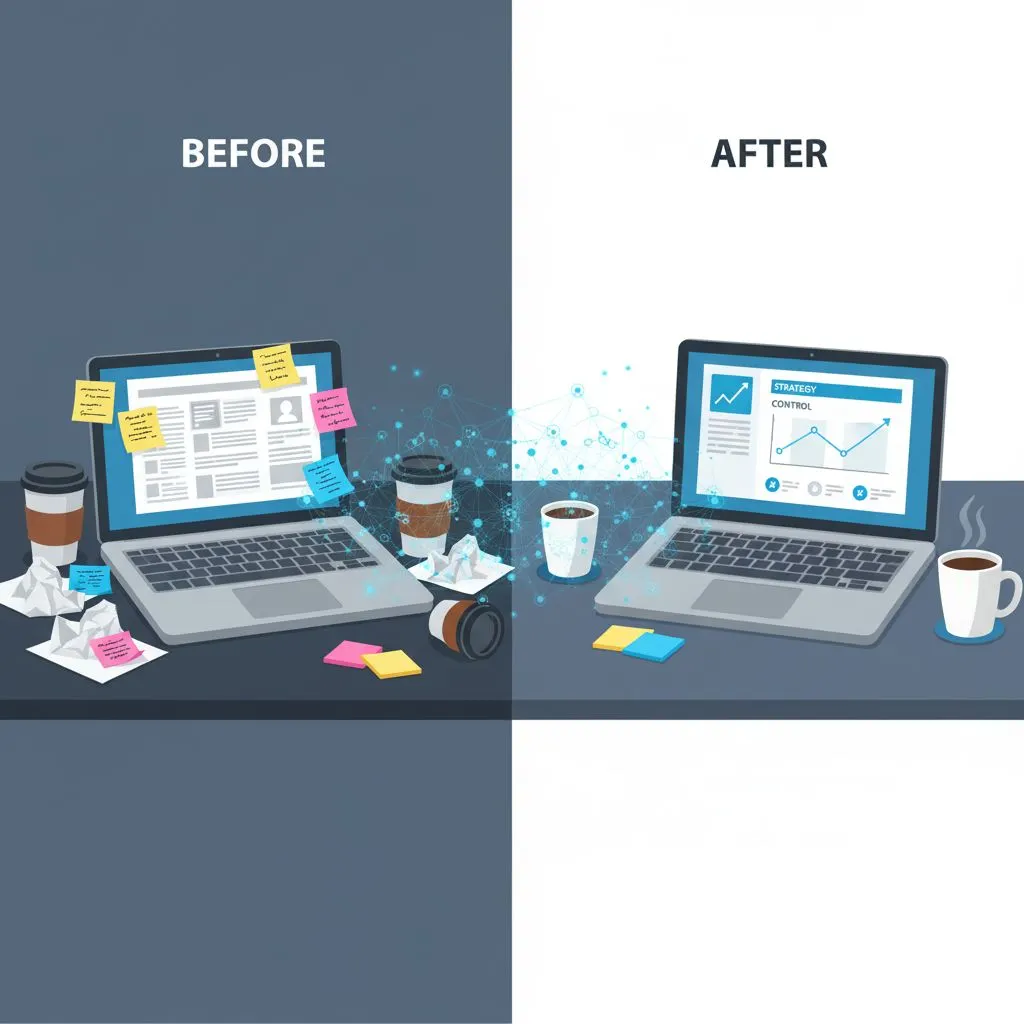
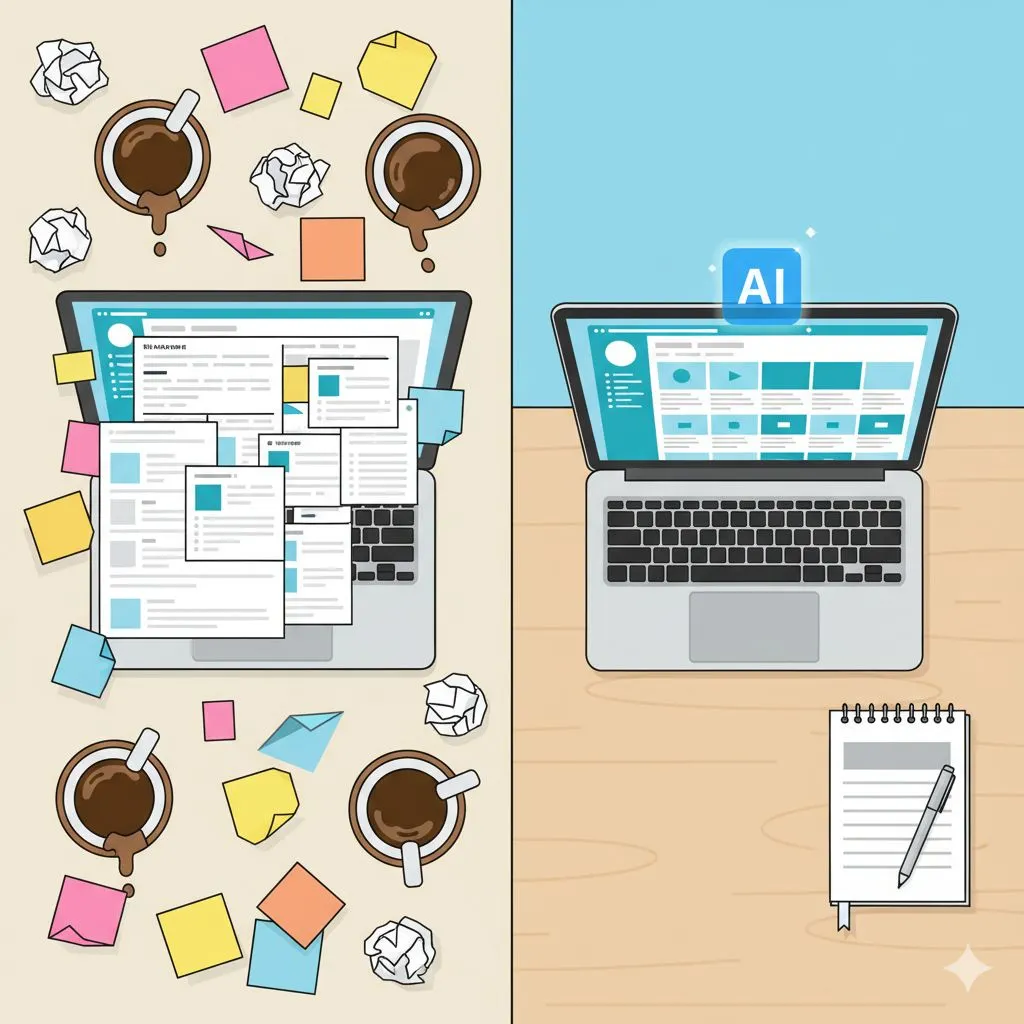
For the images, we moved away from generic "office meetings." We used AI image prompts that described: "A clean, organized desk with a cup of coffee and a single notebook, warm lighting, signifying clarity and focus. Photorealistic style, 4:5 aspect ratio."
The visual told a story of relief and order, directly appealing to the stressed-out target persona.
The Results and The Path Forward
The revised campaign launched with the same $1,000 budget. The variable was not the money; it was the strategy behind the ai generated advertising.
Phase 4: The Results
After 30 days, the metrics painted a completely different picture.
- Impressions: 45,000 (Slightly lower, as the targeting was tighter).
- Click-Through Rate (CTR): 1.4% (An 11x increase over the previous campaign).
- Cost Per Click (CPC): Dropped by 60% due to high engagement relevance.
- Leads Generated: 14 qualified bookings for the Workflow Audit.
- ROI: The campaign generated $14,000 in pipeline value from a $1,000 spend. → Read the full AI prompt ROI case study
The Efficiency Win
Beyond the revenue, the biggest win for Mark was time.
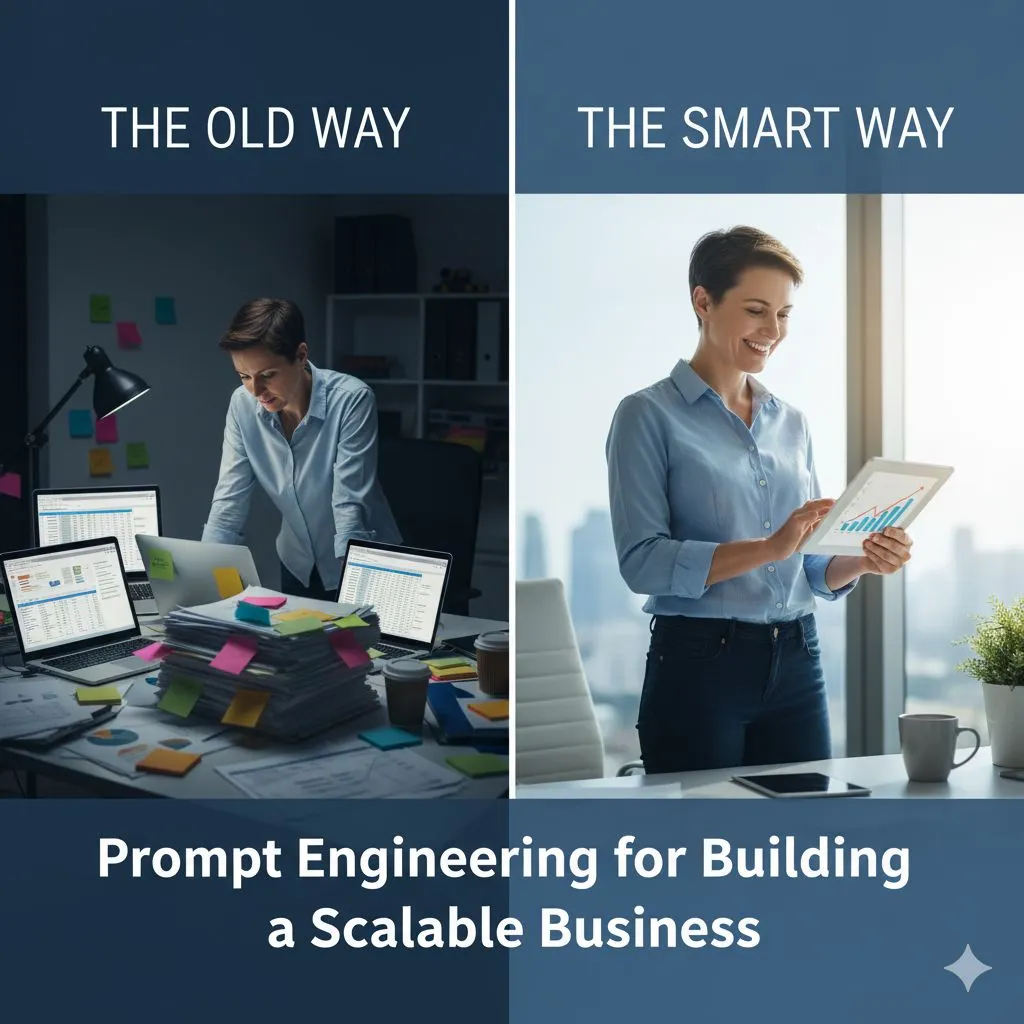
- Old Way: 5+ hours of frustration, editing bad copy, and stressing over lack of results.
- New Way: 30 minutes of structuring the prompt, reviewing the high-quality output, and launching.
Mark successfully moved from being a stressed operator to a strategic director of his marketing. He used AI to do the heavy lifting, but he provided the blueprint.
The Sales Prompt Playbook for AI copywriting applies this same structure to your full sales funnel.
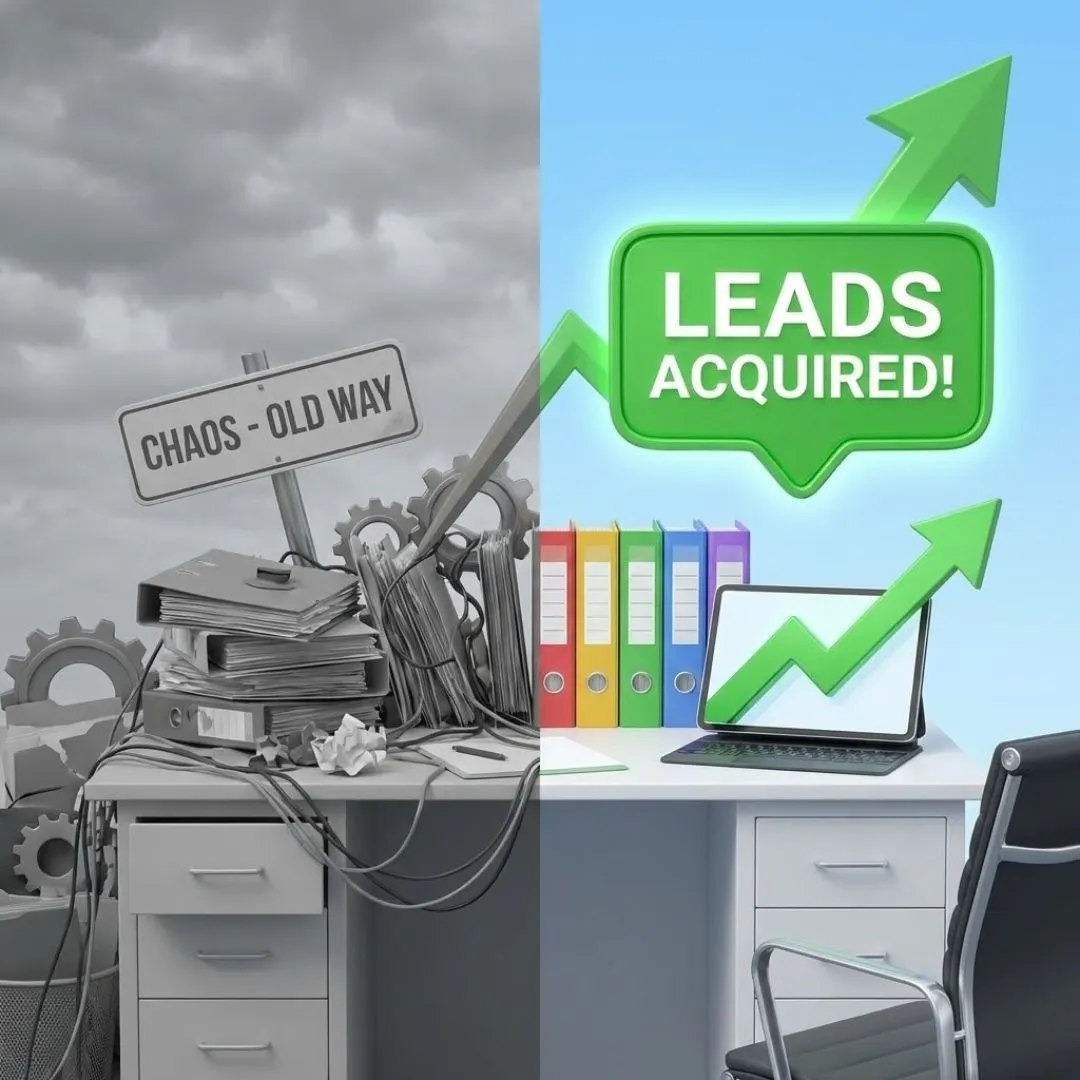
Conclusion: From Overworked to Outstanding
The failure of AI in advertising is rarely a failure of the tool—it is a failure of the prompt. Small business owners like Alex Rivers (and the fictional Mark) cannot afford to waste time on "spray and pray" tactics.
To make AI work for you, you must treat it as an employee that requires training.
- Context is King: Never prompt without defining your audience and your offer.
- Ban the Clichés: Explicitly tell the AI what not to say.
- Sell the Outcome, Not the Feature: Use your prompts to focus on emotional benefits (time freedom, reduced stress) rather than generic business jargon.
You don't have the resources of the big players, but with the right prompts, you can compete at their level. You can produce expert-level content that builds authority, generates leads, and scales your business—all while you sleep.
It’s time to stop hustling harder and start scaling smarter.
Get a free Expert AI Prompts resource today and see the difference strategic prompting makes in under an hour.
Ready to stop guessing and start growing?
Don't waste another dollar on bad ads. Get the frameworks, the strategies, and the exact prompts you need to replicate this success.
Get The Complete Guide to AI in Advertising and Sales
Browse all 30 industry-specific prompt packs and pricing to find the pack built for your exact industry.' Routes decision-intent readers directly to the Pricing Catalog.
Further Reading
Add these as hyperlinked list items immediately below the CTA block:
• Stop Wasting Ad Spend: Writing High-ROI Copy with Precision Prompts
• Why Plug-and-Play AI Often Fails Without Strategy
• The Hidden Risks of Using Generic AI Prompts for Business
• B2B Lead Gen: Using AI to Warm Up Cold Outreach
• Copywriting 2.0: Blending Human Creativity with AI Speed
Related .com Resources
• The Complete Guide to AI in Advertising and Sales (Pillar)
• Ad Copy Pros — AI Prompt Toolkit