Personalization at Scale: The AI Email Strategy
Personalization at Scale: The AI Email Strategy
Jan 28, 2026
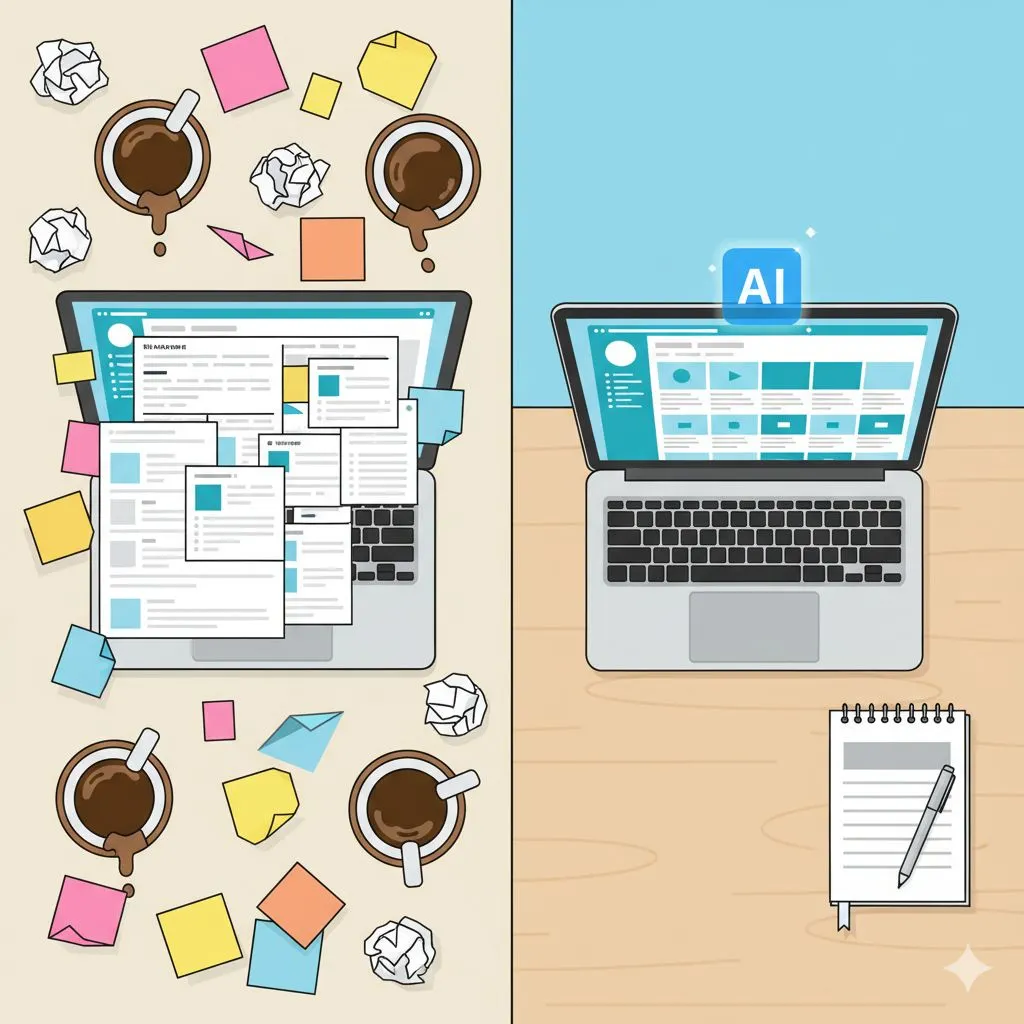
For the small business owner, the email inbox is a battlefield. You know that email marketing strategy typically yields the highest ROI of any channel ($36 for every $1 spent, according to recent benchmarks). You also know that the key to unlocking that revenue is personalization.
But here lies the "Alex Rivers Paradox": To grow your business, you need to treat every prospect like your only client. But to operate your business, you simply don’t have the time to write hundreds of individual emails.
So, you compromise. You write one generic "broadcast," blast it to 5,000 people, and hope for the best. The result? Low open rates, meager engagement, and the nagging feeling that you are shouting into a void.
There is a third option, one that bypasses the need for a massive marketing team or an 80-hour workweek.
Welcome to the era of ai email automation.
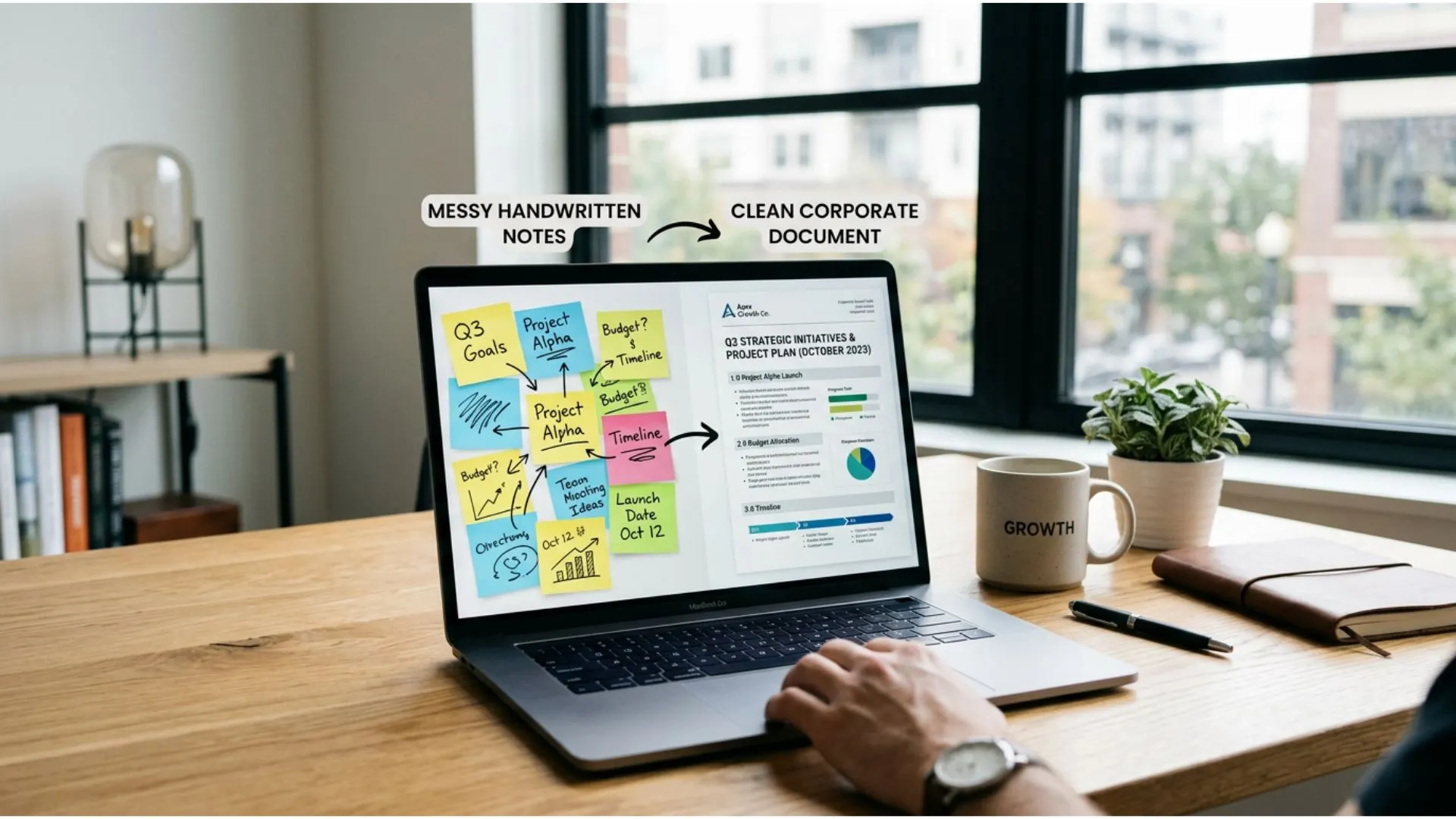
This isn't about using AI to spam thousands of strangers. It isn't about letting ChatGPT hallucinate wild promises to your clients. It is about building a strategic infrastructure where AI acts as your tireless junior copywriter—one who knows your brand voice perfectly and can write unique, relevant messages to different segments of your audience simultaneously.
If you are tired of choosing between "efficient but generic" and "personal but impossible," this strategy is for you.
Before we dive into the strategy — if you want a head start, grab our free AI resources bundle here — including prompt templates, content plans, and workflow guides, no credit card required.
The Shift: From Broadcast to Behavioural
To understand how to use AI effectively, we first have to unlearn the "Newsletter Blast" mentality.
For years, the standard operating procedure for small businesses was simple: Write one newsletter, send it to everyone. Maybe, if you were advanced, you’d insert the {{First Name}} tag.
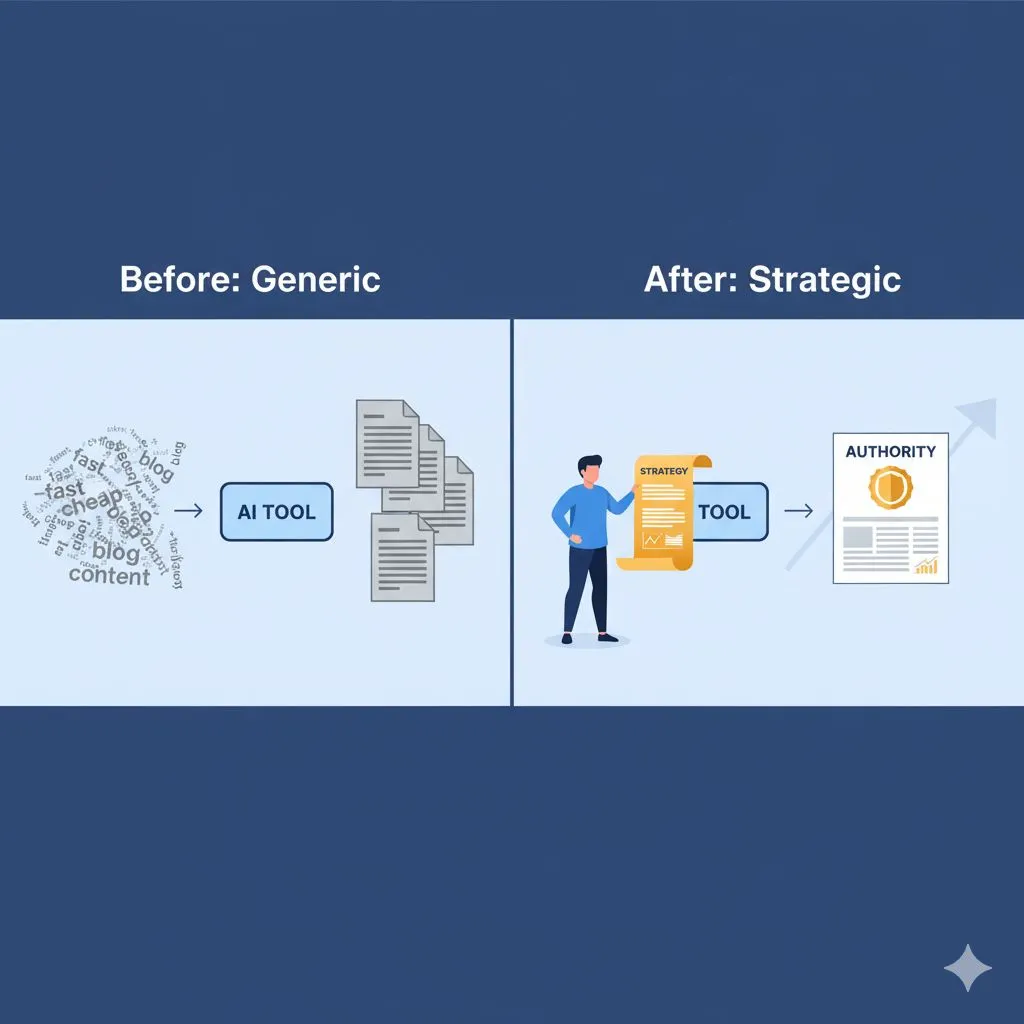
Today, that doesn’t cut it. Your customers are savvy. They know when they’re part of a bulk list. When an email arrives that clearly ignores their specific context—selling them a beginner’s course when they’ve been a client for three years, or offering a consultation for a service they just bought—it damages trust. It signals: "I don't know who you are."
The Difference Between Automation and AI Automation
Traditional automation is rigid. It follows a strict logic tree:
- If user clicks link A, wait 2 days, then send Email B.
This is useful, but the content of "Email B" is static. It’s the same text for everyone who clicked the link.
AI email automation adds a layer of intelligence and generation on top of that logic. It looks like this:
- If user clicks link A, analyze the user's industry and past purchases. Then, use an AI Prompt to generate a customized version of Email B that references their specific industry challenges.
Suddenly, you aren't broadcasting; you are conversing.
The Strategic Pivot
For a solopreneur or small team, this pivot changes the game. Instead of spending your limited energy writing copy, you spend your energy designing systems. You become the architect of the conversation, while the AI does the heavy lifting of construction.
This approach solves the three biggest pain points for growing businesses:
- Relevance: Every subscriber feels seen.
- Volume: You can handle 1,000 leads as easily as 10.
- Consistency: Your marketing runs even when you are putting out fires elsewhere in the business.
But AI is only a multiplier. If you multiply zero, you get zero. To make this work, you need fuel. That fuel is data.
The Data Layer: Fueling the AI Engine
Many entrepreneurs rush to the "prompting" phase before organizing their data. This is a mistake. AI is an incredibly powerful processing engine, but it cannot personalize what it does not know.
To achieve ai email automation that feels human, you need to move beyond basic demographics (Name, Location) and start collecting and organizing psychographic and behavioral data.
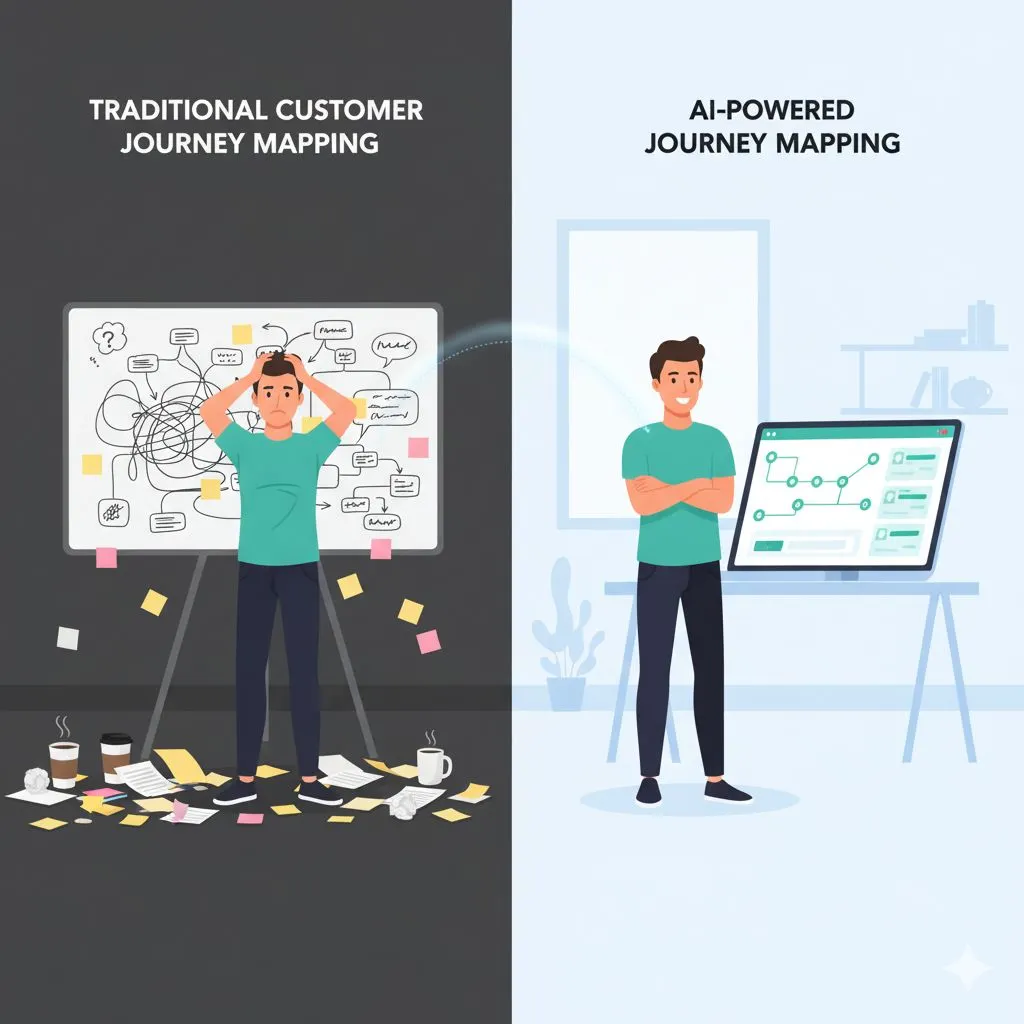
Learn more about mapping the customer journey with AI precision to build smarter segments from the ground up.
Smart Segmentation for AI
Before you open your AI tool, look at your email list or CRM. You need to tag or categorize your audience in a way that an AI prompt can understand.
Imagine you are a business consultant. Instead of one list, you should tag your subscribers based on:
- Current Obstacle: (e.g., "Struggling with Sales," "Hiring Issues," "Cash Flow").
- Business Stage: (e.g., "Startup," "Scaling," "Exit Mode").
- Relationship Status: (e.g., "Cold Lead," "Webinar Attendee," "Active Client").
When you have these tags, you can feed them into your AI prompts.
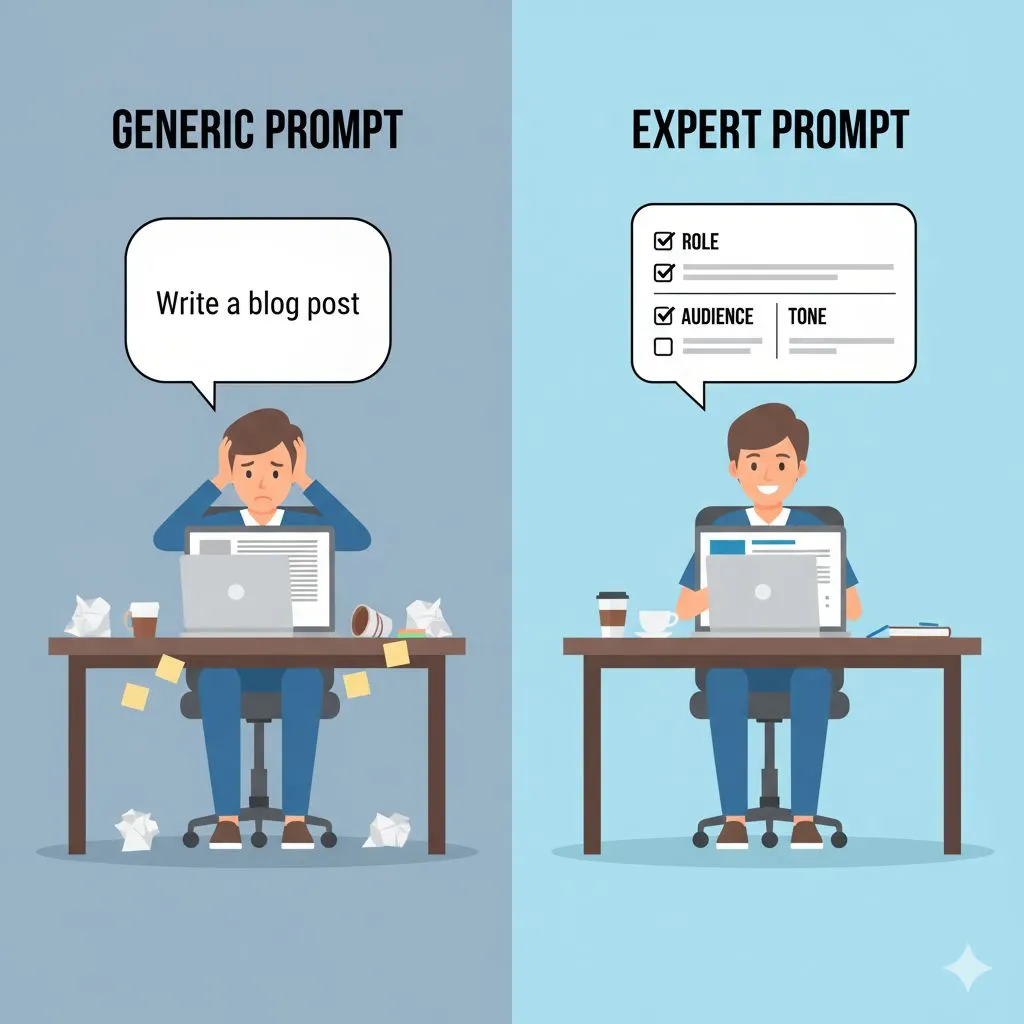
- Bad Input: "Write an email to Alex selling my consulting services."
- Good Input: "Write an email to a subscriber tagged as 'Scaling' who is 'Struggling with Hiring.' Reference their desire to reclaim time."
The output of the second prompt will be exponentially more effective because it speaks directly to the pain point.
The Strategy: Prompt-Led Personalization
Now that we have the data, how do we actually generate the content without spending all day in ChatGPT? This is where Prompt-Led Personalization comes in.
This strategy — rooted in expert prompt engineering for business — relies on creating Master Prompts...
1. The "Context Injection" Technique
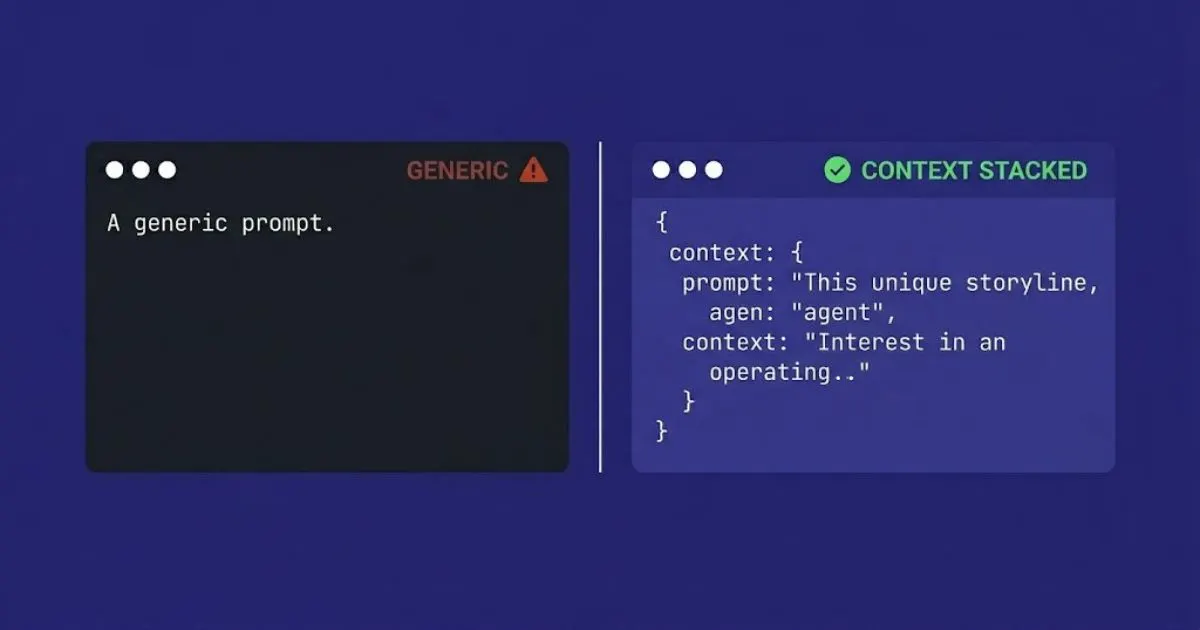
The most common failure in AI writing is generic fluff. To combat this, your prompt must include "Context Injection." This is a section of your prompt dedicated solely to background information.
The Framework:
"You are an expert email copywriter for [Your Brand].
Context: We are writing to a segment of customers who [Insert Segment Data].
Goal: We want to persuade them to [Insert CTA] by highlighting [Specific Benefit].
Tone: Professional, empathetic, and direct."
By "injecting" the specific segment data into the prompt, the AI understands the who and why before it writes the what.
2. Variable Mapping
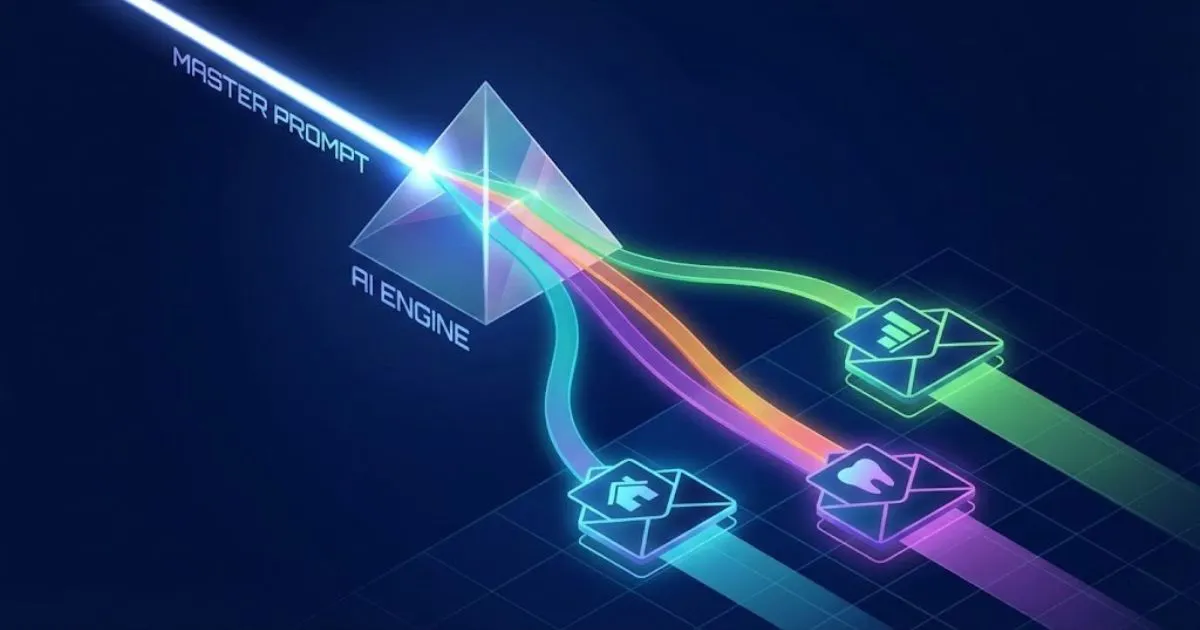
This is the secret weapon for scaling. You can set up your prompts to treat specific parts of the email as "variables."
Let's say you want to send a nurturing email to three different industries: Real Estate Agents, Dentists, and Gym Owners. You don't need three separate prompts. You need one prompt with variable mapping.
The Prompt Strategy:
"Write a cold outreach email offering SEO services.
Variable 1 (Pain Point): [Insert Pain Point for specific industry]
Variable 2 (Jargon): [Insert Industry-Specific Terminology]
Create three versions.
Version A: For Real Estate Agents using AI prompts (Pain point: No leads from Zillow).
Version B: For Dentists (Pain point: Empty chair times).
Version C: For Gym Owners (Pain point: January churn)."
In seconds, the AI generates three distinct emails that sound like they were written by a specialist in each field. This allows you to scale your outreach into new verticals without having to research and write from scratch every time.
3. Tone Calibration
Skeptics like Alex Rivers often worry: "Will this sound like me?"
It will, but only if you train your AI to write in your brand voice. Generic AI sounds like a robot because it defaults to a neutral, corporate tone. To fix this, you must provide a "Tone Sample."
Paste three of your best-performing past emails into the AI and say:
Want a shortcut? Our free Brand Voice Kit gives you a ready-made prompt template to capture and replicate your brand's tone in seconds.
"Analyze the writing style, sentence structure, and vocabulary of the text below. Define this 'Brand Voice.' Then, write the new email using this exact voice."
This ensures consistency. Your audience shouldn't be able to tell the difference between an email you sweated over for an hour and one the AI generated in 10 seconds.
The Workflow: Human-in-the-Loop Implementation
The fear of AI usually stems from a loss of control. Business owners worry that an AI will say something incorrect, offensive, or just plain weird, damaging the brand reputation they’ve worked so hard to build.
This is why we do not advocate for fully autonomous systems where the AI writes and sends without supervision (at least, not yet). We advocate for a Human-in-the-Loop (HITL) workflow.
This workflow is designed to give you the speed of automation with the safety of human oversight.
The 80/20 Rule of AI Content
In this strategy, the AI provides 80% of the labor, and you provide the final 20% of the value.
- The AI's 80%: Structure, brainstorming angles, drafting the body copy, checking for grammar, and generating subject line variations.
- Your 20%: Adding personal anecdotes, checking facts, refining the emotional nuance, and ensuring the offer aligns with business goals.
Even if you have to rewrite two sentences in every email, you have still saved 90% of the time it would have taken to write from a blank page. That is leverage.
Batch Processing for Efficiency
Stop writing emails one by one. It creates "context switching" cognitive load that drains your energy. Instead, use AI for batch processing.
The Weekly Workflow:
- Monday Morning (Strategy): Decide on the offer or value piece for the week.
- Monday Noon (Generation): Open your AI tool. Input your "Master Prompt" with variables for your 3-4 key customer segments.
- Result: Within minutes, you have drafts for your "VIP Clients," your "New Leads," and your "Cold Prospects"—all tailored to their specific needs.
- Monday Afternoon (The Loop): Spend 20 minutes reviewing and polishing the drafts.
- Schedule: Load them into your email service provider (ActiveCampaign, ConvertKit, etc.) and schedule them to go out.
You have just completed a week's worth of highly personalized marketing in under an hour.
Quality Control Checklist
Before you hit "Schedule," run your AI-generated emails through this 3-point check:
- The "Robot Smell" Test: Read the first sentence out loud. Does it sound like a human conversation, or does it use words like "unleash," "unlock," or "digital landscape"? For a deeper dive into this, read our guide on ensuring your AI content still sounds human. If it sounds stiff, soften it.
- The Fact Check: AI can hallucinate. Did it invent a discount you don't offer? Did it reference a link that doesn't exist? Always verify the details.
- The "So What?" Test: Does the email clearly explain why this matters to the specific segment you are targeting? If the personalization feels forced (e.g., "I see you are a human in New York"), delete it.
Implementation Roadmap
You are busy. You don't have time for a six-month digital transformation project. Here is a practical, rapid roadmap to implement ai email automation in your business this week.
Phase 1: Audit & Clean (Days 1-2)
- Goal: Prepare your data.
- Action: Log into your email provider. Archive inactive subscribers (they hurt your deliverability). Create 3 distinct tags based on customer behavior or needs, not just demographics.
- Outcome: A clean list ready for segmentation.
Phase 2: Prompt Testing (Days 3-5)
- Goal: Build your "Master Prompts."
- Action: Don't write emails yet. Spend two days experimenting with ChatGPT, Gemini or Claude. Feed it your brand voice samples. Test different "Context Injections." Refine the prompts until the output requires very little editing.
- Outcome: A library of 3-5 reliable prompts saved in a document.
Phase 3: The Pilot Campaign (Day 7)
- Goal: Proof of concept.
- Action: Select one segment of your audience (e.g., "Past Clients who haven't bought in 6 months"). Use your AI prompt to generate a specific re-engagement email for them. Review, polish, and send.
- Outcome: Measure the open and reply rates against your generic broadcasts. The difference will likely be stark.
Conclusion: The Future is Hybrid
We are standing at a fork in the road for digital marketing.
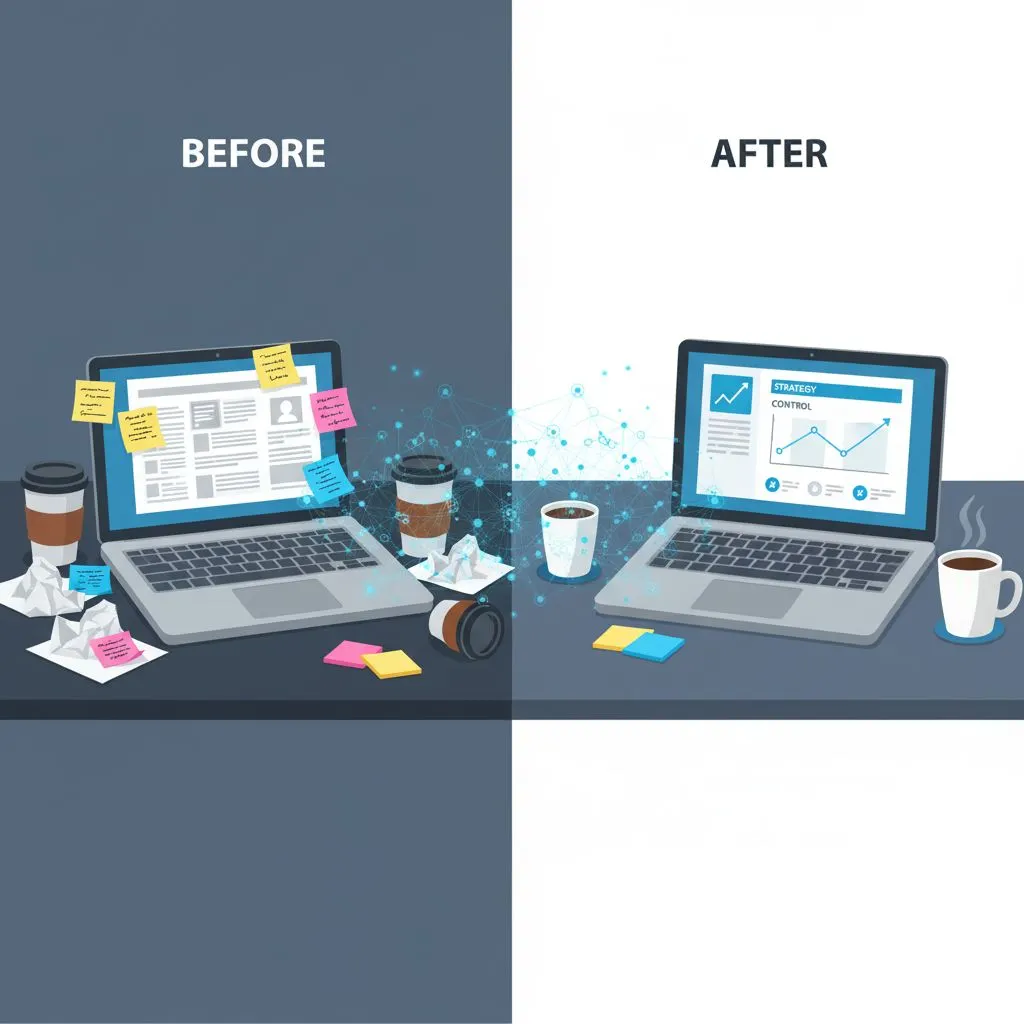
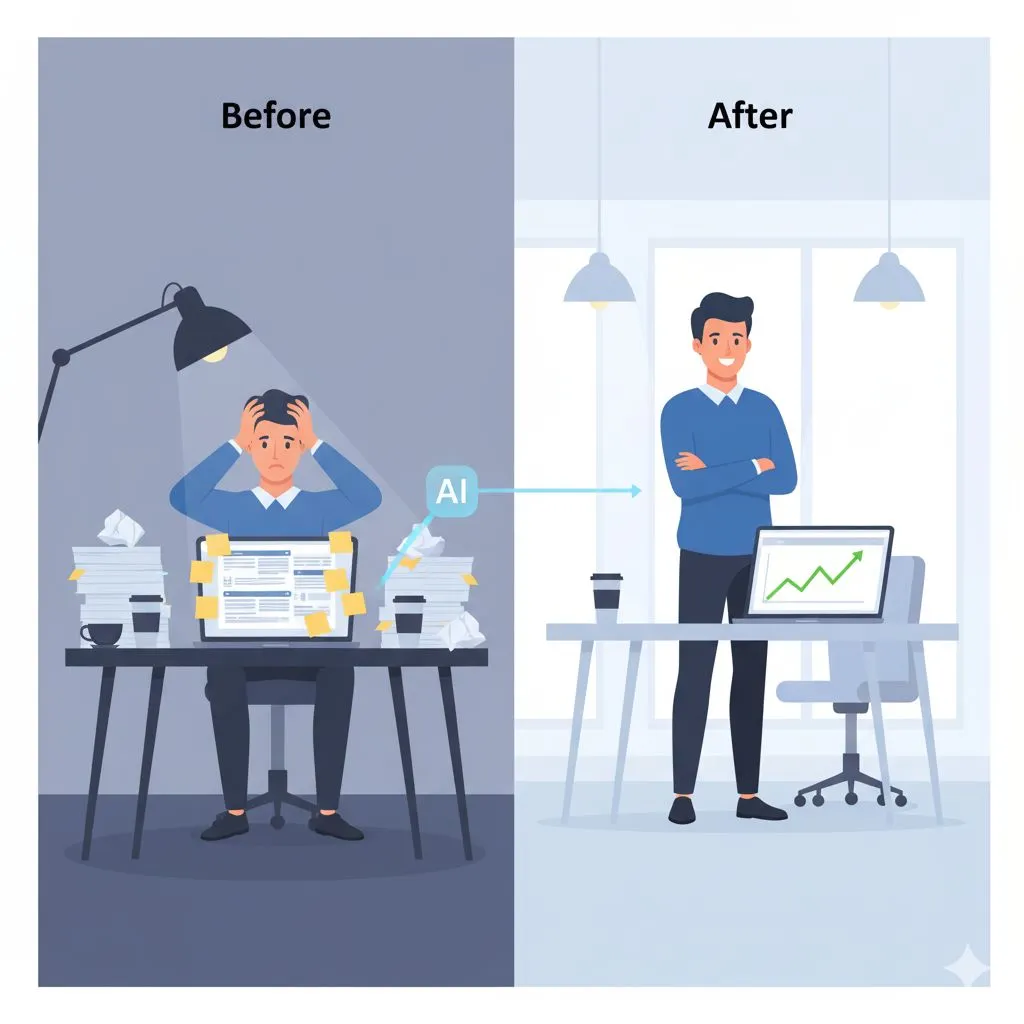
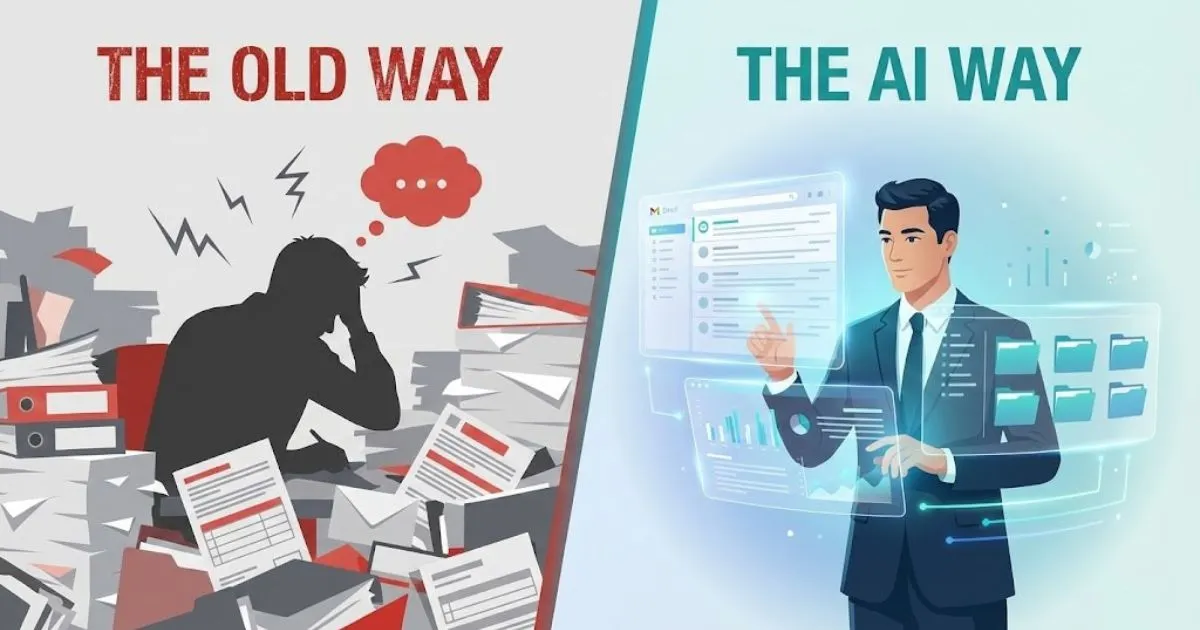
On one side, we have the "Old Way": Overworked business owners manually typing emails late at night, or worse, sending generic blasts that train customers to hit the "Delete" button.
On the other side, we have the "AI Way": A strategic partnership where technology handles the scale, and you handle the strategy.
AI email automation is not about replacing the human connection; it is about protecting it. By offloading the repetitive drafting and data matching to AI, you reclaim the time to actually talk to the people who reply. You move from being a stressed operator to a confident strategist.
The tools are available. The strategy is proven. The only variable left is whether you will adopt it before your competitors do.
Stop staring at the blinking cursor. Start building your system.
Ready to implement this strategy?
Knowing the strategy is one thing; having the tools to execute it instantly is another. You don't need to spend weeks learning prompt engineering. We’ve done the heavy lifting for you.
Get the Prompt-Led Email Mastery System.
Unlock the exact templates, "Master Prompts," and workflows to turn your email list into a revenue engine—without the burnout.
Click here to scale your email strategy today.
Or, if you're ready to explore the full toolkit, see all 30 industry-specific prompt packs and pricing — one-time investment, lifetime access.
Further Reading
• Write High-Converting Emails in Minutes: The Prompt-Led Strategy — companion post on email copy
• How I Saved 10 Hours This Week Using These 3 Prompts — quick-win prompt examples
• The Complete Guide to AI in Advertising & Sales — full pillar guide on .com
• Prompt-Led Email Mastery — 50 Expert Email Templates — get the full toolkit
• Beyond ChatGPT: Why Specialised Prompts Matter — Phase 2 prompt testing companion