Human Strategy + AI Execution: The Winning Formula
Human Strategy + AI Execution: The Winning Formula
Jan 28, 2026

Introduction: The CEO’s Dilemma
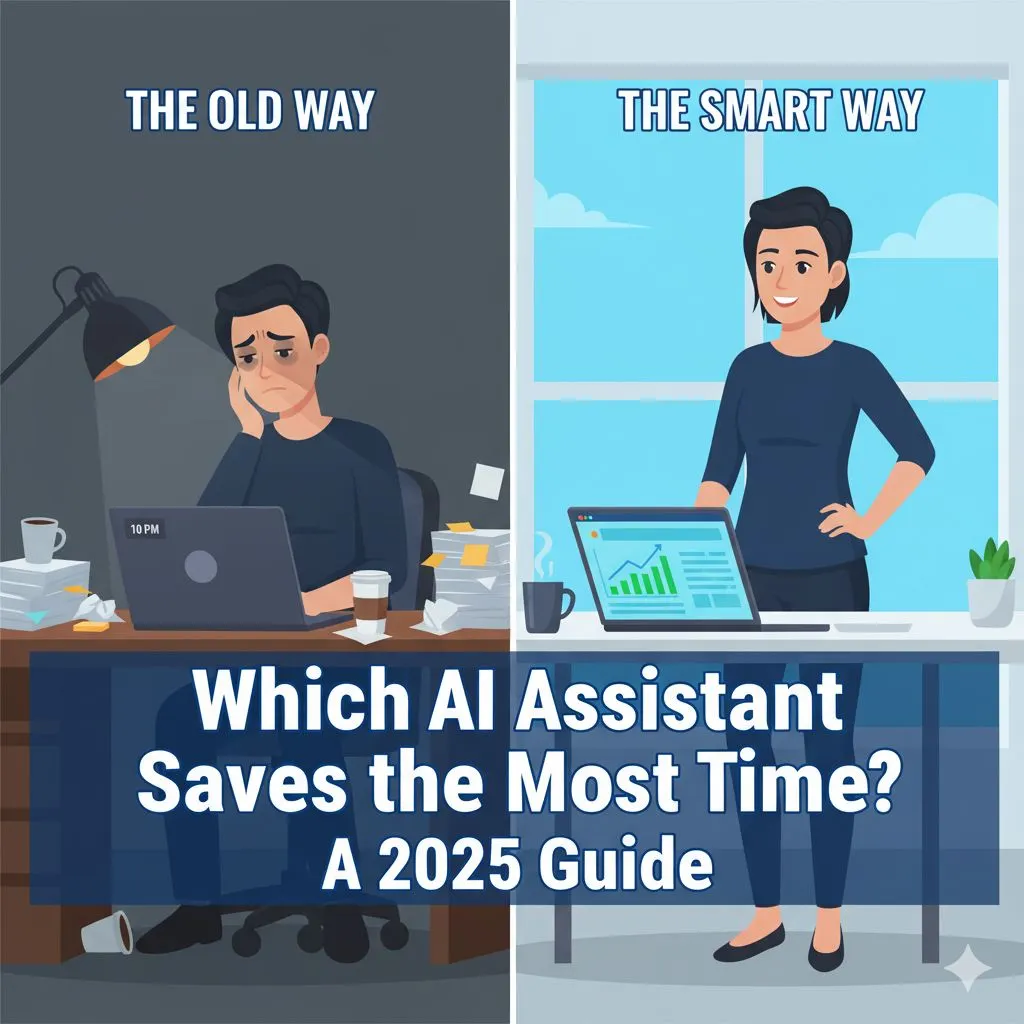
It’s 2:00 PM on a Tuesday. You have three client proposals due, an inbox full of unread emails, and a nagging realization that you haven’t posted on social media in a week. You know you need to market your business to grow, but you’re too busy actually running the business to find the time.
This is the reality for most small business owners. You are the CEO, the marketing director, the copywriter, and the customer support lead all rolled into one. You’ve heard the noise about Artificial Intelligence (AI)—how it’s supposed to save the world, or at least your schedule—but so far, it feels like just another tool to learn.
Here is the truth that the tech headlines won't tell you: AI is not a magic button. It cannot read your mind, and it certainly cannot replace the years of blood, sweat, and equity you’ve poured into building your brand.
However, when you stop treating AI as a replacement and start treating it as an engine, everything changes. The secret to scaling your business isn't about choosing between human creativity and machine speed. It is about combining them. This is the winning formula: Human Strategy + AI Execution.
The Trap of "AI-First" Marketing
If you have ever typed "Write me a blog post about consulting" into a chatbot and received a generic, lifeless wall of text, you have experienced the "AI-First" trap.
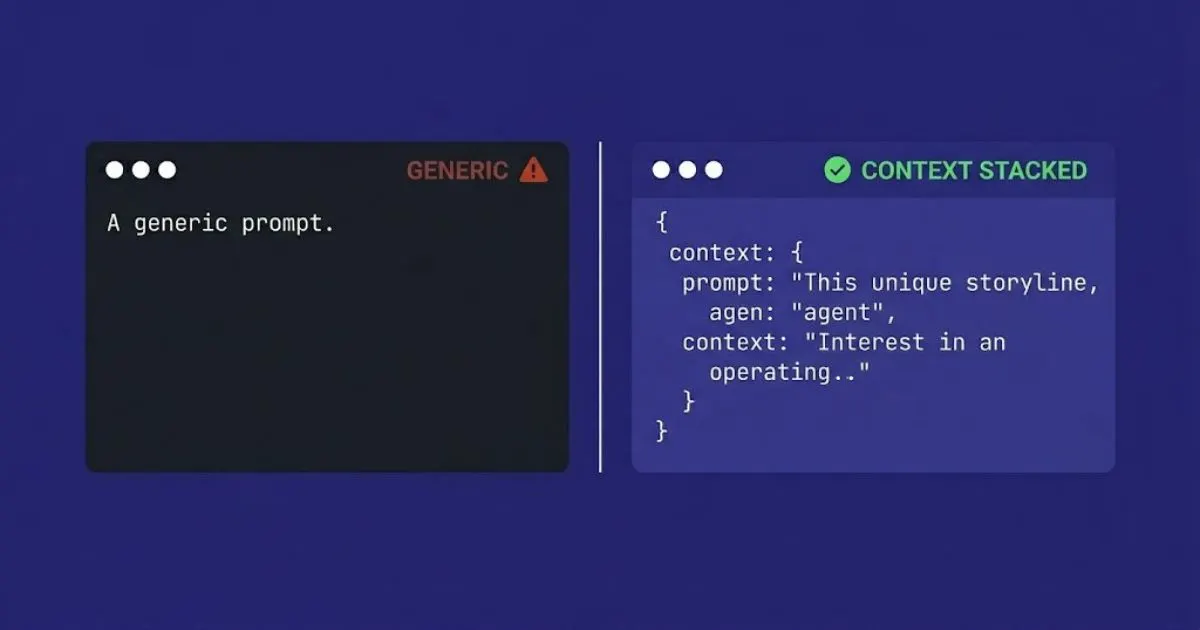
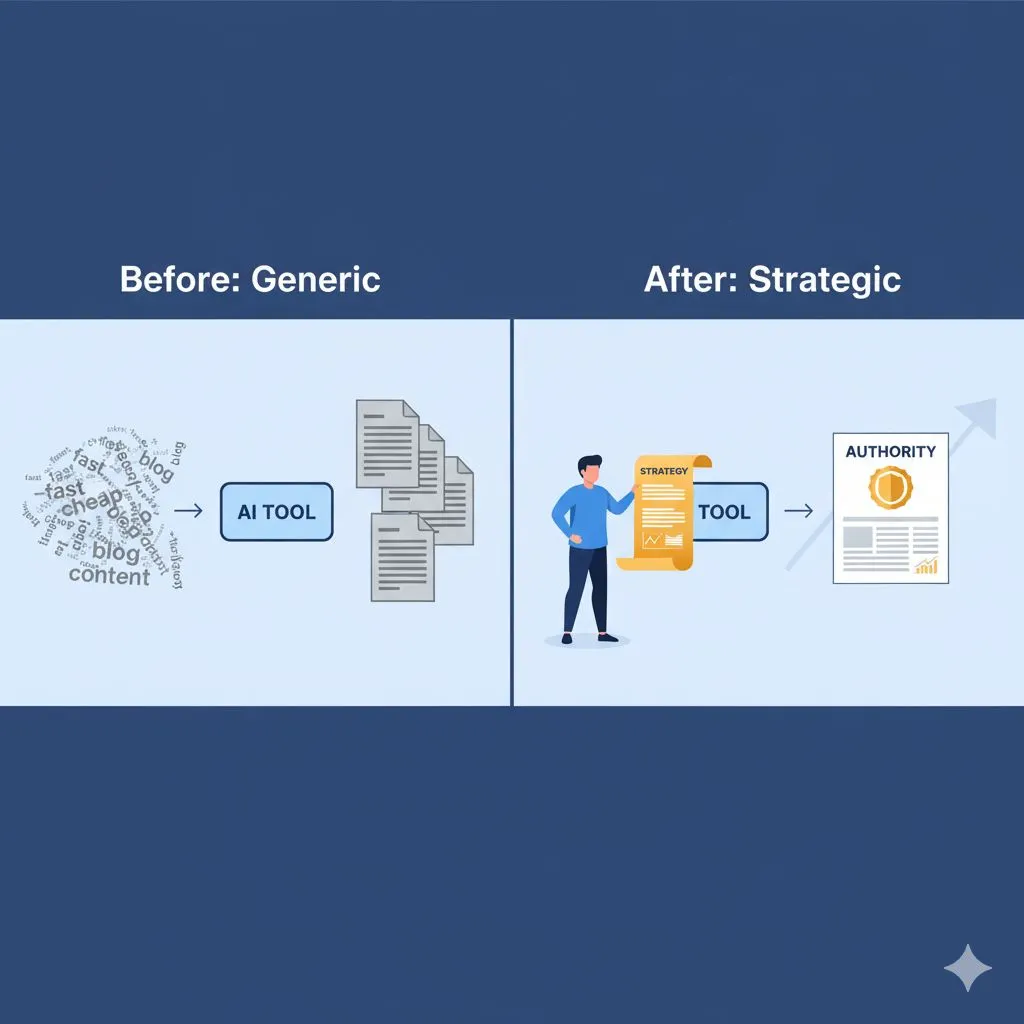
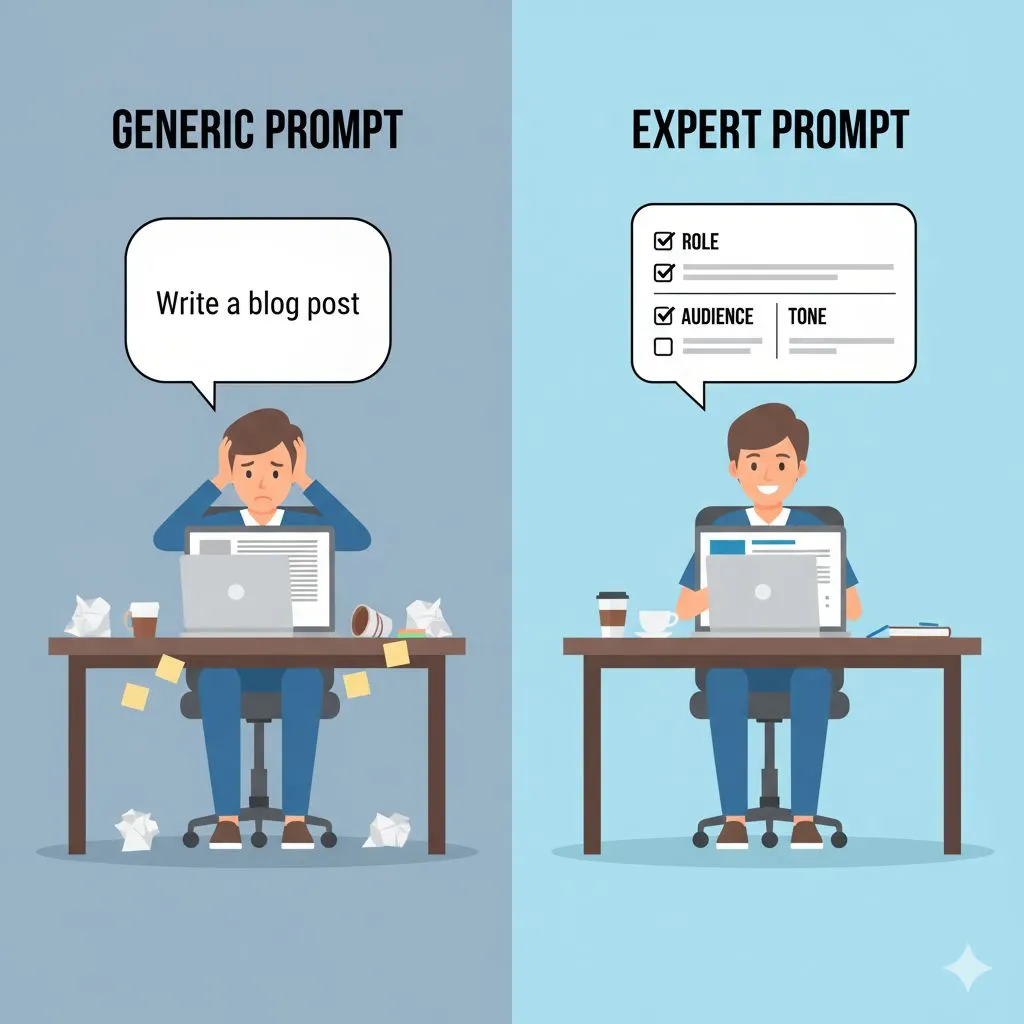
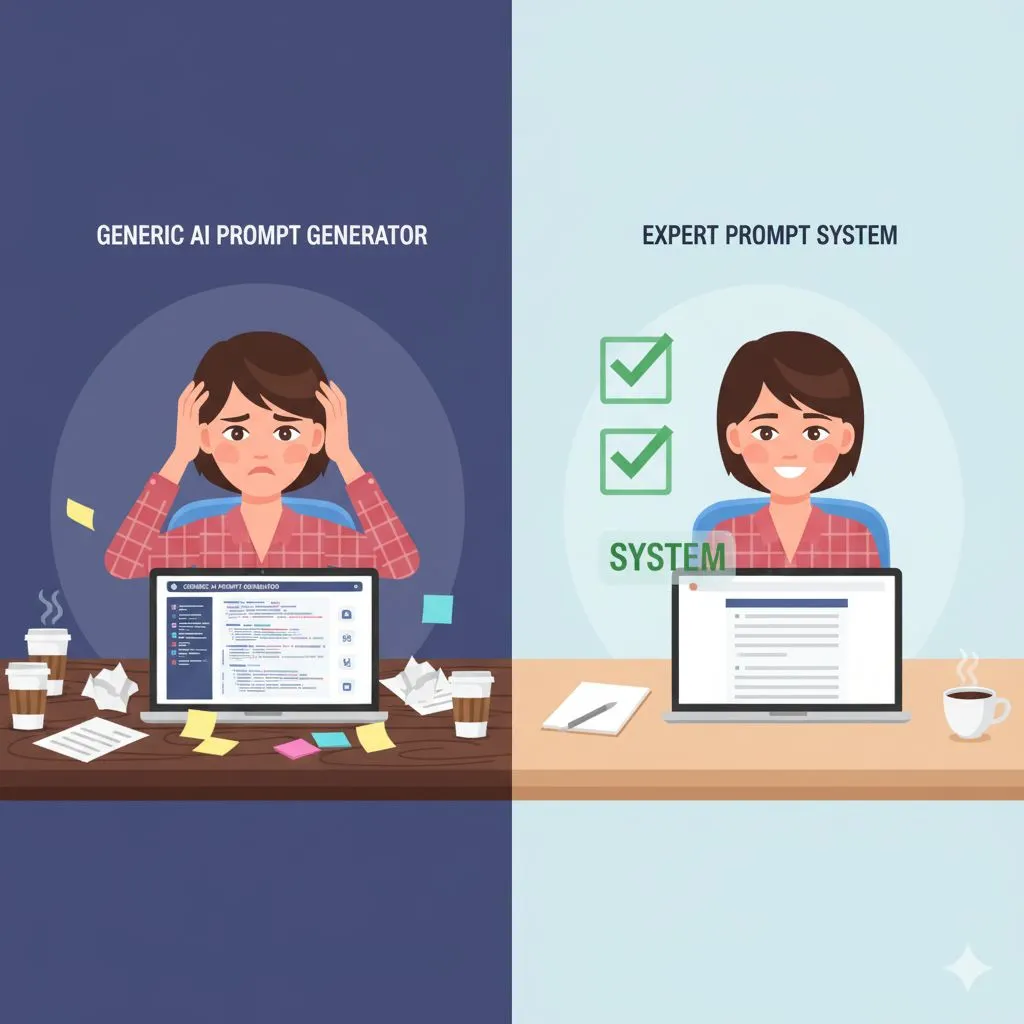
Many entrepreneurs approach using ai for marketing like a slot machine. They drop in a vague coin (a generic prompt), pull the lever, and hope for a jackpot (expert-level content). When the result comes back sounding robotic or factually drifting, they blame the technology. The root cause is almost always prompt quality — see how generic vs strategic AI prompts produce completely different outputs.
But the problem isn't the AI; it's the lack of direction.
An "AI-First" approach assumes the tool knows your audience. It doesn't. It assumes the tool understands your unique value proposition. It doesn't. When you rely solely on AI to do the thinking, you risk damaging your credibility. In a digital world flooded with content, trust is your most valuable currency. Publishing mediocre, robotic content is the fastest way to bankrupt that trust.
To compete with larger players, you don't need more content; you need better content, produced efficiently. That requires a shift in how you view your role.
The Human Element: The "Architect" Role
You are the Architect. This is the non-negotiable human element.
As the business owner, you possess data that no algorithm has access to. You know the exact look on your client’s face when they finally solve a problem. You know the specific industry jargon that screams "expert" and the buzzwords that scream "amateur." You understand the emotional drivers behind a purchase.
Your role in this new era is not to type every word, but to provide the Strategy.
- The Context: Who are we talking to? (e.g., "Overworked solopreneurs," not just "people").
- The Goal: What do we want them to feel and do?
- The Guardrails: What is our tone? Are we witty and sharp, or empathetic and calm?
Our free Perfect Prompt Framework gives you a one-page template to apply exactly this structure to any piece of content.
If you skip the strategy, the execution will fail. But if you nail the strategy, you unlock the true power of the machine.
The AI Element: The "Builder" Role
If you are the Architect, AI is the Builder. It is the tireless crew ready to lay bricks 24/7/365 without complaining, sleeping, or drinking coffee.
Once you have defined the strategy, using ai for marketing becomes a superpower for execution. This is where you reclaim your time.
- Speed and Iteration: You can ask AI to generate ten variations of a headline in the time it takes you to think of one.
- Repurposing: You can take a single successful client email and have AI reformat it into a LinkedIn post, a newsletter blurb, and a video script—instantly. See the full system for turning one blog post into ten social pieces with AI.
- Breaking Bottlenecks: The hardest part of writing is the blank page. AI solves this immediately by providing outlines, drafts, and structures based on your strategic prompts.
The Builder is powerful, but it needs your blueprints.
The Winning Formula: The "Sandwich" Workflow
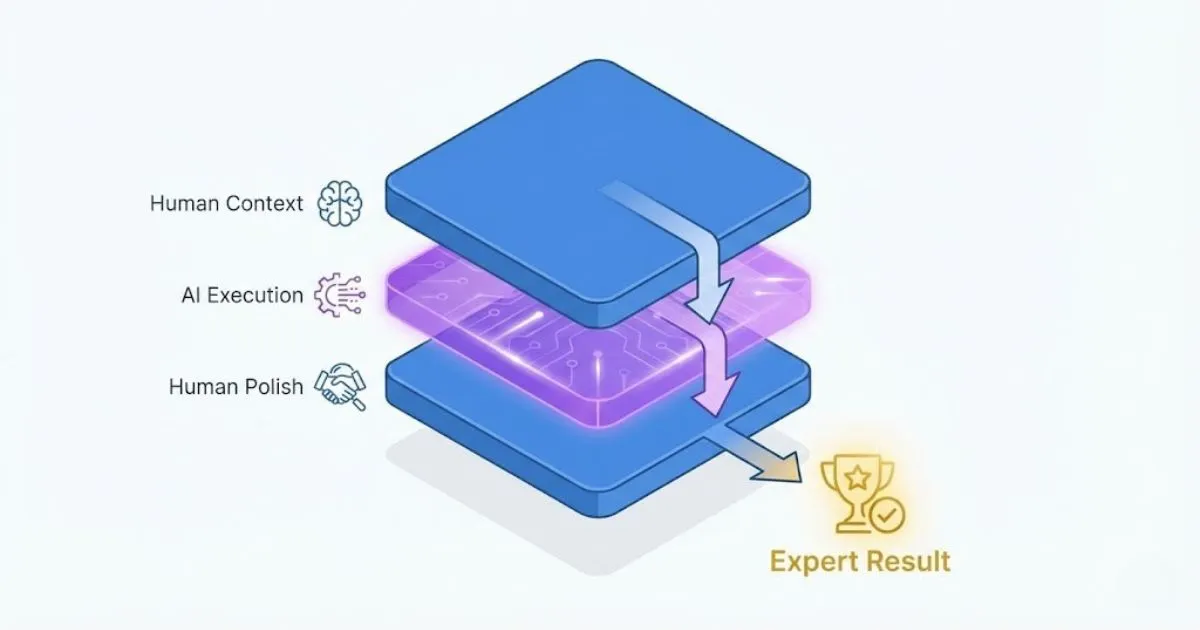
So, how do you actually implement this? You stop trying to do it all, and you stop expecting AI to do it all. You use the "Sandwich" method.
1. The Top Bun (Human Context):
This is the prompt. This is where you inject your expertise. Instead of saying "Write an email," you say: "Act as a senior marketing consultant. Write an email to a skeptical small business owner (Alex) who is tired of hype. The goal is to offer a free audit. Keep the tone empathetic but professional. Use short sentences." Download the free 1-page Perfect Prompt Framework to use this exact format on any content brief in 60 seconds.
2. The Meat (AI Execution):
The AI takes your expert constraints and generates the draft. It does the heavy lifting, organizing thoughts, checking grammar, and structuring the argument. What used to take you an hour now takes 30 seconds.
3. The Bottom Bun (Human Polish):
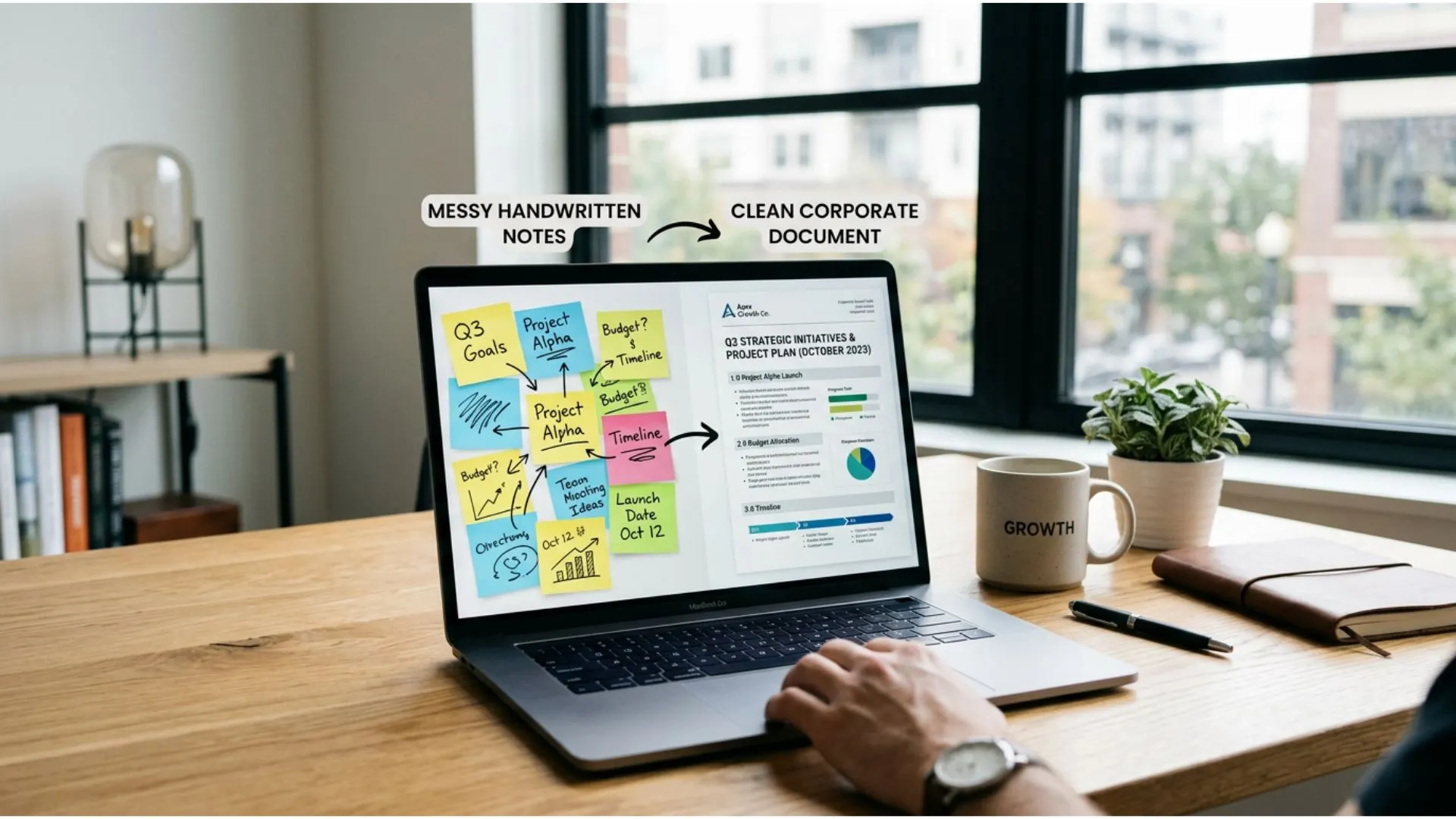
You review the output. You change a generic word to a specific industry term you use. You add a personal anecdote. You ensure the "soul" of your brand is present.
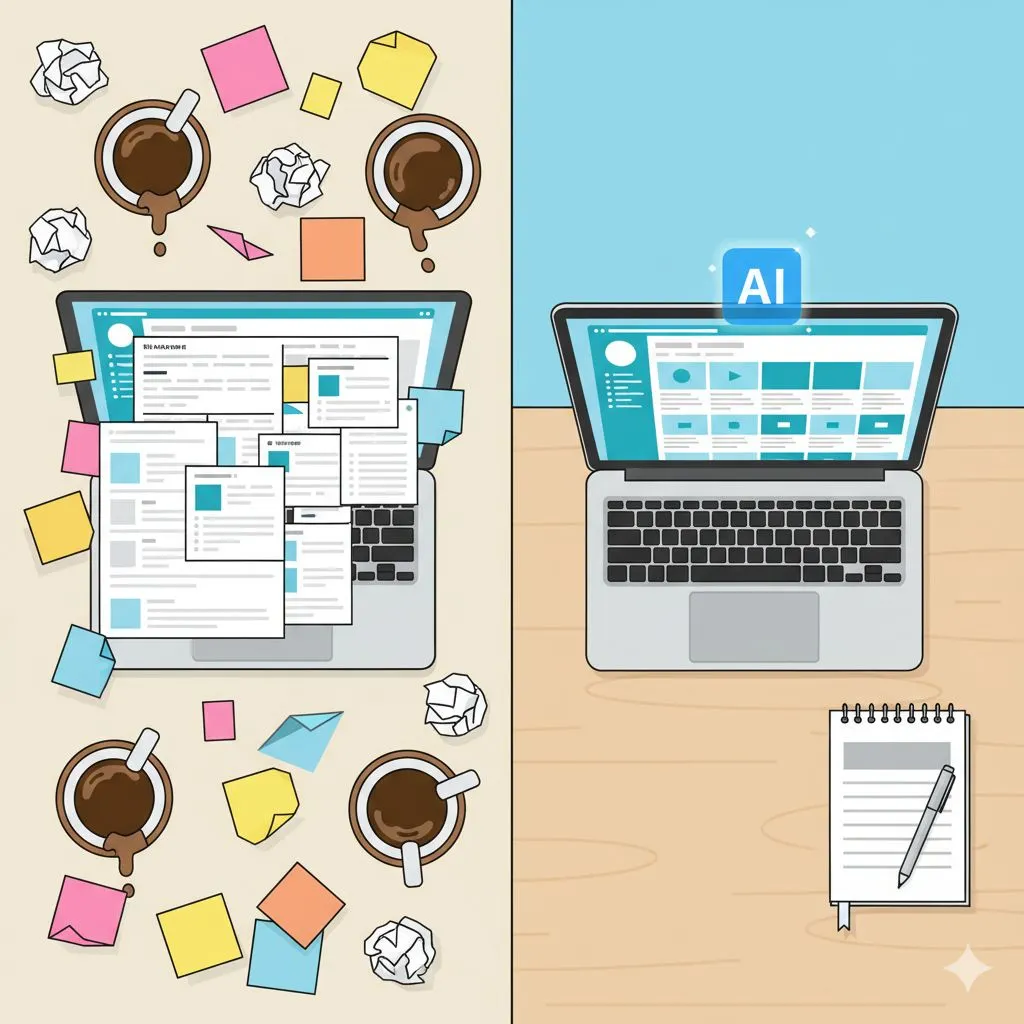
This workflow is the difference between "content" and "strategic assets." It allows you to produce expert-level work at a volume that allows you to compete with agencies ten times your size, without burning out.
Conclusion: From Operator to Strategist
The goal of integrating AI isn't just to work faster; it's to elevate the work you do.
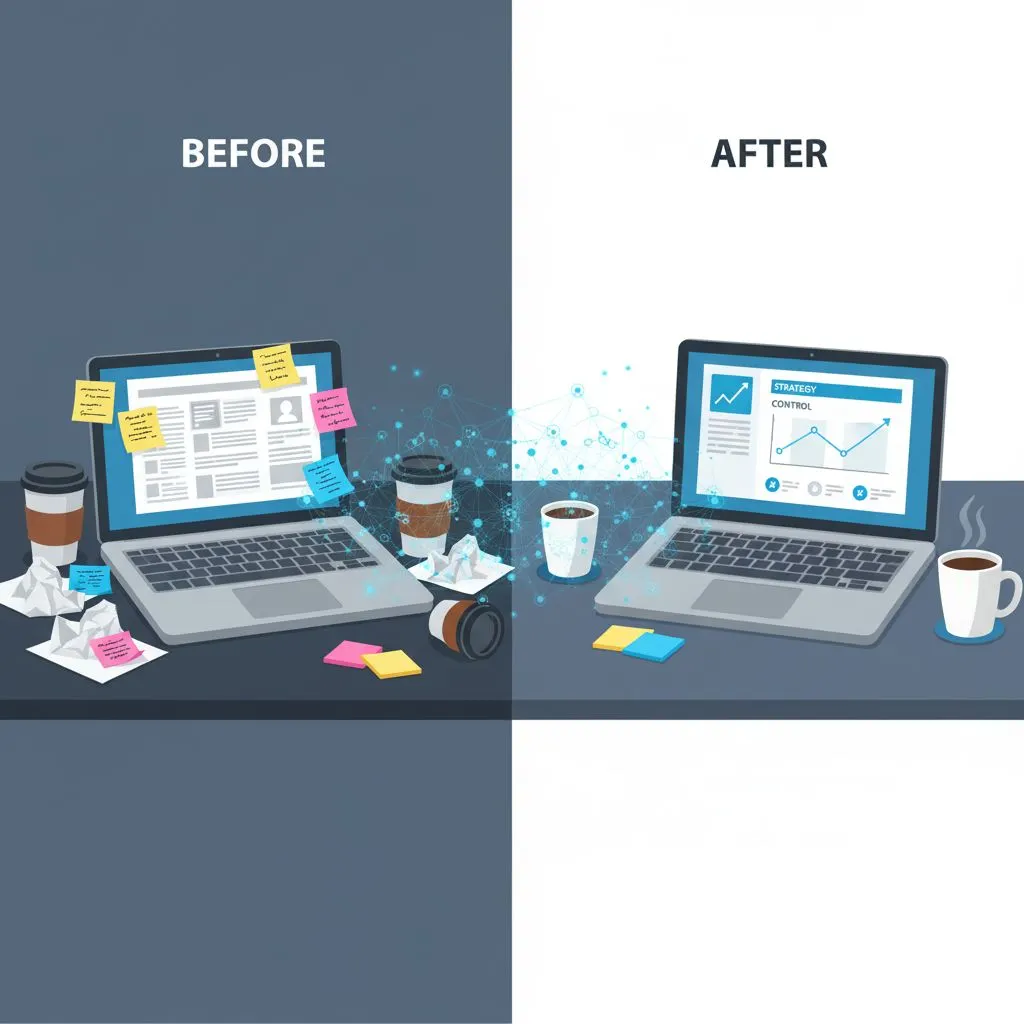
When you master the formula of Human Strategy + AI Execution, you stop being the bottleneck in your own business. You move from the overworked operator, frantically trying to clear a to-do list, to the confident strategist, directing resources to build a legacy.
You have the vision. Now, you have the tools to execute it. Don't let the technology intimidate you—let it work for you.
Ready to build your system?
Stop guessing and start scaling. We’ve compiled the exact frameworks you need to master this workflow.
Get the Ultimate Guide to AI for Small Business
Not ready to commit? Grab one of our 11 free AI resources and see the formula in action before you invest.
Ready to choose your pack? Browse the Expert AI Prompts pricing catalog and find the toolkit built for your industry.
Further Reading
• The Entrepreneur's Playbook for Prompt Engineering
• Your Complete AI Marketing Strategy Guide
• Developing an AI Marketing Strategy That Actually Drives ROI
• Why Plug and Play AI Often Fails Without Strategy