Developing an AI Marketing Strategy That Actually Drives ROI
Developing an AI Marketing Strategy That Actually Drives ROI
Jan 27, 2026

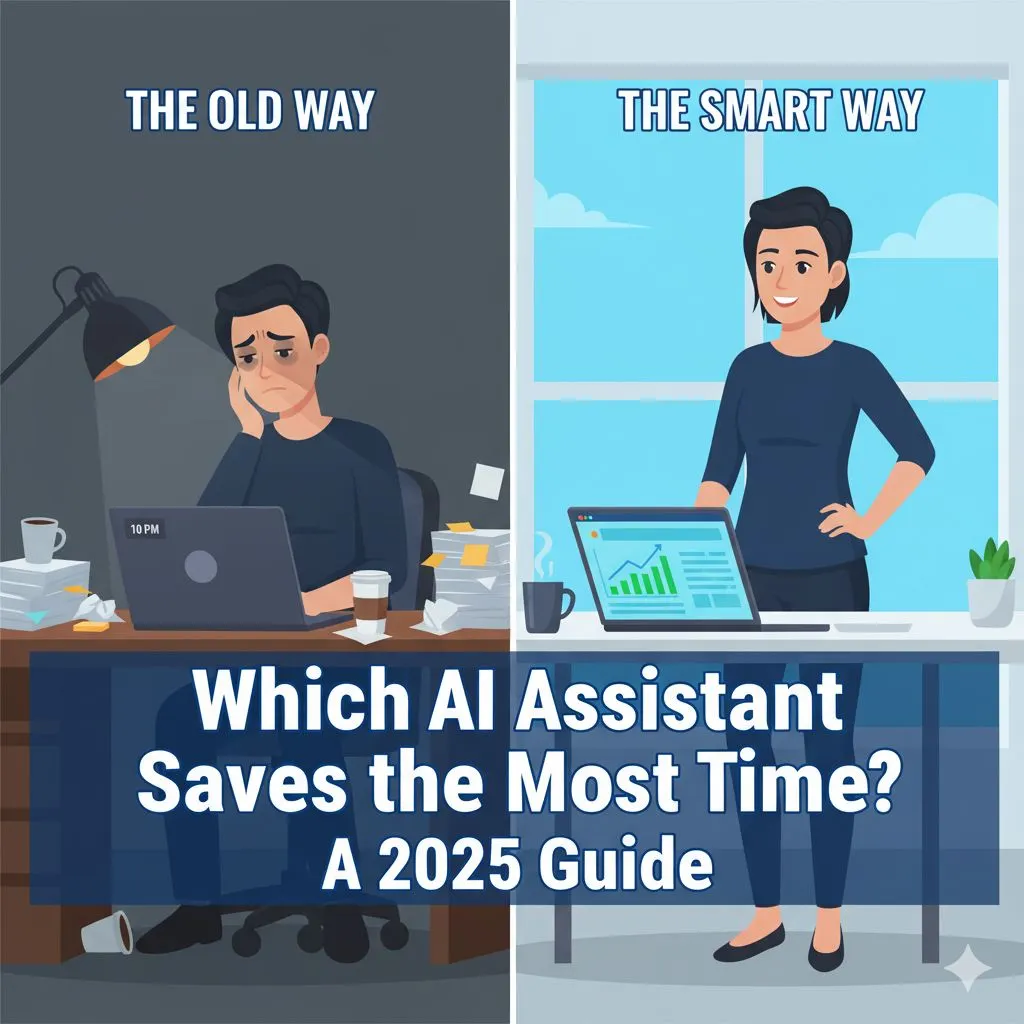
If you are like most small business owners, your day likely starts with a deficit. Before you’ve even had your coffee, you are already behind on client emails, content creation, operational fires, and the looming pressure to "grow" the business. You know that Artificial Intelligence (AI) is supposed to be the answer. You see the headlines, the LinkedIn gurus, and the viral threads promising that AI will make you a millionaire while you sleep.
But when you sit down to use it, the reality is often different. You type a prompt into ChatGPT, get a generic, robotic response, and think, "I can't put my brand name on this." You spend twenty minutes tweaking a prompt only to rewrite the output yourself. Or worse, you subscribe to five different tools that you never actually log into.
This is the "AI Paradox" facing ambitious entrepreneurs like Alex Rivers—the persona of the modern, overworked business owner. You have access to the most powerful technology in human history, yet you are still stuck in the weeds of daily operations. You can explore the complete framework in the Your Complete AI Marketing Strategy Guide — built specifically for small business owners who are ready to stop winging it and start scaling.
The problem isn't the technology. The problem is the absence of a cohesive ai marketing strategy.
Using AI without a strategy is like buying a Ferrari to deliver Uber Eats; you have the power, but you’re applying it to the wrong model. To truly compete with larger players and reclaim your time, you don't need more tools. You need a systemic approach that transforms AI from a novelty toy into a business engine — the ultimate guide to AI for small business maps out exactly what that looks like for time-poor entrepreneurs. This guide is designed to move you from overwhelmed operator to confident strategist, ensuring every interaction with AI drives tangible Return on Investment (ROI).
The Mindset Shift: From Operator to Strategist
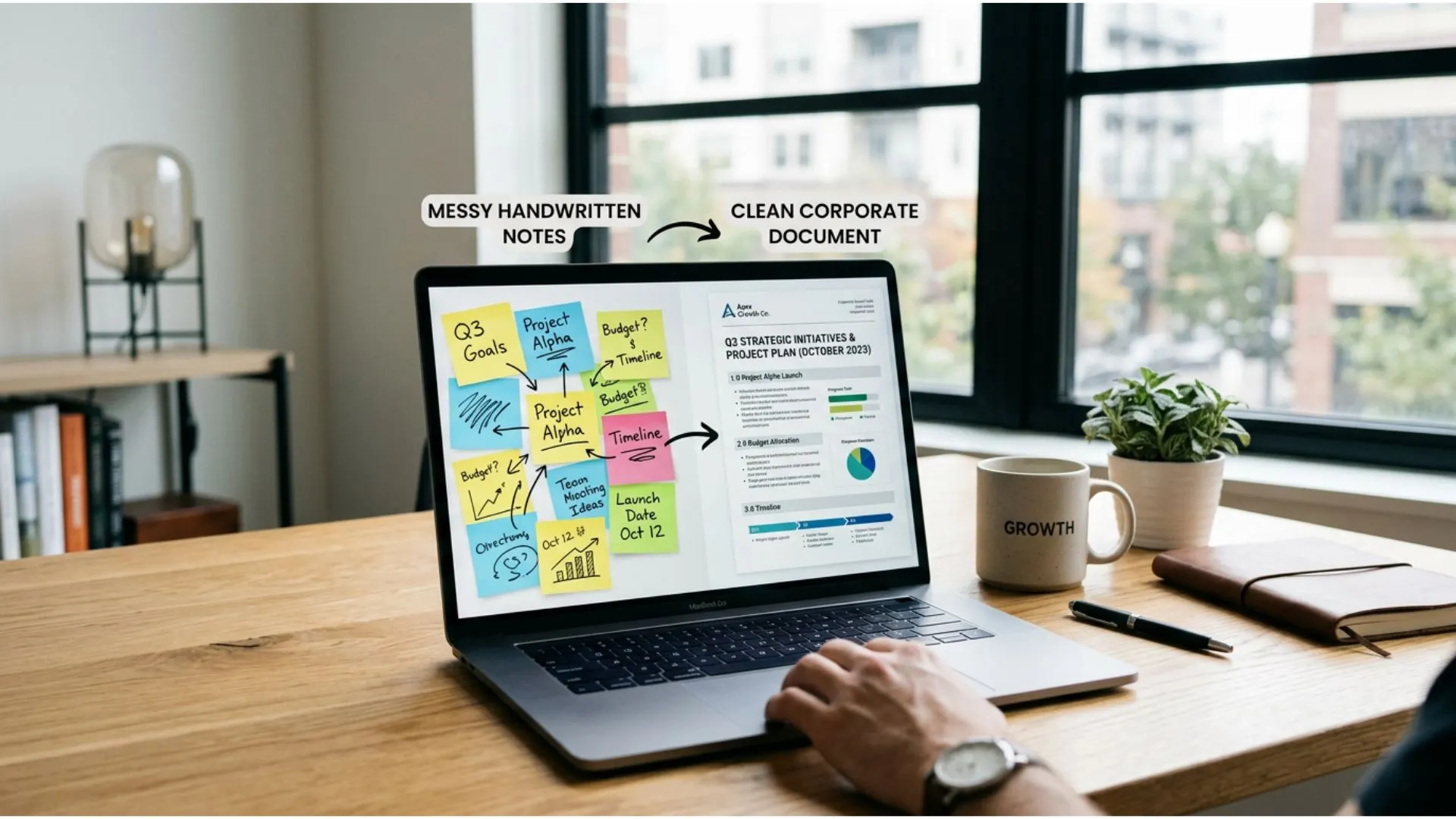
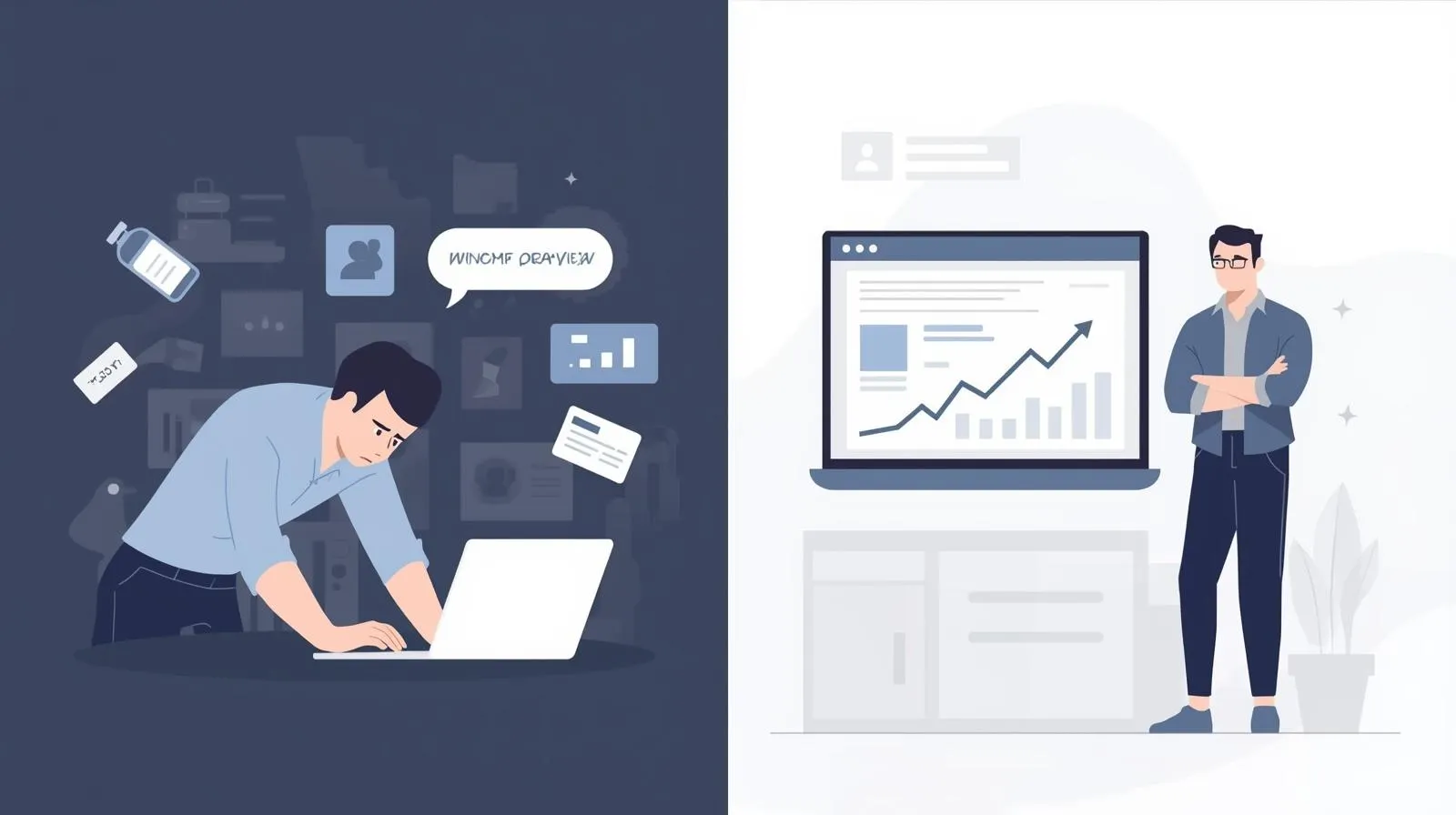
The biggest barrier to adopting an effective AI marketing strategy isn't technical skill—it's a mindset shift. For years, small business owners have worn the badge of "The Operator." You write the copy, you design the graphics, you answer the support tickets. You are the bottleneck.
AI demands that you step up to become "The Director."
In an AI-first business model, your value is no longer defined by how fast you can type a blog post or how quickly you can brainstorm email subject lines. Your value is defined by your taste, your judgment, and your strategic vision.
The 80/20 Rule of AI Implementation
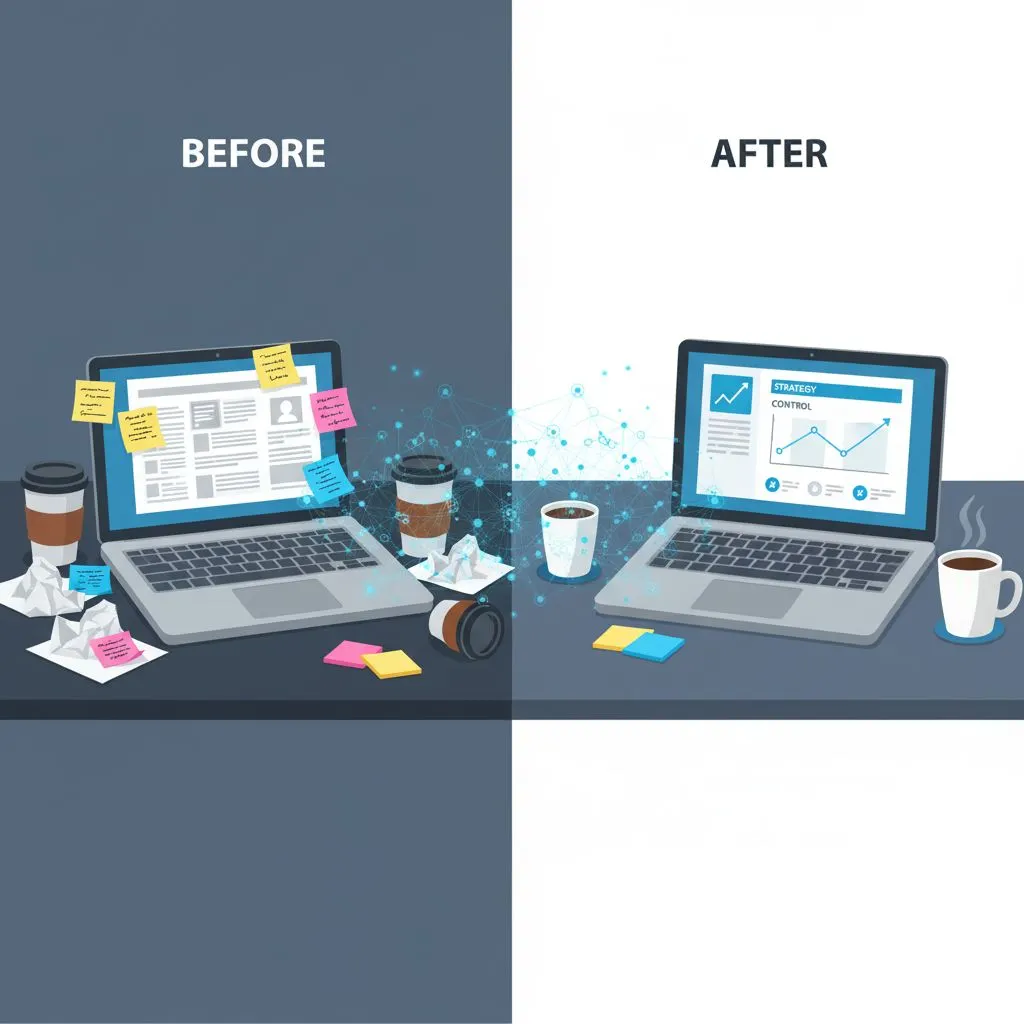
To drive ROI, you must adopt the new 80/20 rule. In the traditional model, you spent 80% of your time creating (drafting, designing, researching) and 20% of your time strategizing. An effective AI strategy flips this ratio.
- AI takes the 80%: The heavy lifting. Data analysis, first drafts, formatting, resizing assets, and scheduling.
- You own the 20%: The strategy. Emotional connection, brand voice calibration, final quality control, and relationship building.
When you view AI as a junior employee rather than a magic wand, the path to ROI becomes clear. You wouldn't ask an intern to "write a marketing plan" without giving them context, constraints, and goals. Yet, that is exactly how most people prompt AI. To get expert-level results, you must provide expert-level direction.
Debunking the "Magic Button" Myth
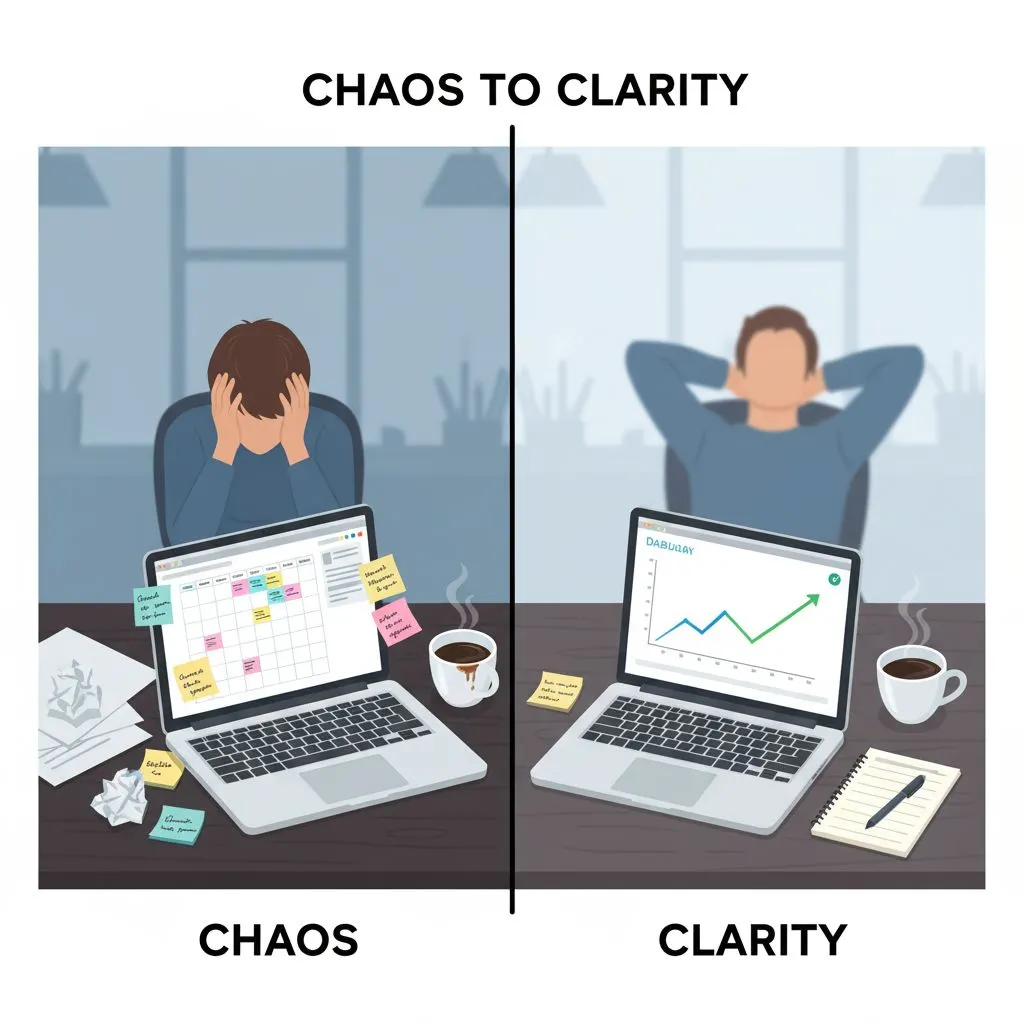
There is a dangerous misconception that AI will solve a broken business model. It won't. AI amplifies what is already there. If your marketing message is unclear, AI will generate unclear marketing messages at 100x speed. If your sales process is broken, AI will just get more people into a broken funnel faster.
A high-ROI strategy begins with clarity. You must know who you are targeting, what you are selling, and why it matters. Once those foundational elements are in place, AI acts as the accelerant. It removes the friction between having an idea and executing it.
The 4 Pillars of a High-ROI AI Marketing Strategy

To build a system that scales, we need to move away from "random acts of AI" and establish a framework. A robust AI marketing strategy rests on four pillars. If you implement these correctly, you will not only save time but also see a measurable lift in brand authority and revenue.
Pillar 1: Content Velocity & Authority
For small teams, consistency is the enemy. You post on LinkedIn for a week, get busy with client work, and disappear for a month. The algorithm punishes you, and your audience forgets you.
The Small Business Playbook for AI Content Creation covers the full system for turning AI into a sustainable content engine — the approach below draws directly from that framework.
AI solves the "Feast or Famine" content cycle. However, the goal isn't just more content; it is better content, faster.
The Repurposing Engine:
A strategic approach uses AI to turn one high-value asset into a month's worth of content. Imagine you record a 15-minute video sharing your expertise.
- Transcript to Blog: AI transcribes the video and reformats it into an SEO-optimized article.
- Blog to Social: AI extracts five key quotes and turns them into LinkedIn text posts and Twitter threads.
- Audio to Newsletter: AI summarizes the core insights for your weekly email blast.
Suddenly, one unit of effort produces ten units of output. To put this into practice immediately, download the free 1-week content plan template with AI prompts — a ready-to-use planning tool that activates your repurposing engine from day one. This doesn't just save time; it creates an "Omnichannel Presence." To your competitors and clients, it looks like you have a dedicated marketing team. In reality, it’s just you, a good strategy, and the right prompts.
Pillar 2: Deep Audience Intelligence
Big corporations spend millions on focus groups and market research. As a small business owner, your research usually consists of guessing or asking a few past clients. This leaves you vulnerable to making decisions based on assumptions rather than data.
AI democratizes market research. You can feed an LLM (Large Language Model) reviews from your competitors, transcripts of your sales calls, or forum discussions where your ideal clients hang out.
The Strategy: Ask the AI to analyze this data to find:
- Unspoken pain points your competitors are ignoring.
- The exact language and "slang" your customers use (vital for copywriting).
- Objections that stop people from buying.
By using AI as a research analyst, you stop guessing what Alex Rivers wants and start knowing. For real-world context, explore 15 examples of AI in marketing that demonstrate how small businesses are already winning with data-driven audience strategies. This leads to marketing messages that resonate so deeply, your prospects feel like you are reading their minds. That is how you drive ROI—by increasing the relevance of your message.
Pillar 3: Hyper-Personalization at Scale
In the past, personalization meant inserting a "First Name" tag into an email. Today, that is the bare minimum. Customers expect brands to understand their specific needs, regardless of the business size. For a solopreneur or small team, delivering unique experiences to hundreds of leads used to be impossible.
AI changes the math. A high-ROI ai marketing strategy utilizes segmentation to tailor messages dynamically.
The Strategic Application:
Instead of sending one generic newsletter to your entire list, AI can help you categorize your audience based on behavior. Did they click on a link about SEO? Did they download a guide about Time Management?
- The AI Workflow: You can use AI to rewrite a core sales email into three variations: one for the budget-conscious lead, one for the premium buyer, and one for the skeptic.
- The Result: Your audience receives content that speaks directly to their current stage of awareness. This drastically increases click-through rates and conversions because the recipient feels understood.
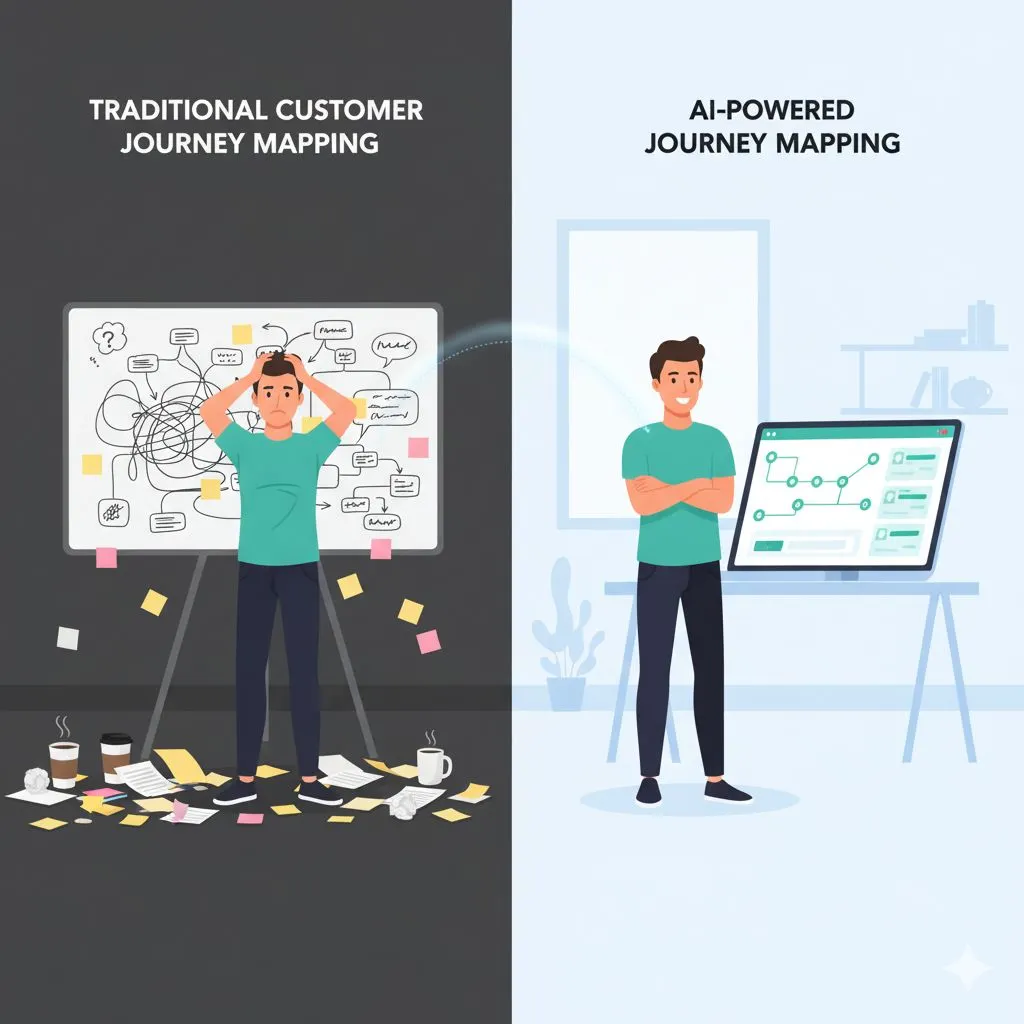
See exactly how this connects to buyer intent at every stage in using AI to write for the customer journey — a practical guide to aligning your messaging with where each prospect is in their decision process.
This is where the "David vs. Goliath" dynamic shifts. Large corporations often struggle with personalization because they are bogged down by legacy systems and bureaucracy. As a small, agile business using AI, you can pivot and personalize faster than they can schedule a meeting.
Pillar 4: Operational Efficiency (The Hidden ROI)
Marketing is not just about copywriting; it is about operations. It is the tagging, the file management, the scheduling, the reporting, and the endless administrative minutiae that drain your energy.
If you are spending 10 hours a week on admin, that is 10 hours you are not spending on closing deals or developing new products.
The Efficiency Play:
AI tools can now act as the glue between your different software platforms.
- Automated Triage: AI can analyze incoming contact forms and route them. High-priority leads get flagged for immediate personal follow-up; low-priority inquiries get an automated, helpful FAQ response.
- Meeting Synthesis: Instead of scrambling to take notes during a client strategy call, AI notetakers transcribe, summarize, and extract action items instantly.
This operational efficiency is "Hidden ROI." For a step-by-step guide to setting this up without adding complexity, AI-driven marketing automation done right walks you through the correct implementation sequence. It doesn't always show up as a direct line item on a P&L sheet, but it manifests as time freedom. For a persona like Alex Rivers, reclaiming 10 hours a week is the difference between burnout and breakthrough.
Start reclaiming your time this week — the free prompts that save 5 hours resource gives you three proven AI workflows you can deploy today, no strategy session required.
Building Your Tech Stack: A "Less is More" Approach

Once you understand the pillars, the temptation is to sign up for every tool on the market. This is "Shiny Object Syndrome," and it is a productivity killer.
A strategic approach requires a lean, integrated tech stack — the best AI tools for business in 2025 guide covers exactly which platforms earn a spot in your core triad and which ones to cut.
The Core Triad
The Brain (Text & Reasoning): This is your foundational LLM (Large Language Model), such as ChatGPT Plus, Claude, or Gemini. This tool handles your strategy, copywriting, coding assistance, and data analysis.
- Strategy: Master one. Don't toggle between three. Learn the nuances of one model deeply to get the best results.
The Creative (Visuals & Media): This is your design department. Tools like Midjourney, Canva AI or DALL-E 3 allow you to create custom imagery for blog posts, ads, and presentations.
- Strategy: Stop using generic stock photos. Custom AI imagery builds a unique brand aesthetic that looks expensive but costs pennies.
The Automator (Workflow): Tools like Zapier or Make (formerly Integromat). These are the pipes that connect "The Brain" and "The Creative" to your real-world platforms like email and social media.
- Strategy: Automate the hand-offs. If you generate a blog post, the automator should draft it in WordPress for you.
Cost vs. Capability
The beauty of this stack is affordability. For less than $100 a month, a small business can access capabilities that used to cost $10,000 a month in agency retainers. However, the cost isn't just financial; it's cognitive. Every new tool requires a learning curve.
The Rule of Adoption: Do not add a new AI tool unless it eliminates two old steps in your workflow. If a tool adds steps, it is a distraction, not a solution.
Execution: The "Human-in-the-Loop" Workflow
Having the tools is one thing; using them to produce expert-level work is another. The biggest complaint from skeptics is that AI content "sounds like AI." This happens because of a flawed workflow: Prompt > Copy > Paste > Publish.
To drive ROI and maintain credibility, you must implement a "Human-in-the-Loop" workflow. This ensures efficiency without sacrificing the quality that your brand is known for.
Step 1: The Brief (Prompt Engineering)
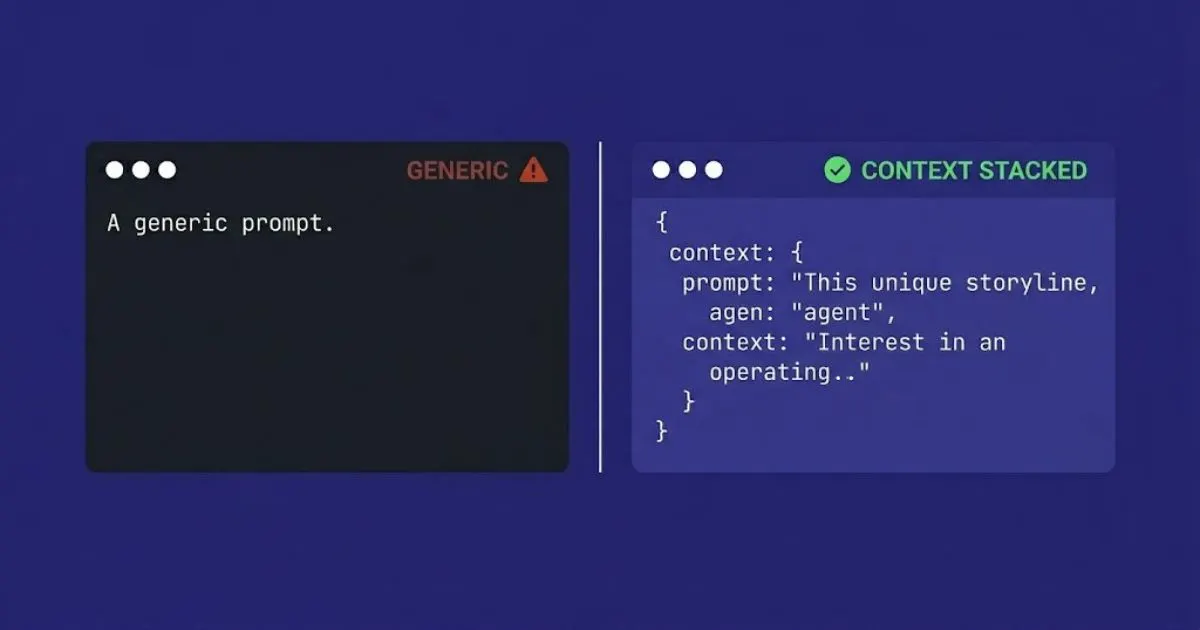
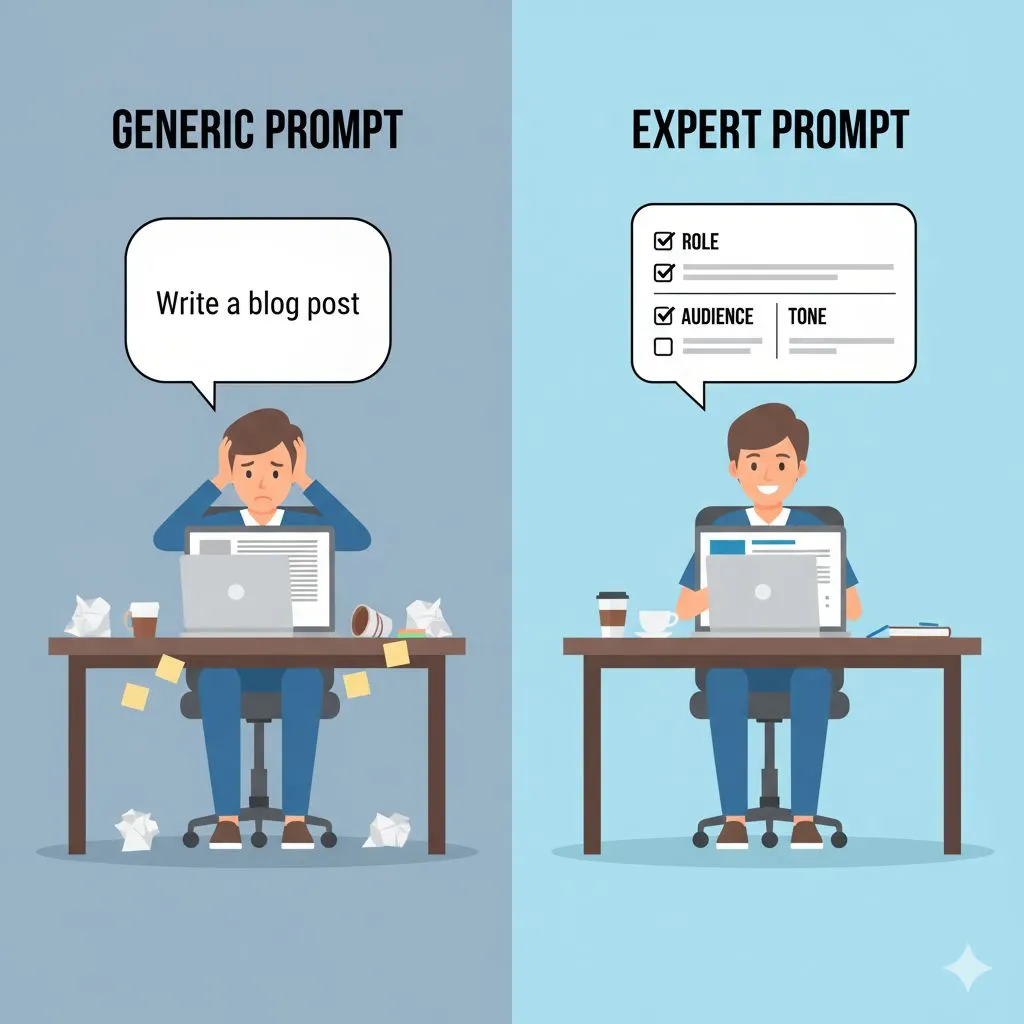
The quality of the output is determined strictly by the quality of the input. Most people prompt like they are talking to a search engine: "Write a blog about marketing."
The strategist prompts like they are talking to a senior consultant:
"Act as an expert content strategist targeting small business owners. Write a blog post outlining the 3 biggest mistakes in digital marketing. Tone: Empathetic but authoritative. Goal: Drive traffic to our audit service. Avoid clichés."
This is where pre-built, expert-level prompt libraries become invaluable. They save you the trial-and-error of figuring out how to speak to the machine.
The 1-Page Perfect Prompt Framework is a free resource that gives you the exact briefing structure to direct any AI model like a senior consultant — download it and use it every time you open a new chat session.
Step 2: The Generation (Iterative Refinement)
Rarely is the first draft perfect. Treat the AI's output as "Clay on the table." It is raw material.
- The Strategy: Don't fix the text manually yet. Ask the AI to fix it. "This is too formal. Rewrite the introduction to be punchier and use a story analogy."
- This iterative dialogue trains the AI on your preferences within that session, leading to a much stronger base draft.
Step 3: The Polish (Brand DNA)
This is the most critical step for protecting your brand integrity. AI is excellent at structure and grammar, but it lacks a soul. It doesn't know your personal stories, your specific client wins, or the nuance of your brand's humor.
You must inject your "Brand DNA" into the AI draft. This involves:
- Adding Personal Anecdotes: Replace a generic example with a real story from your business experience.
- Checking Tone: Does it sound like you? If you are casual and use slang, ensure the copy reflects that. If you are highly corporate, strip away flowery adjectives.
- Formatting for Scannability: AI tends to write in long blocks. Break it up with bullet points, bold text, and headers (just like this guide).
This step takes the content from "Good enough" to "Expert Level." It transforms a commodity into a brand asset.
To go deeper on this, how to train AI to write in your brand voice gives you the exact method for injecting brand DNA into every output so your AI content is unmistakably yours.
Step 4: The Review (Fact-Checking & Ethics)
AI can "hallucinate"—confidently stating facts that are untrue. As a business owner, your credibility is your currency. You cannot afford to publish false information.
- The Rule: Verify all data points, dates, and quotes.
- The Ethical Check: Ensure the content aligns with your values. Is it helpful? Is it honest? Does it deliver on the promise of the headline?
Measuring Success: Metrics That Actually Matter
You can have the best prompts and the fastest workflows, but if you aren't measuring the output, you don't have a strategy; you have a hobby. To determine if your ai marketing strategy is driving ROI, you need to look beyond vanity metrics.
Use the AI ROI Calculator for Small Business to plug your own numbers in and see exactly what AI adoption is worth to your bottom line before you invest another hour in any tool.
Vanity Metrics vs. Growth Metrics
It is easy to get caught up in "Likes" or "Views." While these offer a dopamine hit, they rarely pay the mortgage.
- Vanity: Number of blog posts generated, number of images created, number of social likes.
- Growth: Leads generated, cost per acquisition (CPA), conversion rate, customer lifetime value (CLV).
Calculating AI ROI
To truly understand the impact on your business, break ROI down into two categories: Hard ROI and Soft ROI.
1. Hard ROI (Financial Impact)
This is the direct revenue impact.
- Example: You used AI to write a 5-part email welcome sequence. Since implementing it, your conversion rate from "Lead" to "Sale" went from 2% to 4%. That is a 100% increase in revenue from the same traffic.
- The Calculation: (Revenue Generated from AI Campaign - Cost of AI Tools) / Cost of AI Tools.
2. Soft ROI (Resource Impact)
For the solopreneur like Alex, this is often more valuable than immediate cash.
- Time Savings: If writing a blog post used to take 4 hours and now takes 45 minutes, you have saved 3.25 hours. If your hourly rate is $150, you just saved nearly $500 in billable time per post.
- Consistency: What is the value of showing up in your customer's feed every day instead of once a month? It builds "Top of Mind" awareness, which shortens sales cycles over the long term.
For a deeper look at how these numbers stack up against other investment options, the ROI, Pricing & Economic Value hub contains comparison worksheets, pricing breakdowns, and outsourcing-vs-AI analyses.
Common Pitfalls and How to Avoid Them
Even with a solid strategy, there are traps that can derail your progress. Being aware of these will keep you ahead of the curve.
For the full advisory on the most costly AI implementation mistakes, the Common Pitfalls & Anti-Patterns hub documents 12 specific traps that small business owners walk into — and the exact fixes for each one.
The "Generic" Trap
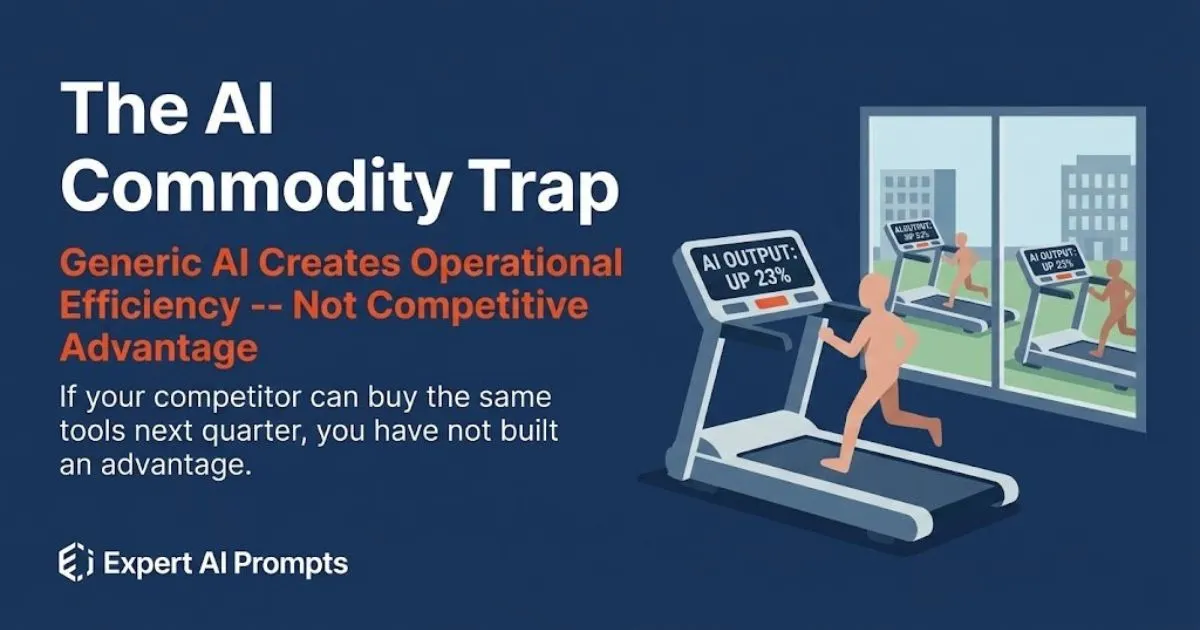
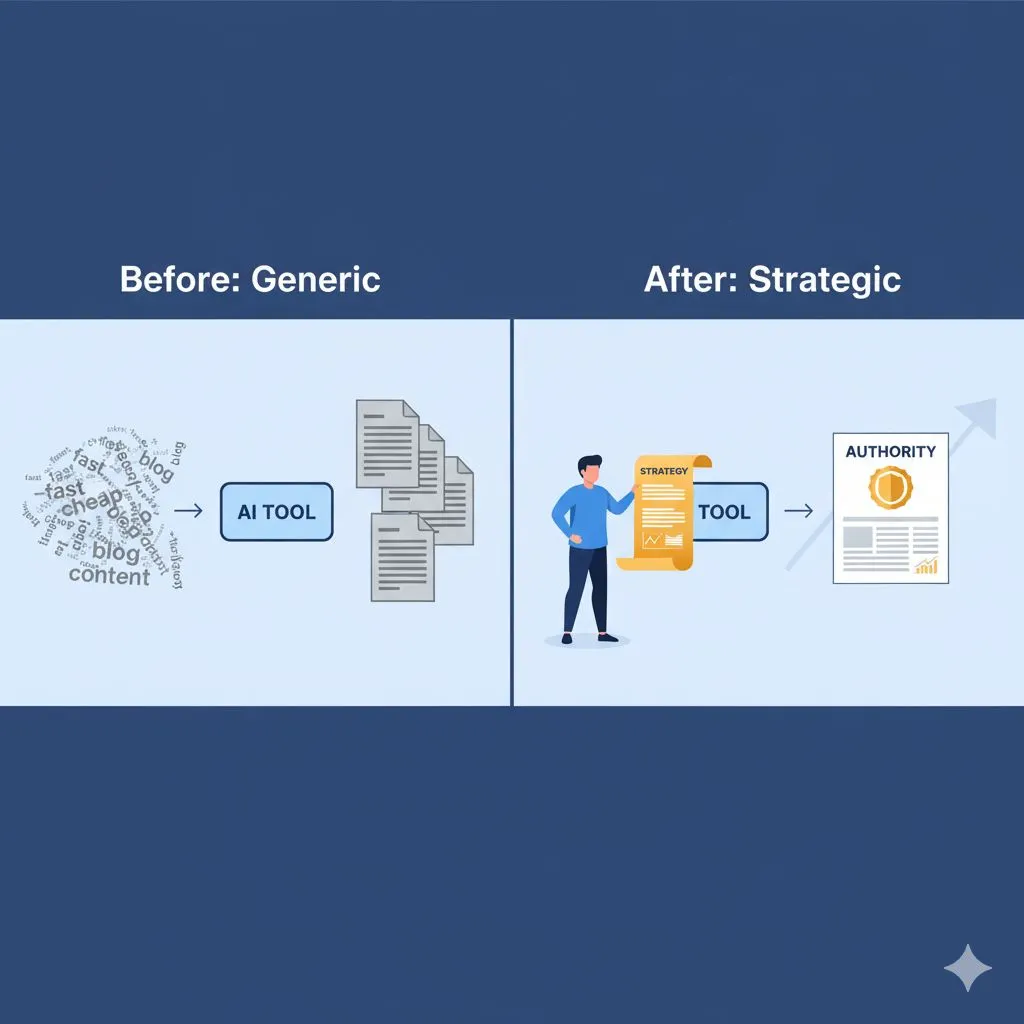
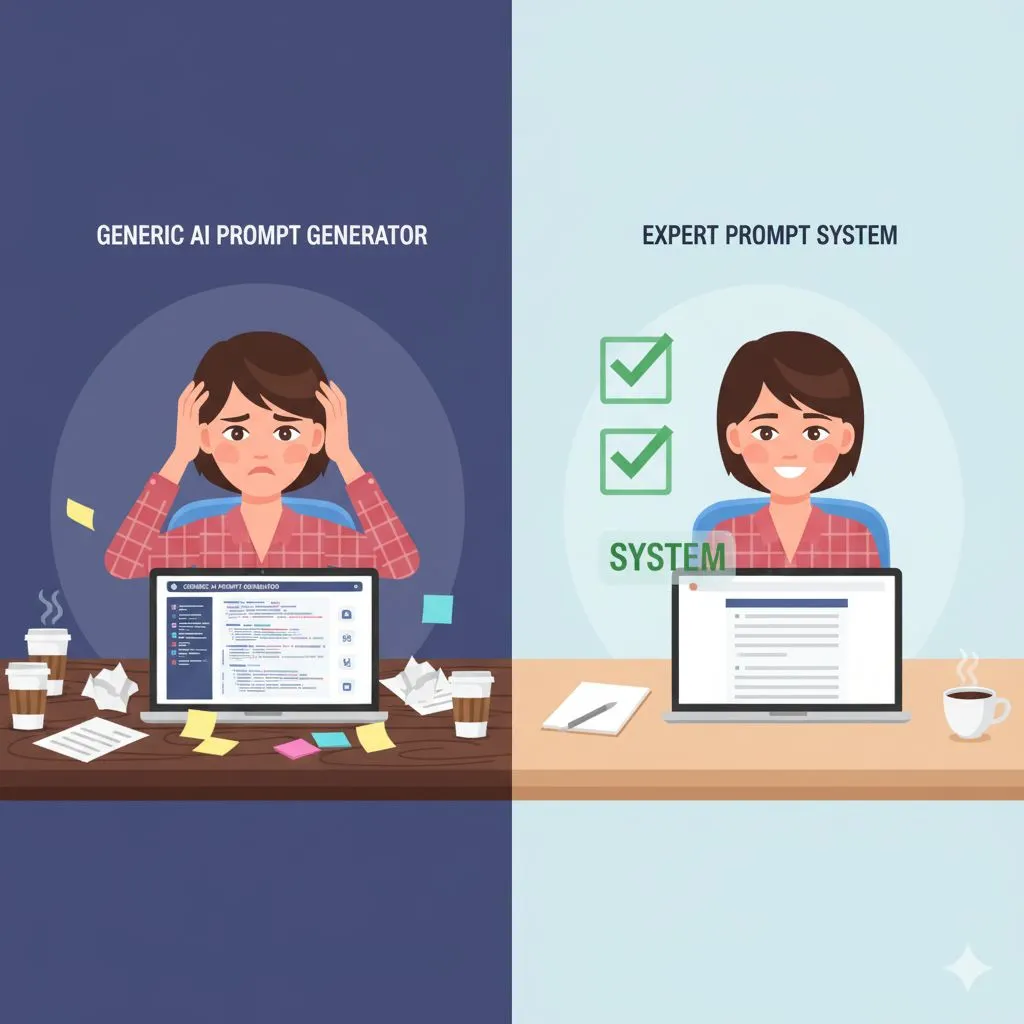
If everyone uses the same tools with the same basic prompts, everyone sounds the same. The internet is currently being flooded with mediocre, beige content. The avoiding generic voice syndrome advisory breaks down the exact warning signs and explains how Expert AI Prompts’ industry-specific approach prevents this outcome by design.
- The Fix: Specificity. The more specific your context and data inputs, the less generic your output. Never ask for "a marketing email." Ask for "a marketing email for a cynical CFO who hates buzzwords."
Over-Reliance and Atrophy
There is a risk of letting your own strategic muscles atrophy. If you let AI do all the thinking, you stop innovating.
- The Fix: Use AI to execute, not to dream. You must remain the architect of your business vision. Do not ask AI "What should my business do?" Ask it "How do I execute this specific vision I have?"
Data Privacy and Security
Be cautious about what you feed public AI models.
- The Fix: Never put sensitive client data (names, addresses, financial info) or proprietary trade secrets into a public LLM. Use enterprise versions that promise data privacy, or anonymize your data before processing.
Conclusion: The Future of the AI-Augmented Entrepreneur
We are standing at a pivotal moment in business history. For decades, the gap between the "Big Players" and the small business owner was defined by resources. Big companies had armies of writers, analysts, and strategists. Small business owners had late nights and caffeine.
AI has closed that gap.
However, the advantage will not go to the person who simply has the tools. It will go to the person who masterfully directs them.
For Alex Rivers—and for you—this is the path out of the weeds. An effective ai marketing strategy is not about replacing human creativity; it is about scaling it. It is about taking your expertise, your voice, and your vision, and amplifying it so that you can compete with the giants without burning out.
You now have the framework:
- Shift your mindset from operator to director.
- Build your pillars (Content, Intelligence, Personalization, Efficiency).
- Select a lean tech stack.
- Execute with a "Human-in-the-Loop" workflow.
- Measure the ROI in both dollars and hours saved.
The technology is ready. The question is, are you ready to stop hustling and start strategizing?
The fastest path into this system is zero-risk: access all 11 free AI resources — including prompt templates, a content planning tool, a brand voice kit, and the AI ROI Calculator. No credit card, no commitment, just results.
You don't need more time. You need a better system. And that system starts with the right inputs.
When you are ready to invest in the full toolkit, see all 30 prompt packs and pricing — one-time investment, lifetime access, 50 expert-level prompts tailored to your industry.
Ready to stop spinning your wheels?
Skip the learning curve and start generating expert-level content today. We have done the heavy lifting for you with 50 strategic, industry-specific prompts designed to drive ROI immediately.
Get Your Complete AI Marketing Strategy Guide & Prompt Pack Here
Further Reading
Explore the full framework:
• Your Complete AI Marketing Strategy Guide
• The 4 Pillars of AI Content Creation for Small Business
• How to Build an AI Marketing Plan
• Best AI Tools for Business in 2025
• AI-Driven Marketing Automation: The Right Way
Free resources to activate your strategy:
• Free 1-Week Content Plan Template with AI Prompts
• 1-Page Perfect Prompt Framework Guide (Free)