The "Human Premium": Why Real Stories Matter More Than Ever
The "Human Premium": Why Real Stories Matter More Than Ever
Feb 03, 2026
Introduction
If you scroll through LinkedIn, open your inbox, or browse industry blogs right now, you’ll notice something unsettling. It’s a phenomenon we might call "The Great Flattening." Suddenly, everyone sounds… capable. The grammar is perfect. The formatting is crisp. The information is technically correct.
And yet, it is utterly boring.
For small business owners and ambitious entrepreneurs, this presents a terrifying new reality. We used to worry about not having enough resources to create content. Now, we are drowning in a sea of infinite, average content. When your competitors—from the massive agency down to the teenager with a ChatGPT account—can churn out 50 articles a week, the game has fundamentally changed.
But here is the good news: The game hasn’t changed against you. It has shifted in your favor, provided you understand one critical economic rule.
The Paradox of Automation

In economics, the "Paradox of Value" explains why water is essential but cheap, while diamonds are useless but expensive. It comes down to scarcity.
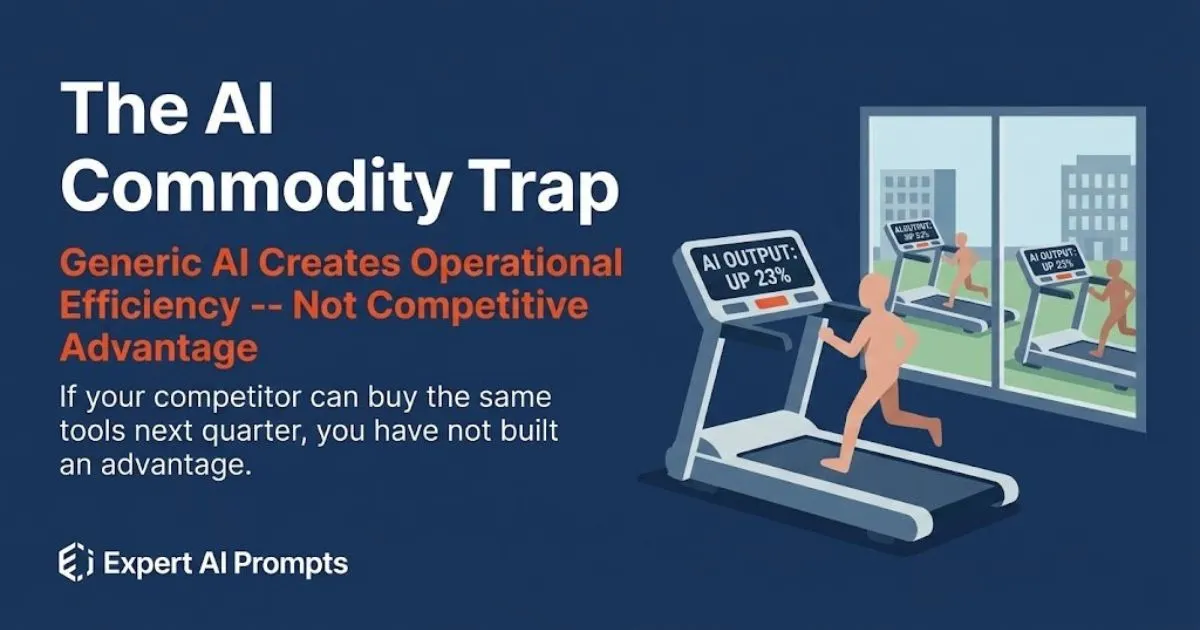
We are currently witnessing the commoditization of information. Generative AI has made "good enough" content as abundant as water. You can generate a marketing strategy, a sales email, or a blog post in seconds. Because it is easy to produce, its perceived market value is plummeting toward zero.
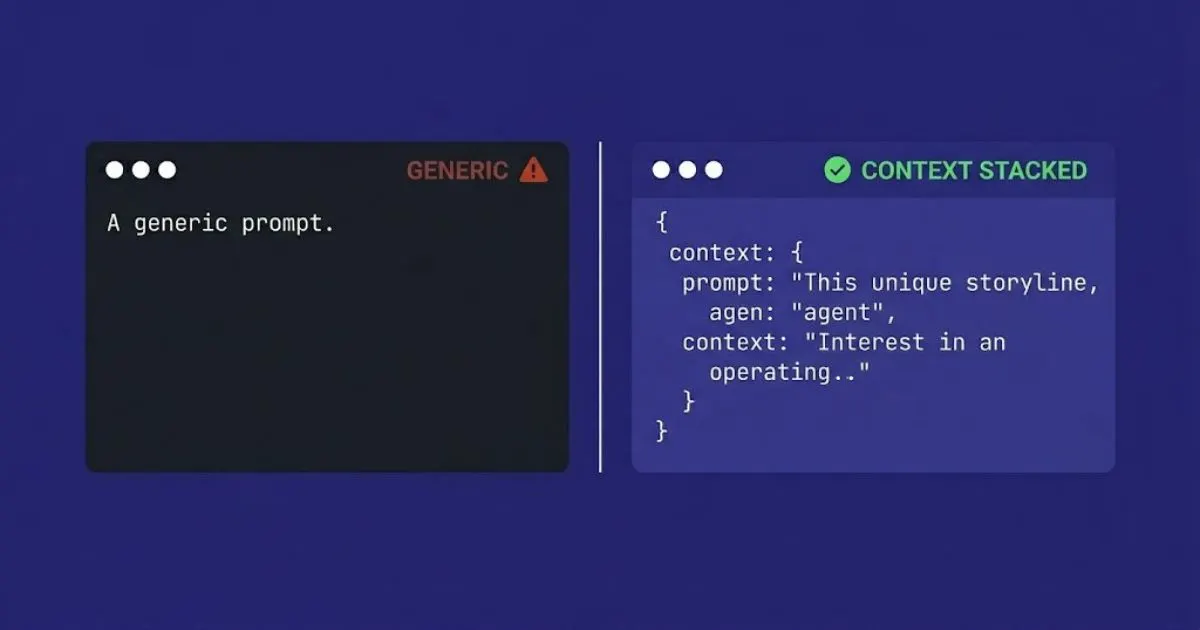
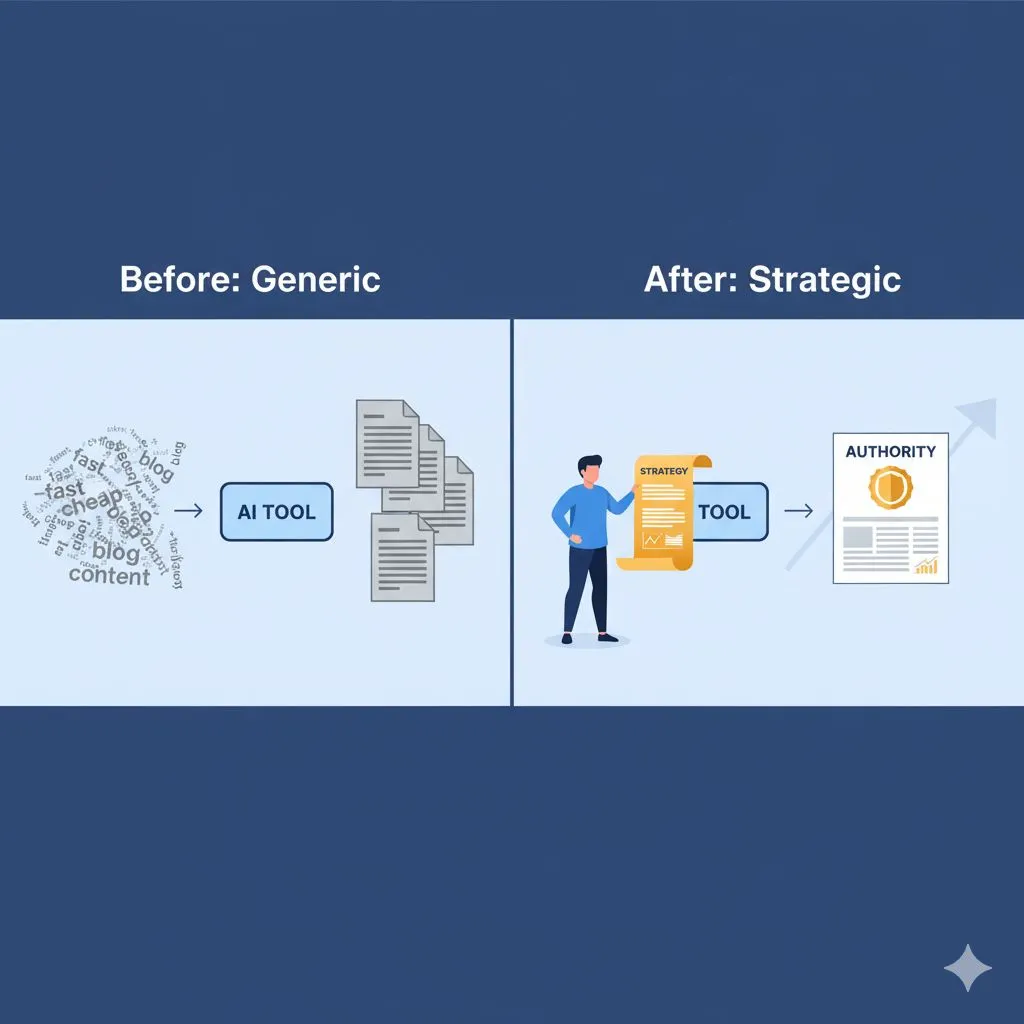
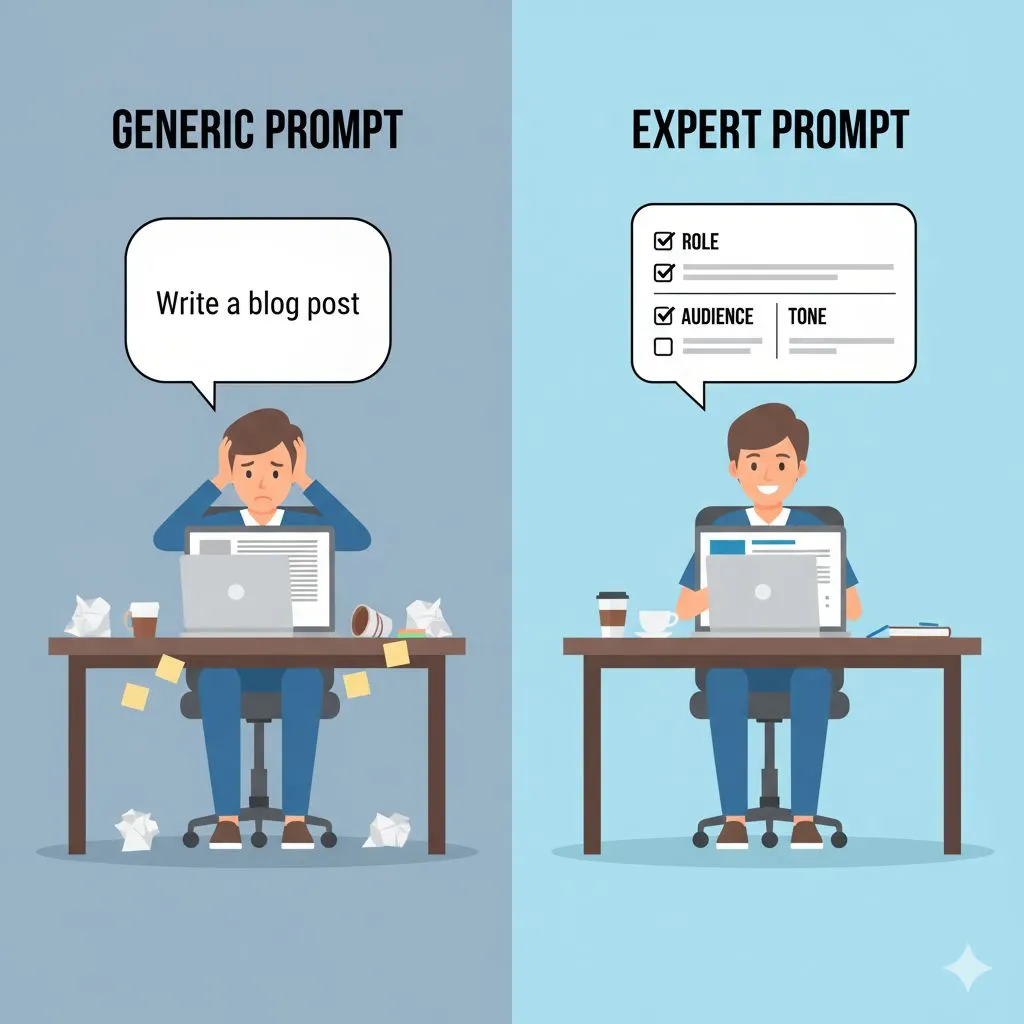
Understanding the difference between generic and strategic AI prompts is the first step to rising above the noise.
This is where the "Human Premium" kicks in.
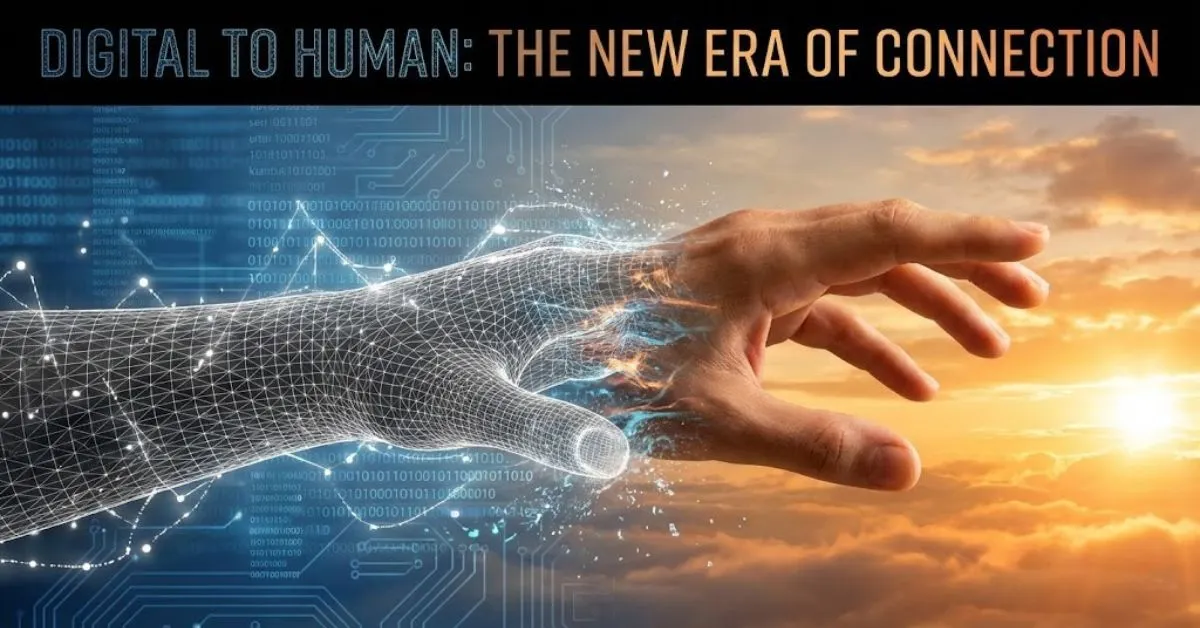
As AI-generated noise reaches a crescendo, the scarcity of genuine human connection skyrockets. The more robotic the world becomes, the more we crave the messy, imperfect, relatable texture of a real human voice.
For the overworked entrepreneur wearing ten hats, this is a liberation. It means you don’t need to compete on volume. You don’t need to out-publish the generic content farms. You simply need to be more you. The businesses that will win in the next decade won't be the ones with the best automation (though that helps); they will be the ones that use human centric marketing to build a moat that no algorithm can cross.
Part 2: Deconstructing Human Centric Marketing
So, what does human centric marketing actually look like in practice? It’s a buzzword that gets thrown around in boardrooms, but for a business of 2 to 10 people, it is a survival strategy.
At its core, human centric marketing is the refusal to treat your audience like data points in a funnel. It is the strategic decision to prioritize empathy, storytelling, and shared values over cold transaction metrics. It sounds soft, but the ROI is hard cash.
The Three Pillars of the Human Premium
To apply this, we have to look at what AI cannot do.
1. The Power of Imperfection
AI models are trained to be average—they predict the most likely next word. They are smooth, polite, and safe. But trust isn't built on safety; it's built on vulnerability. When you share a story about a product launch that failed, a client interaction that taught you a hard lesson, or a belief that goes against the industry grain, you signal to your audience that there is a pulse behind the pixels. Perfection is suspicious. Imperfection is relatable.
The most effective way to protect that signal is to train AI to write in your brand voice — so AI amplifies your personality instead of replacing it.
2. Narrative vs. Information
Information is cheap. "How to" guides are a dime a dozen. But narrative—the context of why that information matters—is expensive. AI can list the "Top 10 Ways to Manage Time." But only you can tell the story of the specific Tuesday afternoon when you missed your kid’s soccer game because you were stuck in a spreadsheet, and how that moment forced you to overhaul your workflow. Information informs; stories convert.
3. Community over Audience
An audience listens; a community interacts. Human centric marketing focuses on two-way dialogue. It’s the difference between broadcasting a newsletter and asking a question that sparks a reply. Large corporations struggle with this because they have layers of approval. You, the agile entrepreneur, can reply to a comment in five seconds. That speed and intimacy is a competitive advantage that money cannot buy.
Part 3: The Hybrid Model (Strategy + Soul)
This is where the skepticism usually sets in. You might be thinking, “That sounds great, but I’m already working 12-hour days. I don’t have time to craft artisanal, soul-bearing stories for every Instagram caption.”
You are absolutely right. This is where we flip the script. We aren't suggesting you ignore AI. We are suggesting you use AI to do the heavy lifting so you have the energy left for the human lifting.

The "Alex" Strategy: Leverage, Don't Replace
Think of your workflow like a sandwich. The bread is the structure and the polish—that’s AI. The meat is the insight and the story—that’s you.
The 80/20 Rule of AI Adoption:
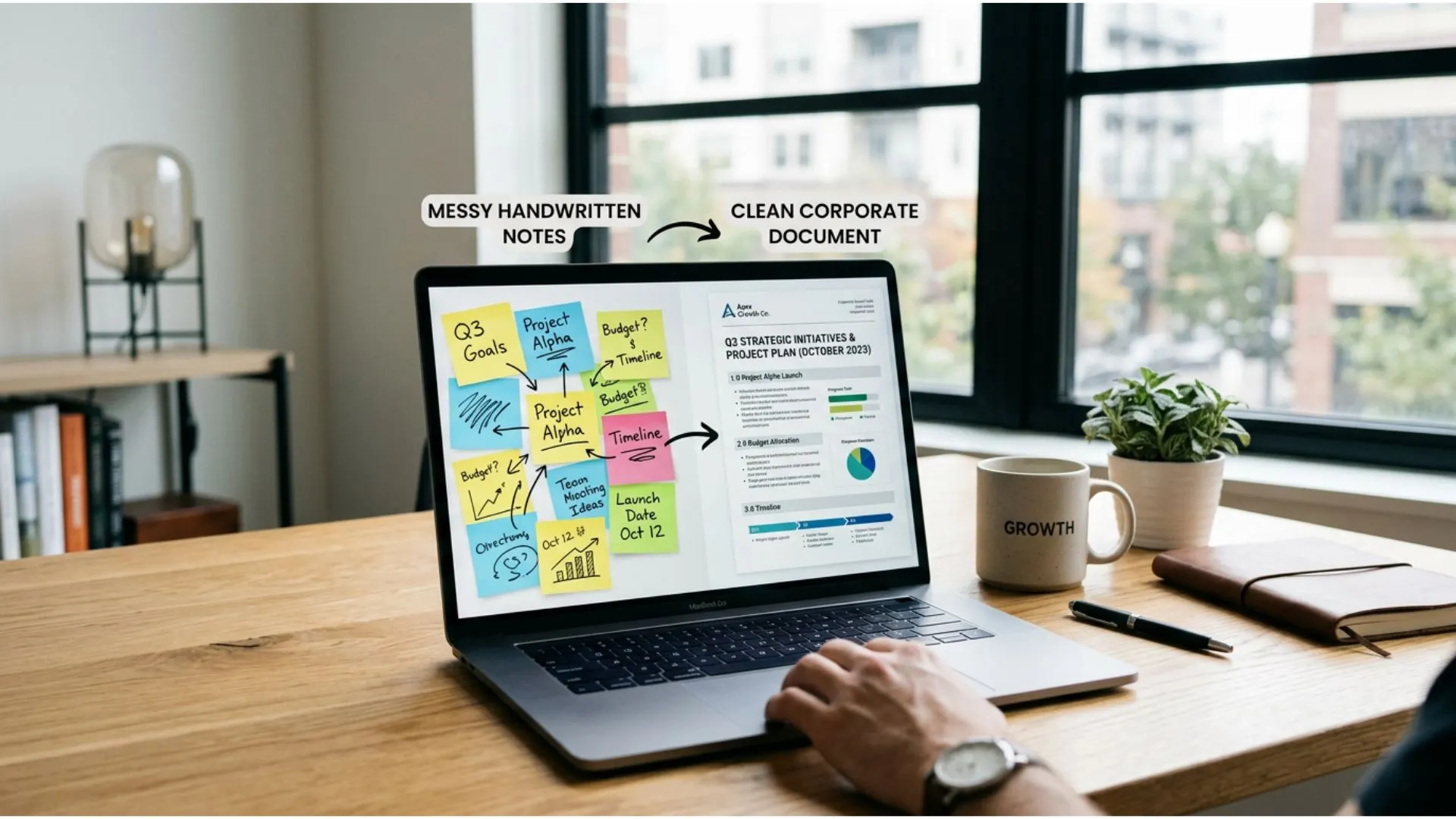
- The Machine's 80%: Use tools (like Expert AI Prompts) to handle the tasks that drain your brainpower but don't require your soul. Let AI outline the blog post. Let it suggest 50 variations of a headline. Let it turn your rough notes into a clean summary. Let it structure your standard operating procedures. This breaks the bottlenecks that keep you stressed.
- The Human 20%: Once the AI gives you the draft, you apply the "Human Premium." You inject the specific anecdote only you know. You adjust the tone to match your unique sarcasm or warmth. You verify the strategy against your real-world experience.
From Operator to Strategist
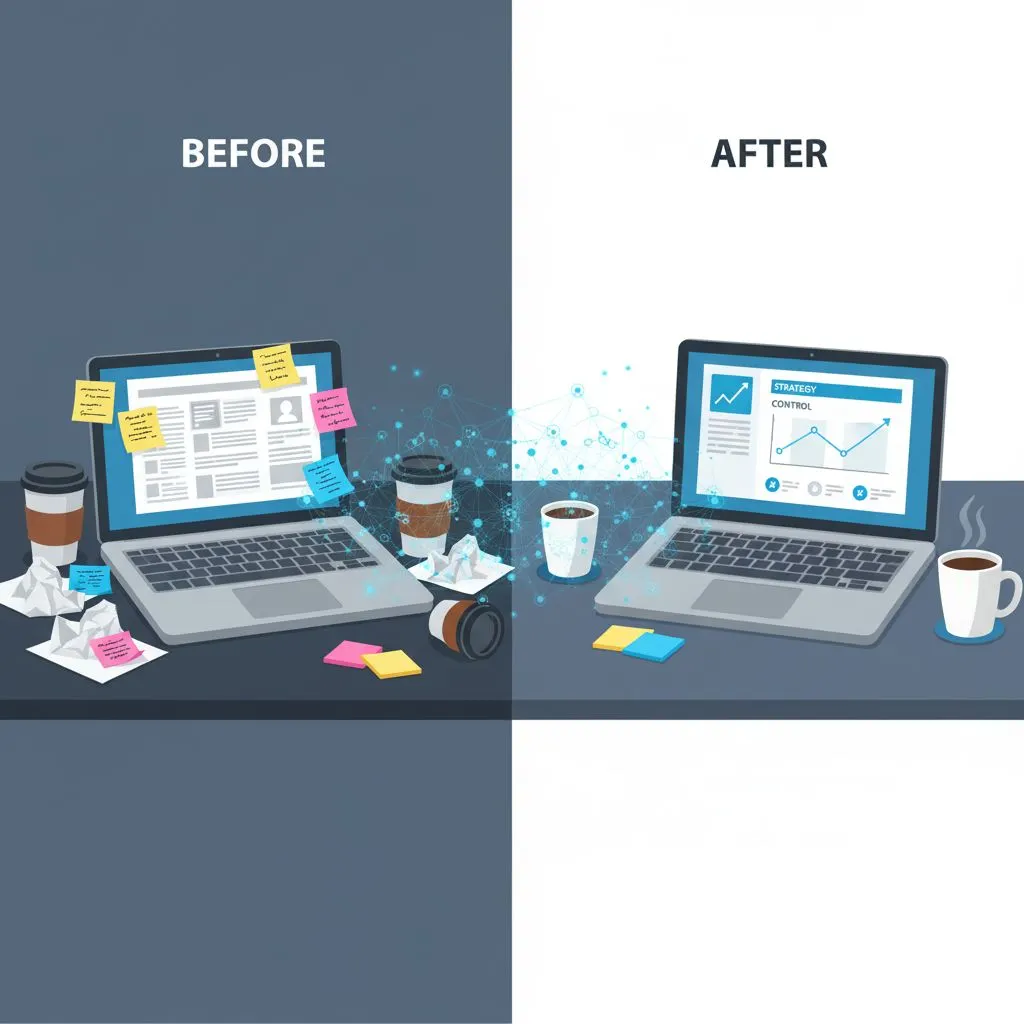
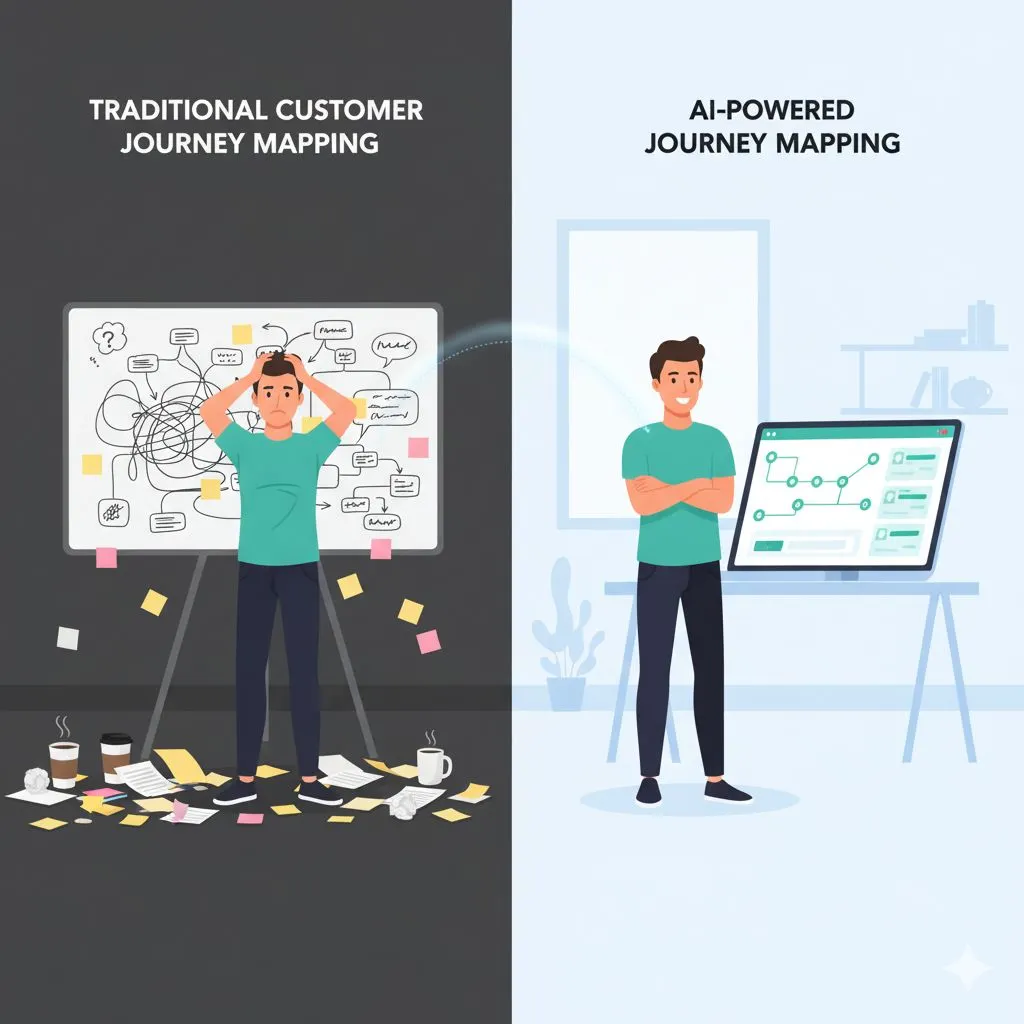
When you use AI to generate the structure, you reclaim the mental bandwidth to be the strategist. Instead of staring at a blinking cursor for an hour (Operator mode), you spend ten minutes editing a generated draft to ensure it aligns with your values (Strategist mode).
Read the full breakdown on escaping the daily grind using AI — a practical guide for overworked founders making the shift.
This isn't about being lazy. It's about being effective. Your customers don't pay you for your ability to type; they pay you for your expertise, your taste, and your ability to solve their problems. If AI helps you deliver that expertise faster, you aren't cheating—you're serving them better.
The Trap of "Set It and Forget It"
The danger lies in abdicating responsibility. We’ve all seen the accounts that clearly copy-pasted a ChatGPT response without reading it. It damages credibility instantly. The goal of the Hybrid Model is to use AI as a deeply knowledgeable intern who preps the work for the CEO (you) to sign off on. The CEO never signs blindly.
Future-Proofing Your Brand
We are living through a technological shift comparable to the internet or the smartphone. Algorithms will change. The platforms where we built our businesses might disappear or become pay-to-play. The capabilities of AI will double every 18 months.
If your entire business value is based on "fast information," you are building on sand. A newer, faster AI will eventually replace you.
However, if your business is built on human centric marketing—on a reputation, a voice, and a relationship—you are building on bedrock. People follow people. We buy from those we know, like, and trust. No algorithm can simulate the history you build with your clients.
For entrepreneurs ready to build that bedrock, the Prompt-Driven Branding Playbook gives you a structured system to define, protect, and scale your brand voice across every platform.
The "Solopreneur" or small team actually has the advantage here. You can pivot faster. You can be more authentic. You can show your face without needing legal approval. In a world of synthetic media, being "real" is the ultimate luxury good.
Conclusion: You Are The USP
For the ambitious, overworked business owner, the message is clear: Stop trying to out-robot the robots. You will lose. Instead, double down on the one thing that cannot be automated—your perspective.
Use the tools. Use the prompts to save time, reduce stress, and get home to your family earlier. But use that saved time to engage deeper.
The "Human Premium" is real. The market is desperate for it. And the best part? You already have everything you need to deliver it. You just need to clear the noise so your voice can be heard.
Ready to amplify your voice without the overwhelm?
You don’t have to choose between efficiency and authenticity. You can have both. It starts by having the right systems in place to handle the grunt work, leaving you free to add the human touch that converts.
Start with the full suite of free resources — get your free AI resources and discover which tool fits your business first.
Download the Competitor-Proof Brand Voice Kit today. Learn how to train AI to sound like you, ensuring you scale your business without losing your soul.
Ready to go further? See all 30 industry-specific prompt packs and find the toolkit built for your industry.
Further Reading
Your Complete AI Marketing Strategy Guide
Building a Brand Voice That Survives the AI Era
How to Train Your AI Assistant to Sound Like You