Building a Brand Voice That Survives the AI Era
Building a Brand Voice That Survives the AI Era
Jan 24, 2026

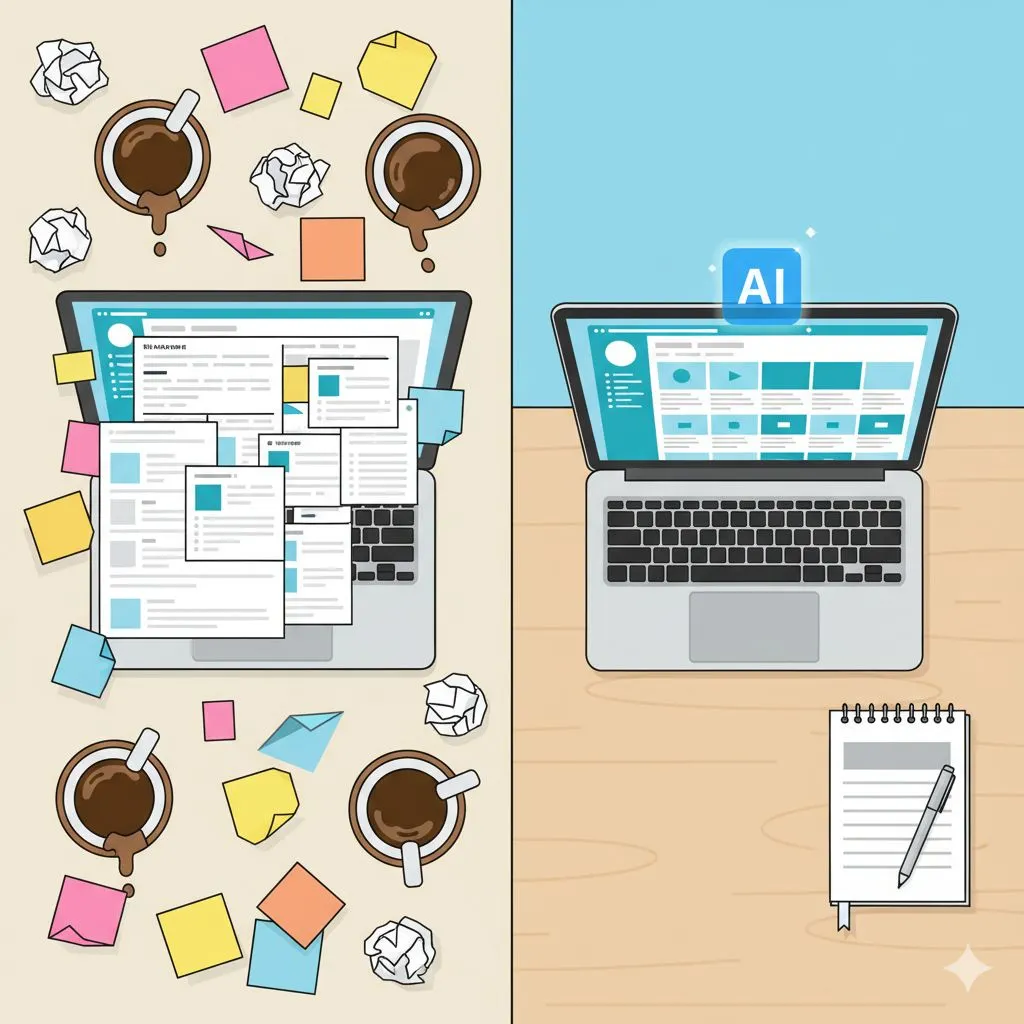
The digital marketplace has never been noisier. For the ambitious small business owner, the promise of Artificial Intelligence was supposed to be the great equalizer—a way to finally compete with the deep pockets and large teams of industry giants. Ideally, AI offers the ability to scale content, marketing, and operations without hiring more staff or burning the candle at both ends.
But for many, that promise has curdled into a new source of anxiety. You scroll through LinkedIn or check your inbox, and you see it: the "Sea of Sameness." It’s a flood of generic, robotic, and weirdly enthusiastic content that feels completely devoid of human insight.
If you are like many entrepreneurs, you are stuck in a difficult bind. You know you need to produce more content to grow your authority and scale your business. You are overwhelmed by the sheer volume of tasks on your plate, from client delivery to business development. Yet, you are rightly skeptical of handing your brand’s voice over to an algorithm. You’ve worked too hard to build your reputation to have it diluted by "AI slop" that sounds exactly like your competitors.
Here is the reality: AI is not the enemy of branding. It is the ultimate amplifier. But amplifiers only work if the signal they are boosting is clear. If you amplify noise, you just get louder noise.
To survive and thrive in the AI era, you don't need to reject the technology. You need to master the art of directing it. You need to transition from being a busy content writer to a strategic Brand Director.
Why Most AI Content Dilutes Brand Authority
To fix the problem, we first have to understand the mechanism behind it. Why does so much AI-generated content sound... off?
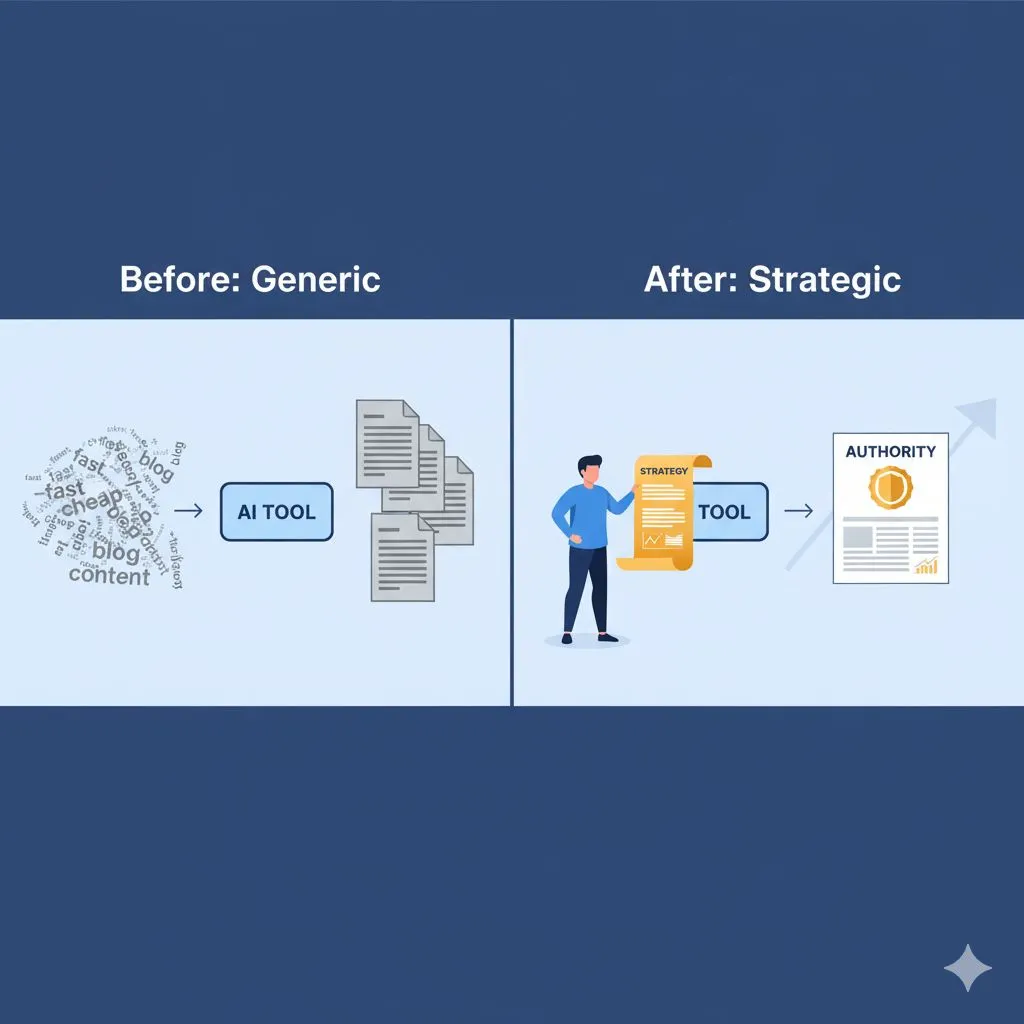
Large Language Models (LLMs) are, by design, prediction engines. They are trained on the entirety of the internet—the brilliant, the mediocre, and the terrible. When you ask a generic question or give a vague instruction, the AI gives you the mathematical average of all those inputs. It gives you the "safest," most statistically probable answer.
For a business owner who values expertise and credibility, "average" is a death sentence.
The Default Mode Trap
When you type a simple command like "Write a LinkedIn post about marketing trends," the AI defaults to a neutral, corporate-friendly tone. It uses words like "unleash," "delve," and "landscape." It uses passive voice. It structures the content in a predictable way.
If five different marketing consultants use that same basic prompt, they will produce five pieces of content that are virtually indistinguishable. In an economy where trust is the primary currency, sounding like everyone else is the fastest way to lose value.
The Credibility Gap
Your clients come to you because they trust your specific perspective. They value your "DIY problem-solver" mindset and your strategic thinking. When you publish content that lacks that specific grit and nuance—content that feels smooth but hollow—you create a credibility gap.
Your audience might not be able to articulate exactly why the content feels wrong, but they will sense the disconnect. They will feel the lack of authentic insight. And when that happens, they stop engaging. The ROI of your content efforts plummets, not because you aren't posting enough, but because what you are posting doesn't feel like you.
The Opportunity Cost
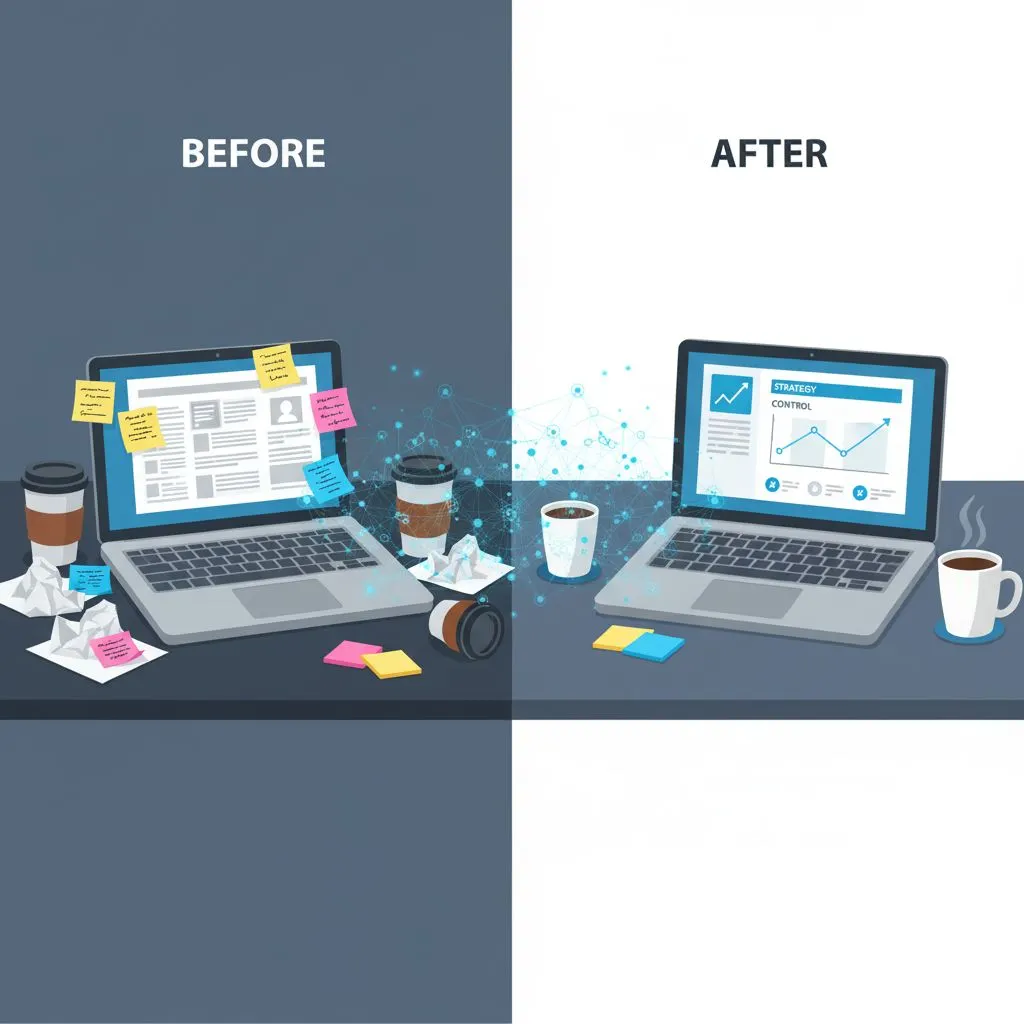
This leads to the ultimate irony of the AI boom for small businesses. You turn to AI to save time. But if the output requires 45 minutes of heavy editing to make it sound human, or if you post it as-is and damage your reputation, you haven't saved time at all. You have just traded one form of overwhelm for another.
The goal isn't to stop using AI. The goal is to stop using it like a novice and start using it like a strategist. The difference lies entirely in how you build the bridge between your brand strategy and the ai branding tools at your disposal.
The Strategic Shift: From Prompting to Programming Your Brand
If the "default mode" of AI is mediocrity, then your job is to force it out of that mode. This requires a mental shift. You are not "asking" the AI to write for you; you are "programming" it with your brand identity.
Think of an AI model like a highly skilled but completely literal intern. If you tell the intern, "Go write something good," they will panic and write something safe. But if you hand them a style guide, a specific framework, and a list of forbidden words, they will deliver work that looks like it came from a senior executive.
This is where the concept of "Prompt Engineering" transforms into "Brand Management."
Download the 1-Page Perfect Prompt Framework Guide
Defining Your Brand DNA
Before you open ChatGPT, Claude, or any other tool, you need clarity on your own brand. As a business owner wearing many hats, you likely have this in your head, but AI cannot read your mind. You must externalize it.
- Who are you? (e.g., A strategic partner for SMBs, not a generic service provider).
- Who are you talking to? (e.g., Overworked entrepreneurs, not corporate boards).
- What do you sound like? (e.g., Confident but not arrogant, practical, actionable).
You must codify these traits. Instead of a vague vibe, you need specific instructions. "My brand voice is concise. We avoid buzzwords. We prioritize ROI and strategic leverage over hustle culture."
The Anatomy of an Expert Prompt
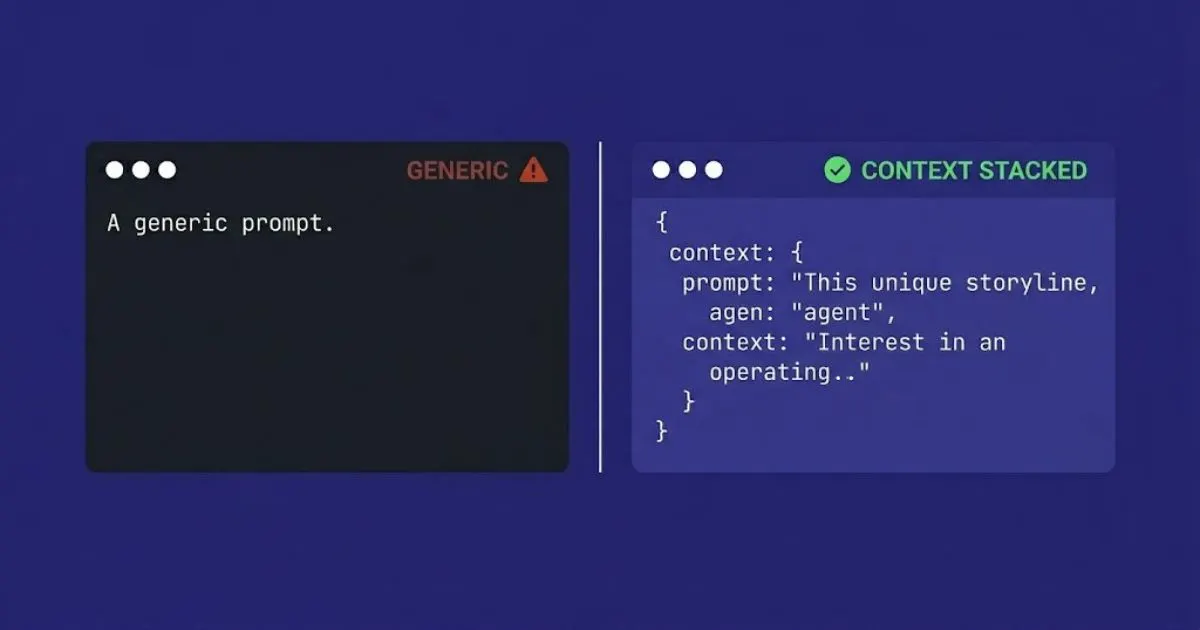
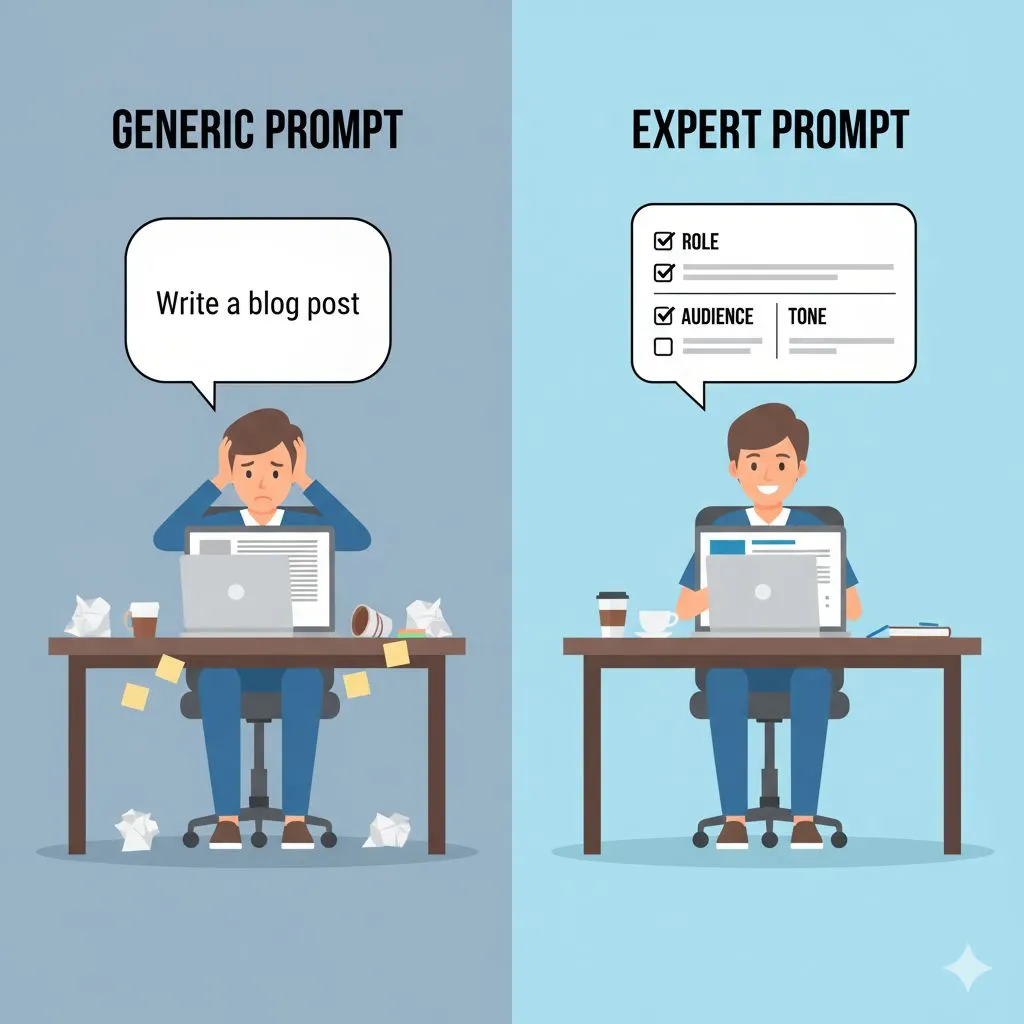
The difference between a generic output and an expert-level output is the "context window." A standard user writes: “Write an email selling my consulting services.”
A strategic user—someone scaling their business intelligently—writes:
“Act as a senior business consultant. Write a cold outreach email targeting overwhelmed agency owners. The goal is to offer a workflow audit. The tone should be empathetic but direct—acknowledge their stress but pivot quickly to a solution. Use short sentences. Avoid fluff. Focus on the benefit of reclaiming time. Do not use the word ‘unleash’.”
See the difference? The second prompt restricts the AI’s tendency to wander. It forces the tool to adopt a specific persona. It leverages the AI’s processing power but constrains it within your brand’s safety rails.
Evaluating AI Branding Tools for Long-Term Growth
Once you have your strategy, you need the right vehicle to deliver it. The market is flooded with software claiming to be the "ultimate solution." For a skeptical business owner who has been burned by over-hyped digital products before, navigating this is exhausting.
When searching for the right ai branding tools, you must look past the flashy features and focus on utility and integration. You don't need a tool that generates funny images if you run a financial consultancy. You need tools that support consistency.
Using a library of pre-engineered prompt libraries allows you to skip straight to the result...
Integration Over Novelty
The biggest mistake entrepreneurs make is adopting tools that require a complete overhaul of their workflow. If a tool requires you to learn a complex new interface that takes weeks to master, it is not saving you time.
Look for tools that integrate into where you already work. Do you need a browser extension that works inside your email? Do you need a prompt library that sits on your desktop? The best AI tools are the ones that reduce friction, not add to it.
Scalability and Specialization
Generic tools are great for general tasks, but industry-specific solutions offer the highest ROI. If you are in real estate, marketing, or finance, a general "write a blog" button won't cut it. You need prompts and tools designed for your specific vertical.
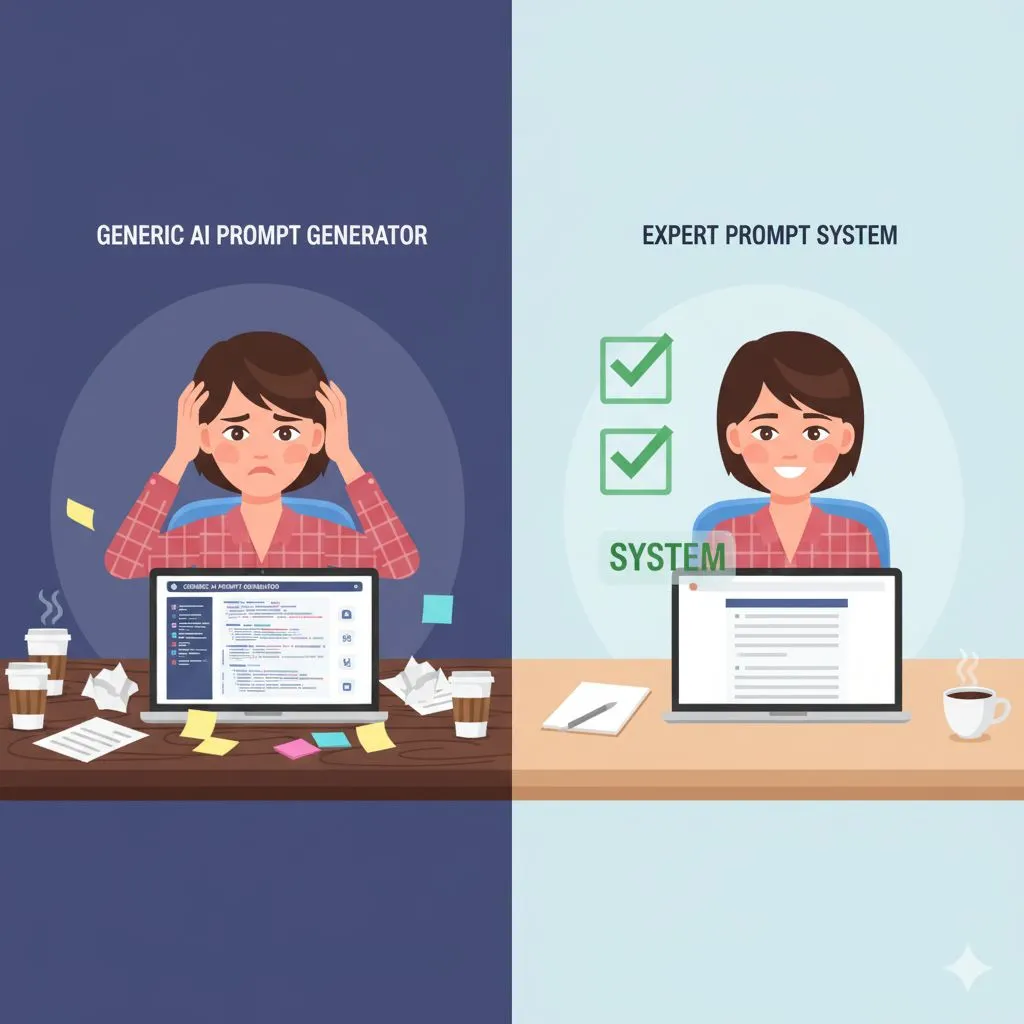
This is where pre-engineered prompt libraries become a competitive advantage. Instead of spending hours testing prompts to see what works (the trial-and-error phase that kills productivity), using a library of proven, industry-specific prompts allows you to skip straight to the result. It allows you to scale your output without scaling your effort.
What Makes a Tool "Expert-Level"?
Not all ai branding tools are created equal. To truly support a business that wants to compete with larger players, the tool must offer more than just text generation. It needs to offer structure.
Expert-level tools or prompt packs should provide:
- Contextual Awareness: They shouldn't just ask for a topic; they should ask for the audience, the goal, and the desired emotion.
- Structural Frameworks: They should output content in proven marketing frameworks (like AIDA or PAS) rather than random paragraphs.
- Refinement Capabilities: They should allow you to iterate quickly—turning a blog post into a LinkedIn thread, then into a newsletter, maintaining the same core message but adapting the format.
By choosing tools that prioritize these elements, you stop treating AI as a novelty toy and start treating it as a piece of enterprise-grade infrastructure.
The "Human-in-the-Loop" Framework
Even with the best strategy and the most sophisticated ai branding tools, there is one element that cannot be automated: You.
There is a misconception that AI is supposed to replace the human. That is false. AI replaces the drudgery. It replaces the blank page syndrome. It replaces the first two hours of drafting. But it does not replace the strategic oversight.
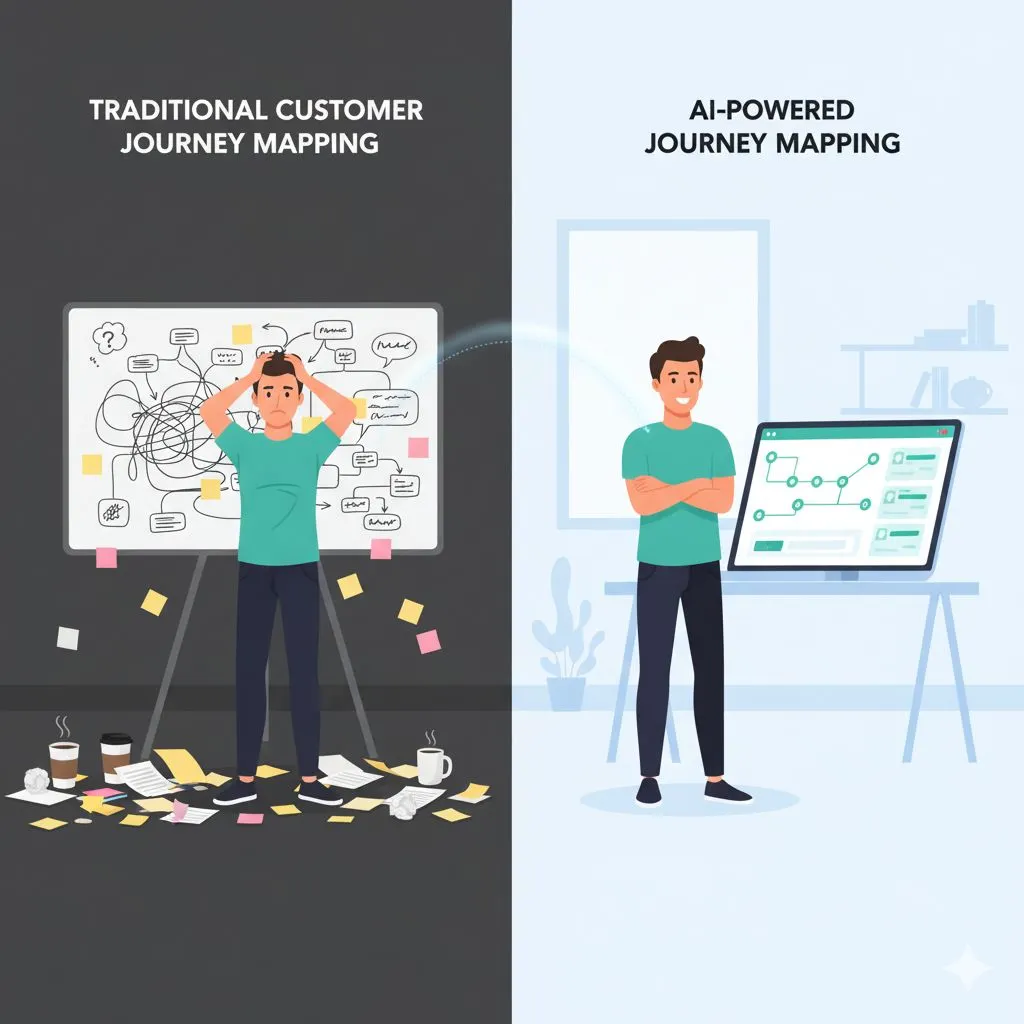
To scale your business without losing your soul, you must adopt the "Human-in-the-Loop" workflow. This transforms your role from "Content Creator" (who types every word) to "Editor-in-Chief" (who approves the vision).
The 80/20 Rule of AI Content
In this new model, AI does 80% of the heavy lifting. It handles the research, the outlining, the initial drafting, and the formatting. This is the work that usually causes bottlenecks. It’s the manual labor of digital business.
Your job is the final 20%. This is the "God tier" work.
- Fact-Checking: Ensuring the AI didn't hallucinate a statistic.
- Tone Injection: Adding that specific personal anecdote or client story that only you know.
- Strategic Alignment: Ensuring the Call to Action (CTA) aligns with your current business goals.
When you spend your energy only on that final 20%, you can produce five times the amount of content in the same amount of time, and the quality will actually be higher than if you wrote it from scratch while exhausted.
This is how a small team of 2–10 competes with an agency.
Refining the Feedback Loop
The "Human-in-the-Loop" framework is also about training. When the AI produces something slightly off, don't just delete it and rewrite it. Tell the AI why it was wrong.
- "That was too salesy. Rewrite it to sound more advisory."
- "The intro is too long. Make it punchy."
Over time, if you use the right tools that allow for chat history or custom instructions, the AI learns your preferences. It gets smarter. The friction decreases. You begin to build a digital asset that understands your business almost as well as you do.
This is how a small team of 2-10 people competes with an agency of 50. You aren't working harder; you are leveraging technology to clone your strategic output.
The Operational Impact
When you implement this framework—strategic prompting plus human oversight—the impact on your daily operations is immediate.
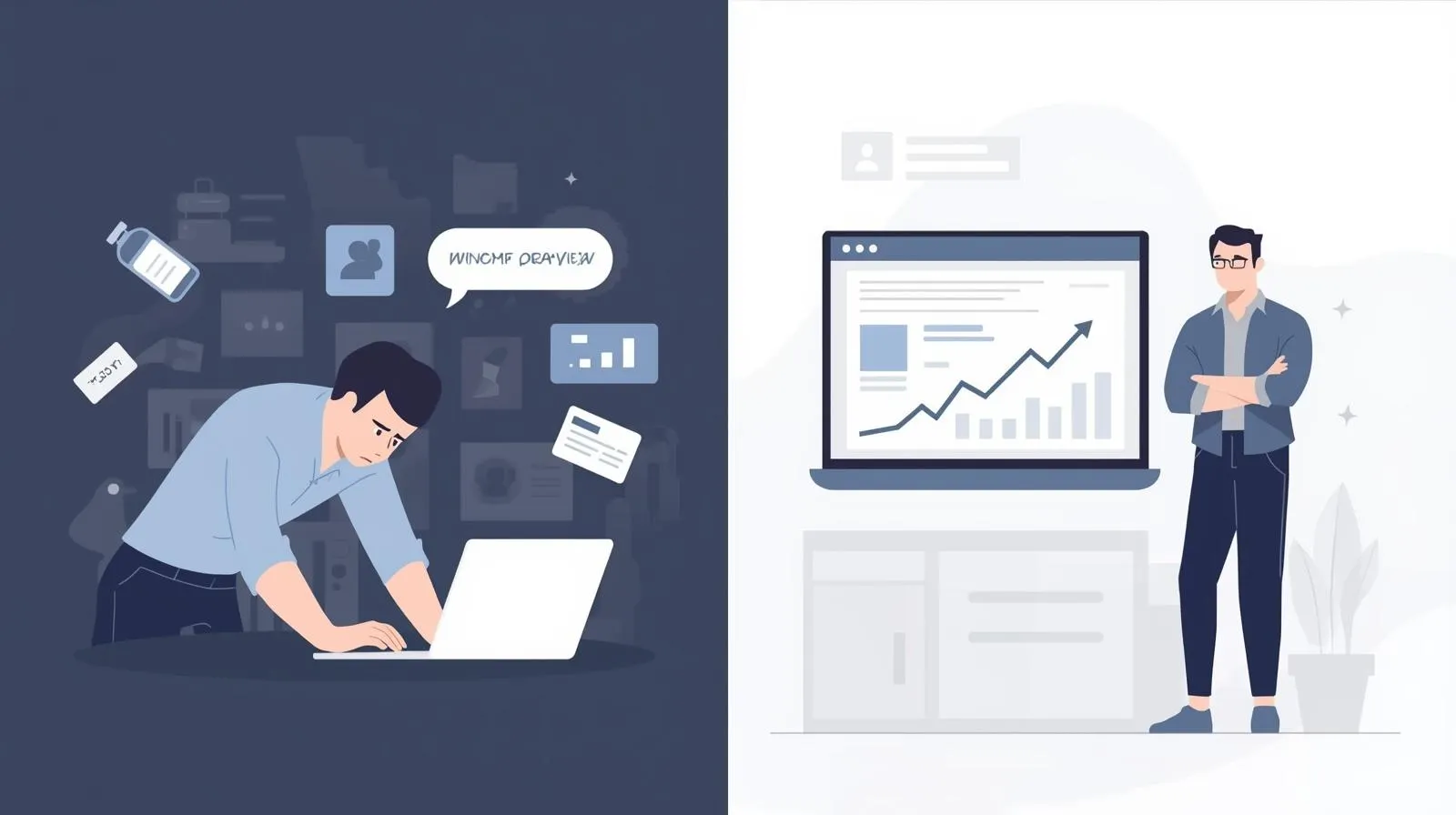
Bottlenecks disappear. The newsletter that used to take you all Sunday afternoon now takes 30 minutes on a Friday morning. The LinkedIn posts that you constantly put off because you "didn't feel creative" are generated in batches on Monday, ready for your final polish.
You reclaim time. Not just 10 minutes here and there, but hours. This is time you can reinvest into high-value activities: meeting clients, refining your service offerings, or simply stepping away from the desk to recharge. This is the difference between a business owner who is managed by their business and one who manages it.
Conclusion: Future-Proofing Your Business Identity
The fear that AI will destroy branding is misplaced. AI destroys generic branding. It commoditizes the average. But for the business owner who has a clear vision, a distinct voice, and the right tools, AI is the greatest leverage point of our generation.
We are entering an era where the size of your team matters less than the clarity of your strategy. You no longer need a massive marketing budget to dominate your niche. You need a distinct point of view and the operational efficiency to broadcast it consistently.
By moving from passive prompting to active brand programming, you ensure that your voice survives the AI era. You ensure that when a potential client reads your content, they hear you—your expertise, your values, and your solution—amplified by the speed of technology.
Stop hustling to keep up with the algorithm. Start building a system that makes the algorithm work for you. The tools exist. The strategy is proven. The only variable left is your decision to adopt it.
Ready to Build Your Brand Command Center?
You understand the theory, but execution is where the growth happens. You don't have time to spend weeks learning "prompt engineering" from scratch. You need a toolkit that is ready to go the moment you open it.
We have developed a comprehensive resource specifically for brand managers and business owners who want to lock in their brand voice and scale their content output instantly. It includes the exact frameworks, constraints, and strategic inputs discussed in this article, pre-packaged for immediate use.
Don't let your brand get lost in the noise.
Get the Prompt-Driven Branding Playbook for Brand Managers
Access All 30 Industry-Specific Prompt Packs
Explore Free AI Resources — No Cost to Start
Related Guides on expertaiprompts.com
The Entrepreneur's Playbook for Prompt Engineering
Your Complete AI Marketing Strategy Guide
How to Train Your AI to Write in Your Brand Voice
Avoid Generic Voice Syndrome — 2026 Advisory
Related Blog Posts
5 Signs Your AI Content Writer Is Hurting Your Brand Authority
The Human Premium: Why Real Stories Matter More Than Ever
Fear of the Robot: Ensuring Your AI Content Sounds Human
Products: Browse All Prompt Packs | View Pricing Catalog
Get Started: Free AI Resources
Resources: AI for Small Business Blog | Case Studies
Company: Trust & Security | About Expert AI Prompts