The AI Commodity Trap: Why Generic AI Creates Operational Efficiency -- Not Competitive Advantage
The AI Commodity Trap: Why Generic AI Creates Operational Efficiency -- Not Competitive Advantage
May 13, 2026
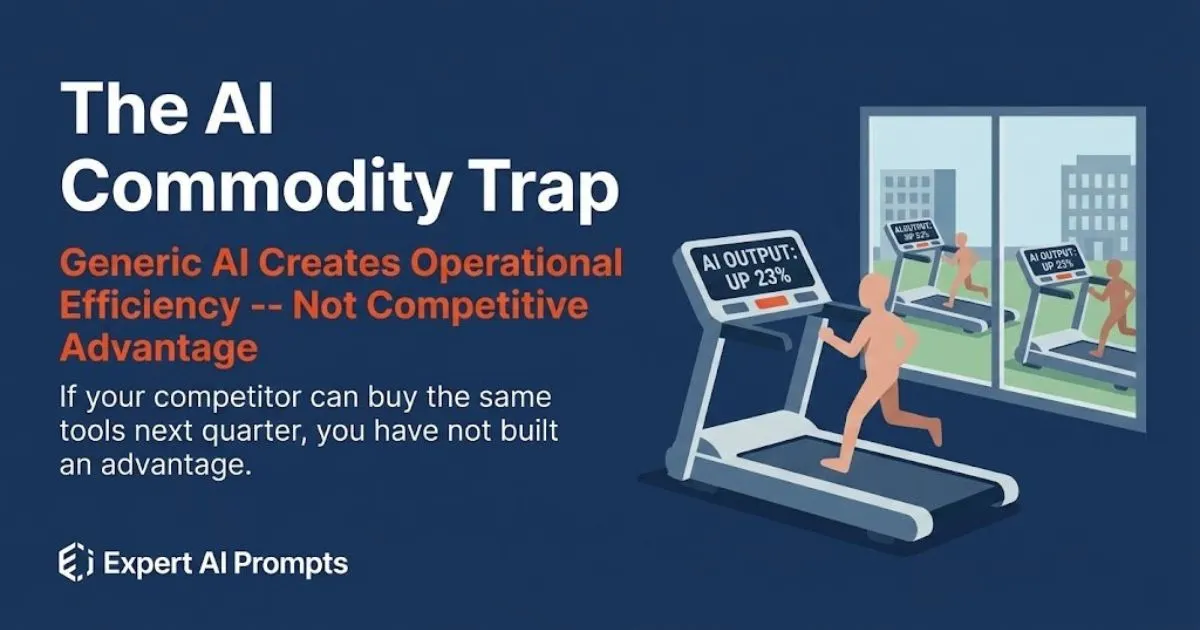
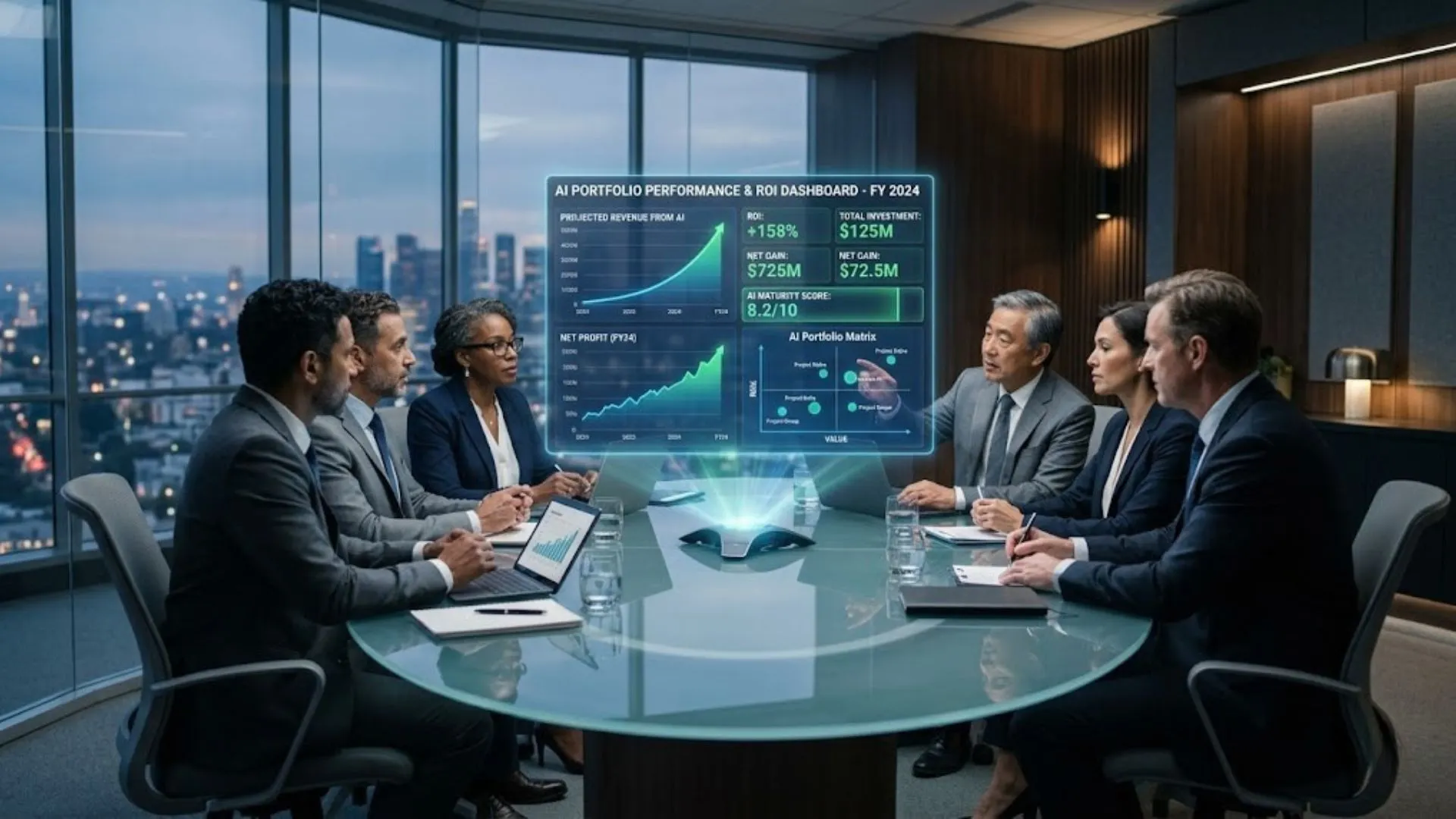
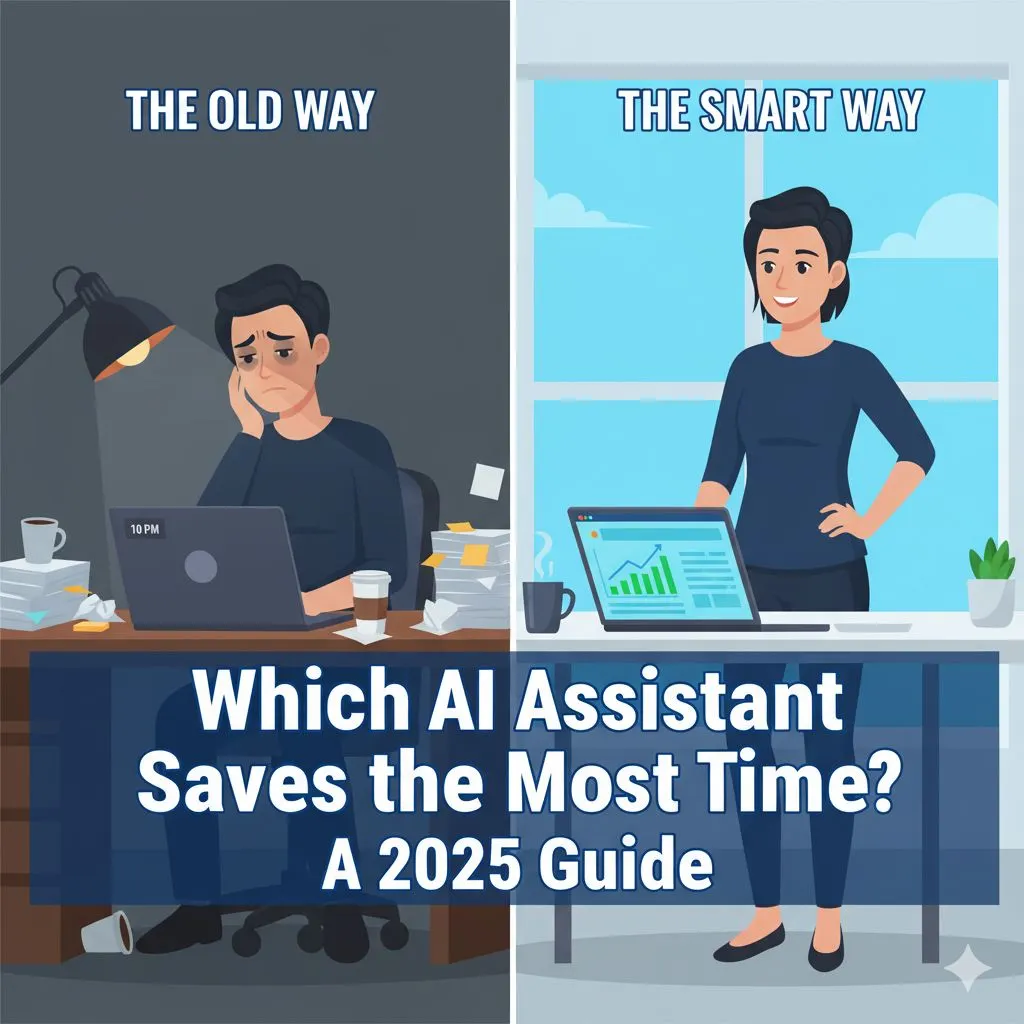
The AI Commodity Trap looks exactly like a successful AI programme. AI tools are deployed across the organisation. Employees are using them daily. Productivity metrics are improving -- contracts drafted faster, research synthesised quicker, customer communications more efficient. Leadership receives positive board reports. The AI programme is, by every conventional measure, working.
The problem is not visible until a competitor deploys the same tools next quarter and achieves the same results. At that point, the organisation realises it has not built a competitive advantage. It has joined a sector-wide productivity reset. Every organisation in the sector is now faster, cheaper, and more efficient -- and none is measurably ahead of the others. The competition has intensified at a higher cost base, with no winner.
This is the AI Commodity Trap. It is the most common failure mode of enterprise AI strategy precisely because it does not look like failure. It looks like success -- right up until the competitive landscape resets around it.
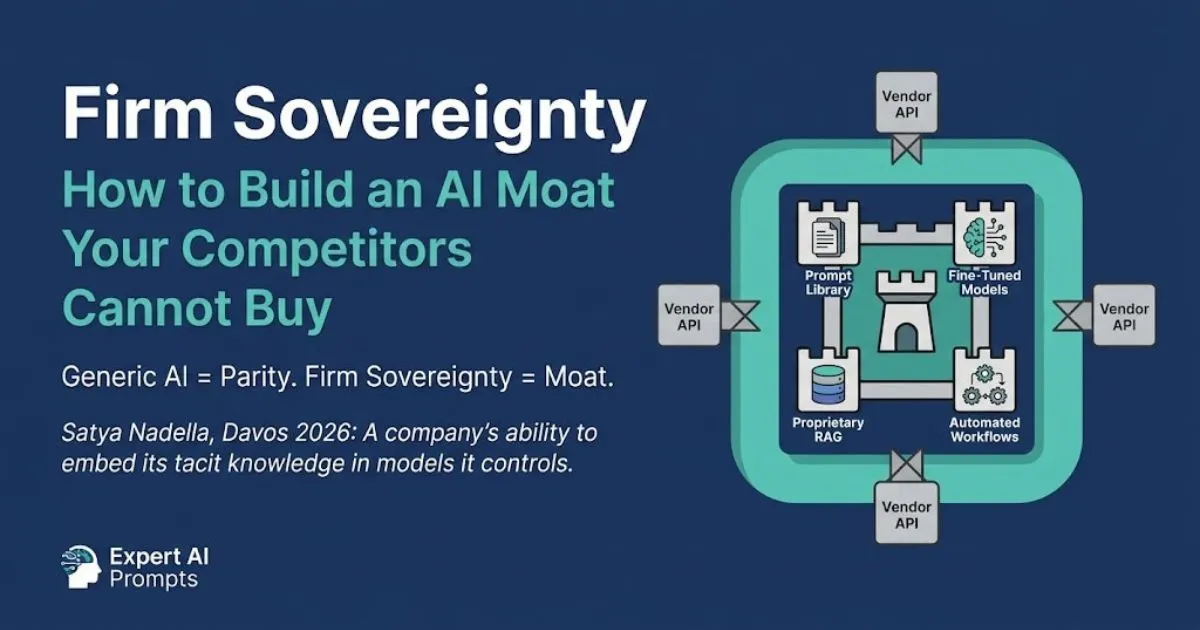
Firm Sovereignty: How to Build an AI Moat Your Competitors Cannot Buy
The alternative to the Commodity Trap -- building proprietary AI assets that create durable competitive advantage -- is in Firm Sovereignty: How to Build an AI Moat Your Competitors Cannot Buy.
Section 1 - Defining the Trap: What Generic AI Actually Produces
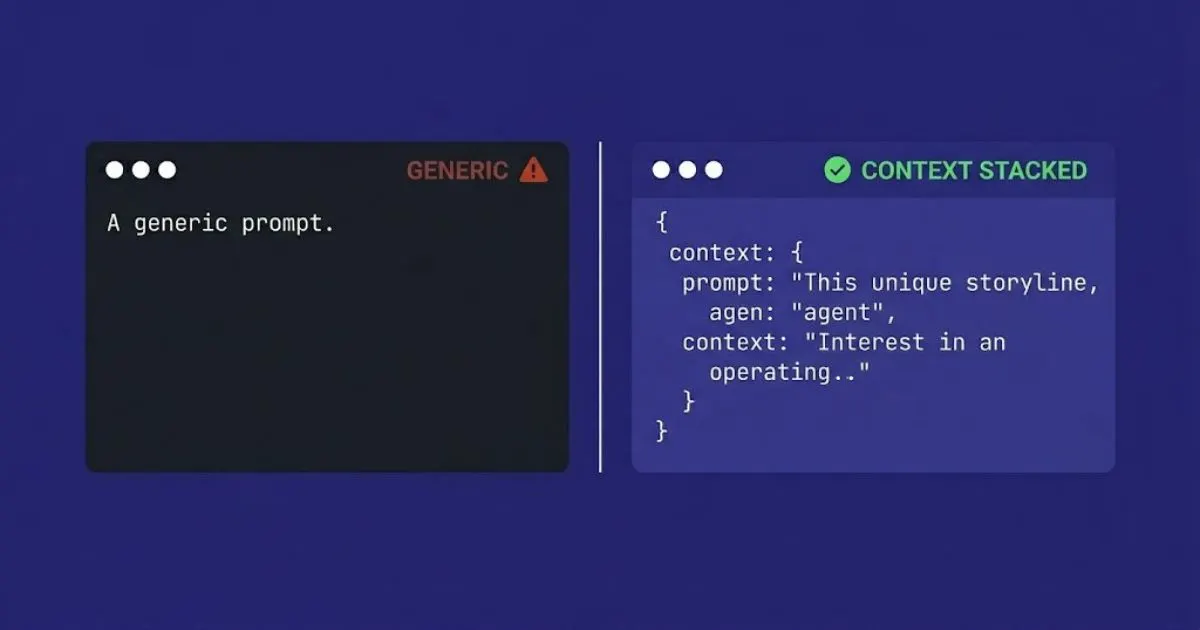
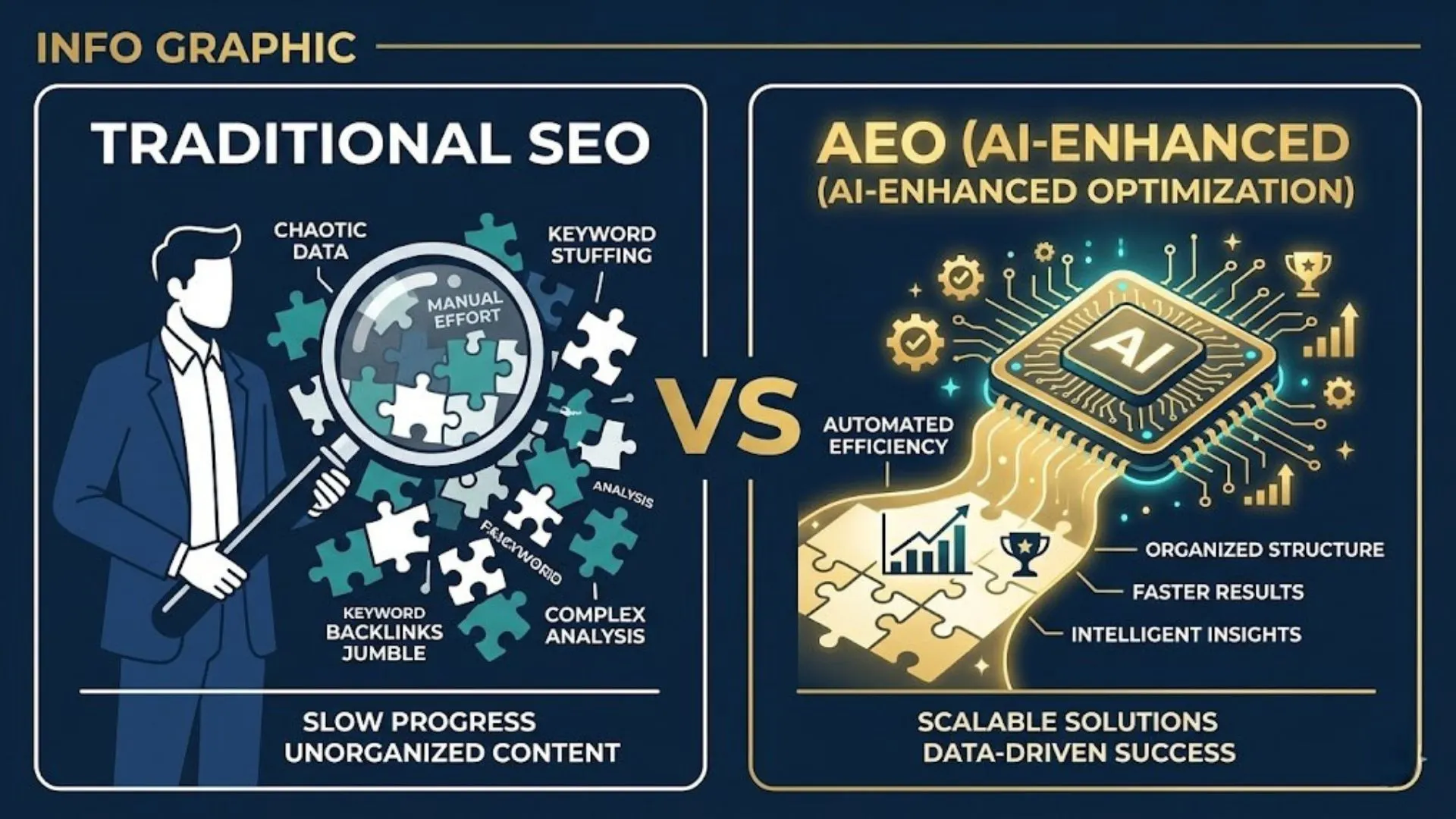
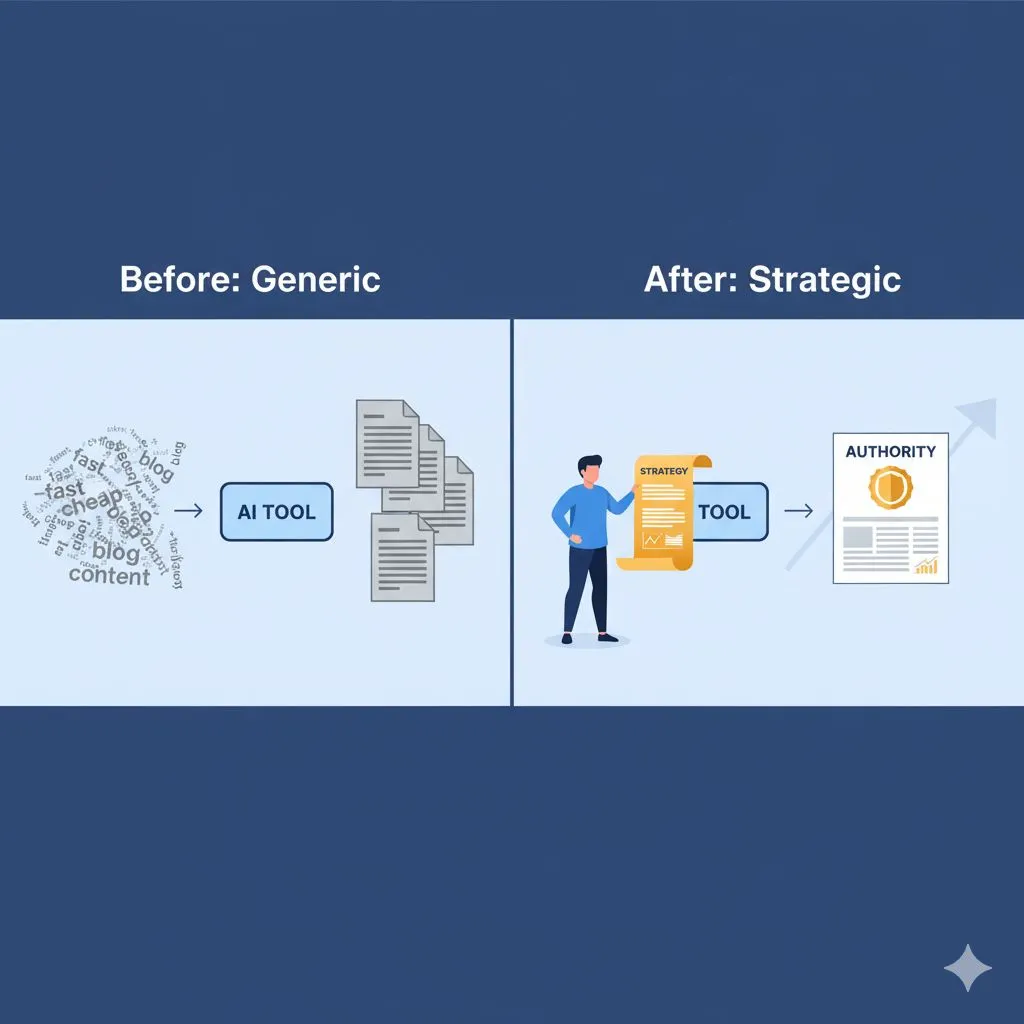
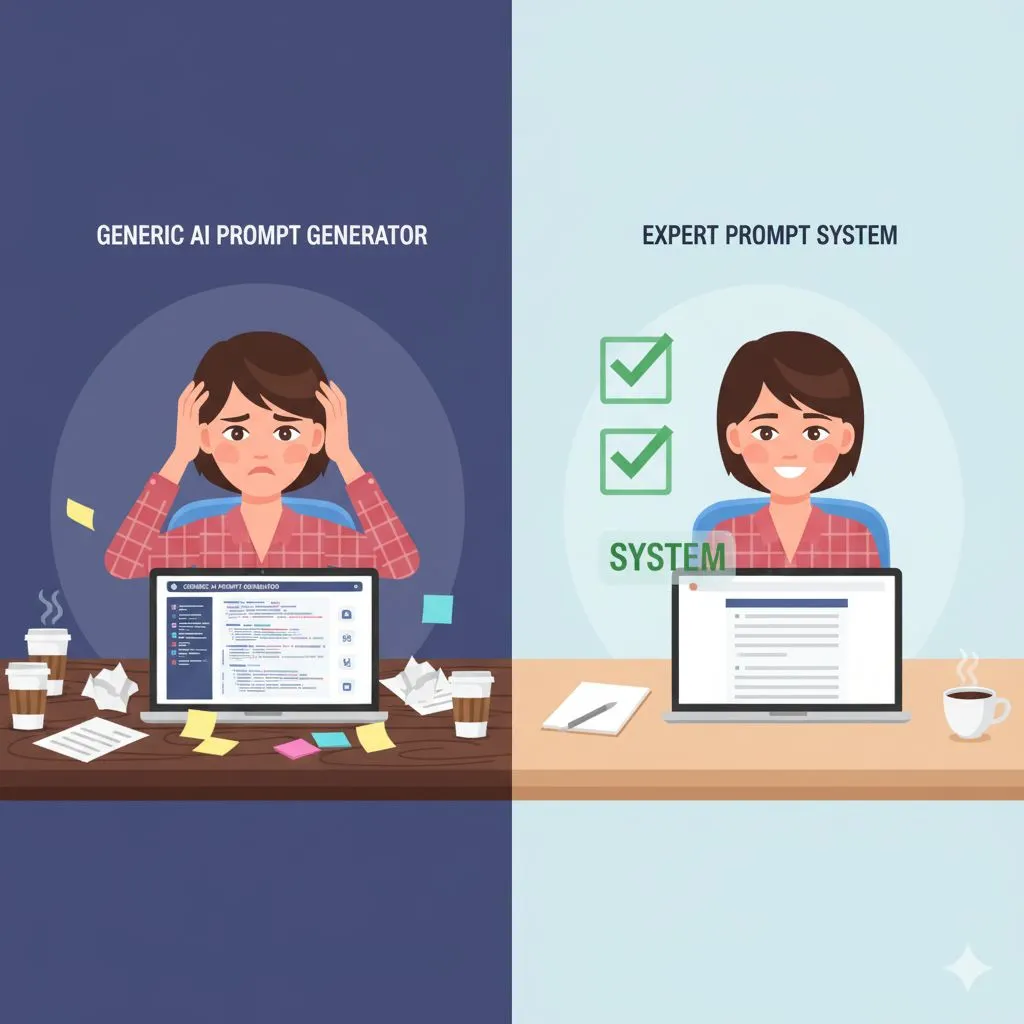
The AI Commodity Trap occurs when an enterprise deploys AI tools that every competitor can access on identical terms, builds no proprietary intelligence layer on top, and measures success as productivity improvement rather than proprietary capability built. The result is real and valuable -- the productivity gains are genuine. But they are worth exactly the same to every competitor who deploys the same tools.
Generic AI deployment optimises the process. It does not differentiate the product, the service, the client relationship, or the institutional knowledge the organisation brings to the market. Process optimisation that every competitor can replicate is not a source of competitive advantage -- it is a source of operational parity. The organisation has improved. The competitive position is unchanged.
Why the Trap Looks Like Success
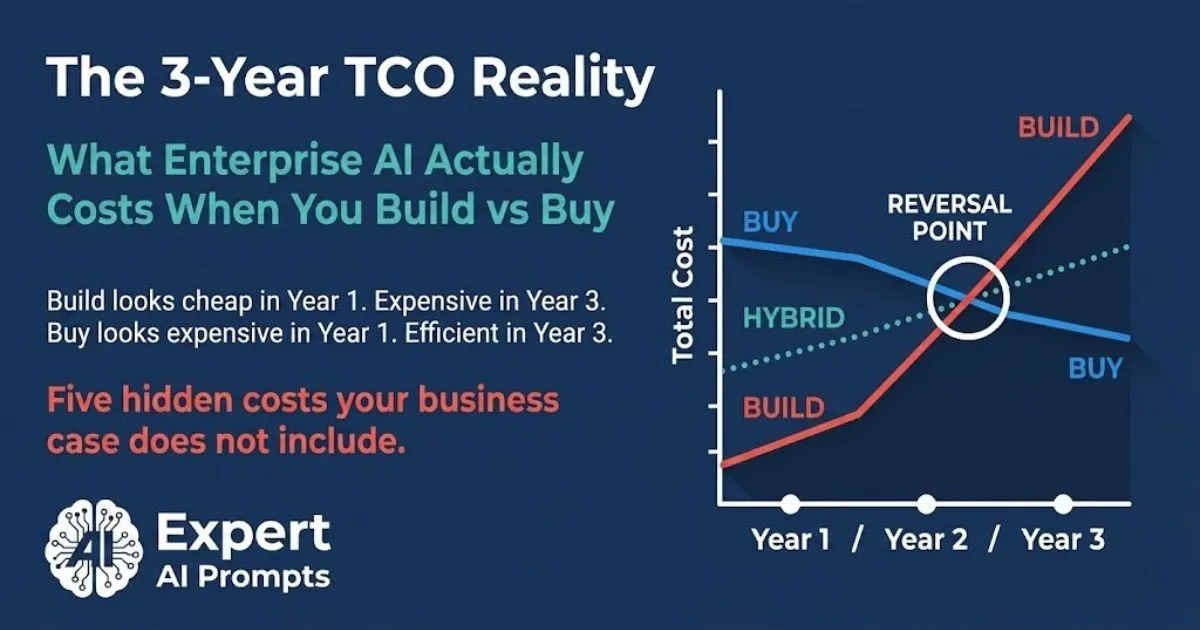
The Commodity Trap is a slow-moving trap. In Year 1, the productivity gains are real and the competition has not yet caught up. The organisation is genuinely more efficient than it was, and genuinely ahead of competitors who have not yet deployed. In Year 1, the AI programme looks like competitive advantage because it is -- temporarily.
The trap closes in Years 2 and 3, as competitors deploy the same tools. The productivity advantage disappears. The cost of operating the AI programme remains. The competitive position has reset to where it was before the AI investment, but at a higher cost base -- because the organisation is now funding the AI programme that produces no incremental advantage. The efficiency gain has become the new industry floor.
Enterprise AI Transformation Playbook
Phase 5 of the Enterprise AI Transformation Playbook is the Firm Sovereignty outcome that prevents the Commodity Trap from closing.
Section 2 - The Five Warning Signs Your AI Programme Is in the Commodity Trap
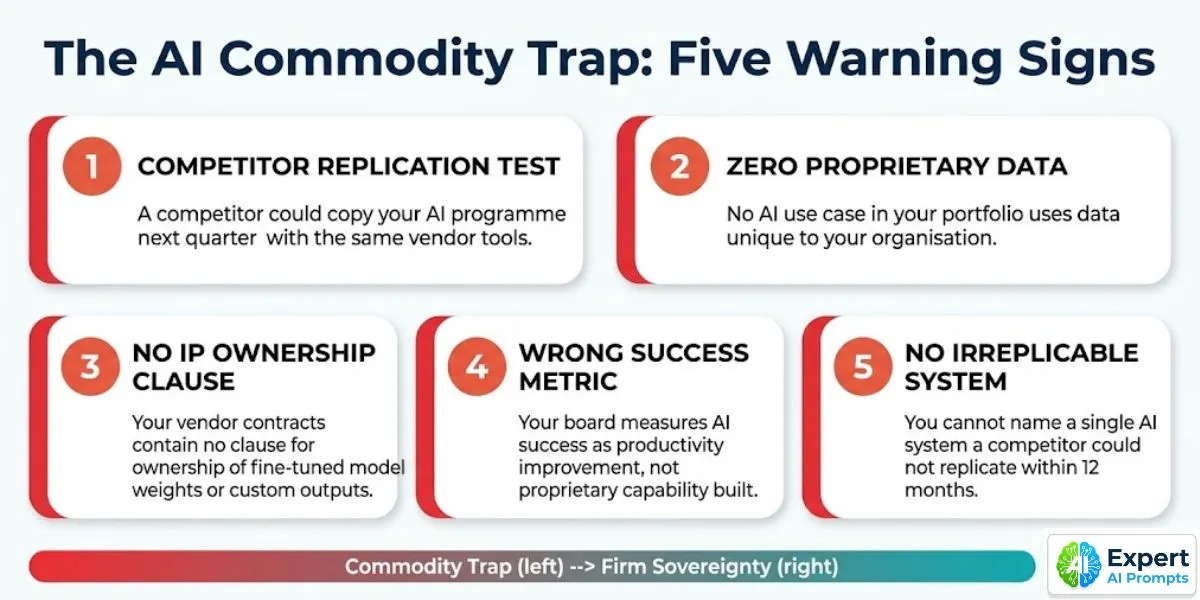
Run through these five tests honestly. If more than two are true of your AI portfolio, you are building operational efficiency -- not competitive advantage.
Warning Sign 1: The Competitor Replication Test. A competitor with the same vendor relationships could replicate your AI programme within one to two quarters, at comparable cost. If the answer is yes -- and for most organisations it is -- the AI programme is a commodity deployment. The value created is perishable and reproducible.
Warning Sign 2: Zero Proprietary Data Use. None of your production AI use cases are trained on, fine-tuned with, or retrieving from data that is unique to your organisation. Every AI output is produced from generic inputs. The results are competitively identical to what a competitor using the same platform would produce.
Warning Sign 3: No IP Ownership Clause in Vendor Contracts. Your AI vendor agreements contain no clause establishing that fine-tuned model weights, custom training datasets, or custom evaluation outputs trained on your data are your intellectual property rather than the vendor's. You are funding the vendor's improvement of their platform with your data.
Warning Sign 4: Wrong Success Metric at the Board Level. Your board measures AI programme success as productivity improvement, cost savings, or efficiency metrics -- not as proprietary capability built, proprietary AI assets created, or competitive differentiation achieved. The metric defines the incentive. A board that rewards productivity gains gets a productivity programme. A board that rewards proprietary capability gets a competitive moat.
Warning Sign 5: No Irreplicable System. You cannot name a single AI system your organisation operates that a well-resourced competitor could not replicate within 12 months by buying equivalent vendor tools and building a similar deployment. If every system in your portfolio is replicable, your portfolio produces no lasting competitive advantage -- only temporary advantage measured in the months between your deployment and your competitor's.
Section 3 - The Efficiency Paradox: When Productivity Gains Reset to Parity
The efficiency paradox of commodity AI is one of the most counterintuitive findings in enterprise AI strategy: at a certain point, widespread generic AI deployment in a sector makes each individual organisation's AI investment less valuable, not more. The more competitors deploy the same tools, the more the gains from those tools become table stakes rather than advantages.
The mechanism is straightforward. Year 1: Organisation A deploys AI-assisted contract drafting. Contract turnaround time drops from 8 hours to 2 hours. The client notices and is impressed. Year 2: Every major competitor deploys the same tool. Contract turnaround time is now 2 hours industry-wide. The client expects it. Organisation A's 2-hour turnaround is no longer a differentiator -- it is the minimum acceptable standard. The efficiency gain has become the competitive floor.
The Competitive Landscape Resets Around You
The competitive landscape reset is a financial problem as well as a strategic one. The AI programme costs a fixed amount to operate -- licences, infrastructure, maintenance, change management. Those costs are permanent. The productivity advantage they produce is temporary -- until competitors catch up. The long-run financial model of a commodity AI programme is: permanent cost, declining advantage, and eventual parity at higher operational expense.
The organisation that recognises the paradox early and begins building proprietary AI assets while its competitors are still in commodity deployment has a window. The proprietary asset layer -- the governed prompt library, the fine-tuned model, the RAG on proprietary data -- takes 12 to 24 months to build to a defensible level. Starting before the sector resets is the competitive timing advantage.
Production without proprietary differentiation is pilot purgatory at scale -- efficient, but not strategically significant. The escape from pilot purgatory is covered in Escaping Pilot Purgatory.
Section 4 - The Three Financial Risks of Staying in the Commodity Trap
The strategic risk of the Commodity Trap is clear: it produces parity, not advantage. The financial risk is more specific and more immediately quantifiable.
Risk 1: The Sector Reset
As described in the efficiency paradox above: when all competitors in a sector achieve the same AI efficiency gains, competition intensifies at a higher cost base without any organisation gaining lasting relative advantage. The organisation funds an AI programme that, at full deployment, is worth no more than not having deployed at all in relative competitive terms -- because the investment has made the sector more competitive, not the organisation more differentiated.
Risk 2: The Vendor Pricing Exposure
Enterprise AI platform vendors are operating under current pricing models designed to acquire market share at scale. At the deployment scale that enterprise AI is reaching in 2026, vendor pricing changes within 36 months are a near-certainty. The historical pattern across enterprise SaaS -- Salesforce, ServiceNow, Microsoft Azure, AWS -- is consistent: aggressive pricing during acquisition phase, significant increases after lock-in is established.
An organisation in the Commodity Trap has no proprietary AI assets that would survive a platform migration. It cannot migrate, because there is nothing to migrate -- the AI programme's value lives in the vendor's platform, not in the organisation's proprietary data or intelligence layer. The organisation is a price-taker with no negotiating leverage and no credible alternative. The vendor knows this.
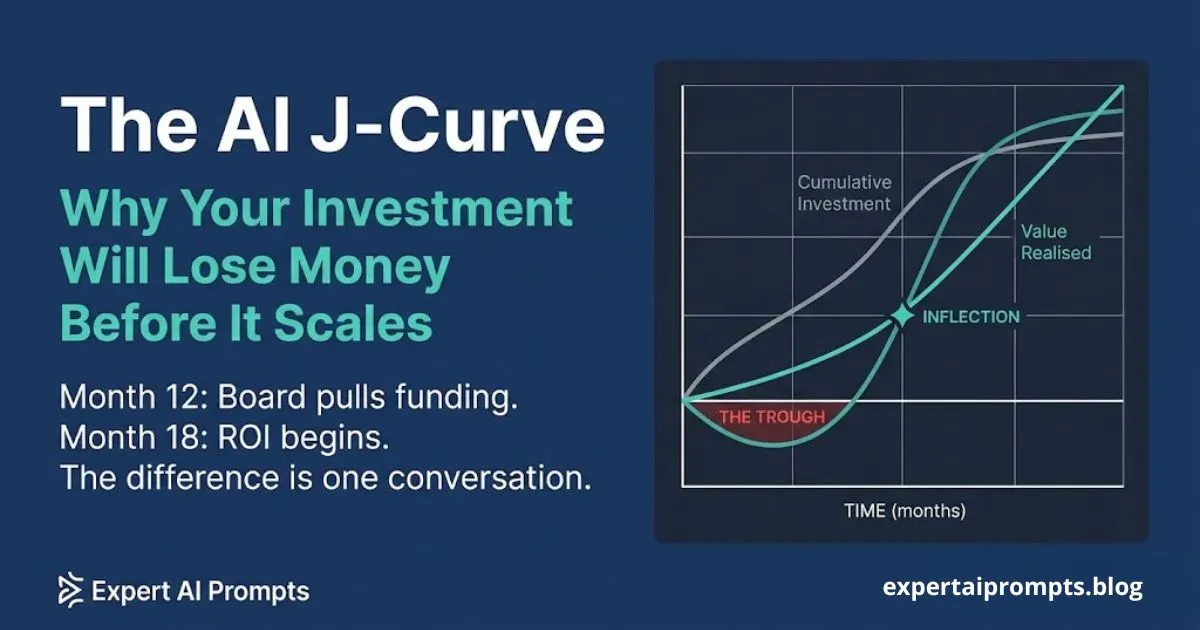
Vendor pricing risk is the J-curve risk that vendor ROI slides never mention. The full financial model of enterprise AI investment is in The AI J-Curve.'
Risk 3: The Switching Cost Accumulation
Every additional use case deployed on a vendor platform increases the switching cost. Data pipelines are built to the vendor's specifications. Workflow automation is coded in the vendor's orchestration framework. Employee AI proficiency is calibrated to the vendor's tool interfaces. With each additional use case, the effort required to migrate to an alternative grows -- and the organisation's tolerance for the vendor's pricing changes increases accordingly.
The switching cost accumulation is not visible on a standard vendor ROI calculation. The ROI slide shows the value the use case produces. It does not show the growing dependency, the accumulating migration cost, or the declining negotiating leverage that each additional deployment creates.
Section 5 - The PwC 56% Problem: Why Most Enterprise AI Investment Reports Zero Financial Impact
PwC's 2026 Global CEO Survey found that 56% of CEOs report no financial impact from AI investment despite widespread adoption. This is the Commodity Trap quantified. The organisations in the 56% have deployed AI, are using AI, and are experiencing productivity gains -- but cannot demonstrate measurable financial impact on the business.
The disconnect is predictable. An organisation that deploys AI across five business functions and achieves 20-30% productivity improvements in each -- but deploys the same tools as every competitor -- will struggle to demonstrate net financial impact because the competitive landscape has reset around it. The cost savings from efficiency gains are real. The revenue growth from competitive differentiation is absent. The net result on the P&L is ambiguous at best.
The 44% that do report measurable financial impact from AI investment share a consistent pattern: they have built proprietary AI assets -- domain-specific systems, proprietary data integrations, unique workflow automation -- that their competitors have not replicated. The financial impact is visible because the competitive differentiation is measurable. The Commodity Trap produces no competitive differentiation. No competitive differentiation produces no measurable financial impact.
The correct question for any AI investment is not 'What productivity gains will this produce?' -- it is 'What can this organisation do after this investment that a competitor with the same vendor access cannot?' If the answer is 'nothing different', the investment is Commodity Trap spending. If the answer is 'something specific that takes 12-24 months to replicate', it is Firm Sovereignty building.
Section 6 - The Vendor Pricing Timeline: What the Evidence Shows
The evidence base for AI vendor pricing changes is still forming -- the enterprise AI market is too young to have a 10-year pricing history. But the evidence from adjacent markets is instructive, and the early signals from AI platform vendors are consistent with the historical pattern.
Microsoft's Copilot for Enterprise pricing has already seen multiple tier changes within 18 months of launch. OpenAI's enterprise API pricing has changed multiple times. The pattern is: launch with aggressive pricing to drive adoption and lock-in, then adjust pricing as the lock-in is established. This is not bad faith -- it is rational vendor pricing strategy. The risk is on the customer side, and only customers who have built proprietary alternatives have meaningful negotiating leverage.
The minimum protection against vendor pricing changes is a combination of three measures. First, the IP ownership clause in every vendor contract that establishes that fine-tuned model weights, training data, and custom outputs trained on company data are the company's intellectual property -- surviving contract termination. Second, the data portability clause that guarantees all data can be exported in a portable format within 48 hours of contract termination. Third, the model-agnostic architecture that allows the proprietary intelligence layer to be served by alternative model providers without rebuilding the intelligence layer from scratch.
Section 7 - The Portfolio Diagnostic: Is Your AI Programme Trapped?
Apply this diagnostic to every production AI system in your portfolio. Score each use case on two dimensions:
1. Replicability: How long would it take a well-resourced competitor to replicate this use case by buying equivalent vendor tools and building a similar deployment? Under 3 months = 1 point. 3-12 months = 2 points. Over 12 months = 3 points.
2. Proprietary data usage: Does this use case use data that is unique to our organisation (proprietary documents, unique operational data, domain-specific training datasets)? None = 1 point. Some = 2 points. Core differentiator = 3 points.
Score interpretation: 2 points total = deep Commodity Trap. 3-4 points = partial Commodity Trap with some proprietary elements. 5-6 points = Firm Sovereignty foundation building. For each use case scoring 2-3 points, ask: what would it take to move this use case to a 5-6 point score? The answer is the minimum viable exit strategy for that use case.
Section 8 - The Minimum Viable Exit: Three Architecture Decisions That Start the Escape
Escaping the Commodity Trap does not require rebuilding the AI programme from scratch. It requires three architecture decisions that can be implemented incrementally -- beginning with the next use case in the pipeline and retrofitting existing deployments over 12-18 months.
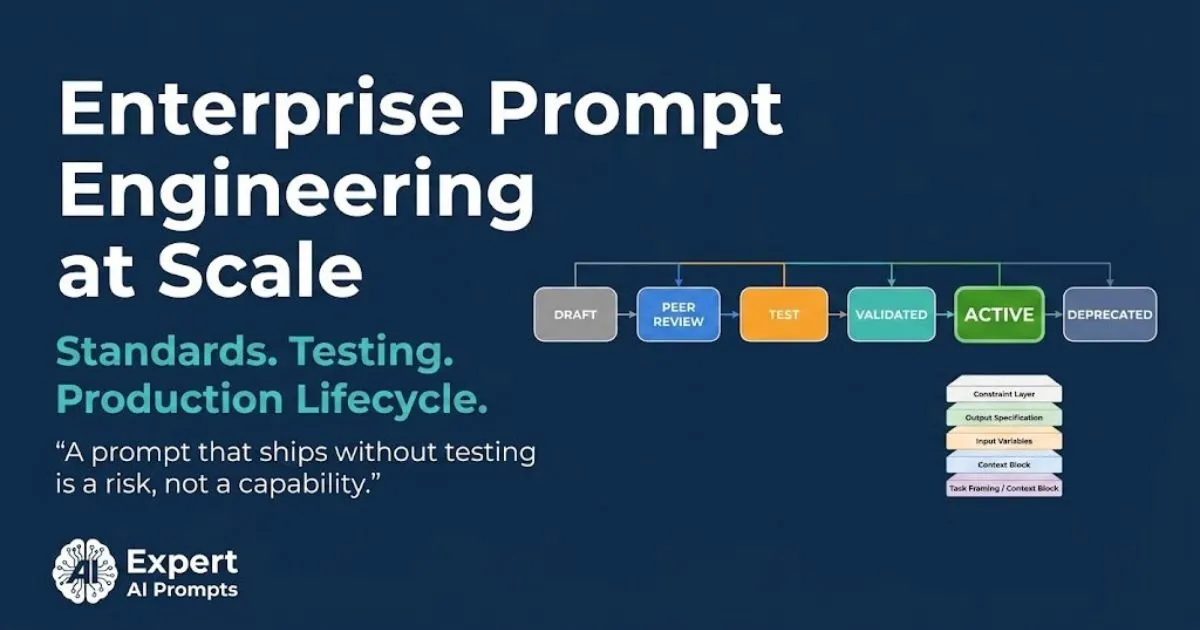
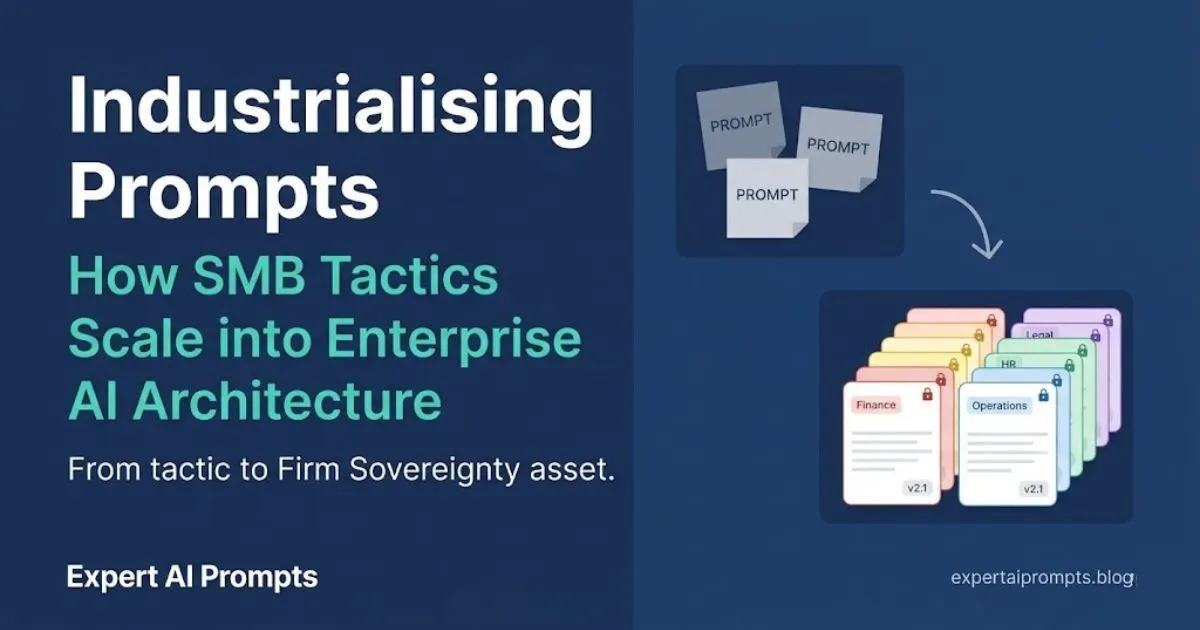
Decision 1: Begin building the governed proprietary prompt library now. The prompt library is the most immediately actionable Firm Sovereignty asset. Select the highest-volume AI use cases in the programme. For each, build a domain-specific prompt library calibrated to the organisation's actual documents, processes, and quality standards -- governed by the CoE with version control and access management. This takes 60-90 days per domain. The result is a use case that a competitor deploying the same AI platform cannot immediately replicate.
The full framework for building the governed proprietary prompt library is in Industrialising Prompts.
Decision 2: Add IP ownership and data portability clauses to every vendor contract at renewal. At the next contract renewal for every AI vendor relationship, add three non-negotiable clauses: IP ownership of fine-tuned model weights, data portability on 48-hour notice, and regulatory evidence access that survives contract termination. These clauses cost nothing if the vendor is behaving correctly. They are the minimum protection if they are not.
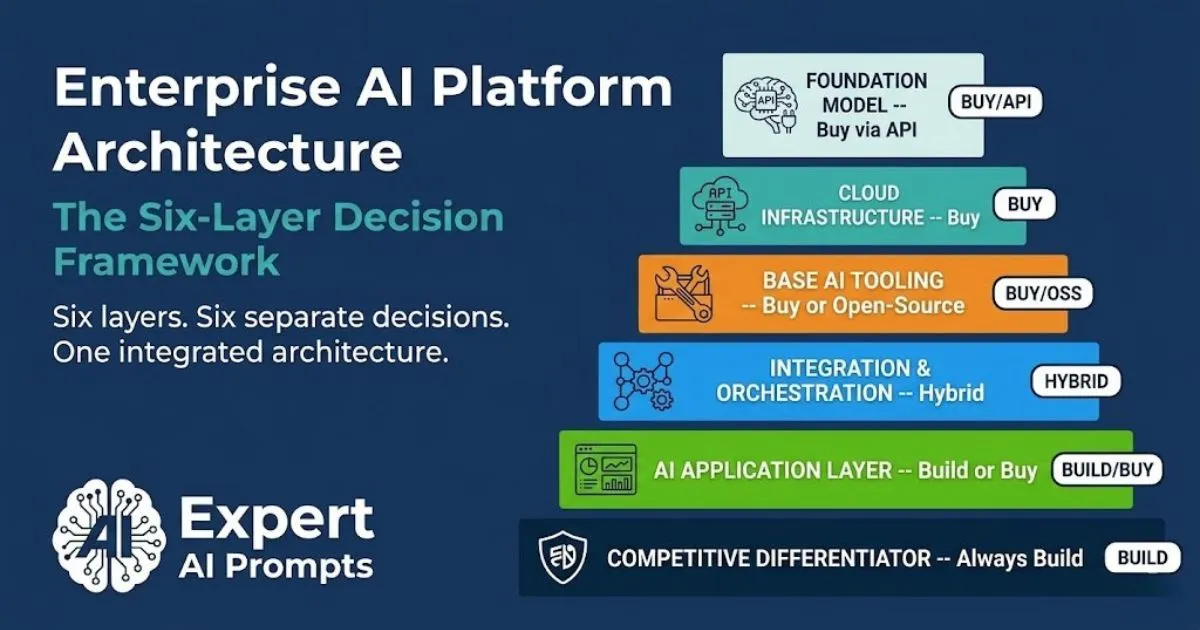
Decision 3: Design the next use case with a model-agnostic abstraction layer. For the next AI use case entering the development pipeline, build the abstraction layer between the AI model and the application layer first. The proprietary intelligence layer -- the prompt library, the fine-tuning, the RAG system -- should be portable across model providers. This does not add significant development cost at design time. It adds enormous leverage at contract renegotiation time.
Enterprise AI Governance Framework
The governance infrastructure required to build Firm Sovereignty assets safely -- and to protect them from vendor dependency -- is in the Enterprise AI Governance Framework.
Closing - The Question Your Board Should Be Asking
Most enterprise boards are asking the wrong question about AI investment. They ask: 'What productivity improvements has our AI programme produced?' The correct question is: 'What can our organisation do after this AI investment that a well-resourced competitor with the same vendor access cannot do?'
A board that asks the first question gets a commodity AI programme optimised for productivity metrics. A board that asks the second question gets a Firm Sovereignty AI programme optimised for competitive differentiation. The second is harder to measure in the short term. It is the only one that creates durable value in the long term.
The PwC finding -- 56% of CEOs report no financial impact from AI investment -- is the sector-wide measurement of the Commodity Trap in operation. The 44% who do report measurable financial impact asked the second question and built accordingly.
Your next steps:
Firm Sovereignty: How to Build an AI Moat Your Competitors Cannot Buy
The complete framework for building Firm Sovereignty AI assets.
AI Governance Framework Template
The governance infrastructure required to build proprietary AI assets safely.
Enterprise AI Transformation Playbook
Phase 5: the full Firm Sovereignty outcome.
About the Author
Matthew Bulat is the Founder of Expert AI Prompts and a 20+ year technology and AI strategy executive. Former CTO, Federal Government Technical Operations Manager across 20 cities and 4,000 users, and 8+ year University Lecturer at CQUniversity. The distinction between Commodity Trap AI and Firm Sovereignty AI in this article is derived from the Expert AI Prompts operating architecture -- 1,500+ domain-specific prompts, 30 industries, 15 AI workflow systems -- a live demonstration that proprietary AI compounds into advantage that generic AI cannot replicate.