Can You Trust AI with Client Communications?
Can You Trust AI with Client Communications?
Jan 31, 2026
The Truth About AI Reliability and Brand Reputation.
The Trust Gap
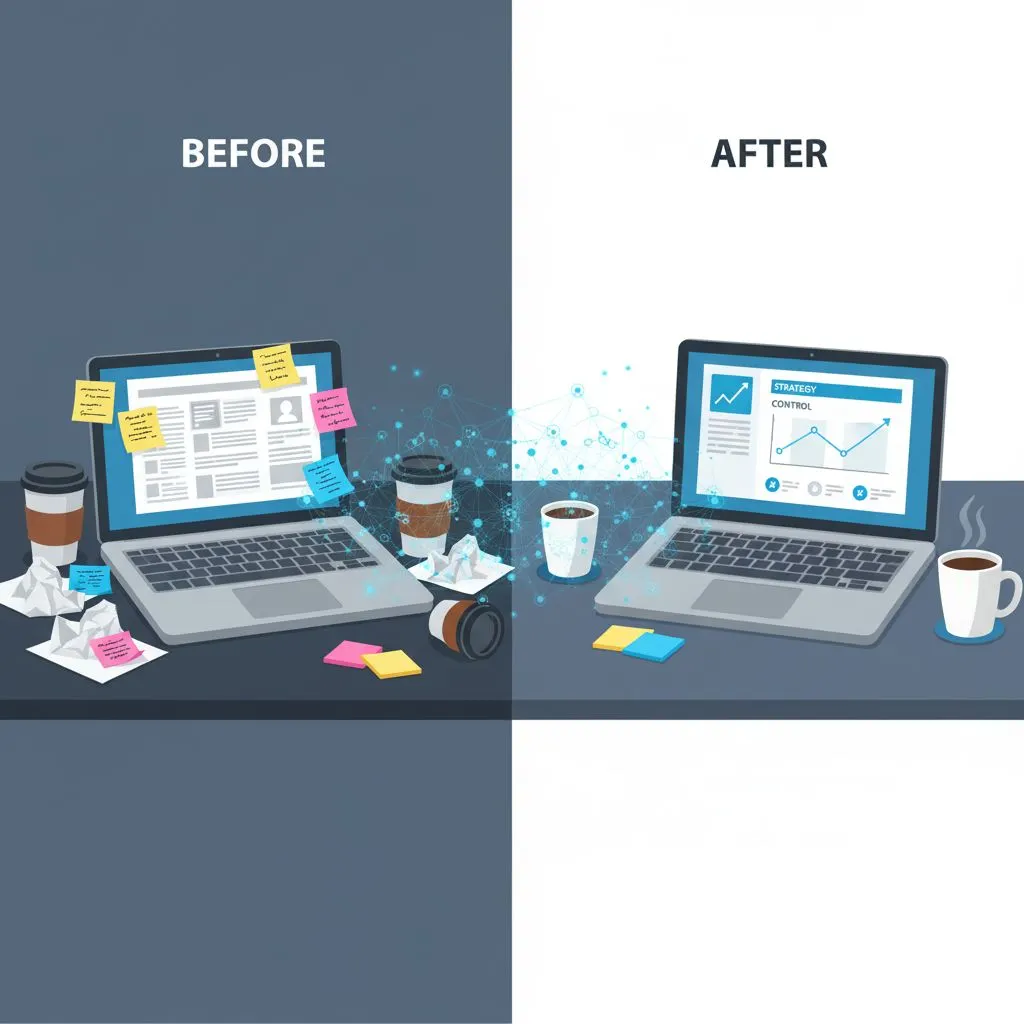
It’s 4:30 PM on a Friday. You have three proposals to follow up on, five client questions sitting unread in your inbox, and a nagging feeling that you forgot to update your key stakeholder on the project status. You are tired. Your brain is foggy.
This is the moment where the promise of Artificial Intelligence looks most seductive. You know you could copy-paste those emails into an AI tool and ask it to "write a polite response." It would take seconds. You could clear the deck and start your weekend.
But you don’t.
You hesitate. You worry that the AI will sound like a robot. You fear it might hallucinate a promise you didn’t make or use a tone that feels sterile and "corporate" in a way that doesn’t match your brand. You worry that by trying to save time, you might damage the trust you’ve spent years building.
If you are like most ambitious small business owners, this internal tug-of-war is familiar. You want the efficiency—you need the efficiency to scale—but you are skeptical about AI reliability when it comes to the delicate art of client communication.
And you should be.
Trusting a machine to speak for you is a massive leap. In a world where relationships are the currency of small business, a single tone-deaf email can cost you a contract. However, rejecting AI entirely is also a risk; it means staying trapped in the weeds, manually typing every word while your competitors use technology to move faster than you. The Entrepreneur's Playbook for Prompt Engineering maps the governance framework that separates reactive operators from strategic, AI-powered business owners.
The question isn’t “Should I use AI?” The real question is “How do I govern AI so I can trust it implicitly?”
The "Uncanny Valley" of Business: Why We Doubt AI Reliability
To understand how to fix AI reliability, we first have to respect why it fails. Skepticism is healthy. It protects your brand. The hesitation you feel usually stems from three very real problems that occur when people use "generic" AI tactics.
1. The Generic Trap
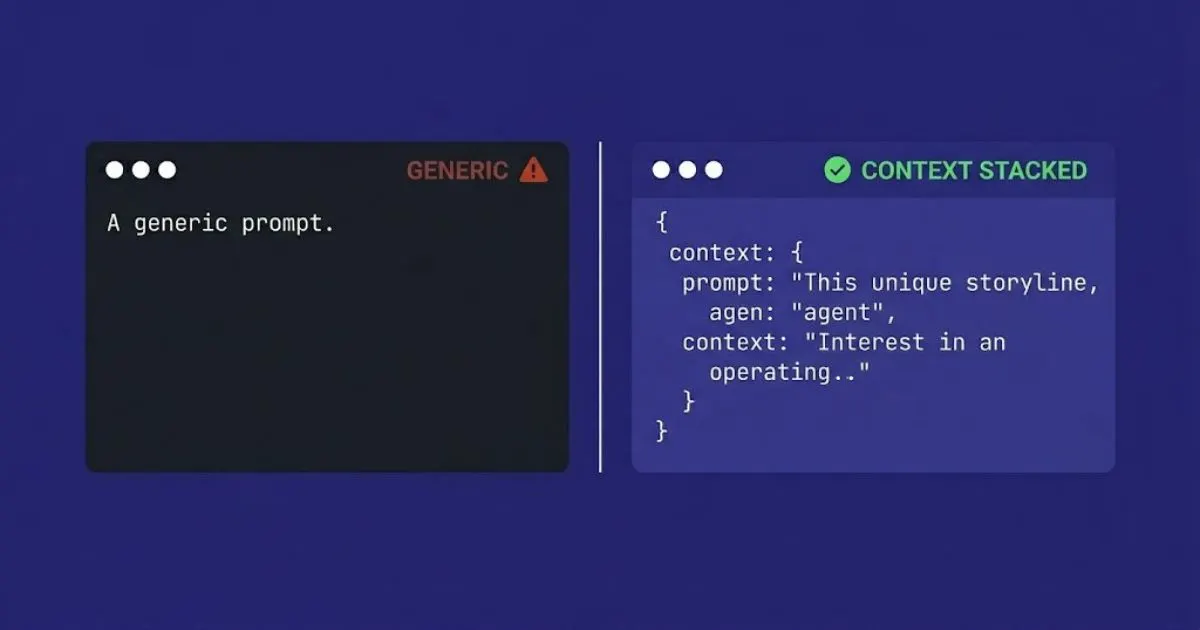
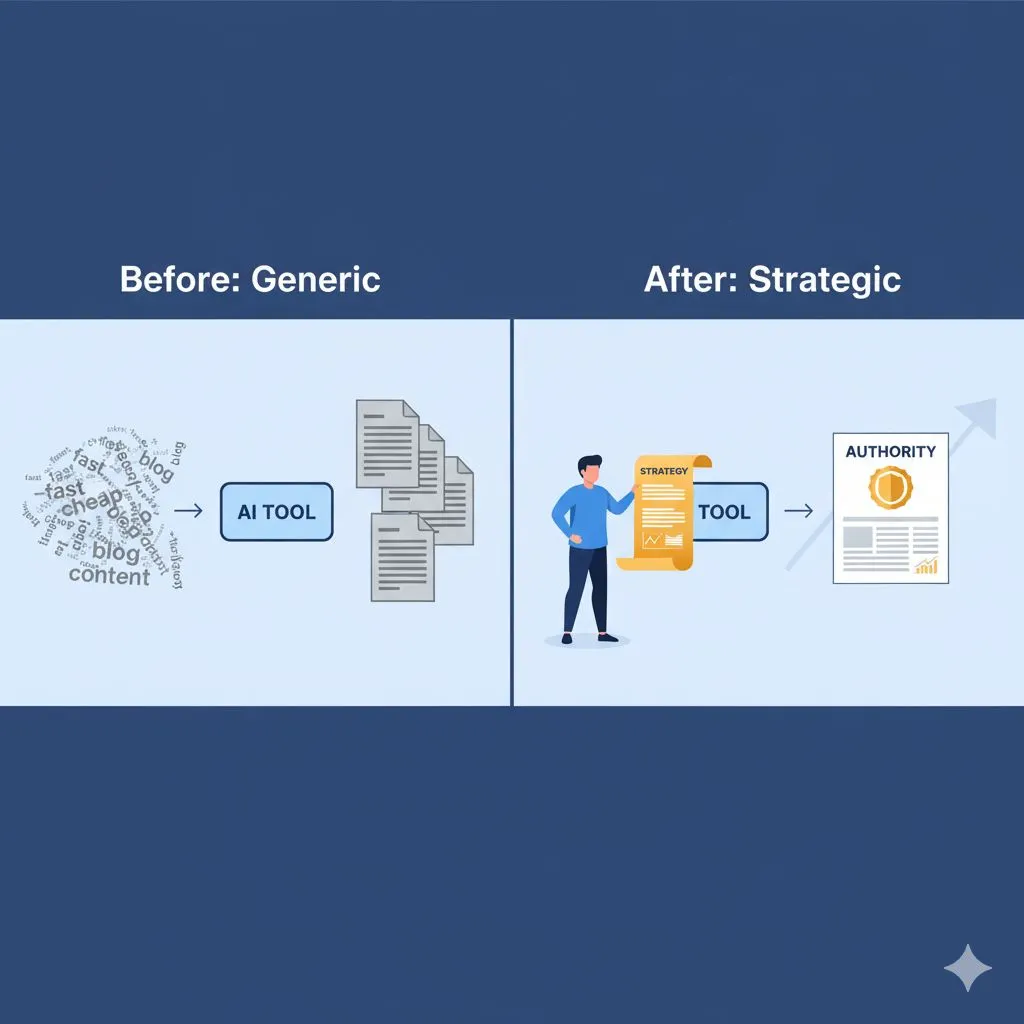
We have all received them. Emails that start with "I hope this email finds you well" followed by three paragraphs of perfect grammar that say absolutely nothing of substance. This is the default setting of most Large Language Models (LLMs). When you provide a vague prompt, you get a vague, safe, and utterly forgettable response. For a business owner trying to stand out, "average" is a death sentence. Reliability isn't just about factual accuracy; it's about reliable quality. If the AI makes you sound like a generic call center script, it has failed.
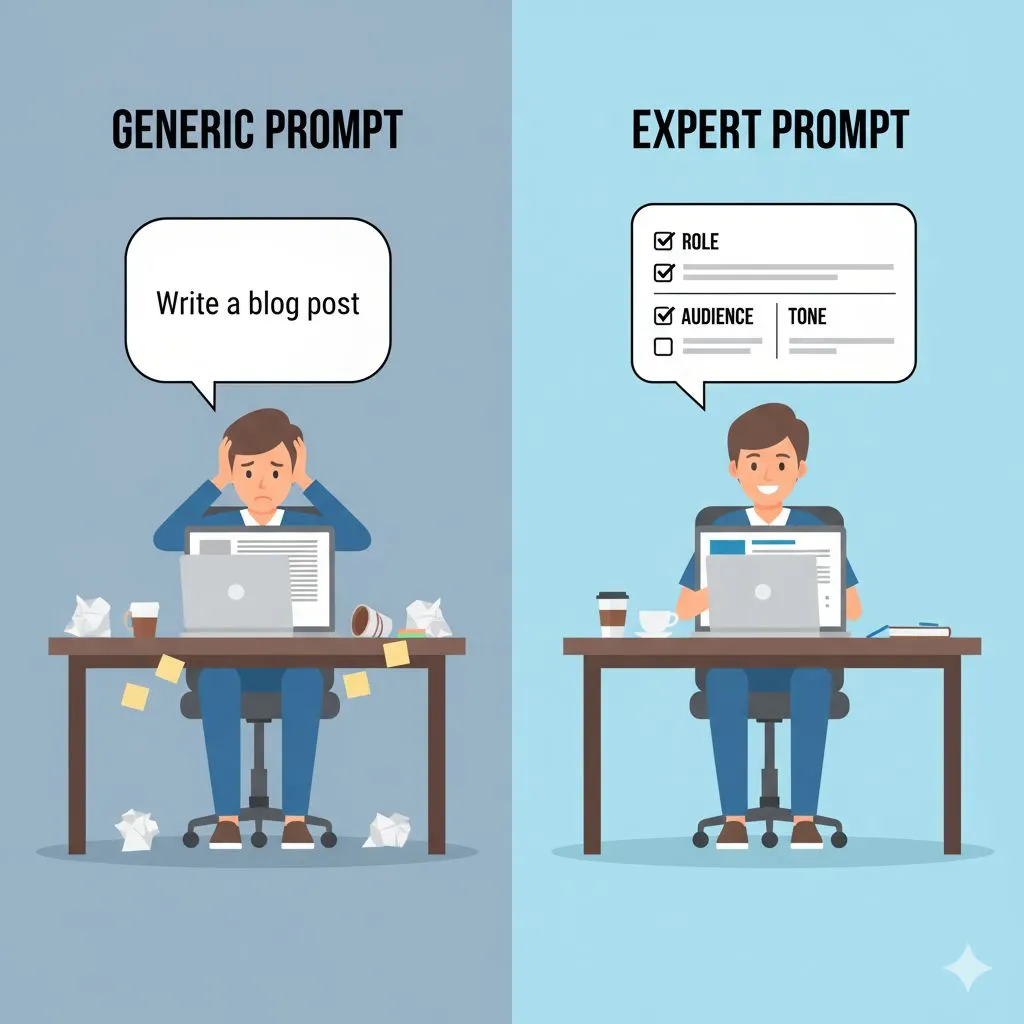
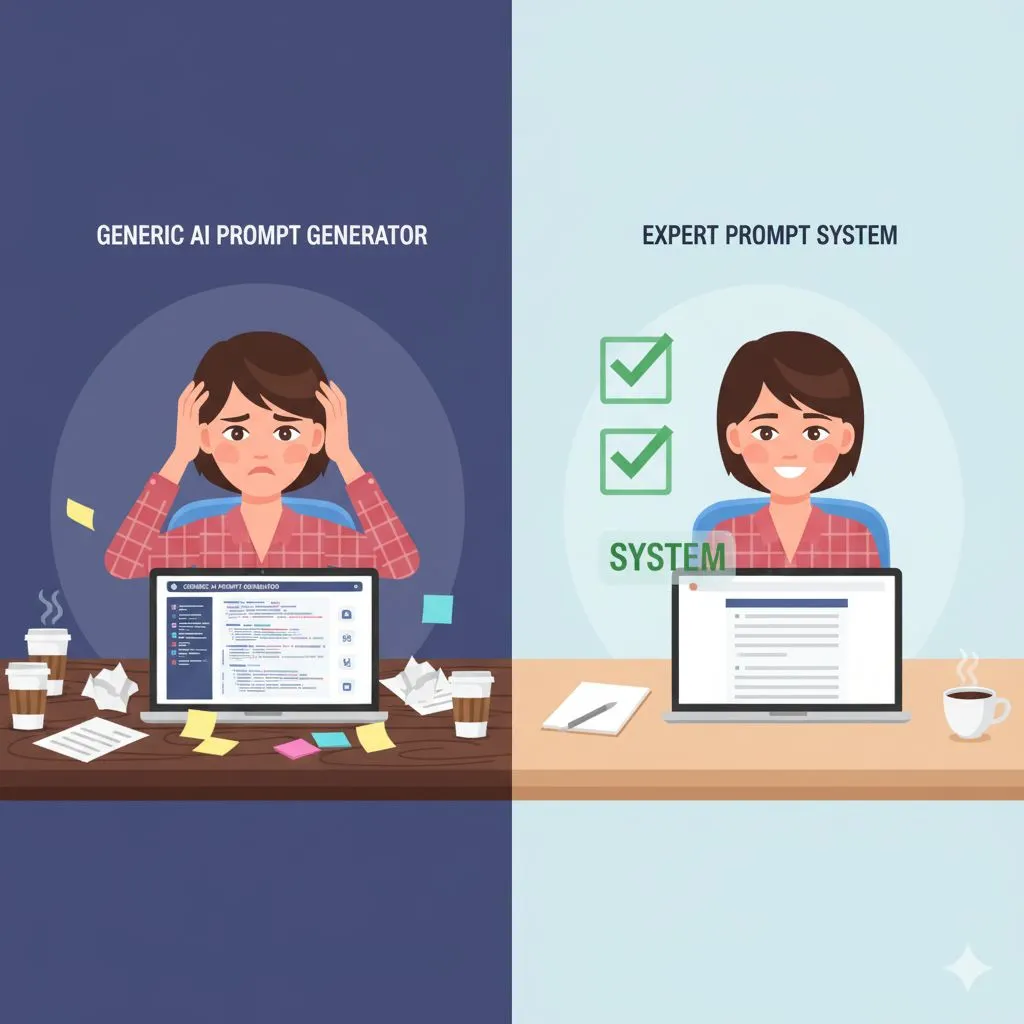
Understanding the difference between generic and strategic AI prompts is the first step to fixing reliability at the source.
2. The Hallucination Risk
AI tools are prediction engines, not truth engines. They predict the next likely word in a sentence. Occasionally, in their eagerness to please, they invent facts, dates, or details that sound plausible but are entirely fiction. If an AI creates a project timeline you can't meet, or references a discount you don't offer, that isn't just an error—it's a breach of client trust.
This is one of the most preventable AI pitfalls — see AI hallucinations and the credibility risk for consultants for the full picture and how structured prompts eliminate this risk.
3. The Brand Voice Disconnect
Your clients buy from you. They buy into your specific expertise, your personality, and your way of doing business. The biggest threat to AI reliability is the loss of that unique signature. If you are known for being punchy and direct, and your AI-generated email is flowery and passive, your client will subconsciously sense the disconnect. They won’t think, "Oh, they used AI." They will think, "Something feels off."
The direct fix is training AI to write in your specific brand voice — a step most business owners skip, and one that immediately elevates AI reliability.
These fears are valid, but they are not insurmountable. They are not proof that AI is useless; they are proof that AI requires a pilot.
The "Human-in-the-Loop" Framework: How to Make AI Safe
If we accept that AI can be generic and occasionally inaccurate, how do we harness its speed without sacrificing quality? We stop treating AI as a "replacement" and start treating it as a "junior assistant."
You wouldn't hire an intern, give them zero context, tell them to "email the client," and then hit send without reading it, would you? Of course not. You would give them a framework, check their draft, and polish it before it goes out. You need to treat your AI the same way.
Here is the framework for ensuring AI reliability in your inbox.

1. The 80/20 Rule
The goal of using AI in client communications is not to reach 100% automation. That is where reliability breaks down. The goal is 80% acceleration.
Let the AI do the heavy lifting. Let it structure the argument, type the filler words, check the grammar, and organize the thoughts. That is the 80% that drains your energy. Your job is the final 20%: the polish, the nuance, and the strategic check. By accepting that you still need to be involved, you remove the pressure for the AI to be perfect and allow it to simply be helpful.
2. Context is King (Garbage In, Garbage Out)
The number one reason for unreliable AI outputs is lazy prompting. If you type: "Write an email about the project delay," the AI has to guess the tone, the reason for the delay, and the new timeline. It will likely guess wrong.
To ensure reliability, you must front-load the context. A reliable prompt looks like this:
- Role: Act as a senior project manager.
- Recipient: A long-term, friendly client.
- Context: We are delayed by 3 days because of a vendor issue. We are absorbing the cost.
- Goal: Inform them, apologize briefly, but focus on the solution.
When you provide constraints, the AI stops guessing and starts executing. The reliability of the output is directly proportional to the clarity of your input.
For more structured examples of high-performance prompts across business communication scenarios, explore these 5 expert AI prompt examples for copywriting.
3. The Sandwich Method
This is a tactical trick to ensure your emails always feel human, even if AI wrote the bulk of them.
- Top Slice (Human): You write the opening sentence manually. Something personal like, "Hey Alex, saw you were in Chicago last week, hope the trip was great."
- The Meat (AI): The AI writes the core information—the updates, the logistics, the data.
- Bottom Slice (Human): You write the sign-off. "Let’s grab coffee next Tuesday."
This method tricks the reader’s brain (in a good way). We pay the most attention to the start and end of interactions. If those feel authentic, we assume the middle is too. It allows you to use AI for the boring parts while keeping the relationship management in your hands.
Red Light, Green Light: When to Use AI (And When to Type It Yourself)
Not all emails are created equal. A confirmation of receipt requires a different level of emotional intelligence than a negotiation over a price increase. To maintain AI reliability and protect your brand reputation, you need a protocol for when to deploy the bots and when to do the work yourself.
We call this the Traffic Light System.
Green Light: High Reliability Zone
Use AI freely here. The risk is low, and the time-savings are massive.
- Routine Scheduling: "When are you free?" emails are tedious. AI handles these perfectly.
- FAQs: If you answer the same question three times, turn it into a prompt. AI can answer questions about pricing tiers, deliverables, or office hours with 100% accuracy if provided the source data.
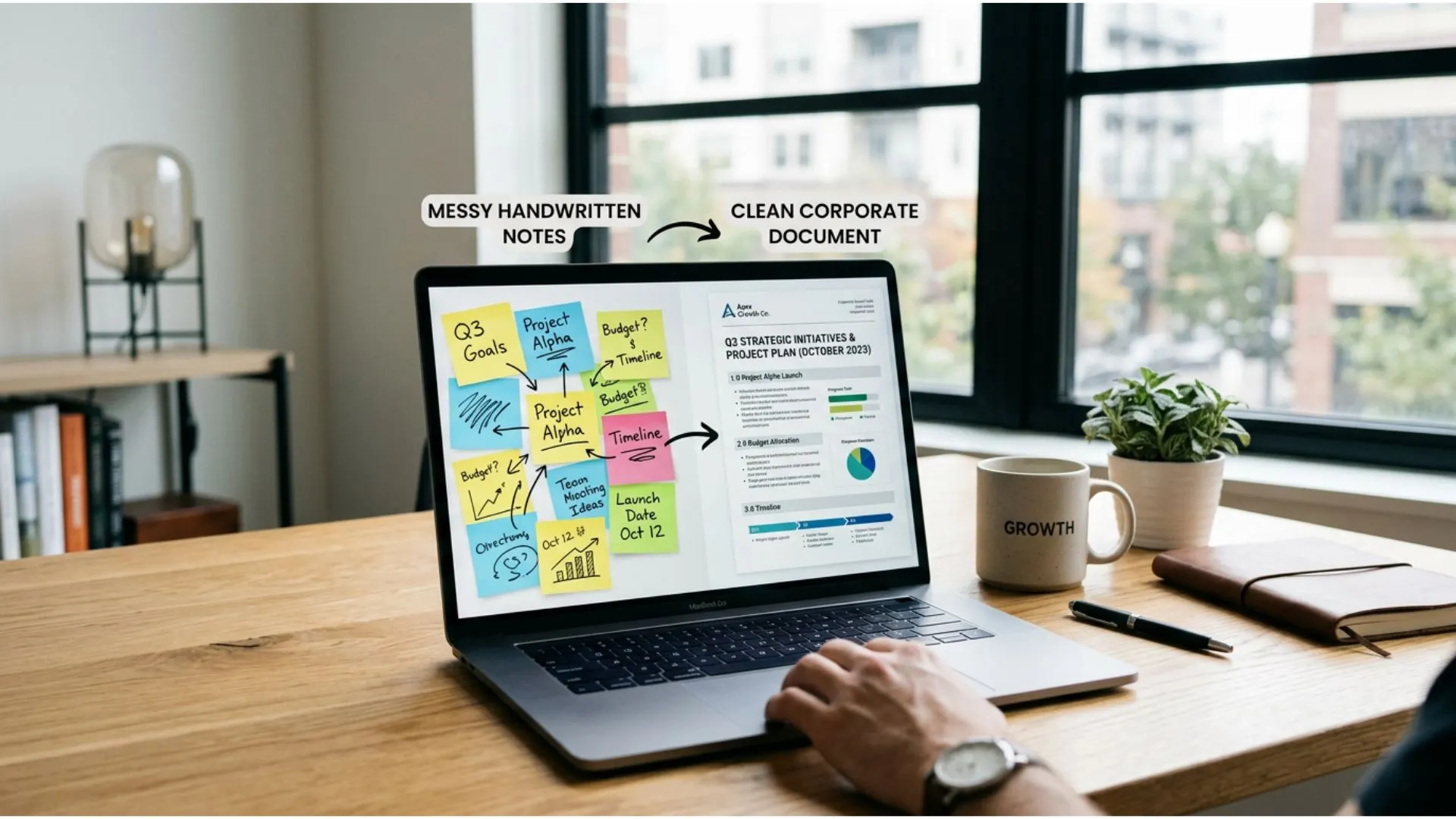
- Meeting Summaries: Feeding rough notes into an AI to generate a clean "Next Steps" email is perhaps the single highest-ROI use of the technology. It makes you look organized and proactive with almost zero effort.
- Status Updates: If you have the data (e.g., "Phase 1 complete, moving to Phase 2"), AI can wrap that fact in professional courtesy faster than you can.
Yellow Light: Moderate Caution Zone
Use AI, but review heavily. These affect revenue and relationships.
- Cold Outreach: AI is great for generating ideas for hooks, but if you send raw AI-generated cold emails, you will end up in the spam folder (mentally and digitally). You need to inject specific observations about the prospect's business to make it work.
- Proposal Follow-ups: You want to sound persistent but not annoying. AI can draft the "Just bumping this up" email, but you need to ensure the tone isn't desperate.
- Initial Inquiries: When a lead first contacts you, speed matters. Using AI to draft a quick "Thanks for reaching out, here is our process" email is smart, but ensure it addresses their specific pain point so they feel heard.
Red Light: Zero AI Zone
Do not use AI drafting here. The risk to reliability and trust is too high.
- Crisis Management: If you messed up, or a project is going off the rails, your client needs you. They need to feel your concern and your commitment to fixing it. AI lacks empathy; it can mimic apology words, but it cannot convey care.
- Complex Negotiations: Nuance matters in deal-making. A misplaced word or a tone that is slightly too aggressive can kill a deal.
- Highly Emotional Interactions: If a client is angry, sad, or celebrating a massive personal win, a generic AI response is insulting. If the emotional stakes are high, the human element must be 100%.
For a complete breakdown of where AI builds trust and where it creates risk, visit the Trust, Security and Risk Mitigation resource hub.
By categorizing your communication this way, you stop worrying about "AI reliability" as a broad concept and start applying it where it actually works. You are no longer gambling with your reputation; you are strategically deploying resources.
The Strategic Shift: Speed as a Trust Builder
Here is the counter-intuitive truth about AI: properly used, it doesn’t just maintain trust—it actually builds it.
Clients trust consistency. They trust responsiveness. They trust the business owner who replies within two hours with a clear summary, rather than the one who replies three days later because they were "too busy to type it out."
When you use AI prompts effectively, you are buying yourself the ability to be consistent.
- You can send that status update at 5:00 PM on Friday because it only took 3 minutes to generate.
- You can reply to that lead immediately because you have a reliable "Inquiry Response" prompt ready to go.
- You can maintain a polite, professional tone even when you are stressed, tired, and ready to snap, because the AI acts as a filter for your emotions.
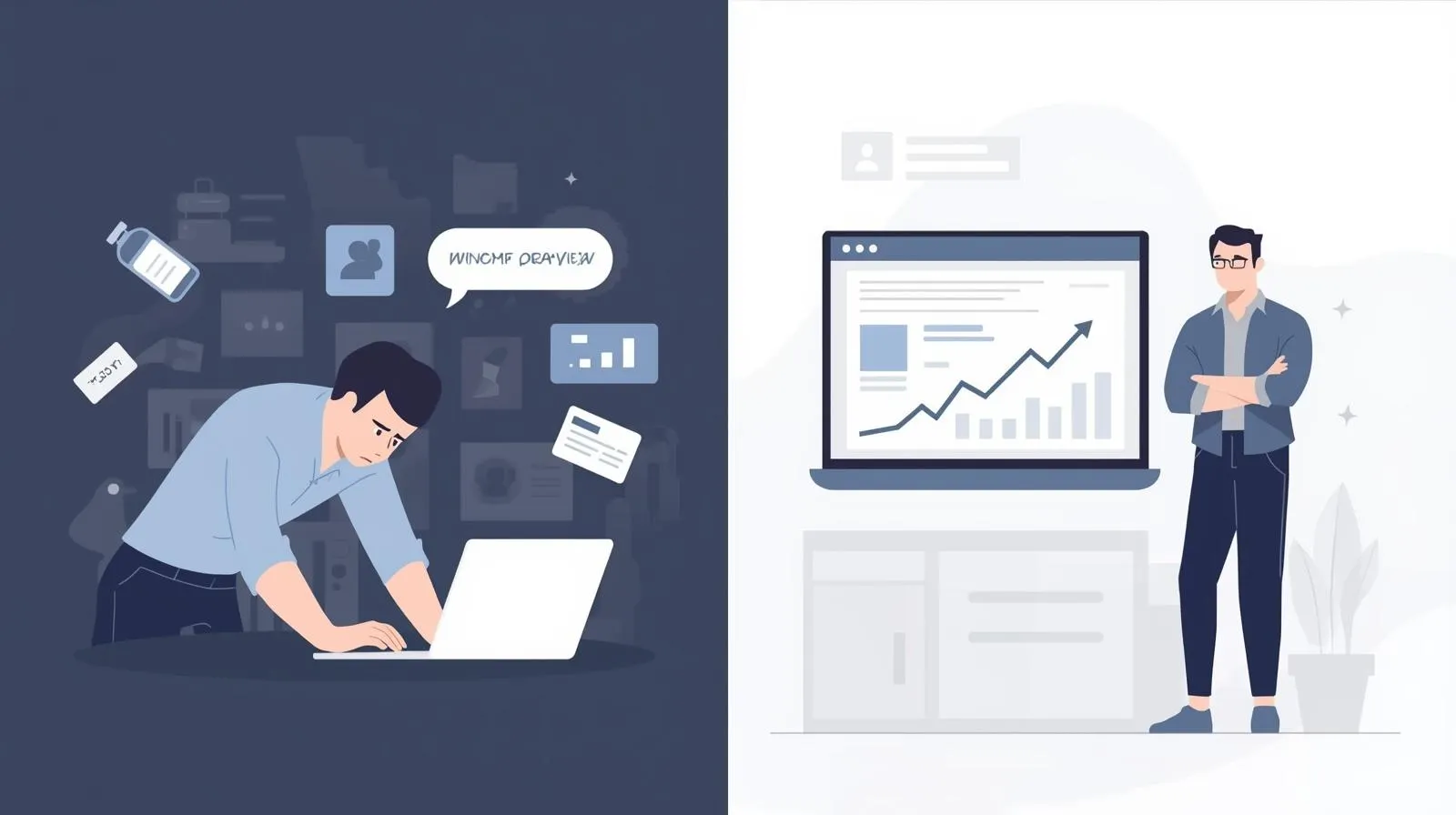
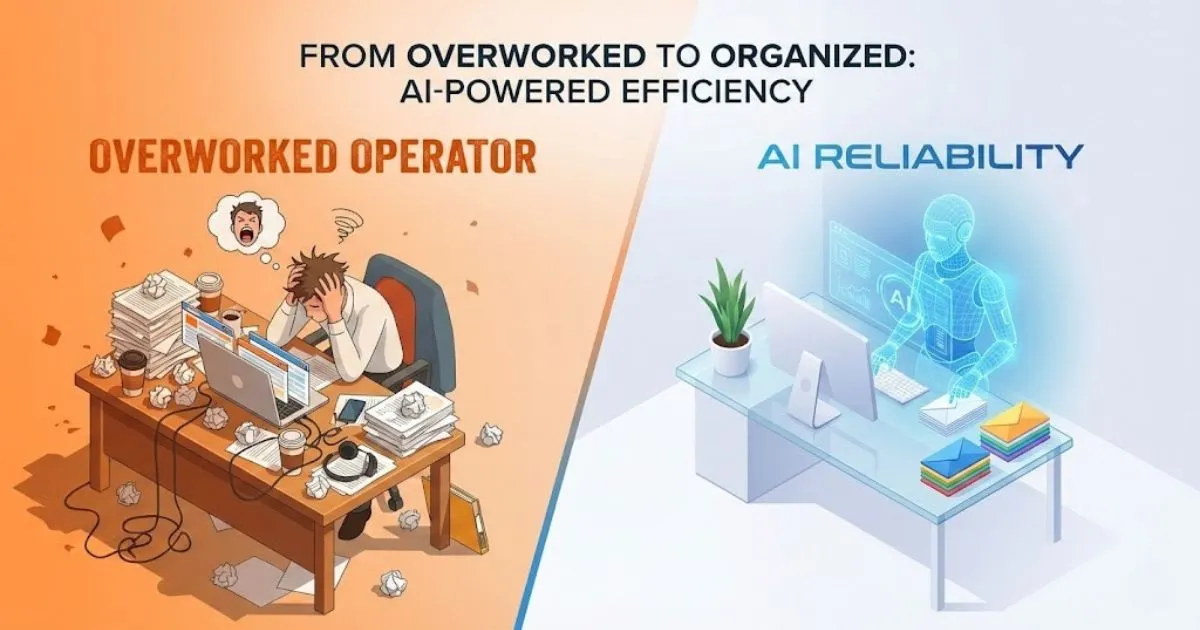
This is the shift from being an Overworked Operator to a Confident Strategist. That transformation is the foundation of the ultimate guide to AI for small business — the complete strategic roadmap for entrepreneurs ready to scale without the overhead. The operator takes pride in typing every letter. The strategist takes pride in the result—the satisfied client, the closed deal, the clear communication loop.
Conclusion: You Can Trust AI, If You Trust Your Process
Can you trust AI with client communications?
If you blindly paste a request into a chat box and hit send? No.
If you build a library of strategic prompts, apply the 80/20 rule, and keep a human hand on the wheel? Absolutely.
AI is not a replacement for your expertise; it is a vehicle for it. It amplifies your ability to communicate clearly and frequently. For the small business owner wearing ten hats, reliability isn't about perfection—it's about showing up, day after day, with professionalism and clarity.
The technology is ready. The question is, are you ready to stop hustling and start directing?
Don't let the fear of the "new" keep you trapped in the old way of working. The time you save on email is the time you get to spend actually growing your business.
Ready to stop typing and start scaling?
You don’t need to guess how to write the perfect prompt. We’ve built the framework for you. Get the exact scripts, tonality guides, and workflows you need to automate your inbox without sounding like a robot.
Get the Prompt-Led Email Mastery Pack Today
Not sure which resource fits your workflow? Explore 11 free AI prompt resources and start scaling without risk — no credit card required.
Ready to see all 30 industry-specific prompt packs in one place? Browse the full Expert AI Prompts pricing catalog and find the pack built for your business.
Further Reading
• AI Hallucinations and the Credibility Risk for Consultants
• How to Train AI to Write in Your Brand Voice
• Trust, Security and Risk Mitigation Hub
• 5 Signs Your AI Content Writer Is Hurting Your Brand Authority
• Fear of the Robot: Ensuring Your AI Content Still Sounds Human
• The Ethics of AI Copywriting: Transparency and Authenticity