The Ethics of AI Copywriting: Transparency and Authenticity
The Ethics of AI Copywriting: Transparency and Authenticity
Feb 02, 2026
Introduction & The Authenticity Paradox
If you are a small business owner today, you are likely haunting the same uncomfortable intersection I see many entrepreneurs standing at. On one road, there is the crushing weight of your to-do list: the emails, the blogs, the social captions, and the client proposals that keep you working until 9 PM. On the other road, there is Artificial Intelligence—a shiny, turbo-charged vehicle that promises to drive you to "Inbox Zero" in record time.
But you hesitate. You pause because you’re wondering: Is this cheating?
If I use ChatGPT or Claude to write my newsletter, am I lying to my audience? If I let an algorithm draft my LinkedIn posts, does my personal brand cease to be personal? For the ambitious but overworked solopreneur, the conversation around ai ethics business practices isn't just philosophical; it’s deeply personal. You want to scale, but not at the cost of your integrity.
Before we address the ethics, it helps to have a solid framework — explore the small business playbook for AI content creation for a strategic foundation.
Let’s rip the bandage off immediately: Using AI to streamline your writing is not inherently unethical. In fact, for the resource-strapped entrepreneur, I’d argue that refusing to use efficiency tools is a disservice to the longevity of your business. However, there is a right way and a wrong way to integrate these tools. The line between "smart leverage" and "deceptive automation" is thin, and walking it requires a shift in mindset—from being a content creator to being an Editor-in-Chief.
The Authenticity Paradox
The loudest argument against AI in copywriting is the "Authenticity Argument." It usually sounds something like this: “If a human didn’t type it, it has no soul. It’s fake. It’s a betrayal of the reader.”
I challenge you to look at this through the lens of standard business practices.
For decades, CEOs, politicians, and celebrities have used ghostwriters. When you read a thought leadership article by a Fortune 500 CEO in Forbes, do you truly believe they sat down for four hours to type that out? No. They gave a strategist their ideas, the strategist wrote the draft, the CEO approved it, and it was published. We accept this. We don’t call it "unethical." We call it "executive leverage."
So, why do we hold the small business owner to a different standard? Why must you bleed over the keyboard for every single word to be considered "authentic"?
Authenticity in business is not about who physically tapped the keys. Authenticity is about:
- The Source of the Idea: Does the content reflect your actual expertise, values, and advice?
- The Truth of the Message: Is the information accurate and helpful?
- The Value to the Reader: Does the audience leave better off than they arrived?
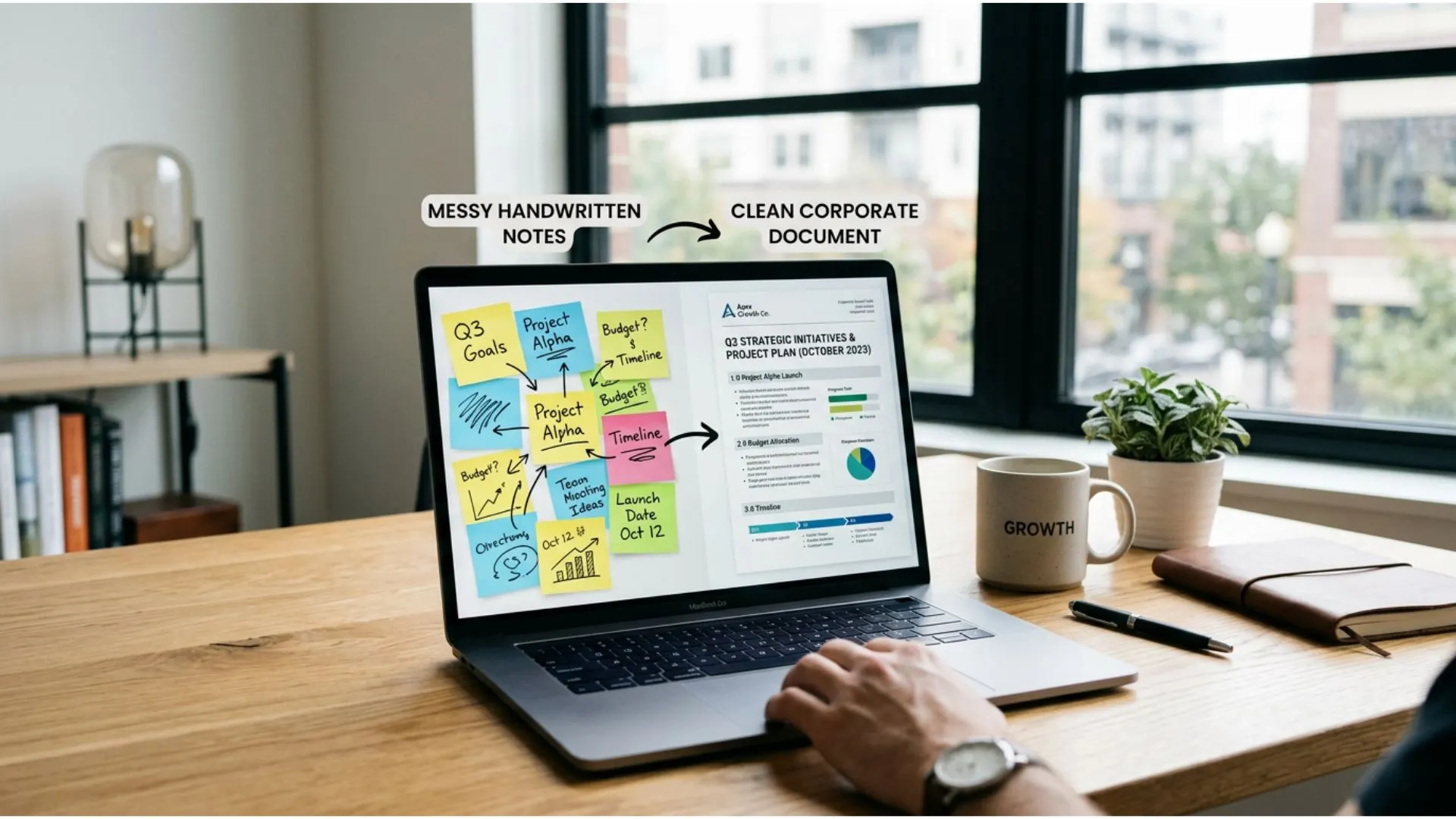
If you use AI to articulate your thoughts faster, you aren't faking it—you are translating it. The ethical breach only happens when you ask AI to invent your expertise rather than structure it. If you ask an AI to "Write a generic article about marketing," you are contributing to noise. That is lazy, and perhaps ethically dubious because it adds no value. But if you feed the AI your specific framework, your tone, and your rough notes, and ask it to polish that into a newsletter? That is simply smart operations.
Authenticity isn't about manual labor. It's about ownership. As long as you stand behind the words as if you wrote them yourself, the tool you used to get there is secondary.
The Transparency Spectrum: Do You Need to Disclose?
Once we accept that using AI is a form of digital ghostwriting, the next logical hurdle is transparency. Do you need to slap a "Written by AI" label on every Instagram caption, email blast, or landing page?
This is where the ai ethics business conversation often gets bogged down in absolutes. Hardliners say "disclose everything." Tech-evangelists say "disclose nothing." The practical answer for a business owner lies somewhere in the middle—a concept I call the Transparency Spectrum.
The Hard Line: Mandatory Disclosure
There are specific areas where transparency isn't just a nicety; it’s an ethical (and increasingly legal) imperative.
- Visual Media & Deepfakes: If you are using AI to generate images of people who don't exist or to alter real footage, disclosure is mandatory to prevent deception.
- Data & Financial/Legal Advice: If AI is crunching numbers or summarizing legal documents, your client needs to know that a human expert has reviewed that output. Reliance on AI for high-stakes advice without disclosure is negligence.
- Journalism & News: If you are reporting facts, the audience assumes a human has verified them.
For a deeper exploration of how to protect your business reputation when using AI, our dedicated resource on trust, security and risk mitigation for AI in business is required reading.
The Grey Area: Marketing & Copy
Now, let's look at your daily grind: website copy, emails, and social posts. Do you need to add a disclaimer to your sales page saying, “I used AI to help brainstorm these headlines”?
In my opinion: No.
When you use a spell-checker, you don’t disclose it. When you use a template from a guru, you don’t cite them. When you hire a junior copywriter to draft your emails, you don’t add their signature alongside yours. The audience consumes marketing content with the understanding that it is a curated presentation of your brand.
However, this "pass" on disclosure comes with a massive caveat: The Human-in-the-Loop Standard.
You only get to skip the disclosure if a human (you) has rigorously reviewed, edited, and approved the content. If you are auto-generating blog posts and publishing them without reading them, that is deceptive. You are implying that you have vetted information that you haven't.

The Trust Battery
Think of your relationship with your audience as a battery. Every time you deliver high-value, accurate content, you charge the battery.
- If you use AI to write a brilliant, helpful guide that solves a problem for your client, the battery charges.
- If you use AI to churn out generic, repetitive fluff just to "have content," the battery drains.
- If you get caught publishing an AI "hallucination" (a false fact) because you didn't check the work, the battery dies instantly.
Transparency matters less than accuracy and reliability. Your customers don't care if you used a tractor or a shovel to dig the hole; they care that the hole is in the right place. But if the tractor destroys the garden because you weren't driving it? That’s on you.
The Real Ethical Trap: Lazy Prompting
We’ve established that using AI isn't inherently unethical, and you don't need to legally disclose every adjective it generates for your marketing. So, where does the real danger lie?
The true ethical failure in ai ethics business scenarios is laziness.
It is the temptation to treat AI as a "Set and Forget" employee. It’s the business owner who thinks, “Great, I never have to think about writing again,” and lets the algorithm run wild. This behavior leads to three major ethical (and business) pitfalls: Hallucinations, Bias, and the "Sea of Sameness."
1. The Hallucination Hazard
Large Language Models (LLMs) are prediction machines, not truth machines. They predict the next likely word in a sentence; they do not "know" facts. We have documented how AI hallucinations put your business credibility at risk — and exactly what to do about it. They can confidently state that the moon is made of green cheese if the context pushes them that way.
If you publish a blog post where AI cites a non-existent study or misinterprets a regulation in your industry, you are the one who lied to your audience. You cannot blame the software. The ethical burden of truth-telling always rests with the human publisher. In a world drowning in misinformation, failing to fact-check your AI content is a breach of public trust.
2. Bias and Exclusion
AI models are trained on the internet. And the internet is full of biases—gender stereotypes, cultural oversights, and corporate cliches. If you prompt lazily (e.g., "Write a story about a CEO"), the AI might default to "he/him" pronouns or Western-centric business practices.
Ethical copywriting requires you to actively prompt for inclusivity and to review outputs for subtle biases. If you don't, you aren't just being lazy; you’re potentially alienating segments of your audience and perpetuating harmful stereotypes under your brand name.
3. The "Sea of Sameness"
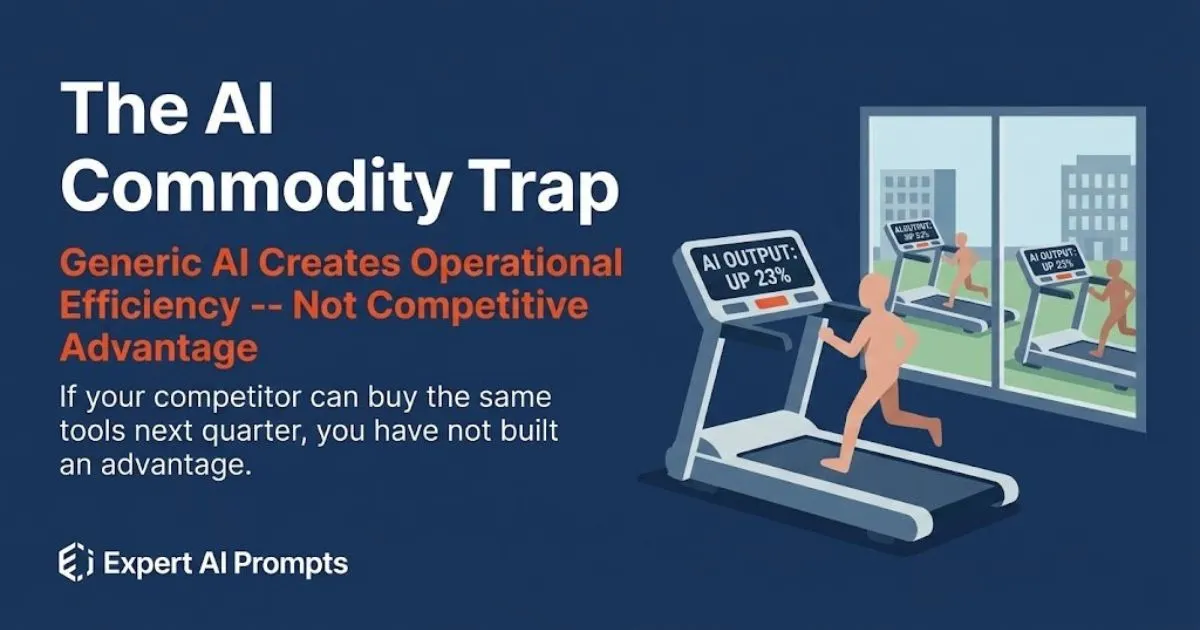
This is perhaps the most insidious trap for the small business owner. If everyone in your niche uses the same default prompts—"Write a professional email about X"—everyone starts sounding exactly the same. We’ve all seen it: the overuse of words like "delve," "unlock," "game-changer," and "tapestry." This is the generic voice syndrome quietly destroying brand differentiation — and it is costing businesses far more than they realise.
Is it "unethical" to be boring? Maybe not in the strict sense. But I would argue that wasting your customer’s time with generic, robotic drivel is a form of disrespect. Your audience gives you their attention—a finite and precious resource. Repaying that attention with unedited, robotic filler is bad business karma.
The Antidote: High-Effort Inputs
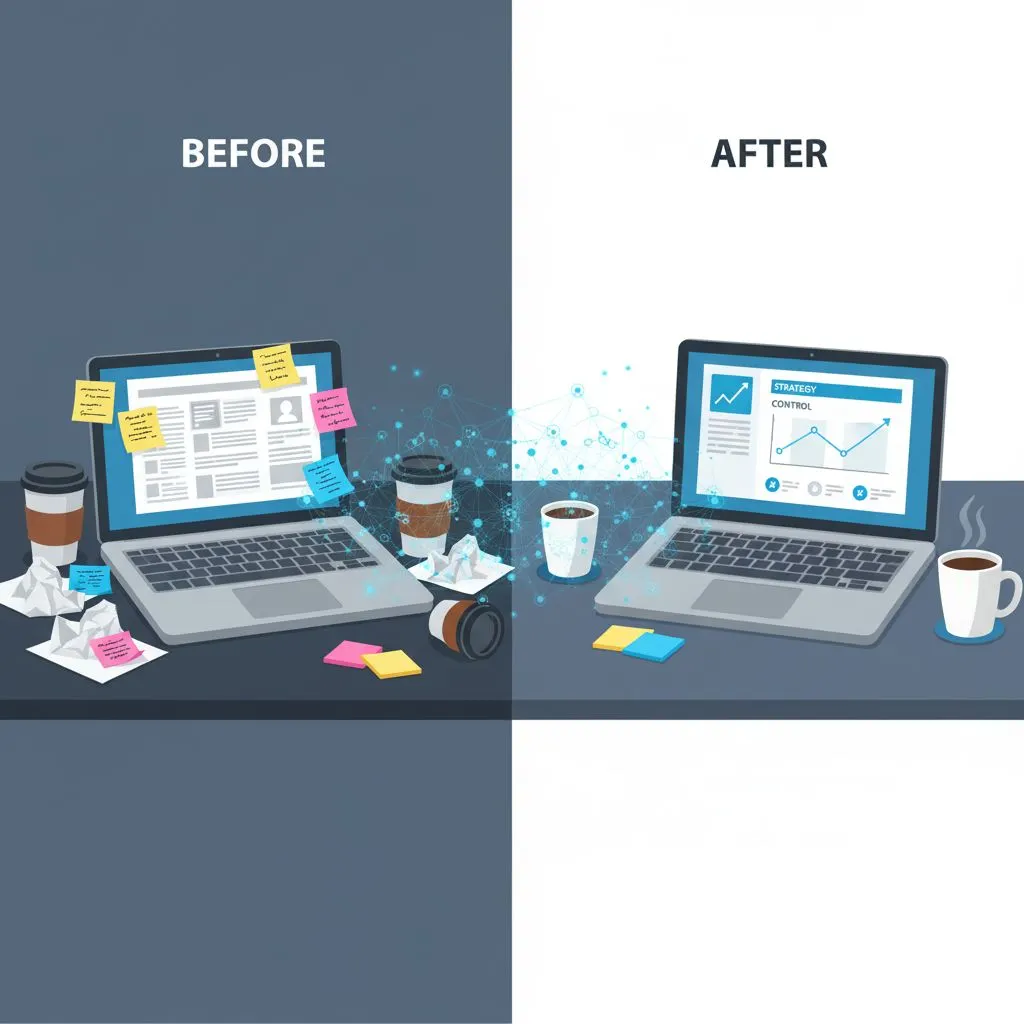
To use AI ethically, you must put more work into the input so you can trust the output.
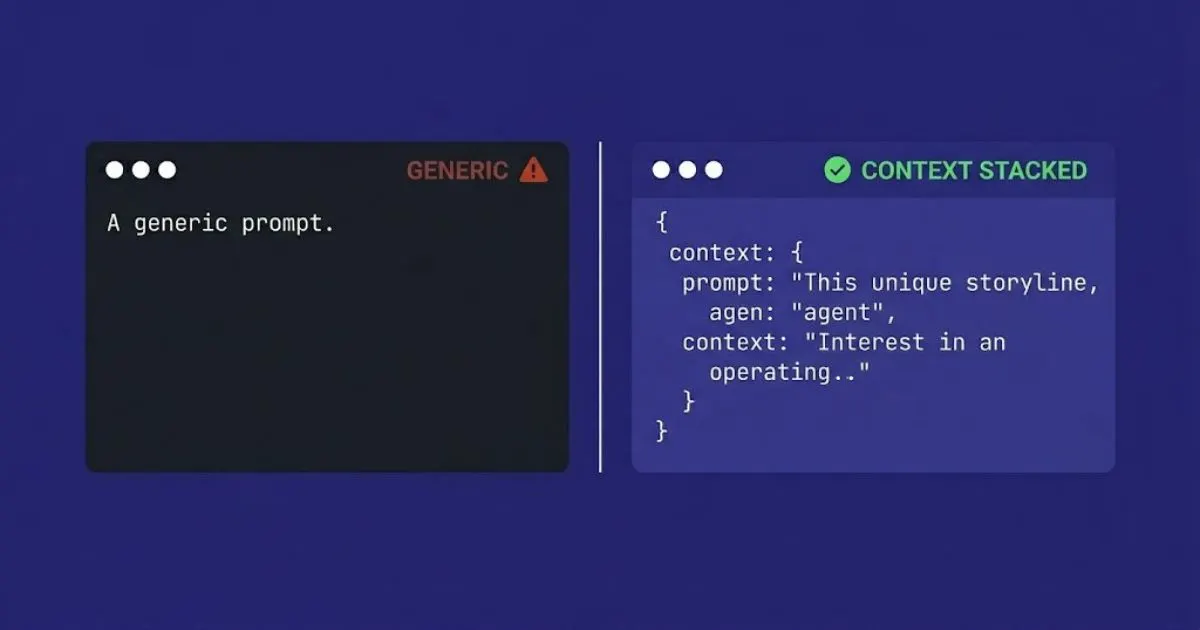
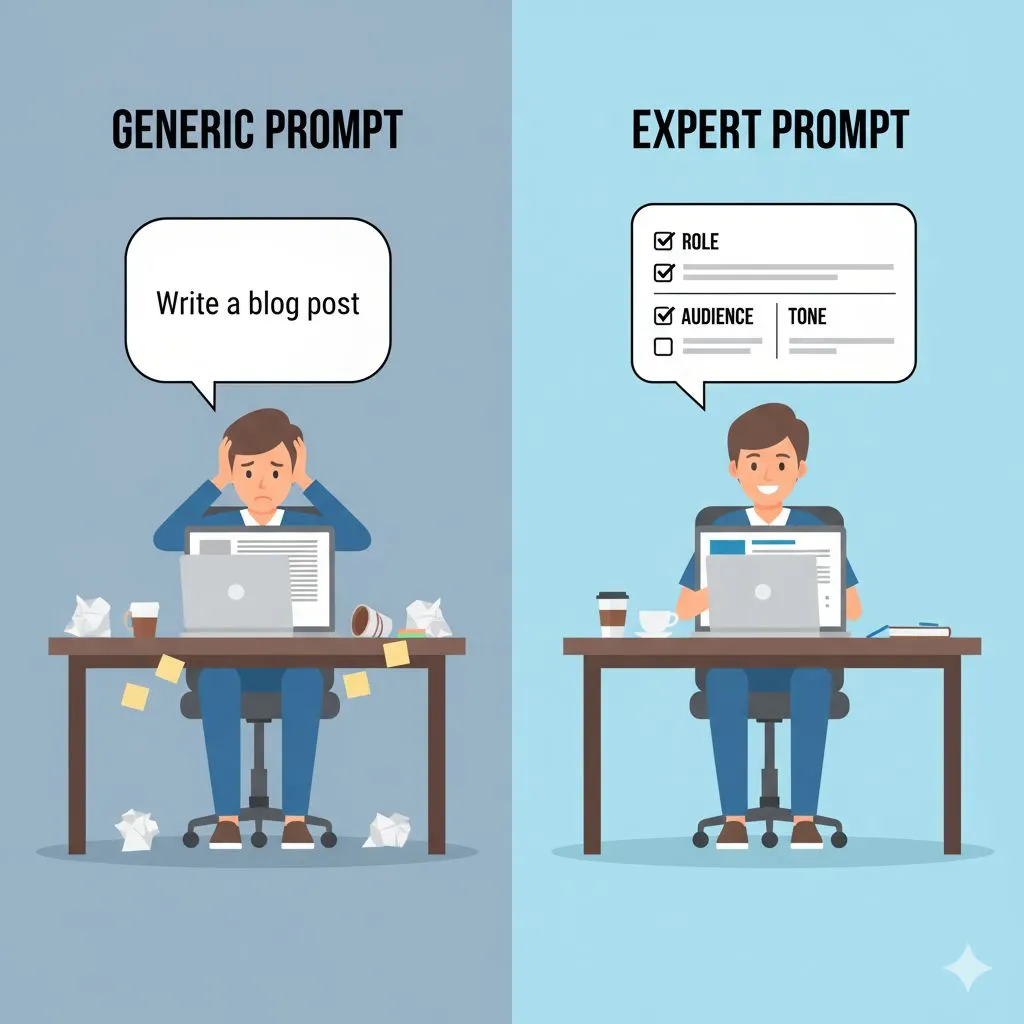
- Don't say: "Write a blog about time management."
- Do say: "I believe the Pomodoro technique is flawed for creative work. I prefer 'flow state blocking.' Here are my three reasons why. Write a blog post based on these arguments, using a contrarian but helpful tone."
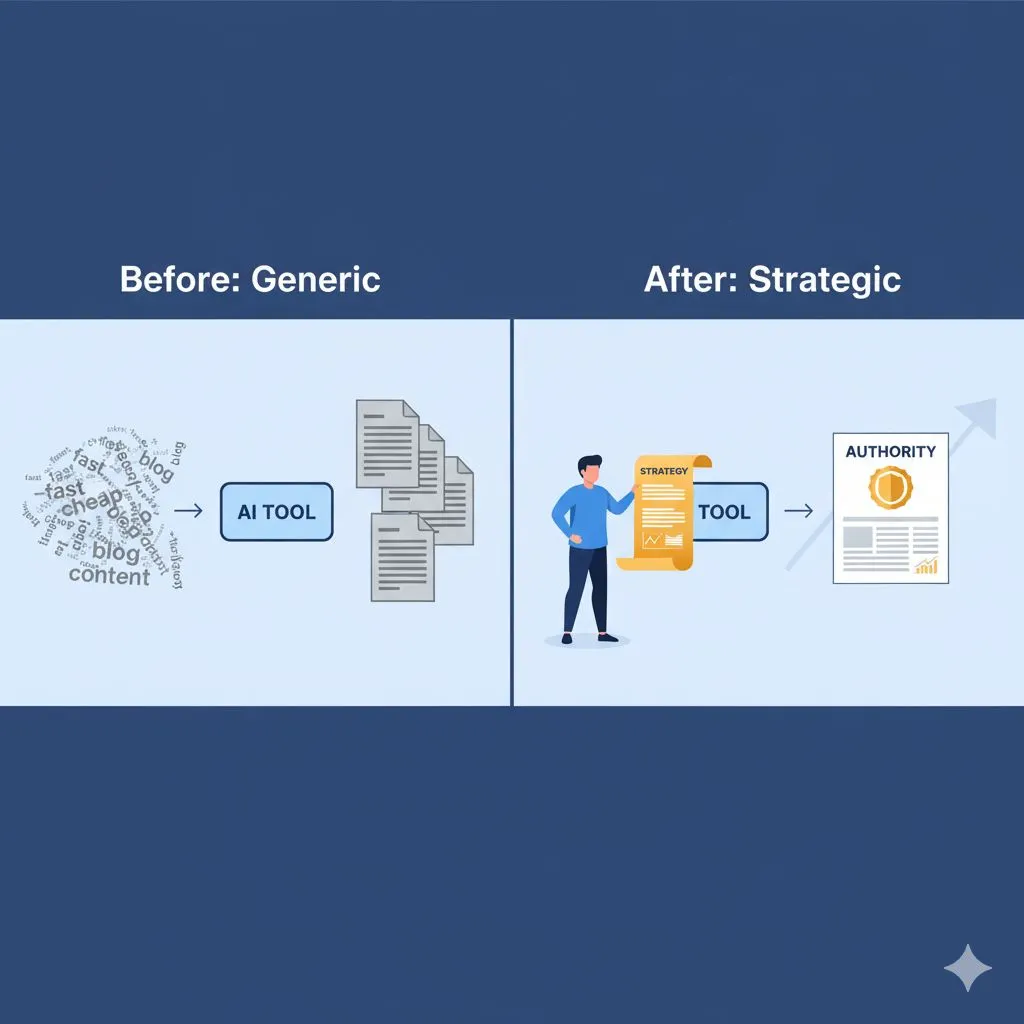
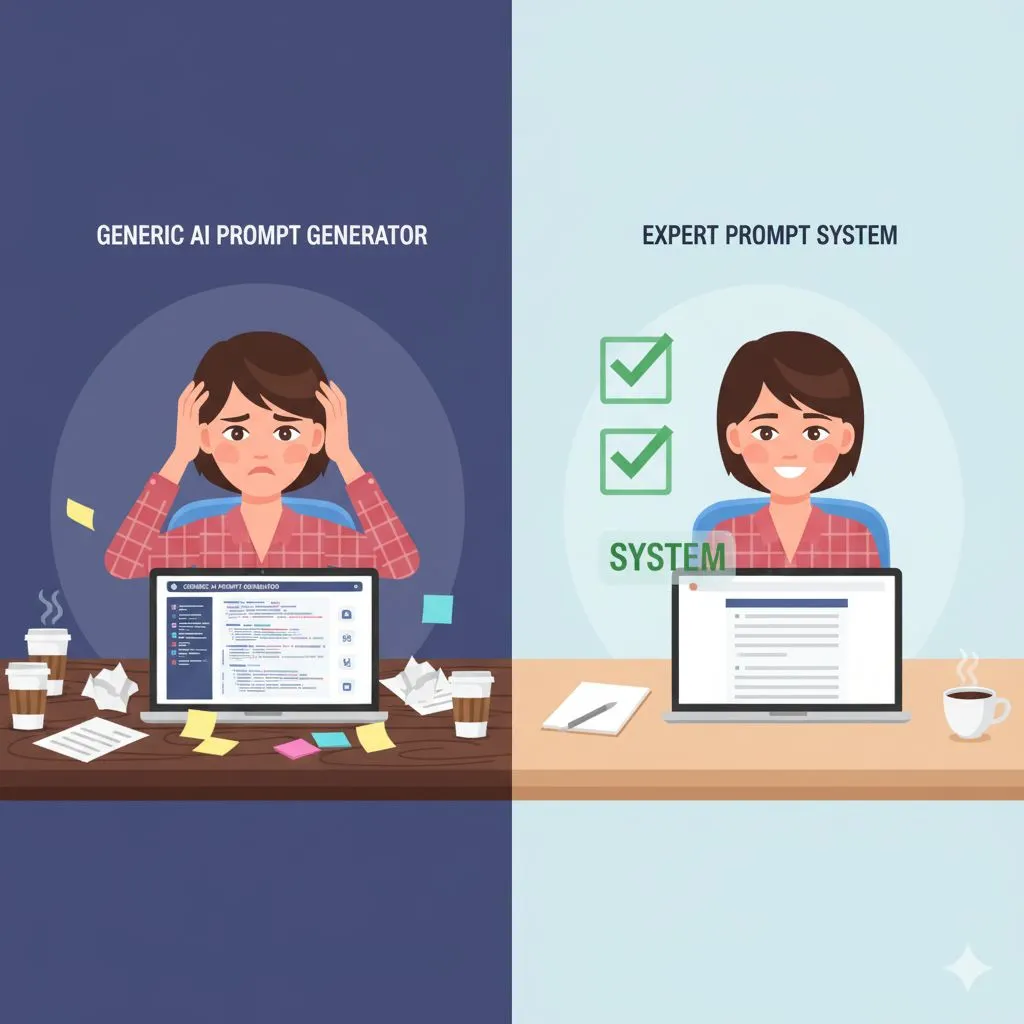
See our full breakdown of the difference between generic and strategic AI prompts and why the distinction is the single biggest lever for your brand authority.
When you provide the insight, the AI is just the typist. The thought leadership remains yours. This is how you escape the trap of laziness and ensure your content respects your reader.
Building a "Cyborg" Brand Voice
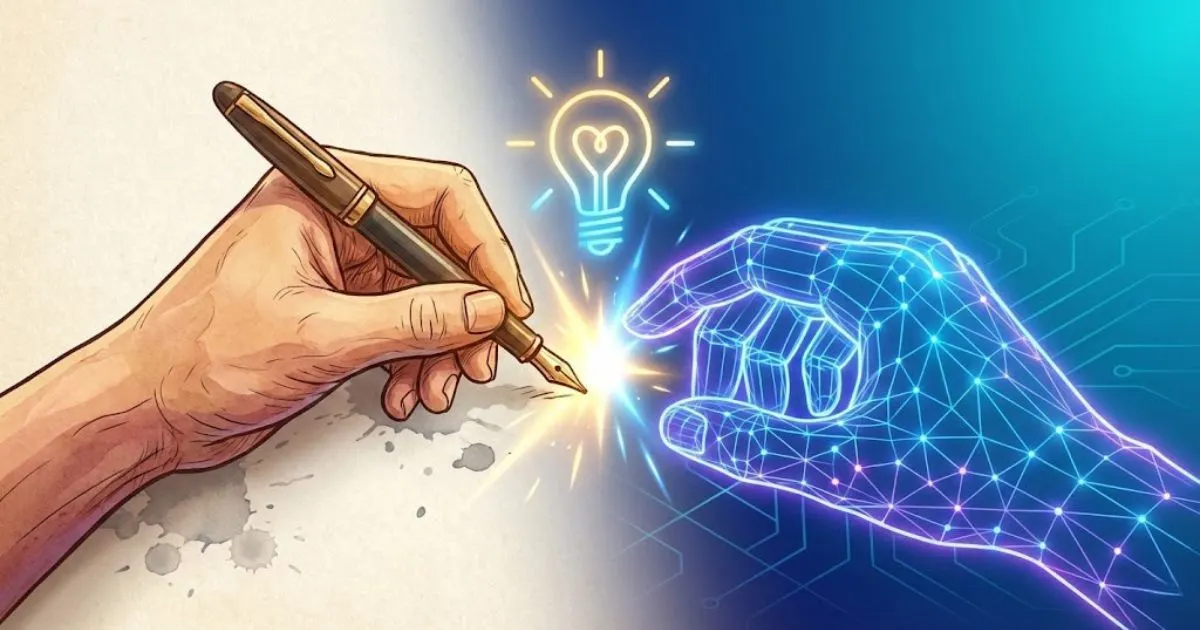
The solution to the ethical dilemma of AI is not to reject it, but to master it. We are moving toward a "Cyborg" model of creativity—a symbiosis where the human provides the strategy, emotion, and experience, and the machine provides the structure, speed, and scale.
For a solopreneur like Alex Rivers, this is the holy grail. It’s how you compete with a ten-person marketing agency without hiring ten people. But to do this effectively—and ethically—you must train the machine to sound like you.
Strategy Over Syntax
Stop looking at AI as a "content generator" and start seeing it as a "content processor."
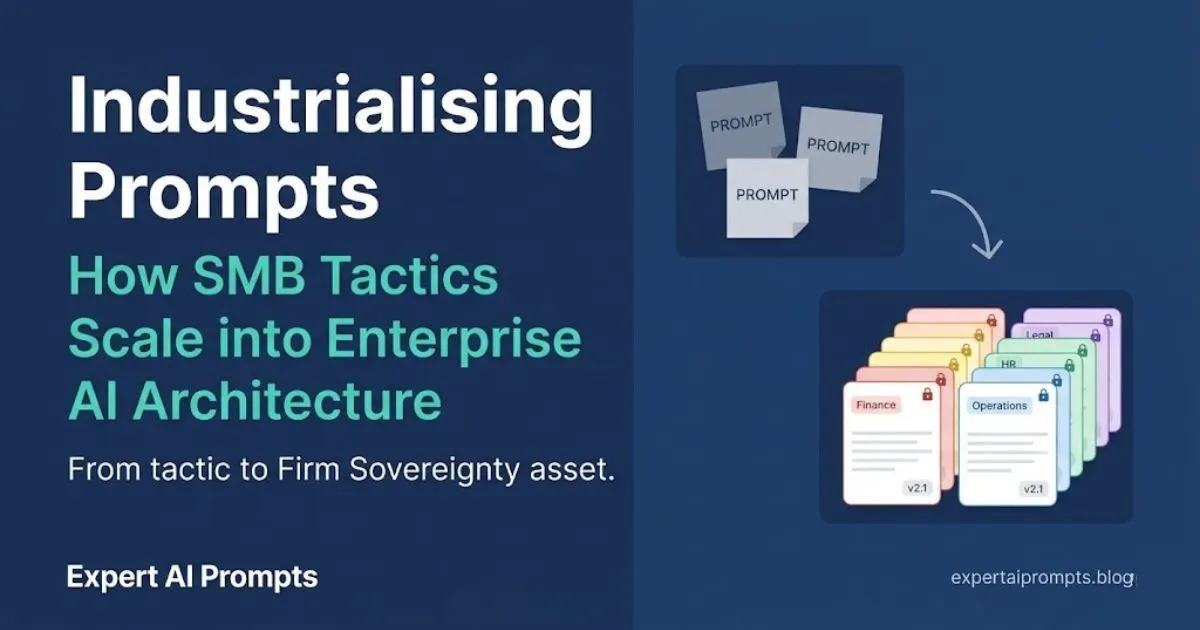
Your memories, your client stories, your specific way of explaining complex topics—that is your intellectual property. Your ethical obligation is to ensure those elements make it into the final draft. If you are a brand manager or business owner ready to systematise this approach, the Prompt-Driven Branding Playbook for brand managers gives you 50 prompts engineered to protect and scale your brand voice.
Training the Machine
If you want to maintain authenticity, you cannot start a new chat session every time with zero context. You need to build a "Brand Voice Profile." We have a step-by-step guide on exactly how to train AI to write in your brand voice — so your AI outputs are indistinguishable from your best work. This involves feeding the AI examples of your best writing—your most engaging emails, your top-performing posts—and saying: “Analyze this tone. Note the sentence length, the use of humor, the vocabulary. Now, write the next piece using this exact persona.”
When you do this, you aren't asking the AI to pretend to be a human; you are asking it to mimic your specific style of communication. It becomes a force multiplier for your personality, not a replacement for it.
Scaling Personal Connection
Here is the irony: When used correctly, AI allows you to be more personal, not less.
How much time do you currently spend staring at a blinking cursor, stressed about grammar? That stress kills creativity. It makes you stiff and corporate.
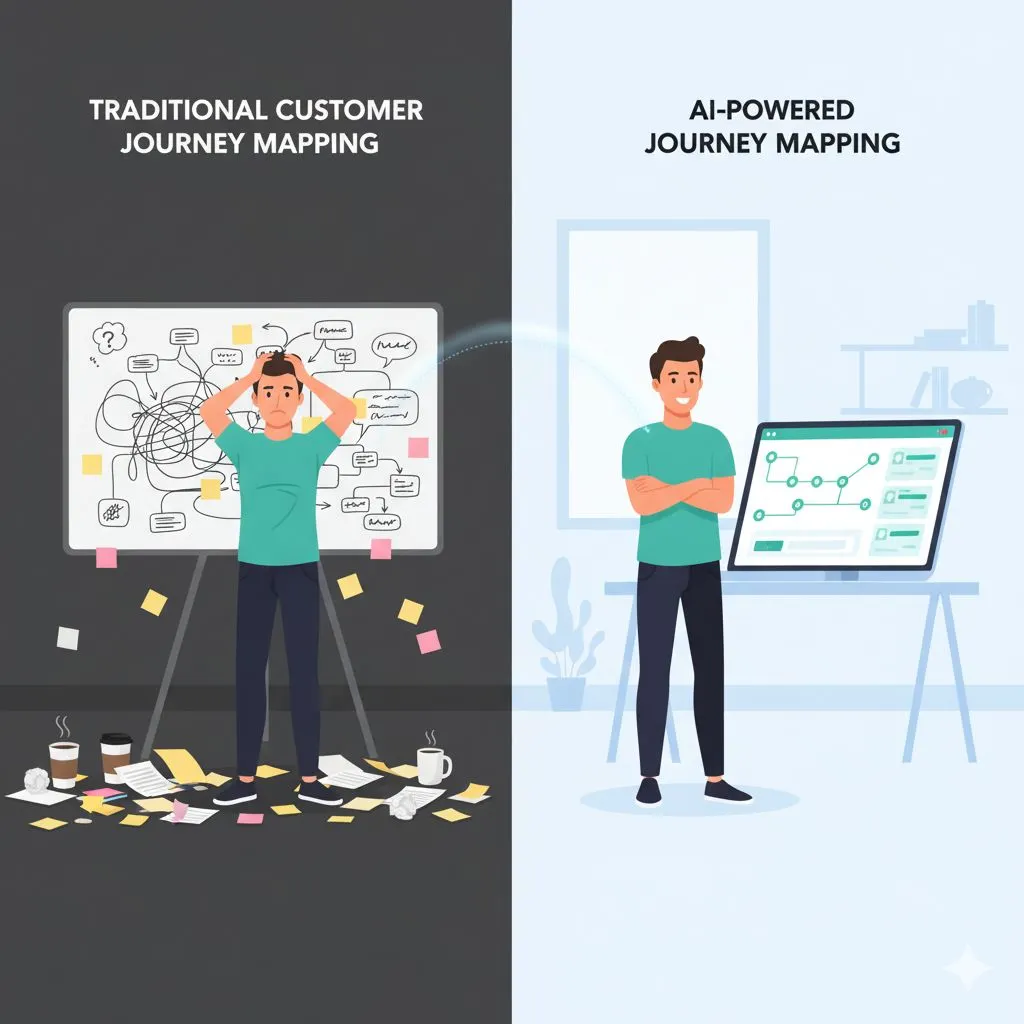
By offloading the structural heavy lifting to AI, you free up mental energy to focus on the message. You can spend your time adding that personal anecdote, checking the facts, and engaging in the comments. You can finally publish consistently, which builds trust.
Conclusion
The question isn't whether AI will change copywriting; it’s whether you will let it change your standards.
There is no glory in burnout. There is no moral superiority in staying up until 2 AM writing emails manually if the quality suffers because you are exhausted. The ai ethics business debate ultimately comes down to intent.
- If your intent is to deceive, to cut corners, and to flood the zone with garbage? That is unethical.
- If your intent is to serve your audience better, to share your expertise more widely, and to build a sustainable business that supports your life? That is smart, ethical innovation.
Transparency matters. Accuracy is non-negotiable. But don't let the fear of "faking it" keep you from using the most powerful tool available to modern entrepreneurs. You can be efficient and authentic. You can use robots and remain human.
The secret isn't in the tool; it’s in how you wield it.
Ready to Scale Your Voice Without Losing Your Soul?
If you’re ready to stop the "cursor stare" and start producing expert-level content that actually sounds like you, you need the right framework. You don’t need generic prompts; you need a system that learns your voice.
Download our Competitor-Proof Brand Voice Kit today.
It’s a free, step-by-step guide to training AI to mimic your unique style, ensuring every piece of content you generate is authentic, ethical, and unmistakably yours.
Not sure where to start? Explore all 11 free AI prompt resources — no credit card required.
Ready to upgrade your entire content workflow? Browse all 30 industry-specific prompt packs and find the one built for your industry.