Public Relations is Changing: Data-Backed Pitching
Public Relations is Changing: Data-Backed Pitching
Feb 03, 2026
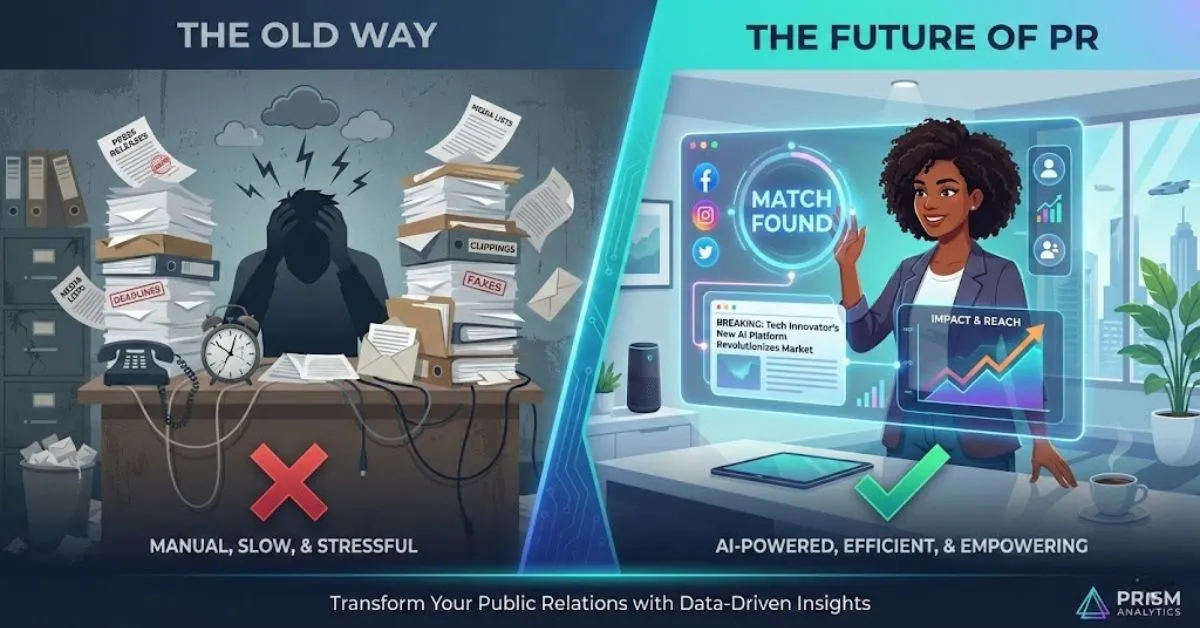
If you are running a small business or managing a lean team, you know the feeling of sending press release emails into the void. You spend hours crafting what you think is a perfect pitch, finding email addresses, and hitting send—only to be met with deafening silence.
For years, Public Relations (PR) has been a game of "who you know." Large agencies with six-figure retainers held the keys to the kingdom, leveraging expensive contacts and massive teams to drown out the noise. For the ambitious solopreneur or small business owner like you, competing on that level felt impossible. You simply don't have the time to wine and dine journalists or spend 20 hours a week researching media lists.
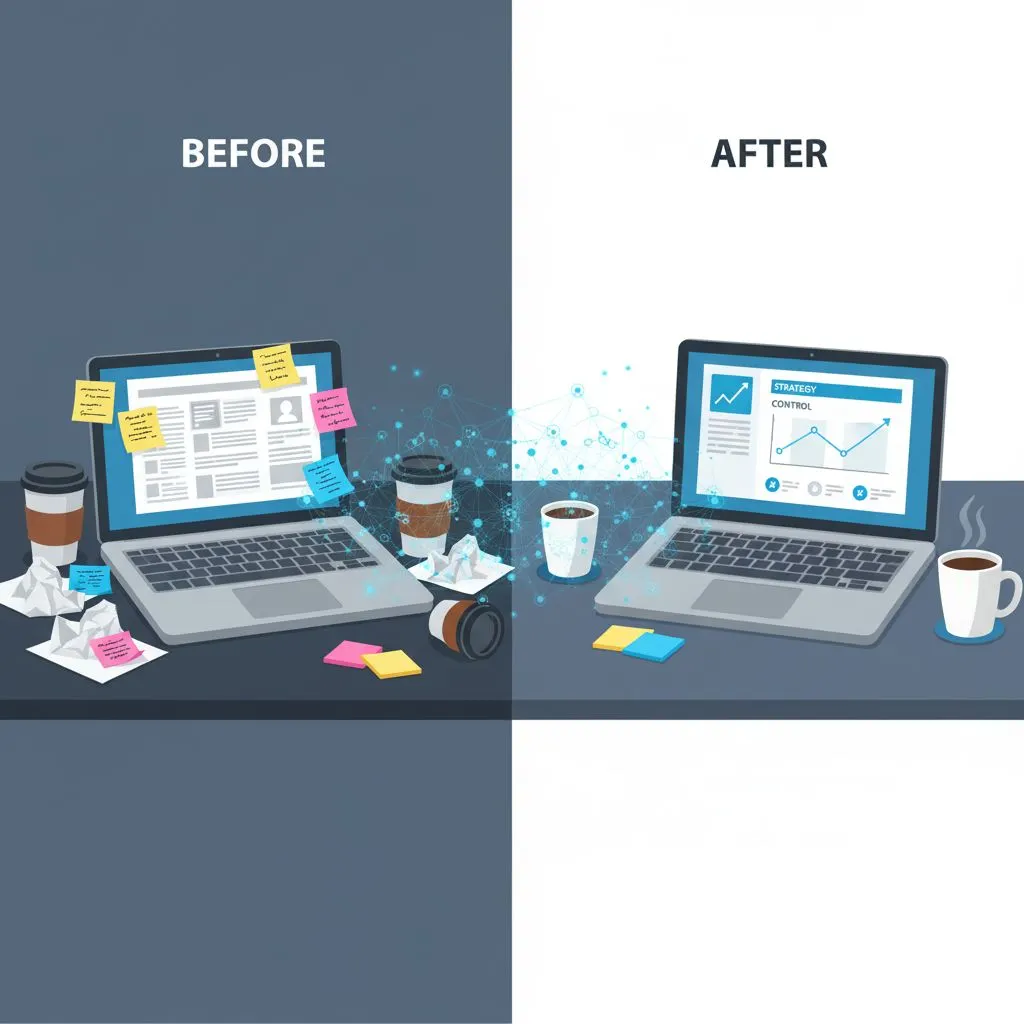
But the landscape is shifting. The traditional "spray and pray" method—where you blast a generic press release to 500 people—is dead. Journalists are more overwhelmed than ever, often receiving upward of 300 pitches a day. They delete 95% of them instantly.
Here is the good news: AI in PR has become the great equalizer.
For a complete breakdown of how AI is reshaping advertising, sales and outreach for small businesses, see the complete guide to AI in advertising and sales.
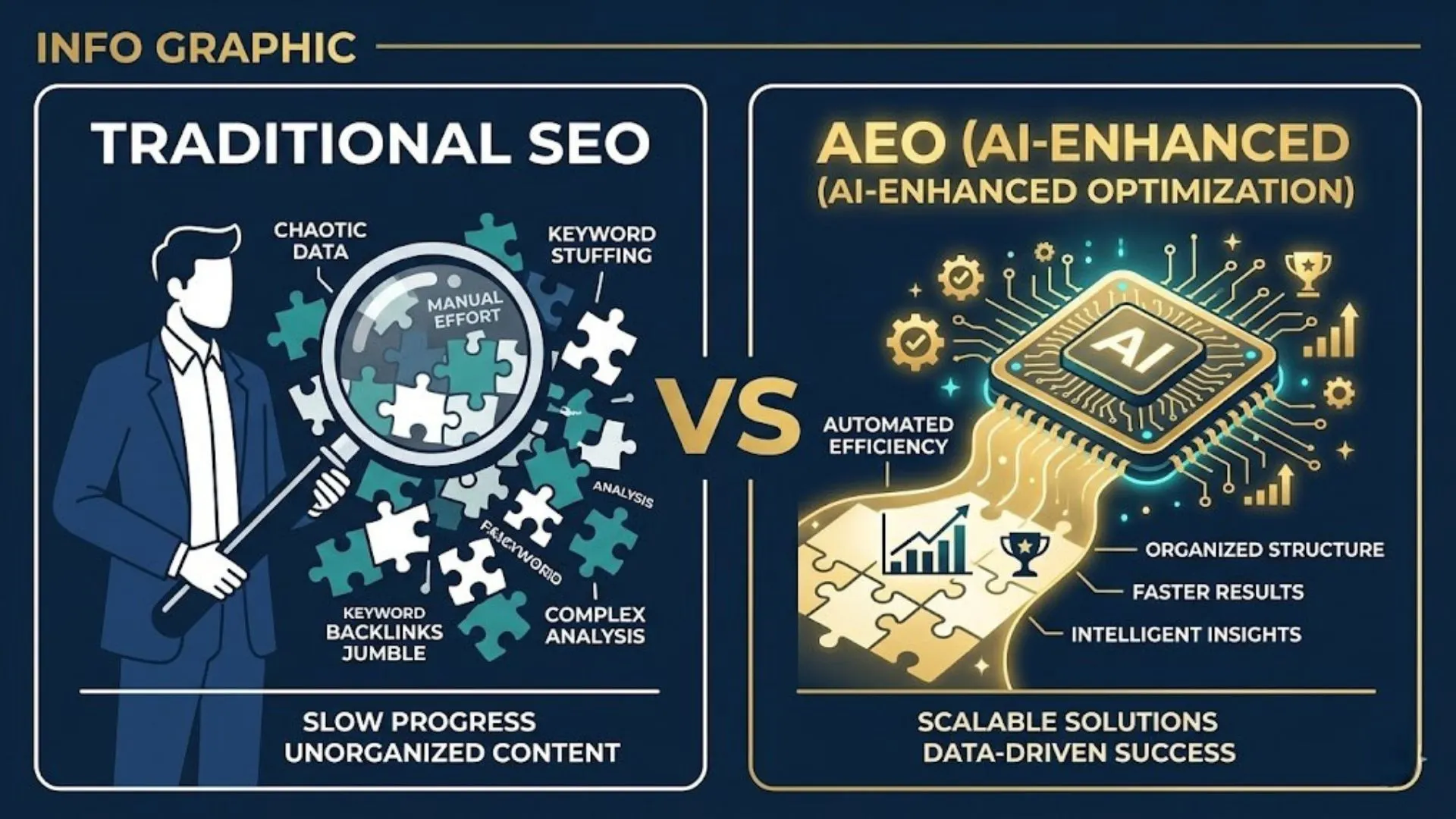
We are witnessing a massive trend shift toward Data-Backed Pitching. It is no longer about having the biggest budget; it is about having the highest relevance. By leveraging Artificial Intelligence, small teams can now analyze data, predict trends, and craft hyper-targeted pitches that outperform big agencies. This report explores how AI is transforming PR from a guessing game into a precise science, allowing you to reclaim your time and scale your brand’s authority.
Trend #1: From Intuition to Intent Analysis
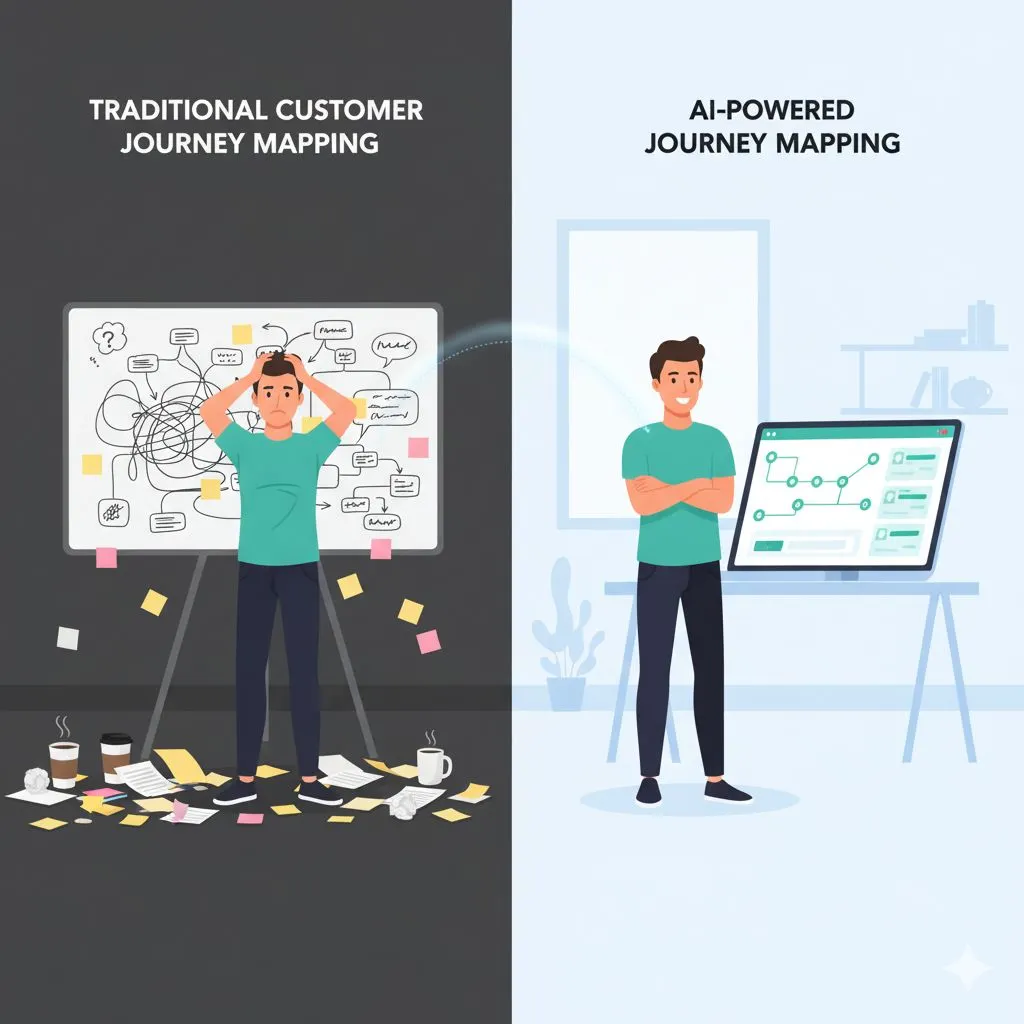
In the past, building a media list was a manual, grueling process. You would look for journalists who covered your industry generally—say, "Tech" or "Wellness"—and add them to a spreadsheet. It was based on intuition and broad categories.
The problem? Just because a journalist covers "Tech" doesn't mean they care about your specific SaaS product today.
AI in PR changes this dynamic by moving from static lists to real-time intent analysis. Advanced AI tools and Large Language Models (LLMs) can now scan thousands of articles, Tweets, and LinkedIn posts in seconds to determine exactly what a journalist is interested in right now.
For the time-poor entrepreneur, this is a game-changer. Instead of wasting hours researching, AI can act as your 24/7 research analyst.
How It Works for the Small Business Owner
Imagine you have a new eco-friendly packaging product. A generic search finds 1,000 "Sustainability Reporters."
- The Old Way: You email all 1,000. 998 ignore you because they are writing about carbon credits, not packaging.
- The AI Way: You use AI to analyze the past three months of articles from that list. The AI filters the list down to the 12 journalists who have specifically used keywords like "plastic alternatives," "packaging regulations," or "supply chain waste."
Suddenly, your pitch list isn't 1,000 names long; it’s 12. But those 12 are hot leads. You have saved hours of administrative work and drastically increased your chances of coverage because you are pitching based on data-backed intent, not hopeful guessing.
If you want to explore the broader picture of what AI can do for your marketing outreach, AI-driven marketing automation: the right way.
Trend #2: Hyper-Personalization at Scale
We have established that journalists are drowning in noise. The quickest way to the "Trash" folder is a template email that starts with, "Dear Sir/Madam, I hope you are well."
However, Alex—our archetype of the busy entrepreneur—doesn't have time to manually write 50 completely unique, love-letter-style emails to journalists every week. This creates a bottleneck: You need personalization to win, but personalization costs time you don't have.
This is where AI in PR facilitates hyper-personalisation at scale.
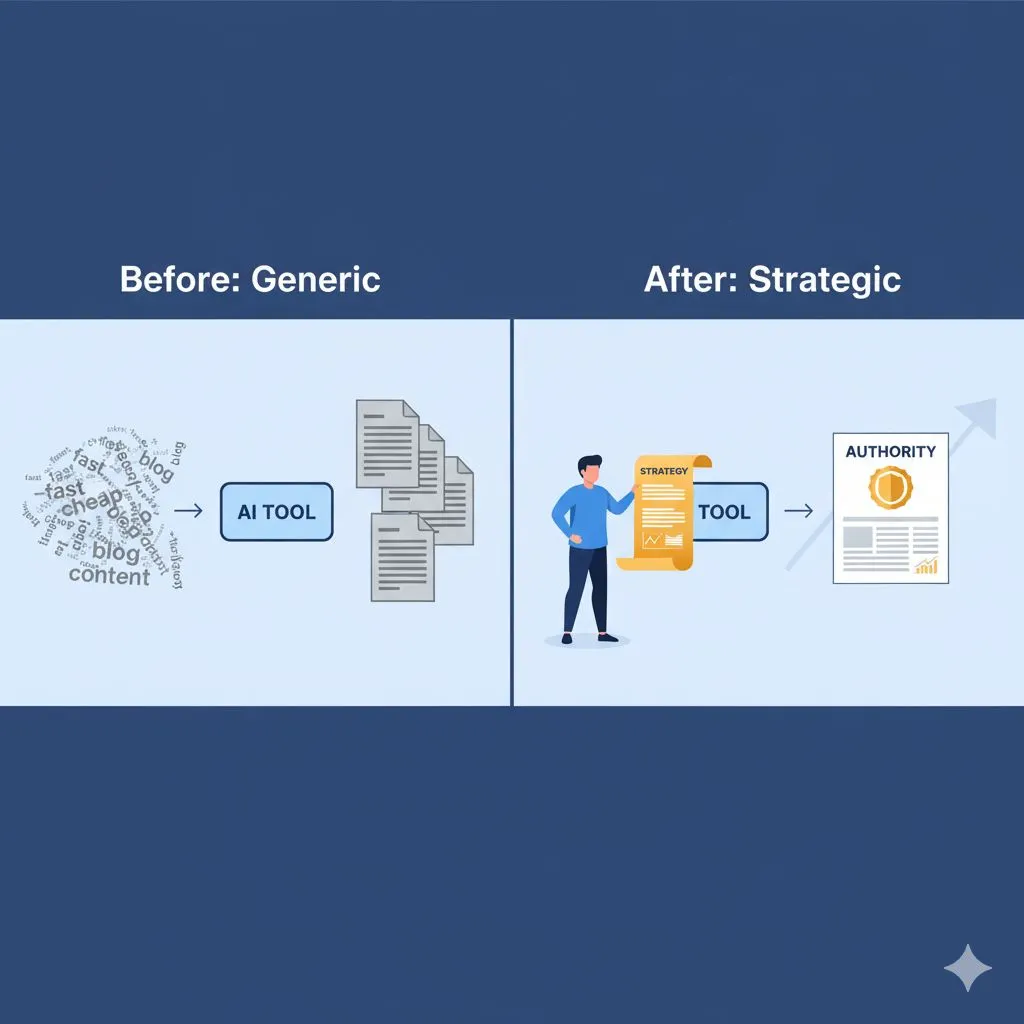
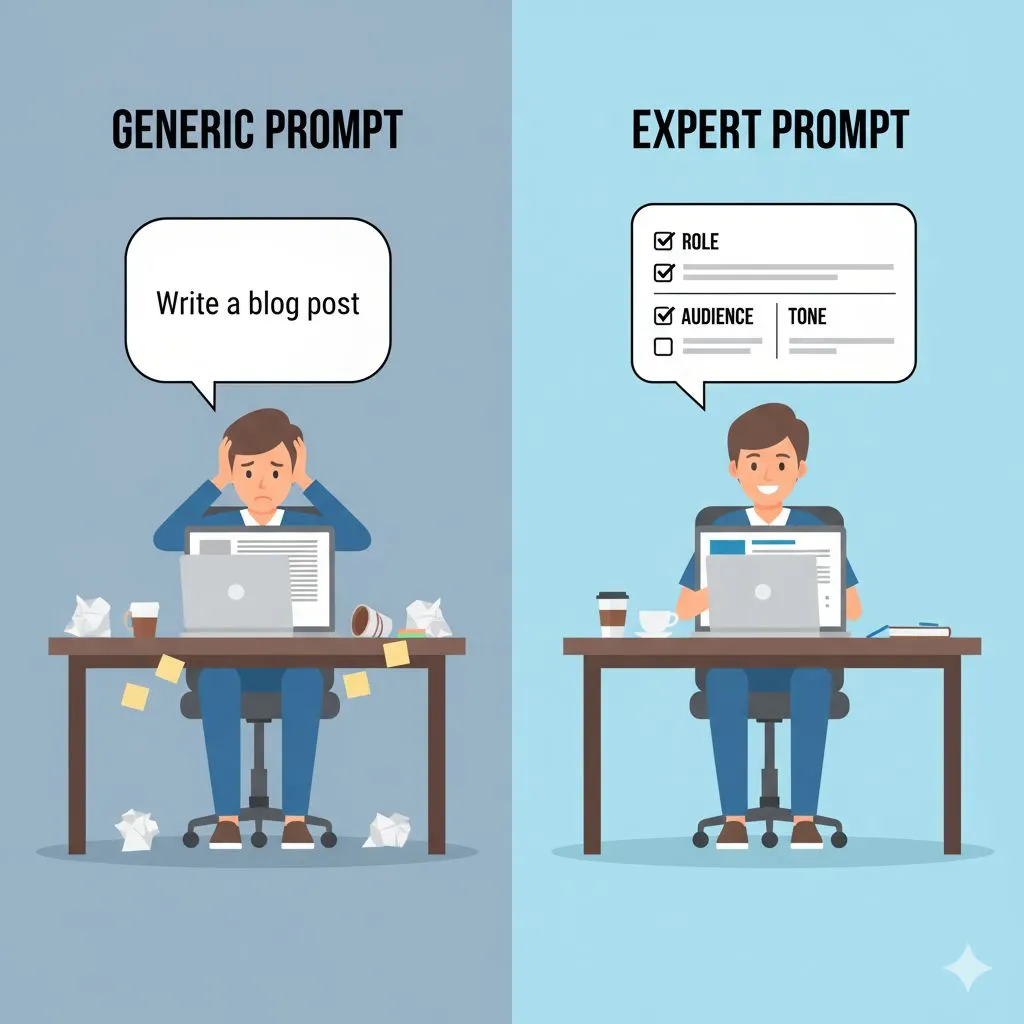
This is not about asking ChatGPT to "write a press release" and sending the robotic output. That is a strategy for failure. Instead, it is about using AI to structure your pitch based on the specific journalist's writing style and recent work.
For a deeper look at why generic AI tools fall short for business pitching, read beyond ChatGPT: why you need specialised prompts.
The "beat-matching" technique
AI prompts can be engineered to analyze a specific journalist's recent article and generate a pitch angle that bridges your news with their previous coverage.
For example, you might input a journalist's recent article about "The rise of remote work burnout" into an LLM, along with your company's data on "Productivity tools for remote teams."
A strategic prompt would ask the AI to:
- Identify the journalist's tone (e.g., skeptical, data-heavy, optimistic).
- Find the "gap" in their previous story that your product fills.
- Draft an email subject line that mimics their headline style.
The result is a draft that says: "Hi [Name], loved your piece on burnout last Tuesday—specifically your point about 'always-on culture.' We actually just pulled data from 5,000 users showing that 'focus modes' reduce that feeling by 40%. Thought this data might support a follow-up piece on solutions."
This level of personalization proves you have done your homework. It respects the journalist's time. Most importantly, it allows a solopreneur to operate with the sophistication of a dedicated PR team, scaling their outreach without sacrificing quality.
The Authenticity Guardrail
A critical note for the ambitious business owner: AI is the architect, but you are the builder.
While AI can predict the angle and draft the structure, it cannot replace your brand voice. The trend we are seeing is "Human-in-the-loop" PR. The most successful pitches use AI to do 80% of the heavy lifting—the research, the outlining, the connection logic—leaving the final 20% for you to add your personal flair and expert authority.
Maintaining your brand voice throughout every AI-drafted pitch is non-negotiable — download the free Competitor-Proof Brand Voice Kit.
Trust is the currency of PR. If your pitch sounds synthetic, you lose credibility. If it sounds like a helpful human offering relevant value, you win.
Trend #3: Data-Backed Storytelling (The "Hook")
If there is one thing that frustrates journalists more than generic pitches, it is pitches that are purely promotional. "We launched a new website" is not a story. "We are the best agency in town" is not news.
Journalists need facts. They need evidence. They need data.
Big corporations hire research firms like Gartner or Forrester to produce expensive reports to get headlines. Small business owners often feel they can't compete here. However, AI in PR allows you to mine your own internal data to uncover newsworthy trends, democratizing access to data journalism.
Mining Your Own Gold
You are likely sitting on a goldmine of data without realizing it. Every customer interaction, sale, website visit, or client question is a data point.
Structuring those data points into compelling, authority-building content is a core skill — see using AI to write for the customer journey.
- Consultants: What is the #1 problem clients asked about this quarter compared to last year?
- E-commerce: usage trends (e.g., "Sales of home office gear are down, but digital nomad travel gear is up 200%").
- Marketing Agencies: Which platforms are clients abandoning?
You can upload anonymized datasets to AI tools and ask them to "Find the counter-intuitive trend" or "Identify a surprising correlation."
The AI-Powered "Newsjack"
Let’s say there is a national conversation happening about "Inflation impacting small business."
Instead of pitching a generic opinion, you use AI to analyze your last six months of supplier invoices and customer pricing sensitivity. You find that while costs are up 15%, customer retention remains stable.
You pitch the media with a specific, contrarian headline: "Why 300 Small Businesses Are absorbing Inflation Costs Rather Than Raising Prices: New Internal Data."
Why this works:
- It’s original: No one else has your data.
- It’s credible: It moves beyond opinion to fact.
- It’s easy for the journalist: You have handed them a story on a silver platter.
By using AI to analyze and package your internal data, you transform from a "business asking for a favor" into a "source providing valuable market intelligence." This is how small players get featured in Tier-1 publications like Forbes or Business Insider. See real examples of small businesses achieving exactly this kind of authority growth in the Expert AI Prompts case studies. It levels the playing field by substituting expensive research budgets with intelligent data processing.
Trend #4: Measuring What Matters
For the overworked entrepreneur, every minute spent on PR must have a return on investment (ROI). In the old days, PR agencies reported "Vanity Metrics"—things like "Advertising Value Equivalency" or potential impressions.
"Impressions" don't pay the rent.
The modern trend in AI in PR is tracking sentiment and conversion. It’s about understanding not just how many people saw your brand, but how they felt about it and what they did next.
AI-powered listening tools can track brand mentions across the web and analyze the sentiment (Positive, Neutral, Negative). For a small business, this is vital feedback.
- Did that podcast interview position you as an expert?
- Did the guest post drive traffic that actually converted into leads?
AI tools can now correlate your media mentions with your website traffic spikes and
lead generation forms more accurately than manual tracking. This allows you to double down on what works. If AI analysis shows that "How-to" articles in trade blogs generate more qualified leads than "Feature stories" in local news, you stop wasting time on local news.
This data-driven feedback loop is essential for scaling. To put hard numbers on your PR and content efforts, try the free AI ROI Calculator for small business. It prevents burnout by ensuring you only spend energy on high-impact PR activities.
Conclusion: The Strategic Shift
The era of "schmoozing" for press coverage is fading. We are entering the era of Data-Backed Pitching, and this is incredibly good news for you.
For the ambitious, resource-constrained business owner (like our persona, Alex), this shift represents an open door. You no longer need a massive team or a six-figure agency to build a credible, authoritative brand. You need the right tools and the right strategy.
By embracing AI in PR, you can:
- Stop wasting time on generic "spray and pray" tactics.
- Identify journalist intent with laser precision.
- Craft hyper-personalized pitches that get opened and read.
- Turn your internal data into headlines that build authority.
The transformation is clear: You stop being the overworked operator begging for attention and start being the confident strategist providing value. The technology is here to do the heavy lifting—the research, the data mining, the drafting. Your job is to guide it.
Don't let the "AI hype" scare you off. In PR, AI isn't a robot taking over creativity; it is a fulcrum that gives you leverage. It allows a team of one to compete with a team of fifty.
Ready to Stop Guessing and Start Pitching?
Not ready to purchase yet? Start with one of the 11 free AI prompt resources — instant access, no credit card required.
You don't need to be a prompt engineer to get these results. You just need a toolkit that is already built for the job. We have developed a specific pack of AI prompts designed to handle every stage of this process—from finding the journalist's "hook" to structuring the perfect data-backed email.
Stop spinning your wheels. Upgrade your workflow and start winning clients with expert-level authority.
Get the PR Powered Prompts Toolkit Here
Or, if you are ready to explore the full library of industry-specific prompt packs, browse all 30 prompt packs and pricing.
Further Reading
• Getting Press Coverage in 2026: The AI Pitching Strategy
• The Complete Guide to AI in Advertising and Sales
• Beyond ChatGPT: Why You Need Specialised Prompts
• B2B Lead Gen: Using AI to Warm Up Cold Outreach
• Writing Sales Pages That Convert Using the PAS Framework and AI