The Era of Hyper-Personalization: 1-to-1 Marketing at Scale
The Era of Hyper-Personalization: 1-to-1 Marketing at Scale
Feb 02, 2026
Introduction: The Noise Problem
For the modern entrepreneur, the digital landscape has become a deafening echo chamber. Every day, your potential clients are bombarded with thousands of marketing messages, generic newsletters, and "personalized" offers that are anything but. For Alex Rivers—the ambitious solopreneur or small business owner wearing every hat from CEO to copywriter—this presents a terrifying challenge. How do you cut through the noise when you don’t have the budget of a Fortune 500 company?
The answer isn't to shout louder. It is to whisper the exact right words, to the exact right person, at the exact right time.
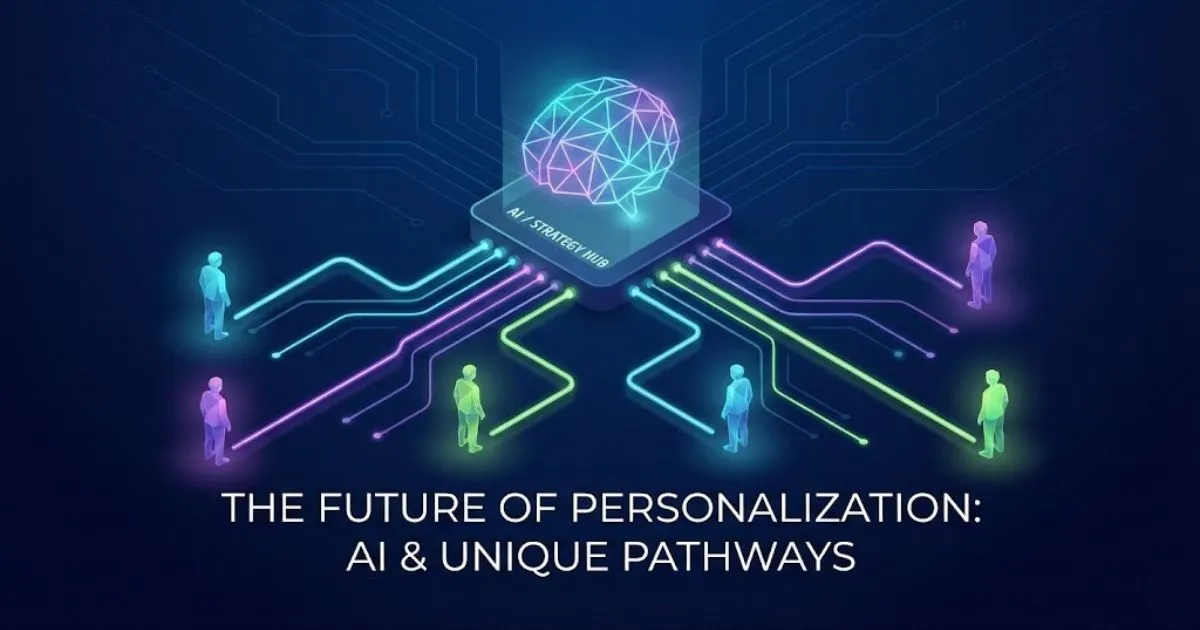
This is the dawn of hyper personalization. It is no longer a luxury reserved for tech giants with massive data science teams. Thanks to the democratization of Artificial Intelligence, 1-to-1 marketing at scale is now the most powerful weapon in the small business arsenal. To build the full system behind this approach, the complete AI marketing strategy guide walks through every layer — from positioning to execution. It is the shift that allows you to stop hustling for attention and start commanding it.
The Shift: Why Segmentation is No Longer Enough
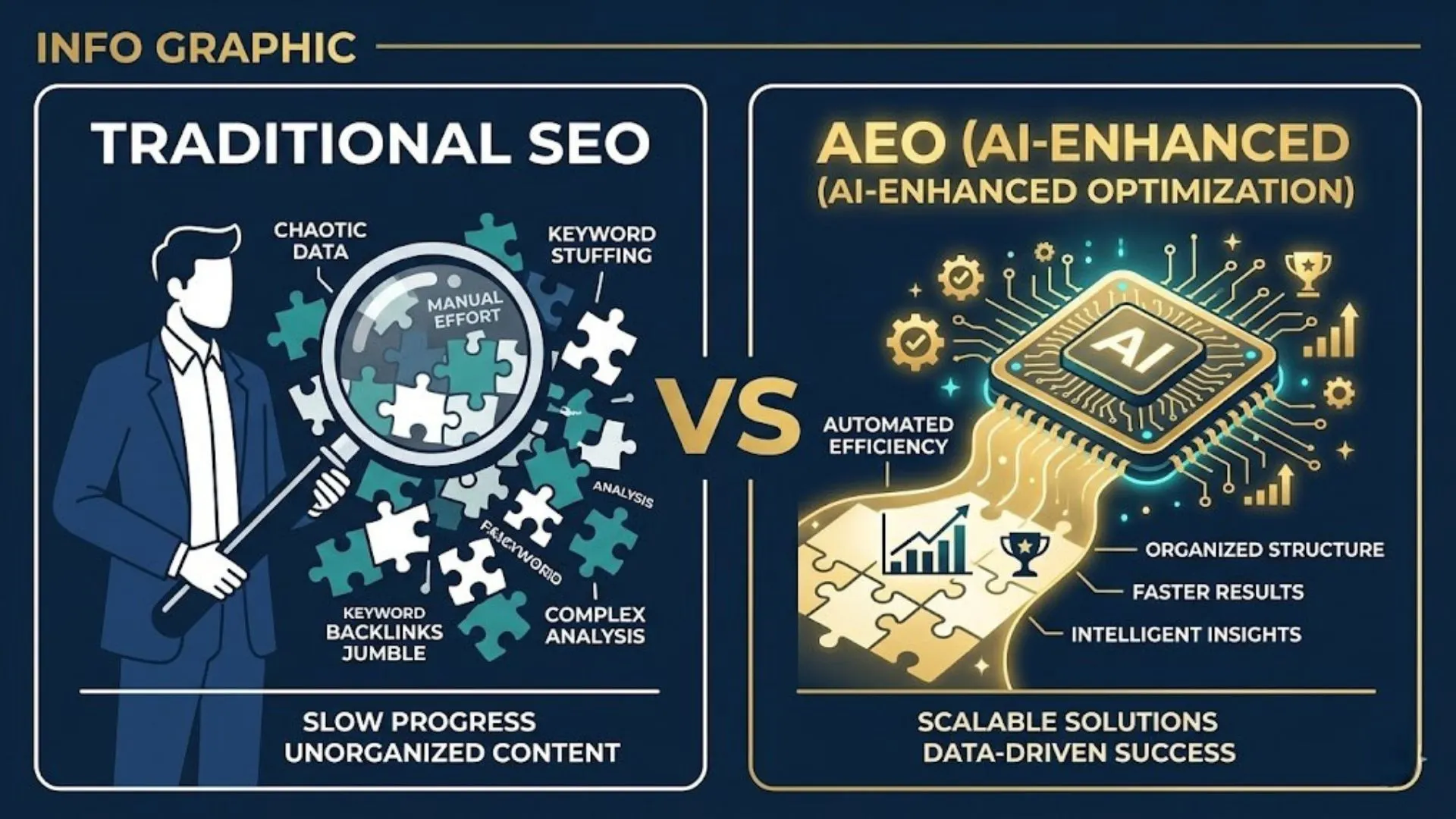
For years, marketing "best practices" told us that segmentation was the gold standard. We grouped our audiences into buckets: "Small Business Owners," "Marketing Managers," or "Freelancers." We wrote one email, changed the subject line slightly, and hit send.
But in 2026 and beyond, segmentation is merely the baseline. It is table stakes.
Your customers have evolved. They are digitally savvy and fiercely protective of their time. They know that "Dear [First Name]" is a database field, not a genuine greeting. When they see content that feels broadly applicable to a "segment," they tune out. They are looking for content that feels specifically applicable to them.
The Evolution of Relevance
- Mass Marketing: "Buy this product because it’s great." (Ineffective, high waste).
- Segmentation: "Buy this product because people in your demographic usually like it." (Better, but still assumes averages).
- Hyper Personalization: "Here is the solution to the specific problem you tried to solve yesterday at 2:00 PM." (High conversion, massive trust).
The data supports this shift. Studies consistently show that consumers are 80% more likely to make a purchase when brands offer personalized experiences. But for the overworked entrepreneur, this stat usually induces anxiety. “I don’t have time to write individual emails to 5,000 people,” you might think. “I’m barely keeping my head above water as it is.”
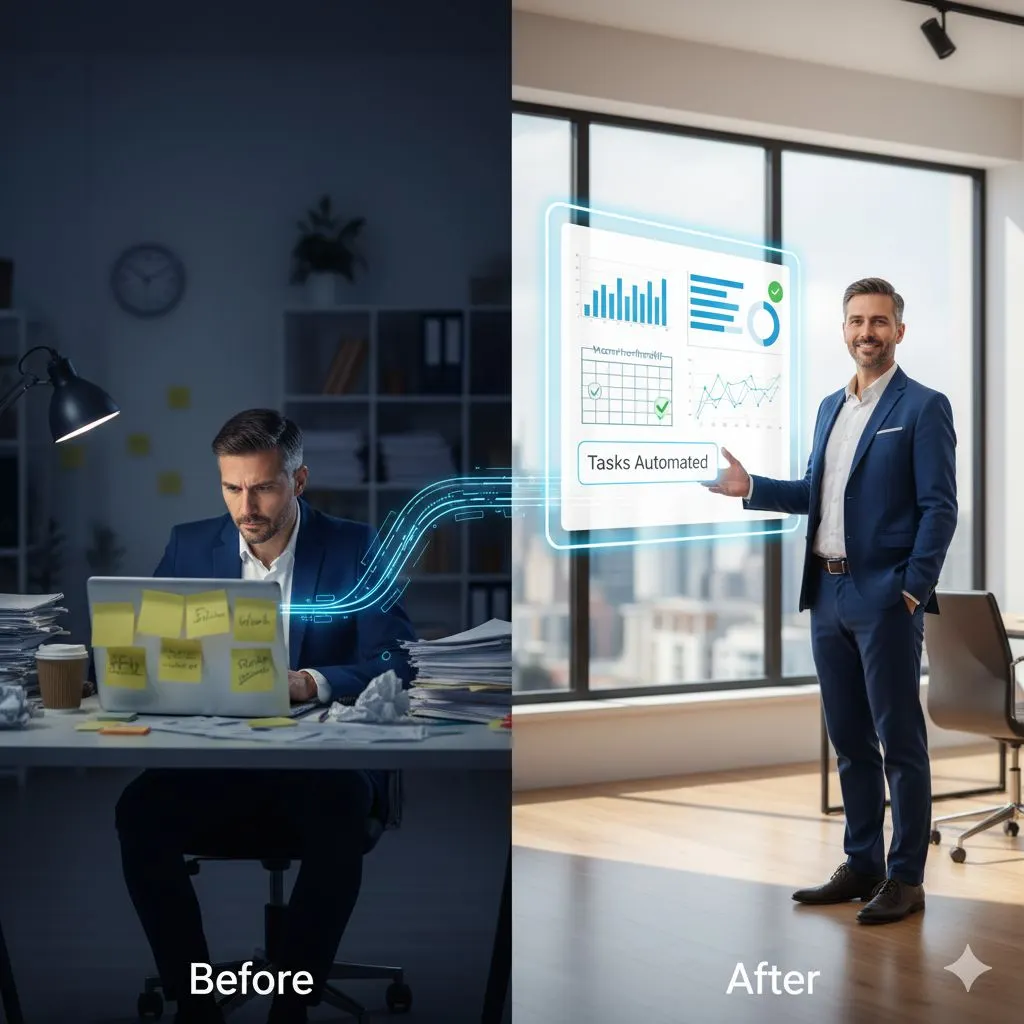
This is where the paradigm shifts. Hyper personalization is not about working harder or hiring more staff. It is about leveraging technology to treat every subscriber like your only client.
The Engine of Scale
The AI Advantage: The Great Equalizer
For the longest time, the "Resource Trap" kept small players like Alex Rivers from competing with the big agencies. Big agencies had armies of copywriters to craft distinct messages for every lead stage. They had analysts to track behavior. You had… well, you.
AI has dismantled this barrier.
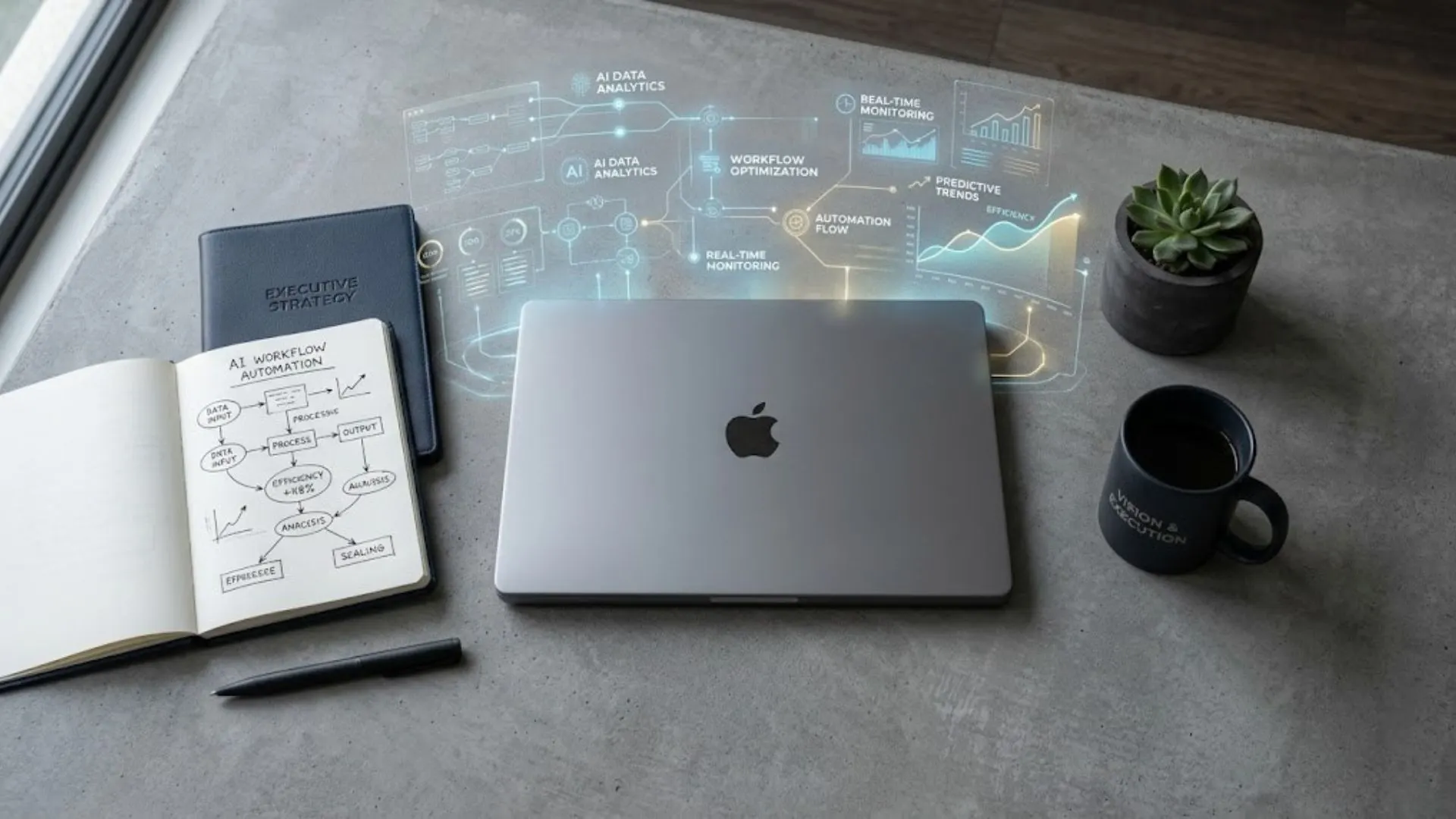
AI is the engine that powers hyper personalization. It bridges the gap between your limited time and your audience's limitless demand for relevance. It allows a team of two to output the strategic depth of a team of twenty.
Data Synthesis vs. Data Entry
In the old model, you had to manually tag subscribers based on links they clicked. It was tedious and prone to error. Today, AI-driven tools can synthesize vast amounts of behavioral data instantly. They don't just look at who the customer is (demographics); they analyze what the customer is doing (psychographics and intent).
- Did they linger on your pricing page?
- Did they open your last three emails about "SEO" but ignore the ones about "Social Media"?
- Did they download a lead magnet but fail to book a call?
These are signals. AI interprets these signals to build a dynamic profile of the user, allowing you to serve content that matches their current mindset, not just their job title.
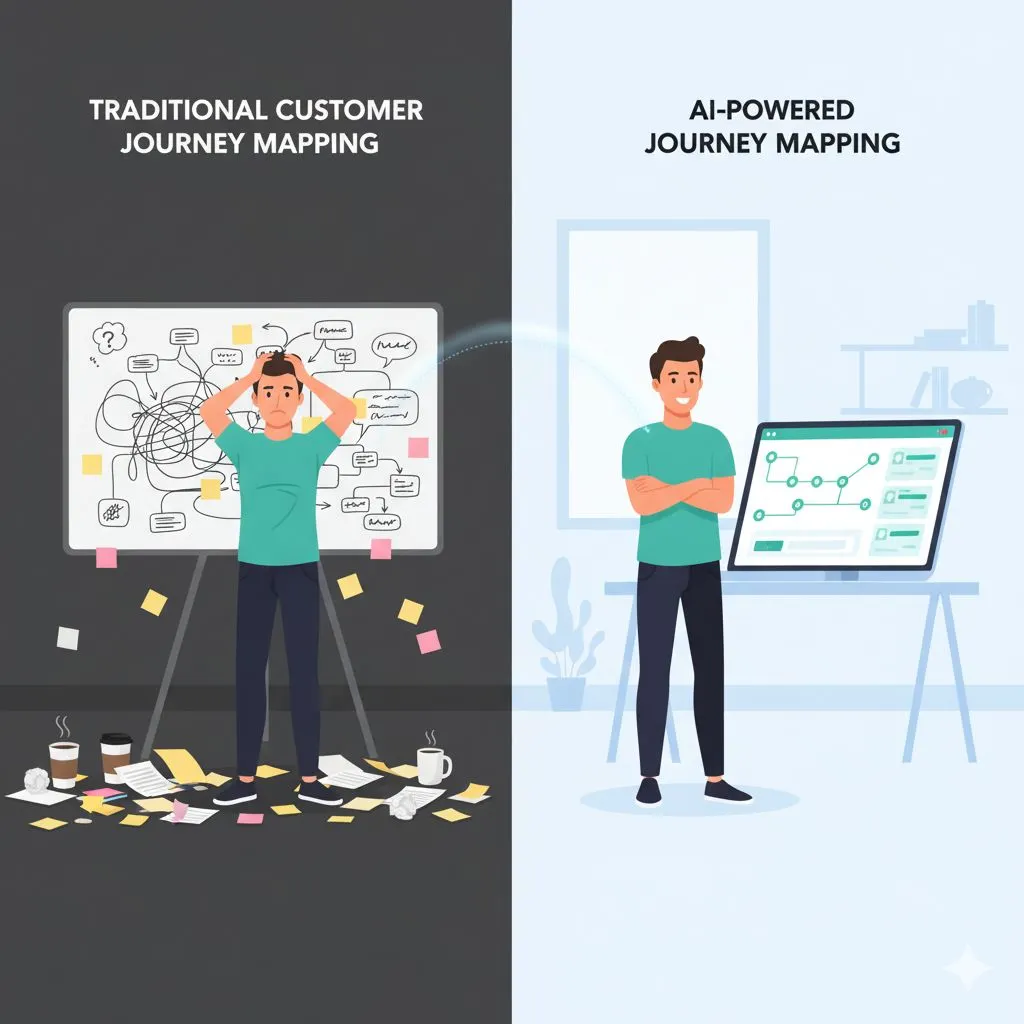
For a practical framework, see the guide on mapping the customer journey with AI to turn behavioural signals into conversion copy.
Content Velocity
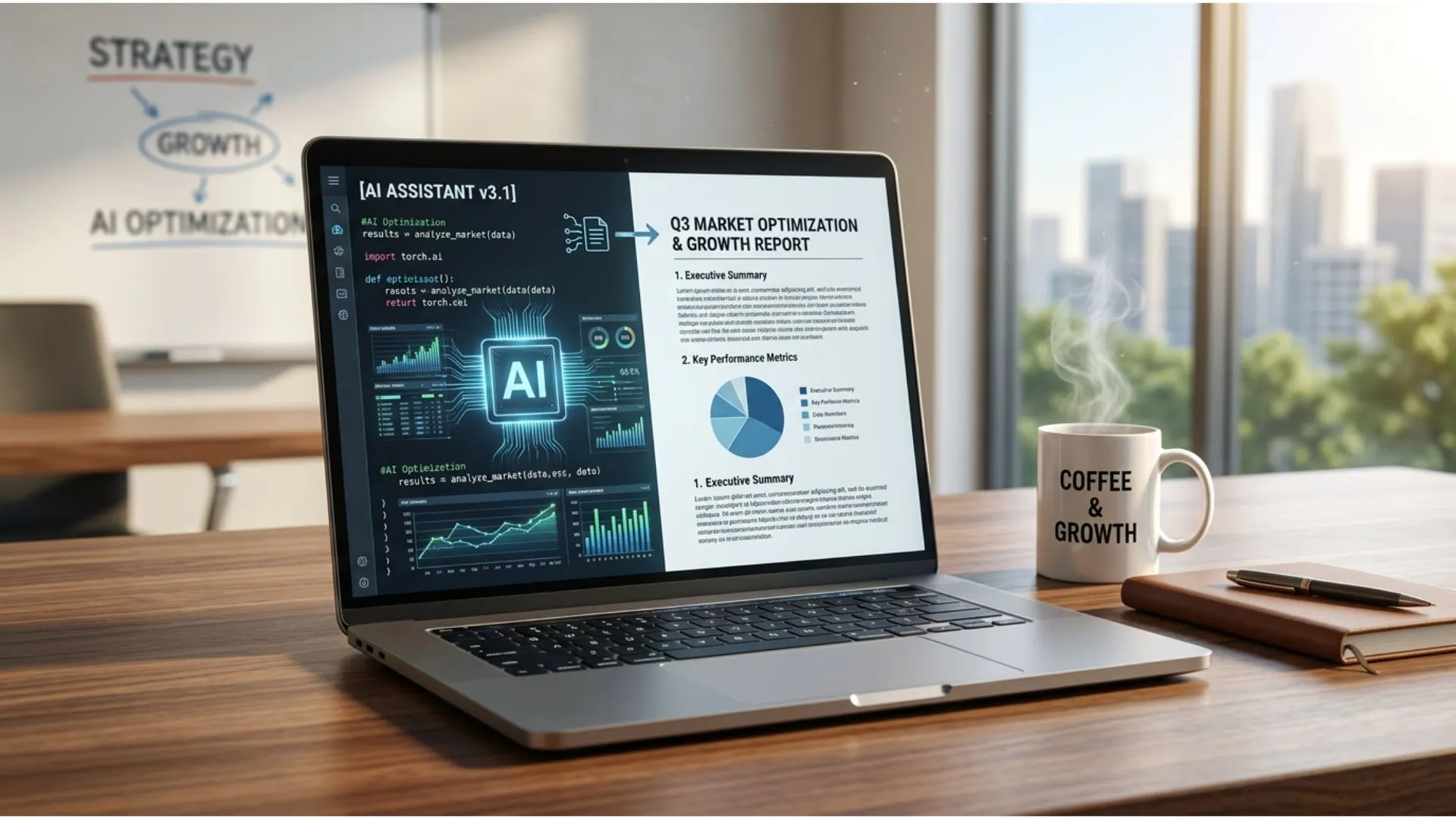
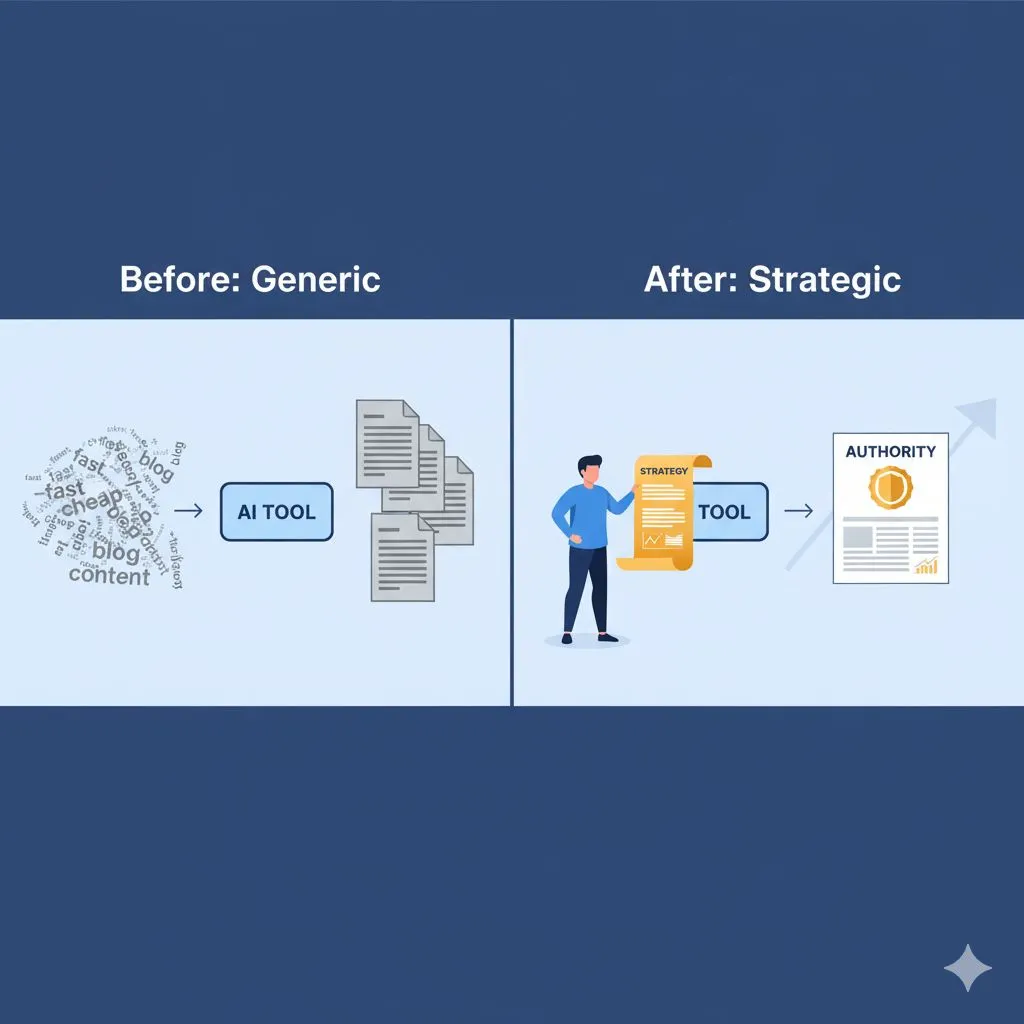
The second hurdle to hyper personalization is content creation. Even if you knew exactly what to say to each person, you couldn't physically write it all. This is where Prompt Engineering becomes a critical skill.
With the right strategic prompts, you can take one core idea and instantly generate twenty variations tailored to different pain points. You can transform a generic "weekly update" into:
- Version A for the skeptical buyer (focusing on social proof).
- Version B for the price-sensitive buyer (focusing on ROI).
- Version C for the impulse buyer (focusing on urgency).
This isn't about letting a robot take over your brand voice. It's about using the robot to scale your brand voice so you can be in a thousand places at once, sounding perfectly coherent in each one.
The Strategic Framework
The 4 Pillars of Hyper-Personalization
To implement this without adding to your overwhelm, you need a framework. You cannot simply "do AI" and hope for results. You need a strategy that refines your processes for growth.
1. Context
Context is the "why" behind the message. Most marketing fails because it ignores context. You wouldn't ask someone to marry you on the first date, yet businesses constantly ask for the sale in the first interaction. Hyper personalization uses AI to determine the customer's "temperature." Are they in research mode? Comparison mode? Or buying mode? The content must match the context.
2. Channel
Where does your customer actually live? For some, it’s LinkedIn DMs. For others, it’s a curated newsletter. Hyper personalization isn't just about the message; it's about the delivery system. It ensures that your high-value content lands where it is most likely to be consumed, not just where it is easiest for you to post.
3. Behavior (The "Live" Element)
This is the differentiator. Traditional marketing relies on static data (Age, Location). Hyper personalization relies on fluid data (Behavior). If a prospect clicks a link about "Time Management" in your Tuesday newsletter, your Thursday follow-up shouldn't be a generic sales pitch—it should be a deep dive into time-saving tools. This behavioral trigger signals to the recipient: "They are listening. They understand me."
4. Dynamic Assembly
This is the technical pinnacle of the trend. Dynamic assembly involves using tools that construct emails or landing pages in real-time based on the user's data.
- Header: Matches their industry.
- Body Copy: Addresses their specific pain point identified in previous interactions.
- CTA: Aligns with their lifecycle stage (e.g., "Learn More" vs. "Buy Now").
Implementation for Solopreneurs: How to Execute Without Burnout
You might be reading this thinking, "This sounds incredible, but also incredibly complex."
Here is the truth: Complexity is the enemy of execution. For the Alex Rivers of the world, we need simplicity. You do not need an enterprise tech stack costing $10k a month. You need:
- A decent CRM/Email platform (ActiveCampaign, ConvertKit, or HubSpot) that allows for tagging and automation.
- A library of Expert AI Prompts to generate the copy for these branches.
The Email Ecosystem
Email remains the highest ROI channel for hyper personalization. Unlike social media algorithms, which are rented land, you own your email list. The Prompt-Led Email Mastery pack delivers the exact frameworks, sequences, and copy prompts to build this system in your business.
- The "Blast" is Dead: Stop sending the exact same newsletter to everyone.
- The "Conversation" is King: Create "choose your own adventure" flows. In your welcome sequence, ask the user: "What is your biggest challenge right now? A) Traffic, B) Conversion, or C) Retention?"
- Depending on their click, they are routed into a hyper-personalized sub-sequence.
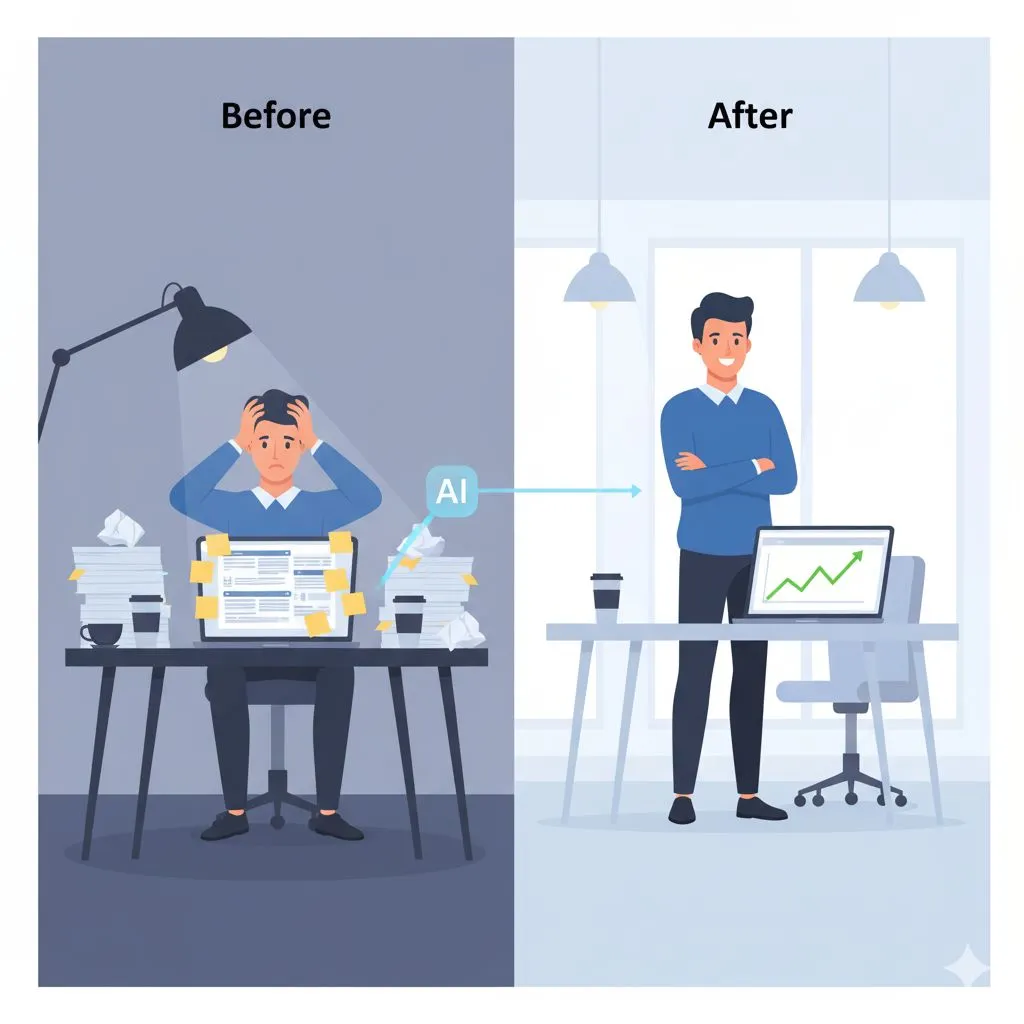
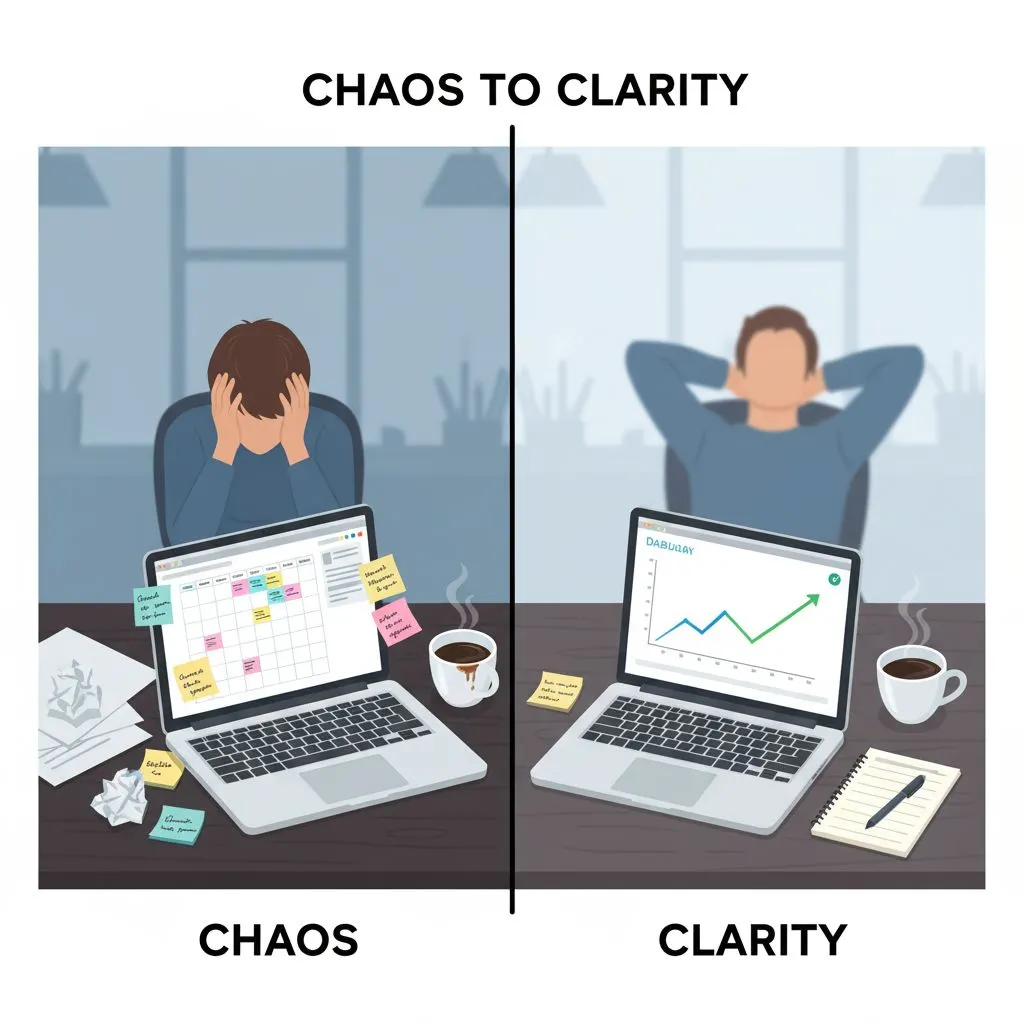
This setup takes effort once (the system build) but saves hours of manual follow-up forever (the scale). It transforms you from a stressed operator constantly churning out content into a strategist who built a machine that nurtures leads while you sleep.
Future Outlook: Predictive Personalization
Where is this going next? We are moving from reactive personalization (reacting to a click) to predictive personalization (anticipating a need).
Imagine a system that notices a client hasn't opened an email in three weeks and automatically sends a re-engagement campaign with a "we miss you" offer, without you lifting a finger. Or a system that predicts a client is about to churn based on their usage patterns and alerts you to reach out personally.
This level of insight allows small business owners to maintain high-touch relationships with hundreds of clients simultaneously. It provides the one thing Alex Rivers craves most: Financial freedom and reclaimed time.
Conclusion: From Operator to Strategist
The era of mass marketing is over. The era of the generic "hustle" is fading. We are entering the era of the strategic, tech-enabled entrepreneur.
For the small business owner, hyper personalization is the key to breaking through the glass ceiling. It allows you to:
- Scale your business without exploding your headcount.
- Build deep trust with prospects by proving you understand their specific problems.
- Competing head-to-head with larger players who are often too slow and bureaucratic to personalize at this level.
You have the ambition. You have the skills. Now, you need the leverage. The technology is here, but technology without the right words is just noise. The difference between a generic automated spam bot and a high-conversion personalized engine is the quality of the content you feed it.
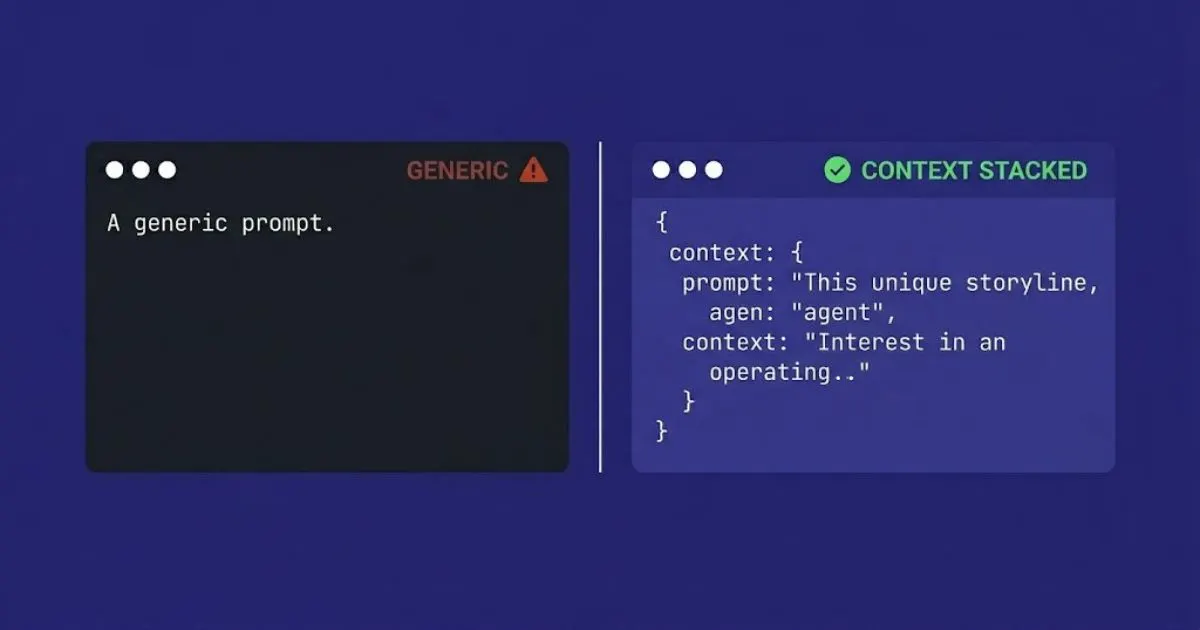
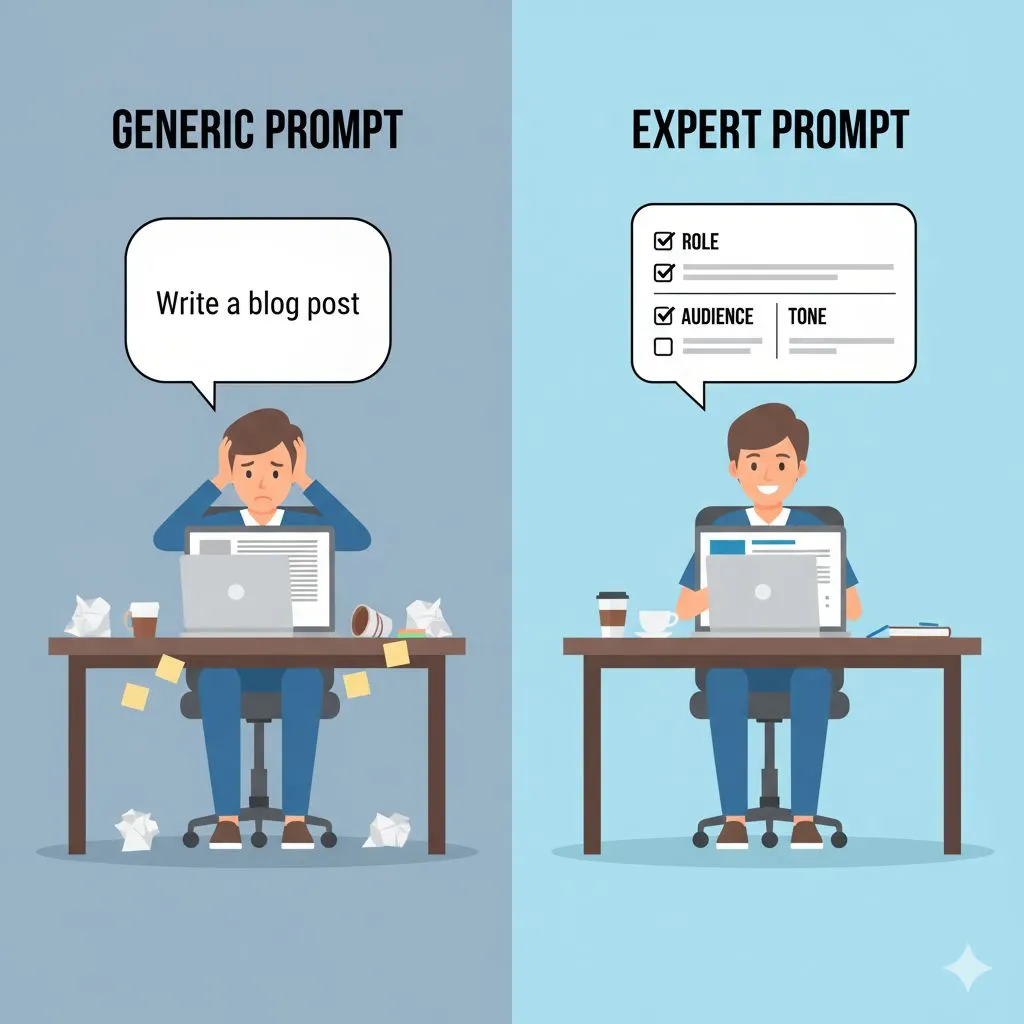
To truly win at hyper personalization, you need to master the art of the prompt. You need to be able to tell the AI exactly who it is speaking to, what tone to take, and how to convert that specific reader.
When you're ready for the full toolkit, browse all 30 industry-specific prompt packs and find the one built for your business.
Don't let the tech overwhelm you. Master the inputs, and the outputs will take care of your business growth.
Start with free AI prompt resources — 11 ready-to-use tools including lead magnets, content templates, and prompt frameworks, with zero risk.
Further Reading
Your Complete AI Marketing Strategy Guide
AI-Driven Marketing Automation the Right Way
How to Build an AI Marketing Plan
15 Examples of AI in Marketing
Free Resources
Free 1-Week Content Plan Template with AI Prompts
Pain Point Post Generator Toolkit (Free)
Ready to Scale Your Intimacy?
You don't need to guess how to write these personalized sequences. You don't need to stare at a blank cursor wondering how to segment your audience. You just need the right toolkit.
Unlock the power of 1-to-1 marketing with our Prompt-Led Email Mastery pack. Get the exact frameworks, strategies, and prompts you need to turn your email list into a hyper-personalized revenue engine—in minutes, not months.
Stop Spinning Wheels — Start Winning Clients with Prompt-Led Email Mastery