Create Your First Digital Product this Weekend Using AI
Create Your First Digital Product this Weekend Using AI
Jan 25, 2026
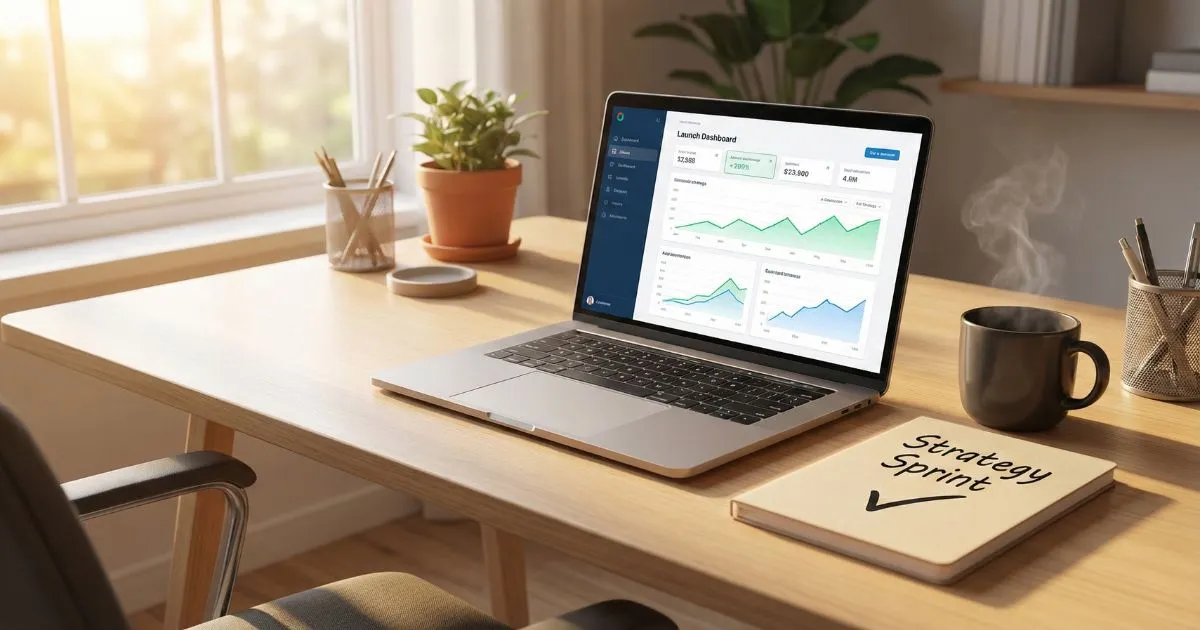
If you are like most small business owners, your biggest bottleneck is you.
You are likely trading hours for dollars, juggling client deliverables, managing a small team, and trying to handle marketing on your lunch break. You know the "gurus" talk about passive income and scaling, but you simply don't have the time to stop the treadmill long enough to build the machine.
You have the expertise. You have the experience. What you lack is the bandwidth.
Traditionally, creating a high-quality digital product—whether it’s a strategic playbook, a comprehensive template pack, or a mini-course—takes weeks, if not months, of focused effort. For an overworked entrepreneur, that timeline is a non-starter.
But the landscape has changed. With the strategic application of Artificial Intelligence, digital product creation is no longer a six-month project; it is a weekend sprint.
If you want to understand how this fits into your broader marketing system, explore the complete AI marketing strategy guide to see how digital product creation connects to long-term revenue growth.
This guide isn't about using AI to churn out generic, low-quality spam. It is about using AI as your junior staff—your researcher, drafter, and designer—so you can remain the Strategist. By the time you finish this guide, you will have a roadmap to go from "idea" on Friday night to "launch ready" by Sunday evening.
Phase 1: Strategy & Validation (Saturday Morning)
Before you write a single word, you must validate your direction. The biggest mistake ambitious entrepreneurs make is building what they want, rather than what their market is desperate for.
Identify the "Bleeding Neck" Problem
You don't need a groundbreaking new idea; you need a solution to a painful problem your current clients are already facing.
Look at your inbox. What questions do clients ask you repeatedly? What process do you find yourself explaining over and over?
- The Consultant: "How do I audit my own HR compliance?"
- The Marketer: "How do I set up my first Facebook ad campaign?"
- The Designer: "How do I create social graphics that don't look amateur?"
Your first digital product should solve one specific problem and deliver one specific outcome.
The AI Research Assistant
Instead of spending hours trawling forums, use AI to simulate market research. You can use tools like ChatGPT or Claude to analyze your target persona (like yourself) and uncover pain points.
Try this prompt:
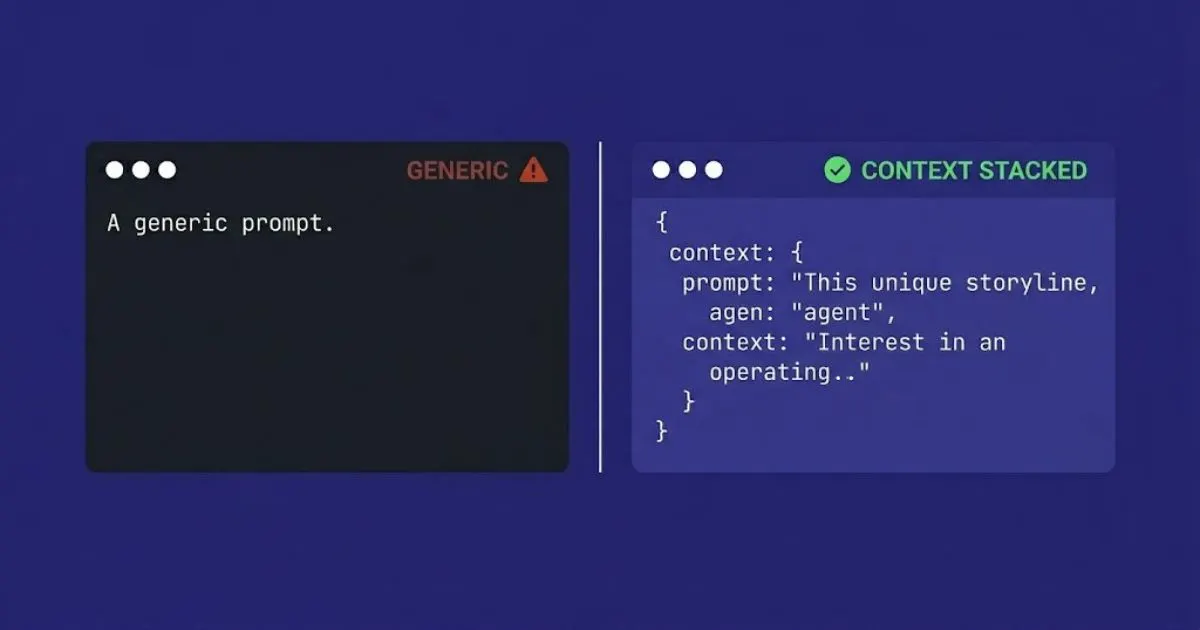
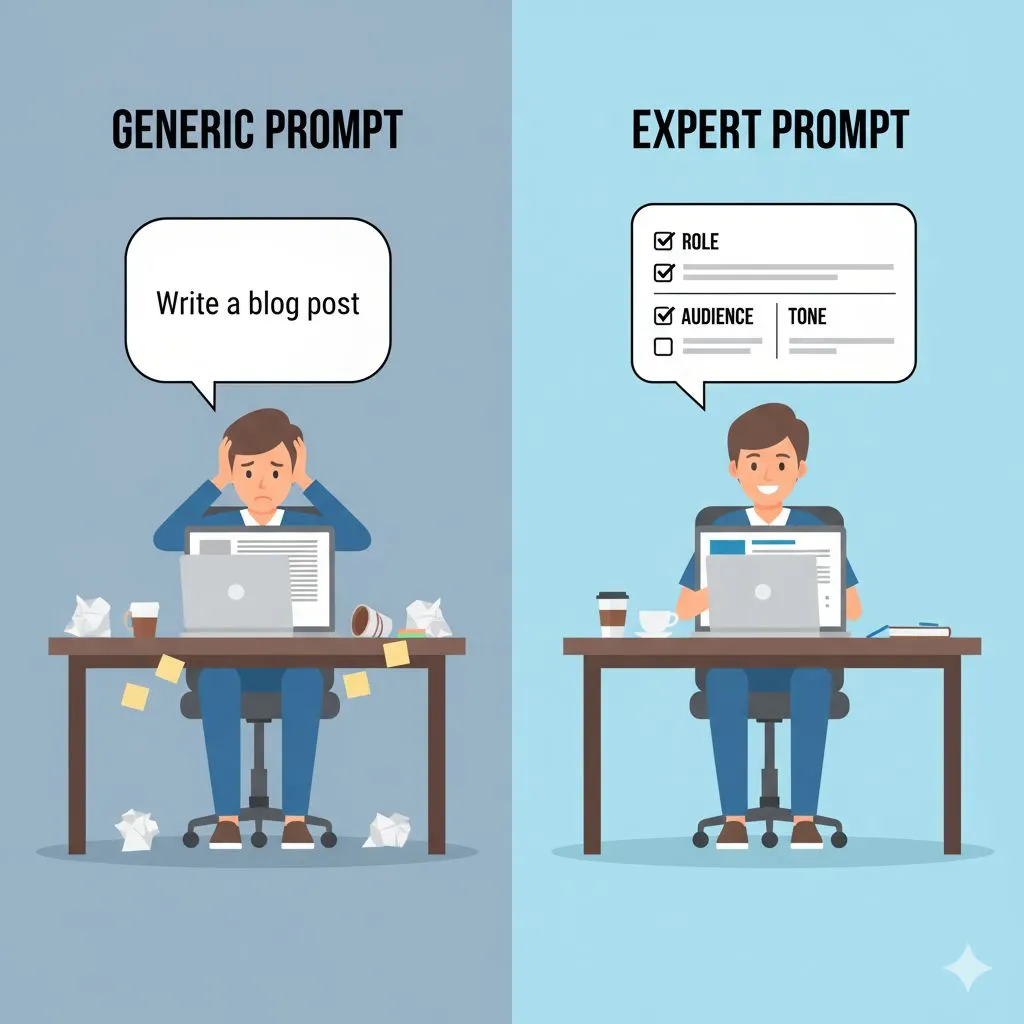
"Act as a [Your Target Audience, e.g., Small Business Owner]. List 10 specific, painful, and urgent problems you face regarding [Your Niche]. For each problem, list the anxieties it causes and the ideal quick solution you would pay $50 for right now."
To get consistently strong outputs from prompts like this, grab the free Perfect Prompt Framework (free download) — a one-page guide that structures every AI prompt for maximum precision.
This exercise cuts through the noise. It helps you find a product idea that isn't just "nice to have," but essential.
Defining the Product Format
For a weekend build, scope is your enemy. You are not writing a 300-page manifesto. You are building a tactical asset. Choose one of these high-value formats:
- The Roadmap/Playbook: A step-by-step PDF guide (e.g., "The 48-Hour SEO Cleanup").
- The Template Pack: Ready-to-use files (e.g., "10 Email Scripts for Closing High-Ticket Sales").
- The SOP Library: Standard Operating Procedures you already use, packaged for others (e.g., "The Agency Client Onboarding Checklist").
Strategic Tip: Do not try to create a video course this weekend. Video production introduces lighting, audio, and editing variables that kill momentum. Start with text and templates. They are easier to update and faster to create.
Phase 2: Accelerated Creation (Saturday Afternoon)
Now that you have a validated idea, it’s time to build. This is where digital product creation usually stalls. You stare at a blank cursor, overwhelmed by the structure.
This afternoon, AI is your drafter. You are the editor.
Structuring the Value
Never start drafting until you have a bulletproof outline. A logical flow ensures your customer gets the "A-ha!" moment quickly.
The Prompt Strategy:
Ask your AI tool to act as an instructional designer.
"I am creating a digital guide titled [Title] for [Audience] that helps them achieve [Outcome]. Create a detailed, step-by-step outline for this guide. It should be practical, action-oriented, and divided into 5 clear modules."
Review the outline. Does it make sense? Does it skip steps? Use your expertise to adjust the flow before you proceed.
The "Hybrid Drafting" Method
Here is the golden rule of using AI for business: Do not copy and paste. Review the AI content creation pillar for the complete framework on maintaining brand quality while scaling output.
AI content is often generic and repetitive. To maintain your brand's credibility, you must inject your "Secret Sauce"—your anecdotes, your specific methodologies, and your tone of voice.
Work section by section.
- Prompt: "Write the draft for Section 1: [Topic]. Focus on actionable steps. Tone should be professional, encouraging, and direct."
- The Human Layer: Once the AI generates the text, read it. Rewrite the introduction to sound like you. Insert a case study from your actual business experience. Remove the fluff.
This "Hybrid" approach allows you to produce 2,000 words of high-quality content in an hour, rather than a day, while ensuring the final output protects your reputation.
Review and Refine
By Saturday evening, you should have a rough draft of your guide or the raw content for your templates.
Take a break. Step away from the screen. When you return, read it aloud.
- Does it deliver on the promise?
- Is it overwhelming? (If so, cut content. Clarity > Volume).
- Is it actionable?
Remember, your customers are just like you—busy. They don't want a long book; they want a shortcut to a result.
Phase 3: Visuals & Packaging (Sunday Morning)
Content is King, but packaging is Queen. If your digital product looks like a messy Word document, your perceived value drops instantly. You need to look like a premium brand, even if you are a team of one.
Design for Non-Designers
You do not need to hire a freelance graphic designer. Tools like Canva are essential here, but AI image generation can create unique assets that make your product stand out.
Use AI (like Nano Banana Pro, Midjourney or DALL-E 3) to create a compelling cover image.
Prompt Idea:
"A minimalist, professional book cover design concept for a business guide titled 'The Efficiency Playbook'. Geometric style, shades of deep blue and white, high quality, 3d render."
Upload this image into a Canva "eBook Cover" template. Add your title in a bold, readable font. Suddenly, your Google Doc looks like a best-seller.
Formatting for Readability
If you are selling a PDF guide, readability is crucial.
- Use Headers: Break up text frequently.
- Callout Boxes: Use colored boxes to highlight "Pro Tips" or "Warnings."
- Whitespace: Don't wall-to-wall text. Let the content breathe.
If you are creating templates (like a spreadsheet or Notion dashboard), ensure the "Start Here" instructions are crystal clear. The first 5 minutes of user experience dictates whether they ask for a refund or become a lifelong fan.
The Title & Hook
Your title is the most important marketing asset you have. A boring title kills sales.
Ask AI to generate 20 variations based on proven copywriting frameworks.
"Give me 10 title options for this product using the 'Benefit + Timeframe' framework and 10 options using the 'How-to without Pain' framework."
Example:
- Boring: "Small Business SEO Guide"
- Better: "The Weekend SEO Sprint: Rank Higher in 48 Hours Without Hiring an Agency"
Phase 4: The Launch Stack (Sunday Afternoon)
The product is done. It looks good. Now, you need a way to sell it. If you want a fully pre-built launch prompt system, the Launch Strategist’s AI Prompt Pack covers every launch phase — from pre-launch buzz to post-launch follow-up — with 50 ready-to-use prompts. Many entrepreneurs get stuck here, thinking they need a full WordPress website, a complex funnel, and a merchant account. You don't. You need a link.
The "No-Code" Tech Setup
For your first digital product creation sprint, use platforms that handle the heavy lifting.
- Gumroad or LemonSqueezy: These platforms act as your storefront, checkout, and file delivery system. You can set them up in 20 minutes. They handle the taxes, the credit card processing, and the automated email delivery of the file.
Writing the Sales Copy
You don't need to be a professional copywriter to convert visitors. You just need to answer the customer's internal dialogue.
Use AI to draft your landing page copy using the PAS Framework (Problem - Agitation - Solution).
Prompt:
"Write a sales page for my digital product [Product Name]. Use the PAS framework.
Problem: [Describe the pain point].
Agitation: [Describe why it hurts/costs money].
Solution: [Describe my product].
Include 5 bullet points of benefits and a strong Call to Action."
For a deeper breakdown of how to structure this, see the guide on Writing Sales Pages That Convert using the PAS Framework and AI.
Paste this copy into your Gumroad/LemonSqueezy product description.
The Email Sequence
Finally, you need to tell people it exists. Do not just post once on LinkedIn. You need a mini-campaign.
For a complete toolkit of pre-written email prompts for launches, nurture sequences, and re-engagement, the Prompt-Led Email Mastery toolkit removes the guesswork from every send.
Draft a 3-email "Launch Sequence" for your existing list or social media:
- Email 1 (The Tease): "I'm working on something..." (Share the problem you are solving).
- Email 2 (The Reveal): "It's finally here." (Link to the product, focus on the benefit).
- Email 3 (The Logic): "Why I built this." (Share the backstory and credibility).
Conclusion
By Sunday evening, the landscape of your business will look different.
You will no longer just be a service provider trading time for money. You will be a product owner. You will have an asset that can be sold while you sleep, while you are in client meetings, or while you are spending time with your family.
The goal of this weekend wasn't just to make a few extra dollars—though that is a nice bonus. The goal was to prove to yourself that digital product creation is possible without a massive team or a six-month timeline.
However, the "Weekend Sprint" is just the beginning. The real magic happens when you systematize this process. Imagine if you could create a new income stream every month? Or if you could turn every successful client project into a template you sell to hundreds?
The bottleneck has never been your ability; it has been your bandwidth. AI has solved the bandwidth problem. The strategy is now up to you.
Do not let this weekend pass with just another "to-do" list. Take action. Use the tools available to you, reclaim your time, and start scaling.
Start with zero commitment: download your free AI starter resources — including prompt swipe files, content planners, and time-saving toolkits curated for entrepreneurs exactly like you.
Ready to Speed Up the Process?
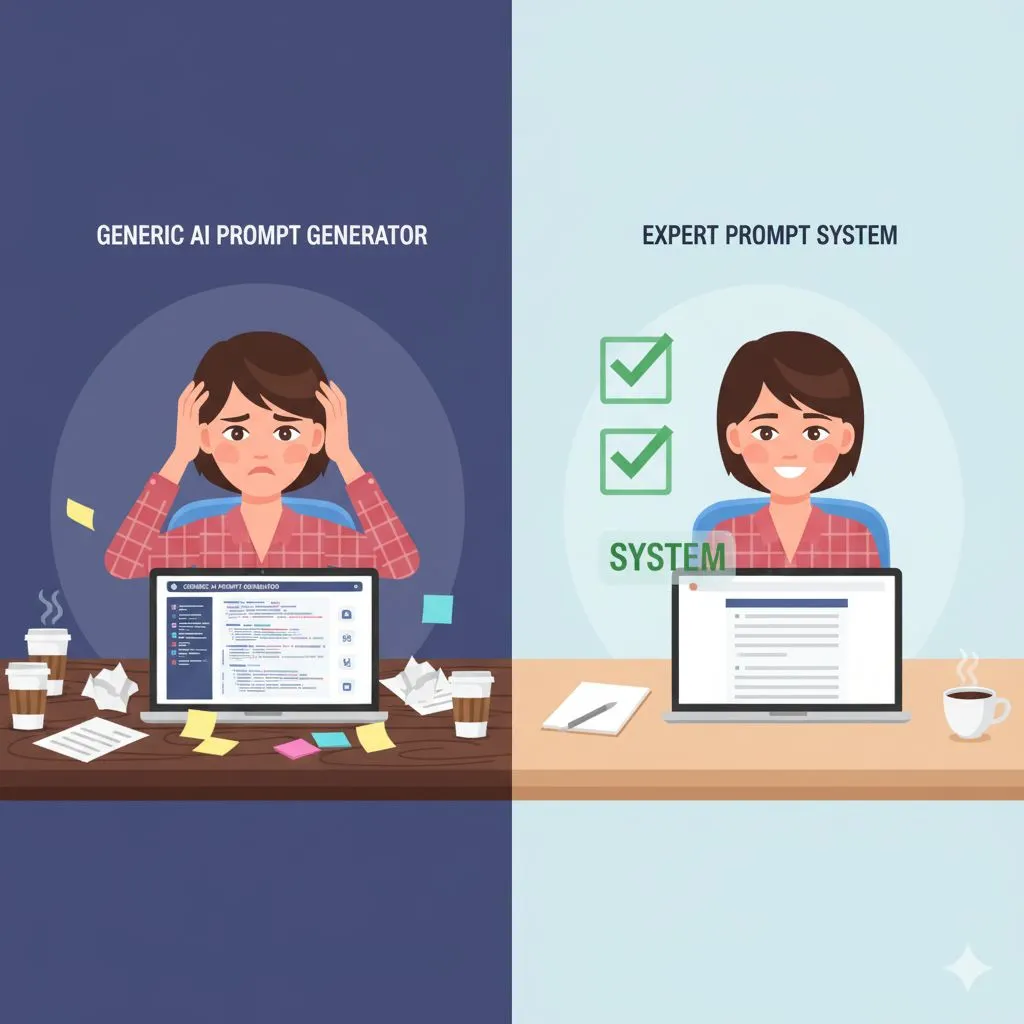
You don't have to guess the right prompts to get expert-level results. We have curated a specific toolkit designed to guide you through every hour of this weekend sprint—from strategy to sales copy.
Get the Expert AI Prompts Digital Product Toolkit Here
Already know you need more? View the full Expert AI Prompts pricing catalog to compare all 30 industry-specific prompt packs and find the right toolkit for your business.
Further Reading
Launch Your Course Faster: The AI Content Workflow for Educators
The Stress-Free Product Launch: A Myth or Reality?
The Perfect Launch: Coordinating Your Go-To-Market Strategy with AI