The Perfect Launch: Coordinating Your Go-To-Market Strategy with AI
The Perfect Launch: Coordinating Your Go-To-Market Strategy with AI
Jan 25, 2026
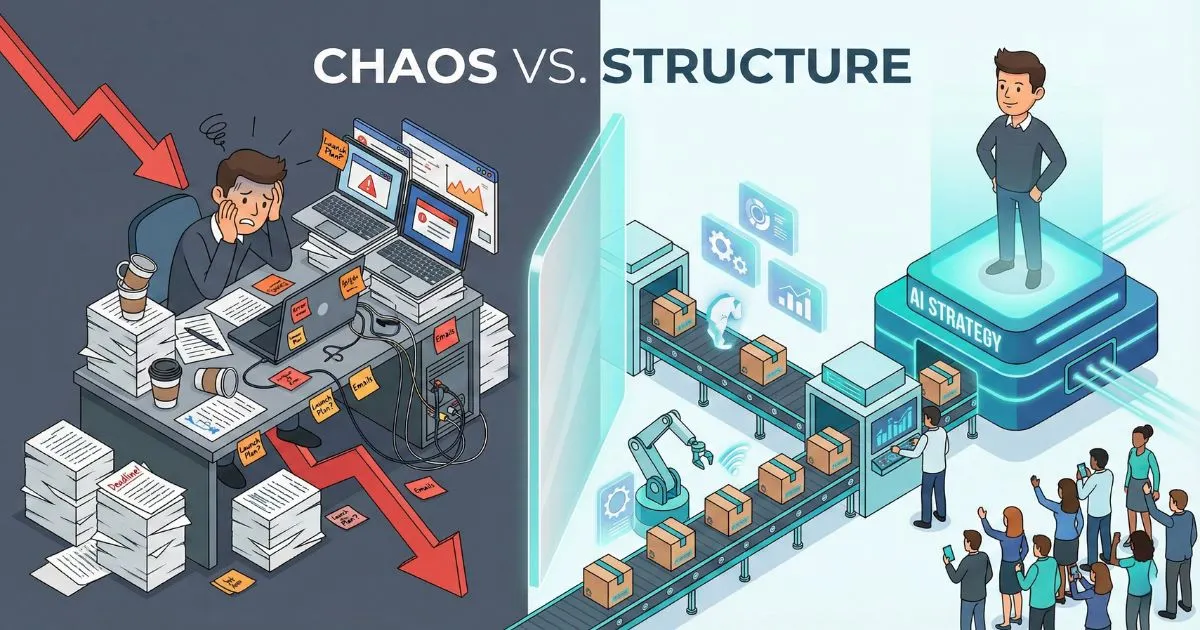
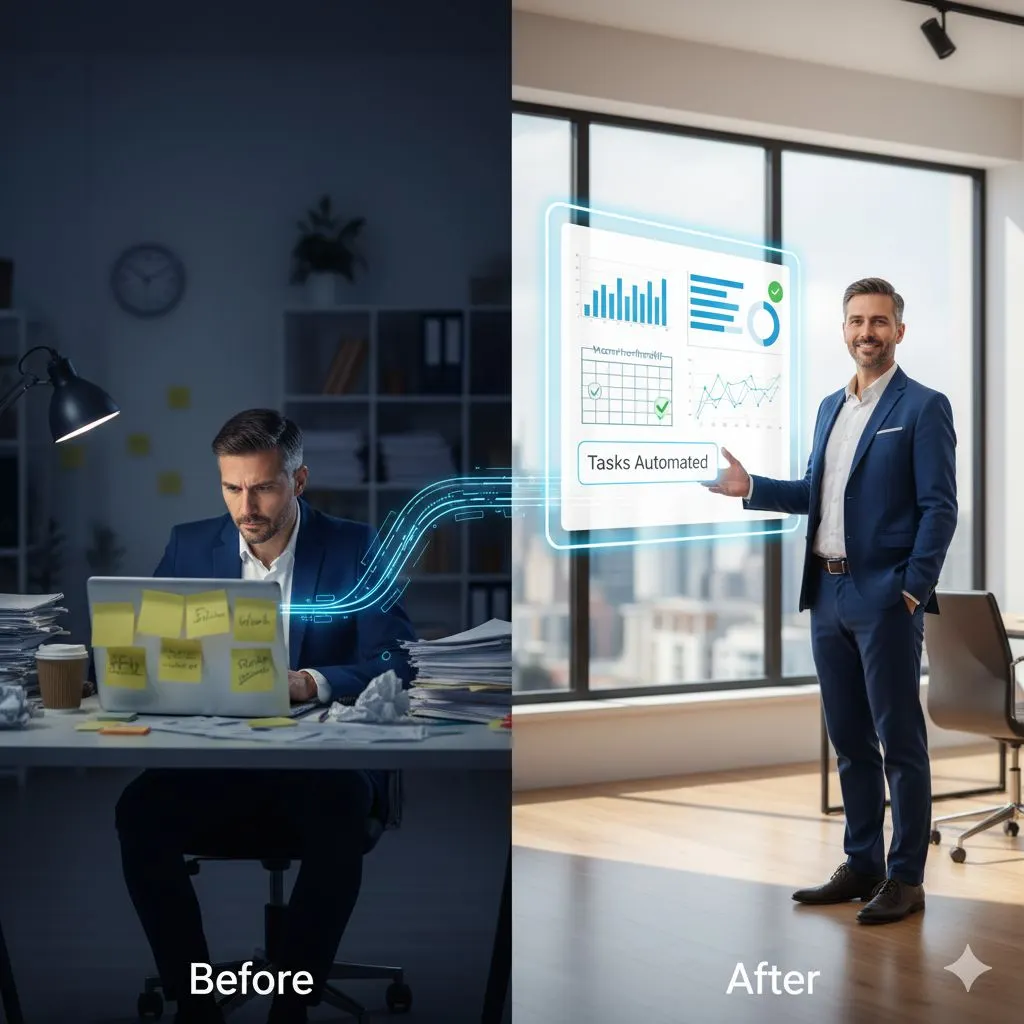
If you are like most small business owners, the words "product launch" probably trigger a mix of excitement and dread. You know the potential: a surge in revenue, new customers, and a stronger brand. But you also know the cost. It means late nights writing email copy, weekends lost to troubleshooting landing pages, and the constant, nagging fear that you might be shouting into the void.
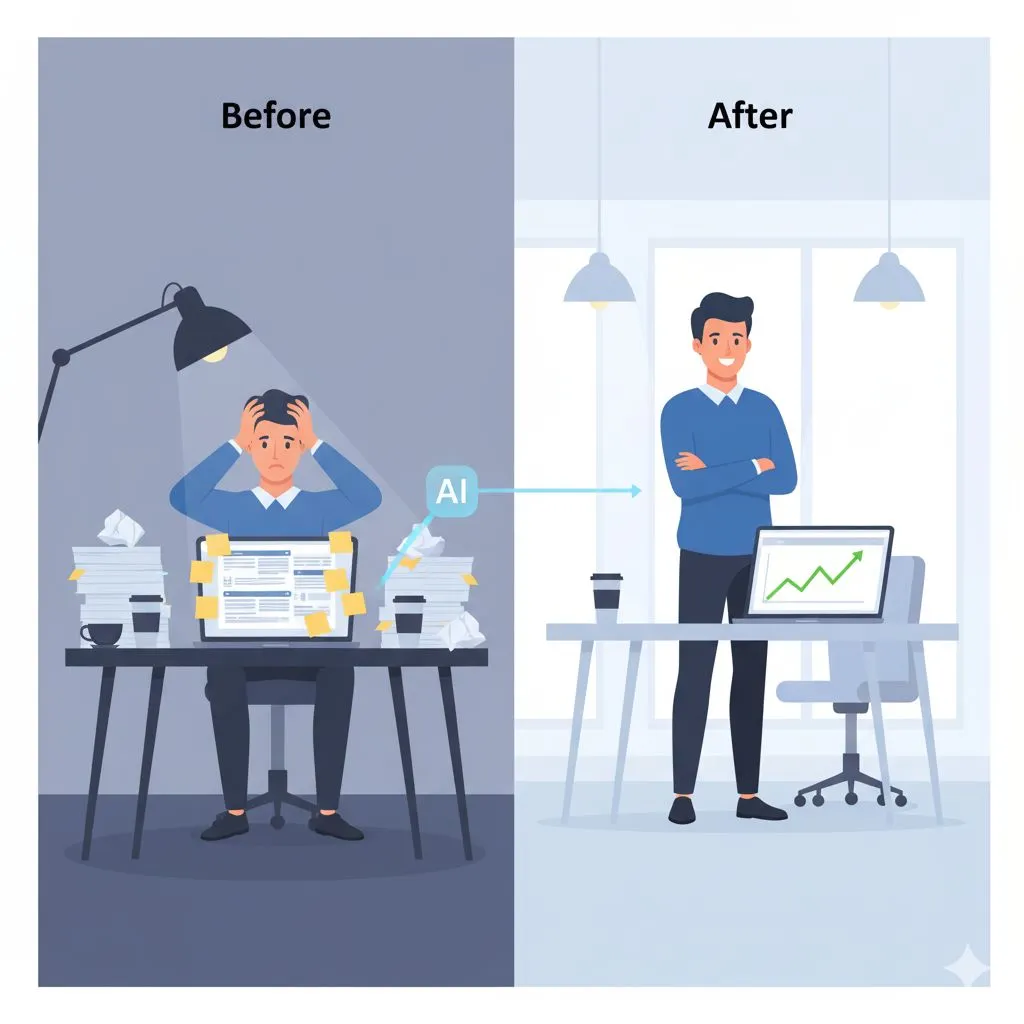
For entrepreneurs like you—wearing the hats of CEO, CMO, and Customer Support lead simultaneously—a launch often feels less like a strategic military operation and more like holding a storm door shut in a hurricane. You don’t have a ten-person marketing team. You have a vision, limited hours in the day, and a burning need to scale without burning out.
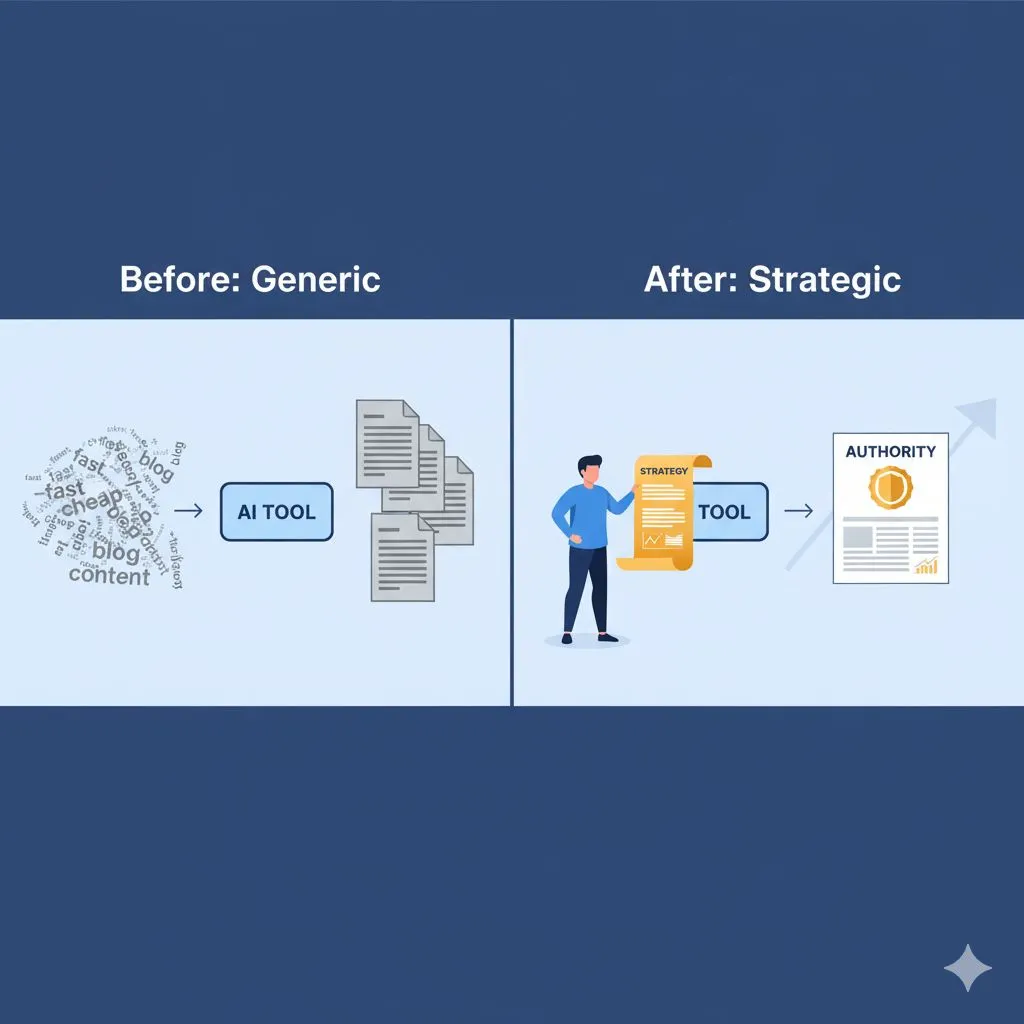
This is where the conversation about Artificial Intelligence usually goes wrong. You’ve likely heard the hype: "Click a button, make a million." You may have even tried generic AI tools, only to be disappointed by robotic, soulless output that sounds nothing like your brand.
Here is the truth: AI is not a magic wand. It is a lever. When applied to a sound product launch strategy, it gives you the torque of a Fortune 500 marketing department.
When you apply AI to a proven complete AI marketing strategy, every phase of your launch becomes faster, sharper, and more repeatable.
This guide isn't about using AI to spam the internet with cheap content. It is about using AI to coordinate a sophisticated, high-impact Go-To-Market (GTM) strategy that positions you as a credible authority. It’s about moving you from the weeds of production to the driver’s seat of strategy.
Phase 1: Pre-Launch Discovery (The Strategy Engine)
The biggest mistake independent entrepreneurs make is rushing to "make the thing" before they fully understand "sell the thing." In traditional agencies, the discovery phase takes weeks and costs thousands. If you want a structured approach, our AI marketing plan guide walks you through exactly how to build this foundation step by step. With the right AI approach, you can complete this deep strategic work in an afternoon.
Validating the Concept
Before you write a single line of code or draft a sales page, you need to pressure-test your offer. You can use AI to simulate your harshest critics. By feeding an AI model your product idea and asking it to act as a skepticism engine, you can uncover holes in your logic before the market does.
Imagine asking an AI to list the top ten reasons a cynical buyer would refuse to buy your product. This isn't negativity; it's armor. It allows you to address objections in your marketing before the customer even thinks of them.
Deep-Dive Persona Refinement
You likely have a rough idea of who your customer is. But a successful product launch strategy requires intimacy, not just demographics.
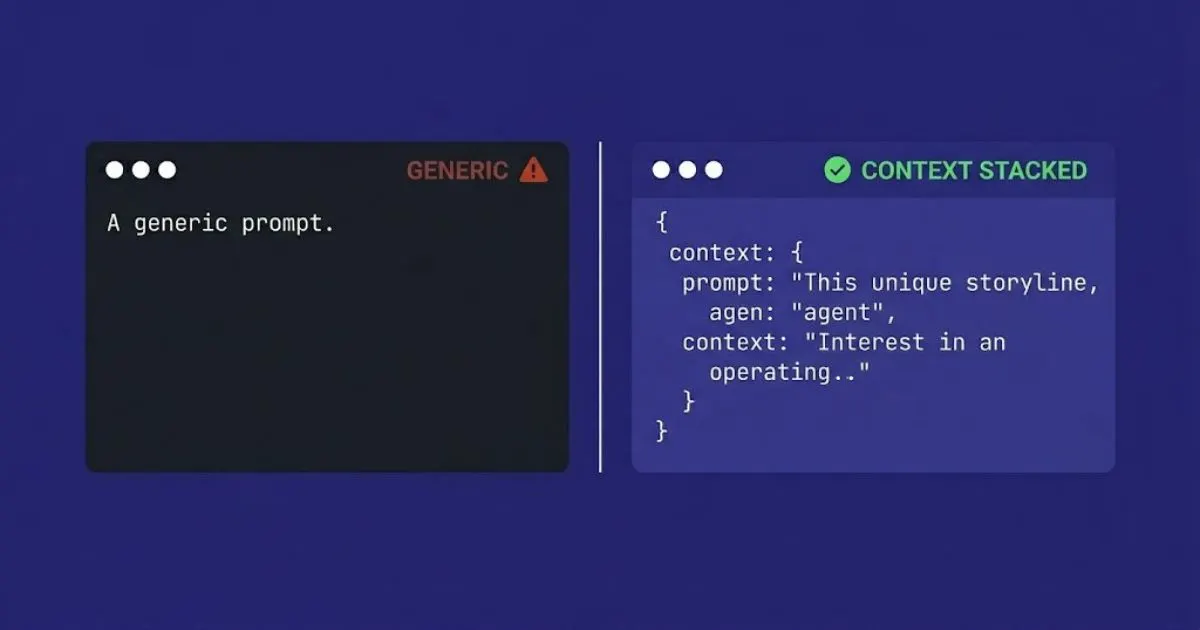
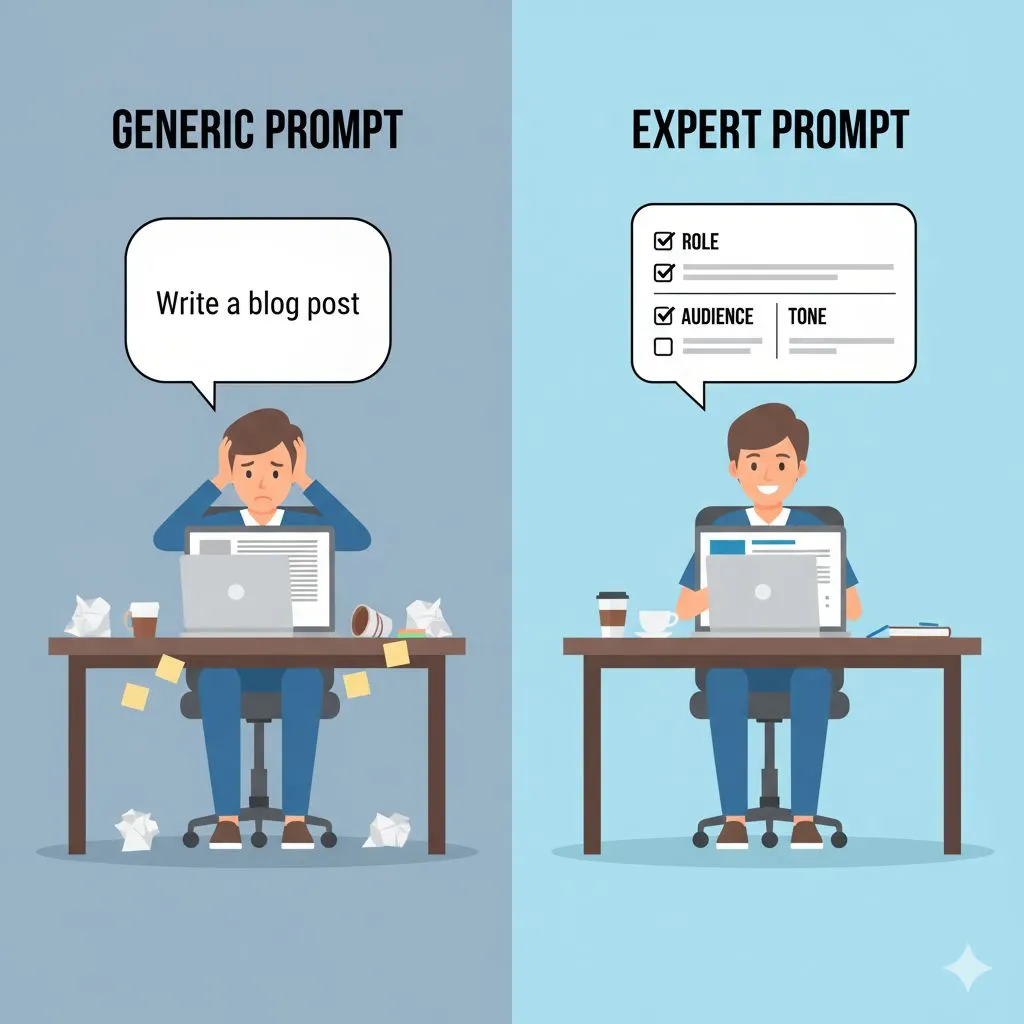
Generic prompts get generic results. Instead of asking AI to "describe a customer for a yoga mat," a strategic approach involves feeding the AI specific psychographic details—fears, aspirations, and daily frictions—and asking it to generate a "Day in the Life" narrative. This helps you understand not just who they are, but when they feel the pain your product solves. This insight is the difference between a marketing message that is ignored and one that feels like mind-reading.
Positioning and USP
In a crowded digital market, being "better" isn't enough. You have to be different. Your Unique Selling Proposition (USP) is the anchor of your launch.
AI excels at pattern recognition. You can input the value propositions of your top three competitors and ask the AI to identify the "white space"—the specific gap in the market that no one is addressing. Perhaps Competitor A is cheap but slow, and Competitor B is high-quality but complex. Your launch strategy can then pivot entirely to "High-quality simplicity."
By the end of Phase 1, you haven't just brainstormed; you have built a data-backed foundation. You are no longer guessing what the market wants. You know. Now, you need to build the assets to tell them.
Phase 2: The Asset Factory (Content Production)
If Phase 1 is the brain of your operation, Phase 2 is the muscle. This is the stage where most solopreneurs hit the wall. A proper launch content workflow requires a staggering amount of content: landing pages, thank-you pages, 10+ emails, dozens of social media posts, ad copy, and video scripts.
Attempting to write this all from scratch, by yourself, is a recipe for mediocrity. When you are tired, your writing suffers, your brand voice slips, and your conversion rates tank. This is where we turn your AI tool into an "Asset Factory."
Building the Master Narrative
Consistency creates credibility. To ensure your AI doesn't sound schizophrenic—sounding formal in one email and slang-heavy in a tweet—you must start with a "Master Narrative" document.
This is a core text block you co-create with AI that summarizes your product, your offer, your guarantee, and your brand voice. Once this is established, every subsequent prompt refers back to it. You aren't asking the AI to write an email from scratch; you are asking it to "Write an email based on the Master Narrative, focusing on the pain point of time-scarcity, using a witty and empathetic tone."
This ensures that whether a customer reads a tweet or a long-form sales letter, they are hearing the same brand voice.
Repurposing at Scale
The secret to scaling a small team is never writing the same idea twice. With AI, you can turn one core concept into an omni-channel blitz.
Let’s say your launch focuses on a new productivity course. You can write one deep-dive blog post or script one comprehensive video about "The Psychology of Procrastination."
From there, you use specific prompts to dismantle that "pillar content" into:
- Five Tweets/Threads: Highlighting punchy statistics or quotes.
- Three LinkedIn Posts: Focusing on the professional implications of the topic.
- Two Newsletter Emails: One teaser leading to the video, one story-based email.
- Ten Instagram Story Scripts: Quick engagement polls and hooks.
This is how you compete with bigger players. You aren't working more hours; you are extracting more value from the hours you already worked.
Visual Strategy and Briefing
Visuals make or break the perception of value. Even if you aren't a designer, you need to direct them (or use AI image generators).
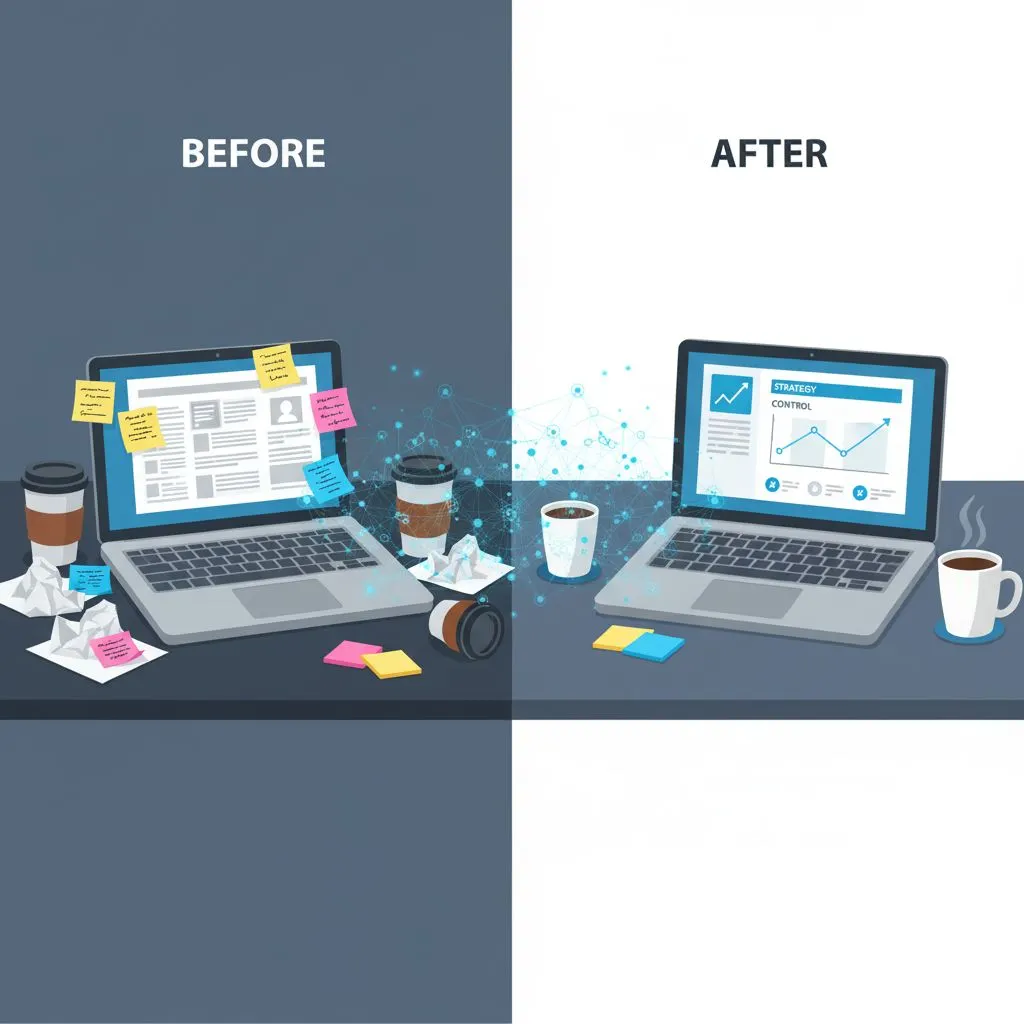
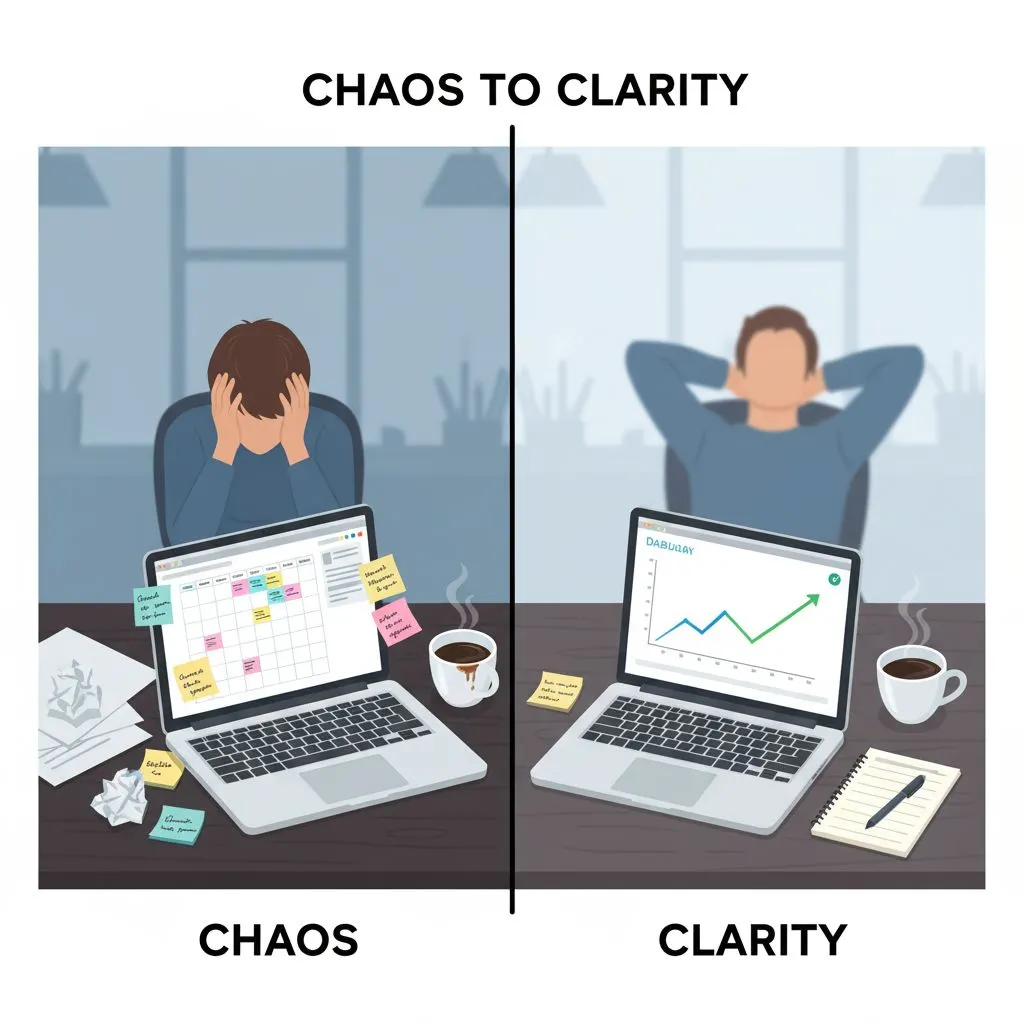
A common bottleneck is staring at a blank canvas. You can use text-based AI to generate detailed design briefs. Instead of thinking "I need an image for the ad," you can ask your AI strategy partner to "Describe three visual concepts that metaphorically represent the transition from chaos to order."
The output might suggest "A split screen showing a cluttered, gray desk on the left and a clean, sunlit workspace on the right, rendered in a minimalist vector style." You can paste that description directly into an AI image generator or send it to a freelance designer. You have skipped the "I don't know what I want" phase and moved straight to execution.
Phase 2 is about volume and velocity. But volume without direction is just noise. In the next section, we will look at how to organize this content into a cohesive timeline.
Phase 3: The Go-To-Market Roadmap (Execution)
You have the strategy, and you have the assets. Now, you need to deploy them. A product launch strategy fails when the timing is off—sending the "buy now" email before the customer even understands the problem, or letting the excitement die out because you forgot to post for three days.
Orchestrating a multi-channel campaign usually requires a project manager. Since you might not have one, AI will fill that role.
Orchestrating the Timeline
The difference between a stressful launch and a successful one is a roadmap. You can utilize AI to work backward from your launch date.
If you input: "My cart opens on November 1st and closes November 7th. Create a 4-week countdown schedule that includes a hype phase, an education phase, and a sales phase."
The AI can generate a day-by-day checklist. It might look like this:
- T-Minus 21 Days: Tease the "secret project" on Stories.
- T-Minus 14 Days: Release the "Problem Awareness" blog post.
- T-Minus 7 Days: Open the waitlist with a lead magnet.
- Launch Day: Send "Cart Open" email at 8:00 AM; go live on Instagram at 12:00 PM.
This turns vague anxiety into a checklist. You wake up every morning knowing exactly what needs to be posted and where.
The Email Sequence: The Backbone of Sales
Social media gets the glory, but email gets the sales. Our Prompt-Led Email Mastery toolkit includes every email type in this sequence, pre-built for your launch. Your launch needs a structured narrative arc.
- The Warm-Up (Indoctrination): These emails shouldn't sell. They should shift beliefs. Use AI to draft stories that validate your audience's struggles without pitching the solution yet.
- The Pivot (The Bridge): This connects the struggle to your new solution.
- The Offer (The Stack): Breaking down the value of what they get.
- The Close (Scarcity): Reminding them the doors are closing.
Writing these 10-15 emails is exhausting. However, if you have your "Master Narrative" from Phase 2, you can generate this entire sequence in one sitting. The key is to prompt for psychological triggers in each email. For example: "Draft the 'Cart Closing' email. Use a tone of helpful urgency. Do not use fake hype. Focus on the cost of inaction—what happens if they don't solve this problem today?"
Social Media Synchronization
Your audience is fragmented. Some only see your LinkedIn; others only watch your Reels. Your message must be synchronized. Our definitive guide to AI for social media covers the full multi-channel synchronisation playbook in depth.
When your email list receives the "Problem Awareness" email, your social channels should be discussing that same problem. If your email is about "Why generic tools fail," your Instagram graphic should be a comparison chart of "Generic Tools vs. Your Solution."
AI excels at this cross-referencing. You can feed your email drafts into the AI and ask it to extract the "One Big Idea" for social media captions. This ensures that no matter where a prospect encounters you, the message reinforces the launch narrative.
With the roadmap set, the launch begins. But the work isn't done when the cart closes. The final phase is where you secure the long-term victory.
Phase 4: Post-Launch & Optimization (Retention)
The confetti has settled. You’ve made sales. In the traditional "hustle" mindset, this is where you collapse from exhaustion. But in a strategic business, this is where you solidify your gains. A great product launch strategy doesn't end at the sale; it ends at the success of the customer.
Onboarding Automation
Buyer’s remorse is real. The first 48 hours after purchase are critical. If a customer feels lost, they refund. If they feel supported, they become a slightly obsessed fan.
You can use AI to draft a "Welcome Sequence" that is hyper-specific to the product they just bought.
- Email 1: A celebration and immediate login access.
- Email 2: A "Quick Win" guide—how to get value from the product in under 15 minutes.
- Email 3: A "Check-in" asking how they are doing (which can be automated).
By prioritizing the customer experience immediately, you reduce customer service tickets and refunds—saving your future self headaches.
Analyzing the Feedback Loop
During the launch, people likely asked questions.
- "Does this work for X industry?"
- "Is there a payment plan?"
- "How is this different from Y?"
Don't let this data disappear. Feed these questions into your AI. Ask it to analyze the sentiment and identifying missing pieces in your marketing. If 20 people asked about a payment plan, your next sales page needs that information front and center. This turns a one-time launch into a learning machine.
The "Evergreen" Transition
How do you turn a launch spike into consistent income? You take the assets you built—the emails, the social posts, the landing pages—and you configure them into an evergreen funnel.
Because you used AI to structure these assets strategically (rather than writing them off-the-cuff), they are likely modular and reusable. You can now set up an automated system where new leads enter your world and experience a "mini-launch" automatically, providing you with cash flow while you sleep.
Conclusion: From Operator to Strategist
The difference between the overworked business owner and the scalable entrepreneur isn't usually talent. It’s systems.
Alex, you have the ambition. You have the skills. What you have lacked is the bandwidth to execute a Fortune 500-style strategy on a small business budget.
By integrating AI into your product launch strategy, you stop trading time for money. You stop staring at blank screens wondering what to write. You stop guessing what your customers want.
- You become the Director, not just the actor.
- You become the Editor, not just the writer.
- You become the Strategist, not just the operator.
Not sure where to begin? Grab one of our free AI prompt packs and experience the difference a structured prompt makes — no credit card needed.
However, remember this: AI is a multiplier. If you multiply zero strategy by AI, you get zero results (faster). But if you multiply a solid, proven framework by AI, you get exponential growth.
The key is knowing exactly what to ask, when to ask it, and how to structure the output so it sounds like the expert you are. You don't need to learn prompt engineering from scratch—you just need the right toolkit.
Ready to launch without the burnout?
Stop guessing your way through your next big move. We have curated the exact prompts you need to execute every single step outlined in this guide.
Get The Launch Strategist's AI Prompt Pack Today
Or browse all 30 industry-specific prompt packs and pricing to find the pack that fits your business.
Further Reading
The Stress-Free Product Launch: A Myth or Reality?