Busting Writer’s Block: 50 Prompts to Spark Creativity
Busting Writer’s Block: 50 Prompts to Spark Creativity
Jan 25, 2026

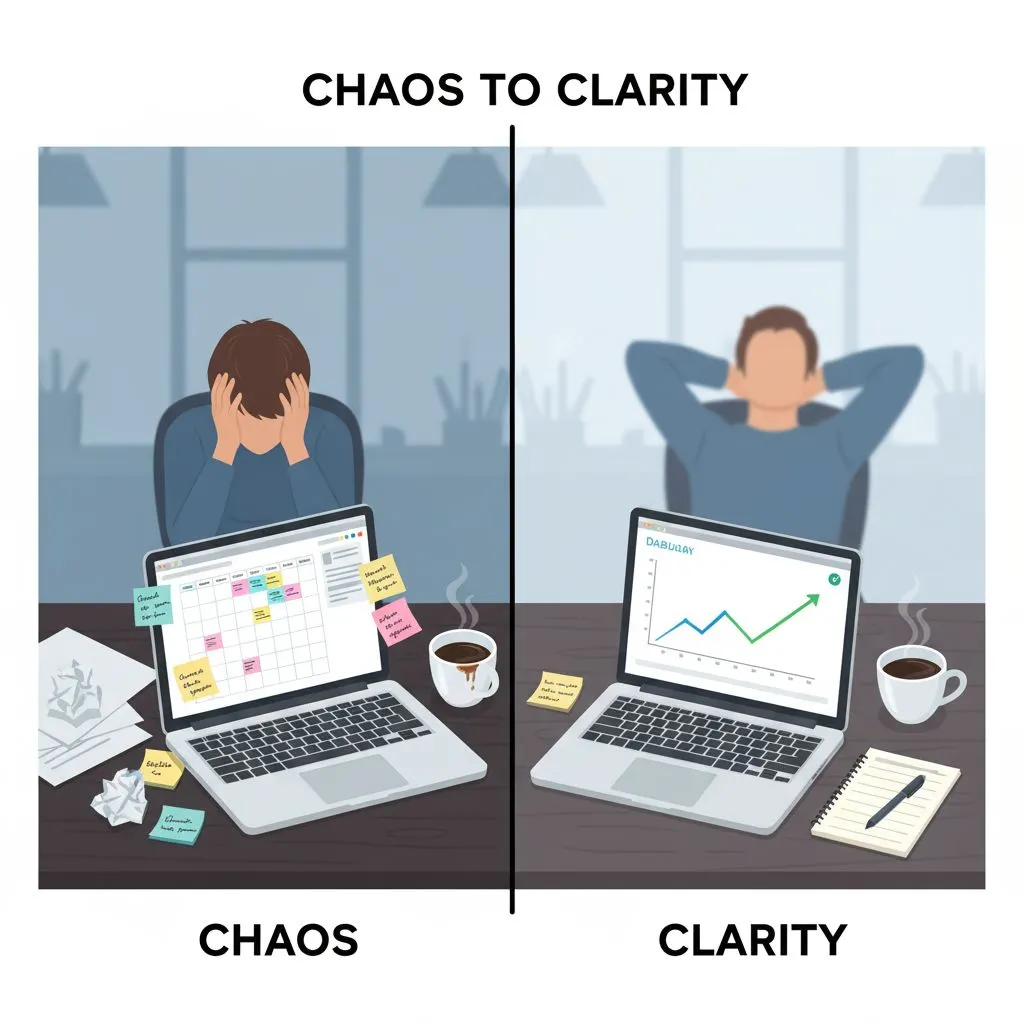
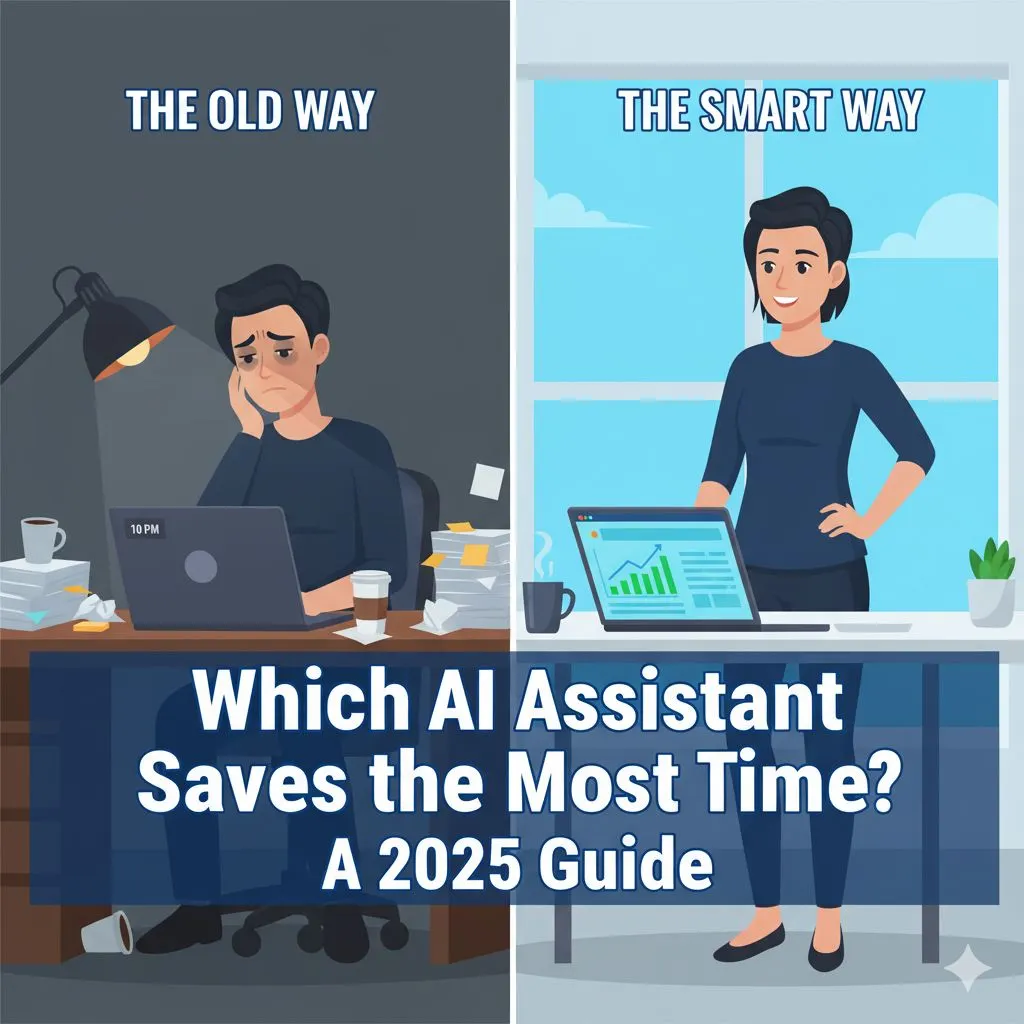
You know the feeling. It’s 2:00 PM, you have three client emails waiting, a team member asking for guidance, and a content calendar that is glaringly empty. You sit down to write a "quick" LinkedIn post or a newsletter intro, and suddenly... nothing. The cursor blinks. The minutes tick by.
For ambitious business owners and marketers, writer’s block isn’t just annoying; it’s expensive. When you are wearing every hat in the business, you don’t have the luxury of waiting for inspiration to strike. You need to produce expert-level content, and you need to do it now.
This is where creative writing ai becomes your most valuable employee.
Many people mistake AI for a simple text generator. But used strategically, it is an infinite idea engine—a creative partner that never gets tired. The goal isn't to let AI do the thinking for you, but to use it to bypass the "blank page syndrome" so you can focus on strategy and tone.
Below are 50 high-leverage prompts designed to spark creativity, streamline your workflow, and help you scale your output without sacrificing quality.
Section 1: Brand Storytelling & Identity (Prompts 1–10)
Great marketing isn't just about selling; it's about storytelling. However, writing about yourself or your own business is often the hardest task. These prompts help you extract your unique value proposition and articulate it with the polish of a professional copywriter.
- The Origin Story: "Act as a brand biographer. Interview me (ask me 3 questions, one at a time) about why I started my business. Once I answer, write a compelling 'About Us' page narrative that highlights my struggle, the solution I found, and why it matters to my customers."
- The "Enemy" Narrative: "Identify the status quo in the [Insert Industry] industry that frustrates customers. Write a manifesto titled 'Why We Do Things Differently' that positions my brand as the antidote to this common frustration."
- Core Values Translator: "Here are my three core business values: [Value 1], [Value 2], [Value 3]. Write a short paragraph for each that explains what this value means specifically for the client experience, avoiding corporate jargon."
- The Founder’s Bio: "Write a LinkedIn 'About' section for a founder in [Industry]. The tone should be authoritative yet accessible. Highlight these achievements: [List 3 achievements]. End with a personal mission statement."
- Brand Voice Definition: "Analyze the following writing sample of mine: [Paste Text]. Describe the tone, style, and sentence structure. Then, create a style guide bullet list I can give to freelancers so they can write exactly like me." For a deeper dive, read how to train AI to write in your brand voice — a practical guide built for small business owners. You can also download the free Competitor-Proof Brand Voice Kit — a ready-to-use AI prompt resource that locks in your brand voice from day one.
- The "Before & After" Bridge: "Write a brand story that focuses purely on the transformation my client undergoes. Start with their pain points and end with their life after using [Product/Service]."
- The Metaphor Maker: "I need to explain [Complex Service/Topic] to a layperson. Generate 5 creative metaphors or analogies that make this concept easy to understand and memorable."
- The Visionary Statement: "Draft a 'Vision for the Future' statement for my company (5 years out). Focus on how we will have changed the industry landscape for [Target Audience]."
- The Elevator Pitch: "Create three versions of an elevator pitch for my business: one for a potential investor (financial focus), one for a potential client (benefit focus), and one for a networking event (casual/conversational)."
- The Brand Archetype: "My brand archetype is the [Magician/Hero/Sage]. Rewrite this boring product description [Insert Description] to align perfectly with that archetype's voice."
Section 2: Content Marketing Engines (Prompts 11–25)
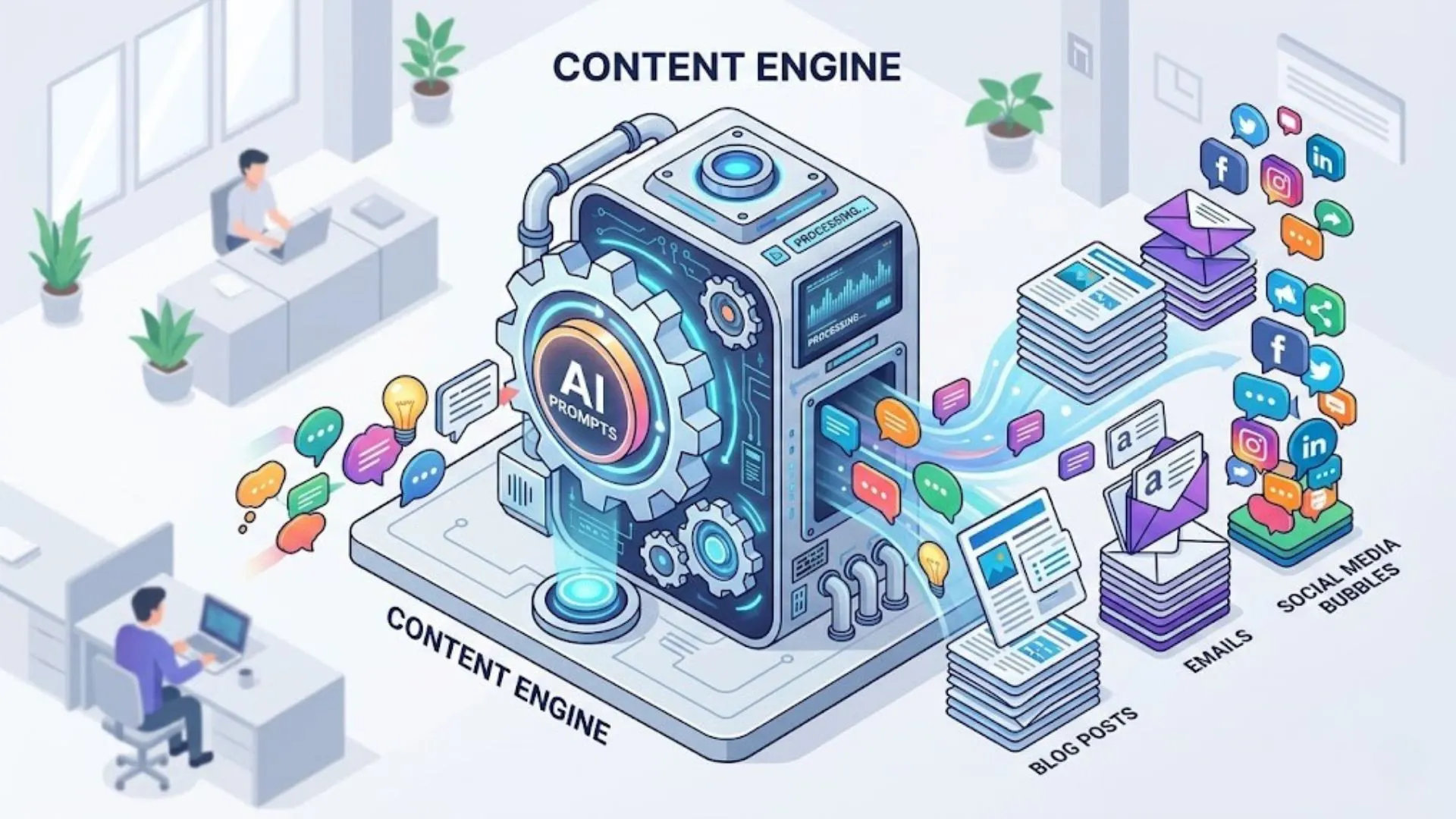
Consistency builds trust, but feeding the content beast is exhausting. Whether it's a blog, a newsletter, or social media, you need volume without the fluff — and a reliable 1-day AI blog content workflow to make it repeatable. These prompts are designed to act as your editorial assistant, structuring your thoughts into publish-ready formats.
- The Contrarian Hook: "List 5 commonly held beliefs in the [Industry] industry. For each one, write a 'contrarian' social media hook that challenges the belief and introduces a smarter alternative."
- The Listicle Generator: "I want to write a blog post about [Topic]. Generate 10 potential listicle titles that are click-worthy but not click-bait. Then, outline the top 5 points for the best title."
- Newsletter Intro: "I’m writing a newsletter about [Topic]. Write an engaging, personal introduction (approx. 150 words) that uses a 'slice of life' anecdote to transition into the main business lesson." If newsletters are a core channel for your business, the Newsletter Prompt Power pack gives you 50 done-for-you prompts built specifically for email audience growth.
- Content Repurposing: "Here is a transcript of my recent video: [Paste Transcript]. Turn this into three distinct LinkedIn text posts and one Twitter thread. Ensure the tone remains conversational."
- The "How-To" Guide: "Create a step-by-step outline for a comprehensive guide on [Task]. Ensure it addresses the most common beginner mistakes in step 2 and step 4."
- Trend Jacking: "What are the current trending topics in [Industry] news right now? Suggest 3 ways I can tie these trends back to my core service of [Service] for a timely blog post."
- Q&A Content: "Generate a list of the 10 most frequently asked questions a beginner would have about [Topic]. Then, draft a compassionate, expert-level answer for the top 3."
- The Case Study Framework: "I have a client win to share. Interview me (ask 3 questions) about the problem, the solution, and the result. Then, write a Case Study titled 'How [Client Name] Achieved [Result]' using the STAR method (Situation, Task, Action, Result)." See how real businesses have applied this exact approach in the Expert AI Prompts real-world case studies — covering agencies, coaches, realtors, and ecommerce sellers.
- Seasonal Angles: "Generate 5 content ideas for [Month/Season] that relate to [Industry]. Focus on the specific stressors or goals my audience faces during this time of year."
- The "Myth-Buster": "Write a blog post outline titled '3 Myths About [Topic] That Are Costing You Money.' deeply analyze why these myths persist and provide the truth."
- Engagement Starters: "Write 5 poll questions for LinkedIn regarding [Topic] that will provoke debate and discussion among senior professionals."
- The 'Behind the Scenes': "Draft a social media caption describing a 'day in the life' of my business. The goal is to show the hard work that goes into [Product], building appreciation for the quality we deliver."
- Curated List: "I want to be a resource for my clients. Compile a list of the top 5 tools/books/resources for [Target Audience] and write a 2-sentence endorsement for each, explaining why I recommend it."
- The Cliffhanger: "Write the first 3 lines of a LinkedIn post about [Failure/Mistake]. Make it dramatic and vulnerable to encourage users to click 'see more'."
- The Weekly Recap: "Structure a 'Weekly Round-Up' newsletter template. Include sections for: 'One Big Idea,' 'What I’m Reading,' and 'Tool of the Week'."
Before you continue, grab the free Writers Block Buster swipe file — 20+ pre-built AI prompts specifically for beating creative block, available instantly at no cost.
Section 3: High-Converting Copywriting (Prompts 26–35)
Creative writing in business ultimately needs to lead to a sale. This is where many entrepreneurs freeze up—they don't want to sound "salesy." These prompts use proven copywriting frameworks to sell with empathy and authority — grounded in the strategic approach covered in the complete guide to AI in advertising and sales.
- The PAS Framework: "Write a cold email to [Target Persona] selling [Service] using the PAS framework (Problem, Agitation, Solution). Keep it under 150 words." For a complete, industry-tested system built around frameworks like this, the Sales Prompt Playbook for AI Copywriting delivers 50 prompts purpose-built for persuasive business copy.
- Objection Handling: "List the top 5 objections a customer might have to buying [Product]. For each objection, write a 2-sentence response that validates their concern and then overcomes it with logic or social proof."
- Benefit vs. Feature: "Here is a list of features for my product: [List Features]. Rewrite this list as 'Benefits.' Use the phrase 'So that you can...' to ensure the focus is on the user's result."
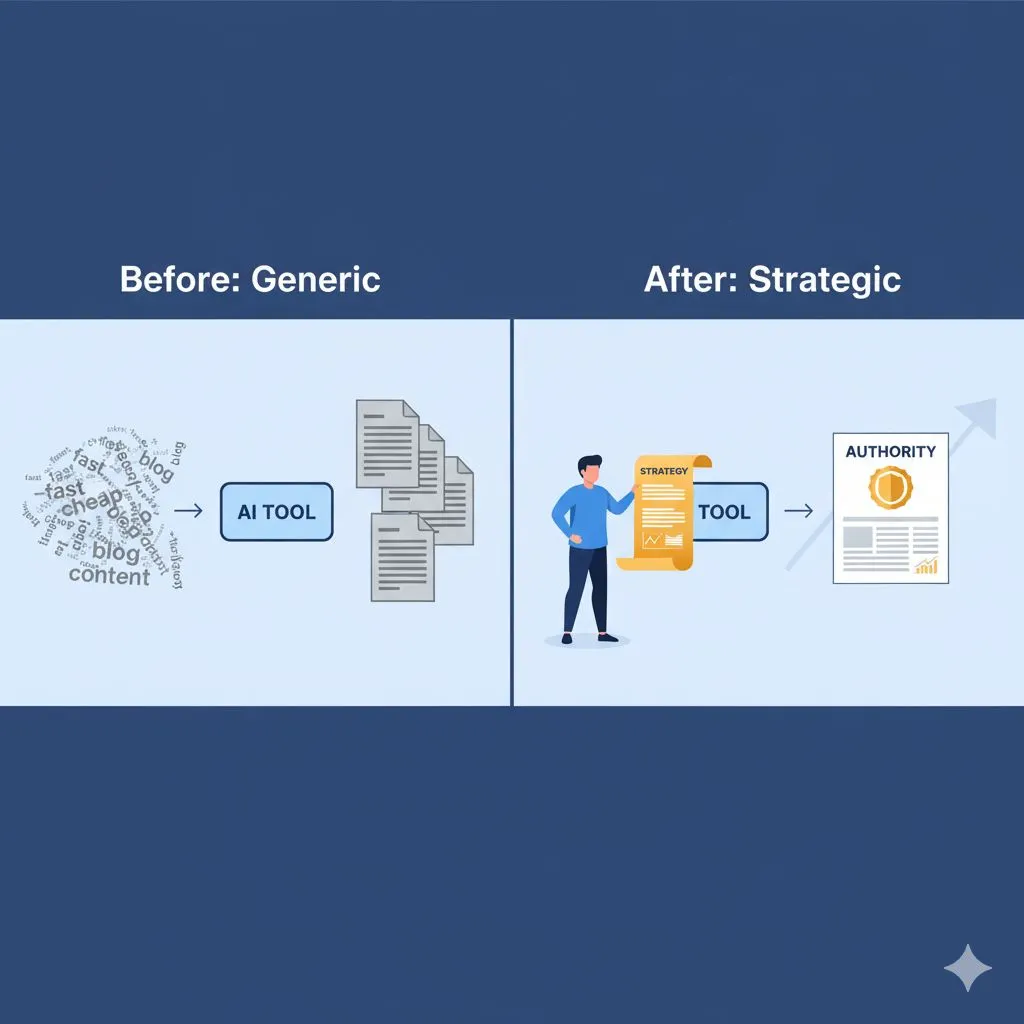
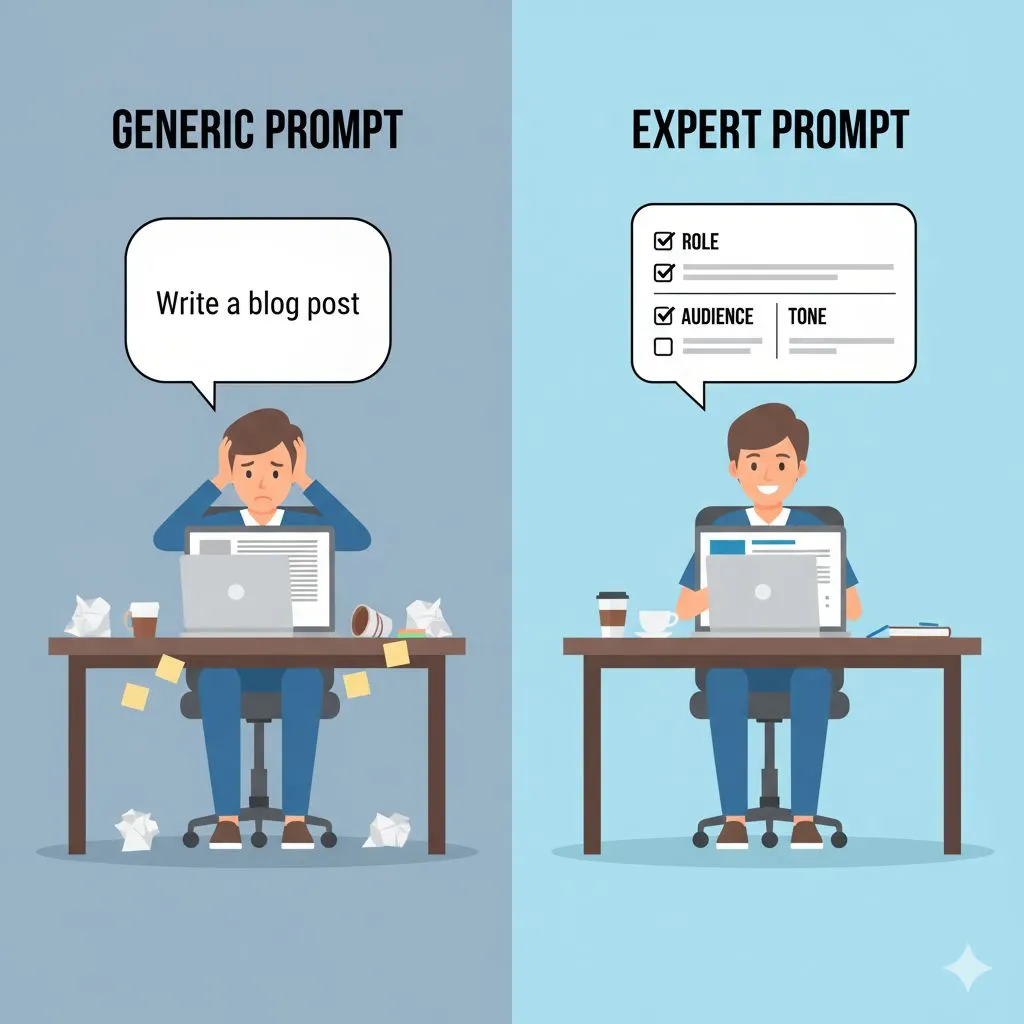
- Landing Page Hero: "Write 5 variations of a H1 headline and sub-headline for a landing page selling [Product]. The tone should be urgent and exciting." For ready-to-use examples, see these 5 expert AI prompt examples for high-converting copywriting that show exactly how strategic prompts outperform generic ones.
- The 'Micro-Commitment': "Write a CTA (Call to Action) for the bottom of a blog post. Instead of 'Buy Now,' write a softer transition that encourages them to download a lead magnet or book a discovery call."
- Social Proof formatting: "I have a rough client testimonial: '[Paste Testimonial].' Polish this quote to be punchier and highlight the ROI, without changing the client's core meaning."
- Scarcity & Urgency: "Write three email subject lines for the final day of a launch. They need to convey urgency without sounding spammy or aggressive."
- The 'Imagine' Scenario: "Write a paragraph for a sales page that starts with 'Imagine if...' Paint a vivid picture of the customer's life 6 months after using my solution."
- FAQ Section: "Draft 5 FAQ entries for a sales page that actually act as sales arguments. (e.g., 'Is this suitable for beginners?' should answer 'Yes, and here is why it's the best place to start...')."
- The Value Stack: "I am selling a bundle including [Item A], [Item B], and [Item C]. Write a summary that assigns a perceived value to each and explains why the total package is a 'no-brainer' deal."
Section 4: Ideation & "Unsticking" the Brain (Prompts 36–45)
Sometimes you don't need a finished product; you just need a spark — and building that instinct is exactly what the Entrepreneurs Playbook for Prompt Engineering is designed to develop. These prompts are designed for those moments when your brain feels like sludge and you need a creative jumpstart.
- The Mash-Up: "Combine the concept of [Industry Concept] with [Unrelated Industry, e.g., Cooking/Sports]. How can we explain our process using this unexpected analogy?"
- Title Brainstorm: "I have an article about [Topic]. Generate 20 distinct titles using a mix of: Question-based, Numbered Lists, 'How-to', and Shock/Awe styles."
- The 'What If' Game: "Generate 5 'What If' scenarios related to the future of [Industry]. These should serve as prompts for thought leadership pieces."
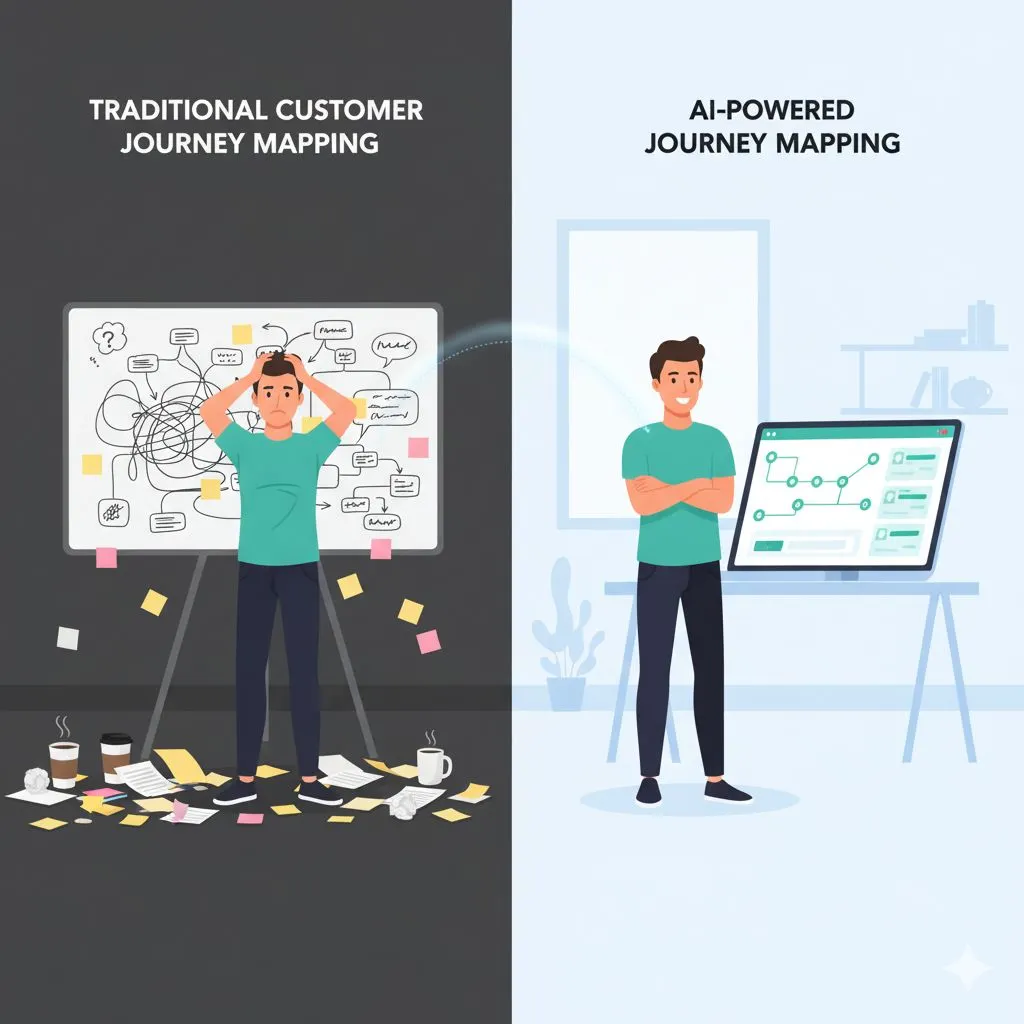
- Audience Persona Deep Dive: "Create a detailed day-in-the-life schedule for my target customer, [Name]. Include their frustrations, coffee breaks, and the exact moment they realize they need my product." To go further, this guide on using AI to write for the customer journey shows how to map your persona's pain points to the right content at each buying stage.
- Keyword Expansion: "I want to rank for [Keyword]. Suggest 10 semantic variations and long-tail keywords that I can naturally weave into my writing."
- The Devil’s Advocate: "I plan to argue that [Argument]. Play Devil's Advocate and give me 3 strong counter-arguments so I can strengthen my piece."
- Format Flip: "Take this blog post idea: [Idea]. Suggest how I could express this exact same idea as: 1. An infographic 2. A meme 3. A checklist."
- Name Generator: "Brainstorm 15 creative names for my new [Product/Course]. 5 should be descriptive, 5 should be abstract/metaphorical, and 5 should be action-oriented."
- The Six Thinking Hats: "Analyze [Business Problem] using the 'Six Thinking Hats' method. Give me one sentence per 'hat' (White, Red, Black, Yellow, Green, Blue) to help me write a balanced report."
- Simulate a Focus Group: "Act as a skeptical customer. I will pitch you my idea for [Content Piece]. Tell me what is boring, confusing, or unbelievable about it."
Section 5: The Editor’s Polish (Prompts 46–50)
The difference between AI content and Expert content is often in the editing — the same principle behind how to use AI content tools and still sound human, a guide that ensures your polished output builds authority rather than eroding it. Use these prompts to refine raw text, ensuring it adheres to the high standards of a credible business brand.
- The Jargon Remover: "Scan the following text for corporate jargon and buzzwords. Rewrite it to sound like a human conversation between two smart friends. [Paste Text]." To audit your existing AI content for these issues at scale, download the free Generic-to-Expert AI Content Audit Checklist — a quick-reference tool that flags weak AI output before it hurts your brand.
- Tone Slider: "Rewrite this paragraph [Paste Text] in three distinct tones: 1. Empathetic and warm. 2. Bold and authoritative. 3. Witty and fast-paced."
- The Simplifier: "This explanation is too dense. Rewrite it so that an intelligent 12-year-old could understand the core concept perfectly."
- Active Voice Converter: "Identify all instances of passive voice in this text and convert them to active voice to make the writing stronger and more direct."
- The Formatting Fixer: "Take this block of text [Paste Text] and break it up for better readability. Use bullet points, bold text for emphasis, and shorter paragraphs."
Conclusion: From Operator to Strategist
Creative writing doesn't have to be a dark art reserved for people with "time to kill." With the right creative writing ai prompts, you can make the shift from overworked operator to confident business strategist — exactly the transformation that Expert AI Prompts is built to deliver.
These 50 prompts are your toolkit for breaking bottlenecks. They allow you to maintain a high volume of output without sacrificing the strategic depth that builds a competitive business. Remember, AI is the engine, but you are the driver. Use these prompts to reclaim your time, so you can focus on what matters most: growing your business.
Ready to stop spinning your wheels and start scaling?
Add new sentence before the existing revenue line: Not ready to buy yet? Grab one of our 11 free AI prompt resources — no credit card, no commitment, just immediate time savings.
Don't let the "blank page" slow down your revenue. Get the complete system designed specifically for your industry.
Unlock Your Creative Catalyst AI Prompts Here
Ready to go deeper? Browse all 30 industry-specific prompt packs and pricing — one-time investment, lifetime access.
Further Reading
• The Small Business Playbook for AI Content Creation
• The Secret to Consistency: Batching Content with AI Prompts
• Breaking Through the Noise: Quality Over Quantity in the AI Age
• 5 Signs Your AI Content Writer Is Hurting Your Brand Authority
• Repurposing Content: Turning 1 Blog Post into 10 Social Pieces with AI