Breaking Through the Noise: Quality Over Quantity in the AI Age
Breaking Through the Noise: Quality Over Quantity in the AI Age
Feb 02, 2026
You can feel it, can’t you?
Open LinkedIn, scroll through Twitter, or check your industry news feed. It’s a relentless torrent of information. "10 Ways to Scale," "5 Tools You Need," "Why You’re Failing at X."
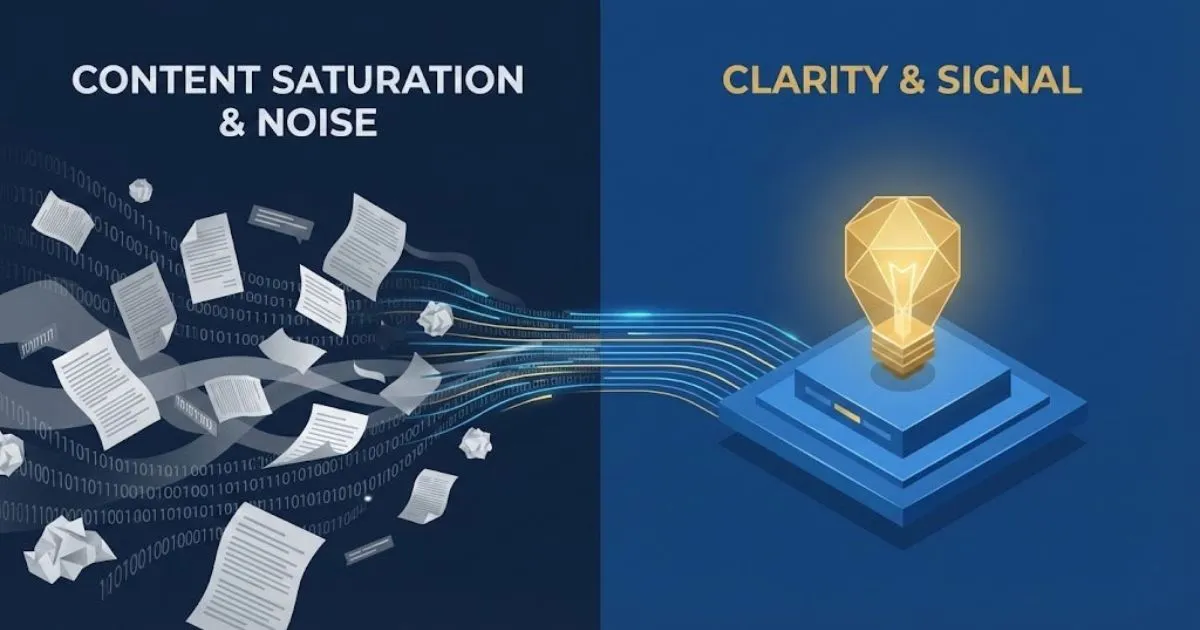
We are living through the single greatest explosion of content production in human history. Generative AI has lowered the barrier to entry for content creation to zero. The result? A tsunami of average, generic, copy-and-paste text flooding every channel.
This is content saturation.
For ambitious business owners like you—juggling client delivery, operations, and trying to grow a team—this creates a terrifying feeling. You feel the pressure to keep up. You hear the gurus saying, "You need to post 3 times a day!" or "Publish 50 articles a month!"
But you don’t have a ten-person marketing team. You have a business to run. And frankly, the idea of competing with an army of bots churning out mediocre articles is exhausting.
Here is the good news: You don’t have to compete with the noise.
In fact, trying to out-publish the competition is now a losing strategy. In the age of AI, "more" is easy. "Better" is rare. The businesses that will win in the next five years won't be the ones shouting the loudest; they will be the ones saying something worth hearing.
This is your strategy guide to stopping the hustle, ignoring the hype, and using AI to create expert-level content that actually builds your business. For the complete playbook on building content that converts, explore The Small Business Playbook for AI Content Creation.
Part 1: The Trap of Content Saturation
The "Sea of Sameness"
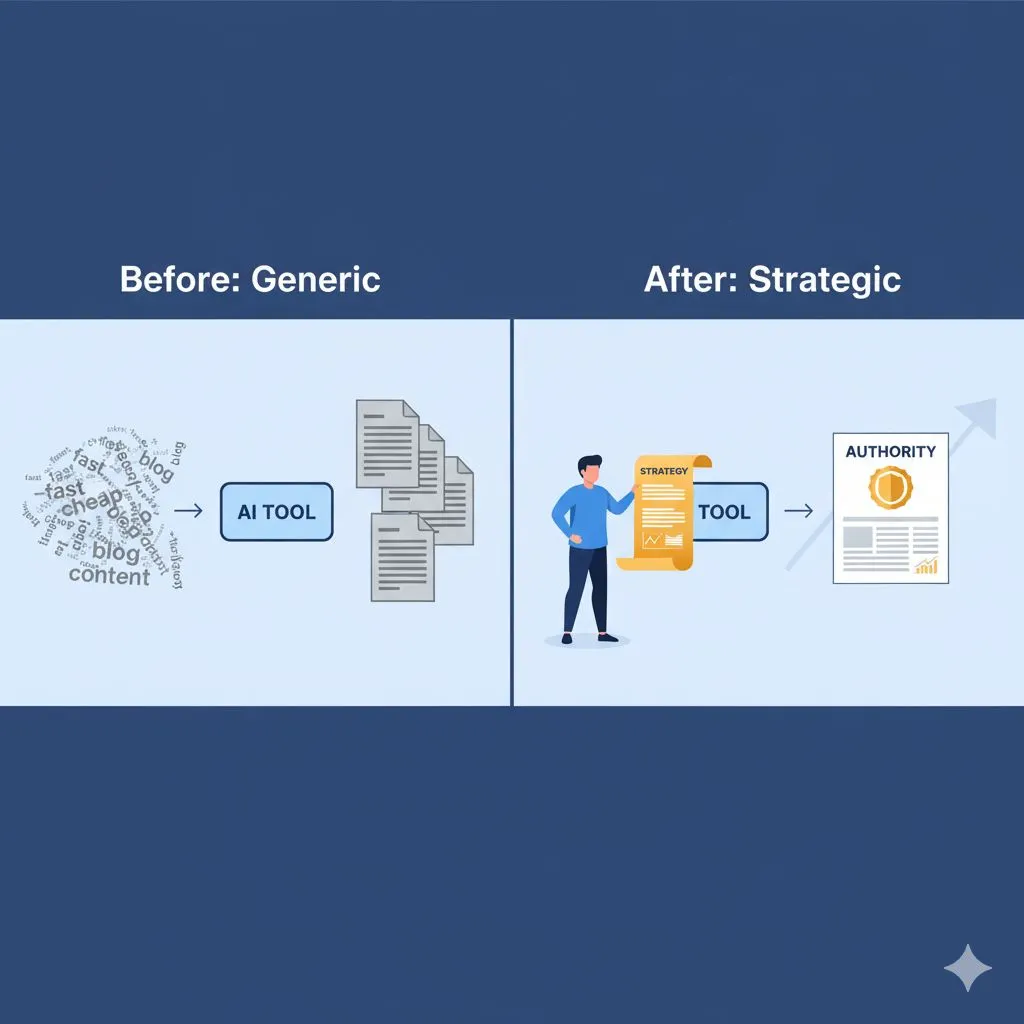
Remember when having a blog was a competitive advantage? Today, it’s baseline. But the introduction of basic AI tools (without expert strategy) has created a phenomenon marketing experts call the "Sea of Sameness."
When 10,000 business owners ask a basic AI model to "Write a LinkedIn post about leadership," the AI gives them all roughly the same answer. It uses the same clichés ("In today's fast-paced world..."), the same emoji structures, and the same superficial advice.
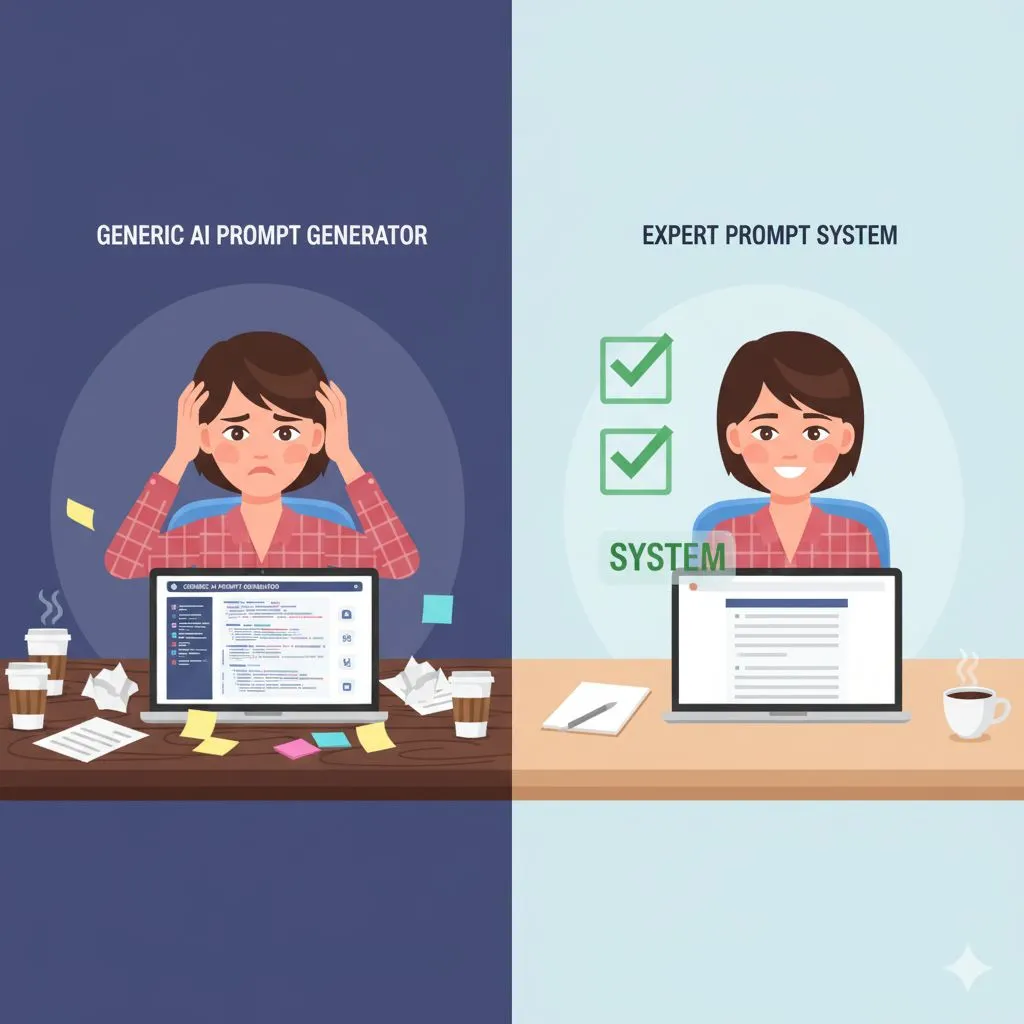
If you are using AI this way, you aren't building a brand. You are blending in. Explore generic versus strategic AI prompts to understand exactly why the difference determines whether your content builds authority or gets ignored.
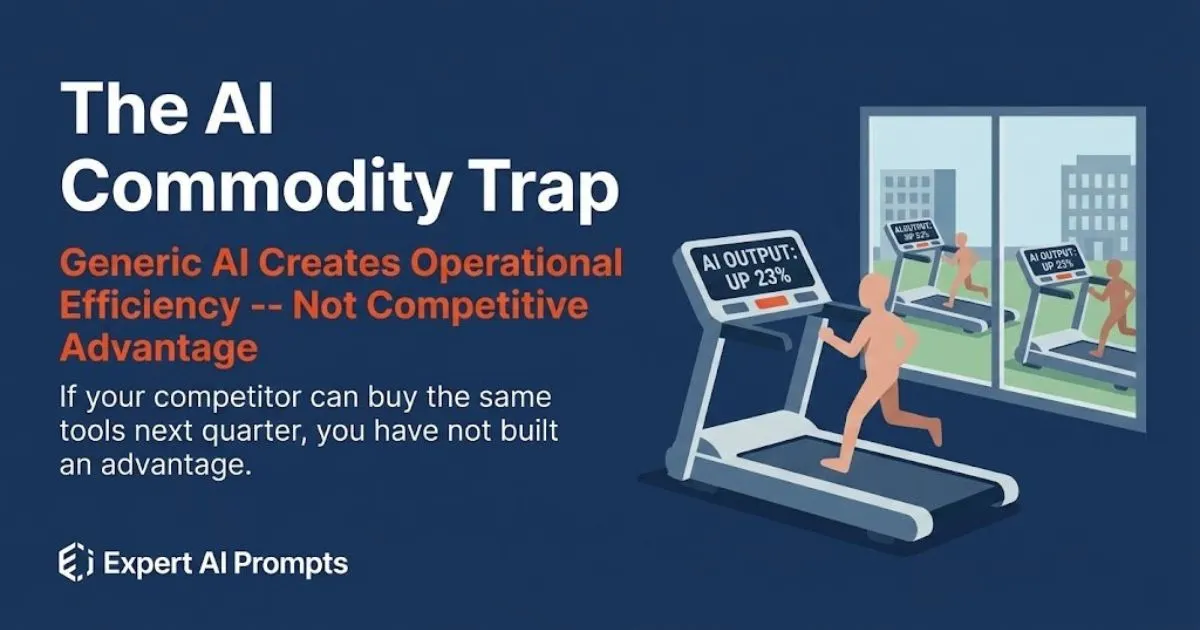
For a small business owner, this is dangerous. Your biggest asset is your unique perspective, your expertise, and your specific value proposition. If your content sounds like everyone else’s, you signal to your potential clients that you are a commodity. And commodities compete on price—a race to the bottom you don't want to win.
The Algorithm Shift
Social media platforms and search engines (like Google) are not stupid. They have noticed the influx of low-quality, AI-generated "slop."
As a result, algorithms are shifting. They are deprioritizing frequency and prioritizing engagement and dwell time. They want to know: Did a human actually read this? Did they find it useful? Did they share it?
Posting three mediocre pieces of content a week will now hurt your reach more than posting one incredible piece once a month. The "publish or perish" mentality has officially shifted to "publish quality or become invisible."
For a complete breakdown of the AI content mistakes that quietly destroy brand credibility, see Common Pitfalls: Expert AI Prompts Mistakes to Avoid.
The Burnout ROI
Let’s talk about your time. You are likely spending 10+ hours a day on your business. If you spend an hour prompting an AI to generate five generic blog posts, and those posts generate zero leads because they lack authority, what is your ROI?
It’s negative. You haven't just wasted an hour; you've wasted the opportunity to demonstrate expertise.
Part 2: Strategic AI vs. Generative Spam
So, is the solution to ignore AI? Absolutely not. That would be like ignoring the internet in 1999.
The solution is to move from Generative Spam to Strategic AI.
The difference lies in how you use the tool. Most people use AI as a content mill—a way to fill a blank page. You need to use AI as a Junior Strategist.
The 80/20 Rule of Expert AI
At Expert AI Prompts, we advocate for the 80/20 rule.
- 80% of the heavy lifting is done by AI: Structuring ideas, formatting, summarizing research, and generating first drafts.
- 20% is Human Insight: Strategy, tone, specific examples, and "expert verification."
This 20% is the magic. It’s where you inject your "Alex Rivers" factor—your specific industry experience that an AI model trained on general internet data cannot replicate.
Differentiation Through Prompt Engineering
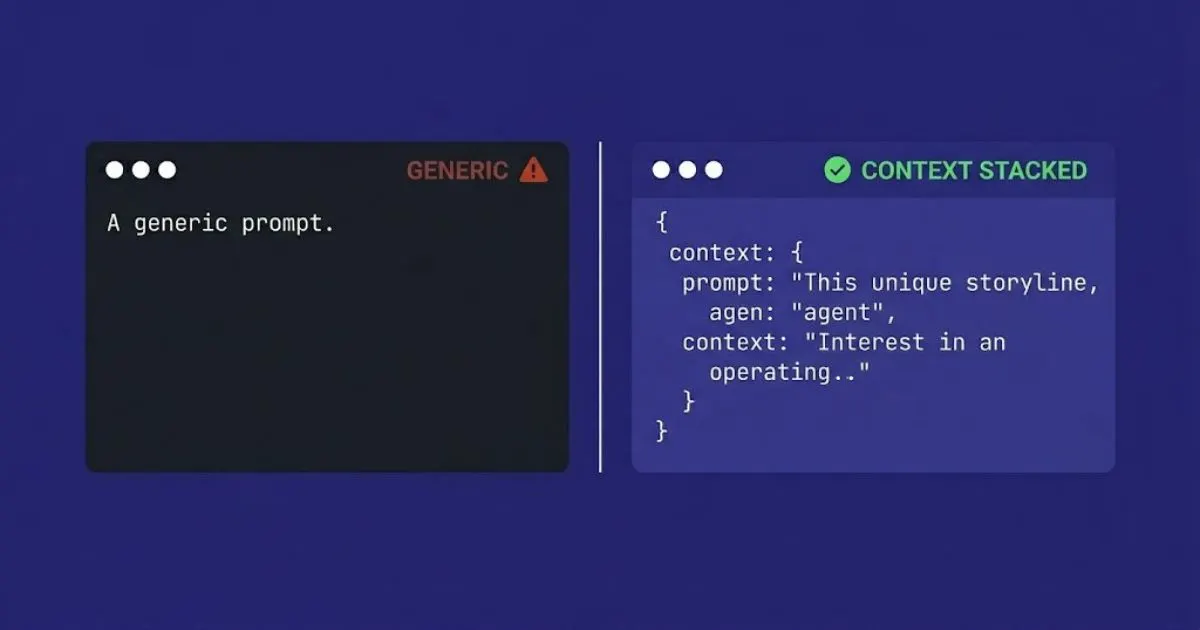
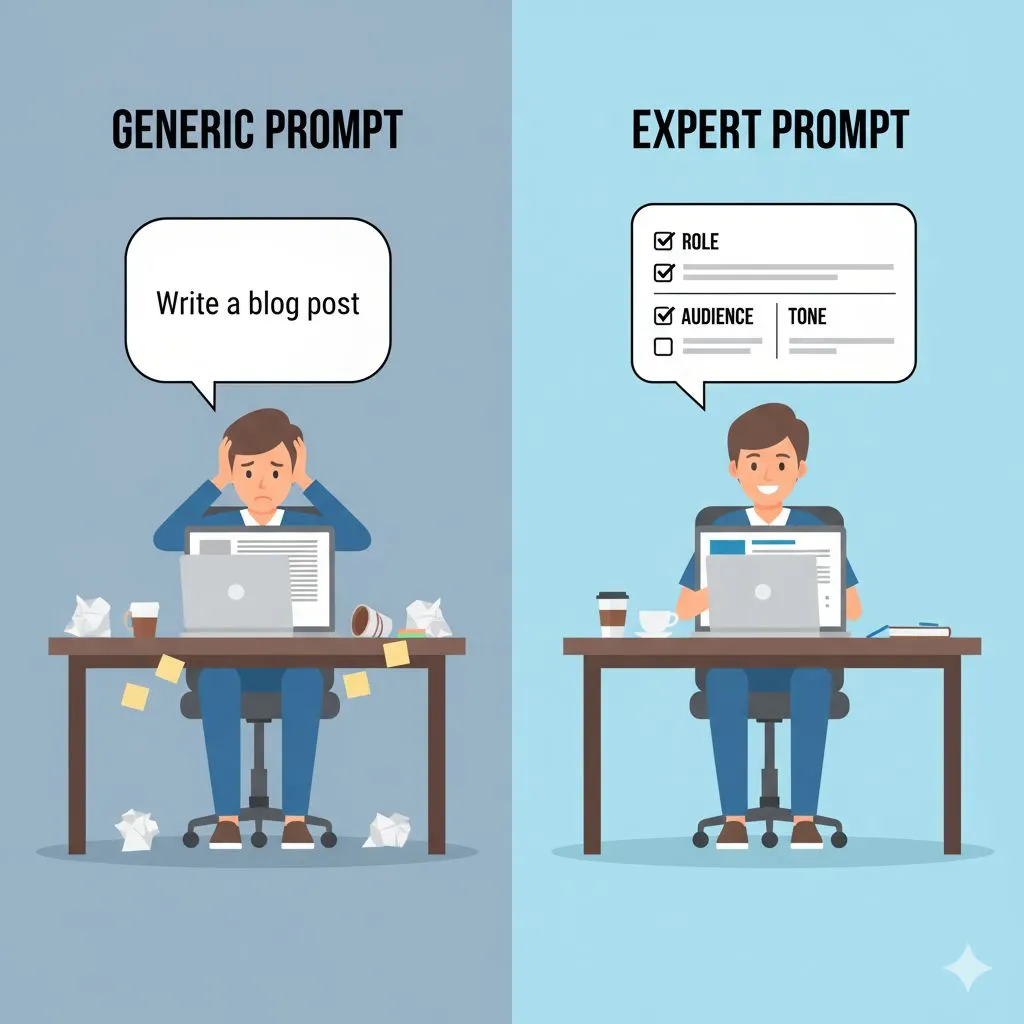
Generic prompts get generic results. "Write a blog about SEO" gets you Wikipedia-level fluff.
An expert prompt looks like this:
"Act as a Senior SEO Strategist for B2B SaaS companies. Critically analyze the 'Skyscraper Technique.' Write a contrarian article arguing why this technique is failing in 2025 due to AI saturation. Use a professional, authoritative tone. Include three specific pitfalls small teams face when trying this strategy."
See the difference?
- Role Definition: Senior Strategist.
- Specific Audience: B2B SaaS.
- Unique Angle: Contrarian/Critical analysis.
- Context: The year 2025 and AI saturation.
This prompt doesn't just generate words; it generates a stance. That is how you break through the noise.
To build a full library of expert prompts like this across every function of your business, start with The Entrepreneur’s Playbook for Prompt Engineering.
Part 3: The "Deep Signal" Framework
To transition from an overworked operator to a confident content strategist, you need a framework. We call this the Deep Signal Strategy. The goal is to emit a signal so strong and clear that it cuts through the noise of content saturation.
Step 1: The Audit & Delete
Before you write another word, stop. Look at your last ten pieces of content.
- Do they sound like you?
- Do they offer a specific solution to a specific problem?
- Could a competitor copy-paste them and no one would notice?
If the answer to the last question is "yes," stop publishing that content. It is better to be silent than to be generic.
Step 2: Prompt Engineering for Depth
You don't need to be a coding wizard, but you do need to understand how to talk to AI. Stop asking for "content." Start asking for "solutions."
Instead of asking AI to write a post, ask it to:
- "Analyze the top 5 pain points of [Target Persona]."
- "Create a metaphor to explain [Complex Concept] to a beginner."
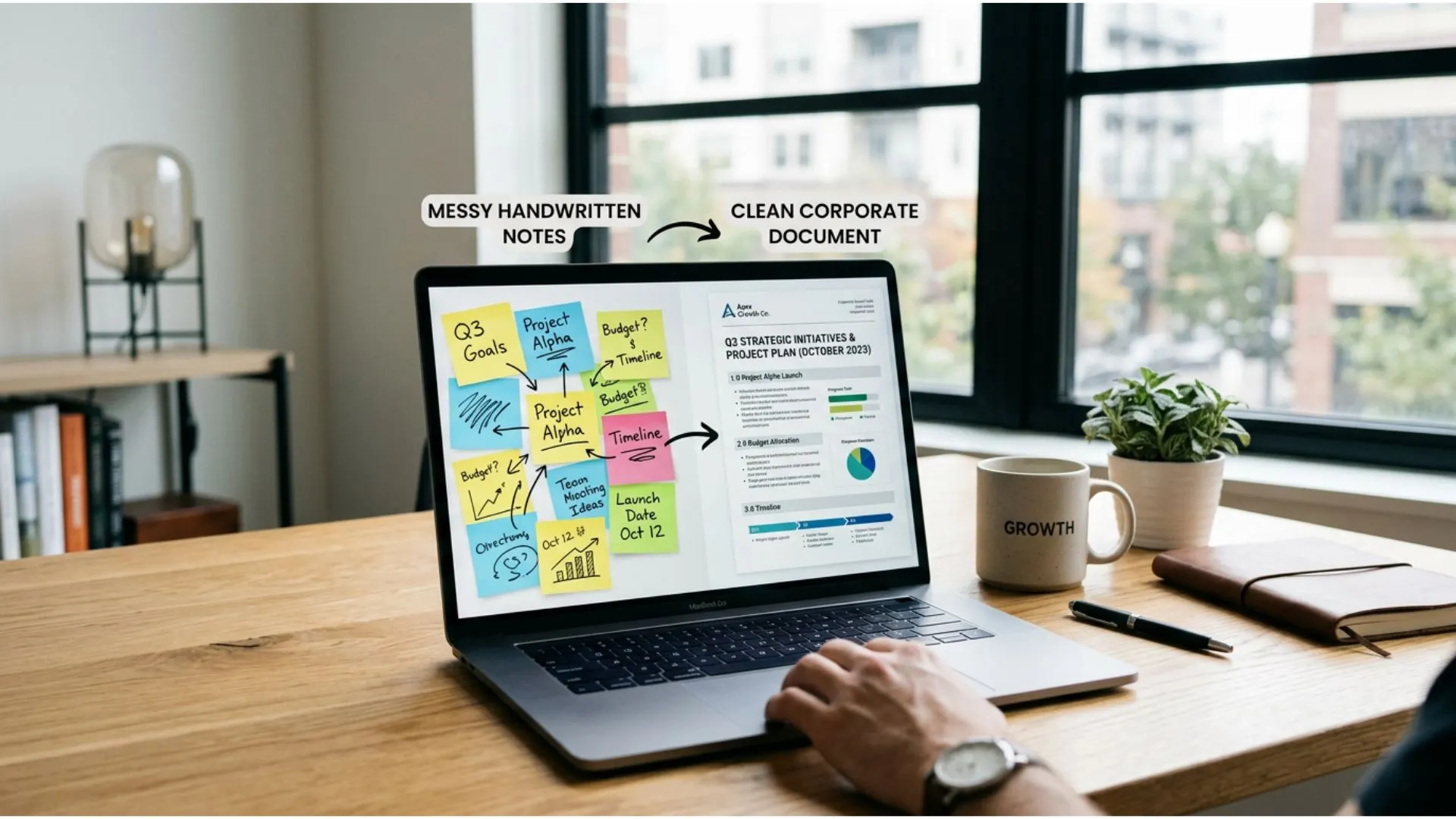
- "Turn this rough brain-dump of my notes into a structured strategic argument."
Use AI to refine your thinking, not just your writing. When the thinking is sharp, the content naturally shines.
For hands-on examples of what this looks like in practice, see 5 Expert AI Prompt Examples for Copywriting.
Step 3: The "Expert" Filter
Never copy and paste directly from ChatGPT to LinkedIn. Ever.
Every piece of content must pass the Expert Filter:
- The "I" Test: Does this include a personal story, client case study, or opinion that only I possess?
- The Fluff Check: Remove words like "delve," "unleash," "game-changer," and "in today's digital landscape."
- The Value Audit: Does the reader leave with a specific action or insight they didn't have before?
Step 4: Repurposing with Purpose
This is the secret to scaling without burnout. You don't need 30 ideas a month. You need one great idea a month, distributed 30 ways.
Use AI to help with this repurposing:
- Feed your high-quality, human-edited article back into the AI.
- Ask it to: "Extract 5 LinkedIn posts, 3 Twitter threads, and a newsletter summary from this text. Maintain the original tone."
Now, you have weeks of content derived from one piece of "Deep Signal" strategy.
To put this repurposing process inside a repeatable daily system, read The 1-Day Workflow to Automate Blog Content with AI.
Part 4: Scaling Without Stress
The ultimate goal for you, Alex, isn't just "good content." It's time freedom. It’s getting off the hamster wheel.
Building a System

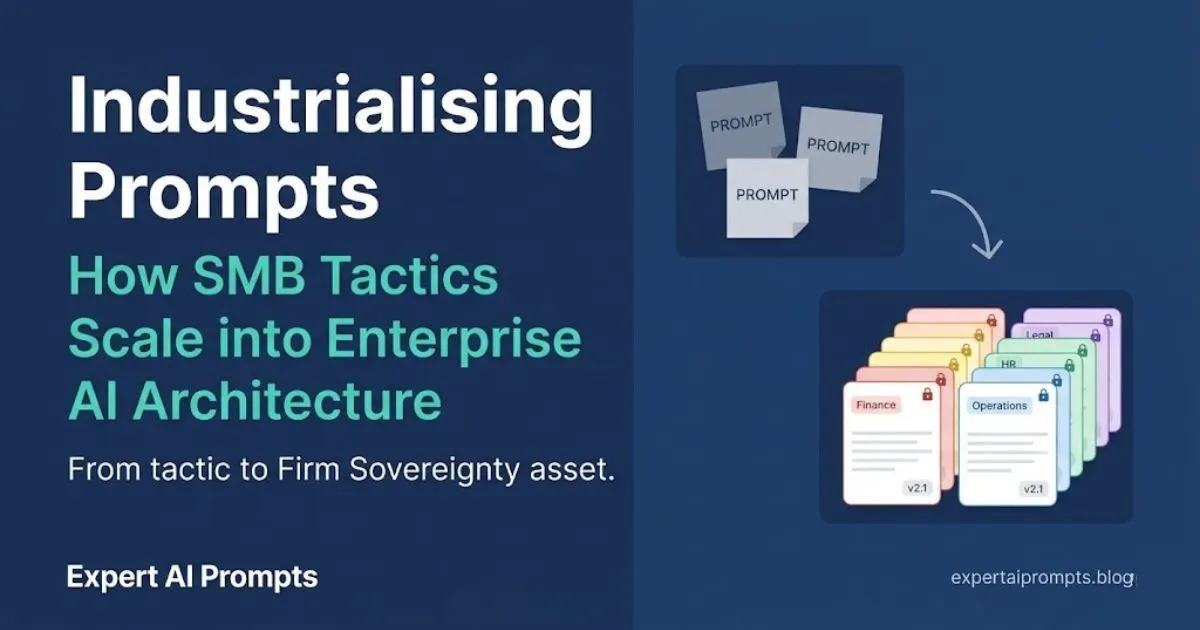
When you rely on high-quality AI prompts, you stop reinventing the wheel every morning. You build a library of "Expert Prompts" that you trust.
- A prompt for client emails.
- A prompt for newsletter intros.
- A prompt for strategic planning.
This turns content creation from a creative struggle into an operational process. You can even hand these prompts to a virtual assistant or a junior team member. Browse the full library of 30 industry-specific prompt packs to find the pack that matches your workflow. Because the strategy is baked into the prompt, the output remains high-quality even if you aren't the one pushing the button.
The ROI of Trust
In a saturated world, trust is the currency.
When users see that you consistently put out thoughtful, expert-level content, they trust you. They assume that if your free content is this good, your paid services must be incredible.
Generic content attracts tire-kickers. Expert content attracts high-value clients who are ready to buy. By posting less, but posting better, you actually increase your conversion rate.
Conclusion: Be the Signal
The AI age is not the end of creativity; it is the end of mediocrity.
Content saturation is real, but it is only a threat to those who refuse to adapt. For the smart entrepreneur, it is an opportunity. While your competitors are drowning in a sea of generic, AI-generated noise, you have the chance to stand out.
You have the expertise. You have the experience. Now, you need the tools to amplify it.
Stop hustling to create more. Start using AI to create better.
Reclaim your time. Reduce your stress. And let your expertise be the signal that breaks through the noise.
Start with zero risk — explore all 11 free AI prompt resources at the Expert AI Prompts Free Offers Hub.
Ready to see if your content makes the cut?
Stop guessing and start optimizing. We’ve created a specific checklist to help you move from generic "bot-talk" to expert authority.
Download the Free Generic-to-Expert AI Content Audit Checklist
When you’re ready to invest in your full content system, view all 30 prompt packs and pricing.
Further Reading
The Small Business Playbook for AI Content Creation
Generic vs. Strategic AI Prompts
The Entrepreneur’s Playbook for Prompt Engineering