The Creative Economy 2.0: Why AI is the Ultimate Collaborator
The Creative Economy 2.0: Why AI is the Ultimate Collaborator
Oct 12, 2026
Introduction
If you are like most small business owners today, your "to-do" list is less of a list and more of a threat. You are the CEO, the marketing department, the customer service lead, and the content creator. You entered the business world to build something meaningful, but you have found yourself trapped in the weeds of daily operations.
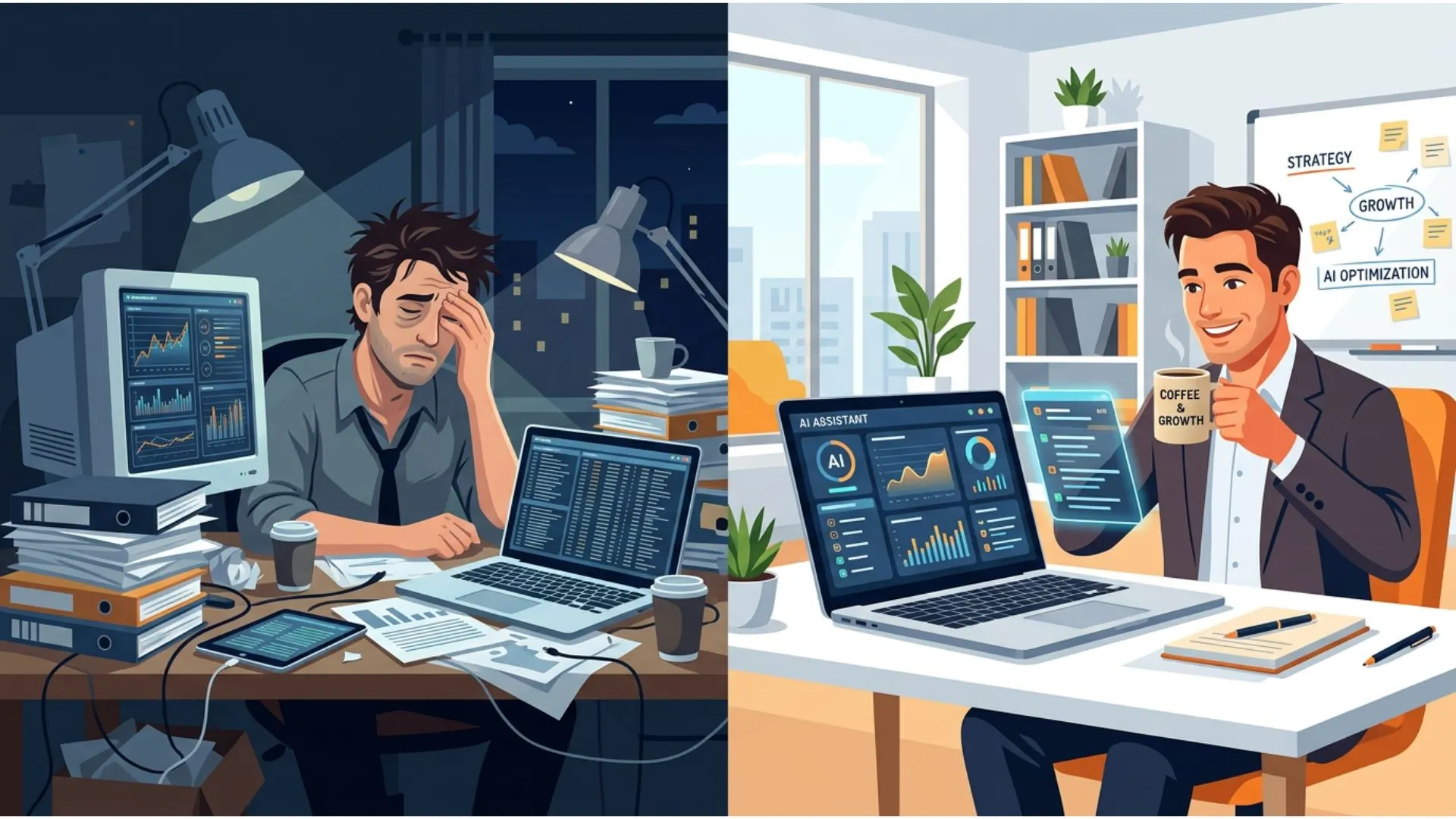
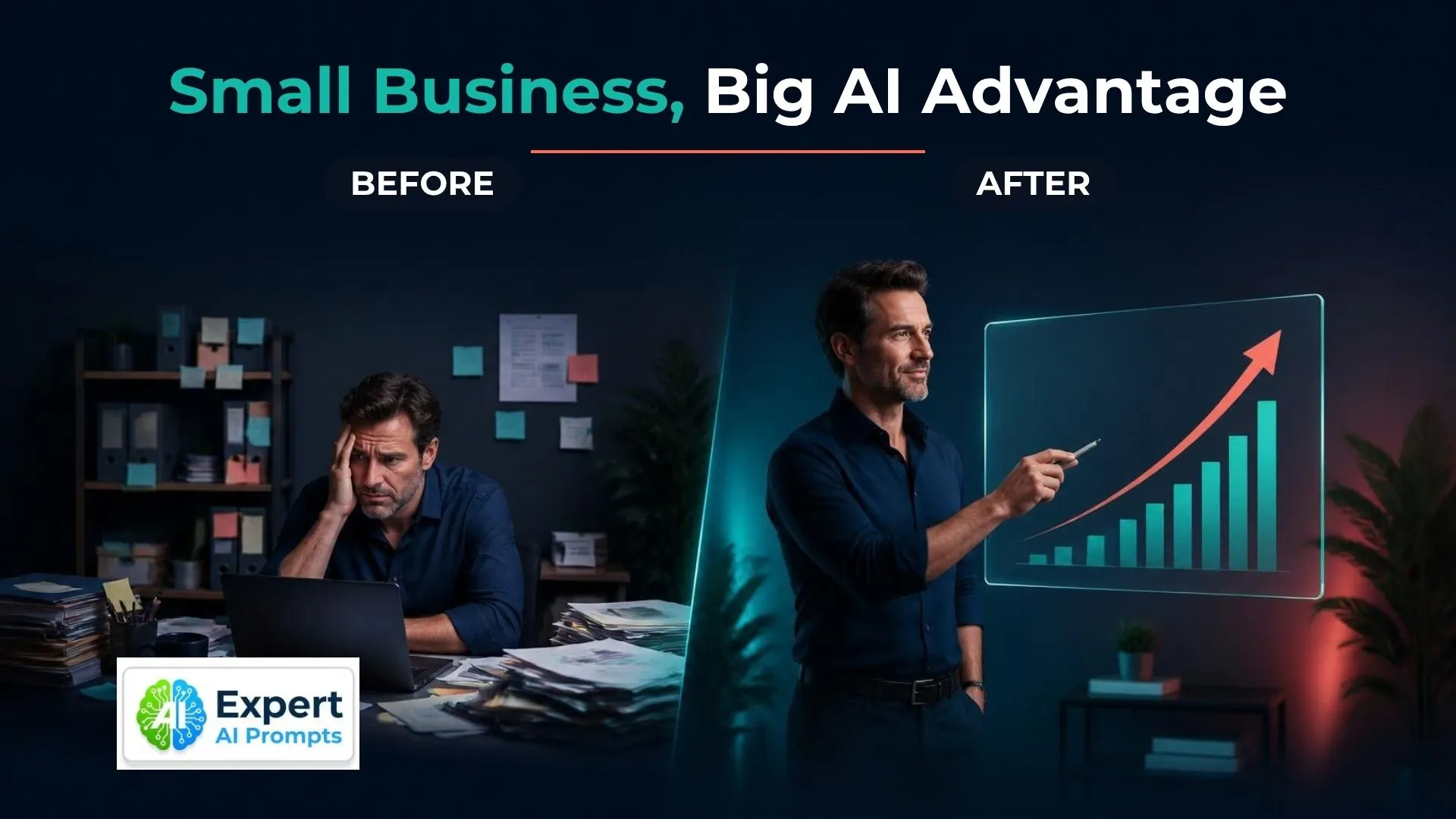
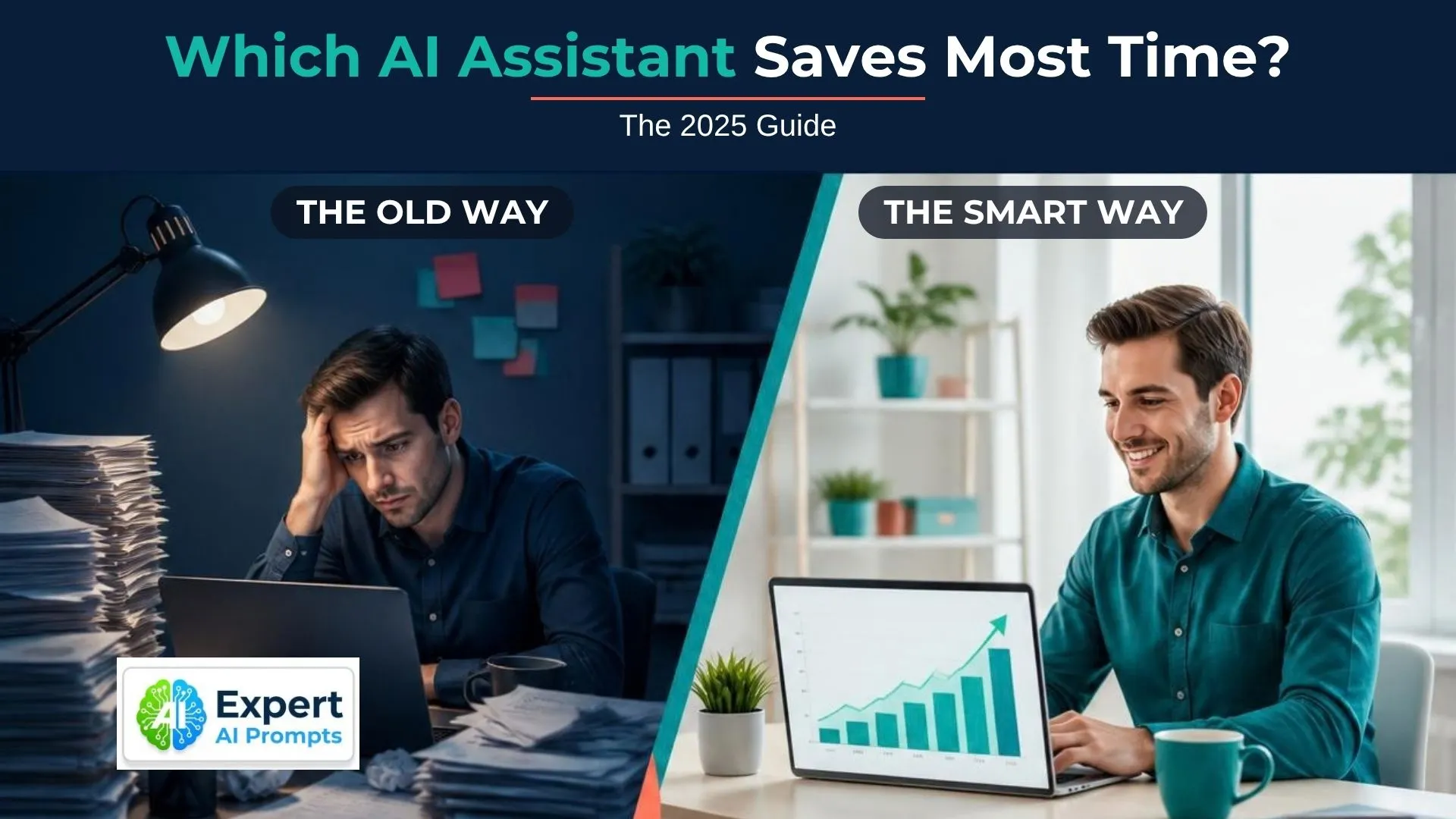
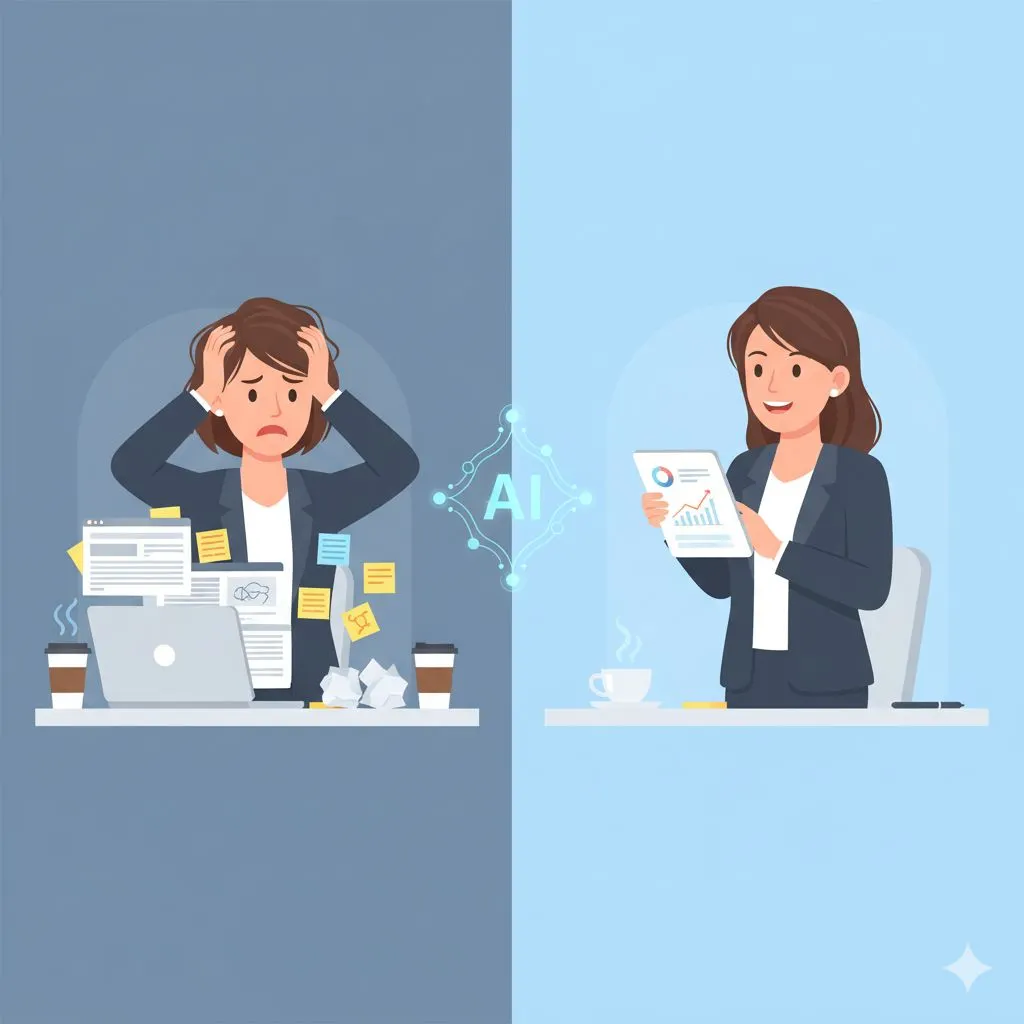
Welcome to the Creative Economy 1.0. For a deep-dive on exactly how this shift impacts small business owners, explore the Ultimate Guide to AI for Small Business — covering tools, strategies, and the mindset shift that separates operators from owners. In this era, value was tied strictly to human hours. If you wanted more output, you had to work more hours or hire more hands. For the ambitious solopreneur or the small team leader, this model has a ceiling. There are only so many hours in the day, and burnout is the toll you pay for trying to compete with the giants.
But the winds are shifting. We are standing on the precipice of the Creative Economy 2.0.
This new era isn't defined by how much you can grind; it’s defined by how well you can guide. It is an era where Artificial Intelligence (AI) steps in not as a replacement for human ingenuity, but as a lever that multiplies it. For the overworked entrepreneur, this isn't just a tech trend—it’s a lifeline. It is the difference between staying small due to resource constraints and scaling because you finally have the infrastructure to support your ambition.
The Myth of Replacement vs. The Reality of Enhancement
Let’s address the anxiety in the room. When we talk about the creative economy intersecting with AI, the immediate fear is obsolescence. “If a machine can write a blog post, design a logo, or draft a sales email, where do I fit in?”
This skepticism is healthy. It protects you from the hype. But it can also blind you to the opportunity.
The fear of replacement stems from a misunderstanding of what AI actually does. AI is a prediction engine; it is a synthesis tool. It can aggregate data and follow patterns faster than any human. However, it lacks context. It lacks your life experience, your brand’s specific nuance, and the emotional intelligence required to connect with your specific client.
In the Creative Economy 2.0, AI does not replace the creator; it replaces the drudgery.
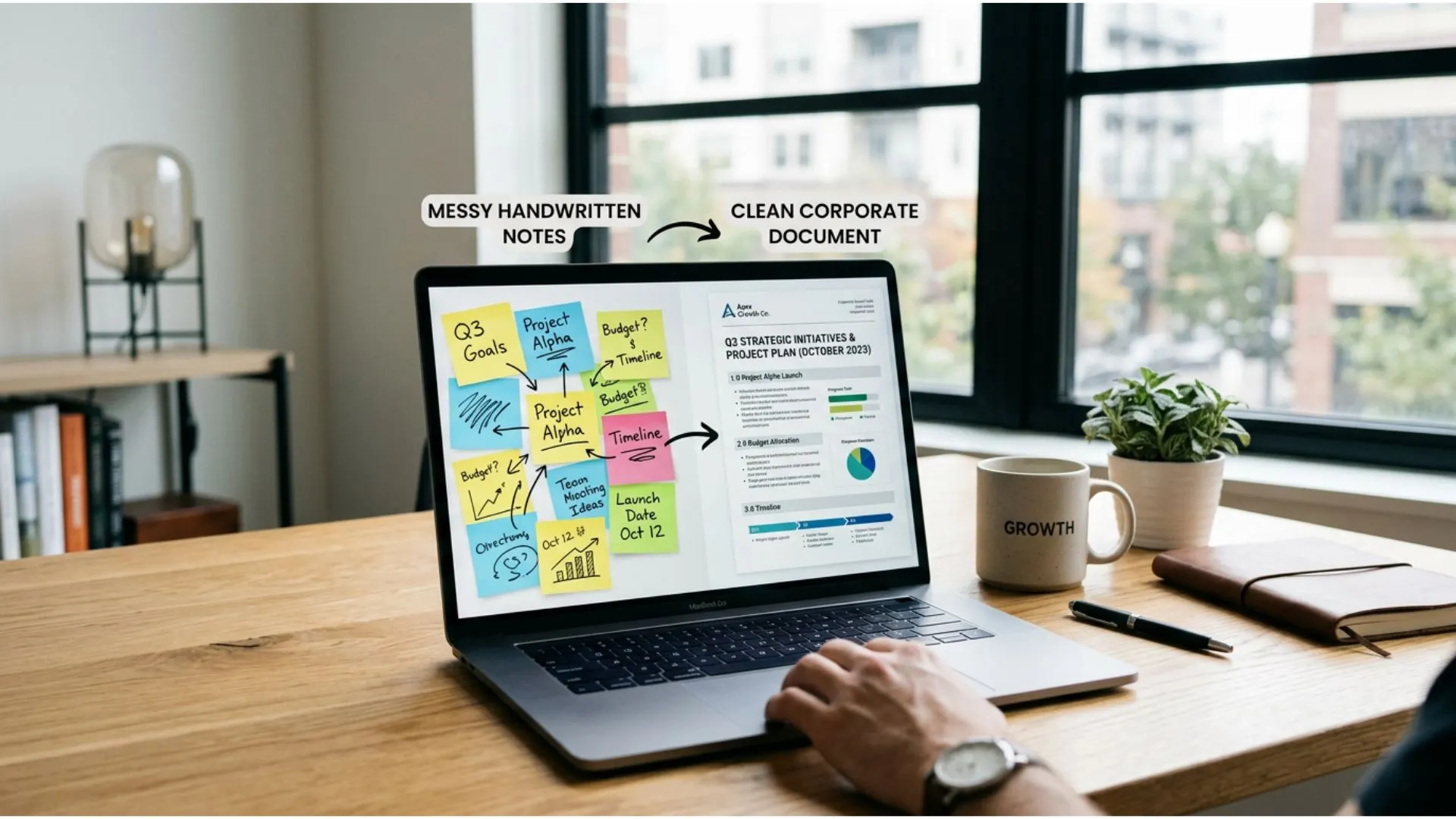
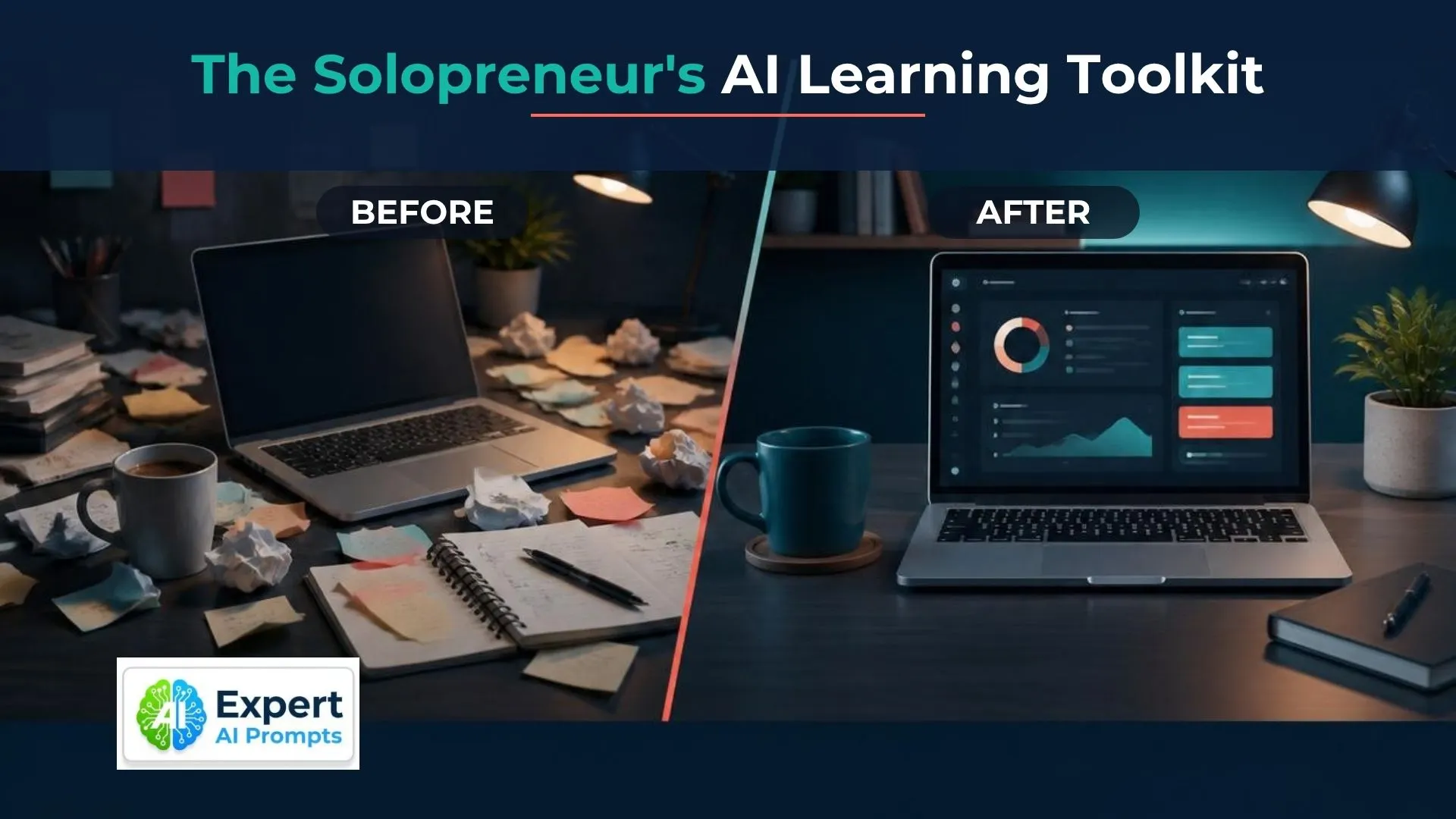
Think of the tasks that drain your energy. The blank page syndrome when trying to write a newsletter. The hours spent reformatting data for a report. The mental gymnastics of trying to come up with 10 headline variations. These are not high-value creative tasks; they are administrative friction.
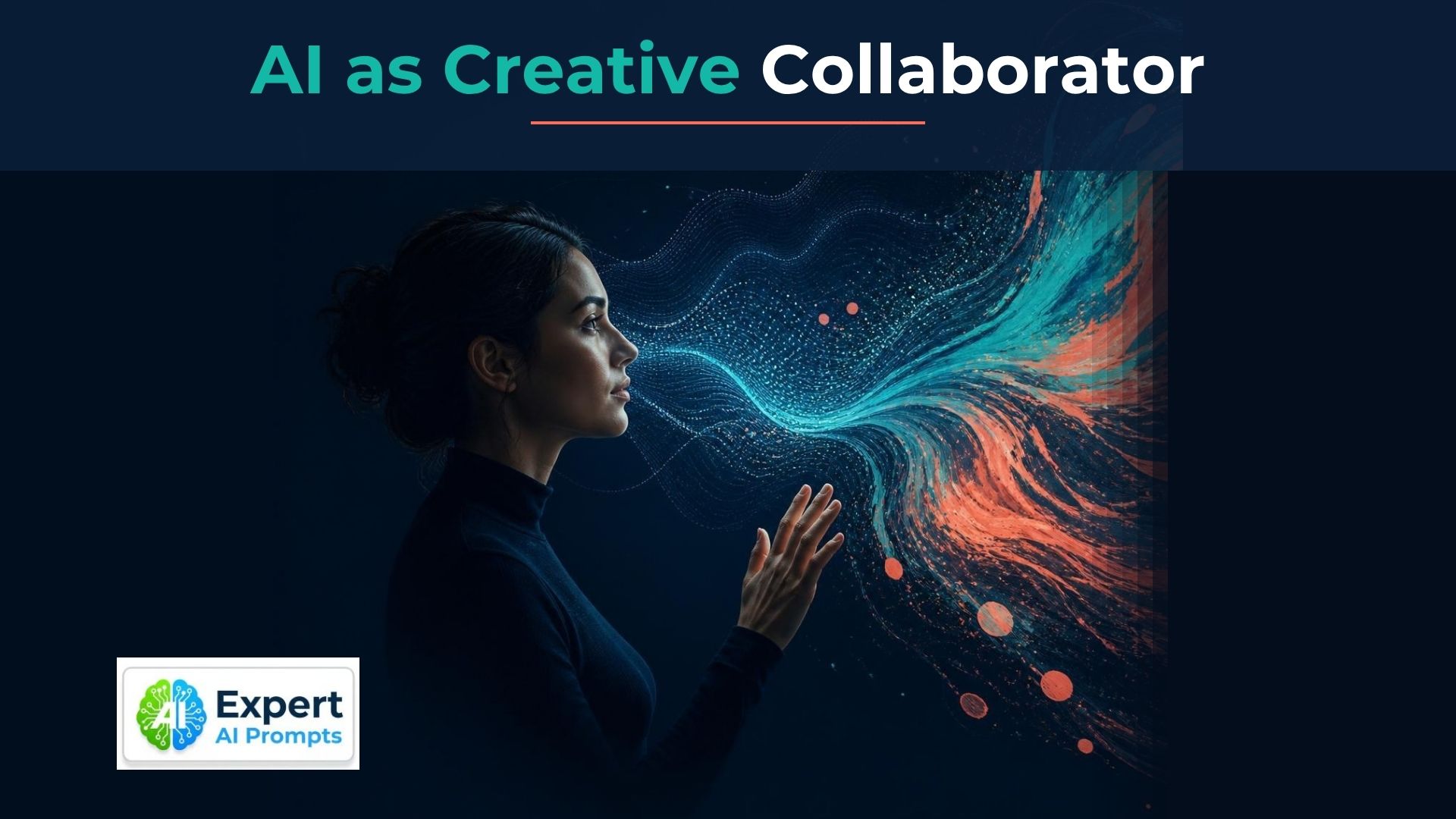
When you view AI as a collaborator rather than a competitor, the dynamic changes. You are no longer the lone wolf trying to outrun an avalanche. You are the architect, and AI is your construction crew. You provide the blueprints—the strategy, the tone, the goal—and the AI does the heavy lifting of laying the bricks.
The New ROI: Return on Imagination
For years, the small business metric for success has been Return on Investment (ROI), usually calculated in dollars. But for the time-poor entrepreneur, the more critical metric today is Return on Imagination.
How quickly can you turn a strategic idea into a tangible asset?
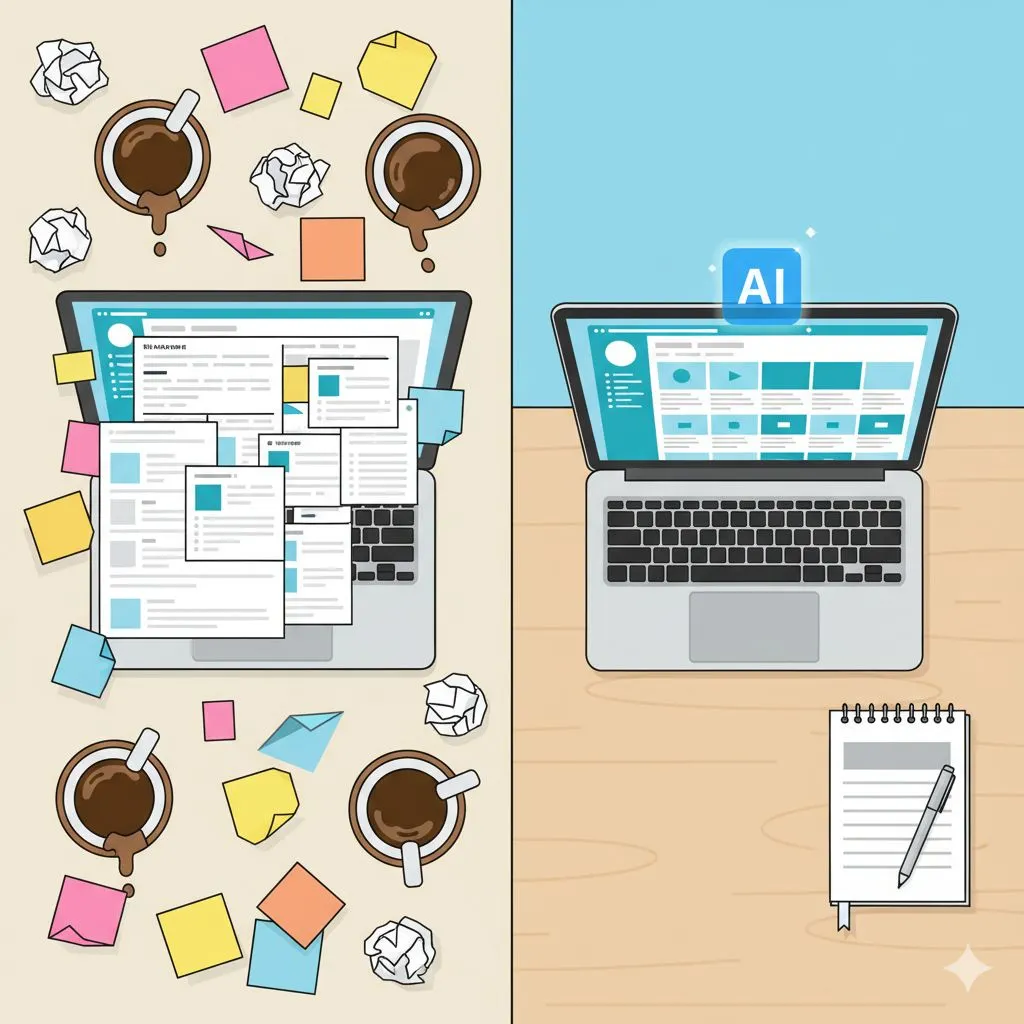
In the old model, having a brilliant idea for a lead magnet meant weeks of drafting, editing, designing, and formatting. By the time you launched, the market might have shifted, or worse, your enthusiasm had waned under the weight of execution.
In the Creative Economy 2.0, the distance between "idea" and "execution" has collapsed. With the right AI frameworks and prompts, a concept you have during your morning coffee can be a fully fleshed-out campaign by lunch.
This isn't about cutting corners; it's about reallocating your most precious resource: your brainpower.
Consider the "Executive Editor" mindset. If you were the Editor-in-Chief of a major magazine, you wouldn't write every word of every article. You would assign topics, review drafts, refine the angles, and ensure the final product aligned with the publication's voice.
AI allows you to take that Editor-in-Chief role for your own business. instead of starting from zero, you start with a structured draft generated by a well-crafted prompt. You spend your time refining, polishing, and injecting your unique expertise—the "top 10%" of value that only you can provide.
This shift delivers two distinct benefits:
- Velocity: You maintain a consistent market presence because the barrier to creation is lower.
- Energy Preservation: You end the day with enough mental bandwidth to think about growth strategy, rather than just survival.
Escaping the "Good Enough" Trap
One of the greatest pain points for small teams is the compromise on quality. You know your brand should sound like a Fortune 500 company, but you only have the budget for a freelancer on a rush job—or you do it yourself at 11 PM.
AI changes the economics of quality. It provides a baseline of competence that is significantly higher than a tired human starting from scratch. But here is the differentiator: AI gets you to "good" instantly. Your expertise takes it to "great."
By automating the structural and foundational elements of your work, you stop accepting "good enough" simply because you ran out of time. You reclaim the capacity to push for excellence.
Democratizing "Big Business" Polish
The most disruptive element of the creative economy today is the democratization of capability. Historically, there was a visible gap between the output of a solopreneur and a large agency. The agency had researchers, copywriters, strategists, and data analysts. You had... Google and a pot of coffee.
AI acts as the great equalizer. It is the infinite intern, the on-demand researcher, and the tireless drafter.
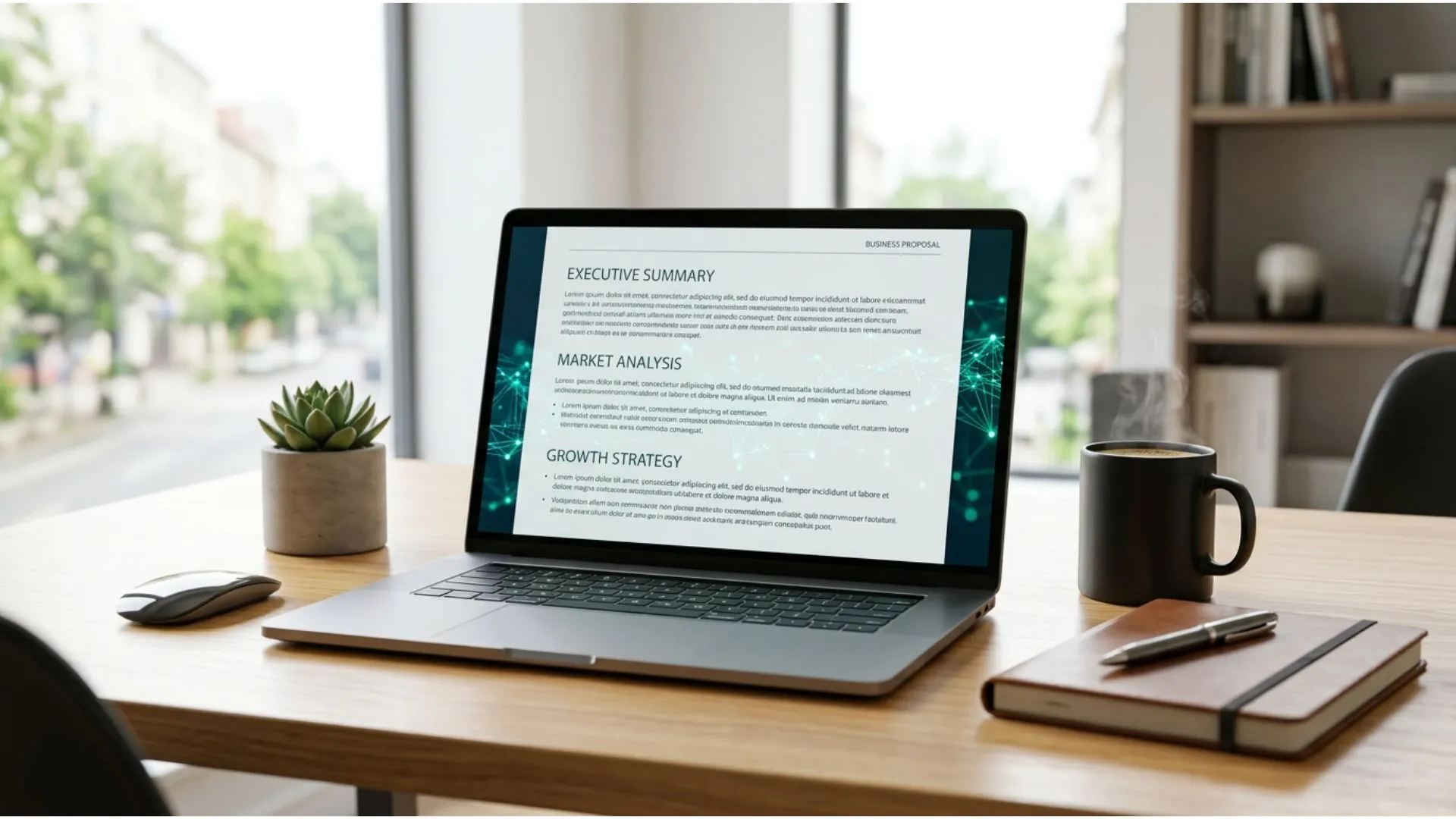
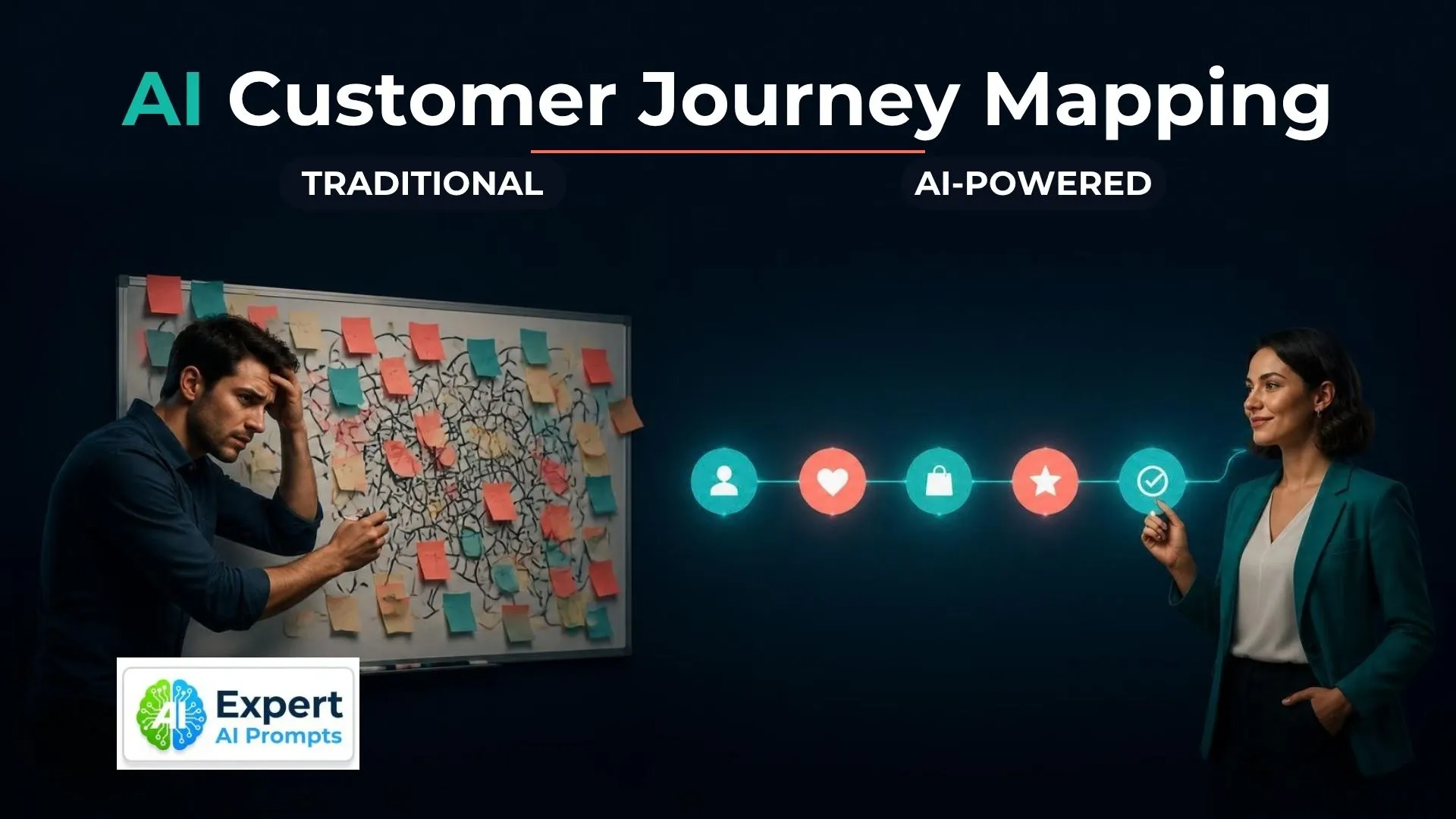
Imagine you are pitching a high-value client. In the past, creating a bespoke, deep-dive proposal might have taken you three days—days you couldn't bill for. Today, utilizing specific AI prompts, you can analyze that client’s industry trends, summarize their pain points, and structure a persuasive narrative in minutes.
See how a consulting business implemented this exact approach in the AI consulting growth case study — scaling output without adding a single team member.
The output looks like it came from a dedicated strategy team. This "Big Business Polish" allows you to punch above your weight class. It creates a perception of scale and reliability that builds trust with prospective clients who might otherwise be skeptical of a small operation.
Consistency is Credibility
We know that consistency builds brands. Yet, consistency is the first casualty of an overwhelming workload. When a client crisis hits, the newsletter gets skipped. When you are deep in delivery mode, LinkedIn goes silent.
AI solves the consistency crisis. By batching your work using AI tools, you can generate a month’s worth of social content, blog outlines, or email sequences in a single sitting. But unlike generic "content mills," this content is tailored to your voice—if you know how to prompt it correctly.
This reliability signals to the market that you are stable, professional, and present. It transforms your business from a "feast or famine" operation into a steady, visible brand.
The Quality Threshold
However, a warning is necessary. Because creating content is now easier, the internet is being flooded with average, generic noise. This is the paradox of the Creative Economy 2.0.
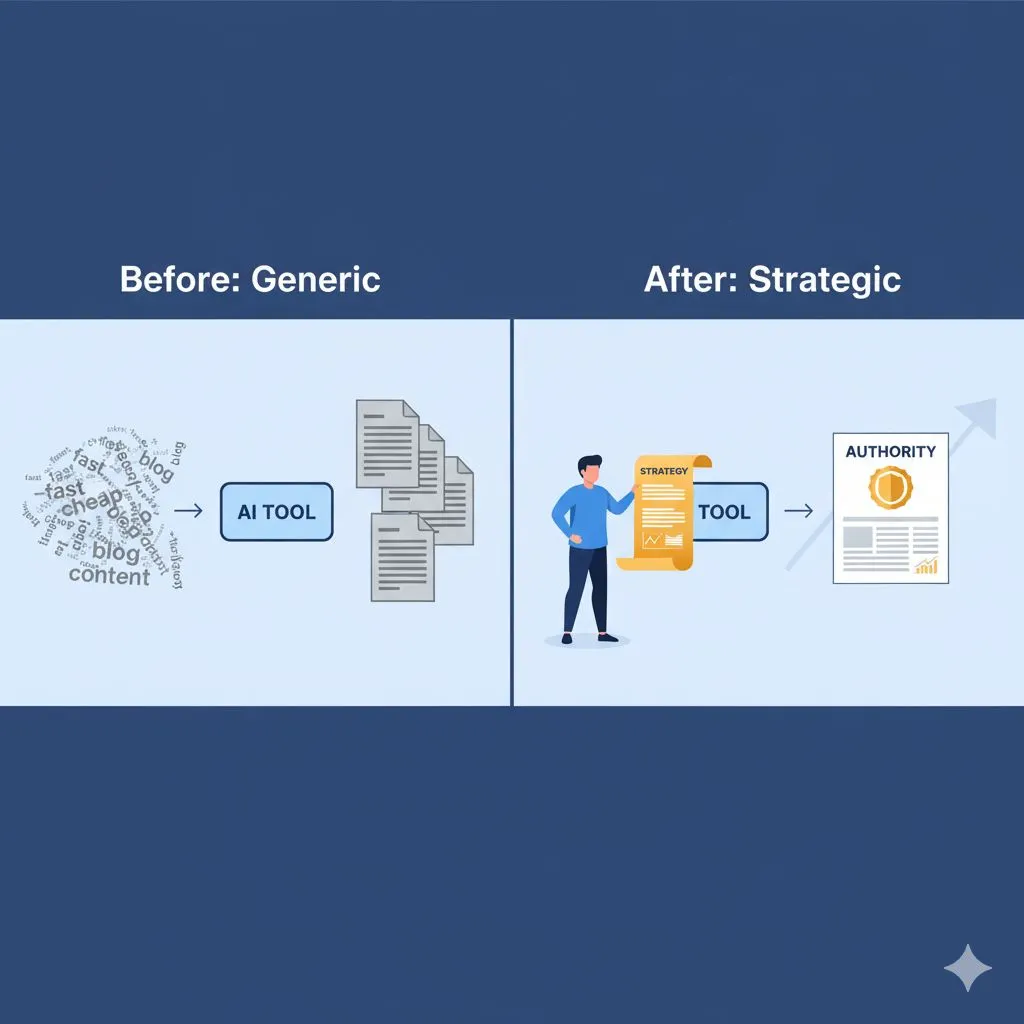
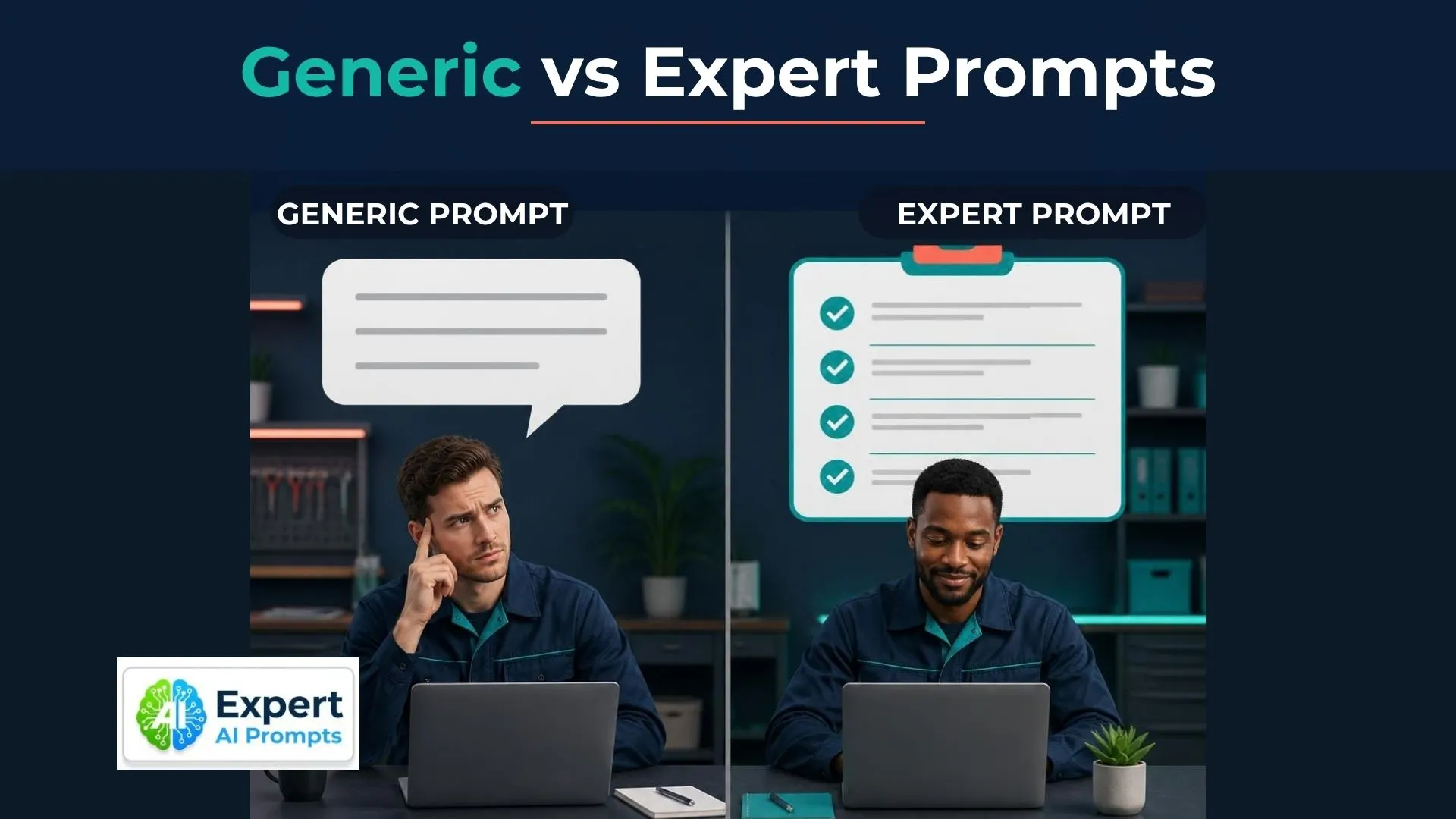
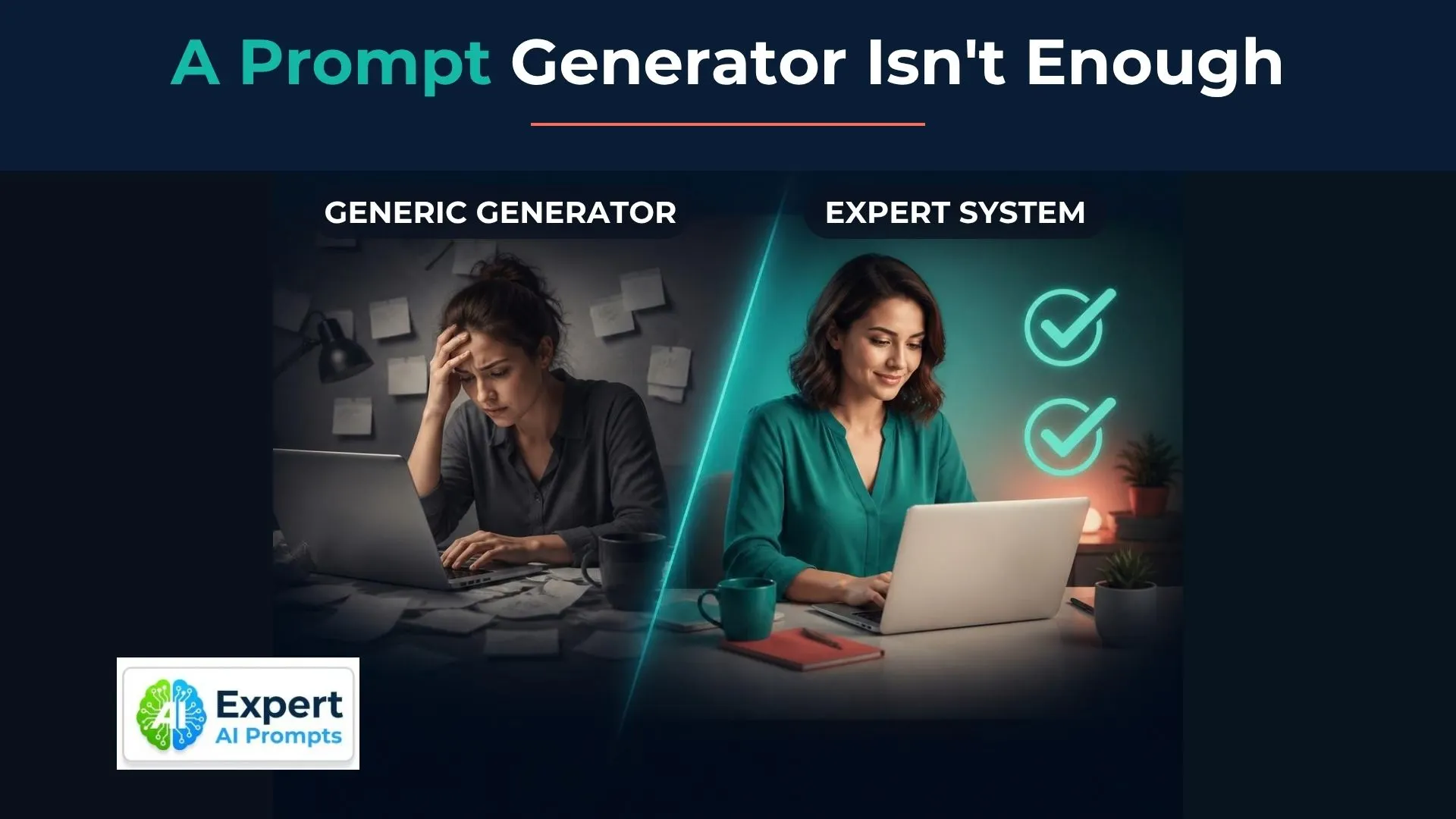
To stand out, you cannot simply use AI to "generate text." You must use it to "generate value." The entrepreneurs who win in this environment won't be the ones who just click "generate." Understanding the difference between generic AI output and strategically engineered prompts is the first step — read Generic vs Strategic AI Prompts: What Actually Separates the Results. They will be the ones who use AI to dig deeper, research harder, and refine more sharply.
The goal isn't to look like a machine wrote your copy. The goal is to look like you have the smartest team in the industry working for you.
The Human Element: Why Strategy Matters More Than Ever
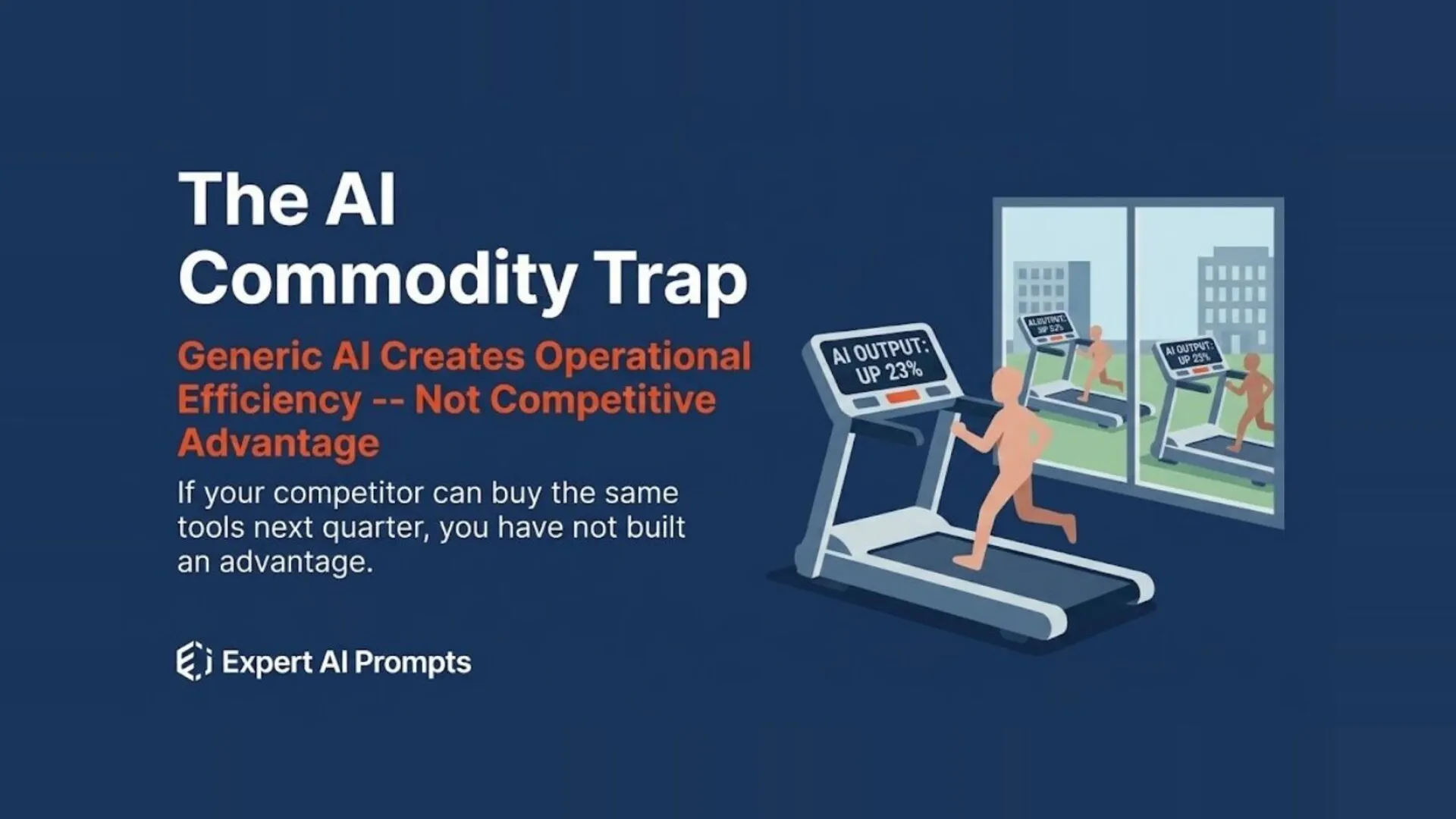
If everyone has access to the same AI tools, what becomes the competitive advantage?
You.
Your strategy, your empathy, and your taste. In the Creative Economy 2.0, the ability to curate is more valuable than the ability to create from scratch.
Think of AI prompts as the new creative brief. If you give a designer a vague, sloppy brief, you get a vague, sloppy design. The same applies to AI. The quality of your output is directly correlated to the quality of your input.
This is where the "Expert" in "Expert AI Prompts" comes into play. The new skill set required for entrepreneurs isn't typing faster; it's thinking clearer. You must articulate exactly who your audience is, what their pain points are, and what transformation you offer.
AI cannot dream. It cannot feel the frustration of your specific customer. It cannot predict the cultural nuance of your local market. It needs you to tell it those things.
Your role evolves from "writer" to "director." You set the scene, you define the characters, and you demand a specific emotional arc. The AI acts out the scene, but you are the one who yells "Cut!" and decides if it makes the final edit.
Conclusion: Your New Creative Partner
We are witnessing the biggest shift in business operations since the internet became mainstream. You have a choice. You can view AI with suspicion, clinging to the manual grind of the Creative Economy 1.0, wearing your burnout like a badge of honor.
Or, you can step into the Creative Economy 2.0.
You can choose to reclaim your time. You can choose to operate with the resources of a large agency without the overhead. You can choose to stop hustling and start scaling.
The tools are ready. The technology is accessible. But it requires a shift in mindset. It requires you to trust that your value lies not in the number of hours you suffer, but in the quality of the decisions you make and the vision you hold.
It is time to promote yourself. Fire yourself from the repetitive, low-value tasks that keep you stuck. Hire AI as your collaborator.
The future of your business doesn't depend on you working harder. It depends on you working with better tools.
Not sure where to start? Grab one of our 11 free AI resources — built for entrepreneurs who want immediate results without the guesswork.
Are you ready to stop spinning your wheels and start leading your industry?
You don’t need to figure out the perfect prompt strategy alone. We have done the heavy lifting for you.
Unlock your potential with the Creative Catalyst AI Prompt Pack — 50 expert-level prompts designed to reclaim your time and ignite your productivity.
Ready to see every prompt pack available across 30 industries? Browse the Expert AI Prompts pricing catalog and find the pack built for your business.
Further Reading
• The Secret to Consistency: Batching Content with Prompts
• Busting Writer's Block: 50 Prompts to Spark Creativity