Overcoming Team Resistance to AI Adoption: The Leader’s Guide
Overcoming Team Resistance to AI Adoption: The Leader’s Guide
Feb 04, 2026

The Friction of Growth
You see the potential clearly. As a business owner wearing too many hats, you know that Artificial Intelligence (AI) isn't just a shiny new toy—it is the leverage you need to compete with the big agencies without bloating your payroll. You see a future where workflows are streamlined, content is produced at expert levels in minutes, and you finally have the time to step out of the weeds and into the strategy.
But when you bring this vision to your team—your trusted circle of 2 to 10 people—you don’t get applause. You get hesitation. You see eye-rolls when you mention ChatGPT. You hear comments like, "It takes longer to fix the AI's mistakes than to just write it myself," or "I don't want our brand to sound like a robot."
You are facing one of the most common ai adoption barriers: the human element.
For ambitious entrepreneurs like Alex Rivers, who are eager to scale but rely heavily on a small, tight-knit team, this resistance can feel like a massive roadblock. You cannot afford to drag your team kicking and screaming into the future; you need them to be the engine of that growth.
The good news? This resistance is rarely about stubbornness. It is usually about fear, lack of clarity, or past experiences with poor tools. To move from an overworked operator to a confident strategist, you don’t need to force AI on your team. You need to lead them through a strategic culture shift.
Decoding the Resistance: Why Your Team Is Saying No
Before you can dismantle the barriers, you must understand what they are built of. In a small business environment, where every team member feels a deep sense of ownership over their work, resistance usually falls into three psychological buckets:
- The Fear of Obsolescence: Even if they don’t say it out loud, your team is wondering, "If AI does this, do you still need me?" In a small team, job security is personal. They need to know that AI is there to support their role, not eliminate it.
- The Quality Skepticism: Your team takes pride in their work. They have likely seen generic AI content—bland, hallucinated, or painfully "corporate." They are protecting your brand. They believe that using AI means lowering standards, and they are resisting that drop in quality.
- The Workload Paradox: This is the most practical barrier. Your team is already maxed out. asking them to learn a new, complex tool feels like adding more work to their plate, not less. They view the learning curve as a bottleneck, not a breakthrough.
To overcome these ai adoption barriers, you must validate these feelings. Acknowledge that generic AI is bad. Acknowledge that learning takes time. Then, present the solution not as a mandate, but as a relief valve.
The "Operator to Strategist" Reframing
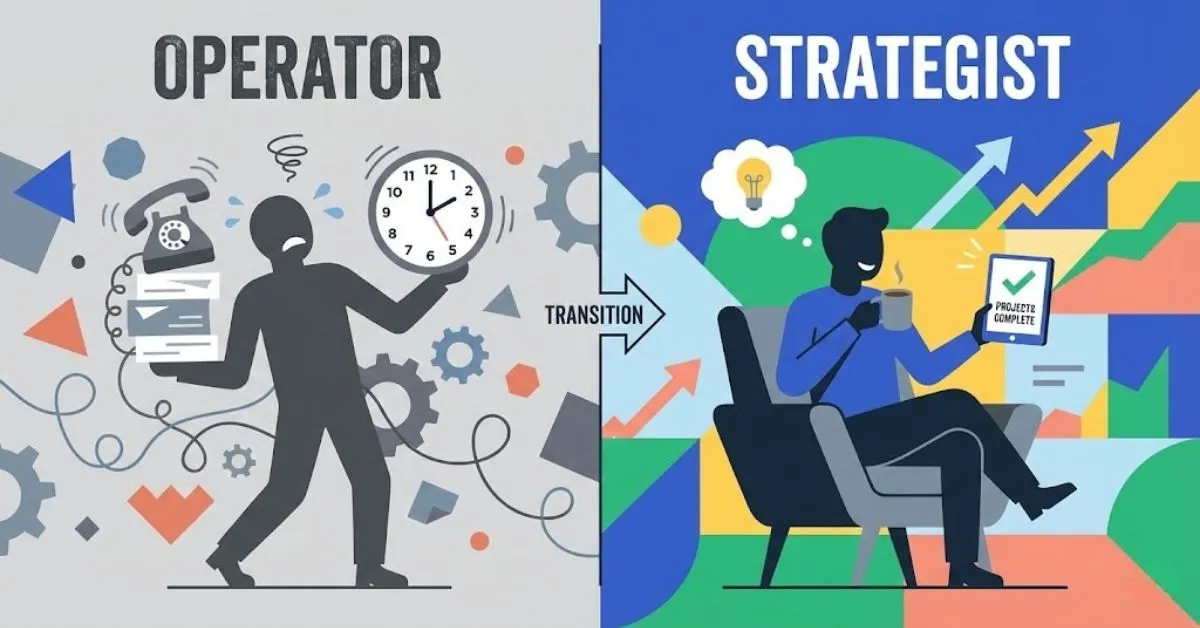
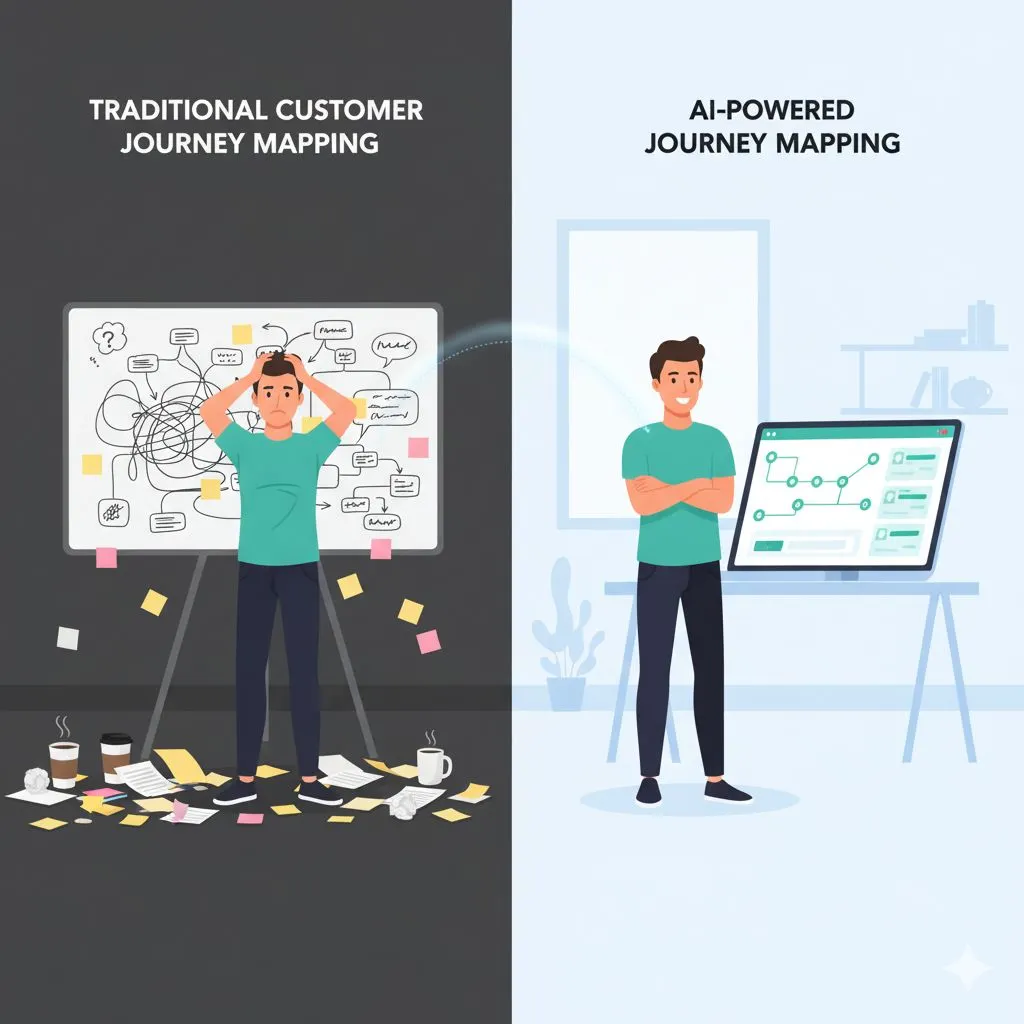
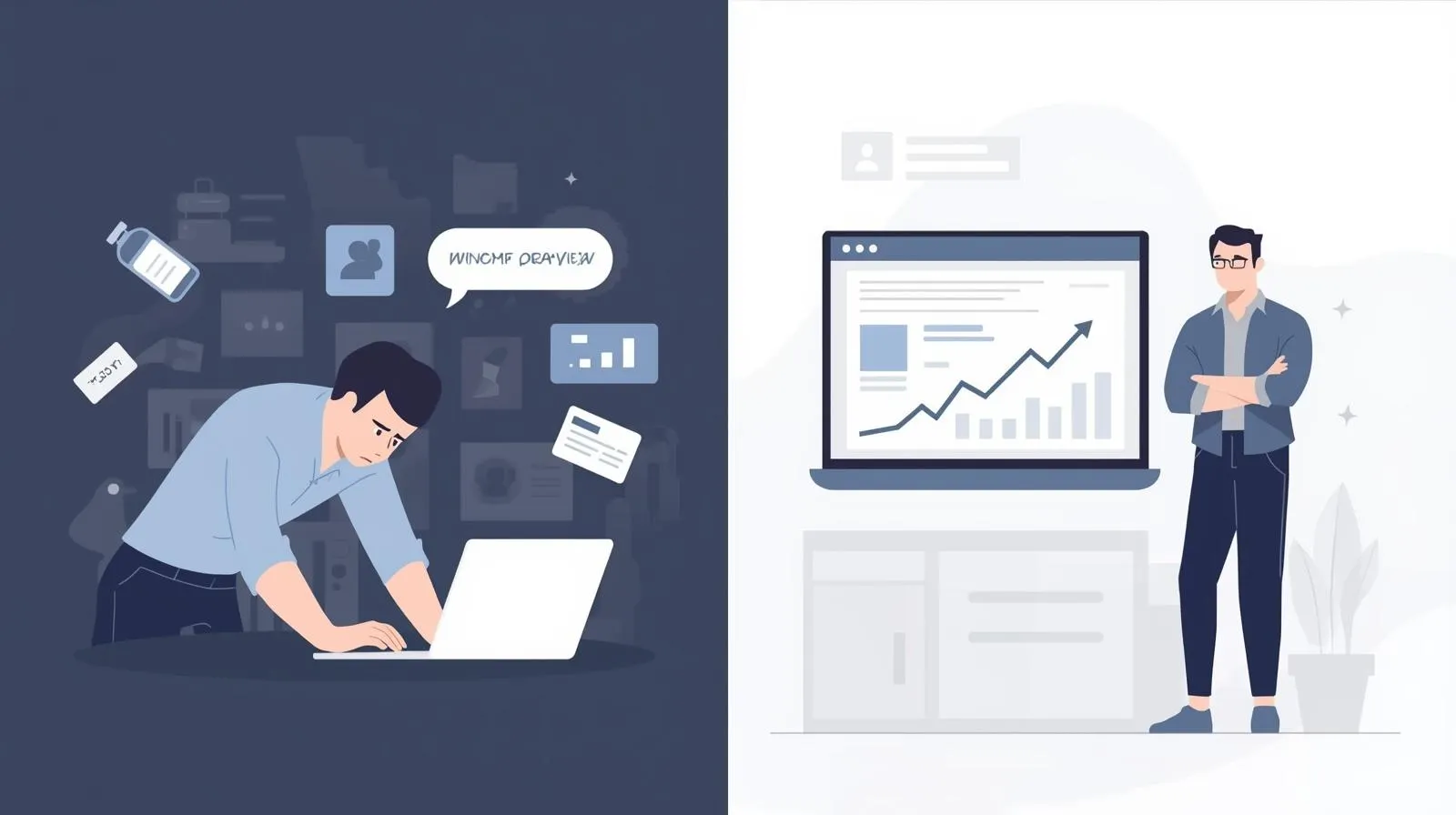
If you frame AI as a way to "get more work out of people," you will lose. No one wants to run faster on a hamster wheel. Instead, you must frame AI as the tool that destroys the parts of the job they hate, leaving them with the parts they love.
This is the shift from Operator to Strategist.
Sit down with your team and audit their week. Find the "Drudgery Zone." These are the tasks that require zero creativity but massive amounts of time.
- Is your marketing lead spending 4 hours resizing images for different social platforms?
- Is your admin spending half the day drafting routine email replies?
- Are you, the owner, staring at a blank page for an hour trying to write a LinkedIn post?
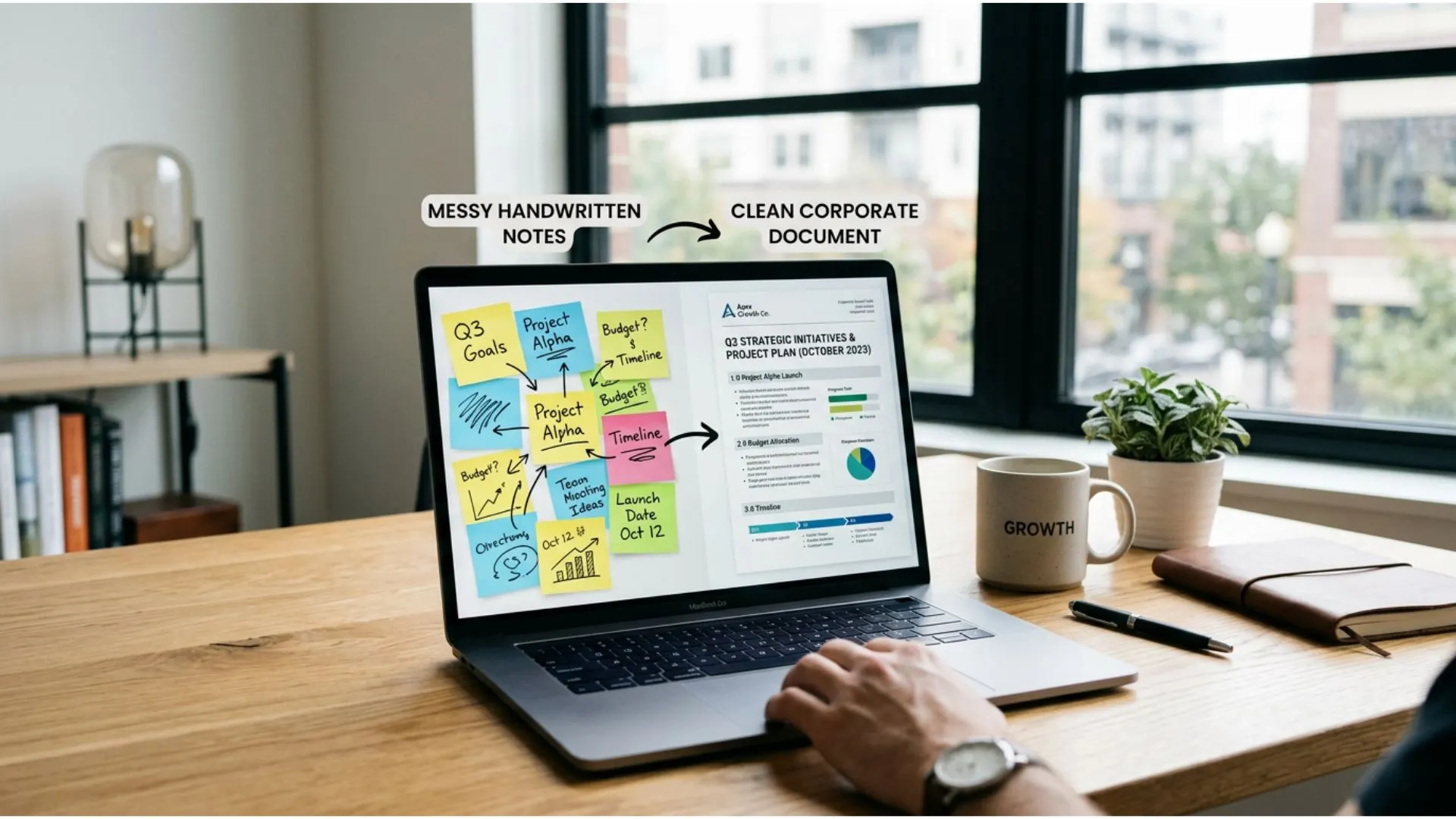
Position AI as the "Junior Assistant" hired specifically to handle these tasks. Tell your team: "I don’t want you spending three hours drafting a blog post. I want you to spend 20 minutes using an AI prompt to generate a draft, and then use your expertise to polish it, add our brand voice, and make it excellent."
When you position AI as a tool that removes the "blank page syndrome" and handles the grunt work, you empower your team. You are telling them: "Your brain is too valuable for low-level tasks. I want you operating at a higher level."
The "Pilot Program" Strategy (Start Small to Win Big)
One of the biggest mistakes small business owners make is trying to "AI-ify" the whole business overnight. This leads to overwhelm and chaos. Instead, treat AI adoption as a strategic experiment.
1. Pick One Pain Point:
Don’t try to fix marketing, sales, and operations simultaneously. Choose the biggest bottleneck. Is it content creation? Is it customer support inquiries?
2. Select the "Champion":
Identify the most tech-savvy or open-minded person on your team (or take this role yourself if you are a solo operator). Their job is to test the workflow for one week.
3. The "Before and After" Test:
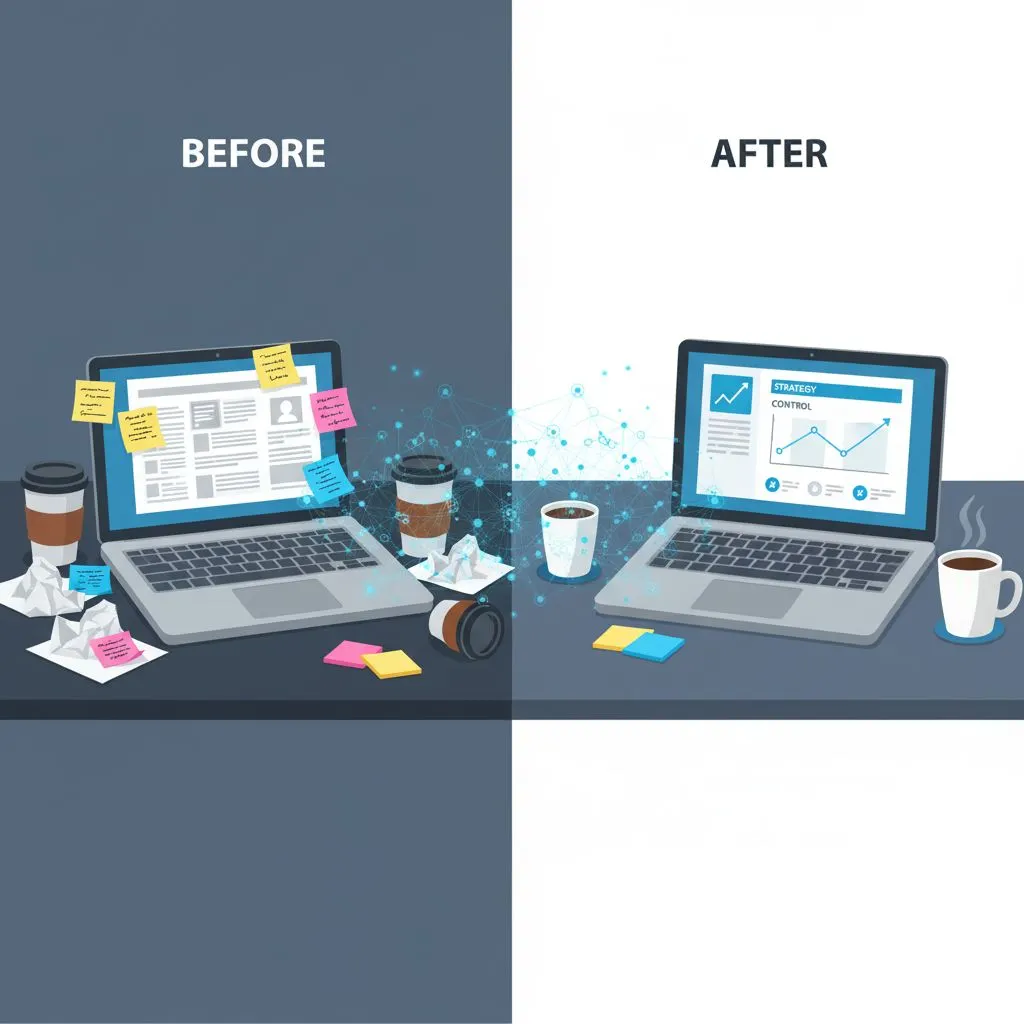
Have the Champion perform a task the old way and record the time taken. Then, have them use a specific AI workflow to do the same task.
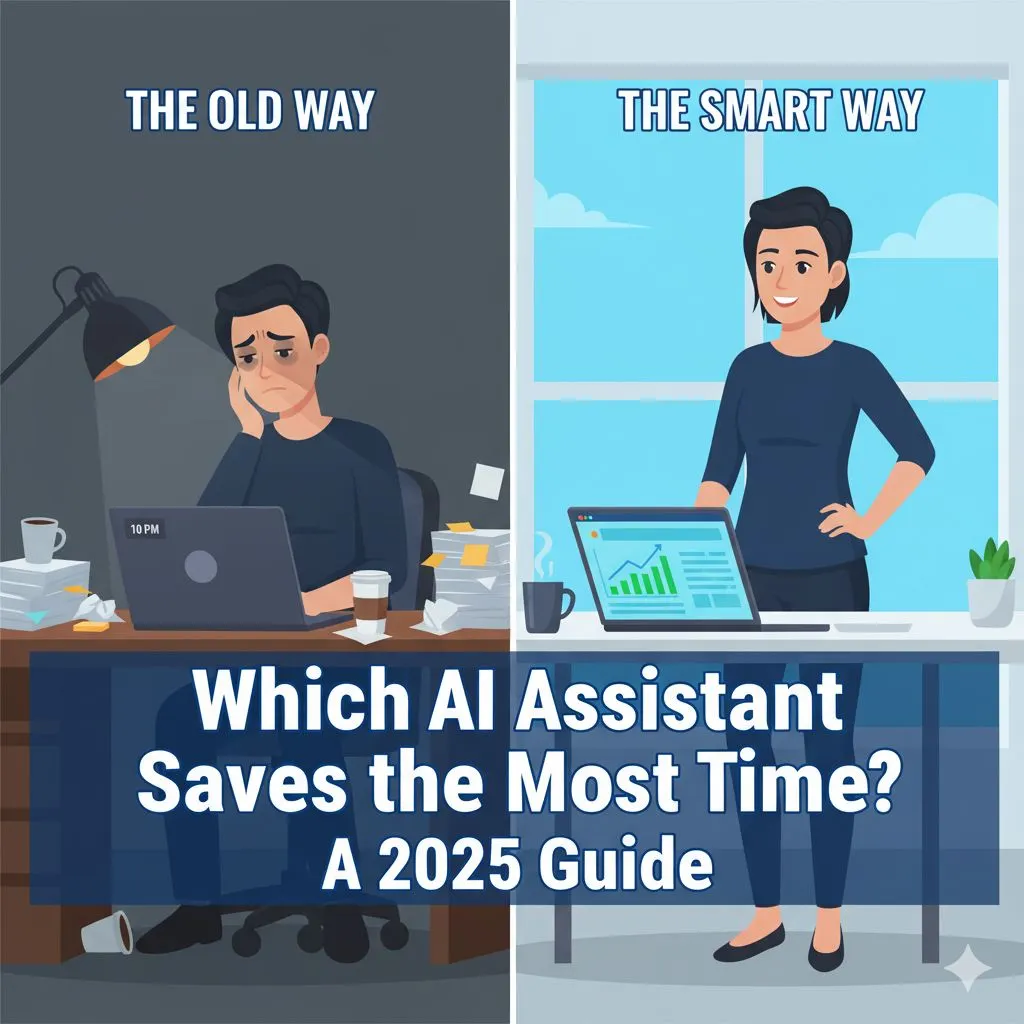
- Old Way: Write a newsletter (2 hours).
- New Way: Use a strategic prompt structure to generate the newsletter, then edit (30 minutes).
4. Share the Win:
When the team sees that the Champion saved 90 minutes and produced a result that—after a human edit—looked just as professional, the resistance begins to crumble. The argument shifts from "theoretical efficiency" to "proven ROI."
Solving the "Garbage In, Garbage Out" Problem
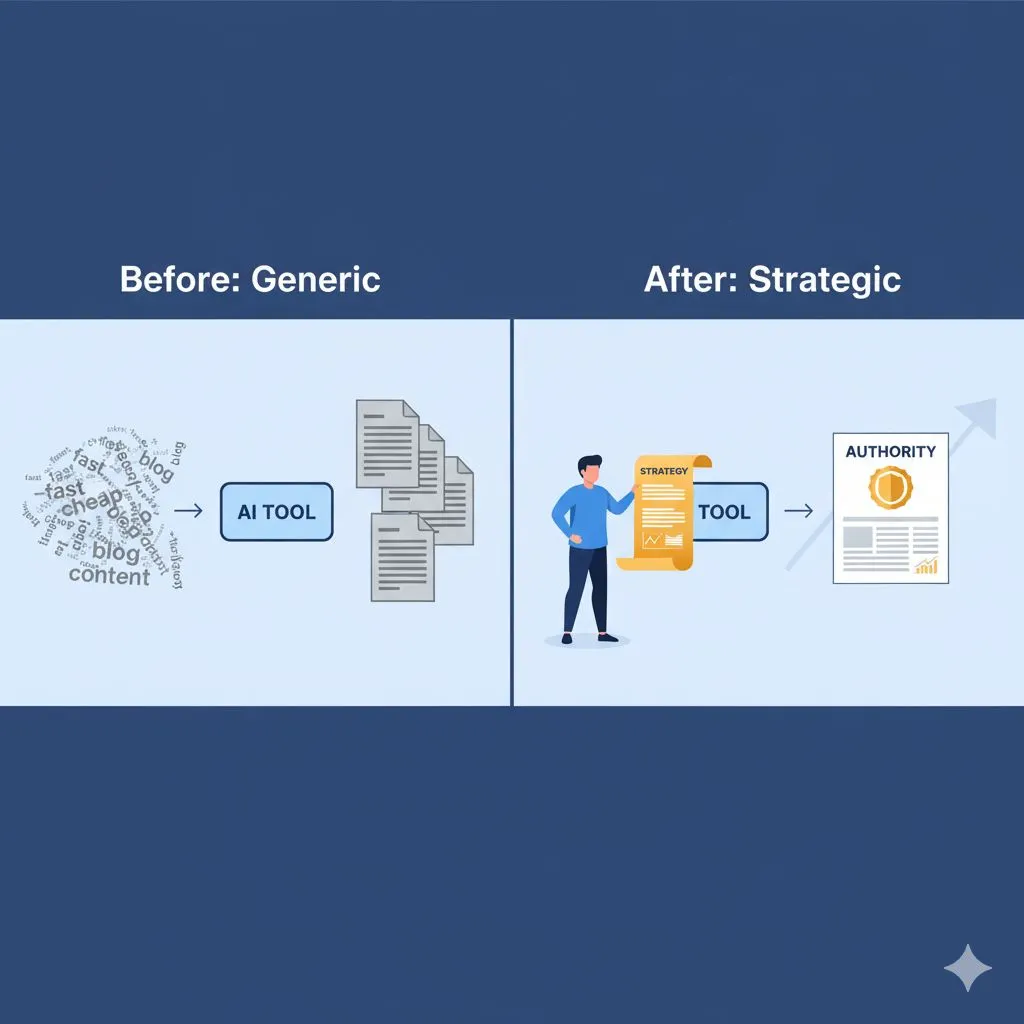
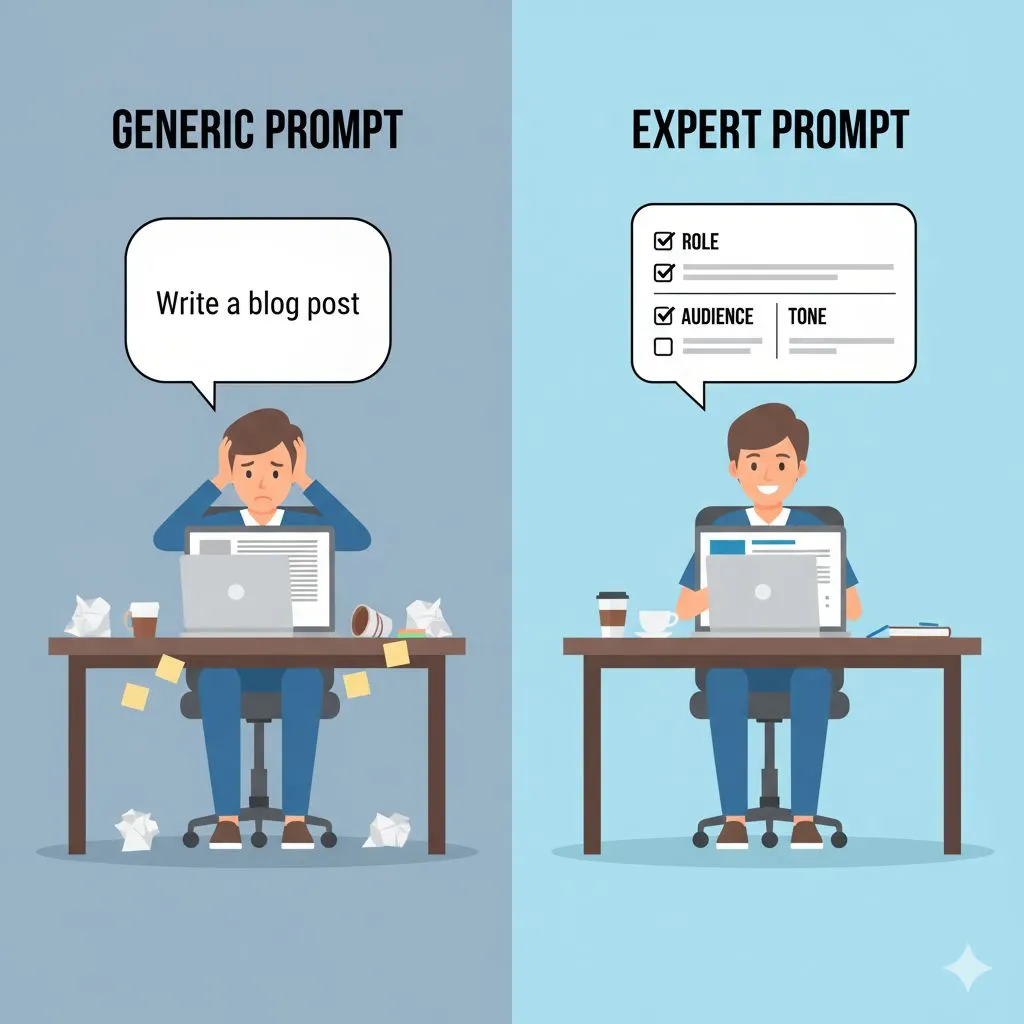
The most valid objection your team will have is regarding quality. And they are right: most people use AI incorrectly. They treat it like a search engine rather than a reasoning engine. They type in lazy commands like "Write a blog about marketing," and they get back fluffy, repetitive garbage.
If your team associates AI with low-quality output, they will never adopt it. You must prove that the quality of the output depends entirely on the quality of the input.
This is where the difference between a "tool" and a "strategy" becomes clear.
The Role of Strategic Prompts
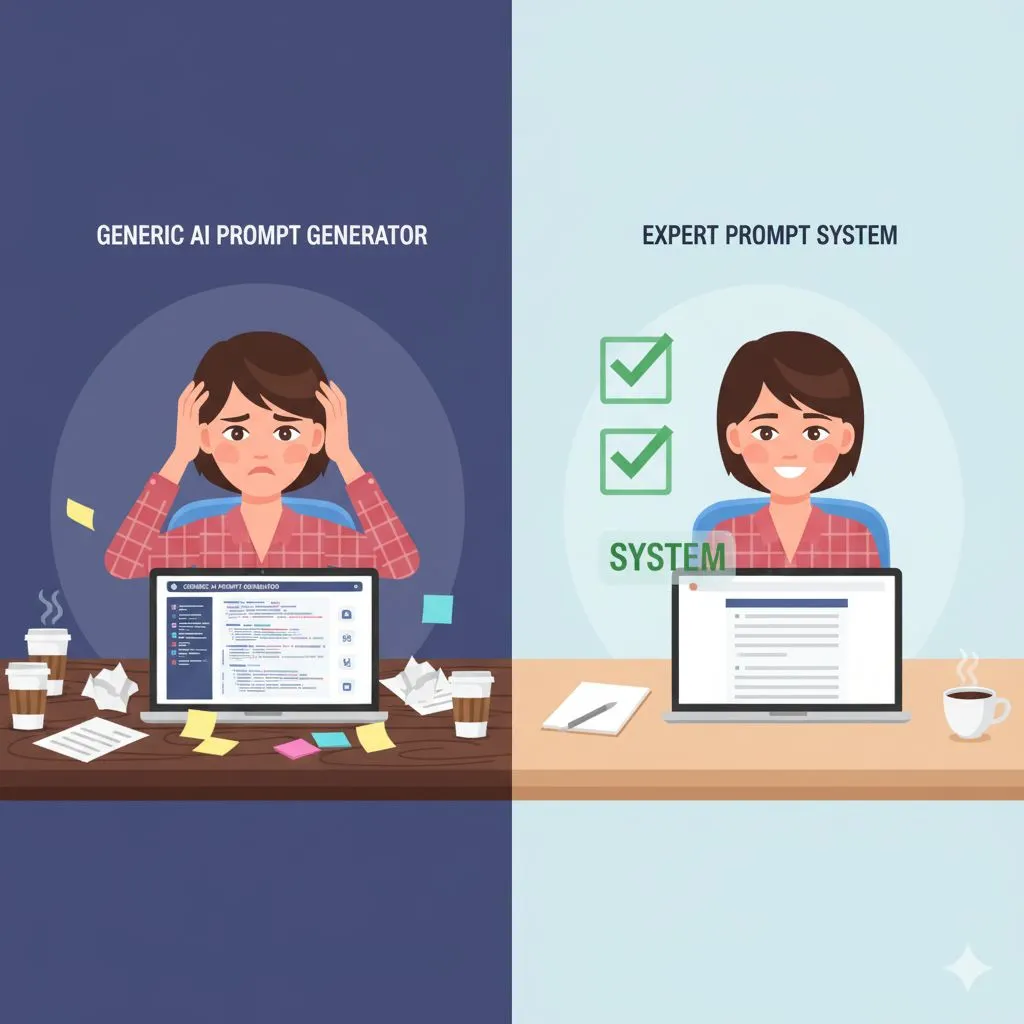
To get expert-level results that reflect your brand’s credibility, you cannot rely on guesswork. You need structured, industry-specific frameworks. This is why tools like Expert AI Prompts are essential for adoption. They bridge the gap between a skeptical human and a powerful machine.
Show your team the difference:
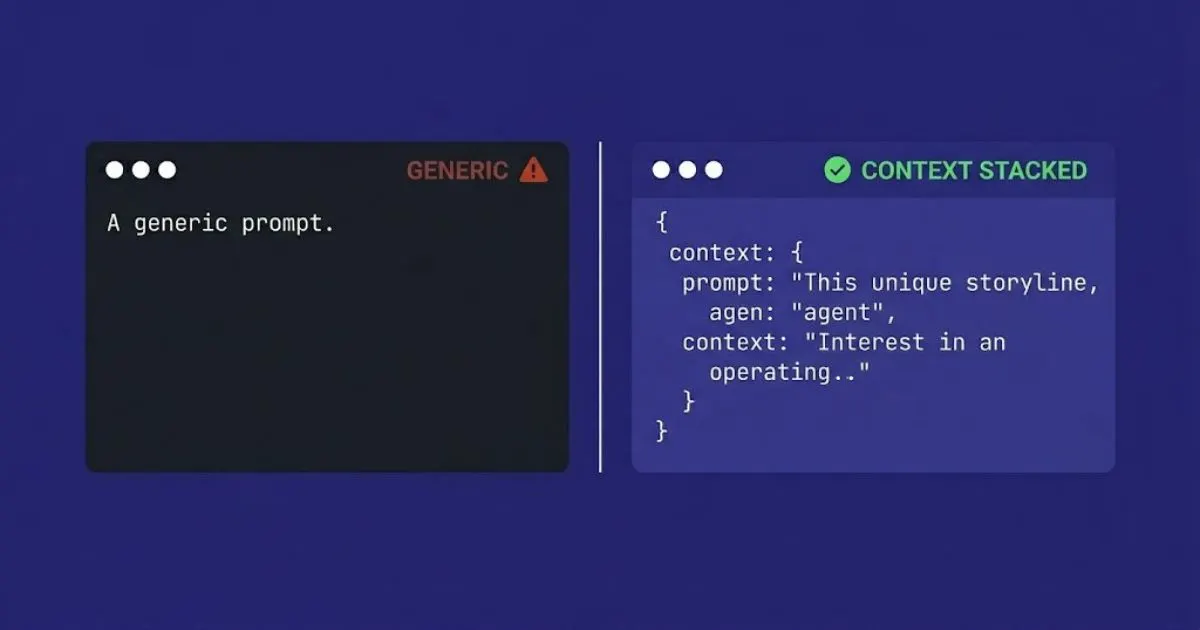
- The Amateur Prompt: "Write an email to a client about our new pricing."
- Result: A stiff, apologetic, generic email that sounds like a robot wrote it. Your team rejects this immediately.
- The Expert Prompt: "Act as a senior account manager. Write a persuasive email to a long-term client notifying them of a pricing update. Use the 'Value-First' framework: Start by summarizing the results we achieved for them last quarter, explain how the new pricing allows us to invest in [Specific Service Improvement], and end with a call to confirm their renewal. Tone: Professional, warm, and confident."
- Result: A polished, strategic piece of communication that requires only minor personal touches.
When you equip your team with pre-built, strategic prompts, you eliminate the "trial and error" phase. You hand them a tool that works instantly. You are not asking them to become prompt engineers; you are giving them the "cheat codes" to produce high-level work effortlessly.
This solves the quality objection. Your team realizes that AI isn't replacing their expertise; it's a multiplier for it.
Building a Culture of Feedback and Iteration
Overcoming ai adoption barriers is not a one-time meeting; it is an ongoing conversation. As you roll out these tools, you must create a safe environment for feedback.
Encourage your team to call out when the AI gets it wrong. If a prompt generates a hallucination or a cliché, don't defend the tool—fix the process. Ask, "How can we refine the instructions to make this sound more like us?"
Incentivize the Shift:
Celebrate the wins. If a team member uses an AI workflow to finish their Friday tasks by 2:00 PM, let them log off early. Show them that efficiency translates to personal freedom—one of the core desires of the "Alex Rivers" persona. If AI saves the business money, consider how that can be reflected in bonuses or new resources.
Conclusion: Turning Bottlenecks Into Breakthroughs
For the small business owner, time is the only finite resource. You cannot manufacture more hours, but you can manufacture more capacity.
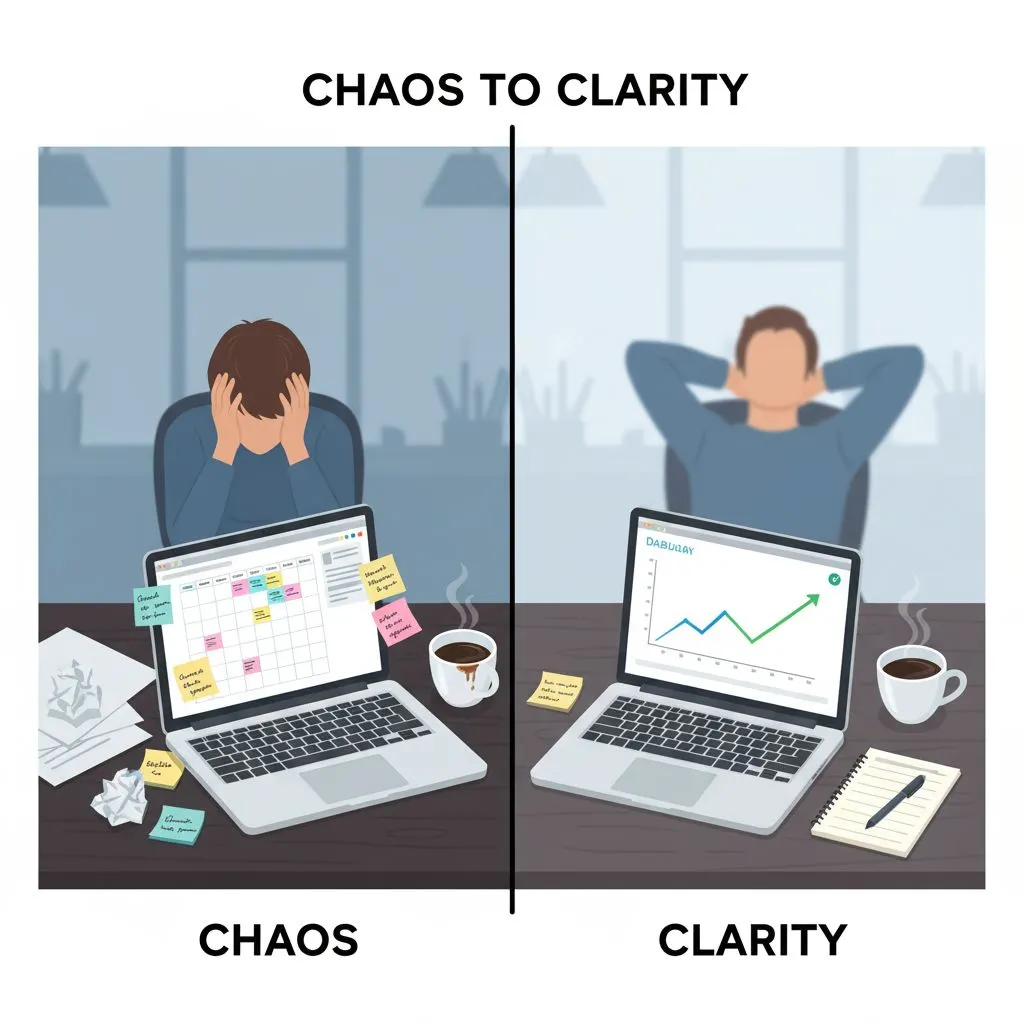
Team resistance to AI is natural, but it is not insurmountable. It stems from a desire to protect the business and their own value. By addressing their fears, reframing AI as a tool for eliminating drudgery, and providing them with high-quality, strategic prompts that ensure expert-level results, you turn that resistance into relief.
You are not just adopting software; you are upgrading your business operating system. You are moving from a team of overworked operators to a team of high-level strategists.
Don't let the fear of the unknown stall your growth. The technology is ready. The strategy is clear. The only thing left to do is take the first step.
Ready to dismantle the barriers?
If you want to introduce AI to your team but don't know where to start, we have stripped away the confusion. Get your team on the same page with our free resource.
Get the Guide: AI for Beginners – A No-Jargon Guide for Entrepreneurs
Related Reading
Ultimate Guide to AI for Small Business
Is Your Small Business Ready for AI Implementation?
The First 30 Days: How to Implement AI in Your Small Business
5 Boring Tasks You Should Never Do Manually Again
Products: Browse Prompt Packs | Pricing Catalog
Resources: Free AI Resources | AI for Beginners Guide | Case Studies
Blog: Blog Home | AI for Business Growth | Prompt Mastery