The State of AI in 2026: What Small Businesses Need to Know
The State of AI in 2026: What Small Businesses Need to Know
Feb 01, 2026

Introduction: The Dust Has Settled
If you are reading this in 2026, you likely remember the chaos of the early 2020s. Back then, the headlines were dominated by breathless predictions: AI will replace us all! AI is just a fad! AI will fix the economy overnight! For small business owners, it was a dizzying mix of Fear Of Missing Out (FOMO) and skepticism. You probably signed up for a dozen subscriptions, played with image generators until 2:00 AM, and then realized the next morning you still had invoices to send and clients to manage.
Three years later, the noise has settled. The future of artificial intelligence is no longer a speculative horizon—it is the operating system of the modern economy.
Our AI for Beginners: A No-Jargon Guide for Entrepreneurs covers the full landscape of what AI means for your business -- without the tech jargon.
For entrepreneurs like you—ambitious, resourceful, but perpetually overextended—the conversation has shifted. It is no longer about adoption; it is about integration. The "wow" factor of a chatbot writing a poem has faded, replaced by the quiet, ruthless efficiency of systems that run payroll, draft strategic proposals, and predict inventory needs while you sleep.
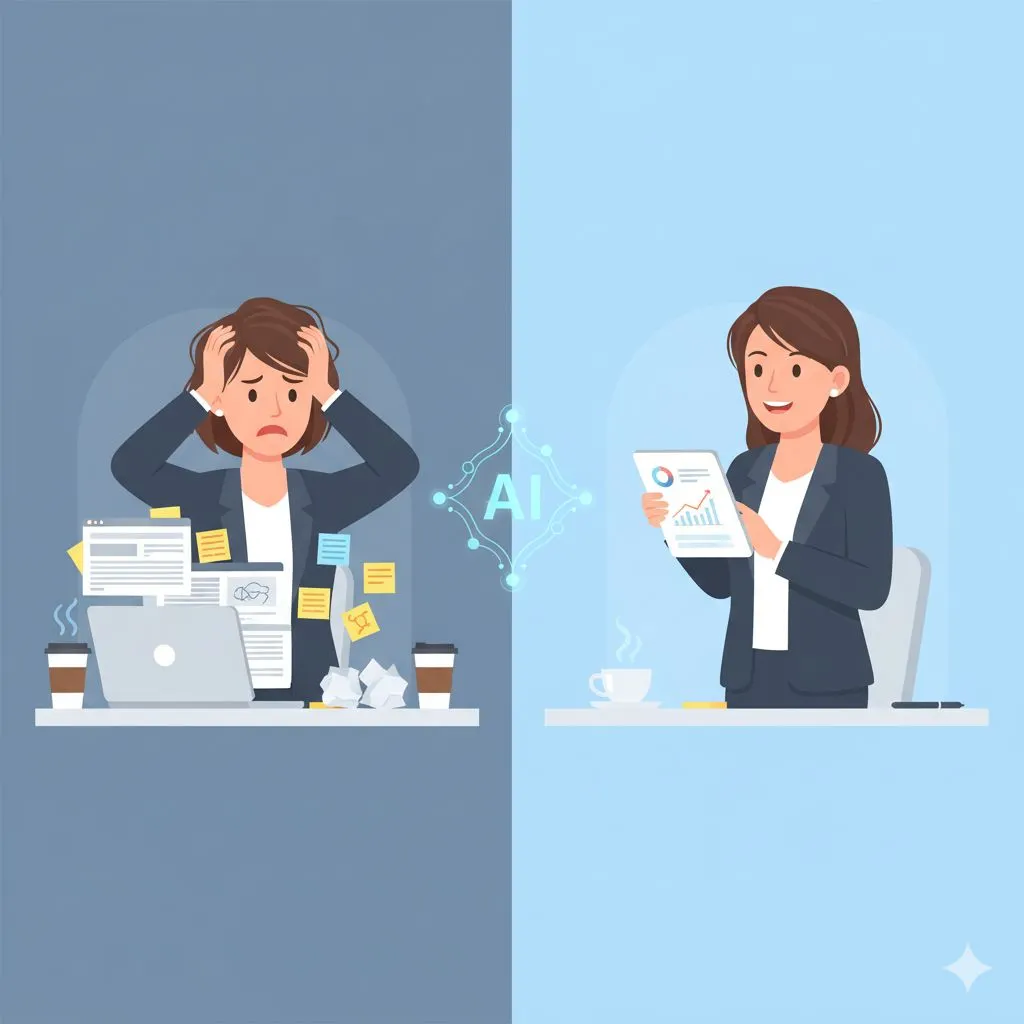
In 2026, the divide between the businesses that scale and those that struggle isn't about who has the biggest budget. It’s about who has successfully transitioned from being an operator of tools to a strategist of systems. The era of playing with tech is over. The era of building leverage has begun.
This report cuts through the lingering tech jargon to present exactly what the current state of AI means for your business. We aren't looking at theoretical breakthroughs in a lab; we are looking at the practical realities of how a three-person team can now compete with a multinational corporation.
Trend 1: From "Co-Pilot" to "Autopilot" (The Rise of Agentic AI)
For the last few years, the dominant metaphor for AI was the "Co-Pilot." It sat next to you. You had to talk to it, guide it, check its work, and essentially hold its hand. While helpful, it still required your most finite resource: your attention.
The defining shift of 2026 is the move to Agentic AI.
We have graduated from Large Language Models (LLMs) that simply predict the next word in a sentence to Large Action Models (LAMs) that predict—and execute—the next necessary action in a workflow.
The Difference Between Chatting and Doing
In 2024, if you wanted to organize a client meeting, you might have asked an AI to draft an email invitation. You still had to copy it, check your calendar, send the email, wait for a reply, and book the slot.
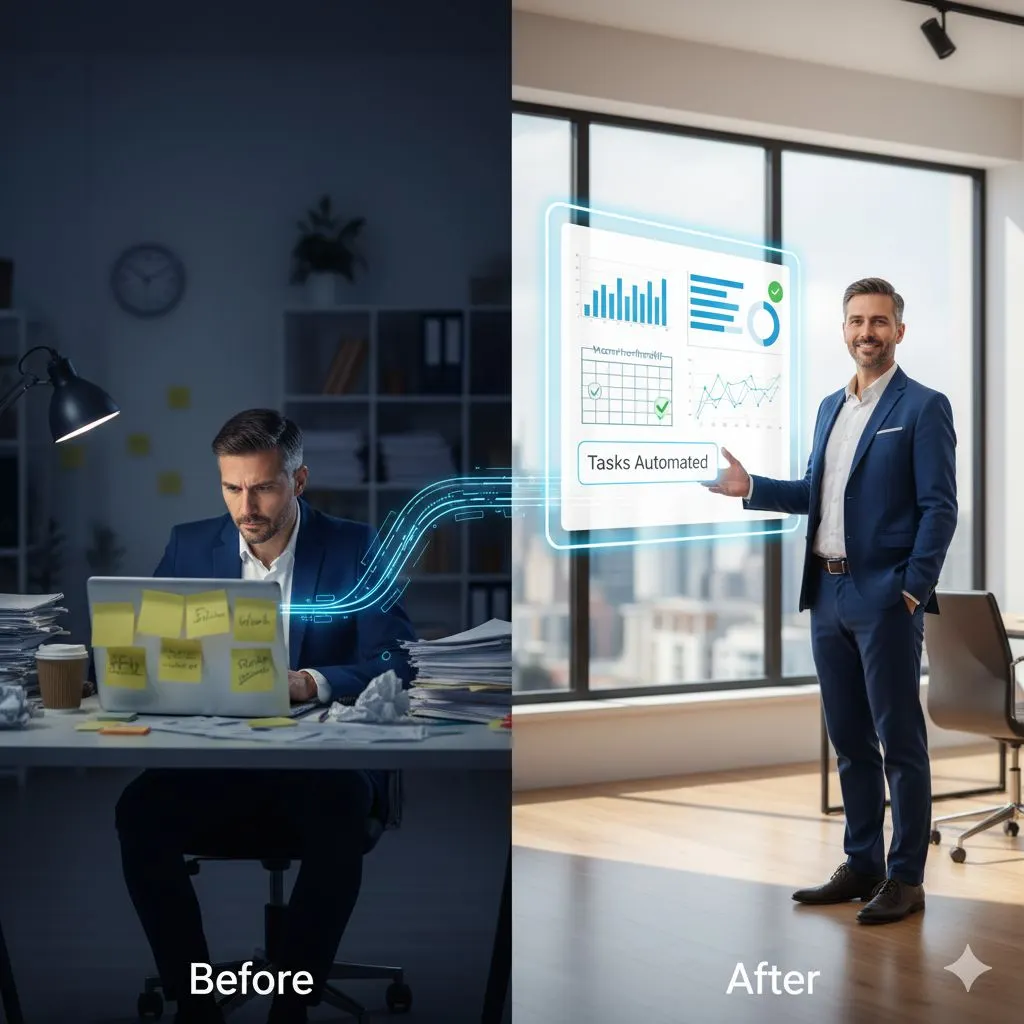
In 2026, Agentic AI handles the entire loop. You tell your system, "Book a strategy call with the client for next Tuesday," and the AI agent:
- Checks your calendar constraints.
- Cross-references the client’s time zone.
- Drafts and sends a personalized email with dynamic scheduling links.
- Negotiates times if the client proposes a conflict.
- Adds the confirmed slot to your CRM.
- Generates a briefing document based on previous emails with that client.
- Notifies you only when the task is complete.
The Virtual Workforce for the Solopreneur
For the small business owner wearing many hats, this is the Holy Grail. It effectively allows you to hire a virtual Operations Manager, a Scheduler, and a Data Analyst for the cost of a software subscription.
However, this shift requires a new level of trust and distinct setup. Agentic workflows don't happen by accident. They require you to define the rules of engagement clearly. This is where the frustration often lies for entrepreneurs like Alex Rivers. You don't have time to code these agents from scratch. You need proven frameworks—pre-built logic chains that you can trust to represent your business professionally without you hovering over the "send" button.
The businesses winning in 2026 are those that have stopped treating AI as a content generator and started treating it as a workforce multiplier. They aren't asking, "What can I write with AI?" They are asking, "What business function can I fully hand over to AI?" See how one agency already made this exact transition in our case study on scaling agency operations with AI.
Ready to start reclaiming hours this week? Download our free 5-Hour Saver Prompt Pack and put agentic thinking into action today.
Trend 2: Hyper-Personalization at Scale
If the buzzword of 2024 was "Generative," the buzzword of 2026 is "Adaptive."
For years, small businesses struggled to compete with corporate giants in marketing. Big players had the data teams and the budgets to segment audiences into micro-targets. Small business owners like you had to rely on "spray and pray"—sending the same newsletter to everyone and hoping it stuck.
The future of artificial intelligence has democratized data synthesis, leveling the playing field in a way few predicted. We have moved beyond inserting a [First Name] tag into an email subject line. That is no longer personalization; that is basic hygiene.
For a complete framework on building an AI-powered marketing system, explore Your Complete AI Marketing Strategy Guide.
The End of the "One-Size-Fits-All" Campaign
In 2026, AI tools allow a two-person consulting firm to run marketing campaigns with the sophistication of a Fortune 500 company. We are seeing the rise of Dynamic Experience Engines.
Imagine a potential client visits your website. Based on their referral source (e.g., a LinkedIn post about "time management") and their behavior on your site (lingering on pricing for "retainer packages"), the AI doesn't just show them a static homepage. It reassembles the copy in real-time. The headline shifts to address time scarcity. The testimonials displayed are specifically from other busy executives. The Call-to-Action (CTA) changes from "Learn More" to "Get Your Time Back."
White-Glove Service on a Bootstrap Budget
For Alex Rivers, the overworked entrepreneur, this solves a critical pain point: conversion. You don't have time to chase cold leads. You need your digital assets to work harder so you don't have to.
This level of hyper-personalization extends to service delivery as well. AI analyzes client communications to suggest responses that match their specific communication style. If a client is brief and bullet-point oriented, your AI drafter suggests a concise reply. If they are chatty and relationship-focused, it suggests a warmer, more conversational tone.
However, the trap here is complexity. Setting up these systems can feel like learning a new language. This is where the distinction between "tool users" and "strategy users" becomes clear. Success in 2026 isn't about configuring complex algorithms yourself; it's about using verified prompt frameworks that instruct the AI on how to personalize. It’s about having a standard operating procedure that says, "Analyze this prospect's LinkedIn profile and rewrite this proposal introduction to align with their stated core values."
Trend 3: The Trust Economy & The "Human Premium"
With the explosion of AI capabilities comes an inevitable counter-reaction. By 2026, the internet is flooded with what industry insiders call "The Slop"—a deluge of low-quality, hallucinated, or generically bland content churned out by unprompted, unguided bots.
This saturation has created a new economic reality: The Trust Economy.
Verification is the New Currency
In a world where anyone can generate a 5,000-word white paper in seconds, the volume of content you produce no longer signals authority. In fact, churning out mass content can now hurt your brand perception. It signals that you are disconnected and relying on automation without oversight.
For small businesses, this is a massive opportunity. Because you are smaller, you are actually closer to your brand voice than a CEO of a giant corporation. The "Human Premium" is the value customers place on knowing there is a real person behind the screen.
Strategic Transparency
Smart businesses in 2026 are practicing "Strategic Transparency." They don't hide their use of AI; they frame it as a tool for precision.
- Bad approach: Pretending a bot-written article is your deep personal philosophy.
- Good approach: "I used AI to analyze 10 years of market data, but these conclusions are based on my 15 years of experience."
Your customers, skeptical and tired of fake gurus, are craving authenticity. They want to know that you are the architect of the solution.
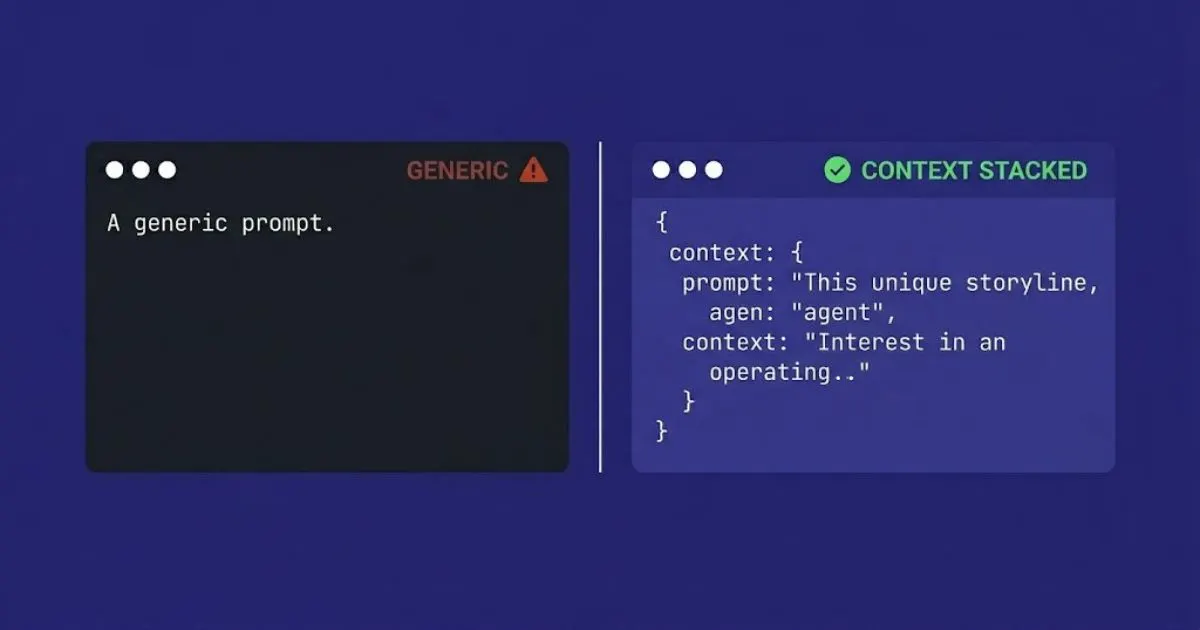
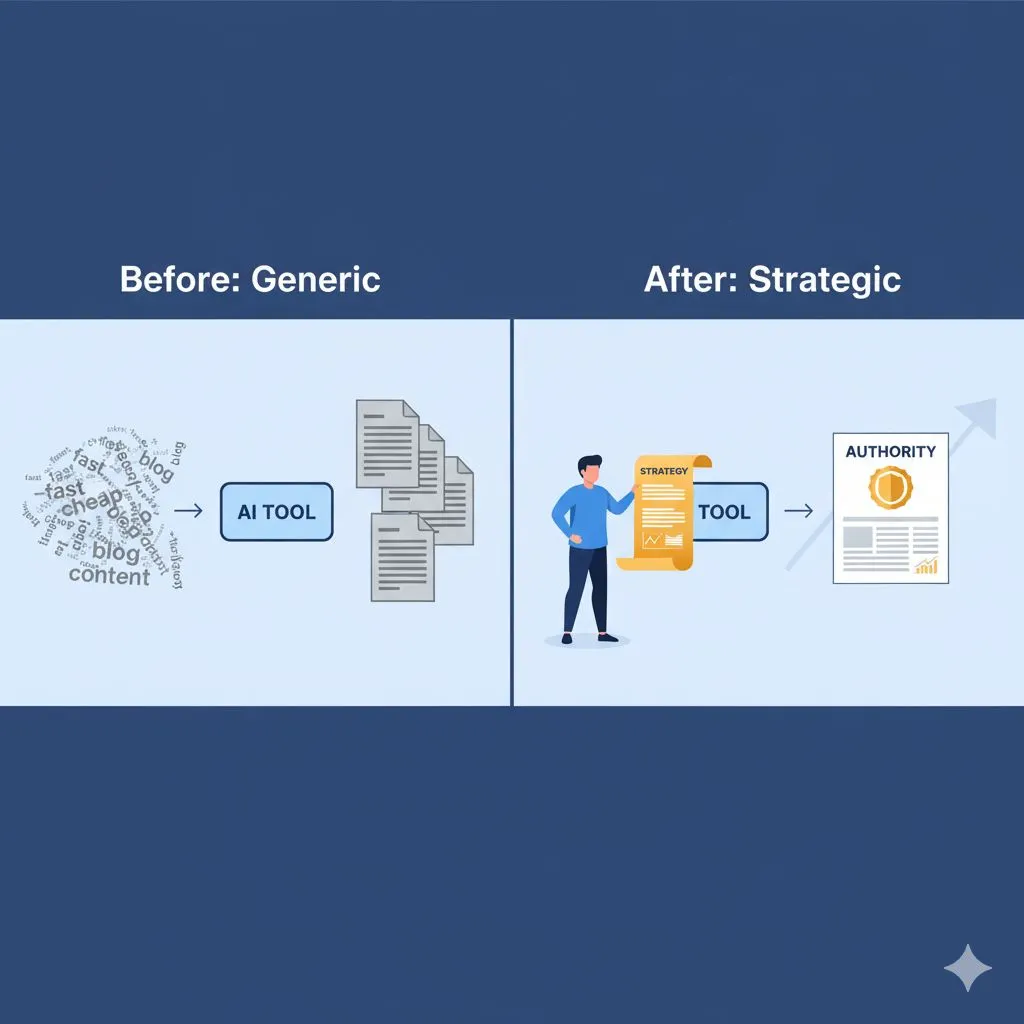
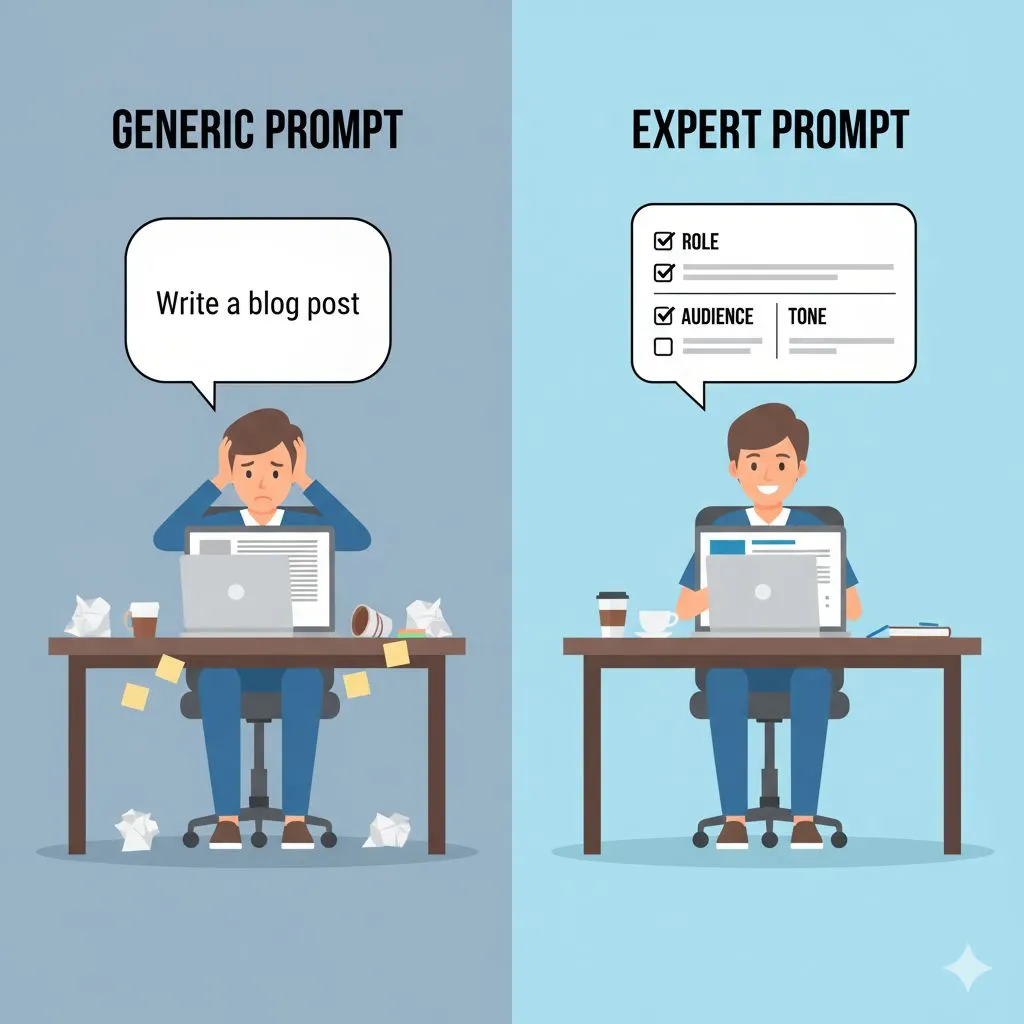
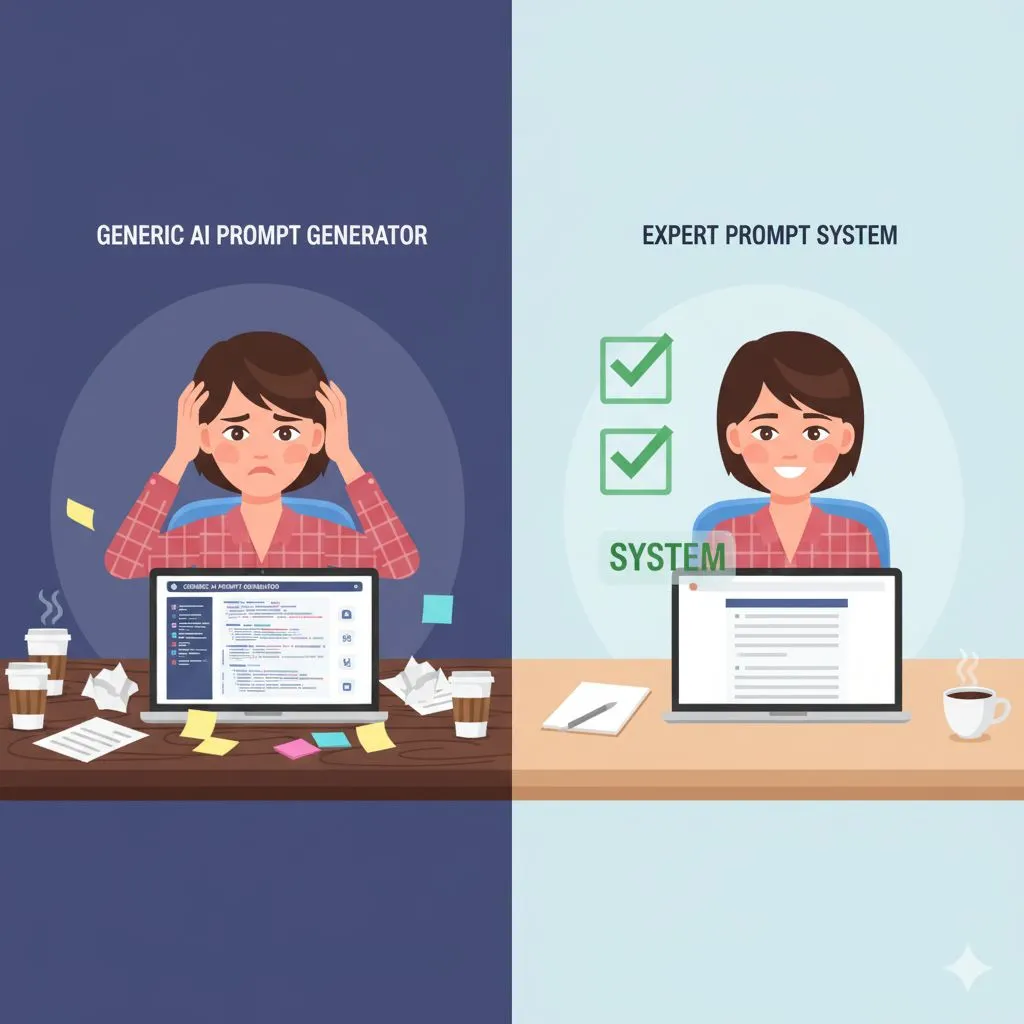
This is where the quality of your inputs matters more than ever. If you use generic prompts ("Write a blog post about marketing"), you get generic slop that erodes trust. If you use expert-level, structured prompts ("Analyze these specific pain points of my persona 'Alex' and draft a contrarian viewpoint on marketing trends"), you get content that sounds like you at your best.
In 2026, AI is not a replacement for your expertise; it is the lens that focuses it. The goal is to use AI to handle the structure and the research so that you can pour your limited energy into the insight—the part that builds trust and closes deals.
Our free Generic-to-Expert AI Content Audit Checklist helps you identify exactly where your current prompts are falling short -- and shows you how to fix them.
Trend 4: The Skill Shift – Prompting as Strategy
For the past three years, the internet has been screaming at you to "learn prompt engineering." You’ve seen the cheat sheets promising that if you just use the words "act as a..." or "take a deep breath," the AI will magically solve your business problems.
In 2026, those tricks are obsolete.
The era of the "Generalist Prompt"—typing a vague request into a chat box and hoping for the best—is dead. The new competitive advantage isn't about knowing which words to type; it's about knowing how to structure the thinking behind them.
The Death of the Generalist Prompt
Early AI was like a very eager, very naive intern. You had to micromanage it. Today’s AI models are more like specialized consultants. If you ask a consultant to "just write something about marketing," you waste their potential (and your money).
In 2026, the businesses that struggle are the ones still treating AI like a magic 8-ball. The businesses that thrive treat AI like a logic engine. They understand that a prompt isn't a sentence; it's a workflow.
This shift has created a new requirement for entrepreneurs: Structured Thinking.
Our Entrepreneur's Playbook for Prompt Engineering is the definitive guide to making this shift from operator to systems architect.
Business Owners as Systems Architects
You don’t need to learn Python or Javascript. But you do need to learn how to deconstruct your own expertise.
Alex Rivers, our typical business owner, used to spend hours writing content. Now, Alex spends that time designing the architecture of the content.
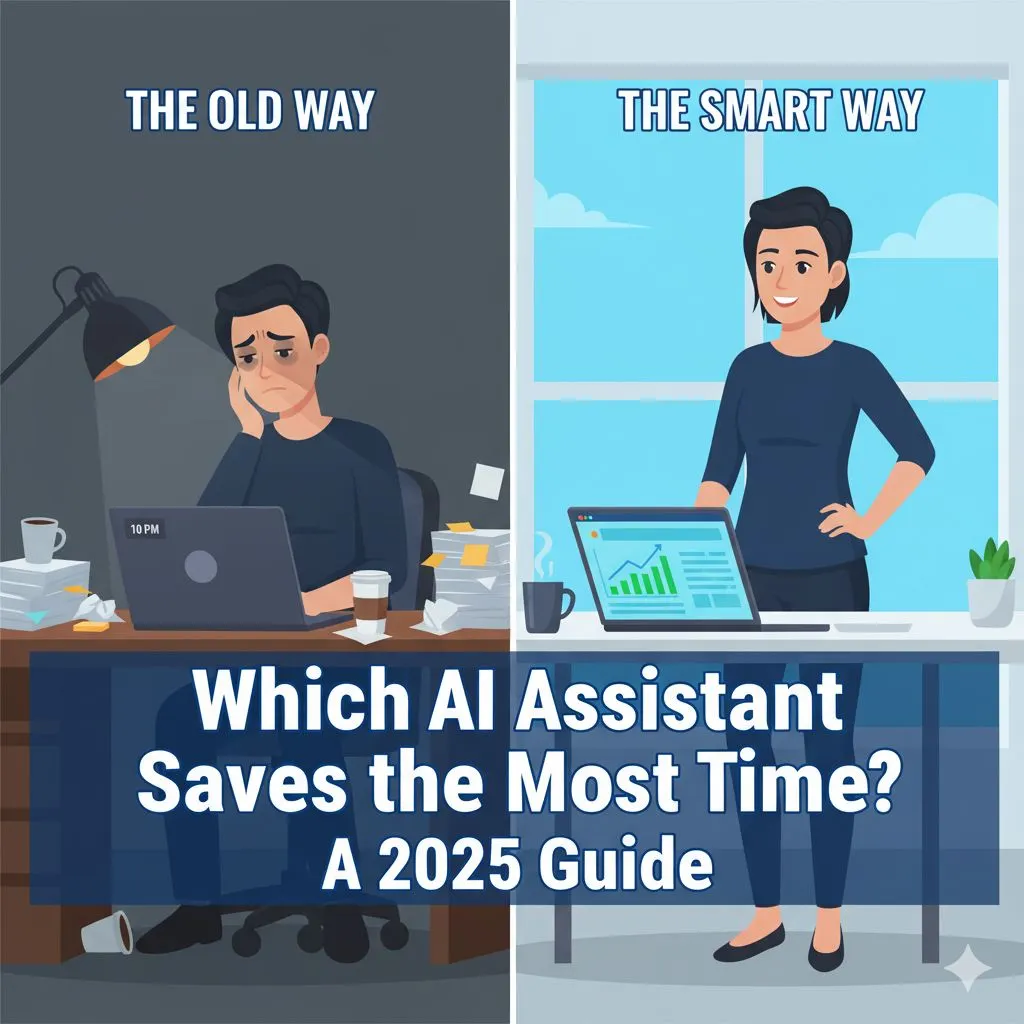
- Old Way (2024): "Write a LinkedIn post about productivity."
- New Way (2026): "Analyze my last 10 successful posts to identify the tone patterns. Then, take this rough transcript of my thoughts on productivity, structure it using the 'Problem-Agitation-Solution' framework, and generate three variations: one for engagement, one for controversy, and one for direct sales."
This is no longer just "prompting." This is systems architecture. It requires you to stop being the doer and start being the director. You are defining the constraints, the inputs, and the success criteria. The AI is simply the engine that executes your logic.
The Rise of Prompt Libraries as SOPs
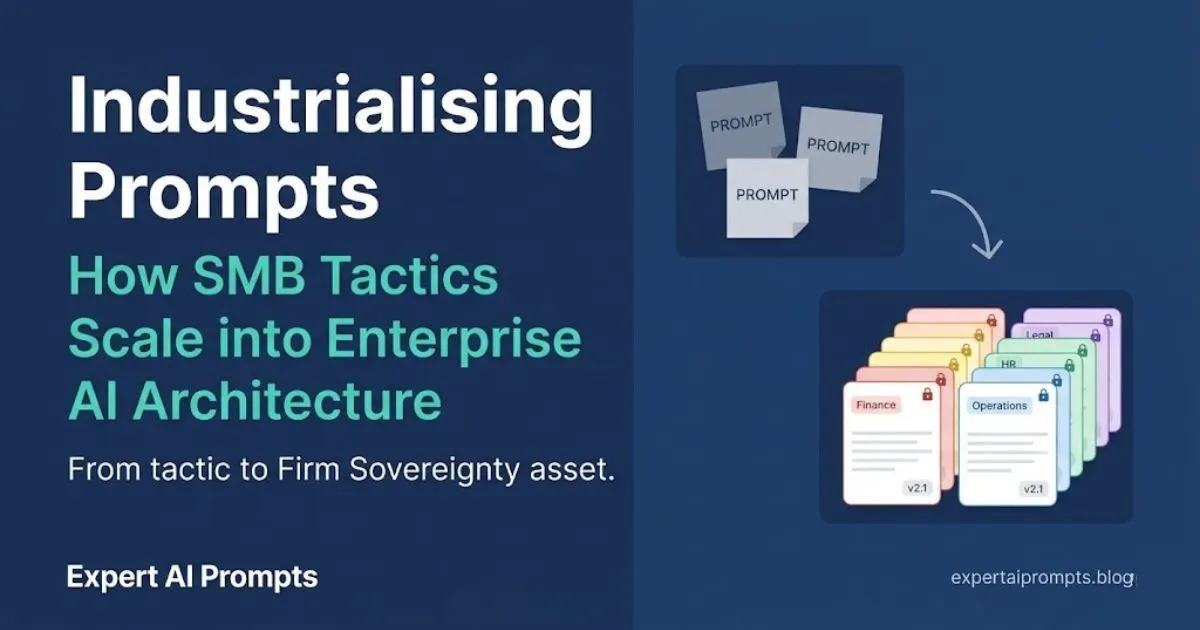
This brings us to the most valuable asset a small business can own in 2026: its Prompt Library.
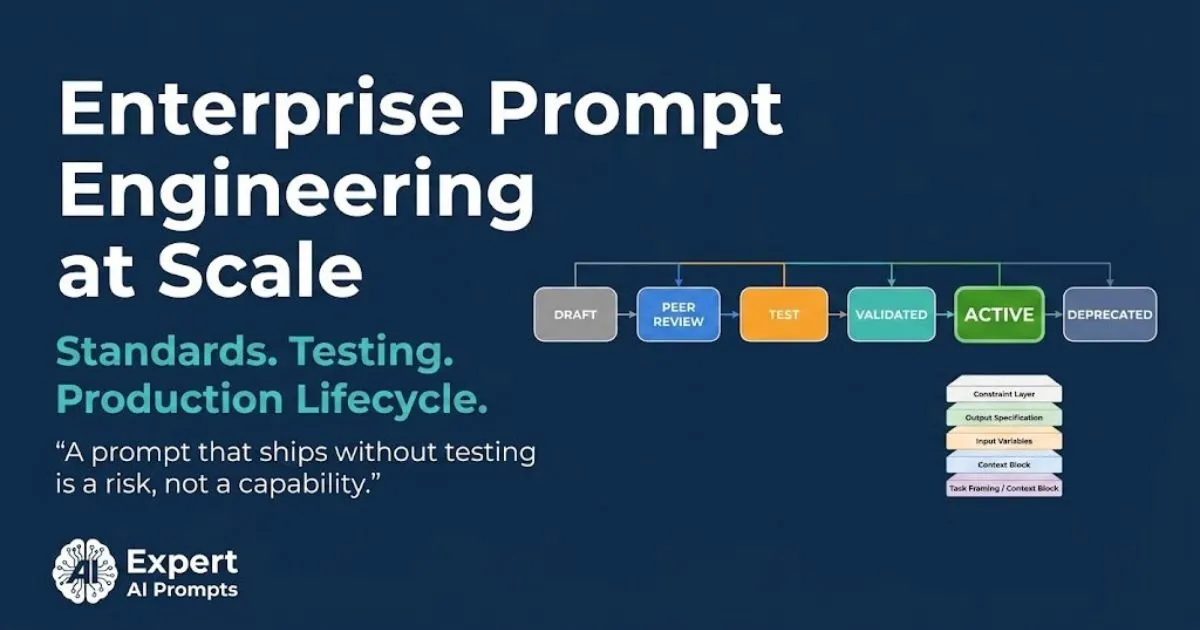
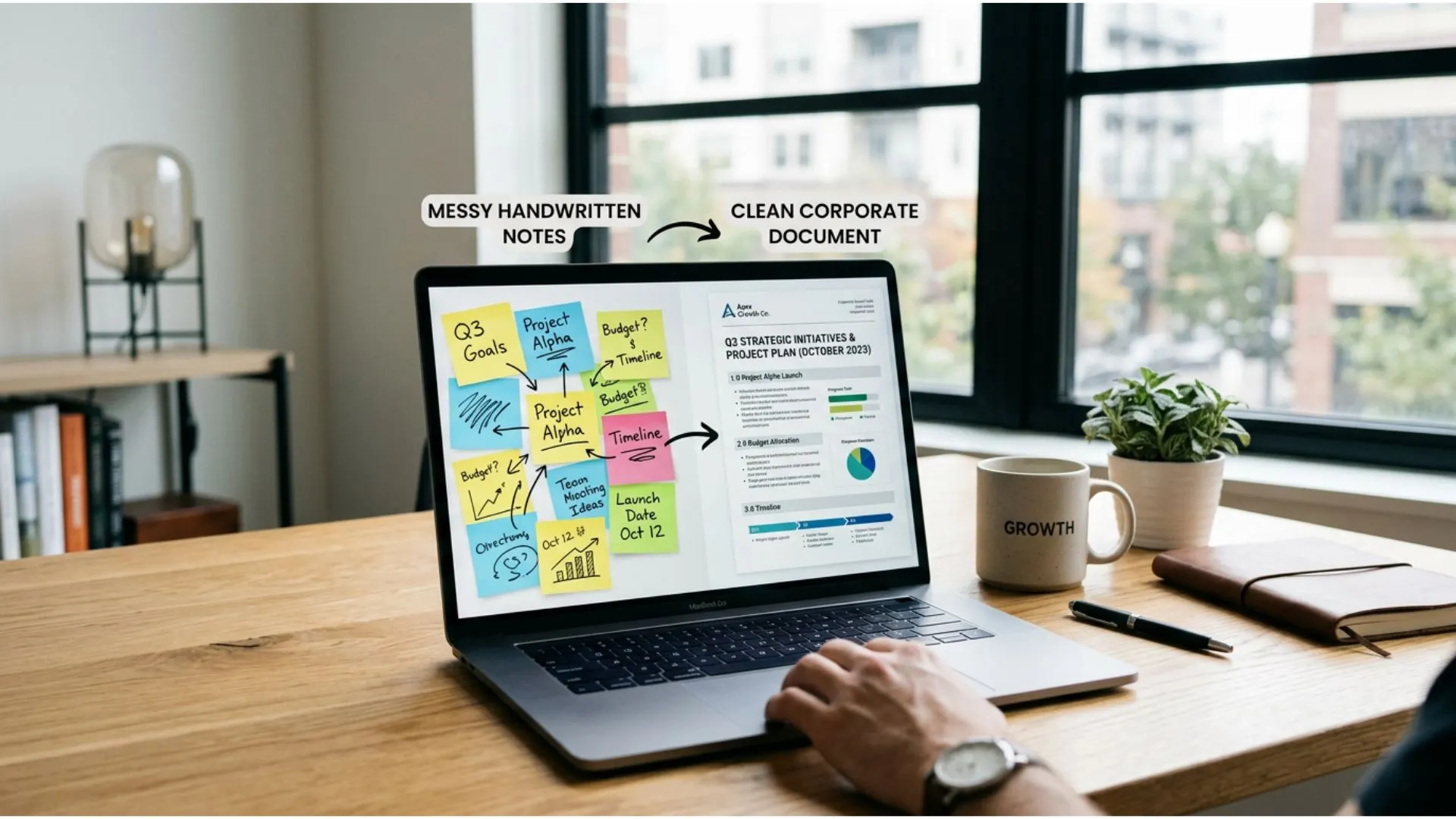
Standard Operating Procedures (SOPs) used to be dusty Word documents that no one read. Now, your SOPs are executable code in the form of prompt chains.
- Your "Customer Service SOP" is now a pre-engineered prompt that automatically drafts replies to angry emails in your specific brand voice.
- Your "Sales SOP" is a prompt sequence that takes a prospect's URL and generates a customized pitch deck outline.
These aren't just shortcuts; they are intellectual property. When you buy a "prompt pack" in 2026, you aren't buying words. You are buying a verified business process—a "business-in-a-box" component that you can plug directly into your operations.
For the time-poor entrepreneur, this is the ultimate leverage. You don't have to invent the system. You just need to install the framework and let it run. The Prompt Engineering Edge AI Toolkit is built specifically for business owners who are ready to move from guessing to systematic, scalable growth.
Conclusion: The Operator to Strategist Evolution
As we look across the landscape of 2026, one truth stands out above the rest: The barrier to entry for business has never been lower, but the barrier to excellence has never been higher.
In the early days of the AI boom, the winners were the ones who could simply access the tools. If you knew how to log into ChatGPT, you had an edge. Today, access is universal. The "tech advantage" has evaporated, replaced by a "strategy advantage."
This brings us back to you, Alex.
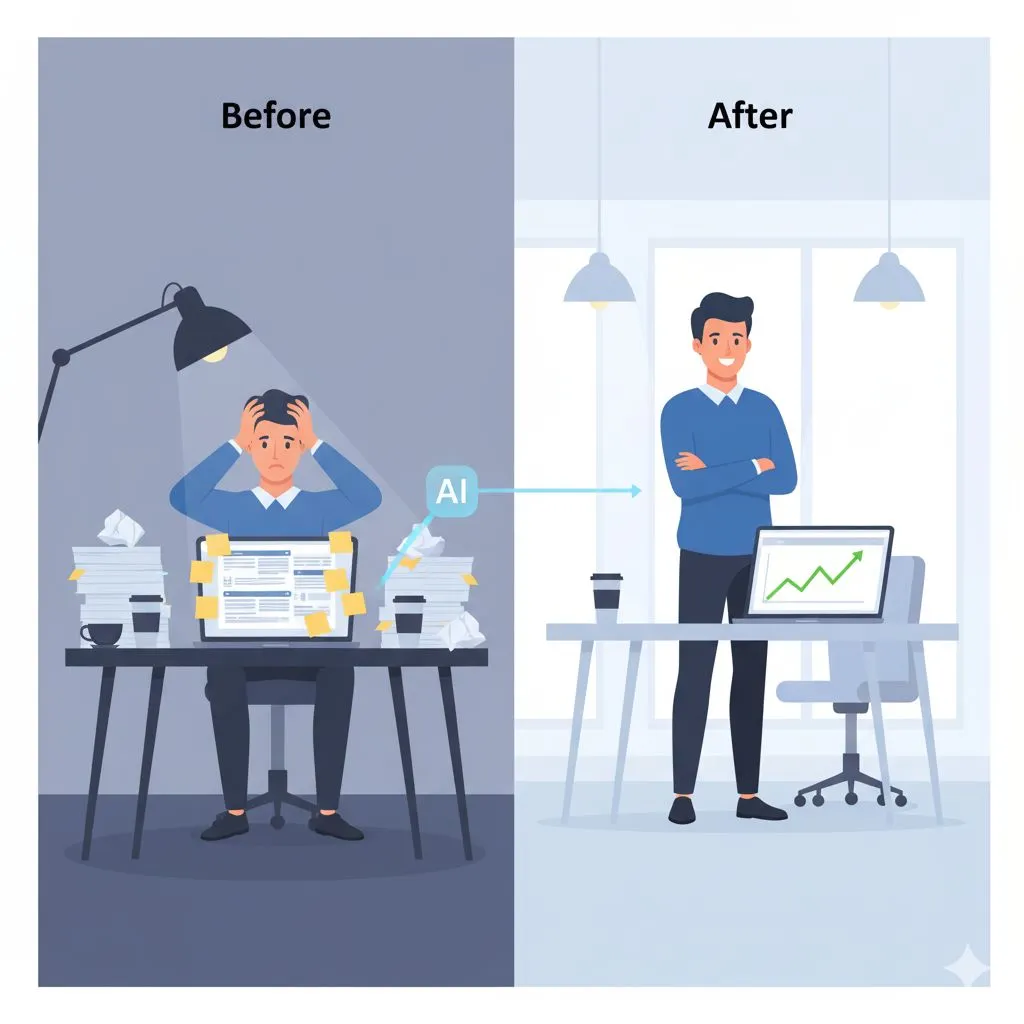
For years, your growth was capped by your own capacity. There were only so many hours in the day you could spend writing emails, tweaking landing pages, and managing client expectations. You were the bottleneck. Your business could only grow as fast as you could type.
The future of artificial intelligence offers you a way out of that trap—but only if you are willing to evolve your role.
The Mindset Shift
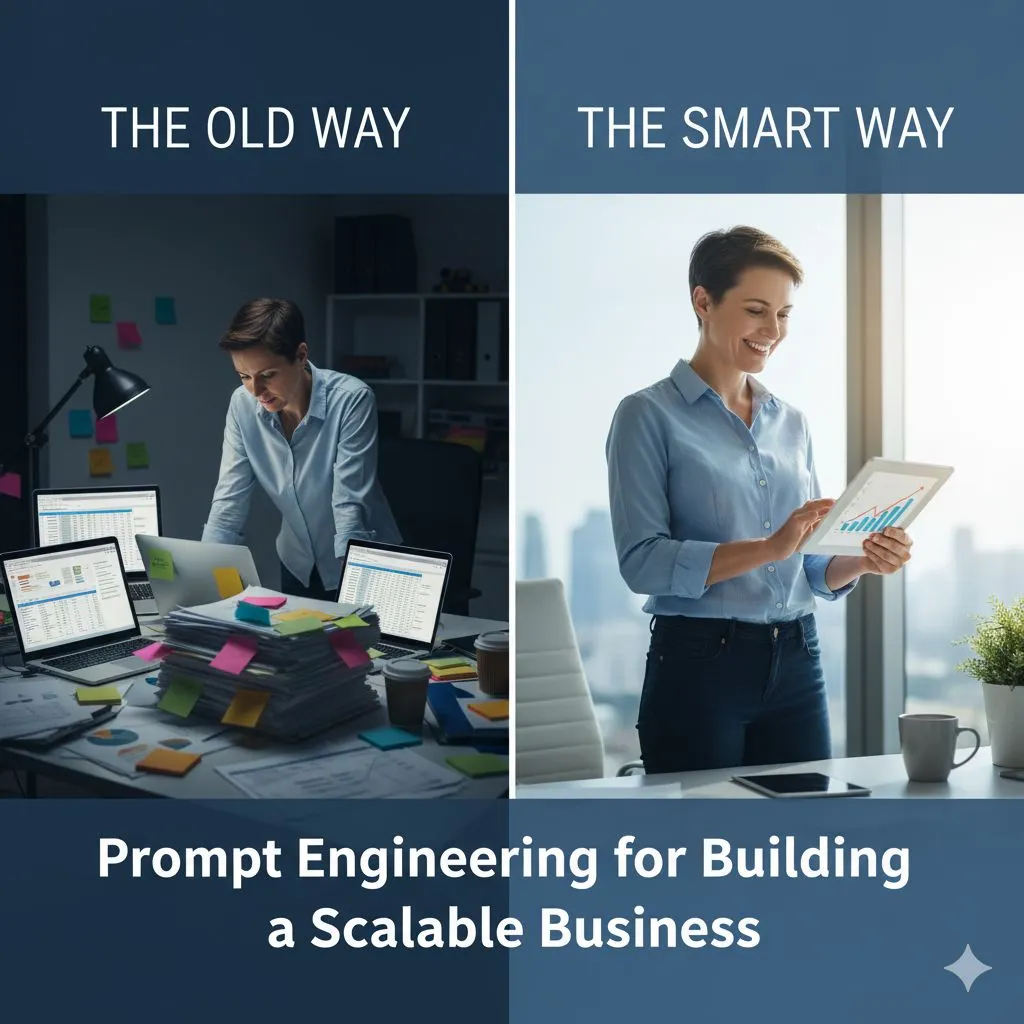
The most successful small business owners of 2026 have stopped trying to be the "best operator." They have accepted that AI is a faster writer, a more accurate scheduler, and a more tireless analyst than they will ever be. Instead, they have embraced the role of Strategist.
- The Operator asks: "How can I finish this task faster?"
- The Strategist asks: "How can I design a system where this task never needs my attention again?"
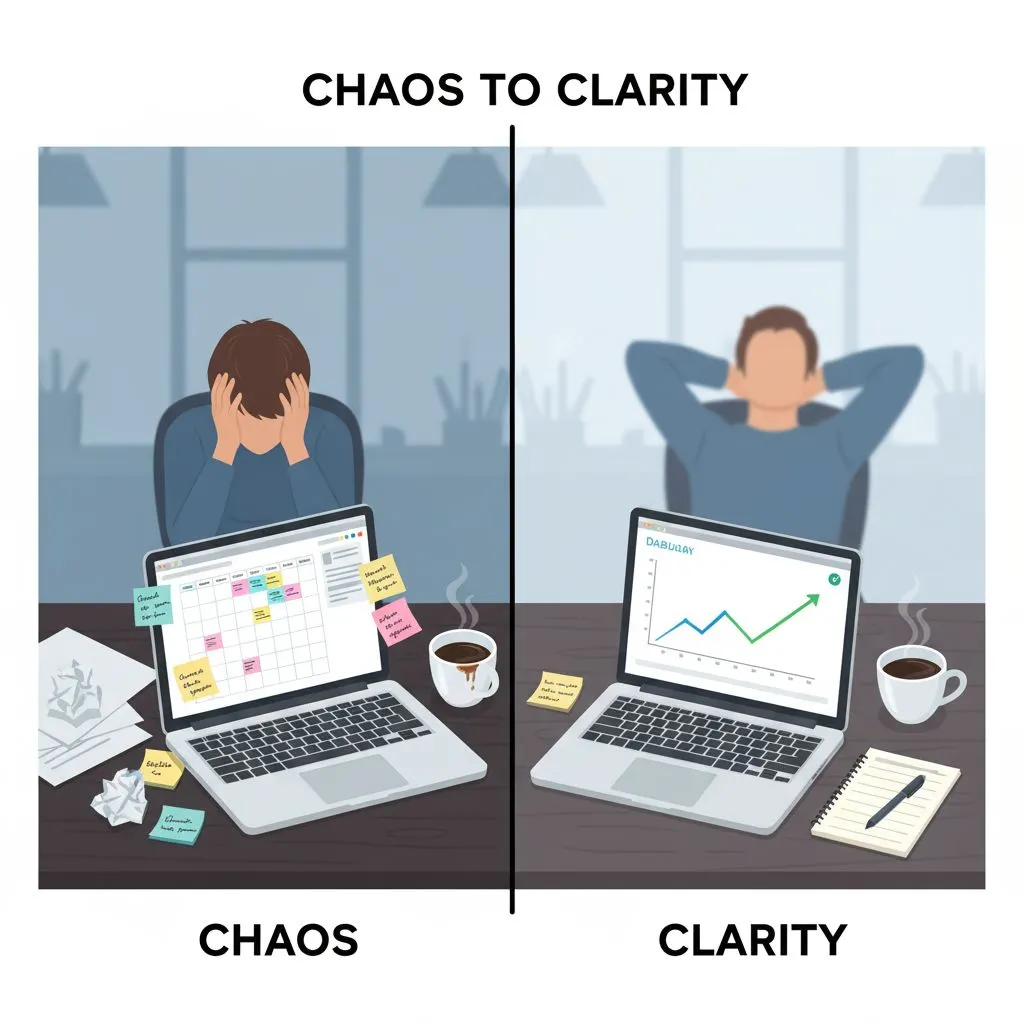
When you make this shift, you stop drowning in the "what" and start focusing on the "why." You reclaim the time to build relationships, to dream up new offers, and to steer the ship rather than rowing it.
Efficiency is the Baseline; Strategy is the Differentiator
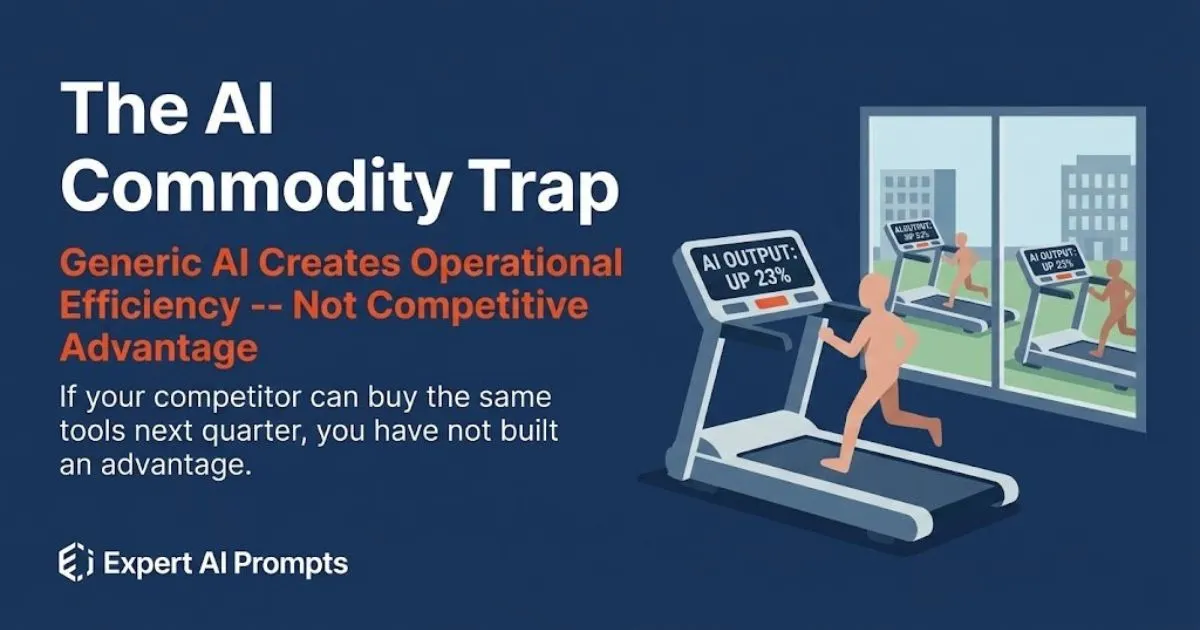
Using AI to write a blog post is no longer a competitive advantage; it’s table stakes. Everyone is doing it. The advantage lies in using AI to build a cohesive brand voice that resonates with deep human emotion. The advantage lies in using Agentic AI to offer instant, personalized service that makes a client feel seen and heard. The advantage lies in the trust you build by using technology to enhance, not replace, your humanity.
The tools are ready. The agents are waiting. The data is available. The only variable left is your willingness to trust the system you build.
Final Thoughts
The dust has indeed settled. The hype is gone, leaving behind something far more powerful: utility.
You don't need to be a tech wizard to win in this new era. You just need to be clear about what you want your business to achieve. Do not let the complexity of 2026 paralyze you. When you are ready to choose your first proven system, browse the full Expert AI Prompts Pricing Catalog to find the industry-specific pack that fits your business. Start small. Pick one bottleneck. Find the proven prompt framework that solves it. Implement it. Then, watch as you get an hour of your life back.
Then do it again.
That is how you move from overworked operator to outstanding strategist. That is the state of AI in 2026.
Ready to Build Your System?
You don't have to reinvent the wheel. If you are ready to stop guessing and start scaling, we have curated the frameworks you need to succeed in this new landscape.
Access our library of proven, industry-specific prompt packs and resource guides designed specifically for the "Strategist" mindset.
Get Your Free AI Resource Kit Here
Already know what you need? See all 30 industry-specific prompt packs and pricing and start building your system today.
Further Reading
• AI for Beginners: A No-Jargon Guide for Entrepreneurs
• Entrepreneur's Playbook for Prompt Engineering
• Best AI Tools for Business 2025 Toolkit
• Why 'Plug and Play' AI Often Fails Without Strategy