Competing with Giants: How Small Teams Can Out-Market Big Brands
Competing with Giants: How Small Teams Can Out-Market Big Brands
Jan 30, 2026

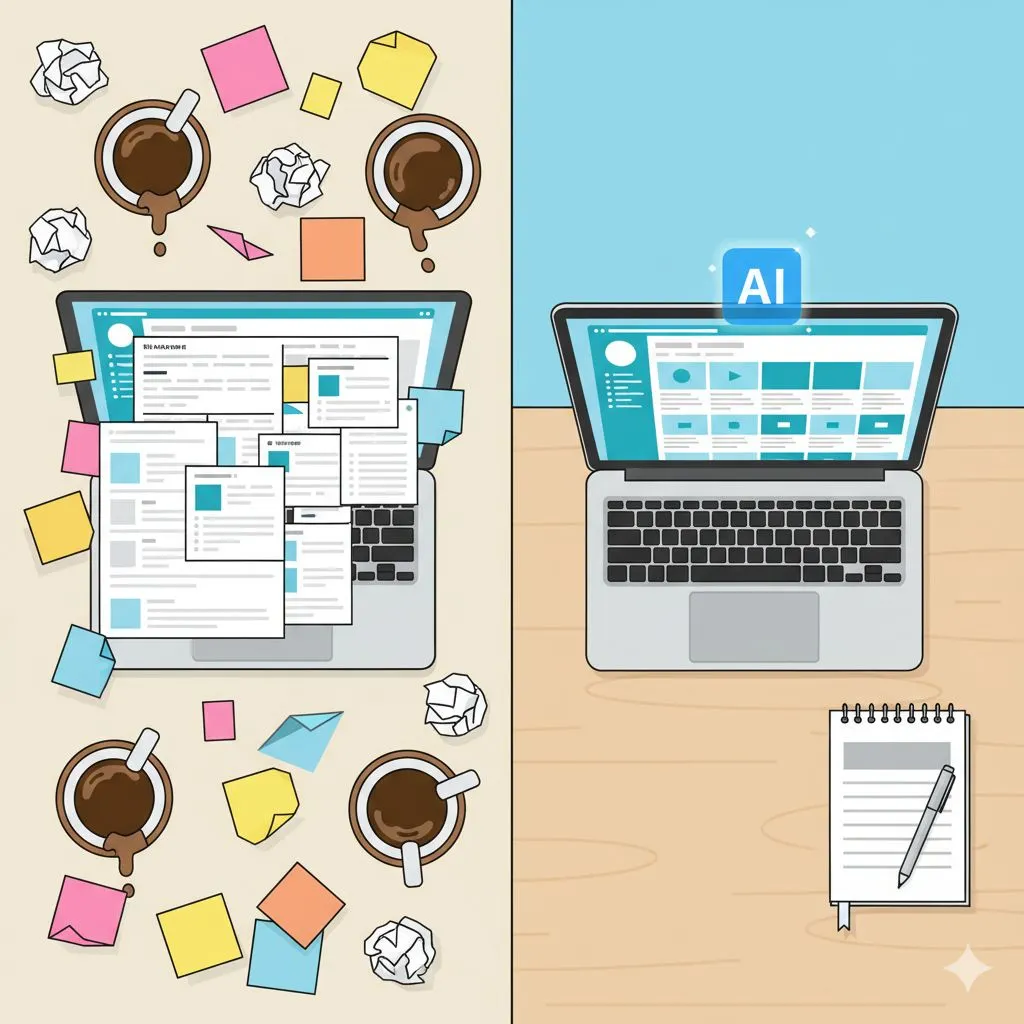
For the ambitious small business owner, looking at the marketing landscape can feel like standing at the foot of a mountain. At the summit are the industry giants—massive corporations with seven-figure budgets, 50-person marketing departments, and the ability to dominate ad space simply by opening their wallets. Down here, in the trenches of daily operations, you are likely wearing five different hats: CEO, lead strategist, content creator, customer support, and IT troubleshooter.
The disparity in resources is undeniable. When you are fighting for visibility, it is easy to fall into the trap of believing that you cannot compete because you cannot out-spend them. You tell yourself, "If I just had their budget, I could achieve that level of small business growth."
But that narrative is outdated.
We have entered a unique window in economic history where the barriers to entry have not just been lowered—they have been obliterated. The very attributes that make big brands powerful—their size, their established processes, their layers of management—are now their greatest liabilities. They are slow ships to turn. You, conversely, are a speedboat.
The secret to out-marketing big brands isn’t about trying to match their spending. It is about exploiting their weaknesses using your two greatest assets: agility and artificial intelligence.
The Agility Advantage: Why Being "Small" is Your Superpower
In a large corporation, a simple tweet can require three levels of approval. A change in content strategy might take a quarter to implement. By the time a big brand reacts to a cultural trend or a shift in consumer behavior, the moment has often passed.
This is where the "overworked" solopreneur or small team actually holds the cards.
Speed Over Hierarchy
Your lack of bureaucracy is a competitive weapon. If you see a gap in the market on Tuesday morning, you can have a campaign live by Tuesday afternoon. This speed allows you to capitalize on micro-trends and customer feedback loops faster than any giant ever could. While they are scheduling meetings to discuss the strategy, you are already executing it.
Authenticity Over Polish
There has been a palpable shift in consumer psychology. People are tired of sterile, committee-approved corporate speak. They crave connection. They want to know the face behind the brand.
Big brands spend millions trying to manufacture "authenticity." You don't have to manufacture it—you are it. Your voice, your struggle, and your direct interaction with customers create a level of trust that big budgets cannot buy. When you combine this inherent authenticity with the strategic use of modern tools, you stop looking like a "small" risk and start looking like a specialized expert.
However, agility alone isn't enough if you are drowning in workload. Speed matters, but only if you have the fuel to sustain it. That is where the technology comes in.
Levelling the Playing Field with Artificial Intelligence
For many business owners like Alex Rivers—pragmatic, experienced, but time-poor—AI can be a polarizing topic. You have likely seen the hype. You have seen the "get rich quick" schemes and the flood of low-quality, robotic content that makes you cringe. It is natural to be skeptical. You care about your brand’s reputation, and you cannot afford to sound like a machine.
But dismissing AI because of bad examples is like blaming the hammer for a crooked shelf. The tool isn't the problem; the execution is.
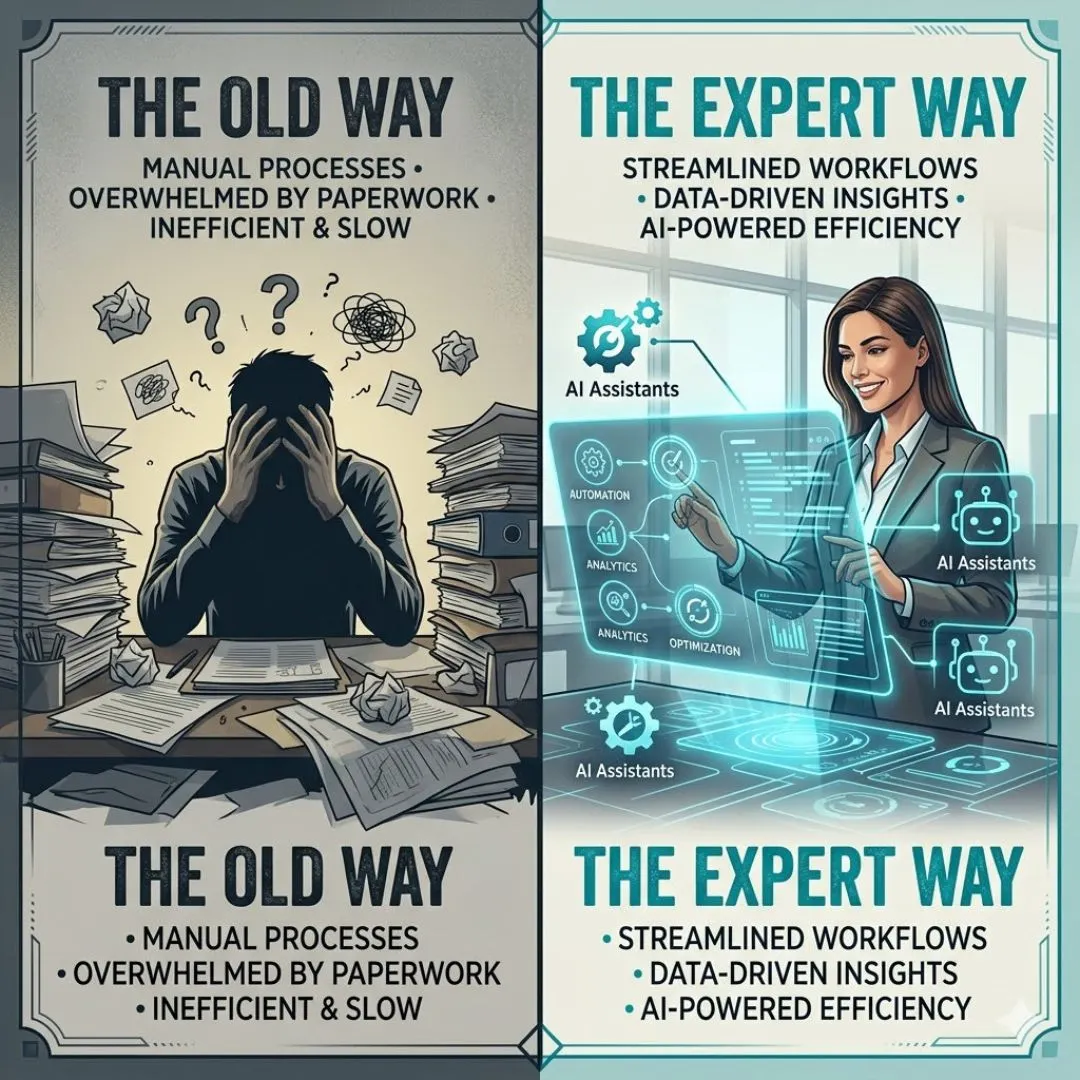
When used correctly, AI is not just a shortcut for writing emails; it is the "resource gap" closer. It is the infinite intern, the data analyst, and the junior copywriter you couldn't afford to hire.
Moving Beyond "Generic"
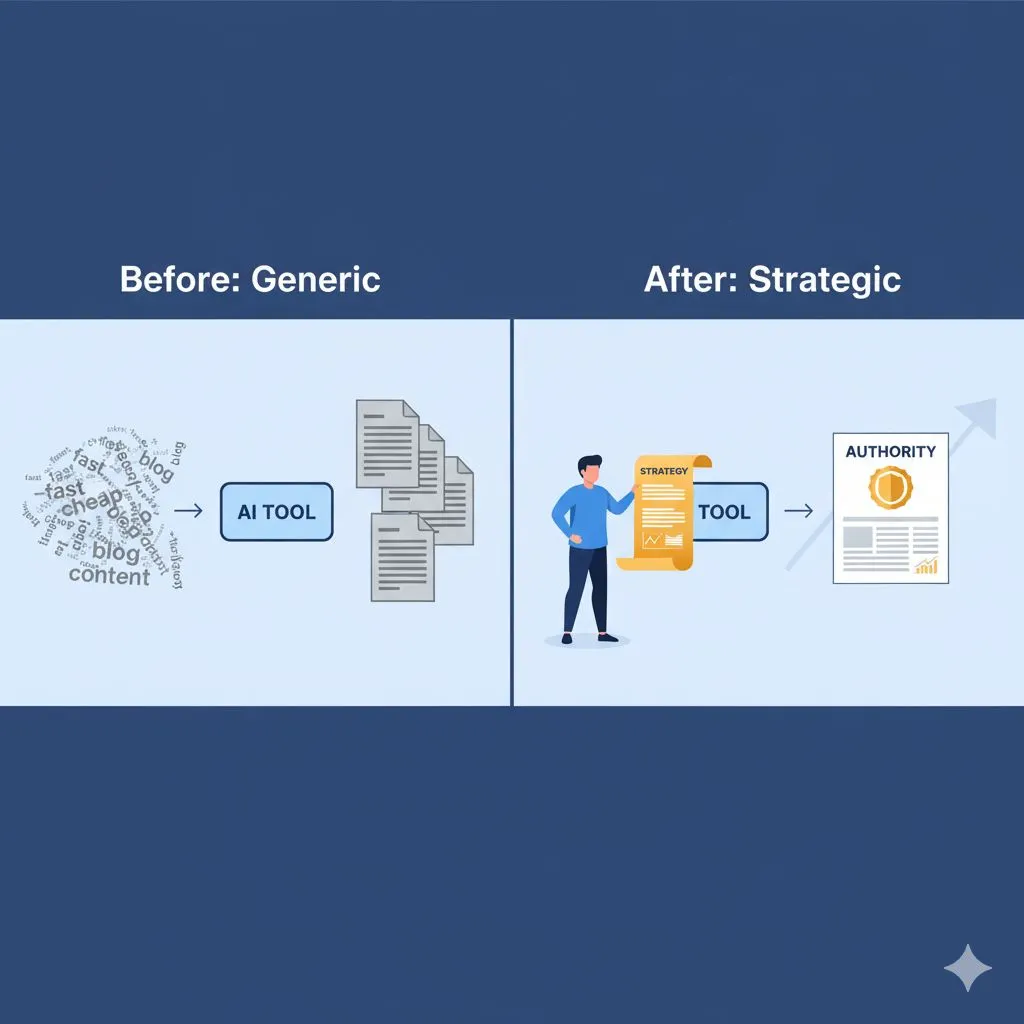
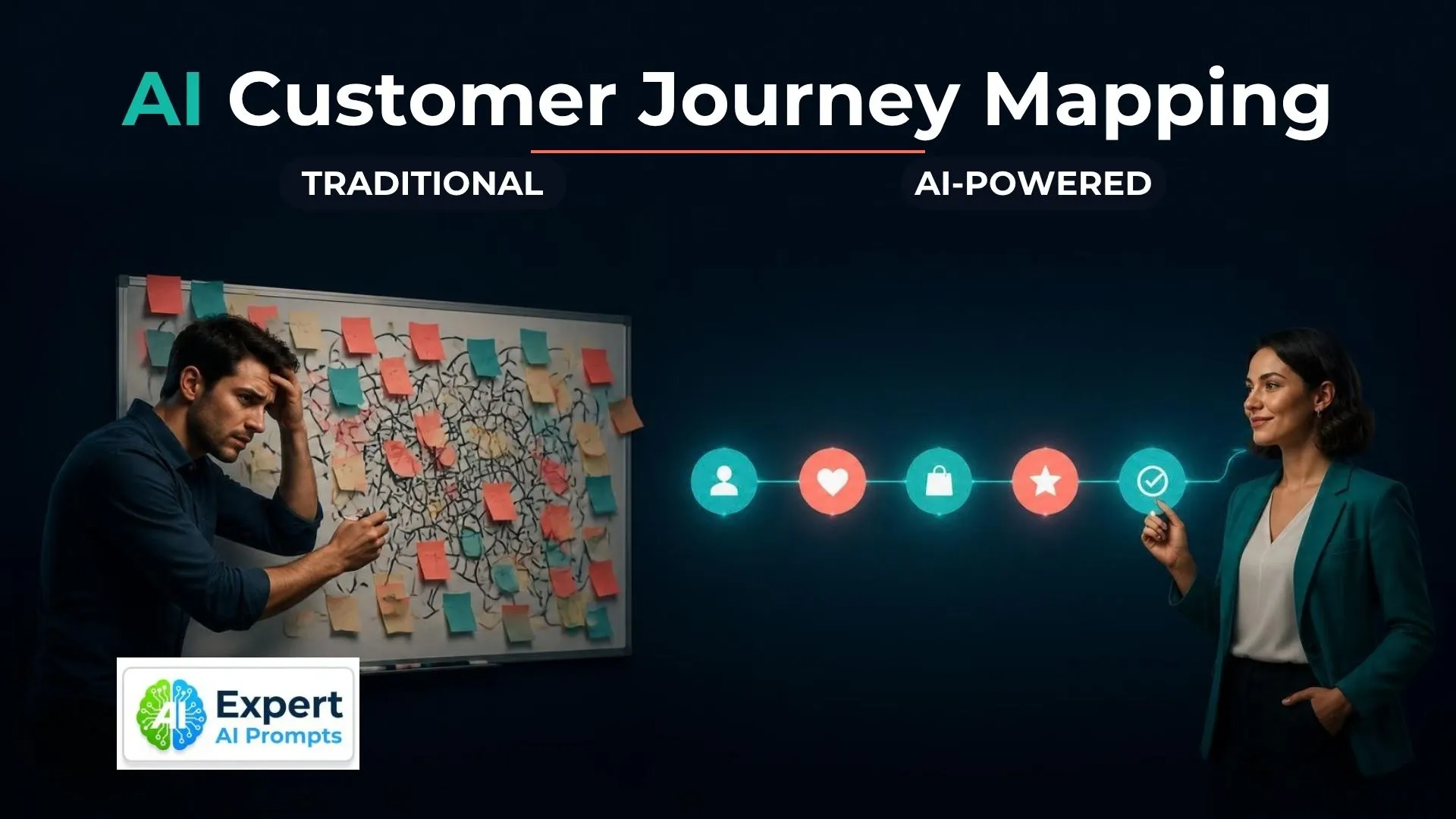
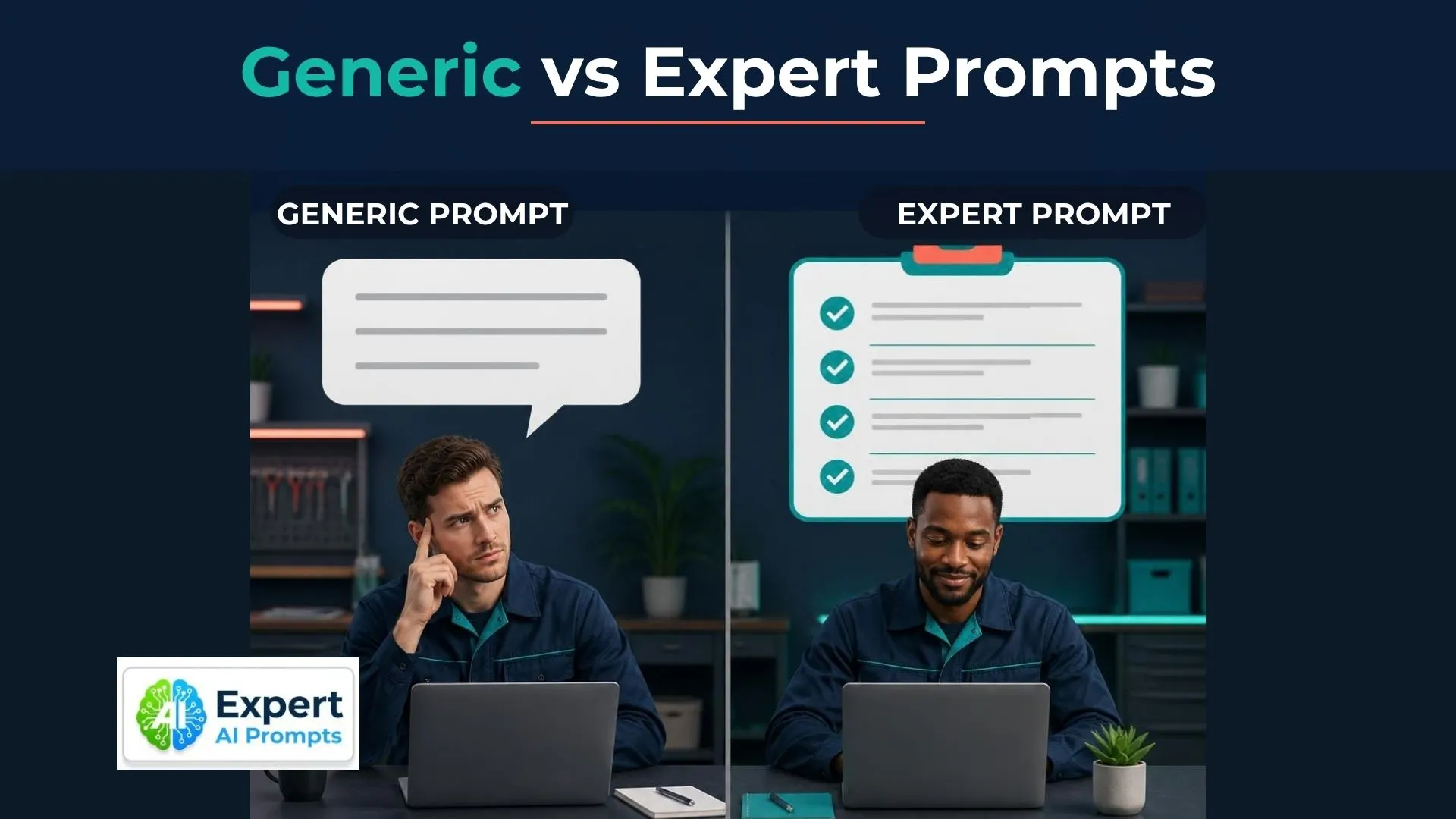
The mistake most small businesses make is treating AI like a magic wand rather than a power tool. They type in "Write a blog post about small business growth," get a mediocre result, and decide AI isn't for them. The difference between generic and strategic AI prompts is the single most important concept to grasp before you spend another hour wrestling with AI output.
To out-market giants, you must move from generic prompting to strategic prompting. You need to feed the system your brand voice, your unique selling propositions, and your specific customer persona data. When you do this, AI stops producing fluff and starts producing expert-level assets.
Imagine generating a month’s worth of LinkedIn thought leadership posts, a complete email nurture sequence, and a video script in under two hours—all maintaining your specific tone of voice. This isn't about replacing your expertise; it's about amplifying it.
The Virtual Marketing Department
Think of your current team structure. You might have yourself and perhaps one or two others. Now, imagine augmenting that team with:
- A Content Strategist: AI can analyze top-performing topics in your niche and suggest a content calendar.
- A Copywriter: AI can draft landing pages based on proven conversion frameworks.
- A Market Researcher: AI can summarize competitor reviews to find gaps you can exploit.
Big brands pay hundreds of thousands of dollars a year for this headcount. You can access it for a monthly subscription fee, provided you have the right frameworks to guide the output. This is how you achieve the volume and consistency of a market leader without the overhead. Download the free Perfect Prompt Framework — a one-page guide that gives you the exact structure to produce expert-level results from your very first prompt.
Strategic Depth: Moving from "Doing" to "Directing"
The biggest bottleneck in small business growth is almost always the owner. You are the expert, so you feel you must touch every piece of content to ensure it meets your standards. This "quality control" trap keeps you stuck in the weeds of daily operations, preventing you from focusing on high-level strategy.
To compete with giants, you must transition from the Operator (who builds the car) to the Driver (who steers it).
Breaking the Bottleneck
Big brands win on consistency. They are omnipresent because they have systems. You need to build a system where your role is to set the direction and review the output, not to create every pixel from scratch.
This requires a workflow shift. Instead of staring at a blank page, your new workflow looks like this:
- Ideation: You identify the strategic goal (e.g., "We need to address objection X").
- Prompting: You utilize a pre-built, expert-level AI prompt designed specifically for objection handling.
- Refinement: You spend 10 minutes polishing the output, adding your personal anecdotes and expert nuance.
- Deployment: You publish.
In this model, you spend your energy on the 10% of the work that adds 90% of the value—the strategy and the final polish—while technology handles the heavy lifting of the first draft.
Consistency at Scale
One of the reasons big brands dominate mindshare is simply volume. They are in the inbox, on the feed, and in search results. Historically, a small team couldn't match this cadence without burning out.
With the right AI workflows, you can repurpose one core idea into a blog post, five tweets, a LinkedIn newsletter, and a video script instantly. You simulate the output of a 50-person team. The Social Media Mastery Prompt Pack gives you the exact AI prompt system to build this kind of omnichannel presence across every platform — consistently. This "omnichannel" presence builds authority. When a potential client sees you everywhere, offering high-value insights, the perception of your business size shifts. You stop looking like a freelancer and start looking like an institution.
The New Rules of Engagement: Human Connection
While you are using technology to scale your output, you must use your humanity to close the deal. This is the paradox of modern growth: Use bots to write content, but use humans to build relationships.
Big brands rely on mass marketing. They treat customers as data points. You have the luxury of treating them as people.
Hyper-Personalization
Because your team is small, you are closer to the ground. You know exactly what your customers are complaining about today. You can tailor your messaging to address those specific pains with a precision big data aggregates often miss.
When you use AI to handle the time-consuming tasks (like scheduling, drafting, and data entry), you reclaim hours in your day. That is time you can reinvest in high-touch activities: replying to comments personally, getting on discovery calls, or recording personalized Loom videos for prospects.
This hybrid approach—AI for scale, Humans for connection—is something big brands struggle to execute because they are too siloed. It is your competitive moat.
Operational Efficiency: The Engine of Growth
Ultimately, small business growth is a math problem. If it takes you ten hours to acquire a client, and you only have ten hours a week, you are capped. You cannot grow.
Big brands solve this with headcount. You solve it with efficiency. Read how one consulting business scaled delivery without adding a single team member — and the AI workflow that made it possible.
To out-market the giants, you must be obsessed with ROI—not just on your ad spend, but on your time. Every hour you spend doing a task that could be automated or accelerated is a leak in your business model.
Turning Bottlenecks into Breakthroughs
Look at your current week. How much time is spent on:
- Drafting emails?
- Thinking of caption ideas?
- Resizing images?
- Formatting documents?
If you can reduce that time by 80% using structured AI prompts and automation, you effectively multiply your workforce. You aren't just saving time; you are buying back the capacity to think strategically. You are giving yourself the space to ask, "How do we enter the next market?" rather than "How do I finish this newsletter by 5 PM?"
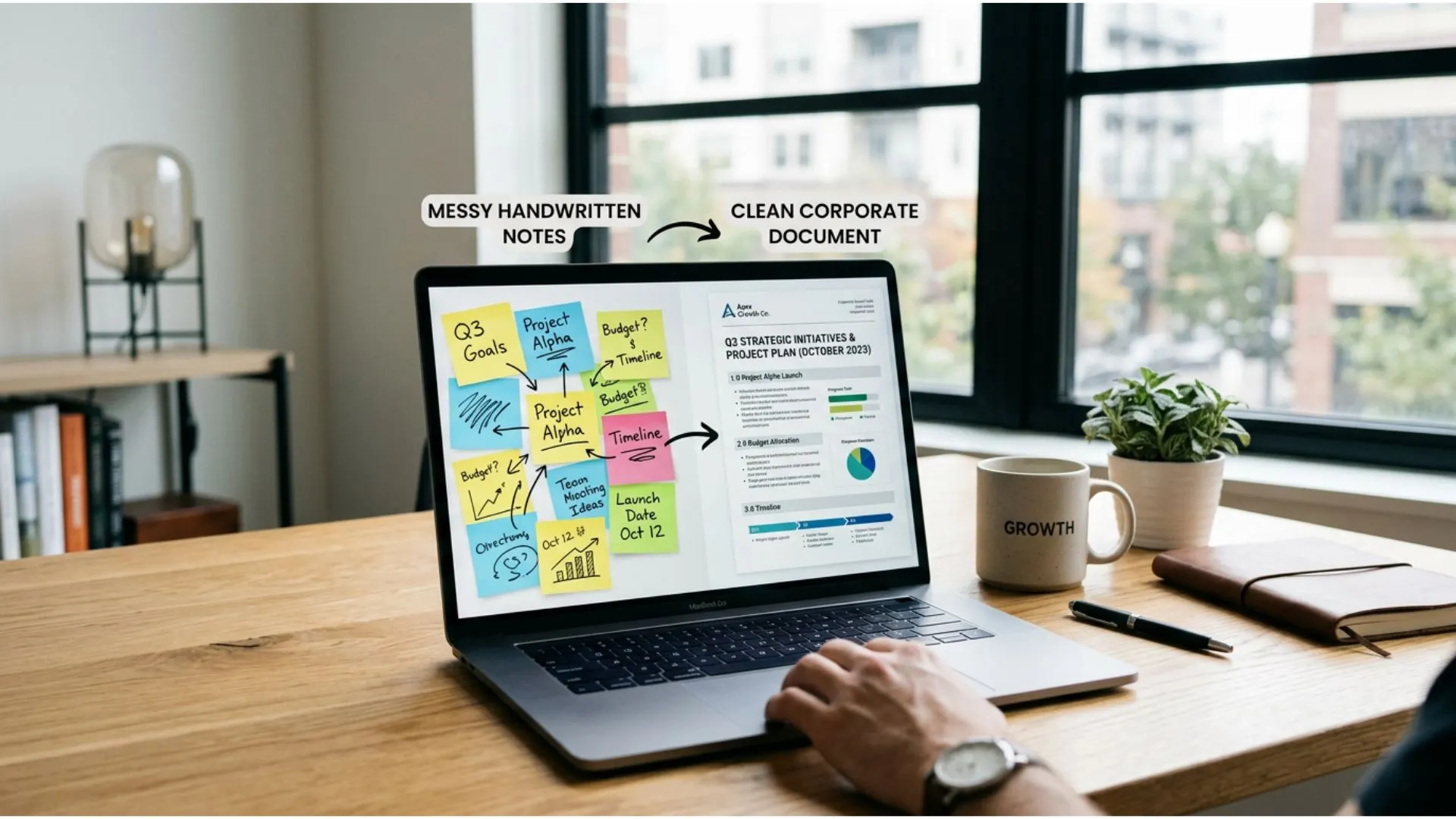
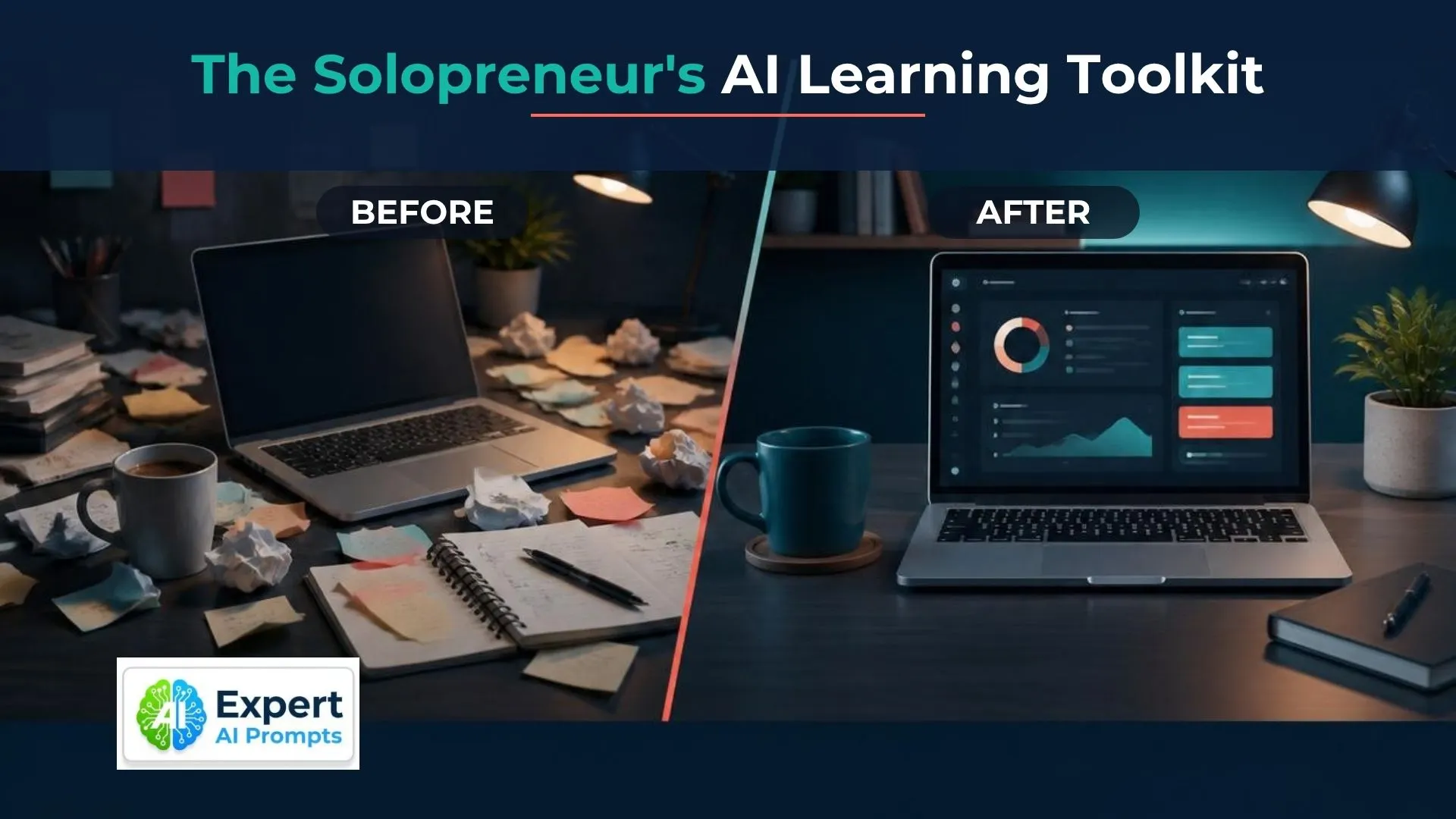
This operational discipline transforms your business from a chaotic hustle into a scalable machine. It allows you to produce expert-level work consistently, regardless of how busy you are.
Conclusion: The Era of the Agile Expert
The narrative that you are "too small to compete" is a myth. In fact, in the current digital landscape, you are exactly the right size to win.
The giants are weighed down by their own infrastructure. They are fighting to stay relevant in a world that values speed, authenticity, and niche expertise—three things you possess in abundance. They have the budget, but you have the agility. They have the headcount, but you have the leverage of AI.
You do not need to hire a dozen more employees to double your output. You do not need a Super Bowl budget to build a credible brand. You simply need to stop working harder and start working smarter.
By combining your deep industry knowledge with the leverage of expert-level AI tools, you can produce content that rivals the biggest agencies in the world. You can show up consistently, speak with authority, and build deep relationships that corporate marketing departments can only dream of.
The transition from overworked operator to confident strategist is waiting for you. The tools are ready. The market is waiting. It is time to stop looking up at the giants and start looking them in the eye.
Are you ready to stop spinning your wheels and start scaling?
Start with the free resources — access the 5-Hour Saver Prompts and discover what structured AI prompts do for your workflow this week.
Don't let the lack of time hold your business back any longer. Unlock the exact frameworks and tools you need to replicate a full marketing team instantly.
When you are ready to go all-in, browse all 30 industry-specific prompt packs and pricing.
Get Your Prompt Pack Today — Start Scaling Now
Further Reading
Scaling Without Hiring: The Solopreneur’s Guide to AI
From Operator to Strategist: Using AI to Escape the Daily Grind
How Boutique Agencies Are Competing with Big Firms Using AI Prompts