How Boutique Agencies Are Competing with Big Firms Using AI Prompts
How Boutique Agencies Are Competing with Big Firms Using AI Prompts
Jan 23, 2026

For the independent agency owner, the marketing landscape is a perpetual battle of resources. On one side, you have the "Big Firms"—the conglomerates with armies of interns, dedicated research departments, and budgets that eclipse the GDP of a small island nation. On the other side, you have the boutique agency.
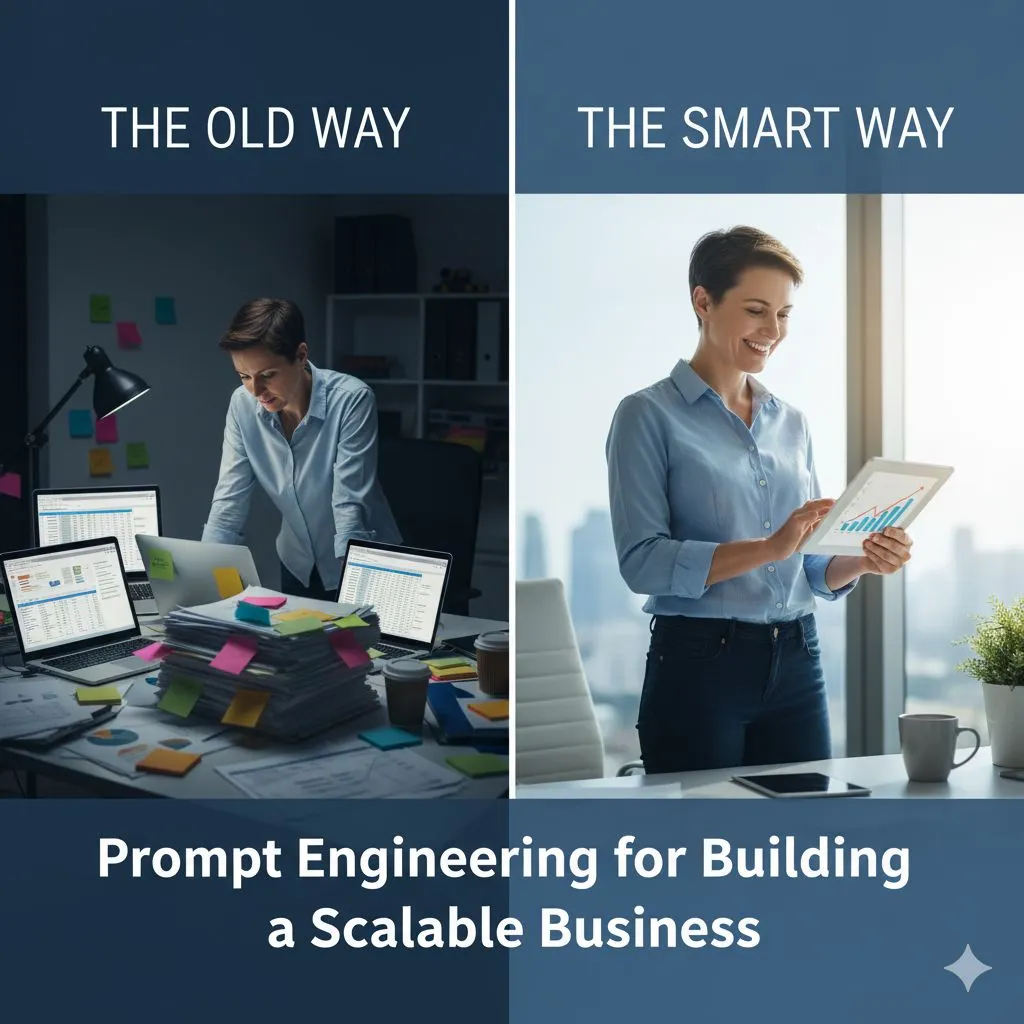
Boutique agencies, led by ambitious experts like you, rely on agility, craft, and personal relationships. But let’s be honest about the cost. For owners like Alex Rivers, that cost is often paid in late nights, missed weekends, and the constant, gnawing stress of wearing every hat in the business. You are the CEO, the Creative Director, the HR manager, and the cleaner.
The desire to scale is there, but the math doesn’t add up. Hiring more staff cuts into already thin margins. working more hours is physically impossible.
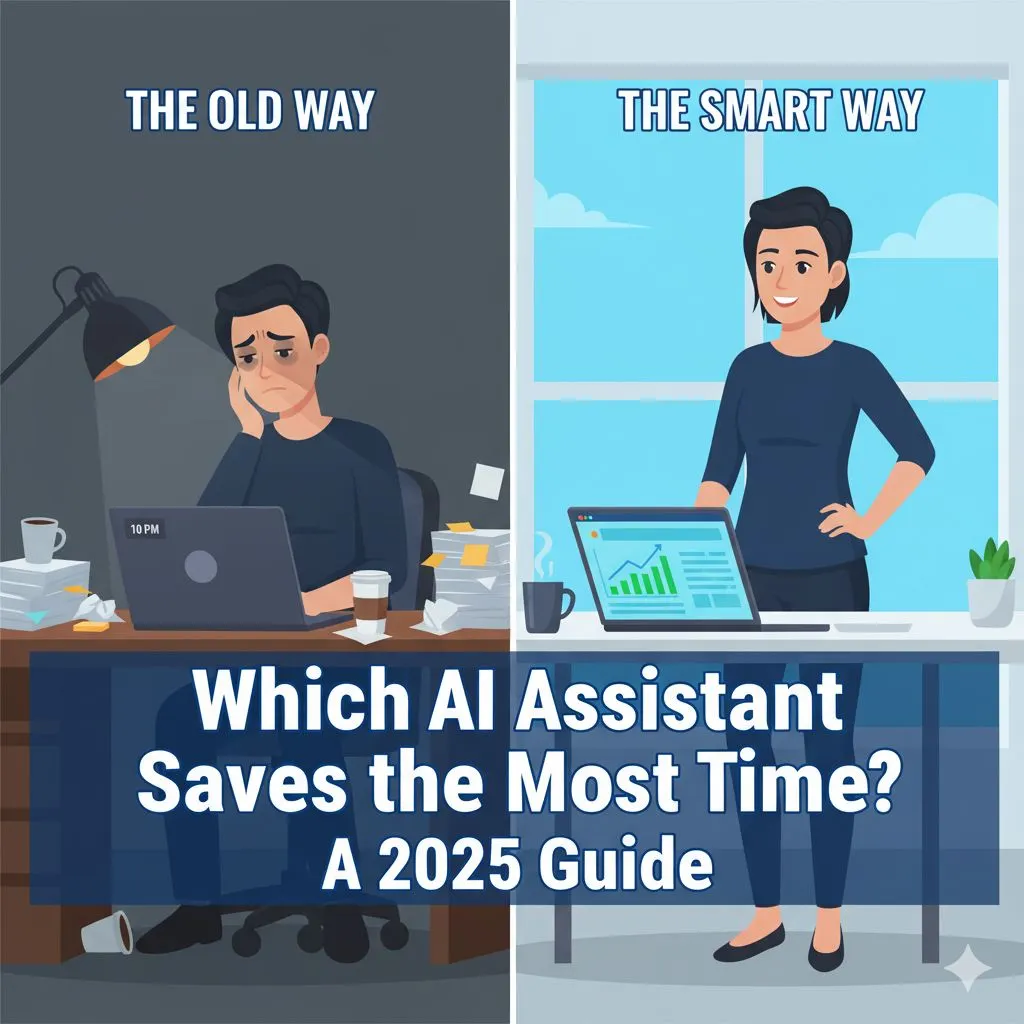
However, a shift is happening. A new breed of boutique agency is emerging—one that punches significantly above its weight class without adding headcount. These agencies aren't working harder; they are integrating ai for agencies into their core infrastructure. But they aren’t just typing generic requests into ChatGPT and hoping for the best. They are using structured, strategic AI prompts to replicate the output of a 50-person team.
This case study examines "Apex Creative," a boutique firm that transformed from a burnout factory into a scalable powerhouse by swapping "hustle culture" for "prompt engineering."
The Subject: Apex Creative – Stuck in the "Operator" Trap
Apex Creative is a digital consultancy that fits a familiar profile. Run by a founder named Jordan (a mirror of our persona, Alex), the team consisted of five highly talented individuals. They were known for exceptional quality and deep strategic thinking.
But internally, Apex was breaking.
The Reality Check:
- The Bottleneck: Jordan was reviewing every piece of content, writing every proposal, and handling all client fires.
- The Cap: Revenue had plateaued for two years. They couldn’t take on new clients without sacrificing service quality for existing ones.
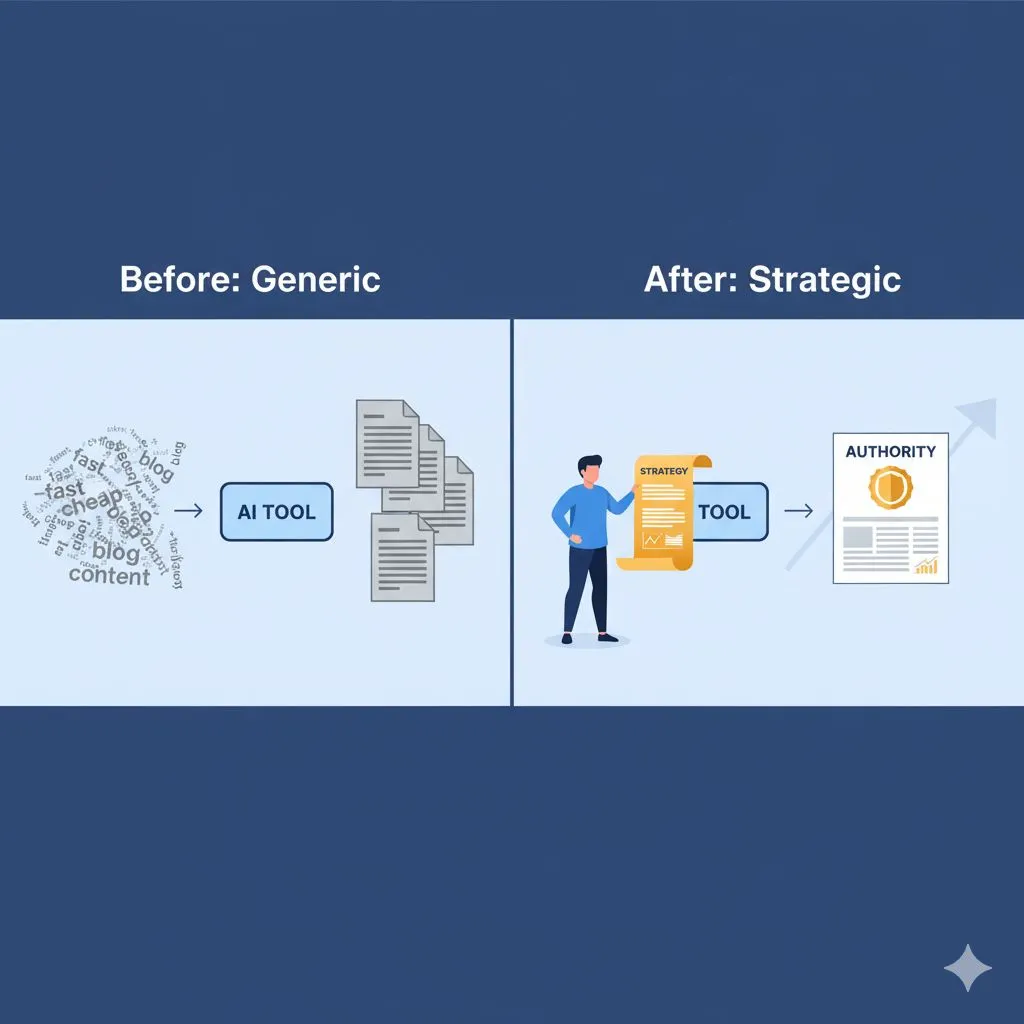
- The Skepticism: Jordan had tried AI tools before. The results were generic, robotic, and frankly, embarrassing. "I can't put my name on this," Jordan famously said after testing a popular AI copywriter. "It sounds like a wikipedia article written by a breathless intern."
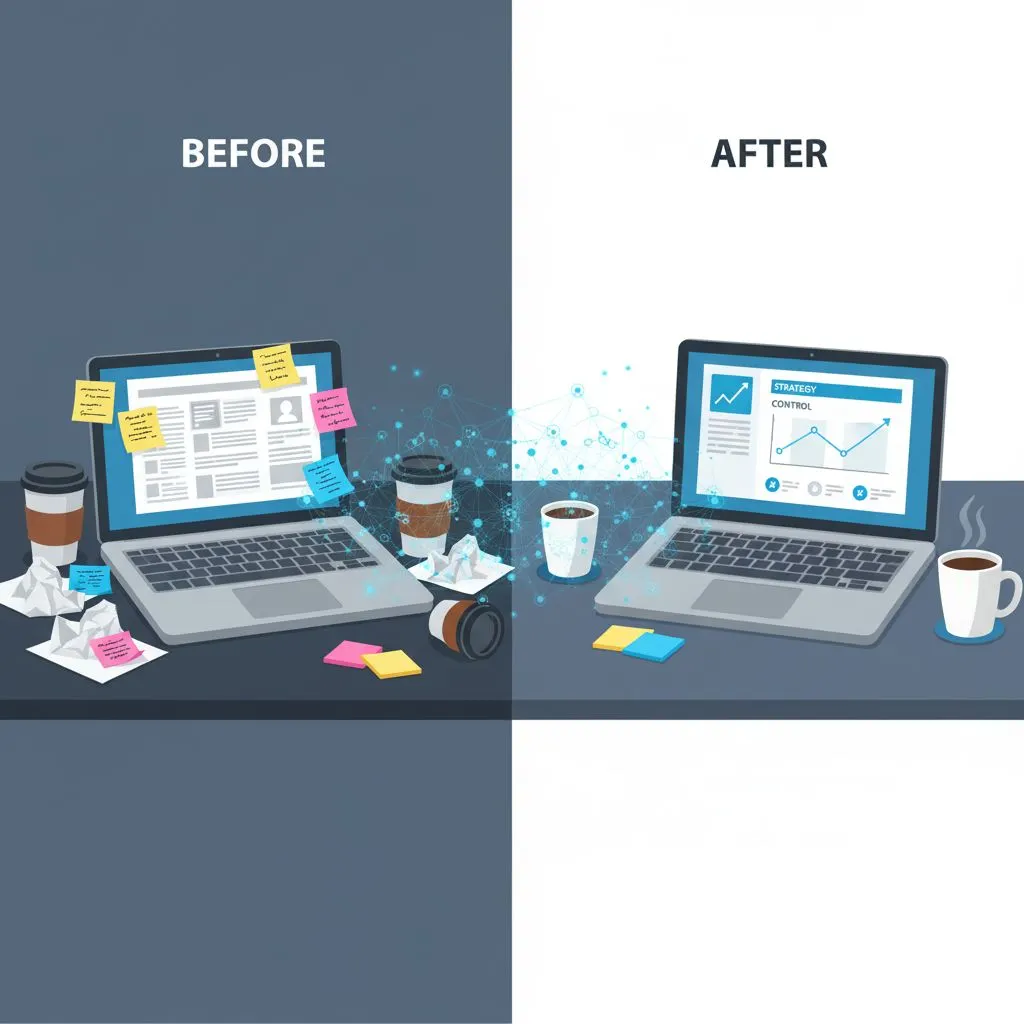
Apex was stuck in the "Operator Trap." They were too big to be a freelancer, but too resource-poor to compete with the giants. They needed leverage. They needed a way to clone their best thinking without cloning their payroll.
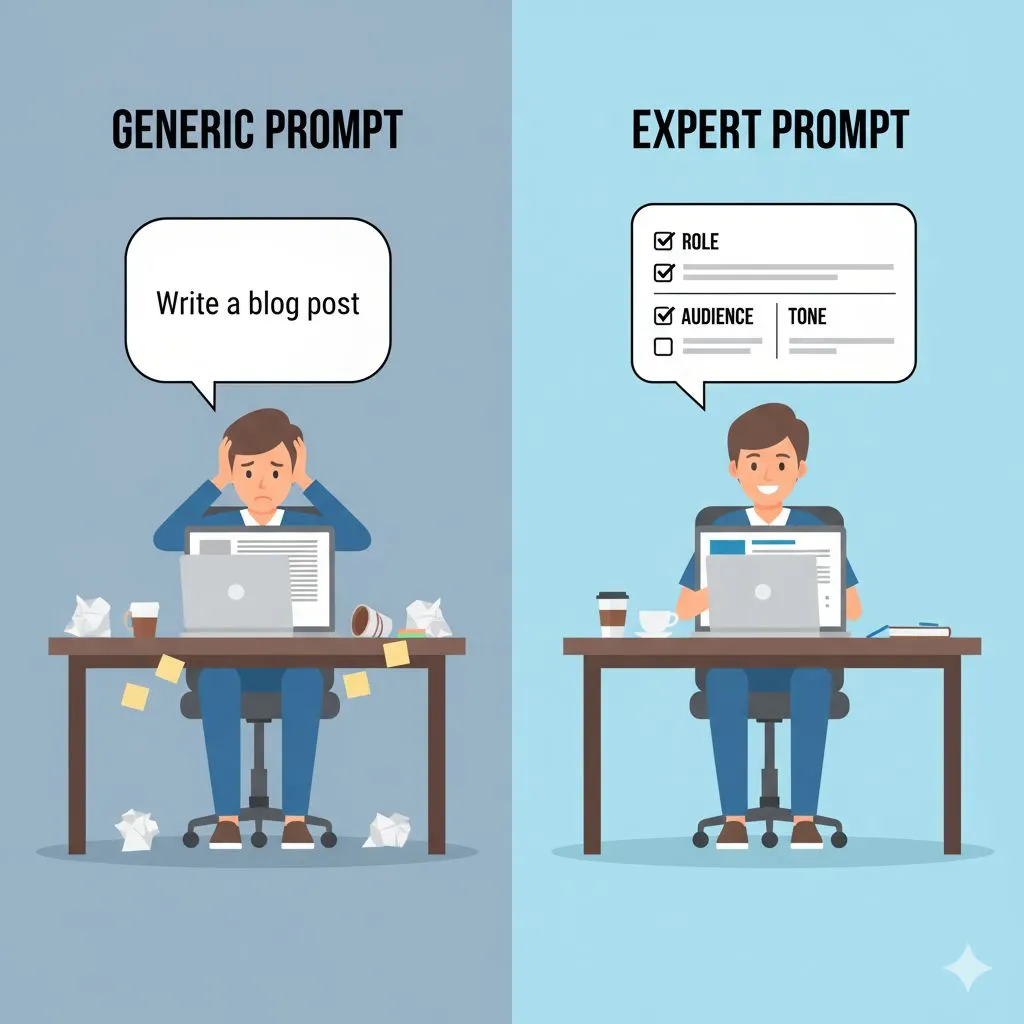
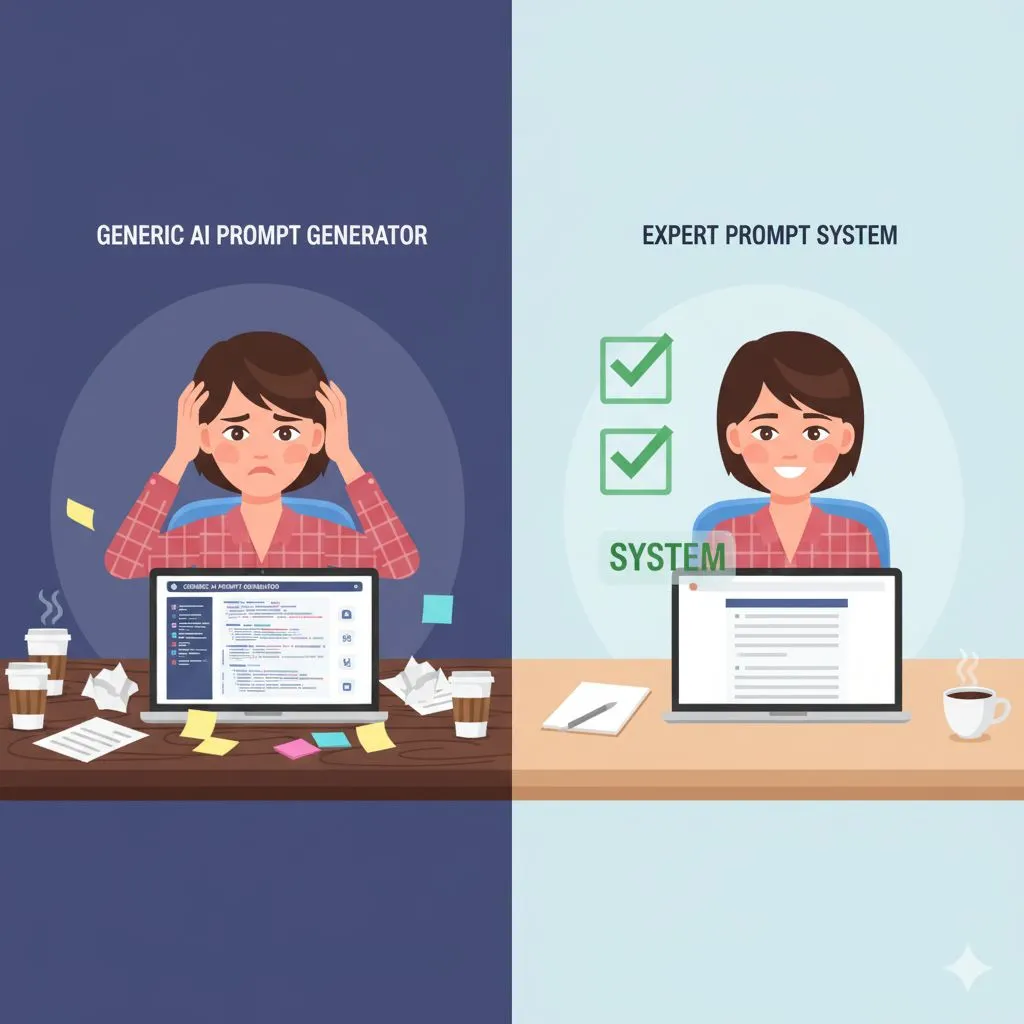
The turning point came not from a new hire, but from a change in philosophy. Jordan realized that the problem wasn't AI technology itself; the problem was the instruction given to the AI. Generic inputs led to generic outputs. Expert inputs—strategic, framed, and industry-specific prompts—could potentially yield expert results.
Apex Creative decided to run a 90-day experiment using a specialized toolkit: Expert AI Prompts.

Phase 1: Breaking the Operational Bottleneck
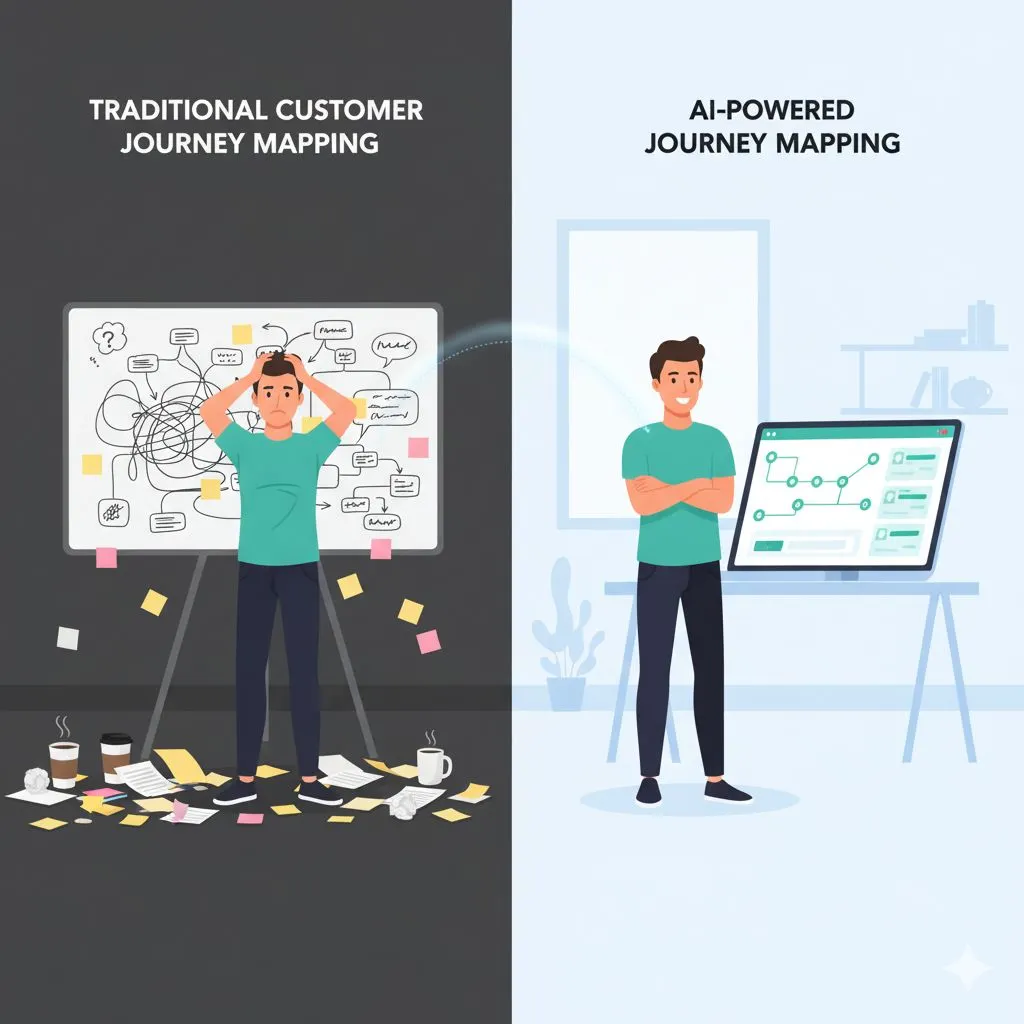
The first area Apex attacked was the "low-value" work that consumed high-value time. 'Apex Creative decided to run a 90-day experiment using a specialized toolkit: Expert AI Prompts. The team tracked their hours and realized that 40% of their week was lost to administrative friction: summarizing meeting notes, drafting initial email responses, formatting reports, and organizing raw client data.
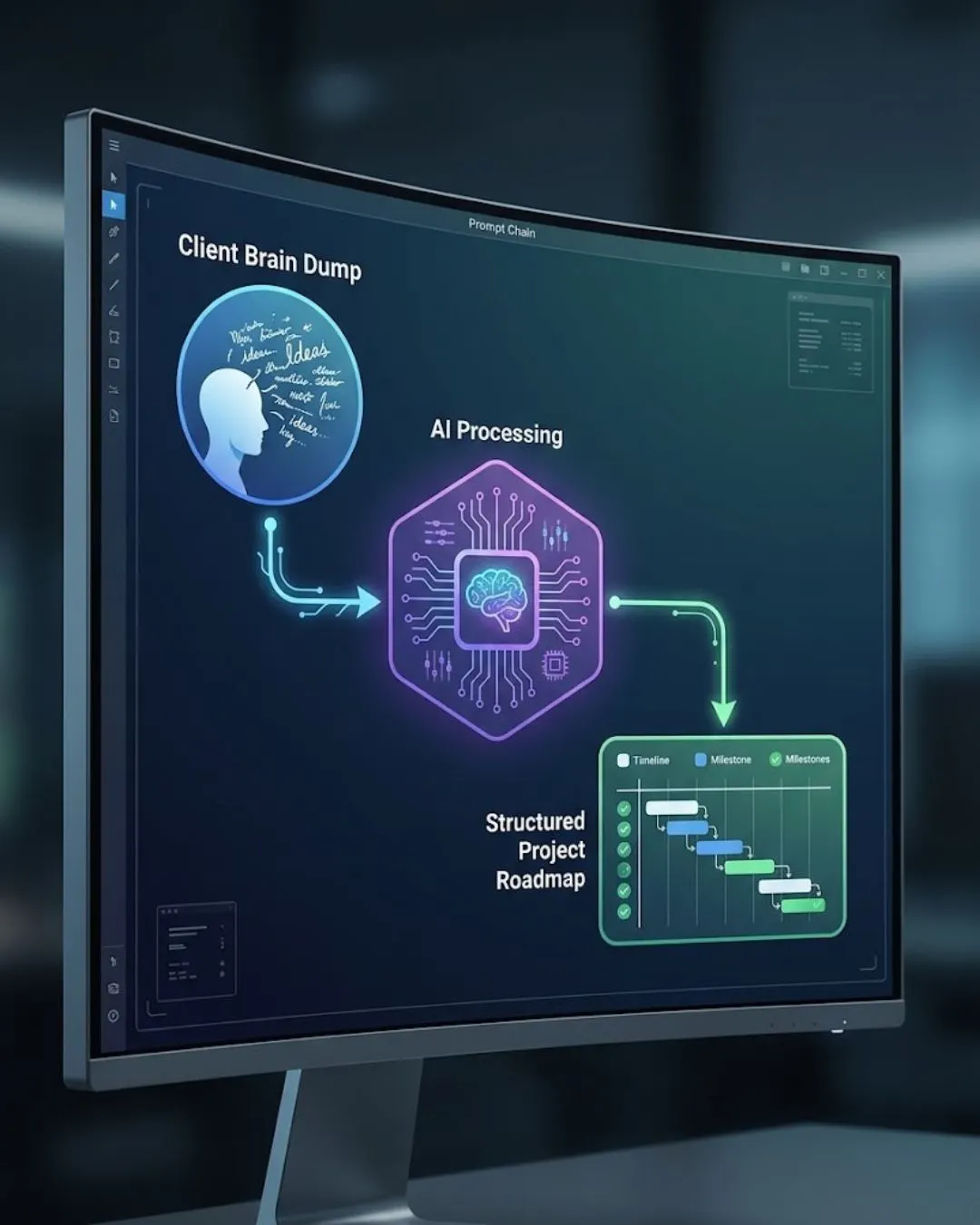
Jordan was spending 10 hours a week just turning client "brain dumps" into project briefs.
The Solution: The "Workflow Streamliner" Prompts
Instead of treating AI as a writer, Apex began treating it as an Operations Manager. They utilized specific prompts designed to process information rather than create it.
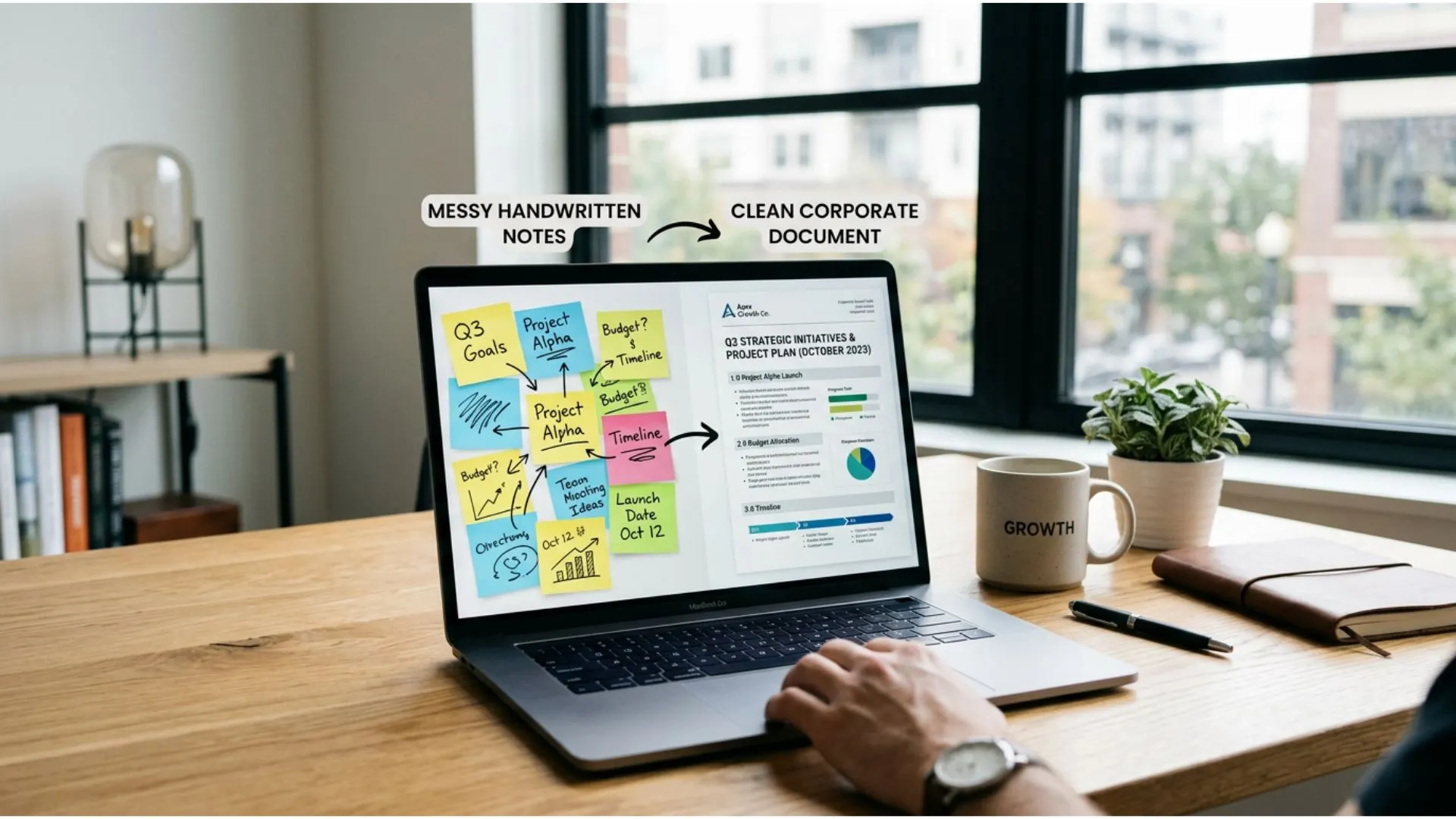
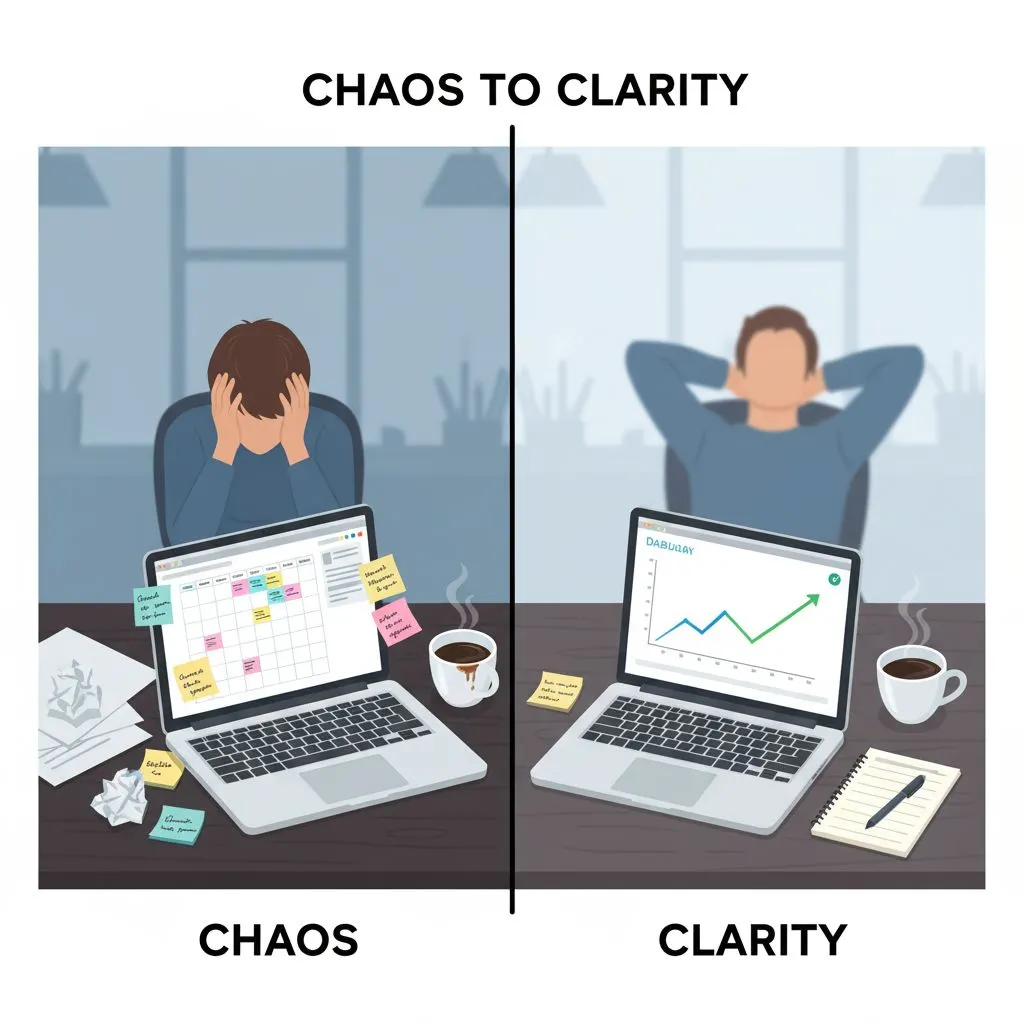
One key prompt from the toolkit was the "Chaos to Clarity" framework.
- The Input: A raw transcript of a chaotic 60-minute client discovery call.
- The Prompt: “Act as a Senior Project Manager. Analyze this transcript. Extract the top 3 core objectives, identify 5 potential risks, list all agreed-upon deliverables with implied deadlines, and format this into a structured Scope of Work document using professional agency tone.”
The Result:
What usually took Jordan two hours of re-listening and drafting was completed in 45 seconds. The output wasn't just a summary; it was a client-ready document that only required a light polish.
By implementing this across the agency for emails, meeting recaps, and research aggregation, the team reclaimed an average of 15 hours per person, per week.
This wasn't just time saved; it was mental bandwidth reclaimed. But efficiency was only the baseline. The real question was: could AI actually do the work?
If reclaiming time is your first priority, start with the free 5-Hour Saver Prompt Pack — a zero-risk way to test exactly this workflow.
Phase 2: Elevating Strategy & Quality (The "Credibility" Problem)
Efficiency is great, but for a boutique agency, quality is the currency. Clients hire firms like Apex Creative because they want a bespoke touch, not cookie-cutter solutions. This was Jordan’s biggest objection: “If I use AI for client work, won’t I sound like everyone else?”
This is where the distinction between "generic AI users" and "strategic prompt engineers" became clear. Most agencies use AI to replace the thinker. Apex Creative used AI to challenge the thinker.
The Challenge: The Deep Work Deficit
Apex often pitched against "Big 4" agencies that had dedicated strategy departments. These competitors would walk into pitch meetings with 50-page market analysis decks. Apex, with its limited resources, often had to rely on intuition and past experience. They knew the strategy, but they didn't have the hours to build the "proof" backing it up.
The Solution: The "Expert Persona" Prompts
Apex utilized the Expert AI Prompts toolkit to simulate a diverse boardroom of experts. They stopped asking the AI to "write a blog post" and started asking it to "critique a strategy."
For a FinTech client, they used a "Devil’s Advocate" prompt chain:
- Step 1: "Act as a cynical CTO of a Fortune 500 bank. Review our proposed digital strategy below. Identify three reasons why you would reject this proposal and five technical hurdles we haven't considered."
- Step 2: "Now, acting as a Lead UX Researcher, analyze the same strategy and highlight opportunities to improve user retention that the technical team might overlook."
The Application:
Instead of spending a week gathering surface-level research, the team generated deep, conflicting, and nuanced perspectives in an afternoon. This allowed Jordan to anticipate client objections before they were even raised.
They also used Brand Voice Calibration prompts. Instead of generic tones, they fed the AI samples of their best work and the client’s existing brand guidelines.
- The Prompt: "Analyze the syntax, sentence structure, and vocabulary complexity of the provided text. Create a 'Brand Voice Style Guide' based on this analysis. Then, rewrite the following draft content to strictly adhere to these style parameters, prioritizing authority and brevity."
The Shift:
The output was no longer "robotic." It was indistinguishable from a human senior copywriter because the strategic parameters were so tight. Apex was able to deliver a comprehensive competitor audit and a 6-month content strategy roadmap for a client in three days—a project that previously took three weeks.
The client’s feedback? "We’ve never seen a boutique firm grasp our market nuances this quickly."
Apex wasn't cutting corners on quality; they were using ai for agencies to skip the blank page and move straight to the editing and refining phase, effectively turning every junior staff member into a senior strategist.
Phase 3: Scaling Sales Without a Sales Team
With operations streamlined and delivery accelerated, Apex faced the final hurdle of the boutique owner: Business Development.
In the "Operator Trap," sales only happen when the owner has free time—which is rarely. This creates the "Feast or Famine" cycle. Jordan needed a way to keep the pipeline full without spending five hours a day on LinkedIn or writing proposals.
The Challenge: The RFP Nightmare
A major enterprise Request for Proposal (RFP) landed in Jordan’s inbox. Usually, Apex would ignore these. They required too much documentation, compliance writing, and custom formatting. Jordan calculated it would take 20 hours to write a compliant response—time they didn't have.
The Prompt Solution: The "Proposal Architect"
Apex turned to the Toolkit’s growth section. They uploaded the 40-page RFP requirements (into a secure, private AI environment) and used a structured Proposal Generator prompt.
- The Prompt Structure:
- Context: "We are a boutique agency specializing in [Niche]. Our unique value propositions are Speed, Senior-Level Attention, and Agility."
- Task: "Map our value propositions against the specific pain points identified in this RFP on page 4, 12, and 30."
- Output: "Draft a tailored Executive Summary and Scope of Work that positions our small size as a massive advantage (lack of bureaucracy) compared to the incumbent large agency."
The Win:
The AI generated a 90% complete draft that specifically addressed the prospect's hidden anxieties about big agencies (slow turnaround, bloating costs). Jordan spent two hours refining the tone and adding specific case study data.
They submitted the proposal 24 hours after receiving the RFP.
The prospect was stunned. The incumbent agency took two weeks to reply. Apex Creative won the contract—not because they were cheaper, but because they demonstrated speed and precision. They used AI to turn their agility into a weapon.
Furthermore, they set up an Outreach Engine. Using prompts to analyze LinkedIn profiles of ideal prospects, they generated hyper-personalized connection requests that spoke to specific recent posts or news about the prospect's company, avoiding the "spammy" feel of automation tools.
The Results: From Overworked to Outstanding
Results like Apex Creative's are not isolated — the Expert AI Prompts agency scaling case study documents similar outcomes across client engagements.
The 90-day experiment at Apex Creative didn't just change their software stack; it changed their business model. By integrating Expert AI Prompts into every layer of their organization—from admin to strategy to sales—they achieved metrics that seemed impossible just a quarter prior.
Quantitative Data:
- 30% Revenue Increase: By speeding up delivery times, Apex was able to take on two additional retainers and the massive enterprise project mentioned above, without extending timelines.
- 50% Reduction in Overtime: The team went from working an average of 55 hours a week to a manageable 38. The "crunch time" before deadlines was virtually eliminated because the drafting phase was instantaneous.
- Zero New Hires: Apex projected they would need to hire a Junior Account Manager and a Copywriter to scale. They cancelled those open requisitions, saving roughly $120,000 in annual payroll.
Qualitative Shift:
Perhaps more important than the revenue was the psychological shift for Jordan, the owner.
- From Operator to Strategist: Jordan stopped being the "Chief Bottleneck." Instead of writing the emails, Jordan reviewed the strategy behind the emails.
- Confidence in Delivery: The fear of "dropping the ball" vanished. With systems in place, the team knew that quality was consistent. The prompts acted as guardrails, ensuring that even on a bad day, the output was at an expert standard.
- Brand Perception: Apex updated their website positioning. They were no longer just "a creative team." They were an "AI-Enhanced Strategic Consultancy." They owned the fact that they used advanced tech, positioning it as a benefit (efficiency/cost-savings) rather than hiding it.
The ROI of the Toolkit
Jordan noted that the cost of the prompt toolkit was negligible compared to the subscriptions for generic SaaS tools they had cancelled.
"We used to pay for a generic AI writing assistant, a social media scheduling tool with 'AI features,' and a lead gen bot. None of them worked together," Jordan explained. "The Expert AI Prompts weren't software; they were education. They taught us how to use the raw models (like GPT-5 or Claude) like masters. That skill is something we own now."
Want to see what that ROI looks like for your specific business? Use the free AI ROI Calculator for Small Business to model your own numbers.
Conclusion: The New Standard for Agencies

The story of Apex Creative illustrates a fundamental truth about the future of the agency world: Size is no longer the primary indicator of capability.
For years, boutique agencies have tried to compete by working harder. They traded sleep for success. But as AI models become more sophisticated, the "hustle" is becoming obsolete. The competitive advantage now belongs to those who can direct these powerful models to do the heavy lifting.
For agency owners like Alex Rivers, the skepticism is valid. There is a lot of hype. But as this case study shows, the value doesn't come from the tool itself—it comes from the expertise embedded in the prompt.
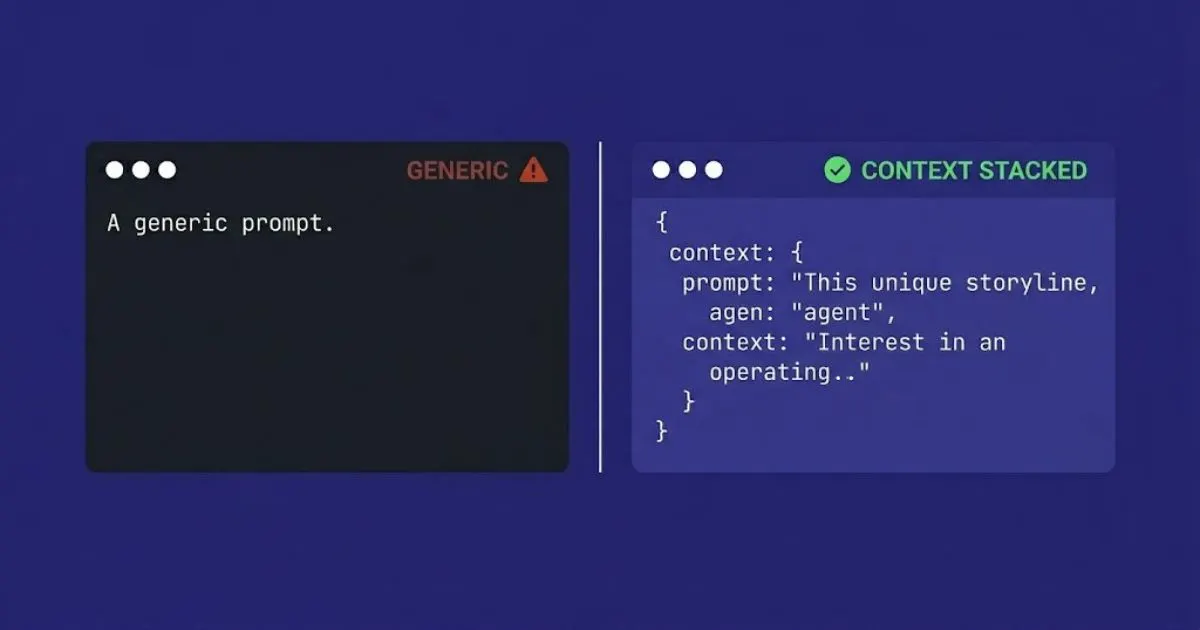
- If you ask AI a generic question, you get a generic answer.
- If you ask AI an expert question, using a proven framework, you get a result that rivals the Big Firms.
You do not need more staff to scale. You do not need to work 80 hours a week to prove your dedication. You simply need to upgrade your workflow.
The transition from "overworked operator" to "confident strategist" is waiting. The technology is ready. The only variable left is how you choose to command it.
Ready to replicate Apex Creative’s success?
Stop spinning your wheels with trial-and-error. Get the exact frameworks, strategies, and prompts used by top boutique agencies to scale without the stress.
Get the AI Prompts for Agency Growth Toolkit Today
Further Reading
• AI Prompts for Agency Growth Toolkit — 50 strategic prompts designed for boutique agencies and digital consultancies
• Browse all 30 industry-specific prompt packs and pricing — one-time investment, lifetime access
• Common AI implementation mistakes boutique agencies make (and how to avoid them)