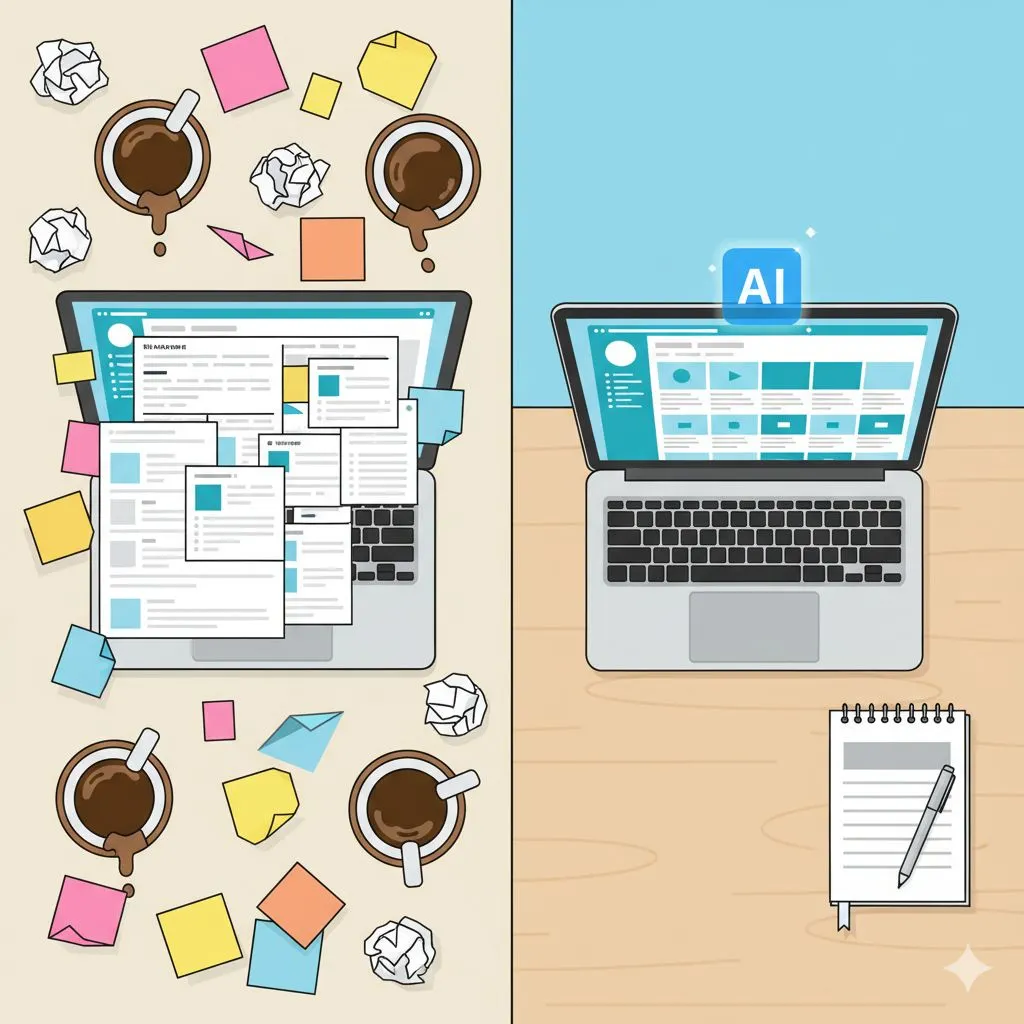
Zero-Budget Marketing: How to Grow Organically with AI
Zero-Budget Marketing: How to Grow Organically with AI
Jan 31, 2026

If you are like most small business owners, you are constantly balancing on a knife’s edge. On one side, you have the undeniable need to market your business to grow; on the other, you have the crushing reality of limited resources. Advertising costs are skyrocketing—Meta and Google ads are becoming prohibitively expensive for small players—and hiring a full-service marketing agency often costs more than your monthly operational budget.
For years, the narrative has been simple: if you want to play with the big boys, you have to pay.
But the landscape has shifted. We have entered an era where cost effective marketing isn't just about finding the cheapest freelancer; it’s about leveraging technology to amplify your strategic output. Artificial Intelligence (AI) has become the great equalizer. It allows a team of two to output the volume and quality of a team of ten. Discover exactly how in how solopreneurs use AI to compete with larger teams.
However, let’s be clear: "Zero-budget" doesn't mean "zero effort." It means replacing capital with leverage. It means using AI not just to write words, but to build a marketing ecosystem that works for you. This guide is for the Alex Rivers of the world—the ambitious, overworked entrepreneurs who want to stop hustling 15 hours a day and start building a scalable, organic growth machine.
Here is how you execute a professional marketing strategy with $0 ad spend and high-level AI efficiency.
Phase 1: Strategic Foundations (The "Who" and "Why")
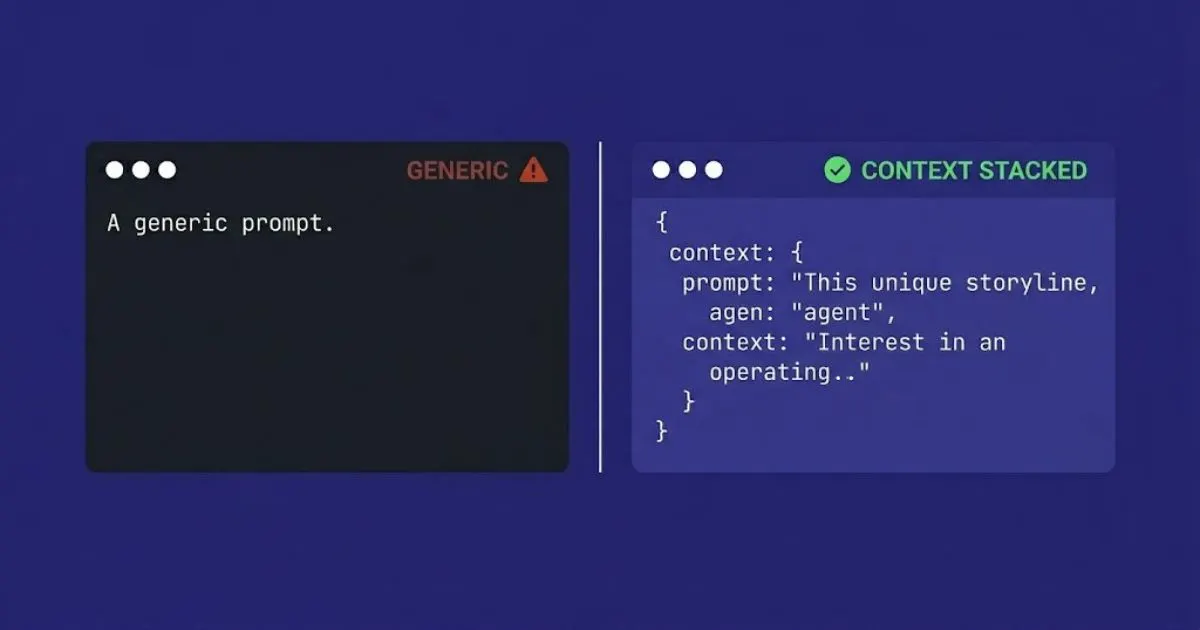
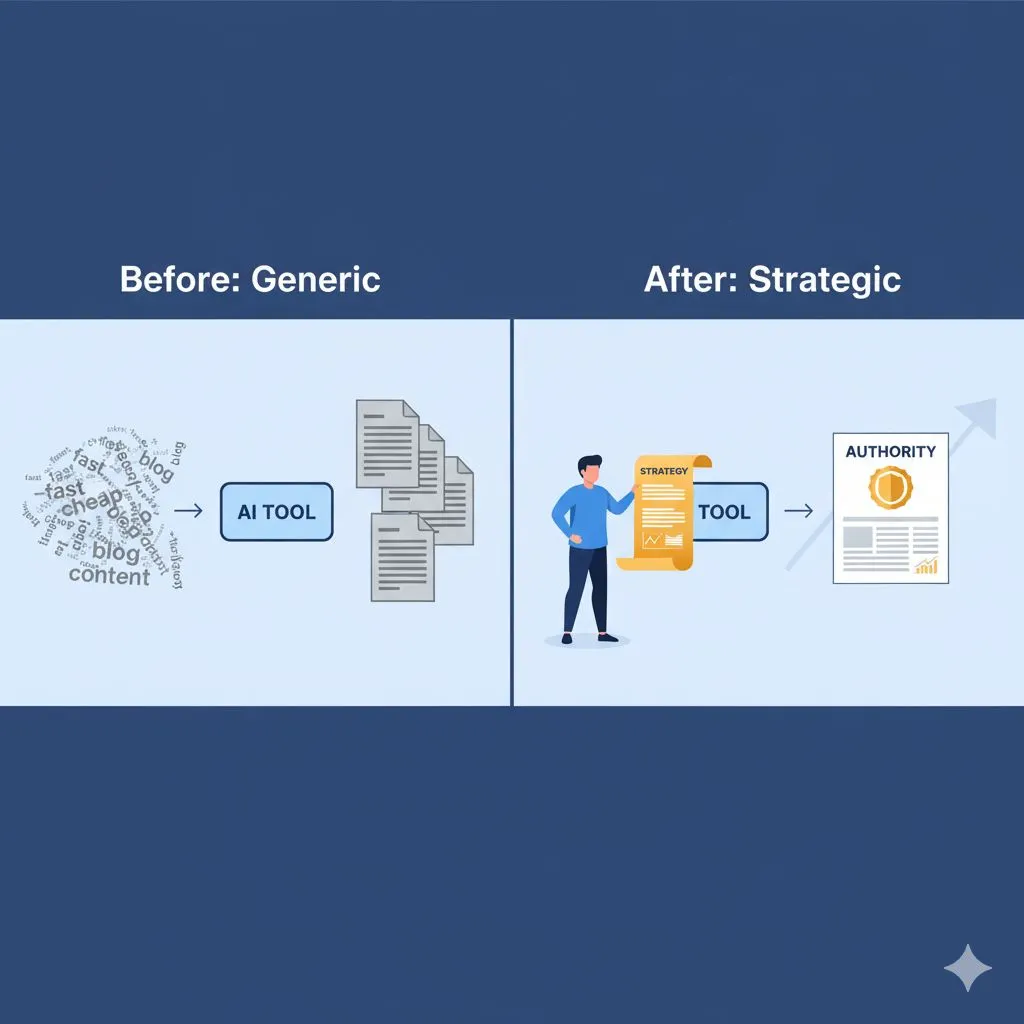
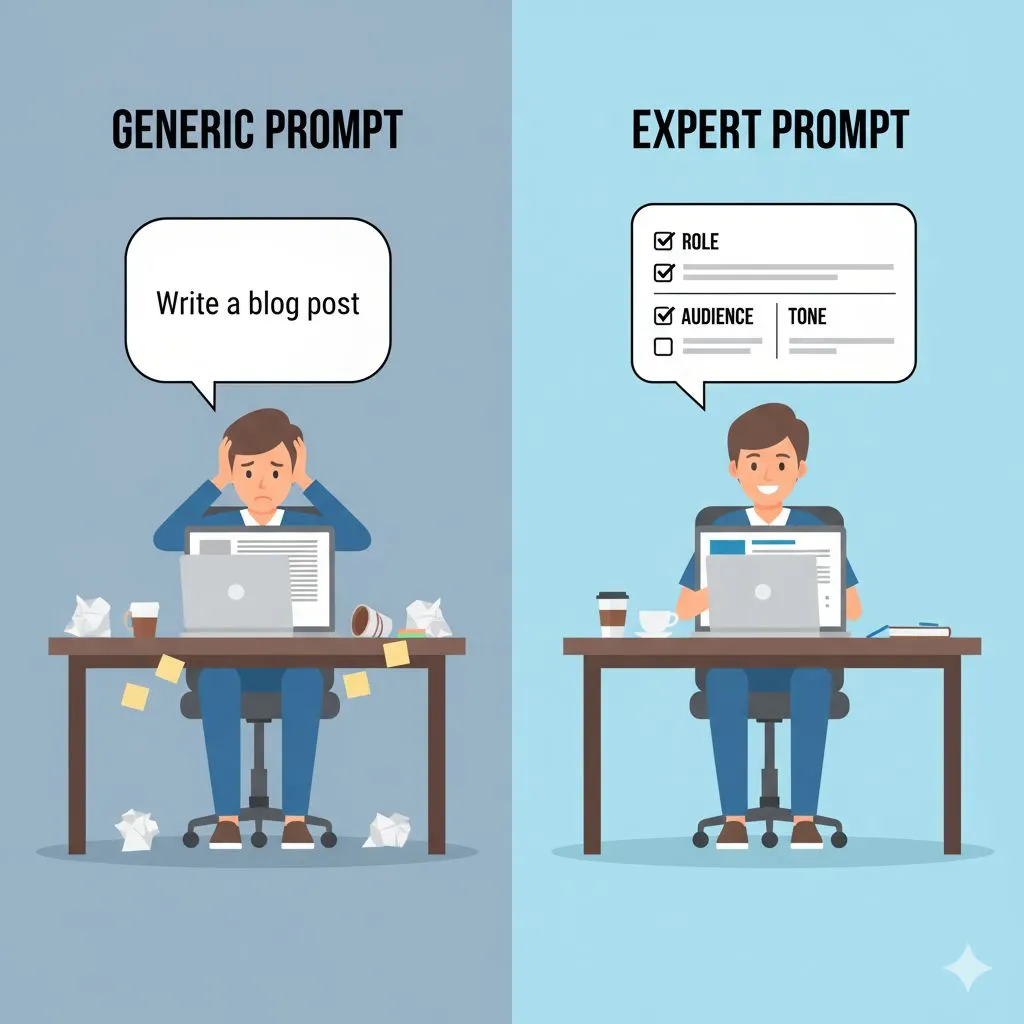
Before you generate a single blog post or Instagram caption, you need strategy. Most entrepreneurs skip this step because it feels like "busy work," or they assume they need a $5,000 consultant to tell them who their customer is. If you skip this, your marketing will be generic, and generic marketing is invisible. Read about the hidden risks of generic AI prompts in business for a deeper analysis of why specificity drives results.
AI-Powered Audience Deep Dives
You know your customer generally, but do you know their psychological triggers? Traditional market research is slow. AI market research is instant.
Instead of guessing what your customers want, you can use AI to simulate your target audience. You can ask an AI model to adopt the persona of your ideal client—listing their fears, late-night worries, and objections to your product.
The Workflow:
Don't just ask AI for "marketing ideas." Ask it to be the customer.
- Prompt Concept: "Act as a 40-year-old Operations Manager at a mid-sized logistics firm. You are stressed about rising fuel costs and inefficient drivers. List your top 5 daily frustrations and the 3 things you look for when vetting new software vendors."
This provides you with the exact language your customers use. You can then inject this vocabulary into your website copy, making your brand resonate instantly. This is the definition of cost effective marketing—getting the messaging right the first time so you don't waste time shouting into the void.
Competitor Analysis on a Dime
You don’t need expensive spy tools to understand your market. You can use AI to analyze your competitors' public-facing content. Paste their headers, value propositions, or recent article titles into an AI tool and ask for a gap analysis.
- Where are they weak?
- What questions are they failing to answer?
- Is their tone too corporate?
If your competitor is technical and dry, your opportunity is to be accessible and human. AI helps you find that "Blue Ocean" positioning without the consulting fee.
For a structured look at how Expert AI Prompts stacks up against alternatives, visit the competitive comparisons hub.
Phase 2: The SEO Content Engine (The "What")
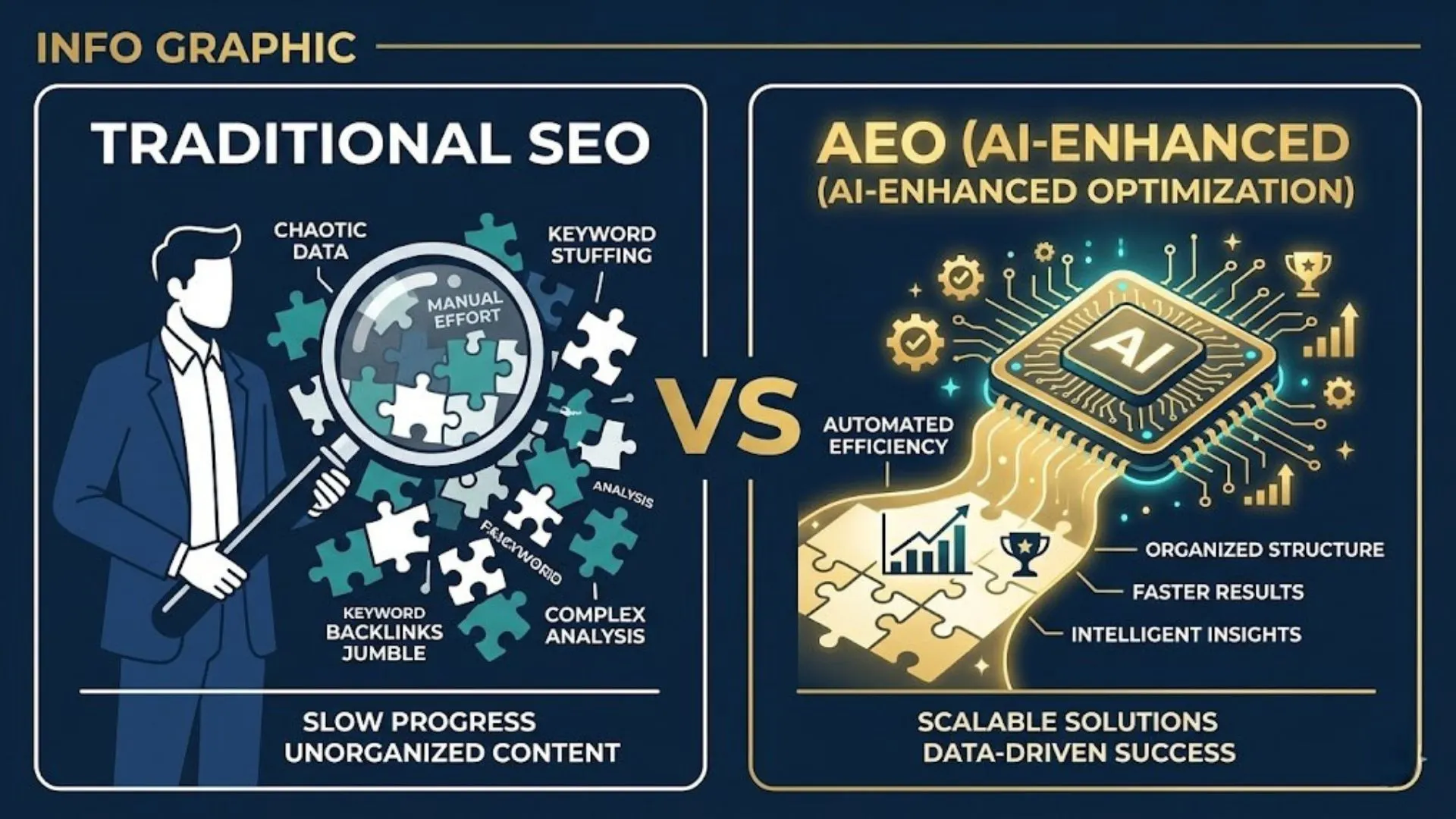
Organic traffic (SEO) is the holy grail of zero-budget marketing. Our ROI-Driven Guide to AI for SEO maps the complete strategic path from keyword research to ranking. It is the asset that pays you dividends for years. However, writing high-quality, SEO-optimized articles usually takes 4-6 hours per post. Who has time for that?
With the right AI workflow, you can cut that time down to 45 minutes while increasing quality.
Keyword Research Without the Monthly Subscription
While tools like Ahrefs or SEMrush are fantastic, they are expensive. For a zero-budget approach, use AI combined with Google’s "People Also Ask" feature.
Ask AI to brainstorm "high-intent informational queries" related to your niche. These are questions people ask when they are looking for a solution, not just browsing.
- Bad Keyword: "Marketing tips" (Too broad, too competitive).
- High-Intent Keyword: "Cost effective marketing strategies for consulting firms" (Specific, actionable).
The "Pillar & Cluster" Strategy
Don't write random articles. Build an ecosystem. AI excels at structure. Ask it to outline a "Pillar Page" (a comprehensive guide on a broad topic) and 10 supporting "Cluster Articles" that link back to it. This interlinking signals to Google that you are an authority.
The Expert Workflow:
- The Brief: never say "Write an article about X." Instead, feed the AI a detailed brief including the target audience, tone (authoritative but empathetic), and key takeaways.
- The Outline: Generate the outline first. Review it. Does it cover the topic fully? Add your unique insights here.
- The Draft: Generate the content section by section. This maintains coherence and prevents the AI from hallucinating or losing focus.
- The Human Polish: This is non-negotiable. AI gets you 80% of the way there. Your job is the final 20%—adding personal anecdotes, case studies, and checking facts.
The SEO Prompt Power AI Toolkit provides 50 expert-engineered prompts that handle the entire brief-to-publish workflow, saving hours on every article.
By producing consistent, high-quality content, you stop chasing clients and start attracting them. This is how you scale credibility without scaling headcount.
Phase 3: The Infinite Repurposing Loop (The "How")
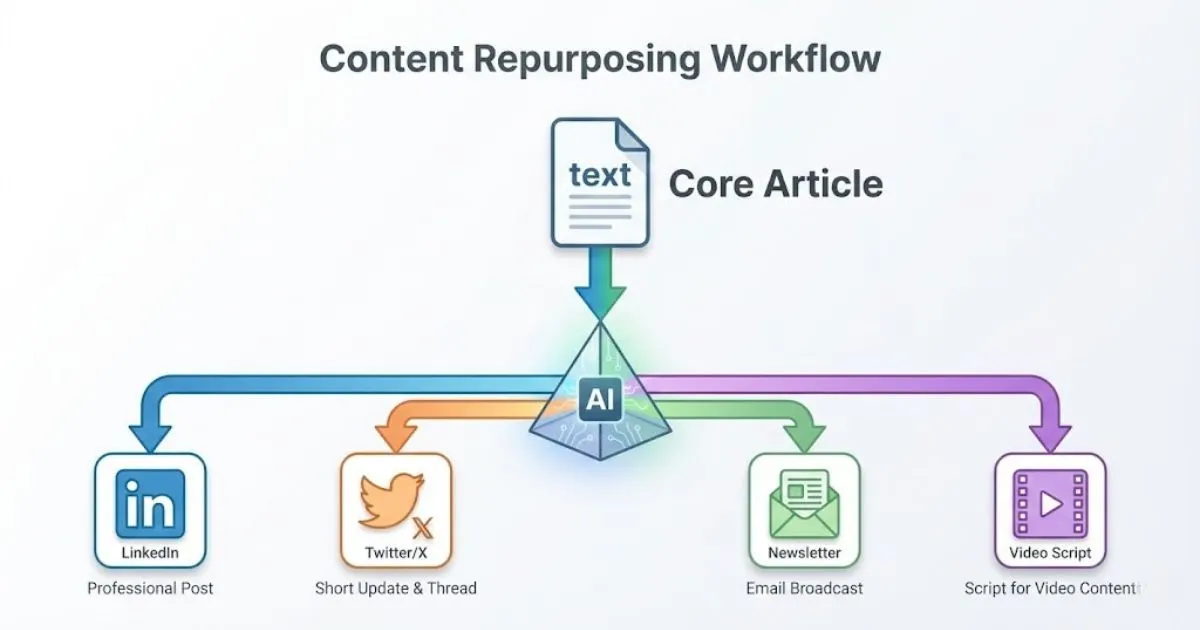
The biggest bottleneck for entrepreneurs like Alex is the "content hamster wheel"—the feeling that you have to create something new every single day for LinkedIn, Twitter, Instagram, and your newsletter.
Stop creating new content. Start repurposing.
In a cost effective marketing strategy, one core asset (like the blog post from Phase 2) becomes ten social media assets. Our step-by-step guide on creating a month of AI-generated social media content shows this exact workflow in action. This is where AI truly shines as a productivity multiplier.
The Content Waterfall
Imagine you have written a 1,500-word guide on "Remote Team Management." Do not let that sit on your blog gathering dust. Feed that text into your AI tool and run the following "waterfall":
- LinkedIn Carousel: Ask for 5 slides summarizing the key points with a professional, punchy hook.
- Twitter/X Thread: Ask for a 10-tweet thread that builds intrigue and links back to the full article.
- Newsletter Teaser: Ask for a "curiosity gap" email subject line and body copy that drives clicks to the post.
- Instagram/TikTok Script: Ask for a 60-second video script based on the most controversial or surprising point in the article.
Platform-Specific Adaptation
For a platform-by-platform breakdown, explore The Definitive Guide to AI for Social Media.
The mistake many make is copy-pasting the same text everywhere. LinkedIn hates hashtags; Instagram needs them. Twitter needs brevity; Facebook allows for storytelling.
Use AI to "translate" your content.
- Prompt Concept: "Rewrite this section for LinkedIn. Make the tone professional but conversational. Use short paragraphs. End with a question to drive engagement."
This allows you to be "everywhere" without actually being everywhere all day. You maintain a omnipresent brand image while actually spending your time on business operations.
Phase 4: Lead Generation & Nurturing (The "Results")
Traffic is vanity; leads are sanity. You can have 10,000 visitors, but if you don't capture their information, you haven't built a business asset.
High-Value Lead Magnets
In the past, creating a "White Paper" or "E-book" took months. With AI, you can create a high-value checklist, template, or mini-guide in an afternoon. Access our free AI prompt resources — 11 ready-made tools you can deploy immediately to start capturing leads and demonstrating instant value.
- The Problem: Your clients are overwhelmed.
- The Solution: A specific tool that solves one small problem instantly.
Use AI to generate the content for a "Ultimate Launch Checklist" or a "Vendor Assessment Scorecard." Package this as a PDF. This is your "Zero-Budget" currency. You give value; they give you an email address.
Email Marketing Sequences
Once you have the email, you need to nurture the relationship. Most business owners freeze here because they don't know what to write.
Set up an automated "Welcome Sequence" using AI scripts.
- Email 1 (Immediate): Deliver the lead magnet. Add value. No pitch.
- Email 2 (1 Day Later): Address a common objection or myth in your industry.
- Email 3 (3 Days Later): Share a case study or success story.
- Email 4 (7 Days Later): Soft pitch—invite them to a call or offer a low-risk product.
This system runs 24/7. It nurtures leads while you sleep, ensuring that when you do get on a sales call, the prospect already knows, likes, and trusts you. The Prompt-Led Email Mastery toolkit provides 50 expert-engineered prompts for every stage of a high-converting email sequence — from welcome to close
Conclusion: From Operator to Strategist
The journey from an overworked solopreneur to a scalable business owner isn't about working harder. It is about building systems that work for you. Cost effective marketing is no longer about buying the cheapest ads—it is about intellectual leverage.
By using AI to handle the heavy lifting of research, drafting, and repurposing, you reclaim your most valuable asset: your time. You move from being the person who writes the copy to the person who directs the strategy.
The tools are available. The strategy is proven. The only variable left is your willingness to adopt a new way of working. Start today with our free AI prompt toolkit — 11 no-cost resources purpose-built to put this exact strategy into action immediately. You don't need a marketing budget to compete with the giants. You just need a smarter workflow.
When you are ready to go further, browse all 30 industry-specific prompt packs and find the exact toolkit for your business.
Ready to stop guessing and start scaling?
You could spend weeks crafting the perfect prompts to execute this strategy, or you could skip the trial-and-error completely.
Scale Smarter with the SEO Prompt Power AI Toolkit
Unlock 50 expert-engineered prompts designed specifically to automate your marketing, boost your SEO, and free up your time. Stop hustling—start growing.
Further Reading
• Your Complete AI Marketing Strategy Guide
• The ROI-Driven Guide to AI for SEO
• The Small Business Playbook for AI Content Creation