Integrating AI into Your Existing Digital Marketing Plan
Integrating AI into Your Existing Digital Marketing Plan
Jan 28, 2026

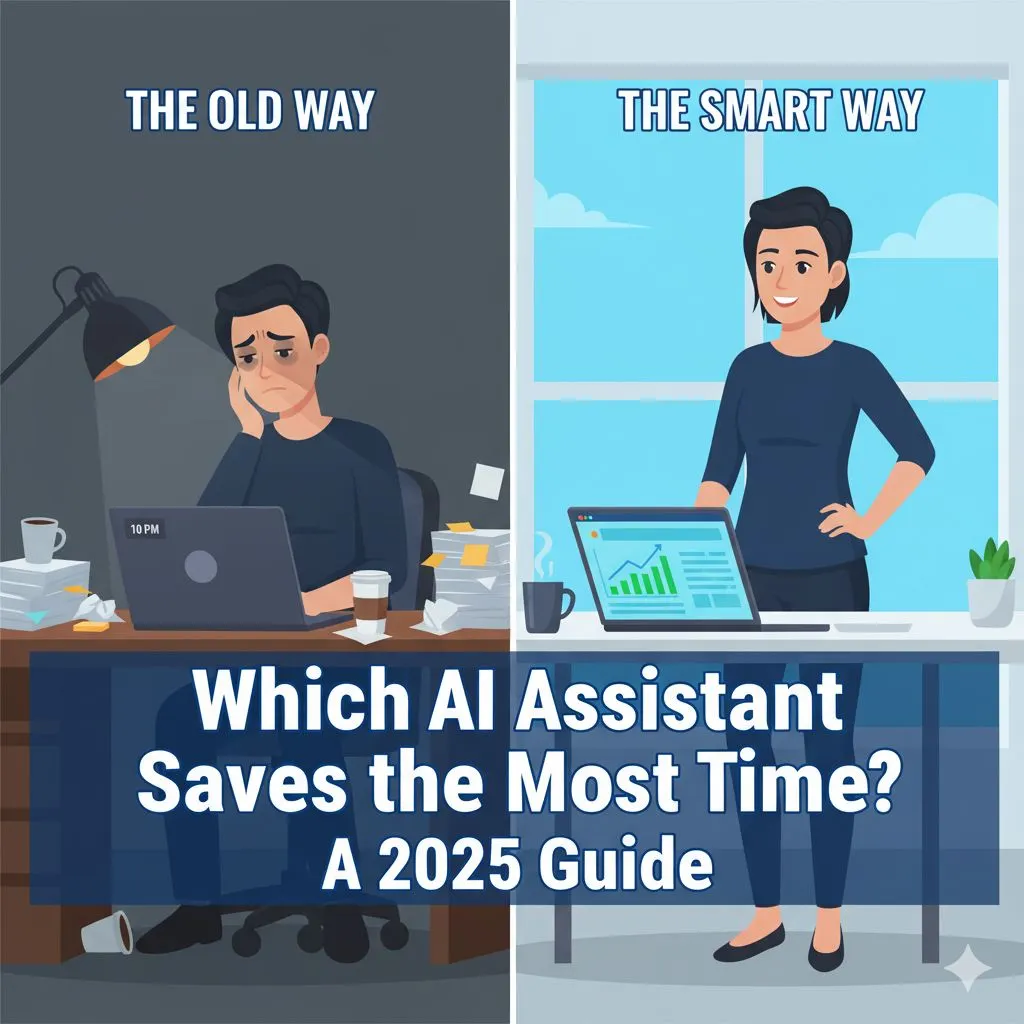
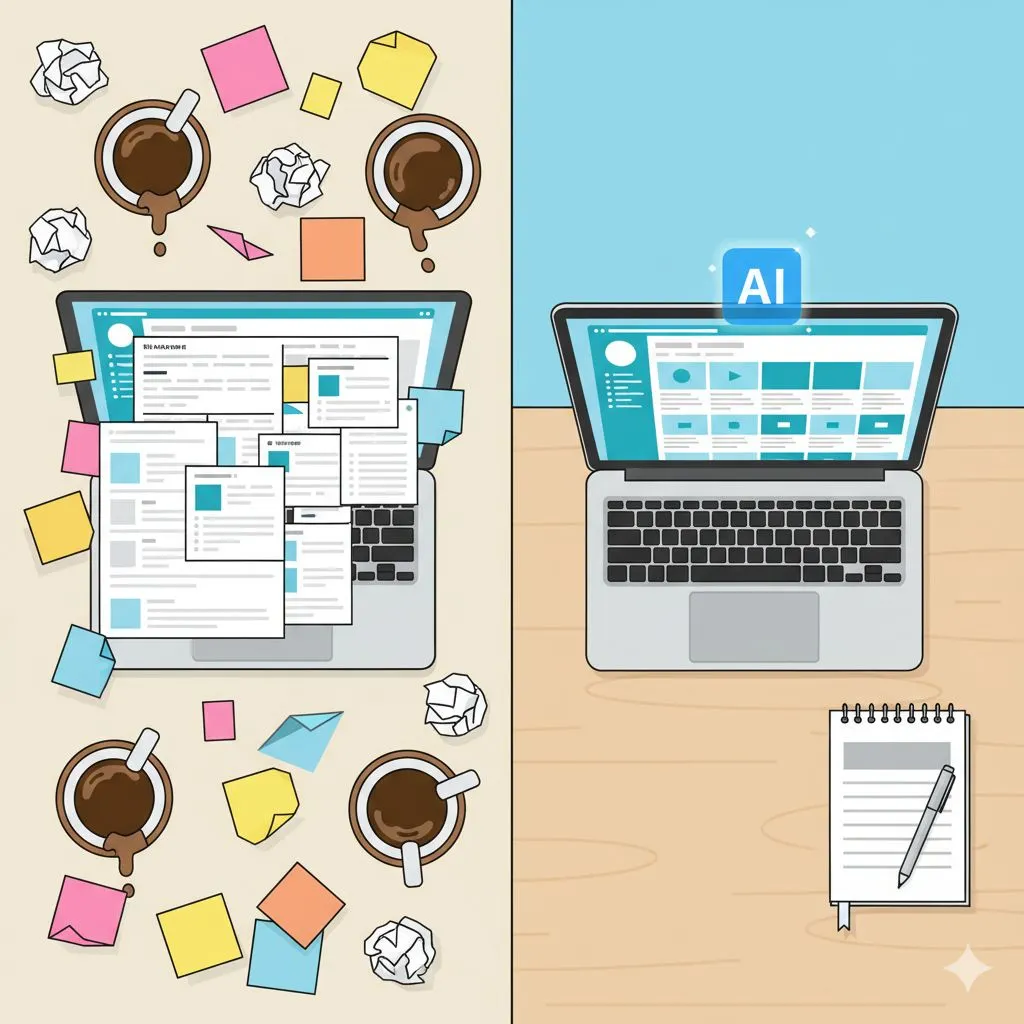
If you are like most small business owners, your digital marketing plan likely feels less like a "strategy" and more like a never-ending to-do list. You are juggling content creation, email blasts, social media engagement, and SEO analysis, often all before lunch. You know you need to scale to compete with the bigger players, but you simply don’t have the hours in the day or the budget to hire a full agency.
Enter Artificial Intelligence.
You have seen the headlines. You have likely played around with a few tools. But perhaps you are skeptical. Is it just hype? Will the quality degrade your brand? Is it just another complex layer to add to your already overflowing plate?
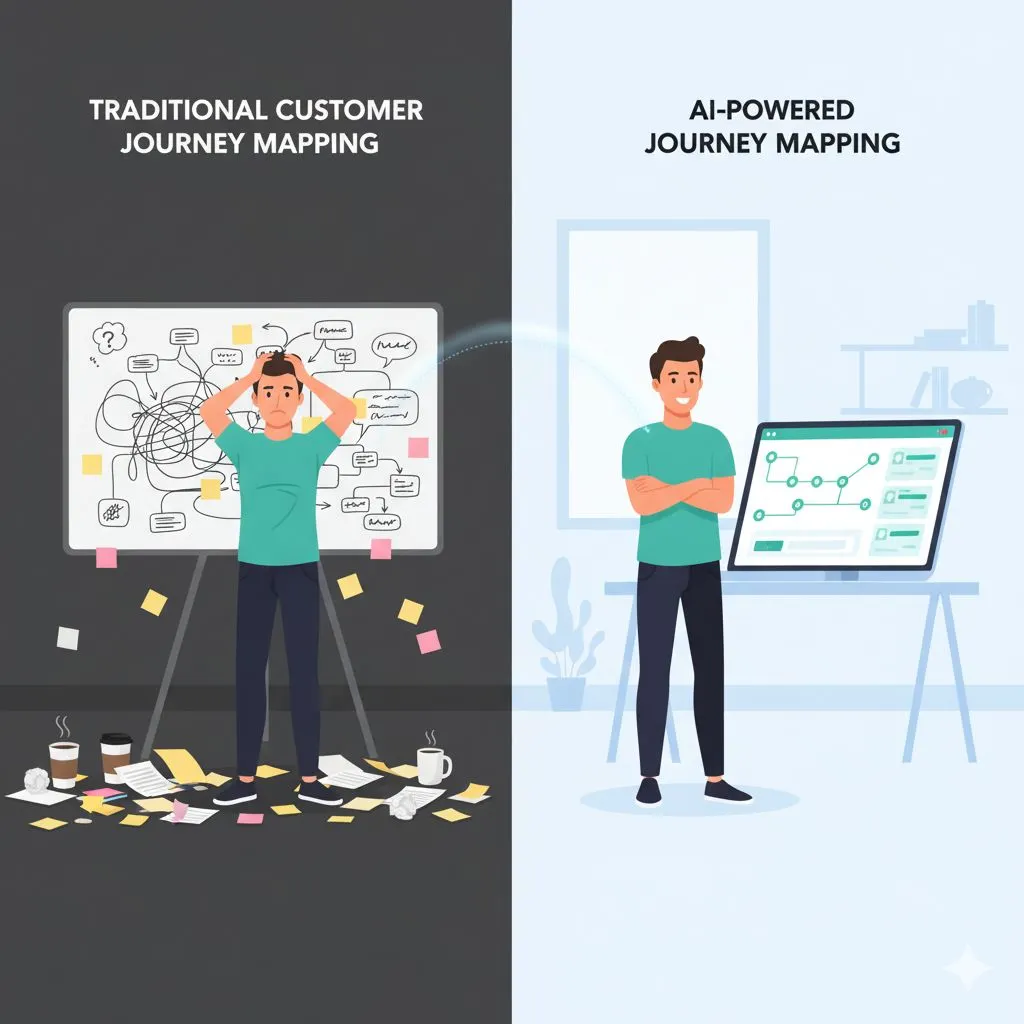
Here is the truth: Integrating ai in digital marketing isn’t about replacing your expertise or your voice. It is about cloning your productivity. It is about transitioning you from the overworked operator desperately turning the crank, to the strategic director managing a high-efficiency machine.
For a proven framework that maps this transition step by step, explore the Your Complete AI Marketing Strategy Guide.
This guide is not a list of "cool tech tricks." It is a strategic roadmap for integrating AI into the marketing plan you already have, specifically designed to help you reclaim your time, reduce stress, and scale your business operations.
Phase 1: The Strategic Audit (Don't Burn the Plan, Optimize It)
The biggest mistake entrepreneurs make with AI is trying to use it for everything at once. That is a recipe for overwhelm. Instead of tearing down your current marketing efforts, we are going to look for structural weaknesses where AI can serve as a load-bearing support.
Identifying Your Bottlenecks
Before you sign up for a single new tool, look at your workflow from last week. Where did your time go?
- Did you spend three hours staring at a blinking cursor trying to write a blog post?
- Did you spend an afternoon resizing images for different social platforms?
- Did you lose a lead because you couldn't reply to an inquiry fast enough?
Before selecting any tool, run the small business AI implementation checklist to score exactly which areas of your workflow are ready for AI right now.
These are your bottlenecks. They are high-friction, repetitive tasks that drain your energy but require minimal "strategic genius." These are the exact areas where ai in digital marketing shines.
The "Human vs. Machine" Matrix
To integrate AI successfully, you must draw a line in the sand. You need to decide what is "You" and what is "The Machine."
The Machine Zone (Delegate to AI):
- Data analysis and pattern recognition.
- Drafting initial outlines and brainstorming variations.
- Resizing and formatting content.
- Scheduling and basic customer service inquiries.
The Human Zone (Keep for Yourself):
- Final strategic decisions and brand positioning.
- High-level storytelling and emotional connection.
- Relationship building with key clients.
- Final quality control and editing.
By respecting this matrix, you protect your brand's credibility. You ensure that AI handles the grunt work, leaving you fresh to handle the high-value work that actually grows the business.
Phase 2: The Content Engine (Scaling Output, Maintaining Voice)
For most small teams, content production is the single biggest time sink. You know you need to be omnipresent—LinkedIn, Instagram, your blog, your newsletter—but keeping up the pace leads to burnout. The Definitive Guide to AI for Social Media shows exactly how small teams automate platform content across LinkedIn, Instagram, and beyond without burning out. This is where we integrate AI not just as a tool, but as a "Junior Copywriter."
Ideation at Speed
Writer’s block is expensive. It costs you momentum. The free Writer's Block Buster swipe file gives you 50 ready-to-use creative prompts to eliminate blank-page paralysis instantly — grab it before reading on. Instead of sitting down to "think of an idea," use AI to generate volume.
- The Strategy: Feed an AI tool your top-performing post from last month and ask: "Generate 20 new content angles related to this topic for [Target Audience], focusing on [Specific Pain Point]."
- The Result: You instantly have a month’s editorial calendar populated with relevant ideas, eliminating the cognitive load of brainstorming.
To put this into practice today, download the free 1-Week Content Plan Template with AI Prompts — pre-built structure, zero guesswork.
The "First Draft" Protocol
The blank page is the enemy of efficiency. A key strategy for integrating ai in digital marketing is establishing a "First Draft Protocol." Never write from scratch again.
Use AI to create a detailed outline or a rough first draft based on your bullet points. The output might be a "C+" in terms of quality—it might lack your nuance or wit. That is okay. It is easier to edit a C+ draft into an A+ piece of content than it is to write an A+ piece from nothing. This shift alone can reduce your writing time by 60-70%.
Repurposing Workflows
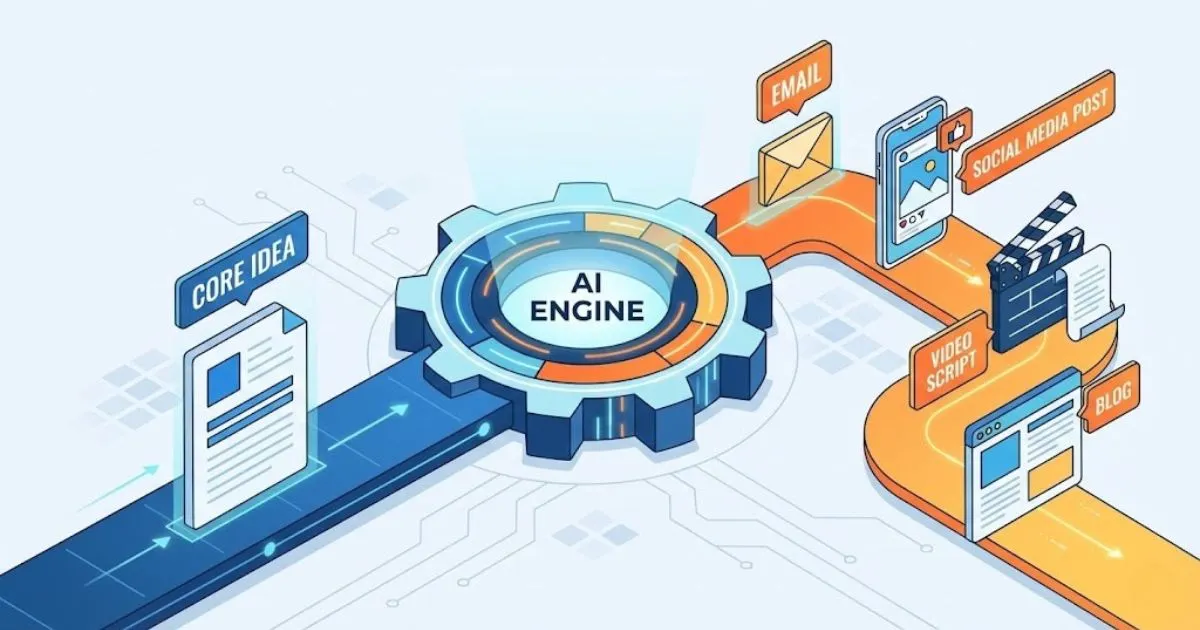
This is the "Scale" in "Stop Hustling, Start Scaling." You create one high-value asset, such as a deep-dive industry article or a webinar.
- Input: Feed that transcript or text into your AI tool.
- Prompt: "Turn this content into a 5-email nurture sequence, 3 LinkedIn posts (carousel style), and 5 tweets."
- Output: You have multiplied your effort by 10x without spending extra hours.
Quality Control: The Competitive Advantage
Here is the caveat: Because AI makes content creation easy, the internet is flooding with average, robotic content. To compete, your integration strategy must include a rigorous Human Edit.
Don't copy and paste. Polish. Add your personal anecdotes. Inject your specific industry contrarian views. When you use AI to handle the structure, you have more mental energy left to add the "sparkle" that builds trust and authority.
Phase 3: Enhancing Customer Experience & Personalization
Marketing isn't just about shouting into the void; it's about the conversation. As a small team, you cannot be online 24/7, but your business needs to be.
Smarter Email Marketing
If you are currently sending the same newsletter to your entire list, you are leaving money on the table. However, segmentation used to be technically difficult and time-consuming.
AI tools can now analyze your subscriber behavior and suggest segments (e.g., "People who clicked on 'pricing' but didn't buy"). You can then use generative AI to draft specific follow-up emails for that segment. The Prompt-Led Email Mastery toolkit includes 50 industry-tested email prompts for segmented sequences, warm follow-ups, and re-engagement campaigns — ready to deploy.
- The Strategy: "Draft a warm, non-salesy follow-up email to a potential client who viewed our 'Services' page twice but hasn't booked a call. Address the objection of 'lack of time'."
24/7 Availability Without the Staff
Chatbots used to be clunky decision trees that frustrated users. Modern AI chatbots are capable of natural language processing. Integrating a smart chatbot on your site can answer FAQs about pricing, timelines, and services while you sleep.
This isn't just about customer service; it's about lead qualification. The AI captures the lead, answers the basics, and books a meeting for you only when the prospect is ready to buy. This removes the bottleneck of you having to answer "How much does it cost?" twenty times a day via email.
Predictive Insights
You don't need to be a data scientist to use data. AI tools can analyze your ad performance or website traffic and provide summaries in plain English.
Instead of staring at a Google Analytics dashboard wondering what "Bounce Rate" implies for your Q3 revenue, AI marketing tools can tell you: "Your mobile traffic has increased by 40%, but conversion on mobile is low. Consider optimizing your checkout page for mobile users."
This actionable insight allows you to make decisions based on data, not gut feeling, reducing the risk of wasted ad spend.
Phase 4: Implementation—The "A.C.T." Framework
Strategies are useless without execution. But you are already busy. How do you implement this without the wheels falling off? Use the A.C.T. Framework.
A - Audit
Dedicate one hour this Friday to the audit we discussed in Phase 1.
- List every task you did this week.
- Highlight the ones that were repetitive, data-heavy, or draft-heavy.
- Calculate the hours spent. Then use the AI ROI Calculator for Small Business to convert those hours into a concrete dollar value — before you spend a cent on any tool. This is your "Potential ROI" number.
C - Choose
This is where most entrepreneurs fail—they try too many tools.
- Pick ONE problem first. Is it writing blogs? Is it email sequences? Is it social captions?
- Pick ONE tool. Master it. Whether it is a text generator or an image generator, get comfortable with it before adding another subscription to your credit card.
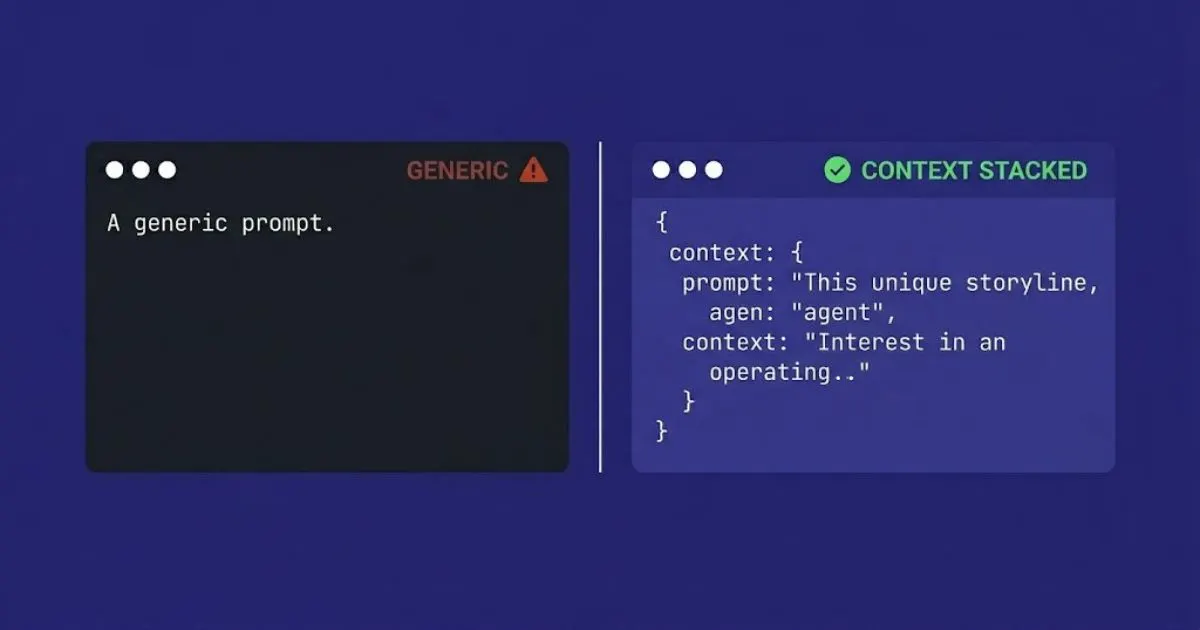
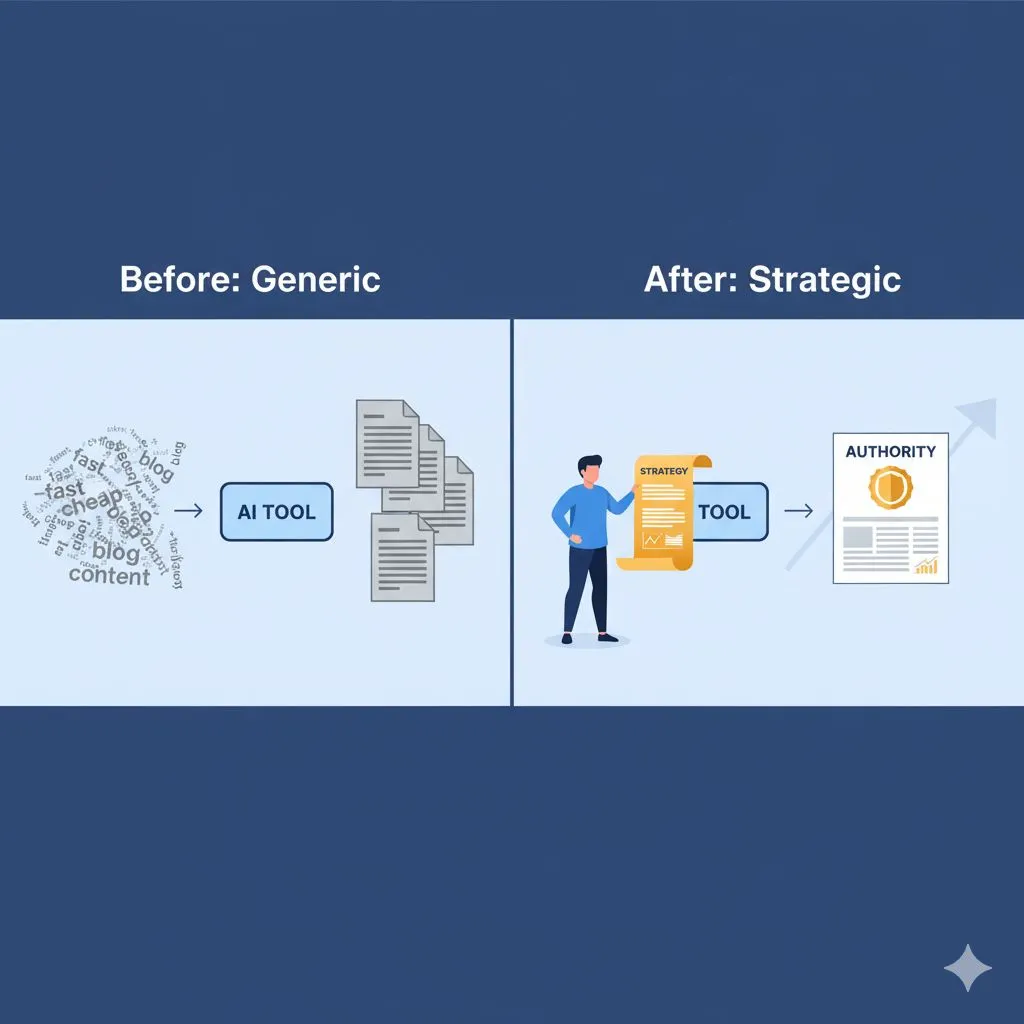
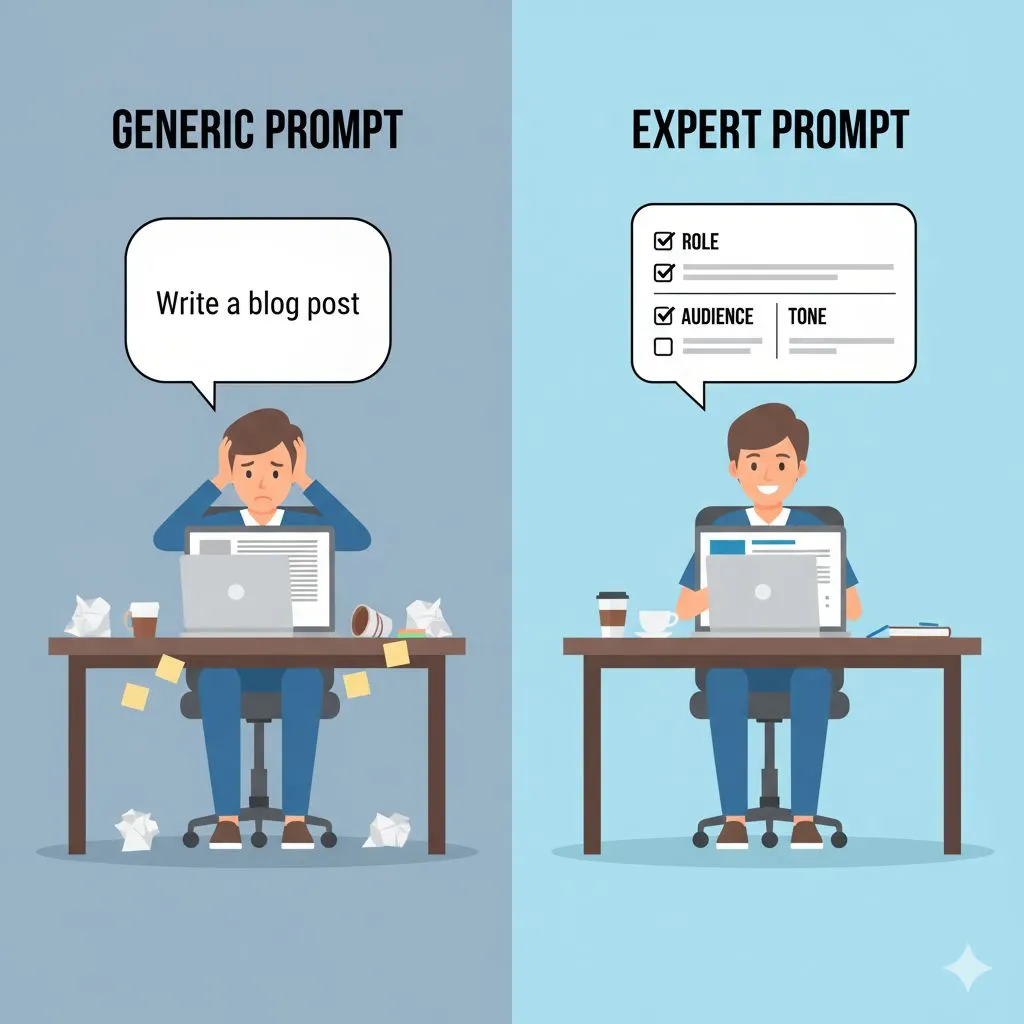
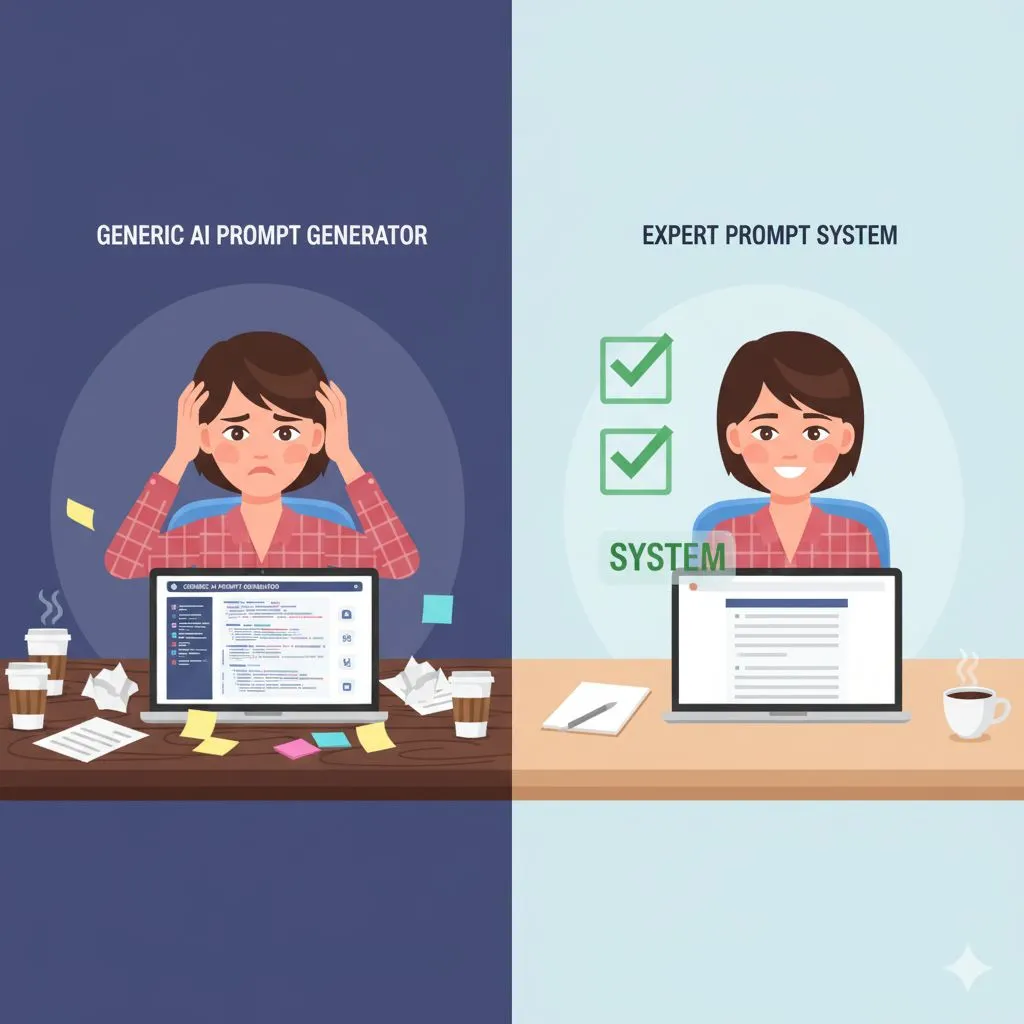
- Focus on the Prompt. The tool is only as good as the instruction. Invest time in finding or creating "Expert Prompts" that are specific to your industry. A generic prompt gets a generic result. A strategic prompt gets an expert result.
See exactly how generic vs strategic AI prompts differ — and why the quality gap directly impacts your brand credibility and conversion rates.
T - Train
Treat your AI tools like a new remote intern.
- Context is King: When you start a chat with an AI, upload your "Brand Voice Kit" or paste a few examples of your best writing. Say, "Analyze this writing style. I want you to adopt this tone for all future outputs."
- Iterate: If the output is bad, tell the AI why. "That was too formal. Make it punchier and use shorter sentences." The AI learns within the session.

Conclusion: From Operator to Strategist
The digital landscape is shifting. The businesses that will thrive in the next five years aren't necessarily the ones with the biggest teams or the deepest pockets. They are the ones who learn to leverage ai in digital marketing to punch above their weight class.
For you, Alex, this is the path to freedom. It is the difference between working 60 hours a week to maintain the status quo, and working 30 hours a week to build an empire.
By auditing your workflows, building a content engine, and utilizing the A.C.T. framework, you aren't "cheating." You are evolving. You are securing your business’s future and, more importantly, reclaiming your personal time.
You have the vision. You have the ambition. Now, you have the strategy to execute it.
Ready to stop guessing and start scaling?
Integrating AI requires more than just a login—it requires the right instructions. We have done the heavy lifting for you.
Get Your Complete AI Marketing Strategy Guide Here
Or start with 11 free resources — the Expert AI Prompts Free Offers Hub gives you zero-cost tools to reclaim time and test AI in your business today.
Ready to go all in? Browse all 30 industry-specific Prompt Packs and see pricing.
Further Reading
Your Complete AI Marketing Strategy Guide
How to Build an AI Marketing Plan
AI-Driven Marketing Automation: The Right Way
15 Examples of AI in Marketing
Developing an AI Marketing Strategy That Actually Drives ROI