How to Automate Your Coaching Business Without Losing the Human Touch
How to Automate Your Coaching Business Without Losing the Human Touch
Jan 22, 2026

If you are reading this, you are likely stuck in what we call the "Coaching Paradox."
You started your business because you have a genuine desire to help people. You have the expertise, the empathy, and the strategy to change lives or businesses. But the more clients you get, the less time you have to actually coach them.
Instead of deep-diving into strategy or personal breakthroughs, you are spending your days (and nights) wrestling with email chains, struggling to write LinkedIn posts, and formatting invoices. You are the CEO, the marketing department, the admin assistant, and the product—all at once.
For ambitious solopreneurs like you, the fear of automation is real. You worry that if you use AI, you’ll sound robotic. You worry that your brand will lose that personal, empathetic connection that your clients pay for.
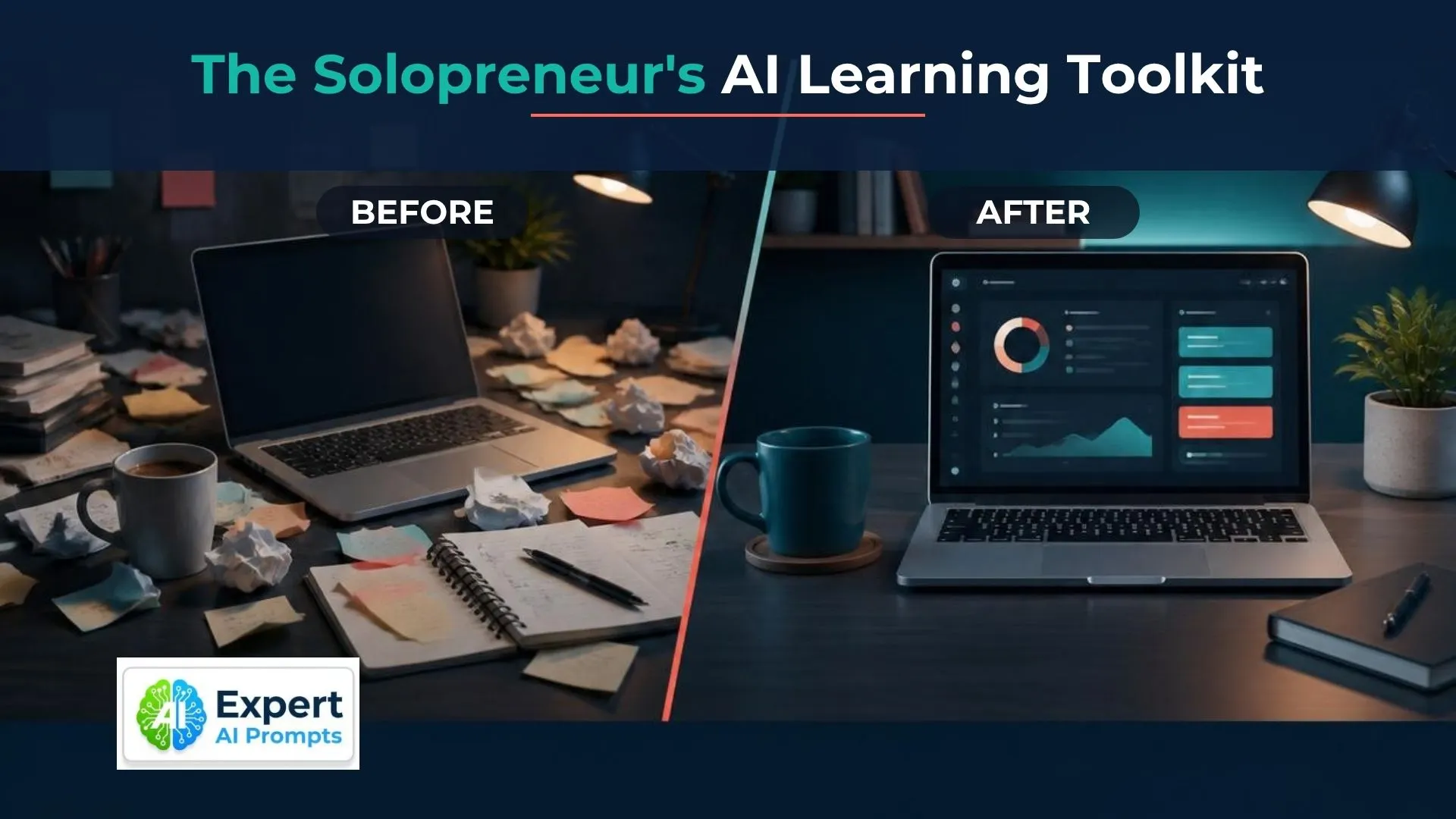
Here is the truth: You don’t lose the human touch by automating the grunt work. You lose the human touch when you are too exhausted to be present for your clients.
AI isn't here to replace you. It is here to be the high-level executive assistant you haven't hired yet. By utilizing specific, strategic AI prompts for coaches, you can clone your best thinking, streamline your workflow, and reclaim the time you need to scale.
Here is how to automate your coaching business while keeping it deeply personal.
Phase 1: The Client Acquisition Engine (Marketing Without Burnout)
Marketing is usually the first thing to slide when a coach gets busy. It’s also the only thing that ensures you have a business six months from now. The problem isn't that you don't know what to say; it's that structuring those thoughts into content takes hours you don't have.
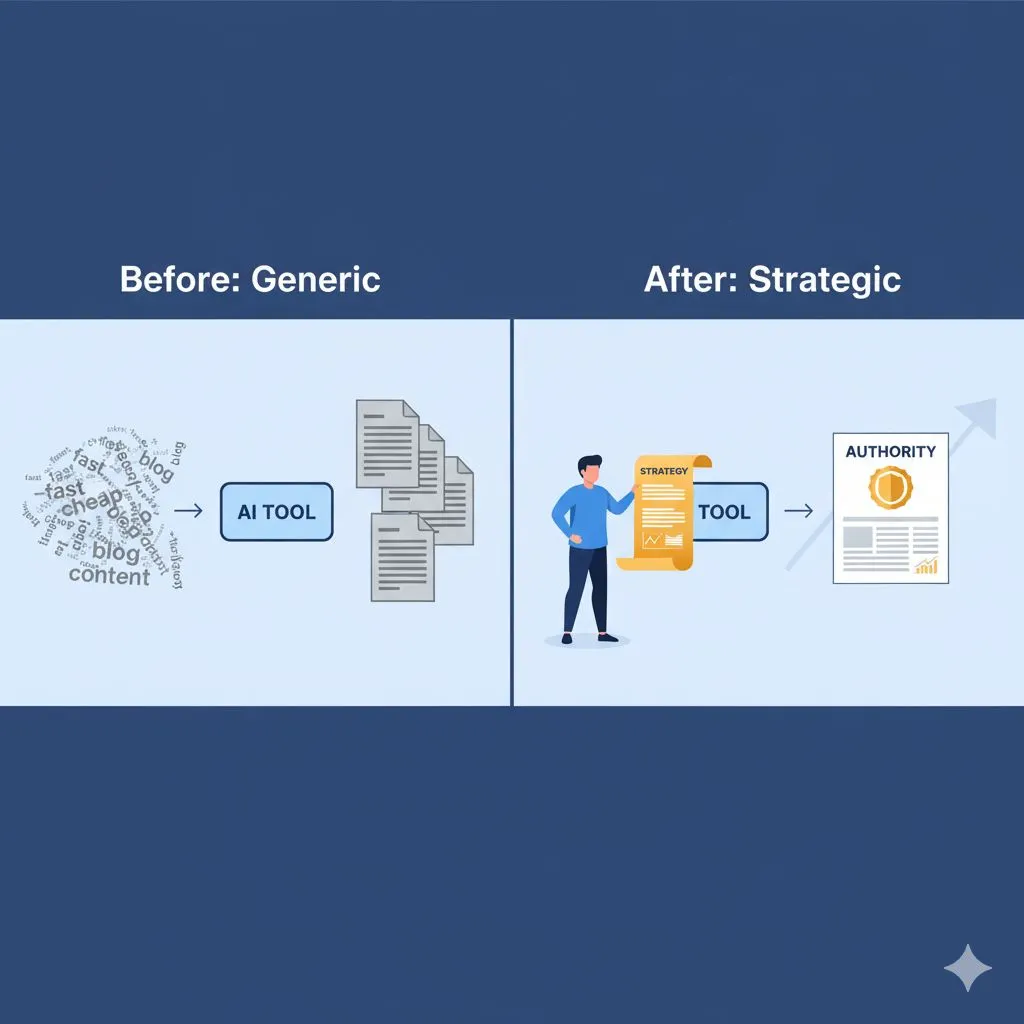
Many coaches try AI once, get a generic, robot-sounding blog post, and never touch it again. The issue isn't the technology; it's the input.
1. Content Ideation & Repurposing
Stop staring at a blank page. Your goal is to be a thought leader, not a typist. You can use AI to take one core concept—a breakthrough a client had this week, for example—and turn it into a week’s worth of content.
The Strategy:
Instead of asking AI to "write a post about leadership," give it your unique perspective and ask it to format it.
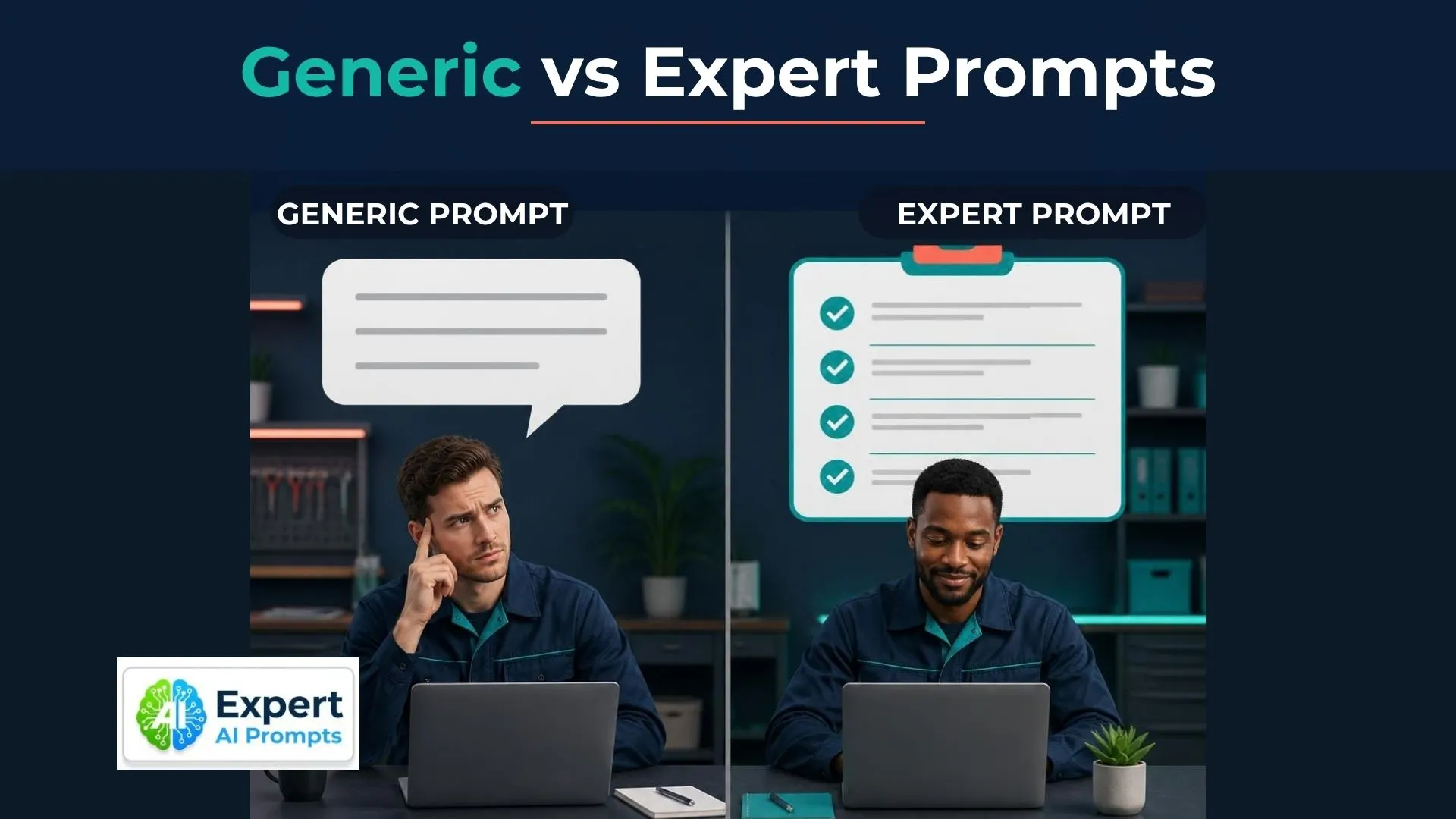
Bad Prompt: "Write a LinkedIn post about why CEOs need sleep."
Expert Prompt Strategy: "I am a leadership coach for high-performance executives. My unique stance is that 'hustle culture' is actually a lack of prioritization. Please act as a senior copywriter. Take this rough transcript of my thoughts and turn it into three distinct LinkedIn posts: one contrarian hook, one story-based post, and one actionable listicle. Maintain a professional but empathetic tone."
By feeding the AI your expertise, the output remains 100% you—just polished and formatted instantly. This allows you to maintain a consistent presence on social media without dedicating 10 hours a week to writing.
Our complete guide to AI content creation for small businesses walks you through a full content repurposing system, from a single idea to a full week of posts.
2. Drafting Empathetic Lead Magnets
To scale, you need to move people from "followers" to "email subscribers." Usually, this requires a Lead Magnet (a PDF guide, a checklist, a video script). Creating these from scratch is a massive bottleneck.
The Strategy:
Use AI to structure your existing knowledge into a consumable format.
If you have a recorded coaching call (anonymized) or a set of notes you use repeatedly, AI can transform that raw data into a structured guide.
- The Human Touch: You write the introduction and the conclusion to ensure the voice is yours.
- The Automation: AI writes the body copy, organizes the bullet points, and creates the action steps.
This moves you from "I need to write an ebook someday" to "My ebook is live and generating leads" in a single afternoon.
To jumpstart this process, download our free AI-powered 1-week content plan template — built specifically for busy solopreneurs who need a lead magnet live fast.
Phase 2: Onboarding & Admin—The "Unpaid" Work
If marketing is the engine, admin is the grease. Without it, the engine seizes up. But let’s be honest: no one pays a premium coaching fee because you are really good at sending calendar invites.
For the solo operator, the time between a client saying "yes" and the actual first session is often a chaotic scramble of manual emails, contract generation, and intake forms. This friction doesn't just stress you out; it creates "buyer's remorse" for the client. They want to feel held and guided from the moment they pay.
For a complete breakdown of how to structure this using AI, explore AI for coaches: streamline your content marketing and client onboarding.
Here is how ai prompts for coaches can turn a clunky onboarding process into a luxury experience.
3. The "Warm Welcome" Email Sequence
You want your new client to feel excited and prepared, but typing out individual emails for every new sign-up is a waste of your mental bandwidth.
The Strategy:
Create a dynamic welcome sequence that answers FAQs, sets boundaries, and builds hype—automatically.
The Expert Approach: Don't just ask for an email template. Feed the AI your "rules of engagement."
Prompt Concept: "Act as a client success manager for a boutique life coaching firm. Write a 3-email onboarding sequence for a new client named [Client Name].
- Email 1: Immediate confirmation, high energy, link to intake form.
- Email 2: (2 days later) What to expect in our first session, setting boundaries on communication (I respond within 24 hours), and how to prepare mentally.
- Email 3: (1 day before session) A quick hype message to get them excited.
- Tone: Warm, reassuring, professional, and clear."
Once generated, you can load these into your email marketing software. The result? Every client gets a consistent, high-touch experience, and you didn't have to type a single word.
4. Instant Intake Analysis & Session Prep
This is a game-changer for deeper coaching. You likely have an intake form asking about goals, struggles, and history. Reading these deeply takes time. Sometimes, you might miss a subtle pattern in their answers because you're rushing to prep for the call.
The Strategy:
Use AI as an objective analyst to review client data (ensuring you strip PII - Personally Identifiable Information first for privacy).
The Expert Prompt: "I am pasting the intake answers from a new business coaching client. Please analyze their responses for three things:
- Stated Goals: What they say they want.
- Implicit Blocks: What limiting beliefs seem to be hiding in their language?
- The Gap: Where is the biggest disconnect between their current reality and their goal?
Provide a summary and 3 provocative coaching questions I should ask in the first session to break the ice."
Why this works: It doesn't replace your intuition. It primes it. You walk into that first session already armed with deep insights, looking like a wizard who understands them better than they understand themselves. That is the definition of high-value coaching.
Phase 3: Enhancing Service Delivery (Better Coaching, Less Prep)
This is the sensitive part. This is where skeptics push back. "I can't use AI for the actual coaching! That's my job!"
And they are right—to an extent. AI cannot listen to a client cry. It cannot read body language on a Zoom call. It cannot feel the energy shift in the room.
However, AI can be the world's best research assistant and junior associate. It can help you brainstorm frameworks, metaphors, and exercises so you can show up to the session with a fully stocked toolkit. This allows you to focus on connection rather than scrambling for a solution.
5. Custom Framework Generation
High-ticket coaches don't just give advice; they provide frameworks. Clients love visual models and proprietary steps (e.g., "The 4-Step Clarity Method"). Creating these models from scratch requires significant creative energy.
The Strategy:
If you have a client struggling with a specific, messy problem, ask AI to structure a solution framework for you.
Prompt Concept: "My client is an overworked creative director struggling with delegation. She feels guilty when she hands off tasks. Create a 3-step proprietary framework I can teach her to move from 'Guilt' to 'Empowerment.' Give each step a catchy name (alliteration is good) and a specific action item for each."
The Result: AI might give you "The Pause, The Pass, The Praise" method.
- Pause: Identify the guilt trigger.
- Pass: Delegate with clear instructions.
- Praise: Celebrate the team member (shifting focus from yourself to them).
You take this, refine it with your expertise, and present it to the client. To see how this approach works at scale, read how a coaching business scaled its operations with AI-driven automated nurture. You look like a genius strategist, and the client gets a concrete tool they can remember.
6. Roleplay Scenarios for Client Breakthroughs
Clients often struggle to prepare for difficult conversations (asking for a raise, firing an employee, setting boundaries with a spouse). Roleplaying is a powerful coaching tool, but sometimes it’s hard to come up with realistic objections on the fly.
The Strategy:
Use AI to generate the "opponent's" script.
Prompt Concept: "My client needs to fire a toxic but high-performing salesperson. Please generate a list of 5 potential objections or manipulative responses this salesperson might use during the conversation. Then, provide a suggested 'Coach's Response' for each that keeps the boundary firm but professional."
You can use this list during your session to practice with your client. "Okay, Alex, what if he says this? How would you respond?" You are now facilitating a high-level training simulation with zero prep time.
7. Summarizing Complex Notes into Action Plans
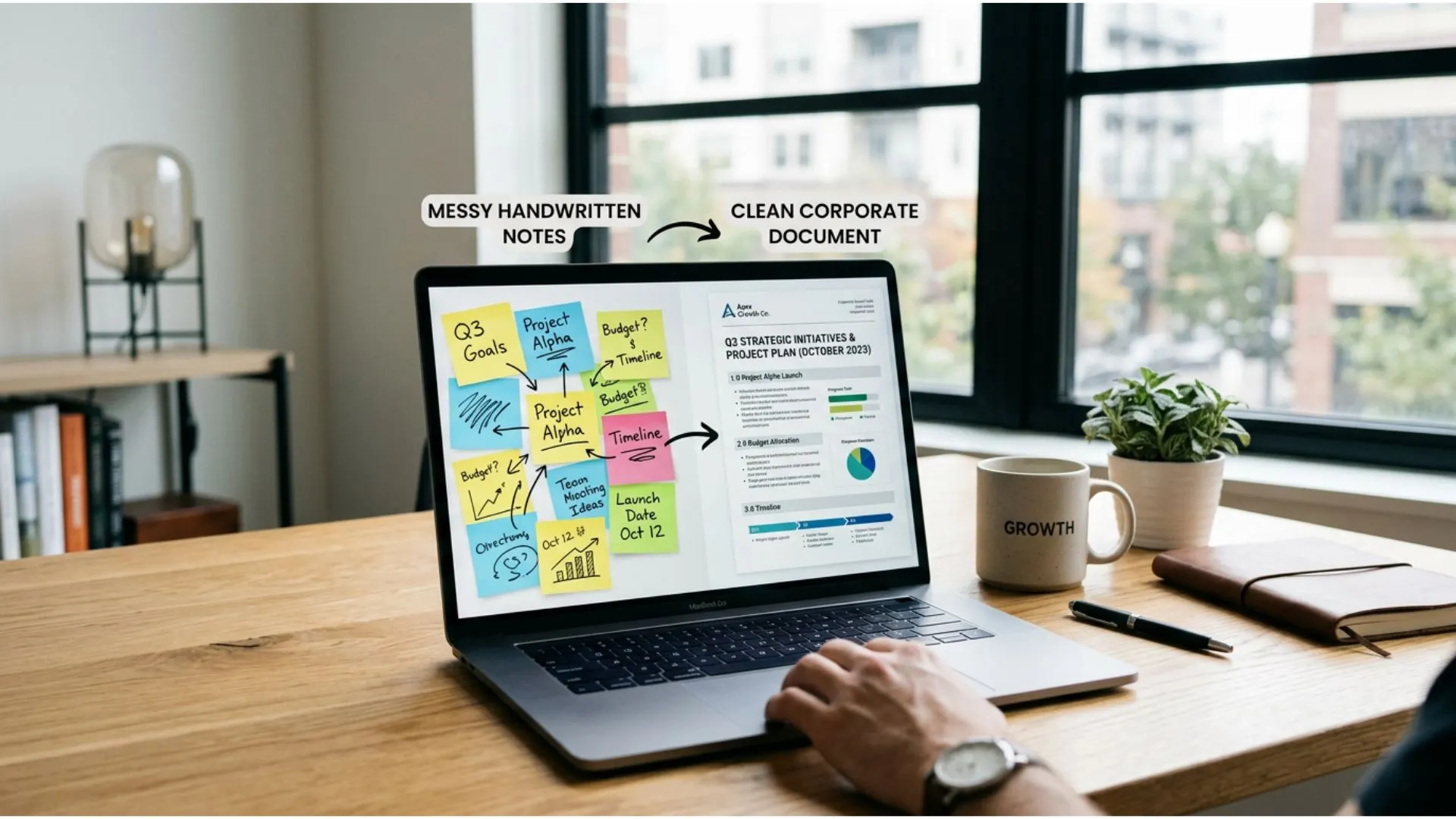
After a 60-minute breakthrough session, you might have pages of messy notes. Turning those into a clean "Session Recap" for the client is valuable but tedious.
The Strategy:
Transcribe your notes (or use a voice-to-text tool) and feed them to the AI.
Prompt Concept: "Here are my rough notes from a coaching session. Please summarize them into:
- Key Insight: The one big 'aha' moment.
- The Shift: What belief changed.
- Homework: The 3 specific actions the client agreed to take by next week.
Format this as an encouraging email addressed to the client."
This ensures the client leaves the session with clarity, increasing the likelihood they actually do the work (and get the results).
Phase 4: Post-Session & Client Retention (The Growth Lever)
The most profitable client is the one you keep. Retention relies on the client feeling supported between sessions. However, for an overworked business owner, the "checking in" emails are often the first thing to drop when the calendar gets full.
When you stop checking in, clients feel forgotten. When they feel forgotten, they churn. Using ai prompts for coaches to handle retention ensures no client falls through the cracks.
8. The "Perfect Recap" Note & Accountability Check-In
We mentioned summarizing notes in the previous section, but what about the mid-week nudge? The "Just thinking of you" message?
The Strategy:
Batch-create accountability templates that feel personal.
Prompt Concept: "Generate 5 variations of a short, punchy accountability email for a business coaching client. The tone should be 'firm but encouraging.' The context is checking in on a specific deadline they set for Wednesday. Include placeholders for [Project Name] and [Specific Obstacle]."
You can keep these templates in your drafts folder. On Wednesday morning, you spend 5 minutes filling in the blanks and hitting send. Your clients feel seen and held accountable, boosting their results and your retention rates.
9. Transforming Success Stories into Case Studies
To grow, you need social proof. But asking for a testimonial is awkward, and writing a case study takes hours.
The Strategy:
When a client sends you a "win" via email or Slack (e.g., "I finally raised my prices!"), don't just say congrats. Feed that win into AI.
The Expert Prompt: "My client just achieved [Result: Raised prices by 20%]. Here is the brief background of where they started: [Context: Scared to lose clients, overworked]. Please write a mini-case study for my website titled 'How [Name] Stopped Undercharging.' Use the 'Problem-Agitation-Solution-Result' framework. Keep it under 300 words."
For a real-world example of this in action, read our high-ticket coaching business AI case study and see exactly how one coach turned client wins into revenue-generating social proof.
Now you have a piece of marketing collateral that proves your ROI, created in seconds while the win is still fresh.
Conclusion: From Operator to Strategist
The difference between a stressed solopreneur and a scalable business owner isn't magic—it's systems.
Alex, if you are feeling overextended, it’s not because you aren't working hard enough. It's because you are trying to do a ten-person job with one pair of hands.
By integrating strategic AI prompts into your workflow, you aren't "cheating." You are building a digital infrastructure that supports your brilliance.
- You automate the drafting so you can focus on the message.
- You automate the admin so you can focus on the client.
- You automate the process so you can focus on the person.
That is how you scale. That is how you compete with the big agencies without losing your soul.
Start today — visit our free AI resources hub for coaches and solopreneurs and grab tools you can use in your next session, no commitment required.
You have the expertise. Now, give yourself the tools to actually use it.
Ready to go all-in? Browse all 30 industry-specific prompt packs and pricing and choose the pack that fits your coaching business.
Ready to reclaim your time?
Stop guessing what to ask ChatGPT. We have done the heavy lifting for you.
We have curated 50 expert-level prompts specifically designed for life and business coaches. From generating viral content hooks to structuring deep-dive coaching frameworks, this pack is your new digital operations manager.
Get the Expert AI Prompts for Life & Business Coaches Pack Here
Stop hustling. Start scaling.
Further Reading
• AI for Coaches: Streamline Your Content Marketing
• How a Coaching Business Scaled with Automated AI Nurture — Case Study
• Entrepreneurs' Playbook for Prompt Engineering
• Coaches: Stop Trading Time for Money — AI Strategy Guide