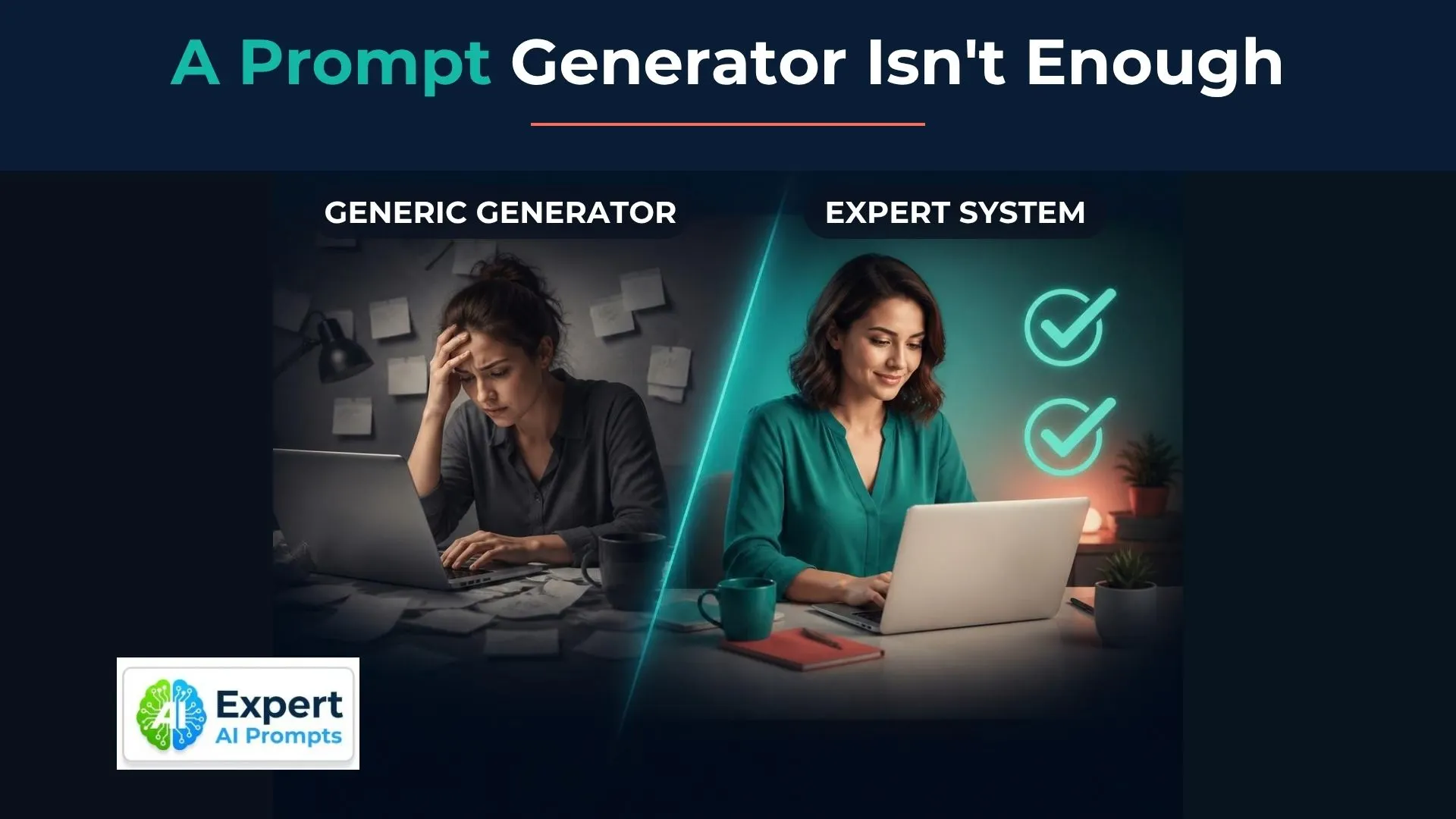
Coaches: Stop Trading Time for Money
Coaches: Stop Trading Time for Money
Feb 01, 2026

You became a coach because you have a gift. You have a unique ability to see potential in others, untangle complex problems, and guide people toward transformation. Whether you are a business strategist, a life coach, or a wellness consultant, your core value lies in that human connection.
But if you are like most ambitious coaches, you’ve discovered a harsh reality: The business of coaching is often the enemy of the act of coaching.
Meet the "Success Paradox." You get good at what you do, so you get more referrals. You take on more clients. Suddenly, you aren't just a coach; you are a scheduler, a copywriter, a billing department, a content creator, and a tech troubleshooter. Your calendar is a wall of colored blocks, and your "freedom" business has become a golden pair of handcuffs.
You are trading time for money. And no matter how high you raise your rates, that model has a ceiling. You only have so many hours in the day.
For the overworked solopreneur or the agency owner wearing too many hats, the solution isn't "work harder." You are already working hard. The solution is leverage. And in 2024, the most accessible, scalable form of leverage is AI for coaching. This AI for coaching guide for solopreneurs covers the complete framework for building leverage into your business.
This isn't about having a robot run your sessions. It’s about building a digital infrastructure that handles the 80% of tasks that don't require your soul, so you can pour 100% of your energy into the 20% that do.
If managing this invisible workload feels familiar, discover how solopreneurs use AI to compete with larger teams — and start closing the gap.
The "Time-for-Money" Trap
Let’s look at the math. If you charge $250 an hour and you want to earn $250,000 a year, you need to bill 1,000 hours. That is roughly 20 hours of pure client-facing time every single week, for 50 weeks a year.
On paper, that sounds manageable. In reality, it is a recipe for burnout.
Why? Because for every paid hour of coaching, there are typically two hours of unpaid "invisible work."
- The Marketing Grind: Writing LinkedIn posts, newsletters, and emails to keep the pipeline full.
- The Admin Abyss: Onboarding emails, scheduling, invoicing, and contract management.
- The Intellectual Load: Session preparation, reviewing notes, and creating resources for clients.
If you are scaling a small team or operating solo, this invisible workload is the bottleneck. It prevents you from thinking strategically. You stop working on your business because you are drowning in it.
The Opportunity Cost
The real cost of the time-for-money trap isn't just exhaustion; it's lost growth. Every hour you spend staring at a blank screen trying to write a "viral" LinkedIn hook is an hour you aren't spending developing a group program, writing your book, or forging strategic partnerships.
You are stuck in "Operator Mode"—keeping the lights on and the clients happy. But to scale, you need to move into "Owner Mode." The entrepreneurs' playbook for prompt engineering maps out exactly how to make that shift. You need systems that run without your direct, real-time involvement.
This is where skepticism usually kicks in. You might be thinking, "I’ve tried tools before. They’re complicated, the output sounds robotic, and I spend more time fixing the result than if I just did it myself."
That is a valid fear. But the landscape has changed. The issue isn't usually the AI; it's the lack of a strategic framework for using it.
Reframing AI: It’s Not a Replacement, It’s a Multiplier
The biggest objection most coaches have regarding AI for coaching is the fear of losing authenticity. Coaching is an intimate, high-trust industry. Your clients buy you—your voice, your empathy, your experience. The idea of outsourcing that to a machine feels counterintuitive, perhaps even unethical.
However, this perspective assumes AI is there to replace the coach. It isn't.
Think of AI not as a replacement, but as a Junior Partner.
Imagine you hired a highly efficient, incredibly well-read executive assistant who works 24/7, never complains, and costs pennies per day. You wouldn't ask this assistant to lead your high-stakes client calls. But you would ask them to:
- Draft the follow-up email summarizing the call.
- Research industry trends for your next workshop.
- Brainstorm 50 titles for your next webinar.
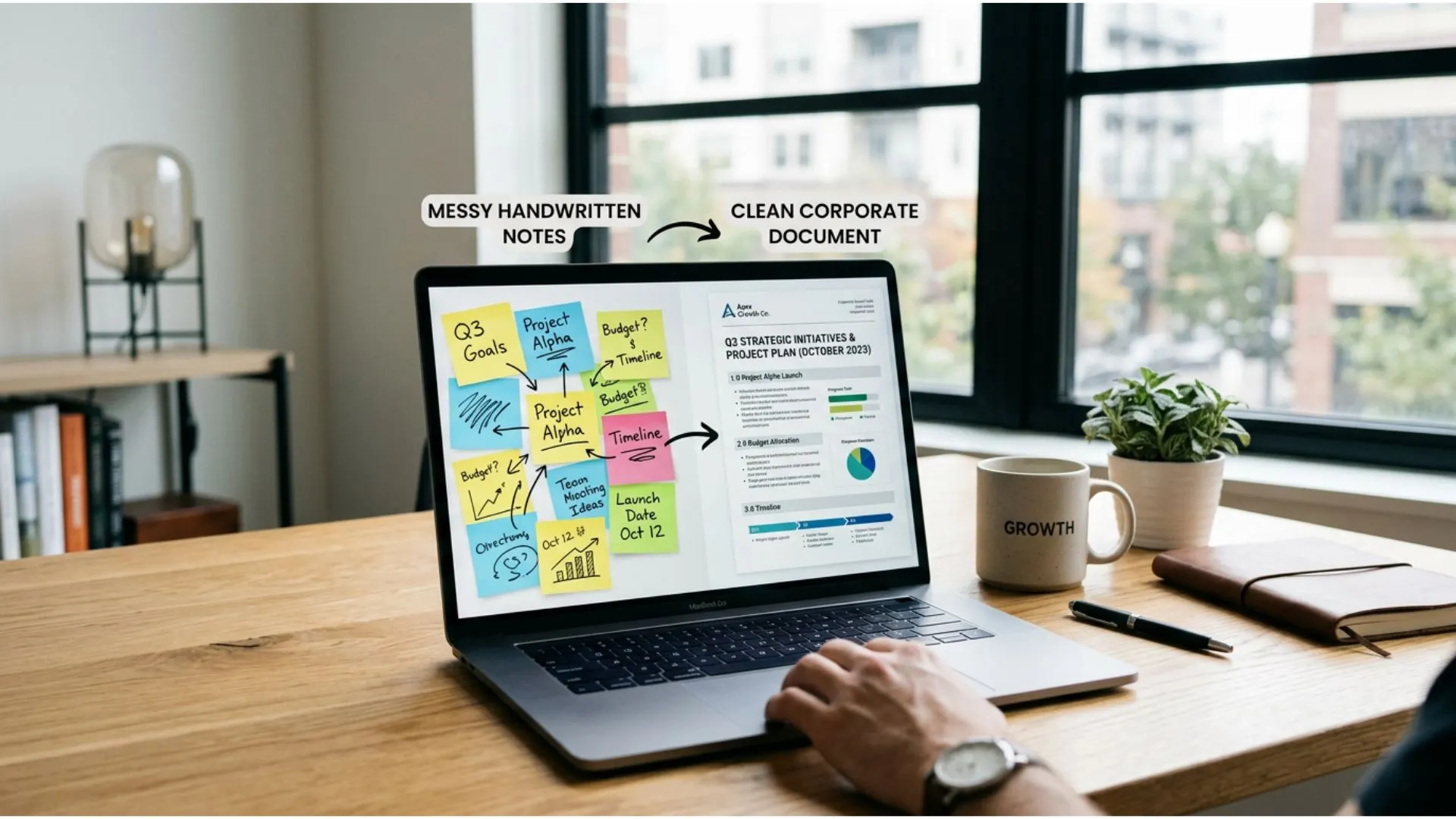
- Review your messy notes and organize them into a structured action plan.
This is how successful entrepreneurs are utilizing AI. They aren't abdicating their authority; they are amplifying it.
The Quality Control Filter
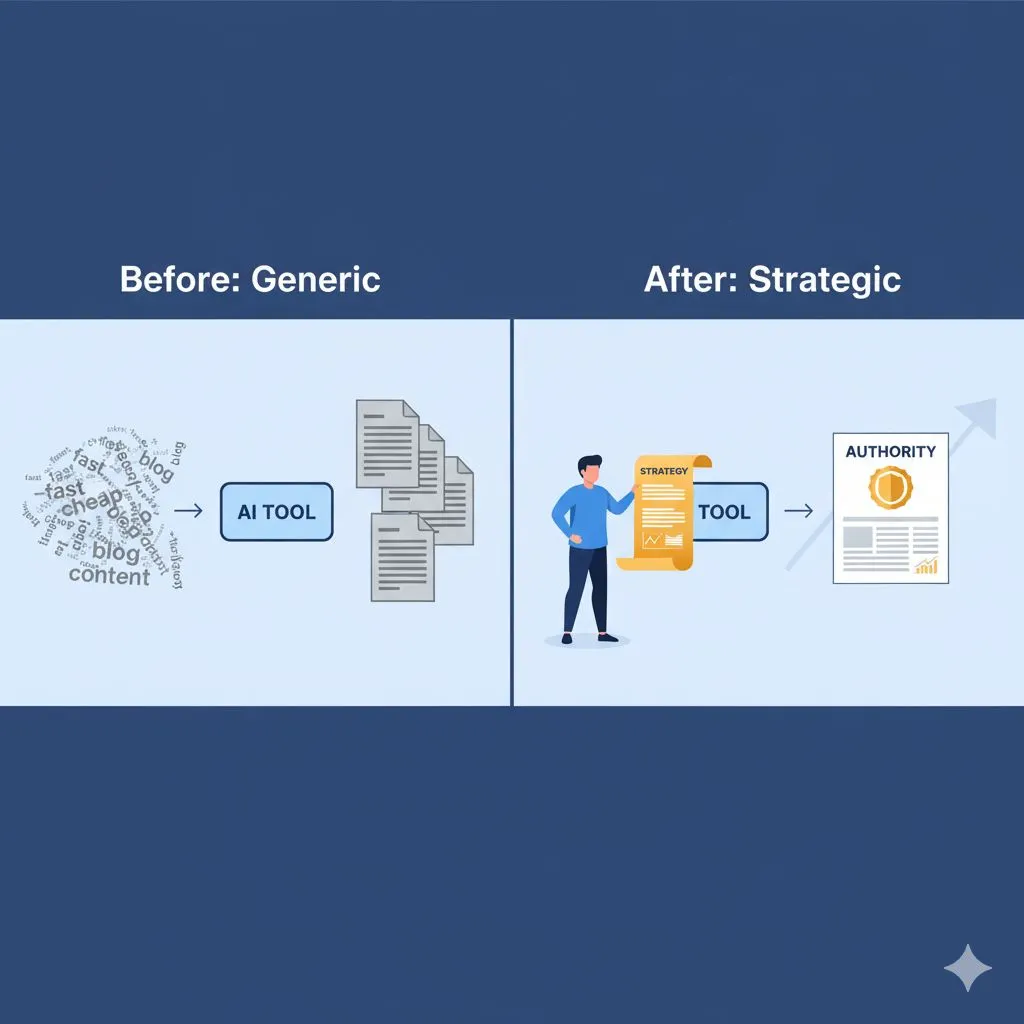
The key to making this work—and avoiding the dreaded "robotic" tone—lies in the inputs. Generic prompts yield generic results — that's the core insight behind generic vs. strategic AI prompts and why input quality determines output quality. If you ask ChatGPT to "write a post about leadership," you will get fluff.
But if you provide a structured, industry-specific prompt that includes your unique methodology, your tone of voice, and the specific pain points of your avatar, the AI transforms. It becomes a mirror of your expertise, reflecting your best thinking back to you in a fraction of the time.
This allows you to maintain quality while increasing volume. You become the Editor-in-Chief of your brand, rather than the exhausted writer churning out copy at midnight.
Four Strategic Pillars of AI for Coaching
To move from "Time for Money" to a scalable model, you need to apply AI across four distinct pillars of your business.
Pillar 1: Content & Authority
Consistency builds trust, but consistency is exhausting. This is the number one reason coaches fail to scale their marketing.
With the right AI strategy, you can turn one core idea—perhaps a thought you had during a client session—into a month’s worth of content in minutes.
- The Workflow: You feed an AI tool a rough transcript of a voice note where you explain a concept.
- The Output: The AI generates a long-form blog post, five LinkedIn posts with different hooks (contrarian, story-driven, listicle), a newsletter script, and three scripts for Instagram Reels.
- The Result: You dominate your niche’s feed without spending your day on social media. You appear ubiquitous, building authority while you sleep.
For the full strategic framework, the AI content creation playbook for small business goes deep on turning one idea into a full content system.
Pillar 2: Client Acquisition & Funnels
How many potential clients slip through the cracks because you didn't have time to nurture them?
AI can act as your business development representative. By using AI to draft nurture sequences, lead magnets, and landing page copy, you ensure that every lead is "warmed up" before they ever get on a call with you.
- Scenario: A prospect downloads your free guide. Instead of a generic "thank you," AI can help you craft a dynamic 5-day email sequence that addresses their specific objections (which you fed into the prompt).
- The Impact: By the time you get on the discovery call, the prospect is already educated on your methodology and sold on your value. You spend less time selling and more time closing.
Ready-to-use AI prompts for life and business coaches can help you build this nurture infrastructure without starting from scratch.
Pillar 3: Session Prep & Analysis
This is the hidden gem of AI for coaching. The "heavy lifting" of coaching often happens between sessions—reviewing notes, remembering context from three weeks ago, and spotting patterns in client behavior.
AI can dramatically reduce this cognitive load.
- Pattern Recognition: By safely and anonymously inputting session notes (stripping PII for privacy), you can ask AI to identify recurring themes or limiting beliefs the client has mentioned over the last three months. It might spot connections you missed in the heat of the moment.
- Resource Generation: If a client is struggling with time management, you can generate a customized "Weekly Planner Worksheet" or a "Morning Routine Checklist" tailored specifically to their stated goals—in seconds.
- The Value Add: You stop sending generic PDFs and start sending hyper-personalized tools. Your perceived value skyrockets because you are providing bespoke solutions instantly.
See how one coaching business scaled with AI-automated nurture — a real-world example of these pillars in action.
Pillar 4: Productization
This is the ultimate escape from the hourly trap. To scale, you must decouple your revenue from your time. You need products: courses, eBooks, paid newsletters, or group program curriculums.
Creating a course usually takes months. With AI, it takes days.
- Curriculum Design: You can input your unique framework and ask AI to structure it into a 6-week module plan, including learning objectives, homework assignments, and slide outlines for every lesson.
- Asset Creation: It can write the quizzes, the workbook exercises, and the video scripts.
- Scale: Once built, this product sells infinitely. You build it once, and it pays you forever. AI bridges the gap between "I have an idea for a course" and "The course is live and selling."
The AI prompt toolkit for course creators gives you the exact prompts to build, structure, and launch that course.
The "Hybrid" Model: High-Tech Backend, High-Touch Frontend
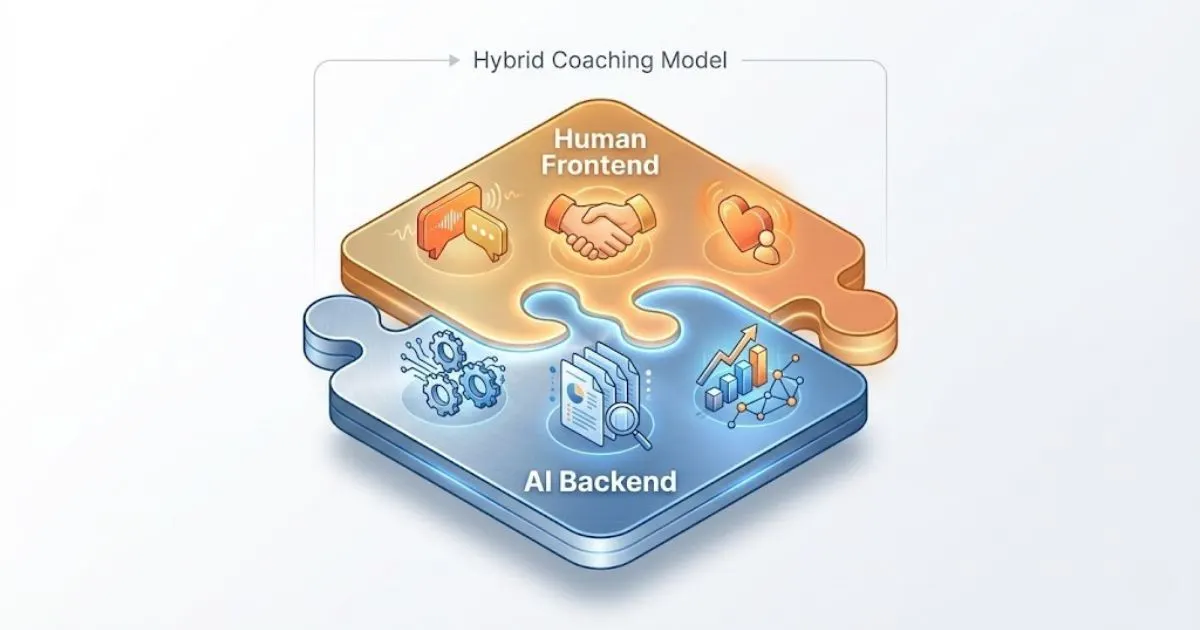
Implementing these pillars creates a "Hybrid Model." This is the future of the coaching industry. If you want to see what AI-driven marketing automation done right looks like, this resource walks through the correct implementation sequence.
In the Hybrid Model, the boundary is clear: AI handles the process; Humans handle the person.
The backend of your business—the scheduling, the content drafting, the data analysis, the curriculum structure—is high-tech and automated. This efficiency buys you the bandwidth to be incredibly high-touch on the frontend.
A Day in the Life of a Hybrid Coach
Consider the difference in daily workflow:
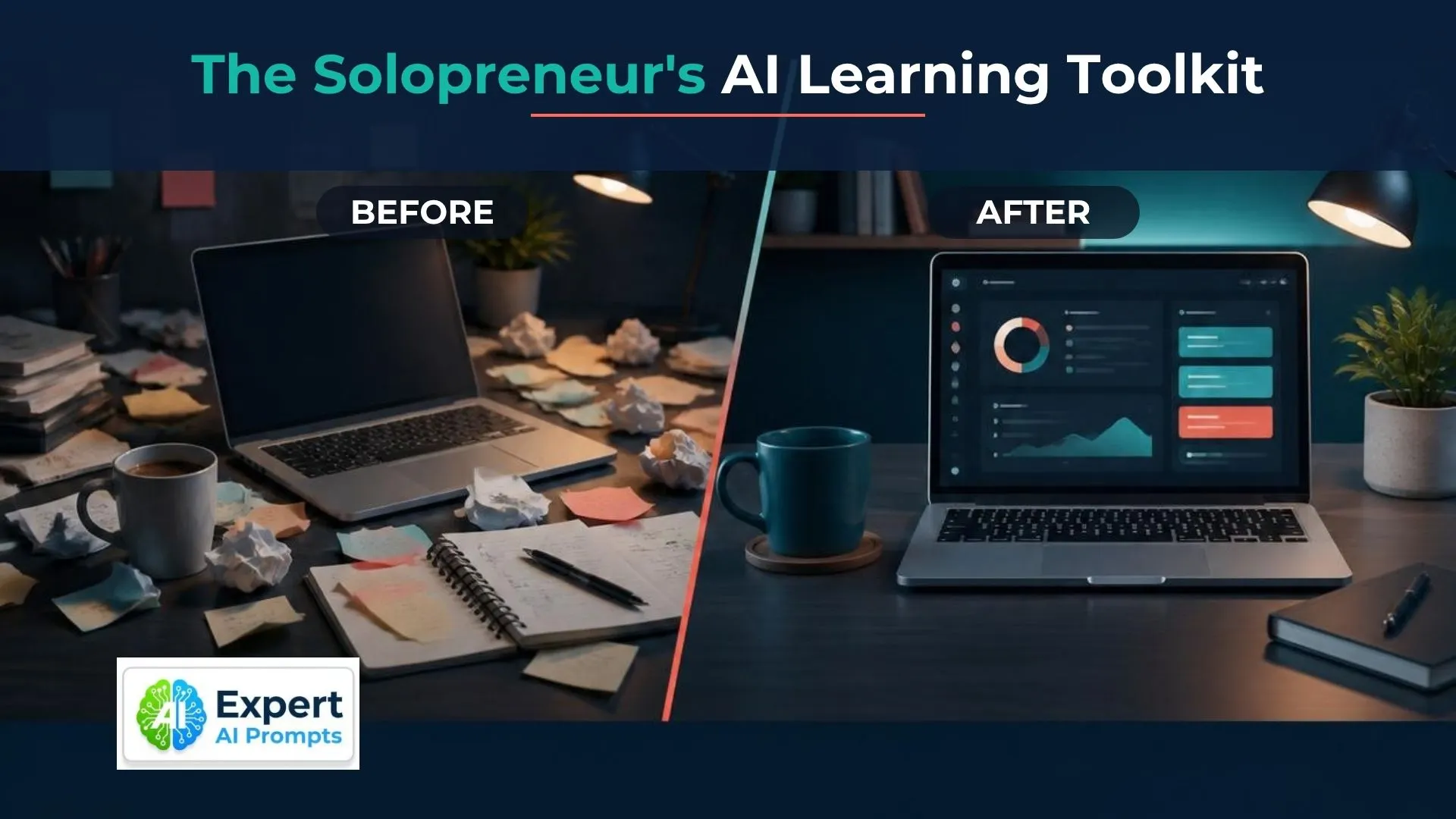
The Traditional Coach (Alex Rivers today):
- 9:00 AM: Panic writes a LinkedIn post.
- 10:00 AM: Client call.
- 11:00 AM: Spends hour typing up notes and finding a worksheet to send.
- 12:00 PM: Responds to random emails; chases unpaid invoices manually.
- 2:00 PM: Discovery call with a cold lead who doesn't know the pricing. Wasted time.
- 5:00 PM: Exhausted, realizes no strategic work was done.
The Hybrid Coach (Alex Rivers with Expert AI Prompts):
- 9:00 AM: Reviews and approves 5 social posts generated by AI last week.
- 10:00 AM: Client call.
- 11:00 AM: Uses AI to instantly summarize notes and generate a bespoke action plan. Sent in 5 minutes.
- 12:00 PM: Reviews sales from the digital course (passive income).
- 2:00 PM: Discovery call with a lead who has already consumed the AI-written nurture sequence and is ready to buy.
- 5:00 PM: Finishes early to spend time with family, knowing the business is growing.
This isn't fantasy. This is simply the difference between working manually and working strategically. By being transparent with your clients—letting them know you use cutting-edge tools to serve them better and provide more resources—you actually build trust. You show them that you are innovative and respect efficiency.
Want to put numbers to this shift? Calculate your AI ROI as a coach or solopreneur and see the exact time and revenue impact of making the switch.
Conclusion: The Shift from Operator to Owner
The coaching industry is becoming crowded. The barrier to entry is low, but the barrier to success is getting higher. The coaches who win in the next decade won't necessarily be the ones who work the hardest. They will be the ones who build the best systems.
For someone like you—ambitious, resourceful, but overextended—the choice is stark. You can continue to be the bottleneck in your own business, capping your income at the number of hours you can physically stay awake. Or, you can embrace the leverage that AI for coaching offers.
Moving from Operator to Owner requires a shift in identity. The Mindset Mastery AI Prompts for Coaches pack is built specifically for this identity shift — moving from reactive operator to strategic owner. It requires you to stop viewing yourself as a "provider of sessions" and start viewing yourself as the CEO of a coaching company. A CEO demands efficiency. A CEO demands ROI. A CEO refuses to do work that a machine could do faster and cheaper.
You have the expertise. You have the drive. The only missing piece is the toolkit that bridges the gap between your current overwhelm and your potential scale.
You don't need to learn to code. You don't need to hire a $10,000/month agency. You just need the right instructions—the right prompts—to unlock the power of the technology that is already at your fingertips. Curious what makes Expert AI Prompts different from generic AI alternatives? This comparison breaks it down clearly.
Stop trading time for money. Start trading strategy for scale.
Ready to Upgrade Your Workflow?
You don't have to figure out the perfect prompts by trial and error. We have done the heavy lifting for you.
Imagine having a library of expert-level strategies ready to deploy instantly—prompts that write your marketing, organize your client delivery, and structure your new digital products.
Get the toolkit that transforms your business.
Not sure where to start? Access free AI resources and prompt starters for coaches — zero cost, instant access.
Unlock Your Expert AI Prompts for Coaches Here
Already ready to go all-in? See the full Expert AI Prompts pricing catalog — all 30 industry packs, one-time pricing.