Using AI to Predict Your Next Best Seller
Using AI to Predict Your Next Best Seller
Feb 03, 2026

The Problem with Guessing
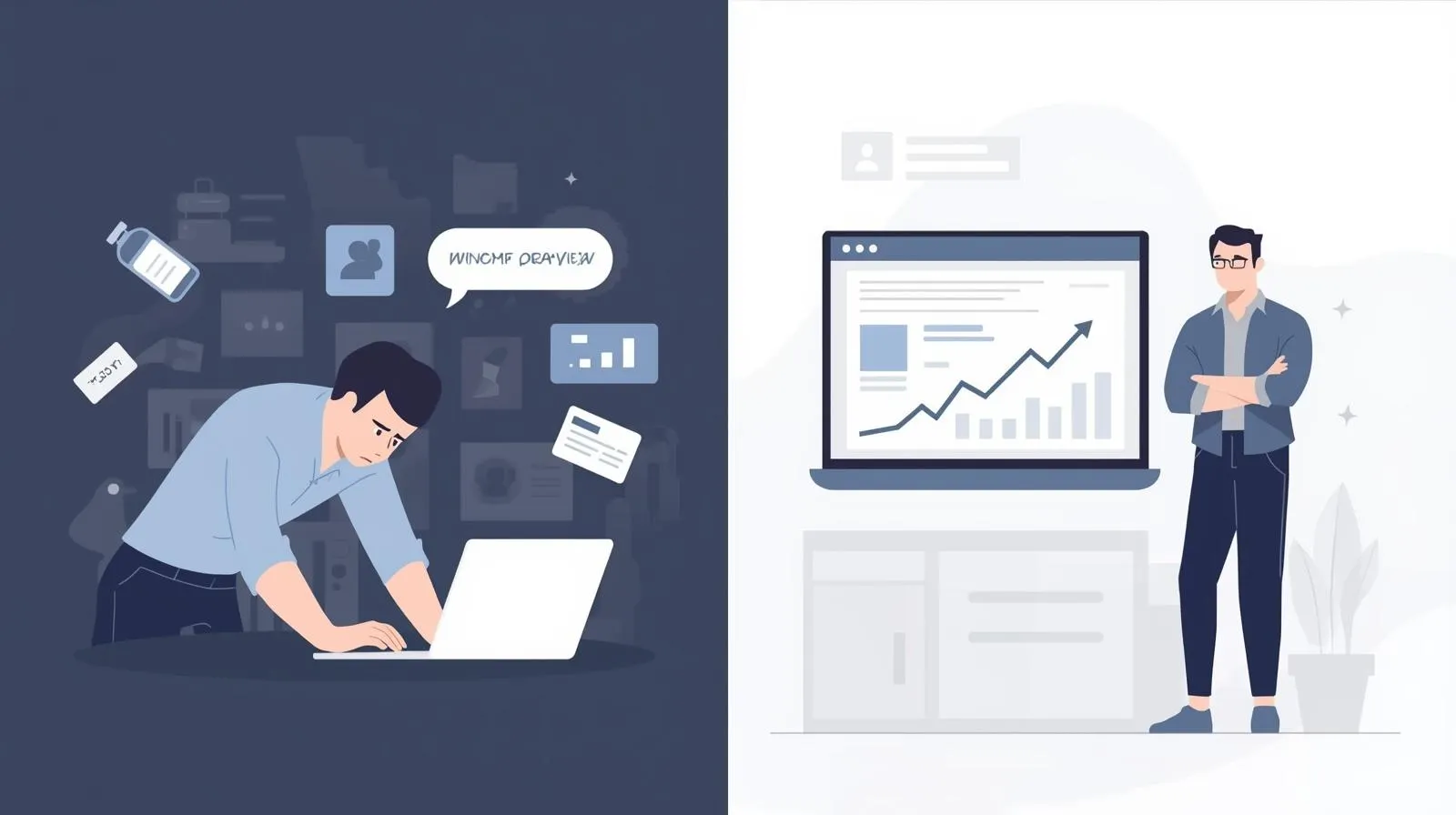
There is a specific kind of heartbreak known only to entrepreneurs. It happens at 8:00 AM on launch day. You have spent the last three months pouring your energy, resources, and late nights into a new product—a digital course, a new consulting package, or an e-book. You were certain this was "the one." You hit publish. You send the email. And then... nothing.
Just a few polite likes from friends and total silence from your bank account.
For small business owners and solopreneurs, this isn’t just disappointing; it’s expensive. When you are wearing every hat in your business—from CEO to customer support—time is your most finite resource. You cannot afford to spend 100 hours building a solution to a problem that nobody is willing to pay to fix.
In the past, avoiding this scenario required expensive market research firms, focus groups, or simply "trusting your gut" and hoping for the best. But today, the landscape has changed. With the rise of Artificial Intelligence, you now have access to the same strategic superpower that Amazon and Netflix have been using for years: predictive analytics.
But don’t let the technical jargon scare you off. You don’t need to be a data scientist or a coder to use it. You just need to know how to ask the right questions.
The High Cost of Guesswork
Let’s be honest about the current state of small business operations. Most entrepreneurs operate on a cycle of "Guess, Build, Pray." You see a competitor launch a successful coaching program, so you assume there is room for one more. You see a trending topic on LinkedIn, so you rush to write an e-book about it.
This is reactive business, and it is the fastest way to burnout.
When you rely on guesswork, you are gambling with your operational capacity. Every hour you spend creating a product that doesn't sell is an hour you took away from client delivery, business development, or your personal life. For a team of 2–10 people, a failed launch creates a bottleneck that can stall growth for quarters. For actionable strategies to break the build-and-guess cycle, the ultimate guide to AI for small business covers the full solopreneur framework for scaling smarter.
Larger corporations don’t guess. They use data to determine probability. They know exactly what their customers are likely to buy, when they will buy it, and how much they will pay, often before the product even exists.
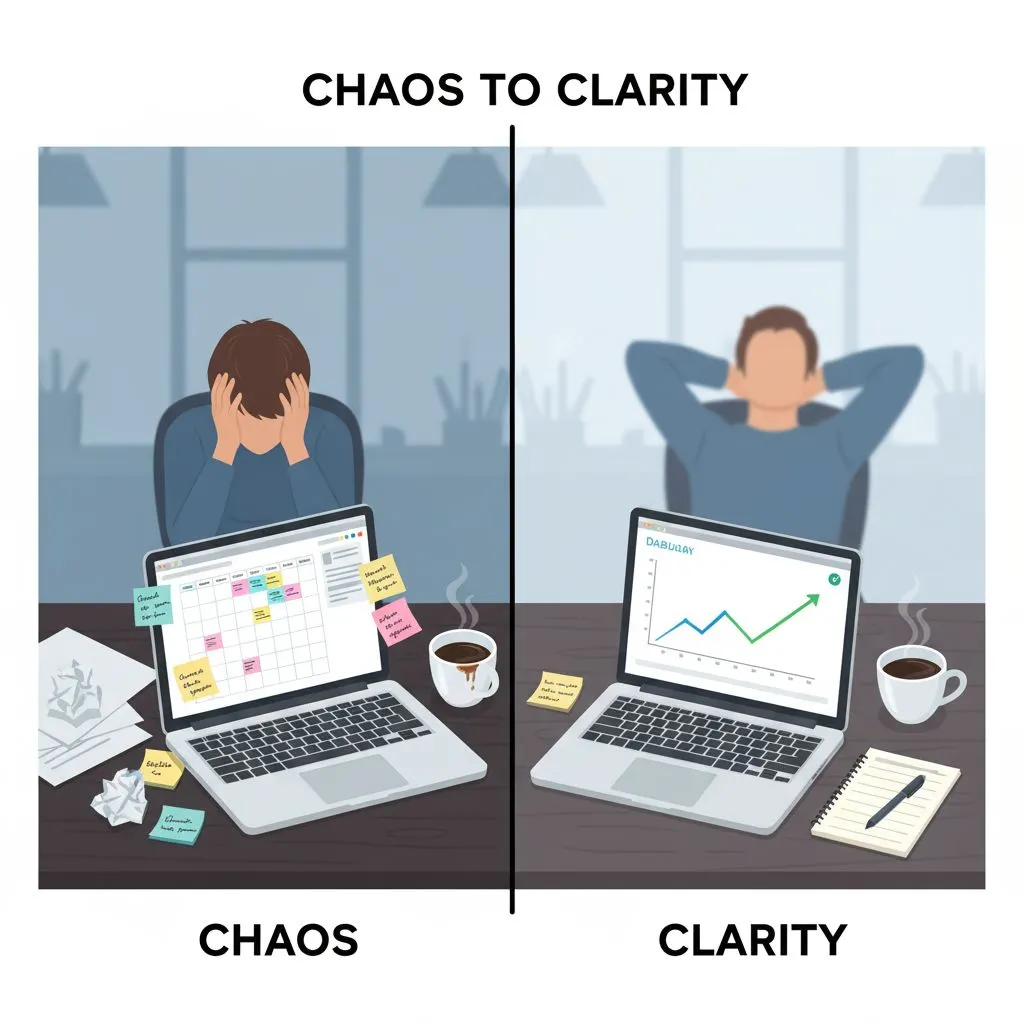
This is where predictive analytics enters the chat. It is the difference between throwing spaghetti at the wall to see what sticks, and using a laser to hit a target you can clearly see. For the ambitious entrepreneur who wants to compete with the big players without the big budget, AI is the equalizer. It allows you to validate your ideas instantly, reducing the risk of failure and ensuring that your "next big thing" is actually something the market is craving.
What is Predictive Analytics (In Plain English)?
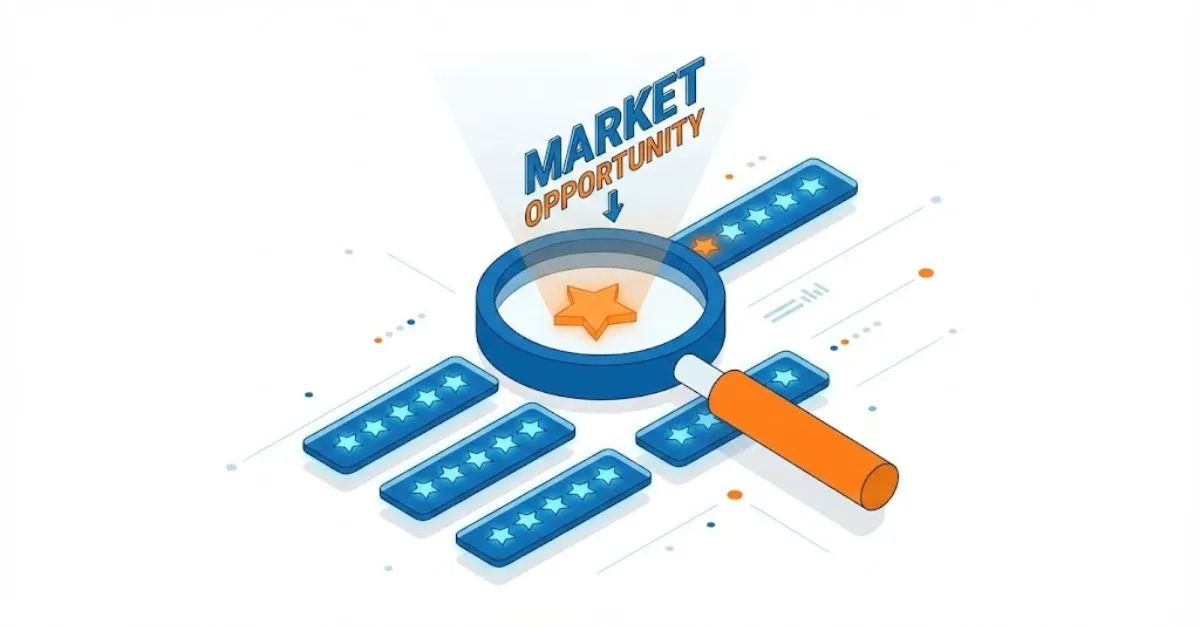
If you search for "predictive analytics," you will likely be bombarded with charts, Python code, and complex statistical models. Ignore all of that. For a business owner like you, predictive analytics is simply this: Using patterns from the past to determine the probability of the future.
Think of it like a weather forecast for your business. Meteorologists don't use crystal balls; they look at historical data (pressure systems, temperature trends) to tell you if it’s going to rain. AI allows you to do the same for your sales. It analyzes vast amounts of data—customer reviews, search trends, social media sentiment, competitor gaps—to tell you if your product idea is likely to "rain" revenue or dry up.
Specifically, AI helps you answer three critical questions before you write a single line of code or draft a single chapter:
- Demand Forecasting: Is the market interest growing or shrinking?
- Sentiment Analysis: Are people frustrated with current solutions? (Frustration = Profit Potential).
- Price Sensitivity: What is the psychological ceiling your audience is willing to pay?
Step-by-Step: Using AI to Predict Success
You might be thinking, "I don't have historical data. I'm a small business." The beauty of modern AI (like Gemini, ChatGPT, Claude, or specialized tools) is that you don't need your own internal big data. You can leverage the AI's training data on the open market.
Here is a practical, three-step framework to predict your next best seller using AI prompts.
Step 1: The Competitor Gap Analysis
Most products fail because they are just "better" versions of something that already exists. To create a best seller, you don't need to be better; you need to be different in a way that matters.
AI can analyze the "negative space" in your industry. By feeding an AI tool the reviews, sales pages, or course outlines of your top 3 competitors, you can ask it to identify the gaps.
- What are customers complaining about?
- What specific questions are left unanswered?
- Where is the "value drift" (where the price is high but satisfaction is low)?
Instead of guessing what your audience needs, the AI predicts that a product solving specifically those complaints has a high probability of success. It turns the complaints of your competitors' customers into your roadmap for a best seller.
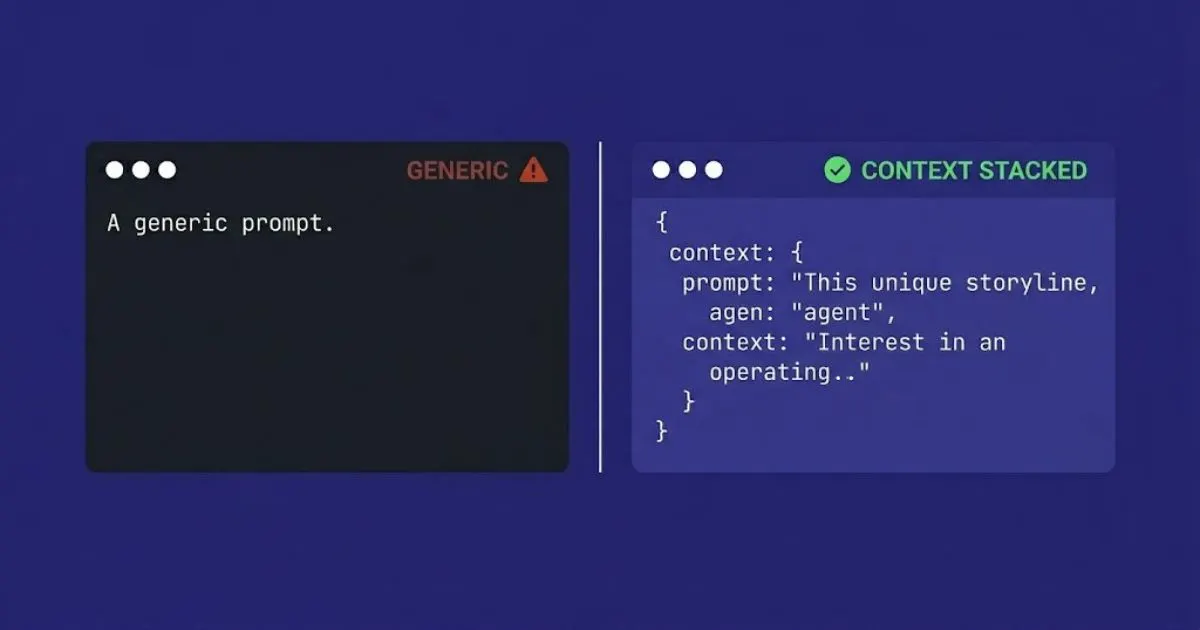
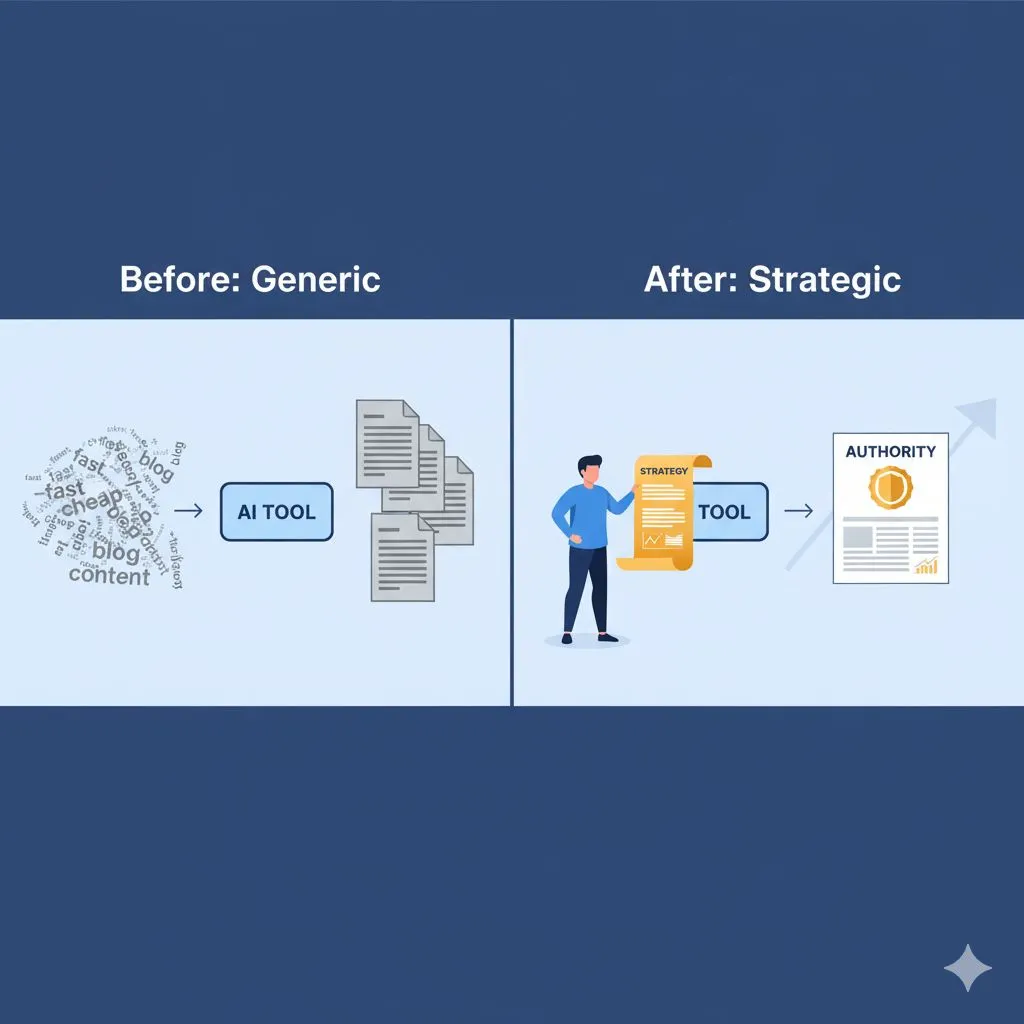
To see how structured prompts outperform generic AI tools in competitive intelligence, explore the Expert AI Prompts comparison hub.
Step 2: Sentiment Simulation
This is where AI feels almost like magic. Once you have a product idea, you can use AI to simulate your ideal customer persona—let's call him "Skeptical Steve." You can upload your product promise or outline and ask the AI (acting as Steve) to roast it.
- Why wouldn't Steve buy this?
- What objections would he raise immediately?
- Does the promise feel credible to him?
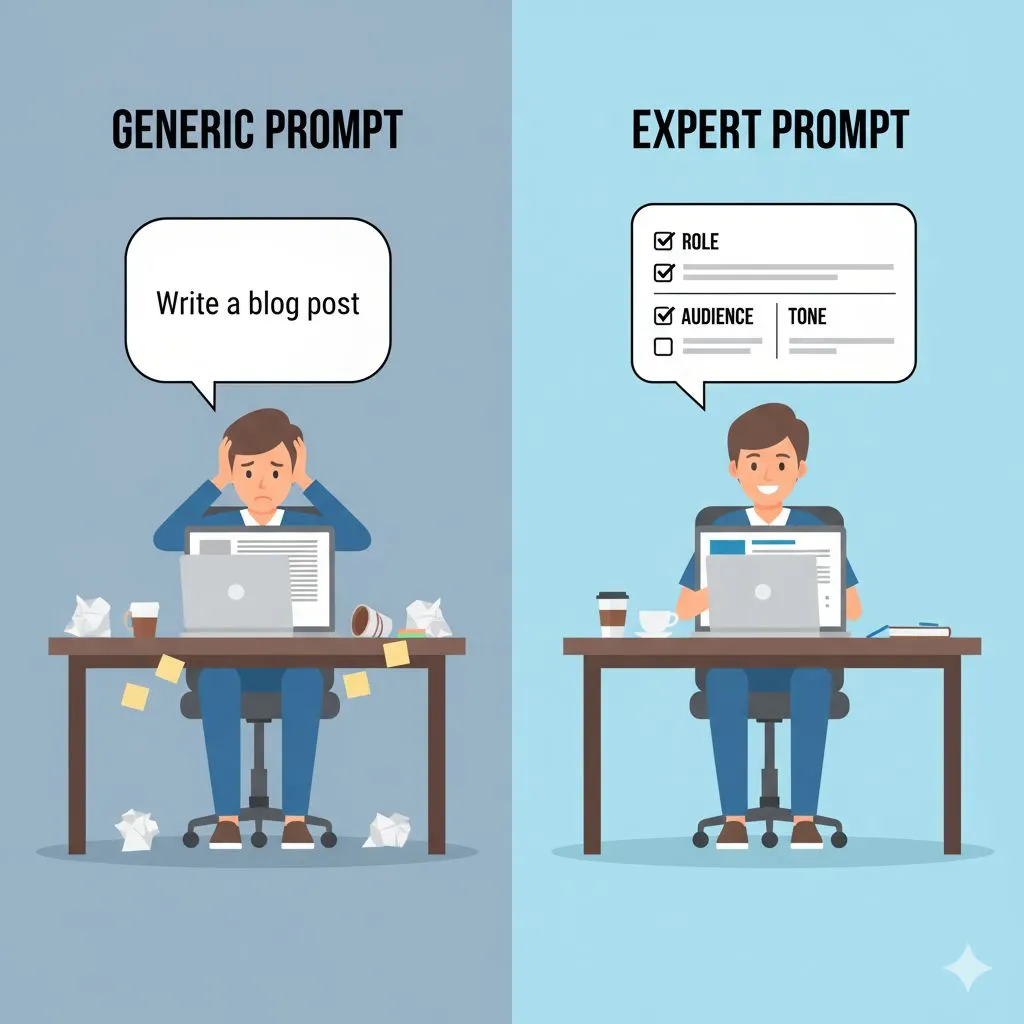
Crafting prompts that accurately simulate customer resistance is a core skill — the Entrepreneur's Playbook for Prompt Engineering walks through the exact prompt structures that make this work.
This allows you to "pre-sell" the product to a virtual audience. If the AI predicts that the value proposition is weak or confusing, you can iterate in seconds. You are failing fast and cheap in a simulation, rather than failing slowly and expensively in the real world.
Step 3: Trend Correlation
Timing is everything. A brilliant product launched too early is "ahead of its time" (which means unprofitable). Launched too late, it’s a commodity. Predictive analytics helps you spot the swell of the wave before it crashes.
AI can help you analyze macro-trends to see where the market is moving. For example, if you are a marketing consultant, are people still searching for "Instagram hacks" or is the sentiment shifting toward "LinkedIn B2B strategy"?
By using prompts to analyze keyword intent and social media discourse, AI can predict the trajectory of a topic. It can tell you, "This topic is currently peaking and likely to decline," or "This topic is in the early adoption phase with high growth potential." This ensures you are building for where the market is going, not where it has been.
The Metrics That Matter (And How to Read Them)
When you are using AI to predict success, you need to know which signals to look for. It’s easy to get distracted by "vanity metrics" like broad search volume. Here is what actually predicts sales:
1. Search Intent vs. Search Volume
High volume isn't always good. If 100,000 people are searching for "Free marketing tips," the sales potential is low. If 1,000 people are searching for "marketing consultant for SaaS," the sales potential is high. AI excels at analyzing intent. It can look at language patterns to predict if an audience is in "learning mode" or "buying mode." Your best seller will come from targeting the latter.
To apply this to your SEO rankings and content strategy, the ROI-driven guide to AI for SEO shows exactly how search intent maps to revenue-generating content.
2. The "Pain-to-Solution" Ratio
This is a qualitative metric. How acute is the pain, and how scarce is the solution?
- Low Pain / High Availability: Commodity (Do not build).
- High Pain / High Availability: Competitive battleground (Risky).
- High Pain / Low Availability: The Best Seller Zone.
AI can scan forums, Reddit threads, and industry comments to weigh the emotional intensity of a problem. If the AI detects high emotional language (words like "overwhelmed," "stuck," "hate," "desperate") attached to a specific topic with few clear solutions, it is predicting a high-conversion opportunity.
Understanding which pain points convert also means knowing which AI content mistakes undercut credibility before a sale — explore the most expensive AI mistakes to avoid for the full advisory.
3. Engagement Depth
When you test content related to your idea on social media, don't look at likes. Look at comments and shares. A "like" is a passive nod. A comment is an investment of time. A share is a reputational endorsement. AI tools can analyze your past content to predict which topics generate the highest depth of engagement, signaling a topic that will support a paid product.
Execution and Growth
From Prediction to Production
So, you have used AI. You have identified a gap in the market, simulated the customer response, and verified the trend. Now what?
The goal of predictive analytics is to give you the confidence to move from "survival mode" to "strategic growth." Instead of spending three months building a massive course, use the data to build a Minimum Viable Product (MVP).
Because the AI has predicted exactly what the customer wants, you don't need to add fluff to justify the price. You can strip the product down to the essential solution. This is how you reclaim your time. You aren't building a 10-module course because you think you have to; you are building a 3-step toolkit because the data says that is what solves the problem.
Furthermore, you can use these predictions to write your sales copy before the product is even finished. Since you know the objections (thanks to the Sentiment Simulation) and the pain points (thanks to the Gap Analysis), your marketing becomes surgical. You are no longer shouting into the void; you are whispering the exact solution your customer has been searching for.
Conclusion: Stop Hustling, Start Strategizing
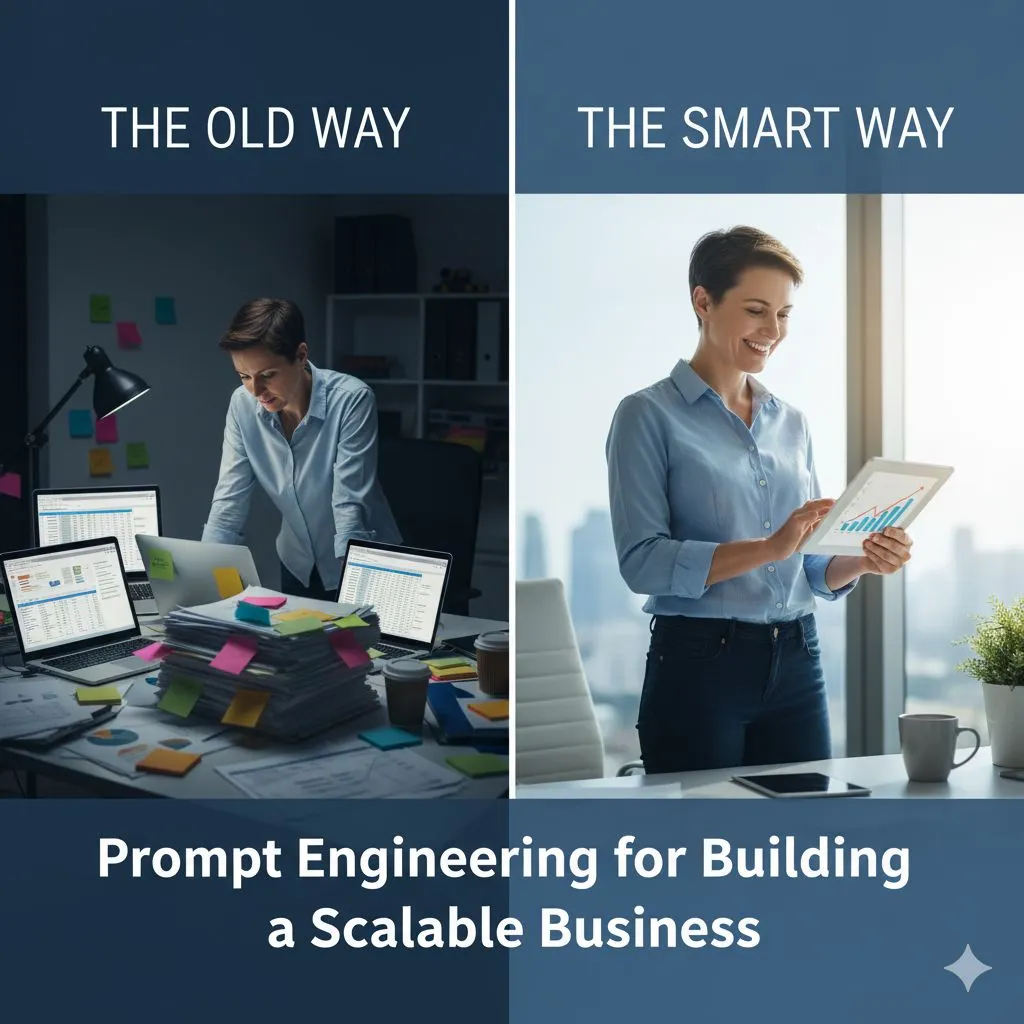
Alex, the era of the "overworked, guessing entrepreneur" is coming to an end. The businesses that win in the next decade won't be the ones working the hardest; they will be the ones navigating the smartest.
Predictive analytics is not about replacing your intuition; it’s about validating it. It’s about giving you the permission to say "No" to bad ideas so you have the energy to say "Yes" to the great ones. It allows you to scale your business without adding more staff or working more hours, simply by ensuring that every effort you make is aligned with market demand.
You have ambition. You have the skills. Now, you have the technology to see the future of your sales. The only question left is: What will you build now that you know it will sell?
Start with free tools built for exactly this stage — browse the free AI prompt resources to download frameworks for product validation, competitor analysis, and launch copy.
Ready to predict your next win?
You don't need to figure out these prompts from scratch. We have done the heavy lifting for you. To access the exact frameworks and AI structures needed to validate your ideas and launch with confidence, get the full toolkit today.
Get the AI Prompt Toolkit: Digital Product Creation
Compare all 30 industry-specific prompt packs at the Expert AI Prompts Pricing Catalog.
Further Reading
Your Complete AI Marketing Strategy Guide
The ROI-Driven Guide to AI for SEO
The Launch Strategist's AI Prompt Pack