Communicating Up: How to Use AI to Build Executive Presence
Communicating Up: How to Use AI to Build Executive Presence
Apr 05, 2026

Picture this: It is 11:45 PM. You have spent the last fourteen hours putting out fires, managing client deliverables, and trying to keep your small business running. Now, you need to send a high-stakes email to a major prospect—a prospect who usually works with massive agencies. You type out a message, read it back, and sigh. It sounds rushed. It sounds exhausted. Most importantly, it sounds like it was written by someone buried in the weeds, not a confident CEO ready to lead a strategic initiative.
For ambitious small business owners and solopreneurs, this is a daily reality. You have the expertise, the drive, and the vision to compete head-to-head with industry giants. But when you are wearing every hat in your business, your communication often suffers. You lose that vital aura of authority known as "executive presence."
Executive presence is not about wearing a tailored suit or using corporate buzzwords. It is the ability to project confidence, clarity, and credibility in every interaction. It is how you inspire trust in your clients, partners, and team. But how do you cultivate that presence when you barely have time to eat lunch, let alone painstakingly craft every email and proposal?
The answer lies in leveraging ai for executive presence. When used strategically, artificial intelligence becomes more than just a time-saving gimmick; it becomes your ultimate leverage, transforming you from an overworked operator into a polished, strategic visionary.
The Communication Bottleneck in Small Businesses
Small teams and solo founders face a unique set of challenges that directly undermine their brand perception. The primary culprit? The communication bottleneck. When you are the head of sales, the lead consultant, and the marketing department all rolled into one, communication often becomes a reactive task rather than a strategic one.
Ambitious entrepreneurs frequently fall into the trap of sounding "in the weeds." Because you are intimately involved in the day-to-day tactical execution of your business, your communications tend to reflect that granularity. Instead of presenting high-level strategy and ROI, you end up listing tasks and explaining minor delays. This subtle shift in tone signals to prospects and clients that you are a vendor to be managed, rather than an expert to be trusted.
Furthermore, the cost of rushed communication is high. A poorly structured proposal or an overly defensive email response can instantly erode the credibility you have worked so hard to build. Larger competitors have entire departments dedicated to polishing their messaging, ensuring every touchpoint exudes competence. As a small business, limited resources mean you cannot hire a dedicated communications director. But you cannot afford to sound like a stressed-out amateur, either. You need a way to elevate your output, streamline your workflow, and project the authority your expertise deserves—without adding to your overhead.
AI as Your Executive Communications Director
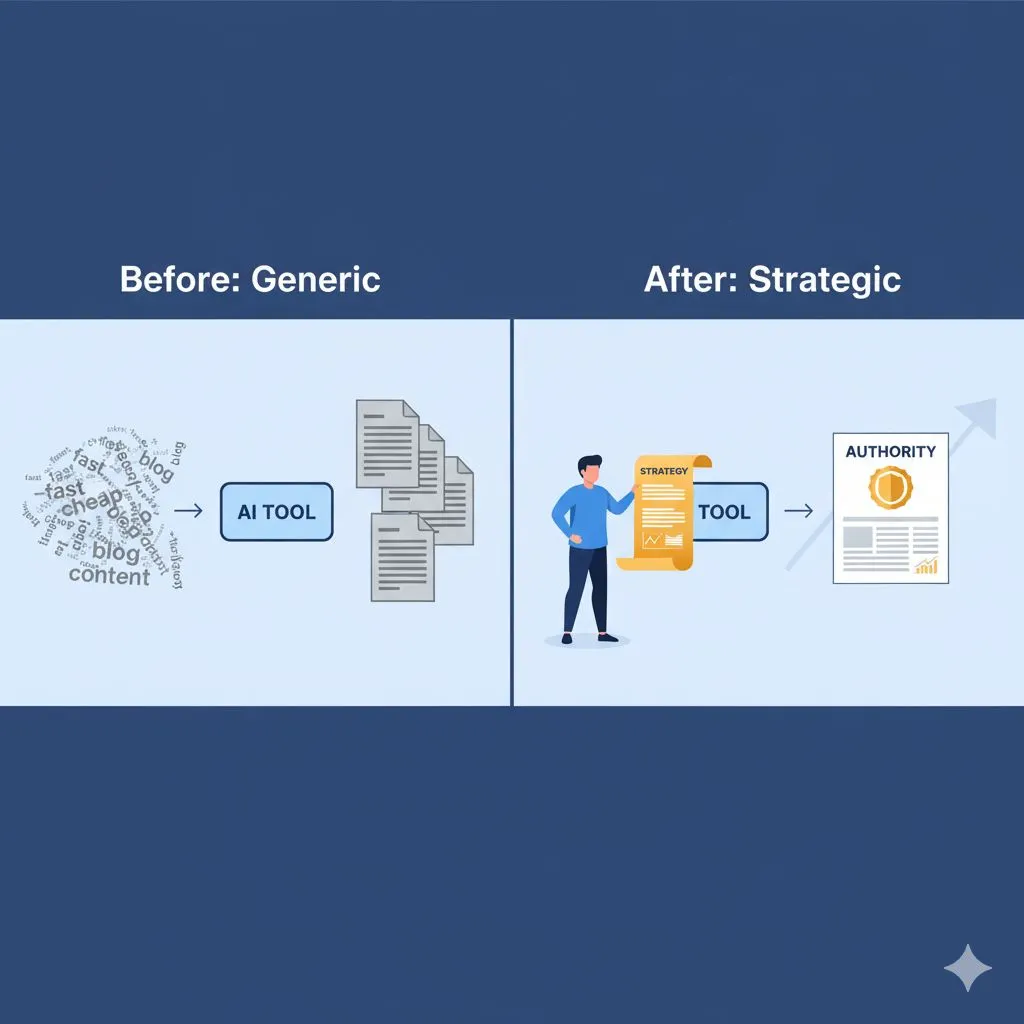
If you have previously experimented with AI and felt underwhelmed, you are not alone. Many entrepreneurs use generic AI tools for basic tasks—like checking grammar or writing a generic social media caption—and conclude that the technology is overhyped. But utilizing AI for executive presence requires a fundamental shift in how you view the tool. You must stop treating it as a spellchecker and start treating it as your Executive Communications Director.
Executive presence is built on framing. It is about how you contextualize information, handle objections, and guide conversations toward a clear, strategic goal. When you use strategically designed AI prompts, you can input your hurried, tactical thoughts and command the AI to reframe them through the lens of a confident leader.
Imagine taking a brain-dump of project updates—bullet points about software bugs, scheduling conflicts, and minor wins—and running it through an expert-level prompt. Within seconds, the AI strips away the defensive, granular language. It elevates the tone from reactive to proactive, delivering a polished update that highlights solutions, outlines next steps, and reinforces your strategic oversight.
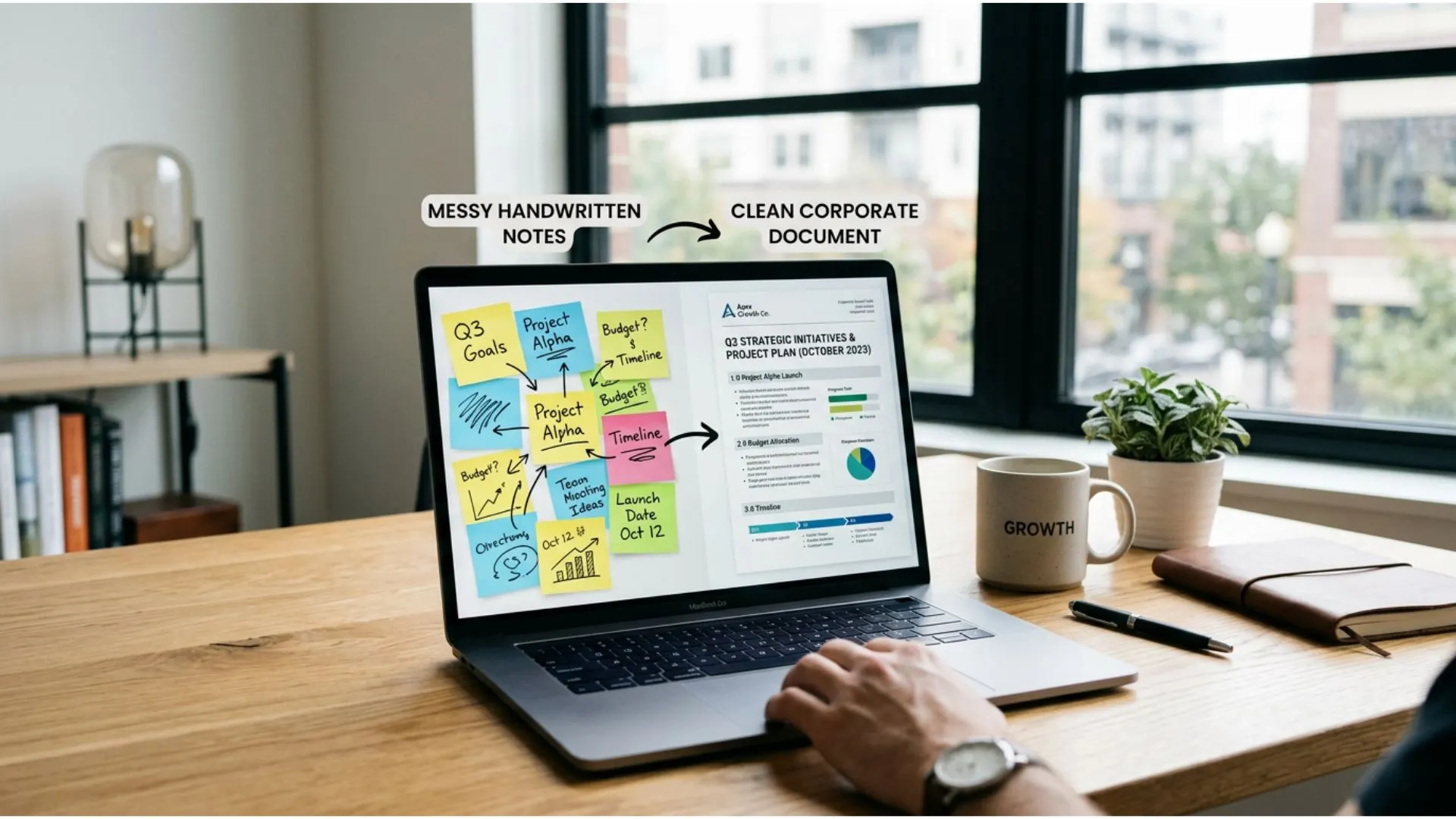
This is the power of AI-driven communication. It acts as an emotional and professional buffer. When you are frustrated by a difficult client, AI can rewrite your terse response into a firm but rigorously professional boundary-setting email. When you are overwhelmed by a massive proposal, AI can synthesize your chaotic notes into a clean, compelling executive summary.
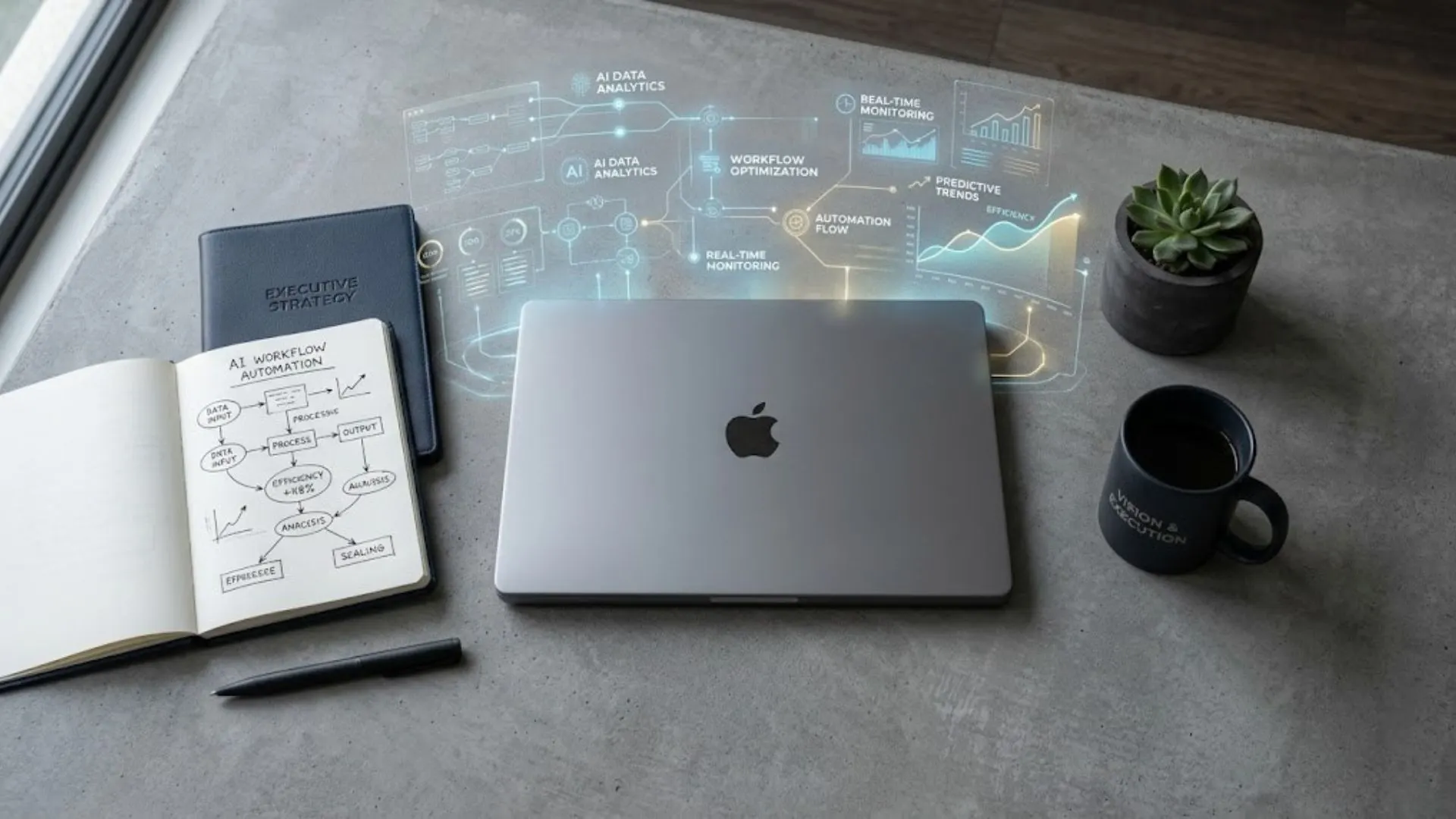
By integrating AI into your communication workflows, you are building a reliable, scalable system for high-stakes interactions. You are ensuring that no matter how tired, stressed, or stretched thin you are behind the scenes, your client-facing persona remains impeccably sharp, authoritative, and credible. You get the benefits of a C-suite communications team without the payroll, allowing you to reclaim your time while simultaneously elevating your brand's market positioning.
Practical Workflows to Build Executive Presence
Understanding the theory of AI for executive presence is one thing; implementing it to reclaim your time and scale your business is another. To truly transform your daily operations, you need to integrate AI into your specific communication workflows. Here is how you can practically apply expert-level AI prompts to build immediate authority and trust.
Email Mastery: From Hurried to Authoritative
Email is the battleground where executive presence is won or lost daily. As an overworked business owner, it is tempting to fire off one-line responses or overly apologetic explanations for delays.
Instead, you can use AI to filter your raw thoughts. By using a prompt designed for "Executive Email Framing," you can input: "I'm swamped and can't meet until Friday, plus the client's new request is out of scope." The AI refines this to: "To ensure we dedicate the appropriate resources to your new request, let's connect on Friday to discuss how we can integrate this into the current project scope." The latter establishes boundaries, protects your time, and projects total control.
Proposal Generation: Commanding Premium Pricing
Your proposals should not read like a diner menu of services; they should read like a strategic roadmap. When competing with larger agencies, your pitch must immediately communicate ROI and business impact.
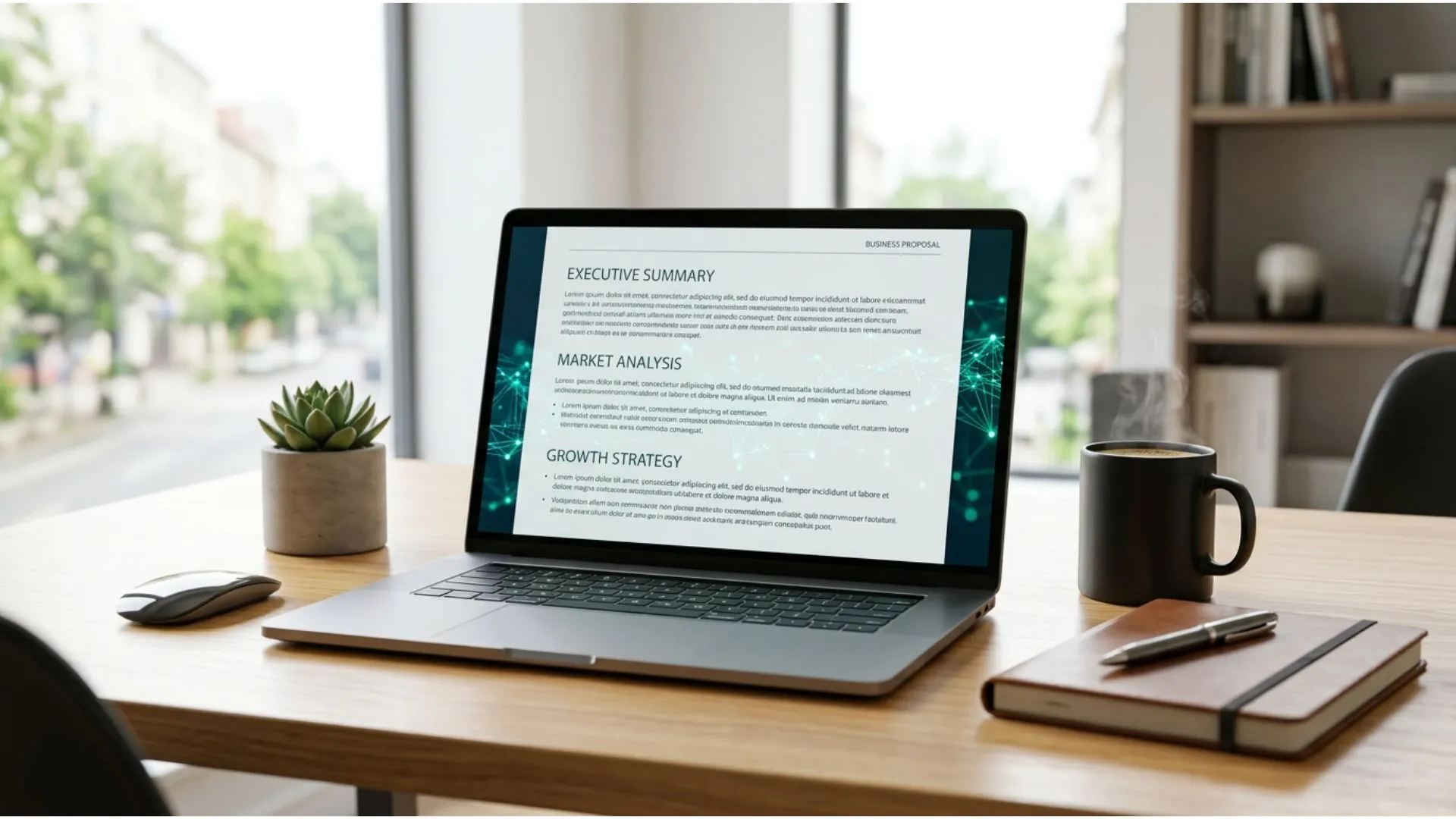
Using AI, you can input your core deliverables and pricing, and use a specialized prompt to generate an "Executive Summary." The AI will structure the proposal to focus on the client's overarching goals, the strategic value of your intervention, and the tangible results they can expect. This level of polish shifts the conversation away from line-item pricing and toward high-level value, allowing you to command premium rates with confidence.
Stakeholder Updates: Condensing the Complex
Clients do not want to know how the sausage is made; they want to know that the meal is on track. Small business owners often over-explain out of a desire to prove they are working hard.
AI excels at synthesis. By feeding your project management notes into an AI tool with a "Stakeholder Update" prompt, you can instantly generate a concise report that highlights three things: what was accomplished, what the current roadblocks are (framed as challenges with attached solutions), and what the immediate next steps are. This clear, no-nonsense format is exactly how enterprise leaders communicate, and it instantly boosts your credibility.
Avoiding the "Bot" Trap (Maintaining Authenticity)
While the benefits of using AI for executive presence are immense, there is a critical pitfall that ambitious entrepreneurs must avoid: the "Bot" trap. We have all received emails or read LinkedIn posts that are painfully obvious products of generic AI. They are filled with unnatural corporate jargon, robotic enthusiasm, and a distinct lack of human nuance.
Relying on copy-and-paste outputs from generic, unguided prompts will actively destroy the credibility you are trying to build. Executive presence requires authenticity. If your clients feel they are communicating with a machine, trust evaporates instantly.
The secret to avoiding this trap lies in the quality of your prompts. This is where the difference between a generic AI user and a strategic business owner becomes clear. You cannot simply tell an AI to "make me sound professional." You must use industry-specific, strategically structured prompts that understand the nuances of your business model and target audience.
Furthermore, AI should always be treated as your co-pilot, never your autopilot. The AI does the heavy lifting of structuring, framing, and polishing, but you must always review and inject your unique voice, specific industry data, and personal insights into the final draft. It is about using AI to create a flawless foundation so you can spend your limited time adding the final 10% of brilliance that only you can provide.
Conclusion
Scaling a small business and competing with industry giants does not mean you have to work 80-hour weeks or sacrifice your sanity. By leveraging AI for executive presence, you can break through the communication bottlenecks that hold so many solopreneurs back. You can shift your brand perception from a stressed, in-the-weeds operator to a confident, strategic leader.
Time is your most valuable asset. Stop wasting it agonizing over high-stakes emails or starting complex proposals from a blank page. Equip yourself with the right systems, elevate your outputs, and project the authority your expertise warrants. Work smarter, compete harder, and build the business you have always envisioned.
Ready to stop spinning your wheels and start communicating like an industry leader? Unlock the exact systems you need to reclaim your time and elevate your brand instantly. Scale Smarter. Grow Faster. Begin Here.