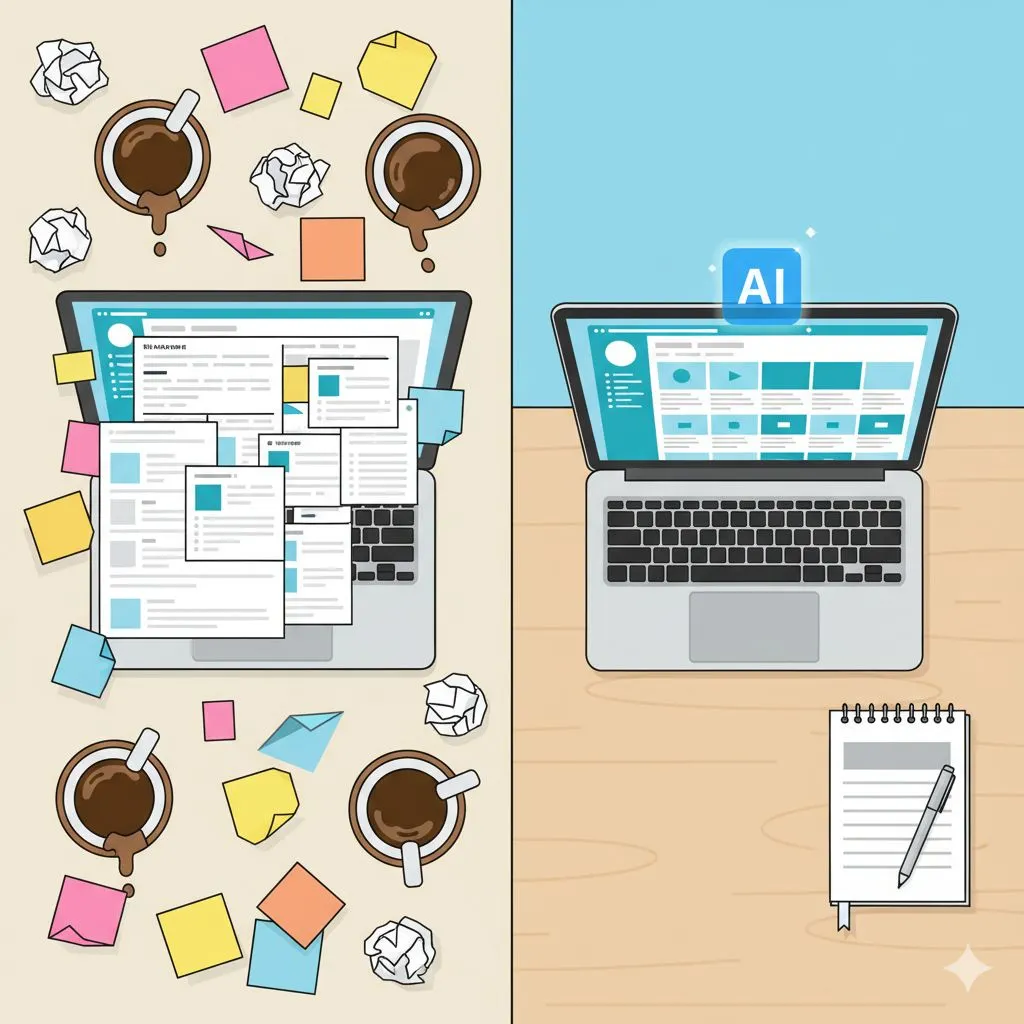
The Solopreneur's AI Stack: Essential Tools for 2026
The Solopreneur's AI Stack: Essential Tools for 2026
Jan 28, 2026
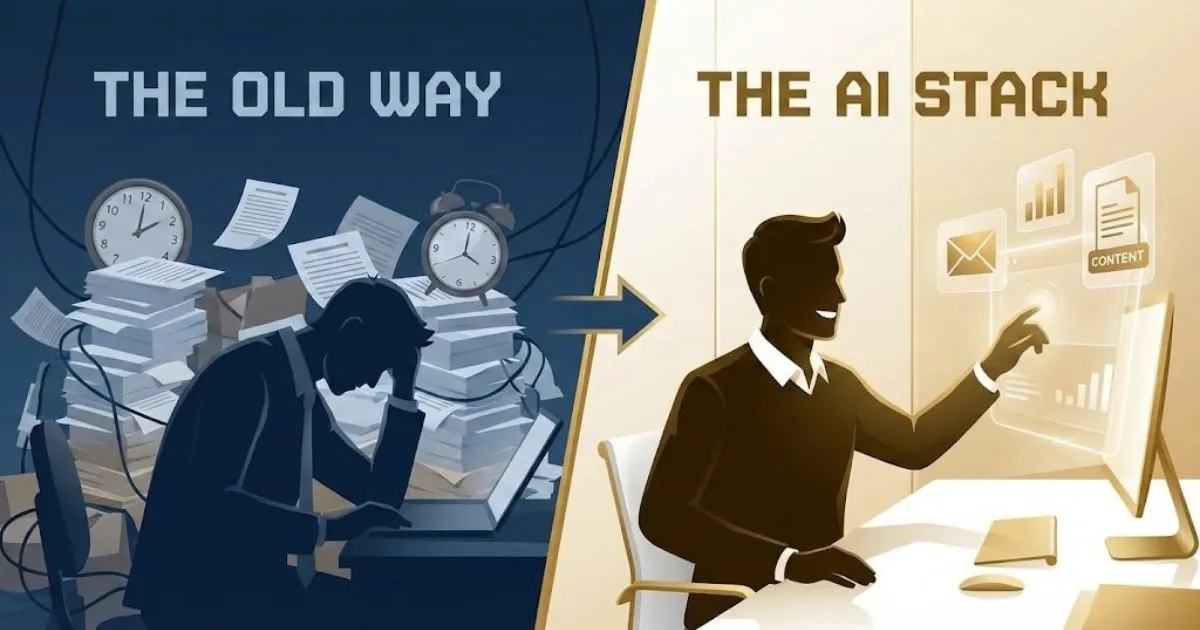
If you are running a small business in 2026, you likely feel the tension between your ambition and your calendar. You have the vision to compete with larger agencies and the expertise to deliver high-level results, but you are stuck in the weeds. You are the CEO, the marketing department, the HR lead, and the cleaner.
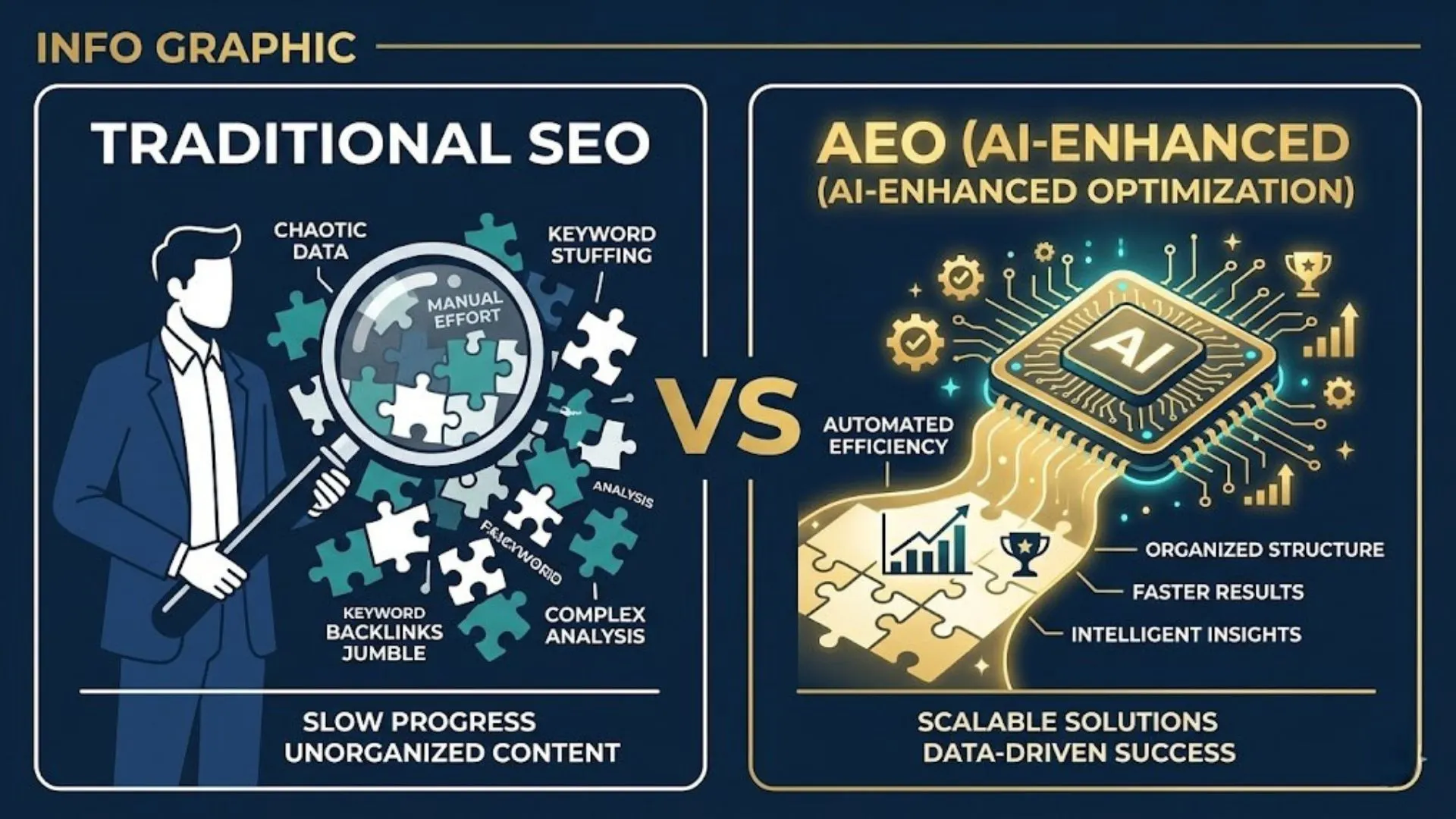
For years, the promise of automation was dangled in front of entrepreneurs like a carrot. But for a long time, the tech was clunky, expensive, or required a computer science degree to implement. That era is over.
We have entered the age of the "AI Stack."
For the ambitious solopreneur or small team leader, ai for small business isn't about asking ChatGPT to write a funny haiku. It is about building a cohesive ecosystem of tools that act as your digital workforce. It is the only way to scale your output without exploding your overhead.
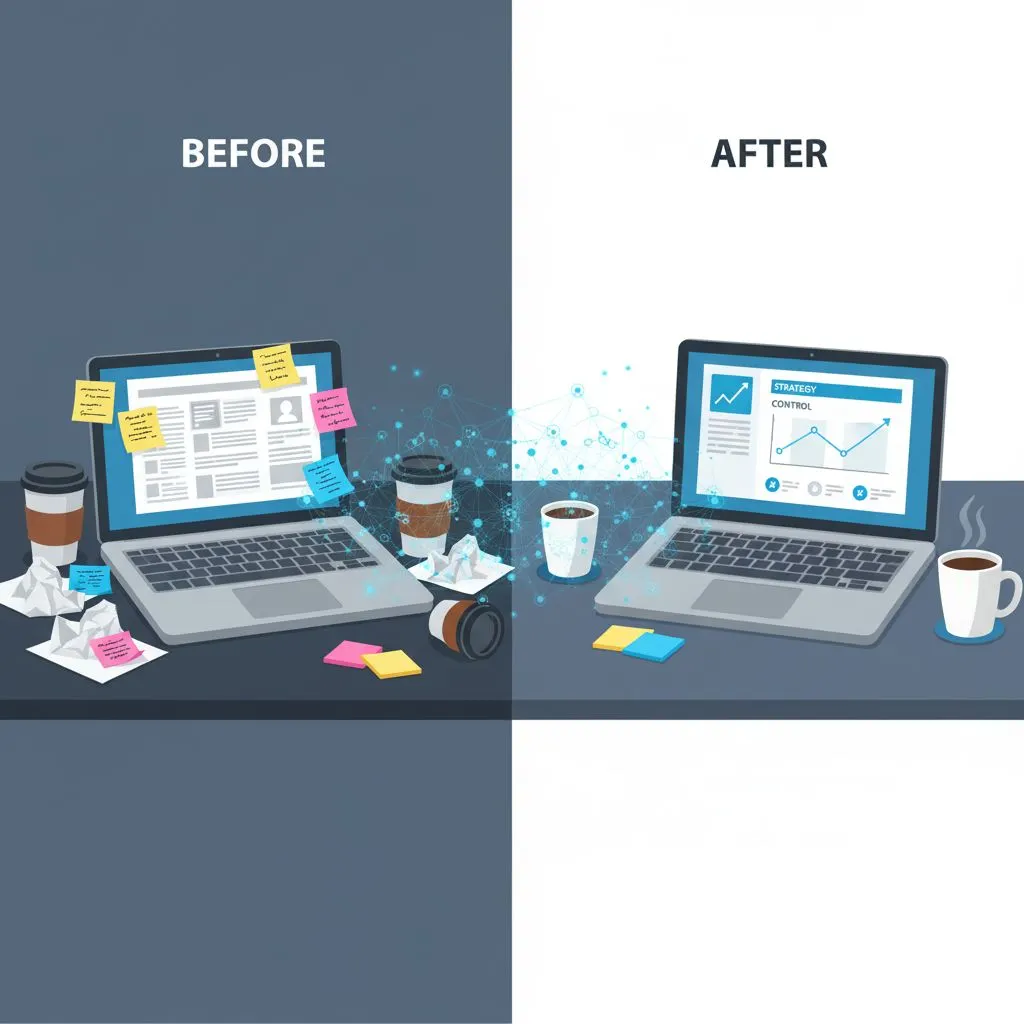
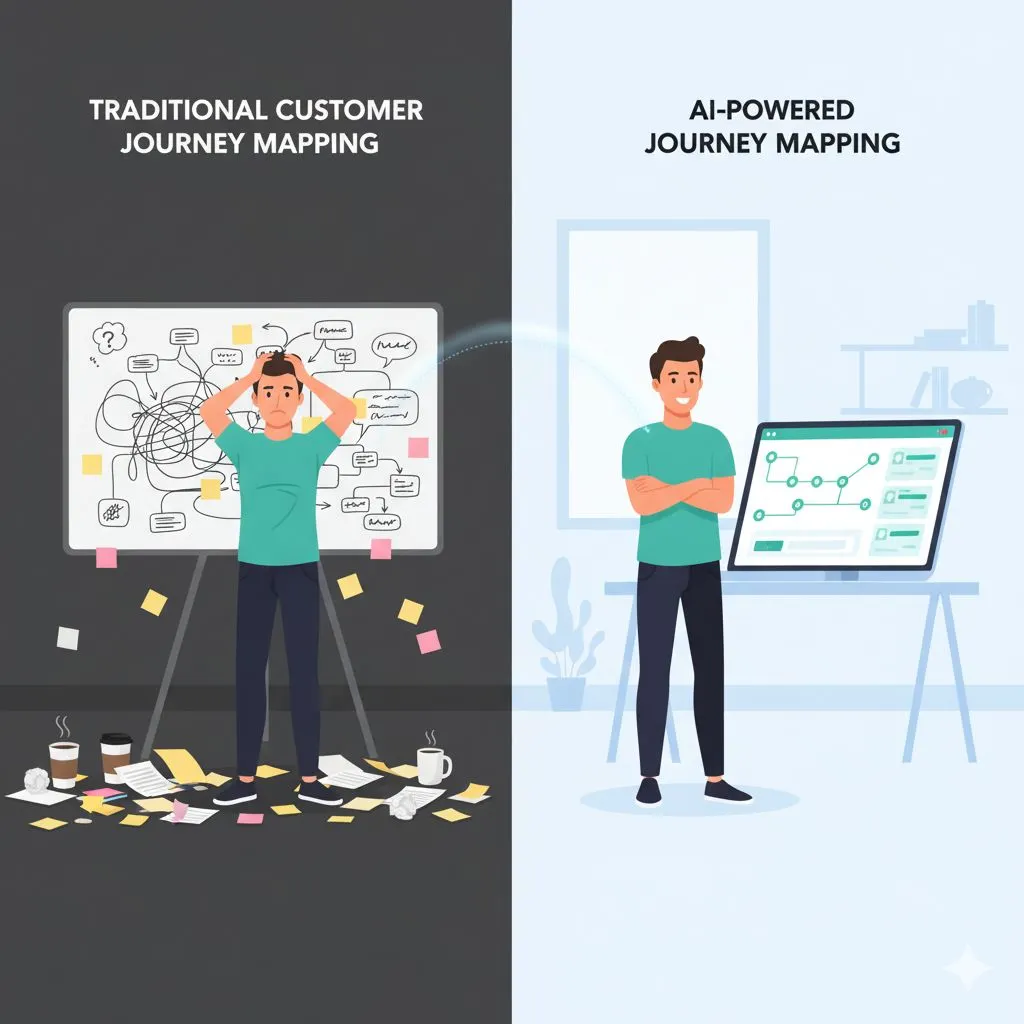
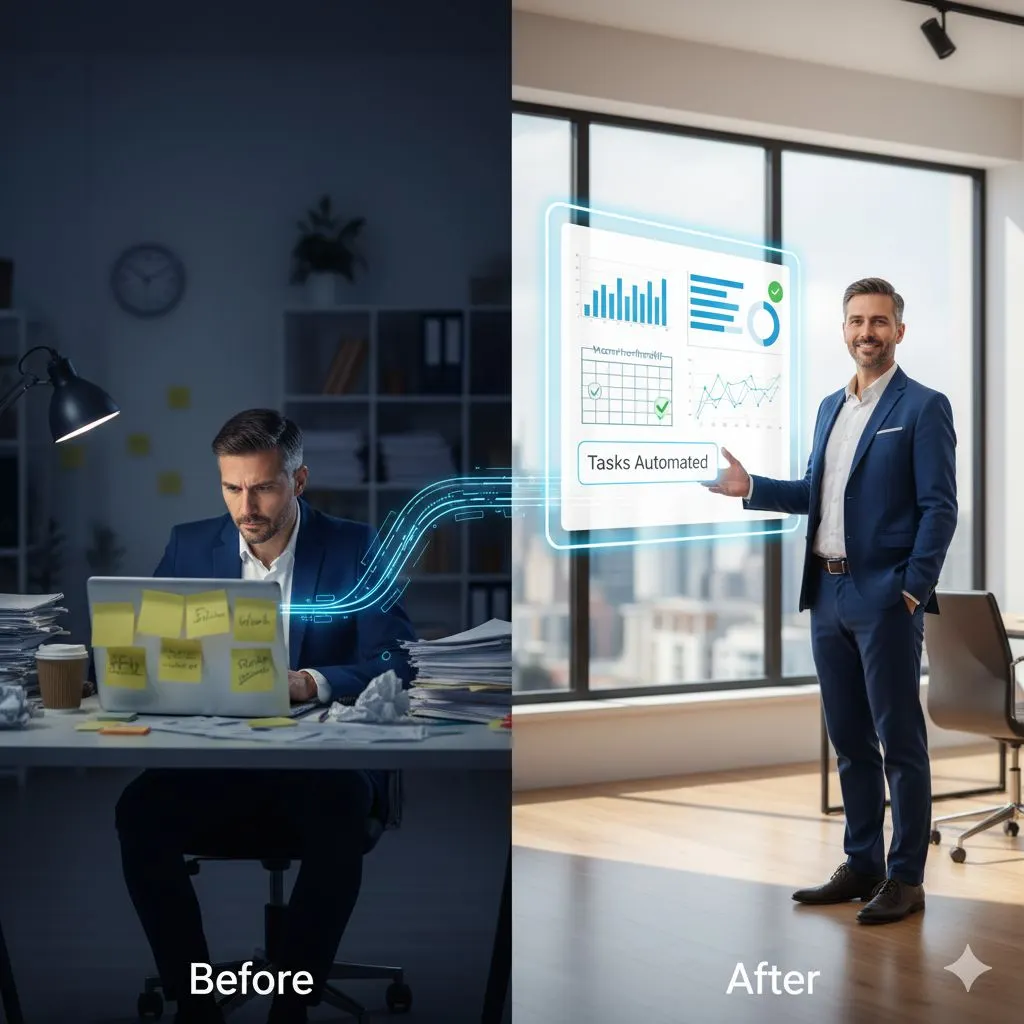
By curating the right AI stack, you stop trading time for money. You stop drowning in admin. You transition from the overworked operator frantically spinning plates to the confident strategist pointing the way.
Below is your blueprint for 2026—a categorized breakdown of the essential AI tools that will help you reclaim your time and scale your business.
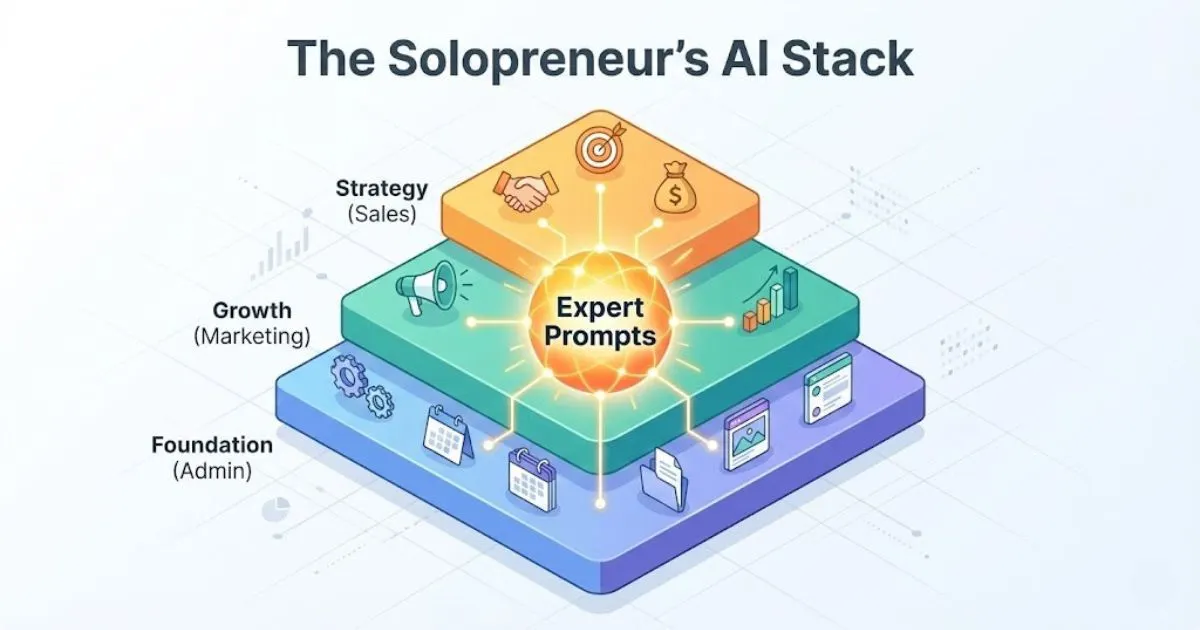
The Foundation: Operations & Admin
Goal: Reclaim 10+ hours a week — start with 5 AI business tools to reclaim your week and automate the low-value tasks that drain your energy.
The biggest killer of small business growth isn't a lack of sales; it is "context switching." Every time you stop deep work to reply to an email, schedule a meeting, or organize a file, you lose momentum. The foundational layer of your AI stack is designed to handle this 'invisible work.' Before committing to tools, Is Your Small Business Ready for AI Implementation? is a quick checklist that identifies exactly where to start.
1. The Gatekeeper: AI Scheduling & Calendar Management
If you are still engaging in the "What time works for you?" email ping-pong, you are wasting valuable mental bandwidth. In 2026, calendar tools have evolved beyond simple booking links.
Modern AI schedulers (like Motion or Reclaim.ai) don't just book slots; they manage your energy. They can automatically reshuffle your to-do list based on priority, block out time for deep work when they know you are most productive, and defend your personal time. They act as a ruthless executive assistant, ensuring you never overcommit.
2. The Inbox Triage: Intelligent Email Assistants
For many business owners, the inbox is a source of anxiety. You spend hours clearing it, only to see it fill up again. AI-integrated email clients (like Superhuman or Spark) now use natural language processing to categorize emails by sentiment and urgency.
Imagine opening your laptop to find your emails already sorted: "Urgent Client Requests," "Newsletters," and "Finance." Furthermore, these tools can draft replies in your specific tone of voice. You simply check the draft, hit send, and move on. This turns a two-hour morning email slog into a 20-minute review session.
3. The Workflow Manager: Predictive Project Management
Sticky notes and loose spreadsheets are not a scalable system. AI-enhanced project management tools (like Notion AI or ClickUp) are changing how small teams collaborate.
Instead of manually updating statuses, these tools can read your project documentation and suggest the next logical tasks. They can summarize long meeting notes into action items and assign them to the right team members automatically. For a small team wearing many hats, this ensures that nothing falls through the cracks, maintaining a reputation for reliability without the stress of micromanagement. For a step-by-step framework to connect all these tools, see How to Build Your AI Stack for a Streamlined Workflow.
The Growth Engine: Marketing & Content
Goal: Produce agency-level output and visibility without hiring a full marketing team.
This is where most solopreneurs feel the deepest pain. You know you need to be visible on LinkedIn, you know you need a newsletter, and you know video is king. But creating high-quality content consistently takes hours you simply don’t have.
Many entrepreneurs fall into the trap of using ai for small business to generate "spam"—generic, robotic content that hurts their brand. The goal of the Growth Engine is not just more content; it is better content, faster.
4. The Writer’s Room: Long-Form Content Assistants
Gone are the days of staring at a blinking cursor. Advanced Large Language Models (LLMs) like Claude 3.5 or GPT-5 act as your research assistant and junior copywriter.
However, the key for 2026 is strategic application. You shouldn't ask AI to "write me a blog." Instead, you use it to outline complex thoughts, challenge your arguments, and refine your prose.
- Research: "Analyze these three industry reports and summarize the trends relevant to my consulting clients."
- Drafting: "Expand this bullet-point outline into a comprehensive guide, adopting an authoritative but empathetic tone."
- Repurposing: "Take this white paper and turn it into a 5-part email nurture sequence."
This allows you to publish expert-level insights weekly, positioning you as a thought leader rather than just a service provider.
5. The Creative Studio: Visual Branding & Design
Perception is reality. If your brand looks amateur, clients assume your work is amateur. Previously, high-end visuals required expensive software and a graphic designer. Now, generative image tools (like Midjourney or DALL-E 3 integrated into Canva) allow you to create custom assets on demand.
Need a specific header image for a proposal? A unique diagram for a presentation? Photorealistic mockups of your product? You can generate these in seconds. The advantage here is consistency. By training these tools on your brand’s color palette and style, you ensure every touchpoint—from your Instagram stories to your pitch decks—looks cohesive and professional.
6. The Media Machine: Video Repurposing
Video builds trust faster than text, but editing is a massive bottleneck. You might spend an hour recording a video, but five hours editing it.
AI video tools (like Descript or Opus Clip) have revolutionized this workflow. You can now edit video by editing text—delete a word in the transcript, and the video cuts it out smoothly. Even more powerful are "clipping" tools that take a 30-minute webinar and automatically identify the most viral, engaging moments, turning them into captioned, vertical videos for TikTok, Shorts, or LinkedIn.
This creates an "omnipresent" effect. Your audience sees you everywhere, assuming you have a massive media team, when in reality, it's just you and a smart AI stack. See exactly how solopreneurs use AI to compete with larger teams with a fraction of the budget.
The Closer: Sales & Customer Experience
Goal: Automate the path to revenue and provide 24/7 service.
Marketing brings people to the door, but operations and sales get them to sign the check. For the solopreneur, the "chase" is exhausting. You send a proposal and then forget to follow up because you got busy delivering work for another client. This "leakage" in your sales pipeline costs you thousands.
7. The Relationship Manager: Intelligent CRM
A spreadsheet is not a CRM. Modern CRM platforms (like HubSpot or Pipedrive) now come baked with AI that acts as a sales coach. These tools can analyze your interactions and score leads based on their likelihood to buy.
Imagine receiving a notification: "Alex, your prospect hasn't opened your email in 3 days. Based on past data, sending a case study now increases conversion by 20%. Here is a draft."
This moves you from reactive selling (waiting for the phone to ring) to proactive selling, ensuring you spend your limited time on the prospects actually ready to buy.
8. The Always-On Receptionist: Smart Chatbots
Customers in 2026 expect instant answers. If you don't reply within an hour, they move to a competitor. But you need to sleep.
AI chatbots (integrated into platforms like Intercom or specialized tools like Chatbase) can now ingest your website, your PDFs, and your past client conversations. They don't just offer generic "leave a message" replies; they answer specific questions about pricing, timelines, and services accurately. They can even book discovery calls directly into your calendar. You wake up to qualified appointments, not just inquiries.
9. The Deal Sealer: Proposal Automation
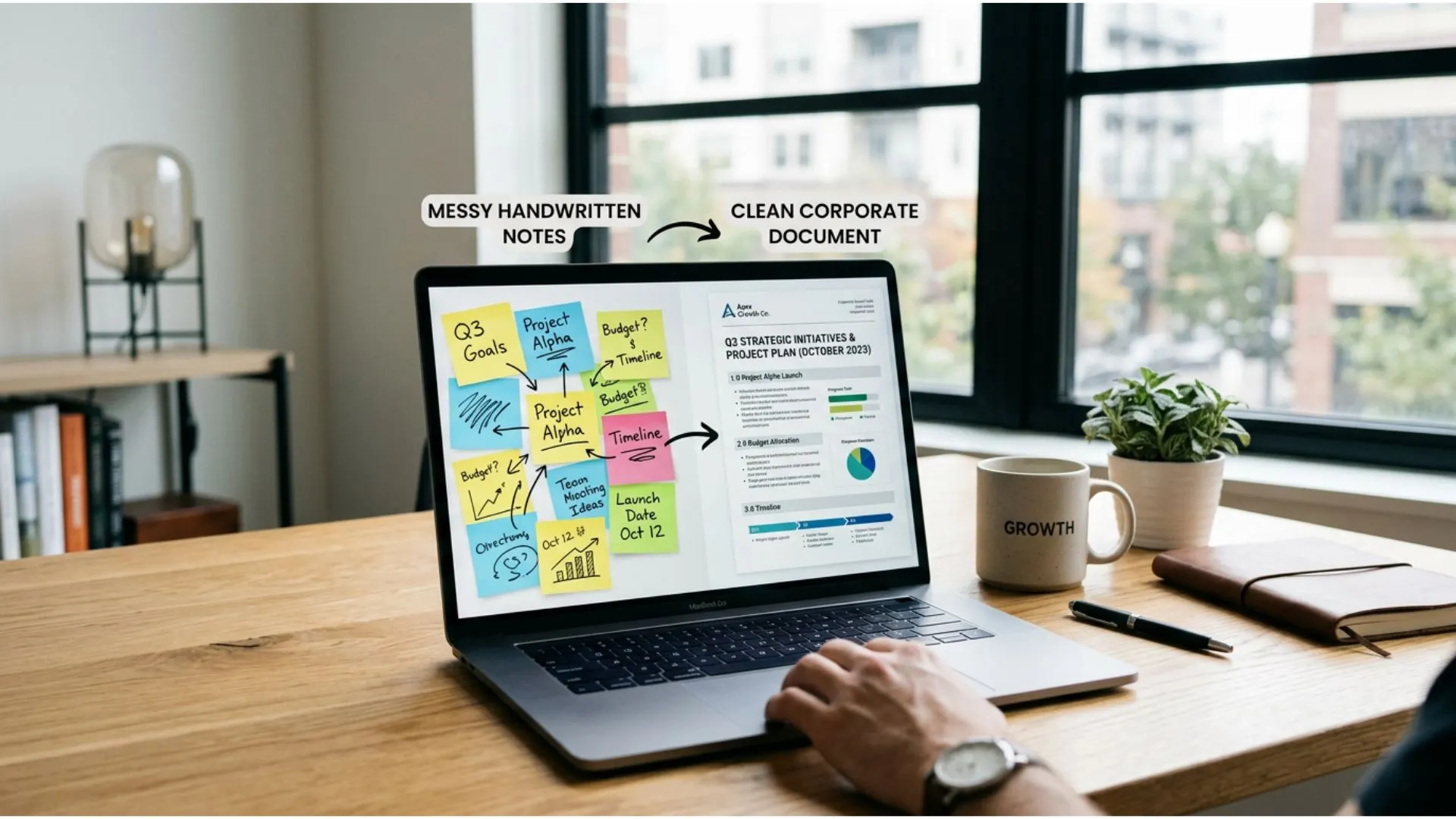
Writing proposals is often the most dreaded task for small business owners. It feels like unpaid work. AI writing assistants tailored for proposals can take your rough notes from a client call and generate a structured, persuasive scope of work in minutes. They ensure the language focuses on ROI and benefits, helping you close deals at higher rates because the documentation looks polished and thoughtful.
The Strategist: Financial & Data Insights
Goal: Make data-backed decisions without being a data scientist.
To scale from a hustler to a CEO, you must know your numbers. But traditional bookkeeping is backward-looking. You need forward-looking insights.
10. The Financial Forecaster: Automated Bookkeeping
Tools like Xero and QuickBooks now utilize AI to not only categorize expenses but to predict cash flow gaps. They can alert you: "Based on current spending and outstanding invoices, cash will be tight in three weeks." This gives you the foresight to chase invoices or adjust spending before it becomes a crisis.
11. The Data Analyst: Conversational Analytics
You likely have data sitting in Google Analytics, sales spreadsheets, and social media dashboards. But connecting the dots is hard.
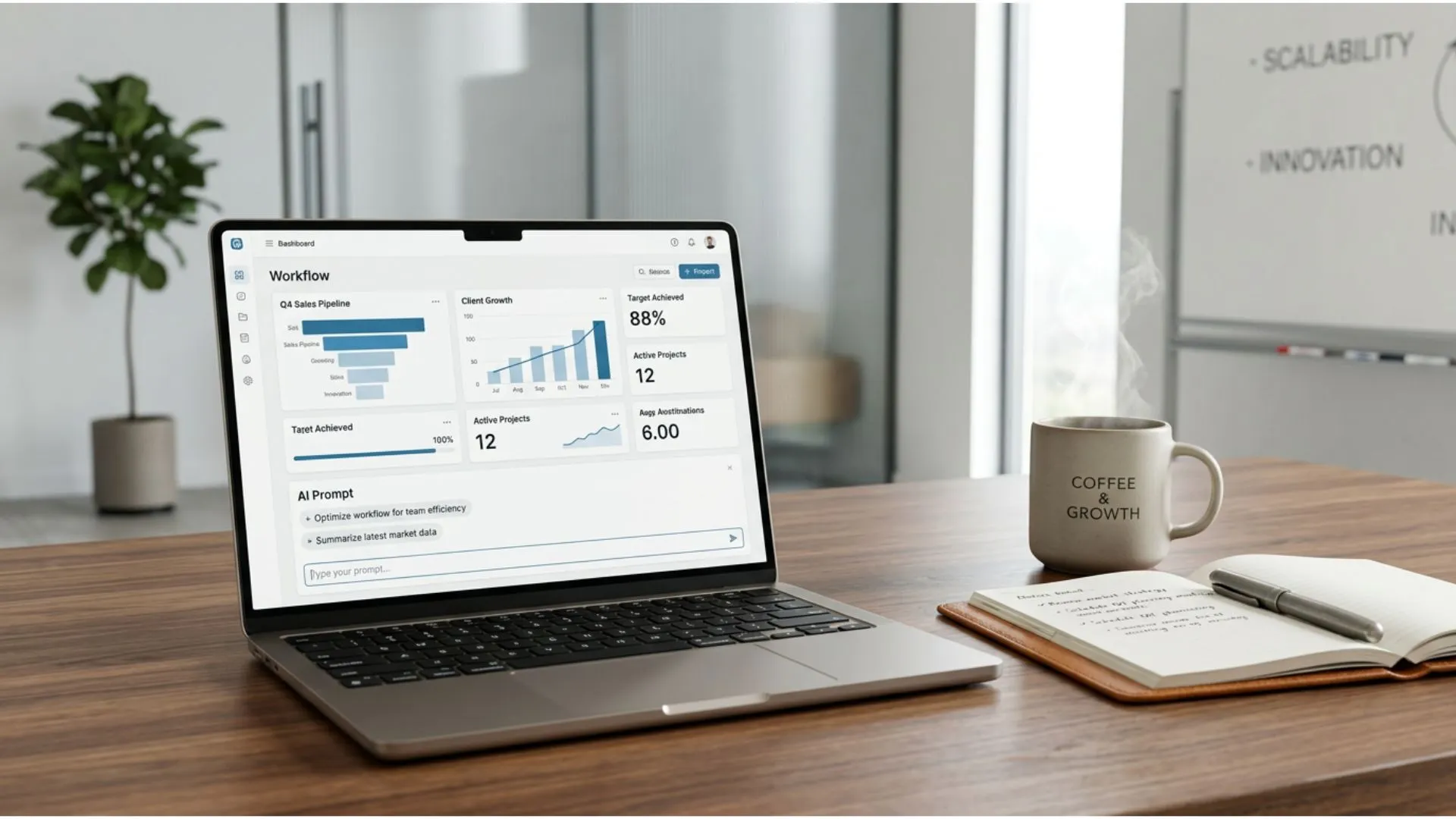
New AI analysis tools allow you to upload a spreadsheet and simply ask questions in plain English: "Which service offering had the highest profit margin last quarter?" or "Is there a correlation between my LinkedIn posts and website inquiries?" This democratizes data, allowing you to make strategic pivots based on facts, not just gut feeling.
The "OS" of Your Stack: Prompt Engineering
Goal: Maximize the ROI of every tool by giving expert instructions.
Here is the secret that separates the frustrated dabblers from the successful scalers: The tool is only as good as the prompt.
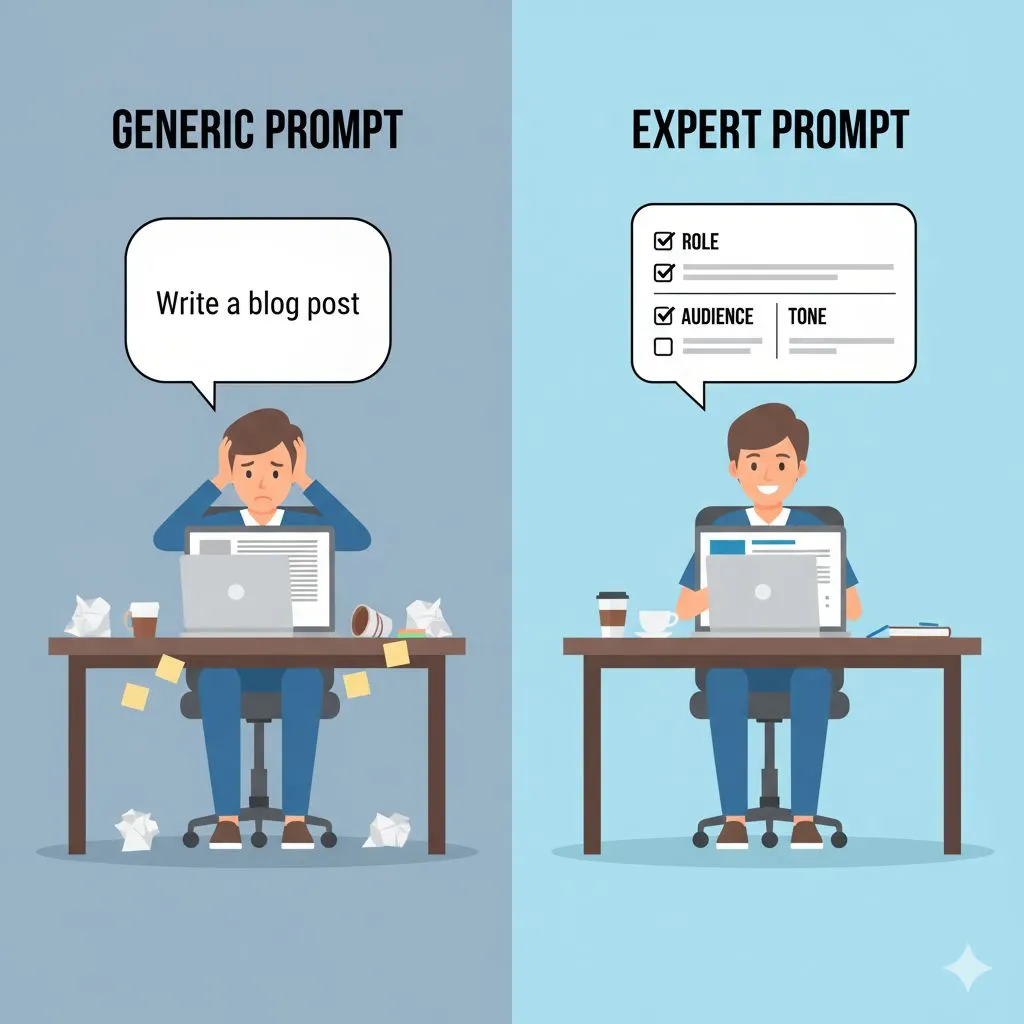
You can pay for the most expensive ai for small business subscription on the market, but if you feed it vague, low-quality instructions, you will get generic, low-quality results. This is where many entrepreneurs give up, thinking "AI isn't ready yet." The AI is ready; the instructions are the bottleneck.
Think of the prompt as the Operating System (OS) running your stack.
To get expert-level content, credible strategy, and usable workflows, you need "Expert-Level" prompts. You need structure. You need context. You need to tell the AI exactly who it is, what it knows, and what output format you require.
The Efficiency Paradox
There is an irony in adopting AI to save time, only to spend hours tweaking prompts trying to get a usable result. This is "prompt fatigue."
The fastest way to eliminate it is to start with a proven structure: the free 1-Page Perfect Prompt Framework Guide gives you the exact template that makes every AI tool respond with expert-level output.
For the smart business owner, the solution isn't to become a prompt engineer yourself—it's to leverage a library of proven, industry-specific prompts. This is where a resource like Expert AI Prompts becomes the most valuable tool in your stack. It bridges the gap between the raw power of AI and the specific needs of your business model. Browse all 30 industry-specific prompt packs to find the one built for your exact business type.
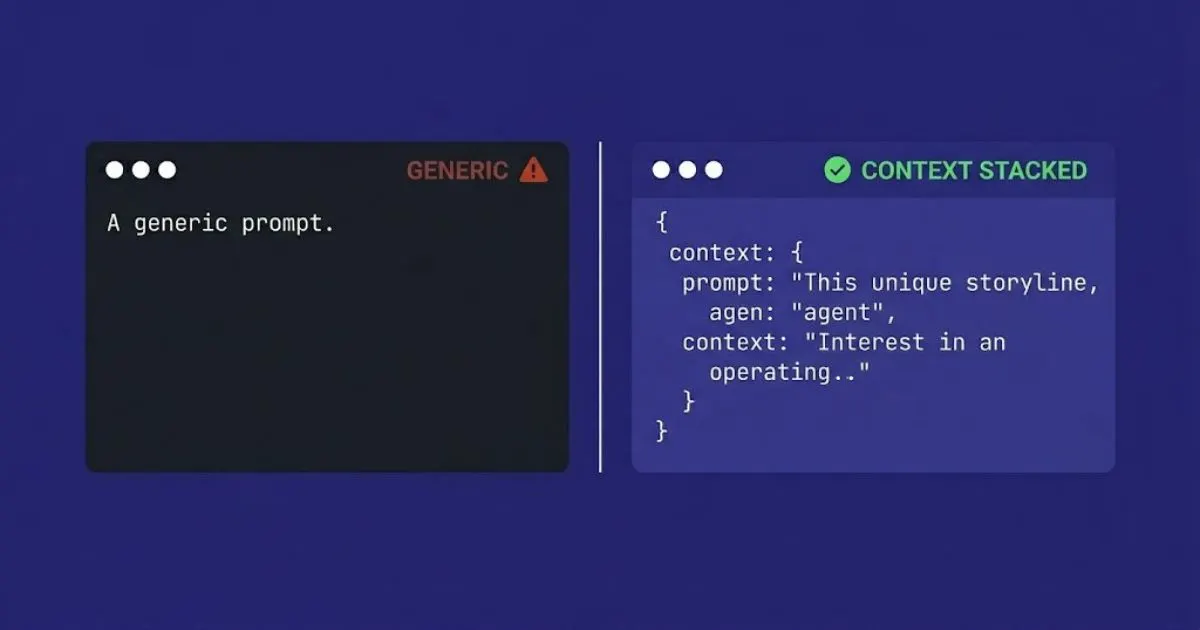
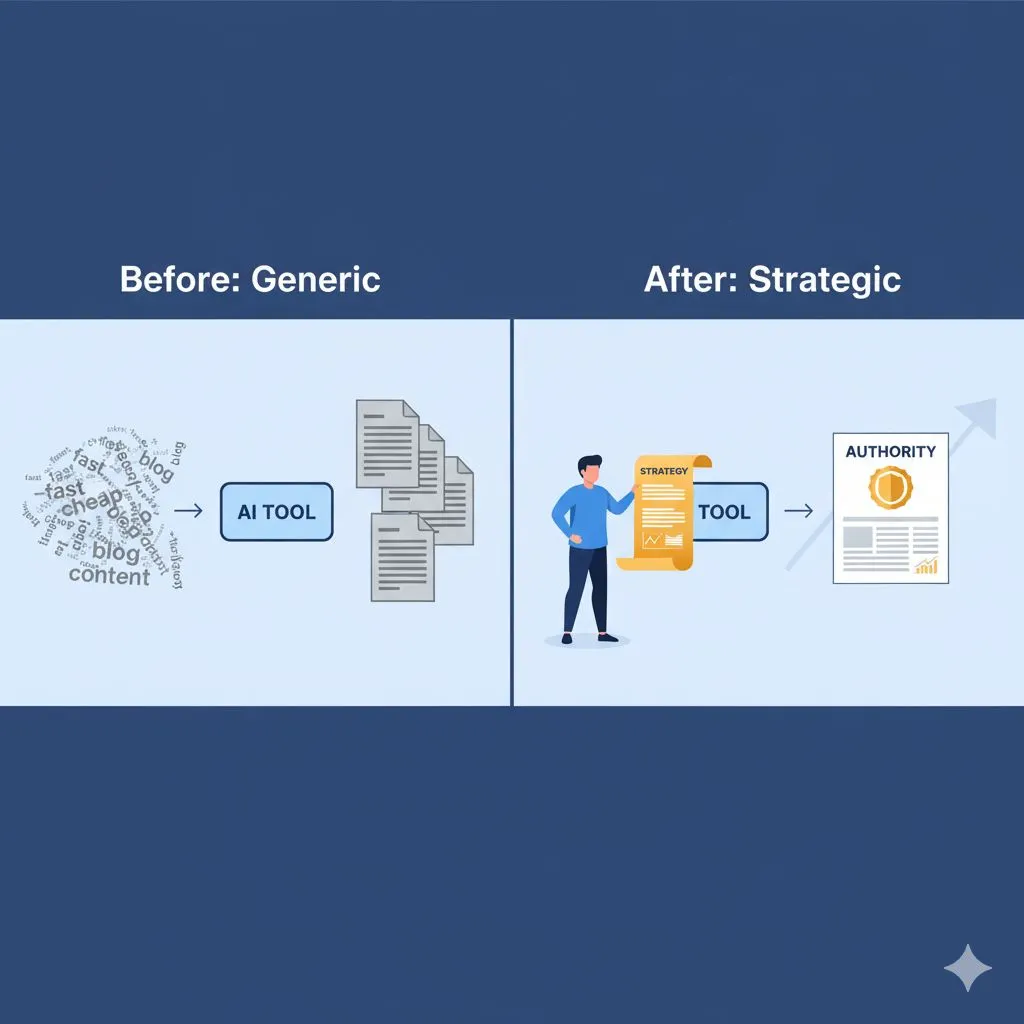
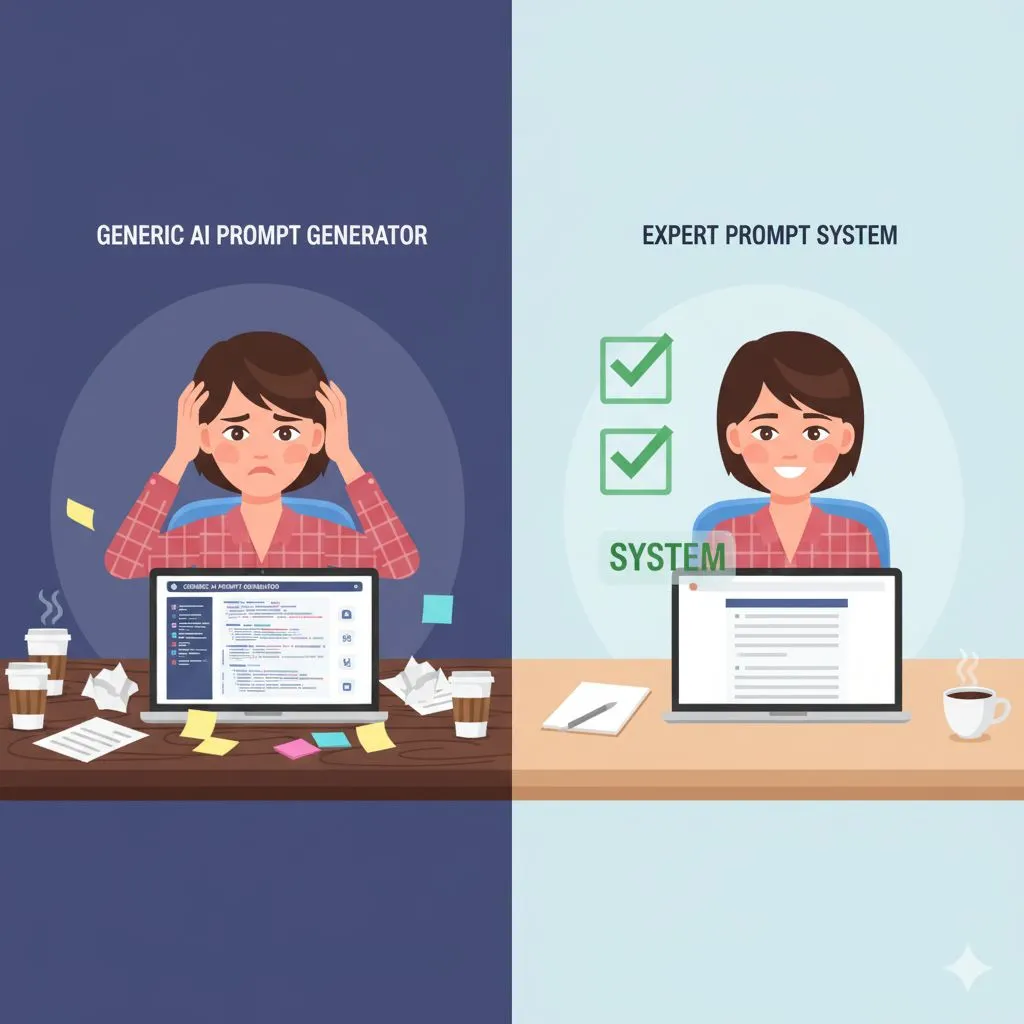
Instead of typing "Write a marketing email," you paste a proven framework that defines the customer persona, the pain points, the solution, and the psychological triggers required for conversion. The difference in output quality — and brand credibility — is explored in detail in Generic vs. Strategic AI Prompts: Why the Gap Is Costing You.
Conclusion: Stop Hustling, Start Scaling
The narrative of the "hustle" is outdated. In 2026, success isn't defined by who works the longest hours; it's defined by who has the best systems.
Implementing this AI stack doesn't mean firing your team or losing your personal touch. It means automating the tasks that don't require your unique genius so you can double down on the things that do—client strategy, relationship building, and creative vision.
You have the ambition. You have the skills. Now, you need the leverage.
Don't let the technology overwhelm you. Start with the foundation. Fix your calendar. Then, optimize your content. But remember, the software is just the engine. The fuel is the quality of your prompts.
Ready to transform your workflow immediately?
Not sure where to start? Access 11 free AI resources — no tools to buy, no commitment required.
Get Your Free AI Toolkit — 11 Resources to Start Saving Time Today
Ready to transform your workflow immediately?
Get Your Prompt Pack Today — Best AI Tools & Prompts for Business 2025 Toolkit
Ready to see all 30 industry-specific prompt packs in one place? View the full Expert AI Prompts pricing catalog and find the pack built for your industry.
Stop spinning your wheels. Unlock expert-level content in minutes and finally build the scalable business you deserve.
Further Reading
→ The Ultimate Guide to AI for Small Business
→ Entrepreneur's Playbook for Prompt Engineering
→ Best AI Tools for Business: 2025 Toolkit — The Complete Guide