The Shadow AI Problem: Why Banning ChatGPT at Work is a Strategic Error
The Shadow AI Problem: Why Banning ChatGPT at Work is a Strategic Error
Apr 26, 2026

Enterprise leaders today find themselves caught in a frustrating paradox. Boardrooms are mandating aggressive artificial intelligence adoption to drive double-digit Earnings Per Share (EPS) growth and expand margins. Yet, a stark reality remains: while an estimated 78% of enterprises have AI pilots running, only 14% have successfully scaled them to production. Worse, more than half of executives report zero tangible financial impact from their AI investments.
In response to data security fears and this lack of measurable ROI, many C-suite leaders have opted for a reactive, seemingly safe measure: banning consumer-grade generative AI tools like ChatGPT from the corporate network. However, this is a profound strategic error. A blanket ban does not stop your workforce from using artificial intelligence. It simply drives the activity underground, creating a massive, unquantifiable risk known as "Shadow AI."
To extract real economic value from AI, pragmatic enterprise sponsors must stop layering technology onto legacy processes and start reimagining workflows holistically. Banning the tools is a retreat; learning to manage shadow AI is the mandate.
The Illusion of Control and the Rise of Shadow AI
Shadow AI occurs when employees, driven by the need to meet aggressive performance targets or alleviate overwhelming workloads, bypass IT governance to use unsanctioned generative AI tools. They input sensitive client data, proprietary code, and internal strategy documents into public models to draft emails, analyze spreadsheets, or generate reports.
When you ban AI, you lose all visibility into these workflows. This creates an immediate and severe compliance nightmare. Without centralized oversight, your exposure to algorithmic bias, intellectual property leakage, and data privacy violations scales silently. As global regulatory frameworks tighten—most notably the impending enforcement of the EU AI Act—ignorance of how your workforce uses AI is no longer a defensible legal position.
Furthermore, relying on outright bans accumulates significant "cultural debt." You signal to your workforce that leadership is disconnected from the modern realities of productivity. Employees want to work smarter. When you deny them the tools to do so without providing a sanctioned alternative, you breed frustration and incentivize secretive, non-compliant behavior.
The ROI Black Hole of Unmanaged Tools
Beyond the legal and security risks, Shadow AI is fundamentally a Profit and Loss (P&L) issue. When AI usage is fragmented, hidden, and localized to individual employees acting in silos, it is impossible to measure its impact.
You cannot consolidate ROI or generate unit economics reports on tools your IT department doesn't know exist. This lack of visibility is a primary reason why organizations remain trapped in "pilot purgatory." If you cannot quantify the time saved or the revenue generated by a specific AI application, you cannot justify scaling it across a 1,000+ employee enterprise.
To achieve the desired 3x higher growth in revenue per worker, AI must be brought into the light. It must be subjected to rigorous financial acumen and disciplined portfolio management. Unmanaged AI is a sunk cost; governed AI is an asset.
From Prohibition to Orchestration: Building a Defensible Moat
If every enterprise possesses the exact same generic AI capabilities, competitive advantage cannot be derived simply from having access to a Large Language Model. The true corporate moat lies in how you instruct these models to interact with your proprietary workflows.
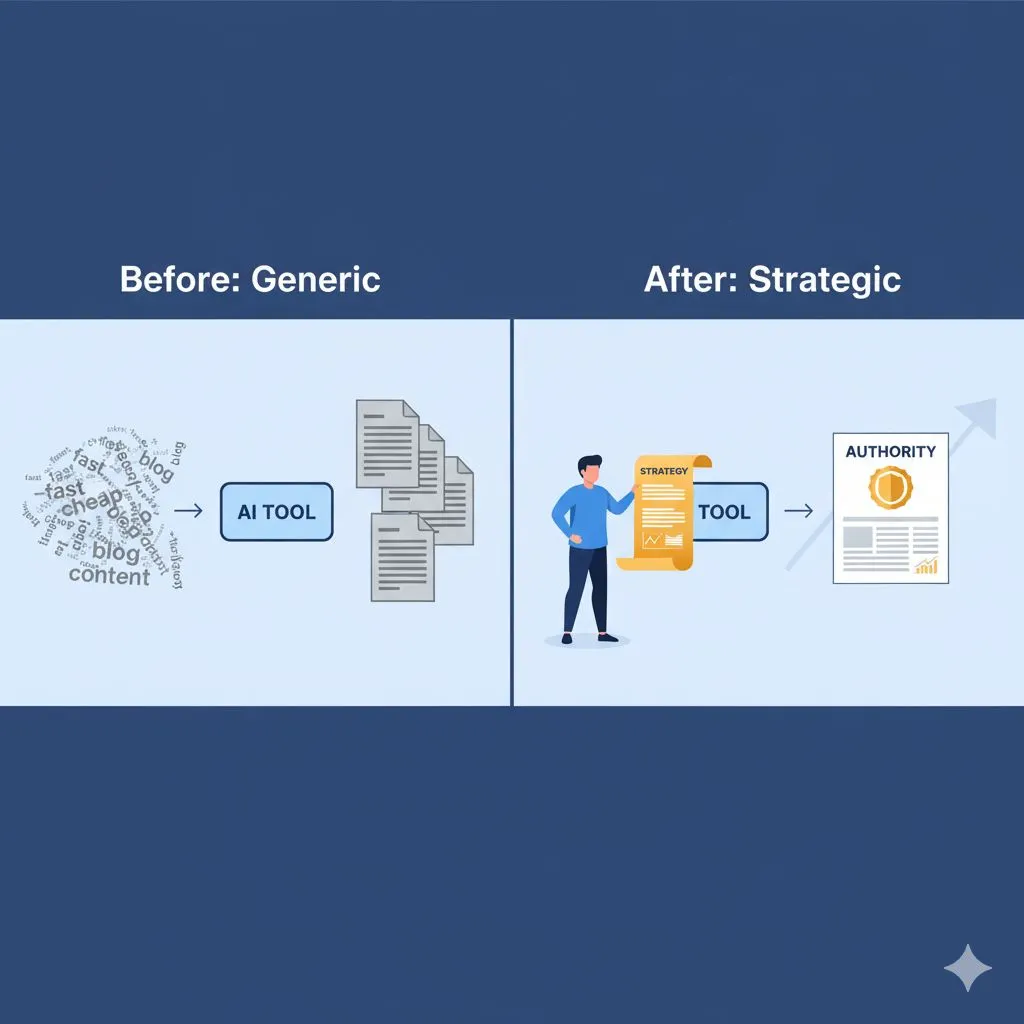
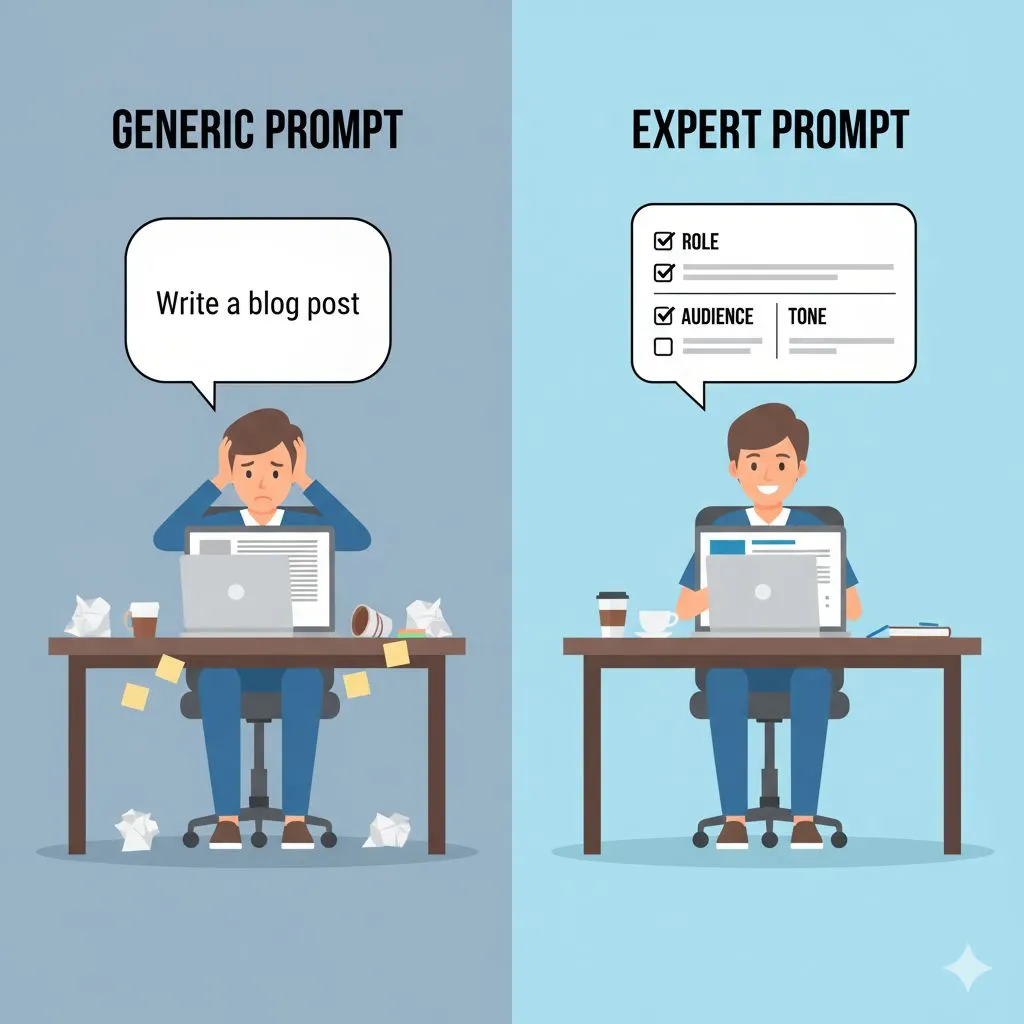
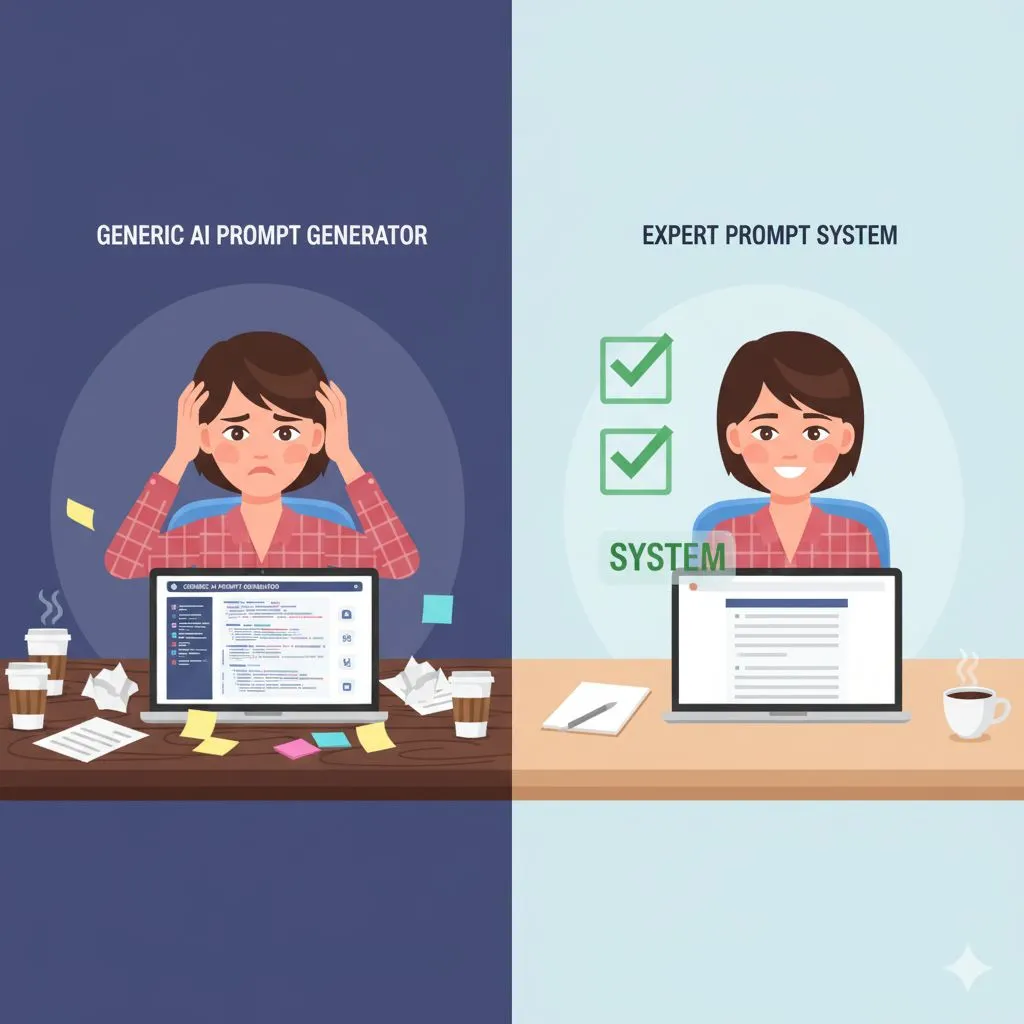
This is where the transition from disjointed, experimental initiatives to governed deployments becomes critical. Rather than leaving employees to guess how to prompt AI—which leads to inconsistent quality and unpredictable outputs—organizations must implement standardized, expert-level frameworks. Providing your teams with structured, industry-specific prompts ensures that AI is used safely, efficiently, and consistently across the board.
By standardizing the inputs, you standardize the outputs. This allows you to elevate brand perception, maintain rigorous quality control, and integrate AI directly into your core operating infrastructure. It transforms an unpredictable variable into a reliable lever for margin expansion.
Establishing Governance and "Kill Criteria"
To manage shadow AI effectively, organizations must deploy a structured AI Portfolio Matrix. This requires dedicated executive leadership, often championed by a Chief AI Officer or an AI Strategy Leader, to bridge the gap between technical teams and the board's financial expectations.
Governing AI means moving beyond the sandbox and establishing strict parameters for success:
- Implement "Kill Criteria": Establish clear financial thresholds for all AI initiatives. If a project or tool cannot demonstrate a measurable impact on the P&L within a defined timeframe, it must be ruthlessly defunded.
- Deploy Cross-Departmental Alignment: Flatten organizational structures so AI can execute end-to-end workflows rather than operating in isolated departmental silos.
- Evaluate Buy vs. Build Architecture: Assess compute costs, speed to market, and proprietary data protection to determine when to build custom models and when to deploy standardized, expert-engineered frameworks to your workforce.
Embrace, Govern, and Scale
The gap between theoretical AI ambition and executive readiness is closed through proactive management, not prohibition. Banning AI at work is a reactive measure that cedes control, blinds leadership to security risks, and neutralizes the technology's economic potential.
To turn AI into a primary driver of enterprise value creation, leaders must provide their workforce with sanctioned, structured, and highly effective AI tools. When you equip your teams with proven frameworks, you eliminate the need for Shadow AI, reclaim oversight, and position your organization to capture true financial returns.
Are you ready to move out of pilot purgatory and start scaling your operations securely? Evaluate your organizational readiness and ensure you have the structured frameworks required for success. Visit https://expertaiprompts.com/is-your-small-business-ready-for-ai-implementation-checklist to download your comprehensive implementation guide today.