The Rise of AI Video: Should You Jump on the Bandwagon?
The Rise of AI Video: Should You Jump on the Bandwagon?
Feb 03, 2026

The Landscape & The Hype
If you have scrolled through LinkedIn or X (formerly Twitter) in the last six months, you have likely seen them: hyper-realistic videos generated from thin air, avatars that speak 40 languages fluently, and clips claiming to be the "death of Hollywood."
For the tech enthusiast, it is exciting. But for you—the business owner wearing ten different hats, juggling client delivery, finances, and marketing—it likely feels like one more wave of noise crashing over your head. Whether you are new to AI content tools or already exploring what is possible, our definitive guide to AI for social media maps the full landscape for small business owners and gives you a strategic starting point.
You are already overworked. You are already skeptical of unproven "hacks." And you are asking the only question that matters: Is ai video generation a genuine lever I can pull to grow my business, or is it just another shiny object that’s going to waste my time?
As small business owners, we don’t have the luxury of R&D departments. We don’t have time to "play" with tools that don't pay rent. We need ROI, and we need it yesterday.
This analysis cuts through the hype. We aren’t looking at what AI video might do in five years. We are looking at what it can do for your workflow, your brand authority, and your sanity today.
Defining the Landscape: What is AI Video Generation Actually?
Before we decide if it belongs in your toolkit, let’s strip away the buzzwords. When we talk about AI video generation in a commercial context, we generally fall into three categories:
- Text-to-Video (Generative B-Roll): You type a prompt like "Cinematic drone shot of a modern office, golden hour," and tools like Runway or Sora generate original footage. This replaces stock footage subscriptions.
- AI Avatars: Tools like HeyGen or Synthesia allow you to upload a script, and a photorealistic avatar (or a digital clone of yourself) delivers the lines with perfect lip-syncing. This replaces the need for a studio, lighting, and camera setup.
- AI Editing & Repurposing: Tools that take a long-form video (like a Zoom call or podcast) and automatically chop it into viral shorts, adding captions and emojis.
The Accessibility Shift
Five years ago, producing a high-quality 60-second commercial required a budget of $5,000+, a videographer, an editor, and a week of turnaround time. Today, a solopreneur with a $50 monthly subscription — and the right tools in their best AI tools stack for business — can produce a similar asset in 15 minutes while waiting for their coffee to brew.
This democratization is terrifying for traditional production houses, but for the resource-constrained entrepreneur, it represents a massive shifting of the tides. However, access to tools doesn't guarantee success. Just because you own a hammer doesn't mean you can build a house.
The Business Case (Pros)
The Business Case: Why Ambitious Owners Are Paying Attention
Let’s look at this through the lens of Alex Rivers—our archetype for the ambitious but overextended business owner. Alex wants to compete with the big agencies but lacks their headcount. This is where ai video generation ceases to be a toy and becomes a force multiplier.
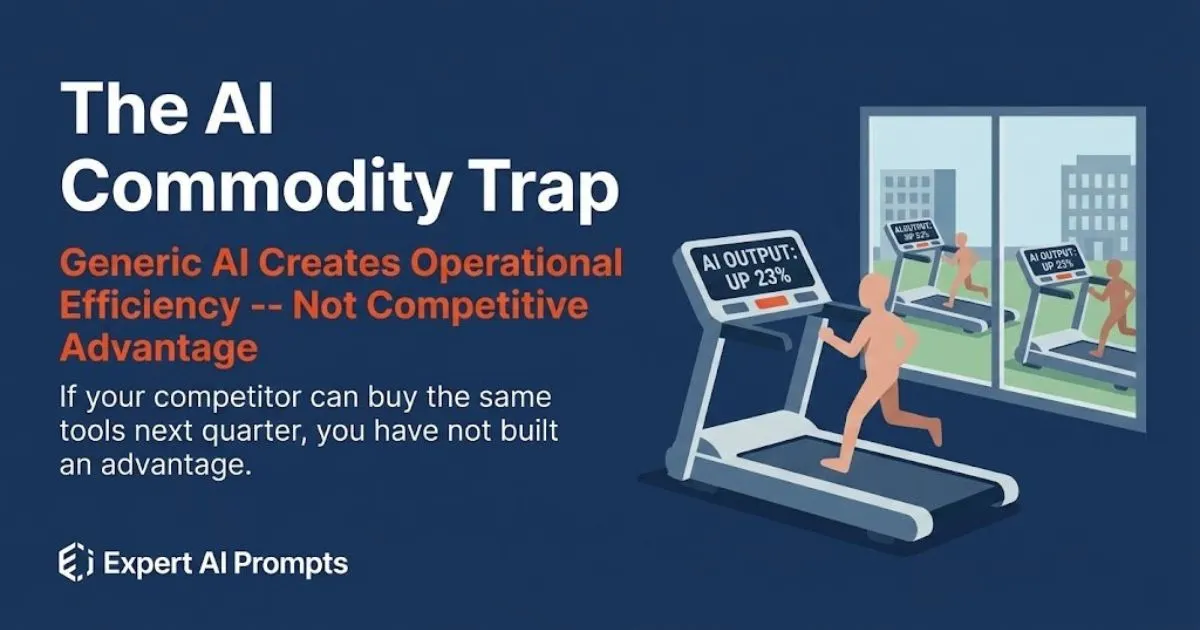
1. Speed and Volume: The Content Treadmill
Social media algorithms today demand volume. To stay relevant on Instagram Reels, TikTok, or YouTube Shorts, you need to be posting daily. For a small team, this is usually impossible without sacrificing quality or sleep.
AI video allows you to decouple content creation from physical recording. If you are sick, travelling, or simply buried in client work, your digital twin can still film a market update. You can script 10 videos on a Sunday night and have the AI render them while you sleep. Suddenly, "daily posting" isn't a burnout sentence; it's an automated workflow. For a practical breakdown of how to structure this, see our guide on how to create a month of AI-generated social media content — including batch workflows and prompt templates.
2. Cost Efficiency vs. Production Value
High production value builds trust. Grainy webcam videos do not. Traditionally, high value meant expensive gear. AI bridges this gap. You can ensure perfect lighting, clear audio, and professional backgrounds without renting a studio.
Consider the cost of a freelance editor ($50-$100/hour) versus an AI tool that edits, captions, and formats your video in seconds. For the bootstrapped business, this isn't just a saving — it is measurable ROI. Use our free AI ROI Calculator to quantify exactly what AI tools are saving you each month before you reinvest a single dollar.
3. Scalability and Global Reach
Here is where the scale becomes mind-bending. If you are consulting for clients globally, AI video tools can take your single English video and dub it into Spanish, French, or German, preserving your voice tone and lip-syncing the output.
You are no longer limited by your physical ability to speak a language or your time zone. You are cloning your expertise.
4. Solving the "Camera Shy" Bottleneck
Many brilliant entrepreneurs stay small simply because they hate being on camera. They have the knowledge, but the anxiety of recording paralyzes their marketing. AI-generated B-roll with voiceovers, or using professional stock avatars, allows these owners to produce expert-level content without ever showing their face, removing the friction between their expertise and the market.
The Reality Check (Cons)
The Reality Check: Risks and Roadblocks
If AI video is so powerful, why isn’t everyone winning with it? Because, as with any tool, misuse leads to disaster. There are genuine risks to jumping on the bandwagon without a strategy.
1. The "Uncanny Valley" and Trust Erosion
We have all seen them—AI videos that look almost real, but the eyes are dead, or the hand gestures are weirdly smooth. This is the "Uncanny Valley."
In business, trust is your currency. If your audience feels like they are being talked to by a robot pretending to be a human, you don't just lose their attention; you lose their respect. Audiences are sophisticated. They can smell "fake" from a mile away. If you rely on low-quality AI avatars to deliver deeply emotional or empathetic messages, you will come across as cold and calculating.
2. The "Sea of Sameness"
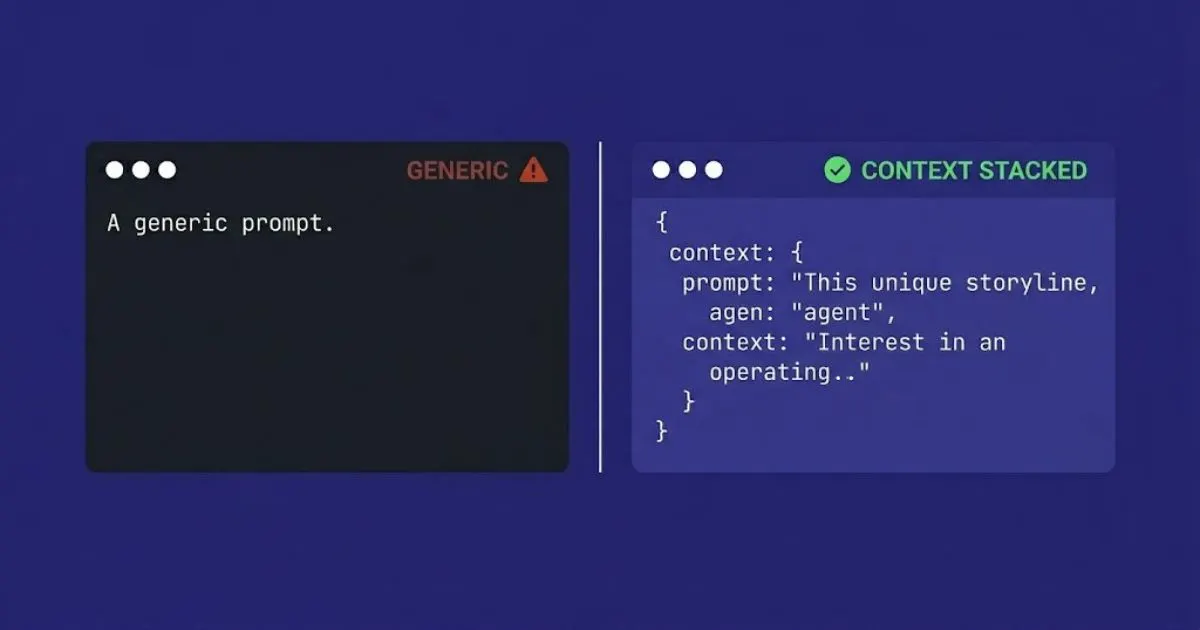
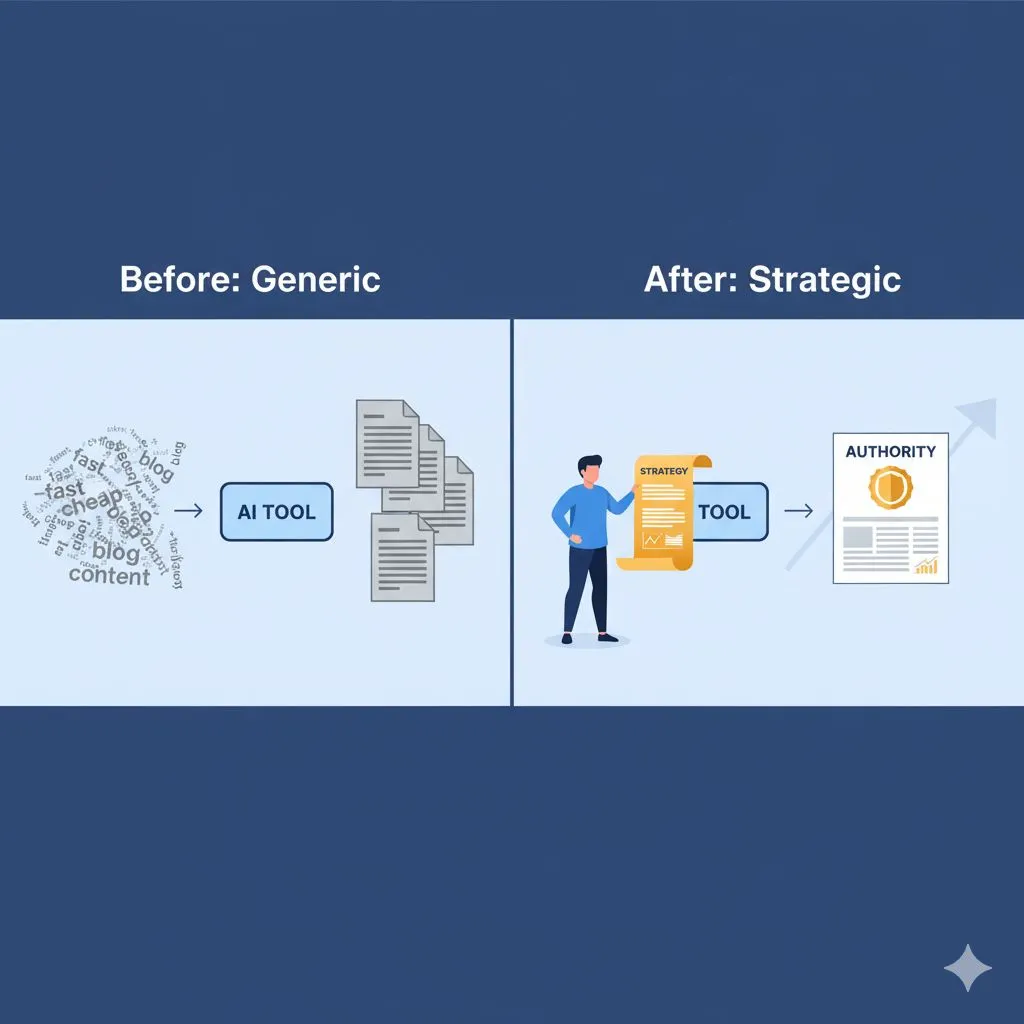
Generic prompts generate generic content. If you use the same AI templates as your competitors, your brand identity evaporates. We are seeing a flood of "AI slop"—content that is technically proficient but creatively bankrupt.
If your video looks like every other AI-generated explainer, you become background noise. The tool can create the pixels, but it cannot create the point of view. That must come from you.
3. The Hidden Learning Curve
There is a misconception that AI is a "magic button." It isn't. It is a skill set.
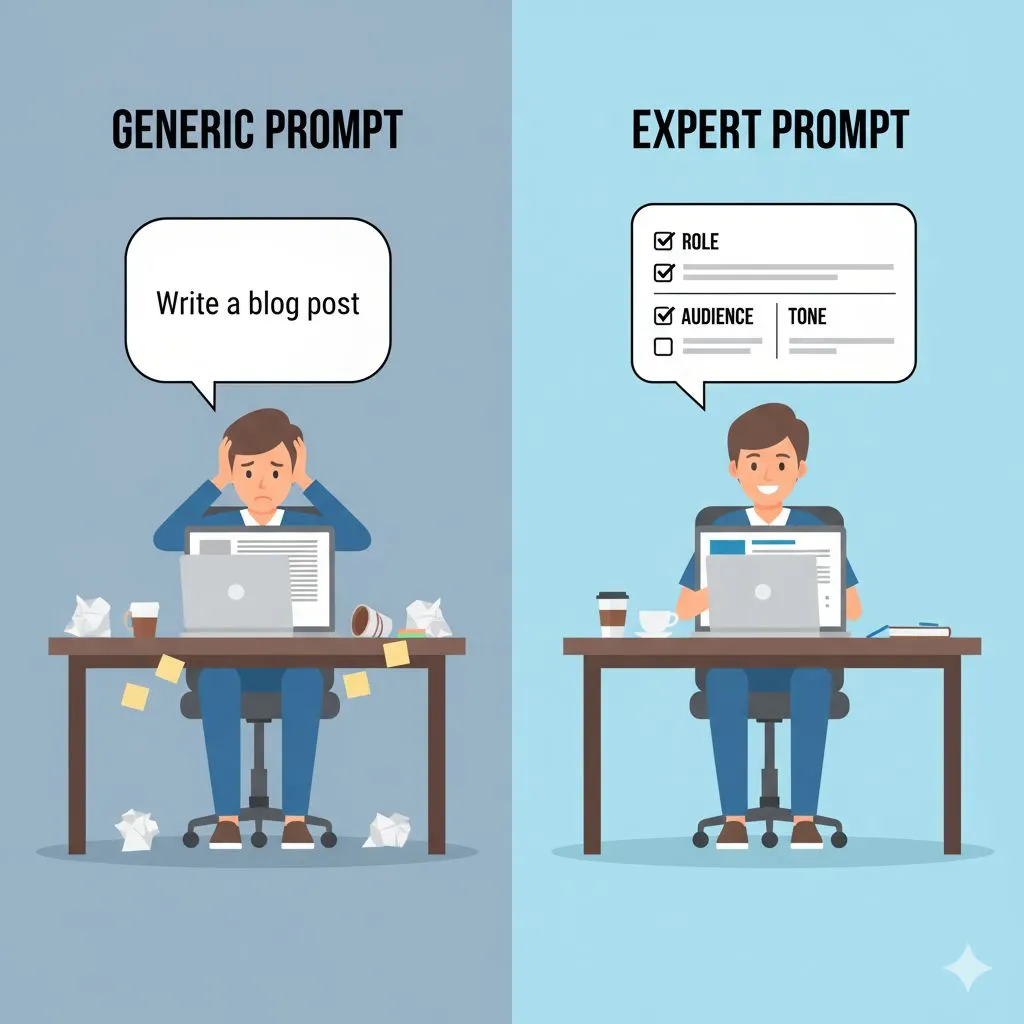
Writing a prompt that generates a specific, on-brand result requires practice. "Make a viral video for my consulting business" will get you garbage. "Create a fast-paced, 15-second hook about supply chain inefficiencies using kinetic typography and an assertive tone" will get you a result.
If you want to develop this skill systematically, our Entrepreneur's Playbook for Prompt Engineering gives you a repeatable framework — no technical background required.
Many entrepreneurs dive in, get poor results because of poor prompting, and then abandon the tech, claiming "it doesn't work." It works, but only if you learn the language of the machine.
Strategic Implementation: How to Adopt Without Losing Your Soul
So, should you jump on the bandwagon? Yes—but you shouldn't let the bandwagon drive.
The goal is not to replace you. The goal is to amplify you. The winning formula for small business owners is Human Strategy + AI Execution.
1. The Hybrid Model
Don't automate the heart of your business. If you are delivering a heartfelt apology to a client or sharing a vulnerable story about your founder's journey, pick up your phone and record it yourself. The imperfections make it real.
Use ai video generation for the "hands" work:
- Educational Explainers: High-value, information-dense content where clarity matters more than emotion.
- FAQs: rapid-fire answers to common customer questions.
- Pattern Interrupts: Using AI-generated visuals to create weird, wonderful, or striking hooks that stop the scroll in the first 3 seconds.
2. Best Use Case: The Viral Reel Workflow
For Alex Rivers, the biggest win is in short-form video — and the TikTok Prompt Playbook is built exactly for this workflow.
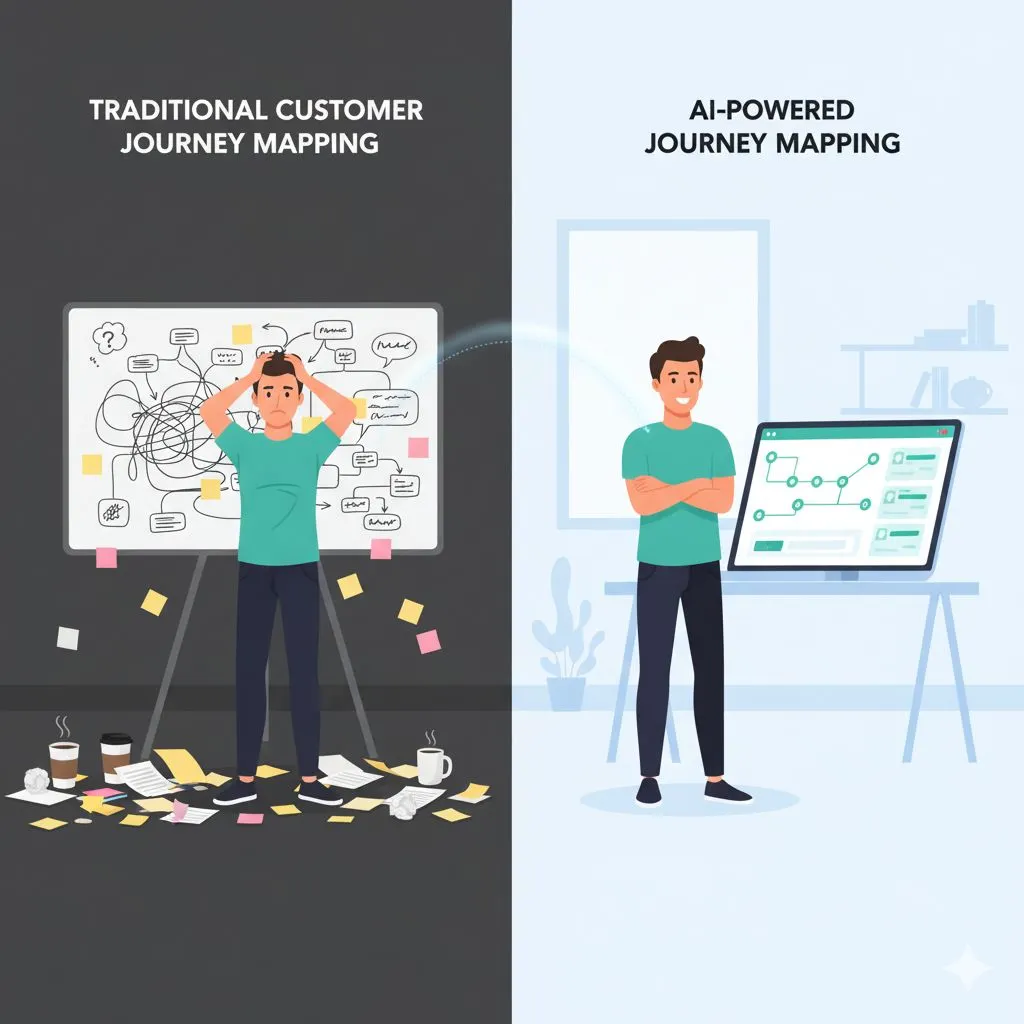
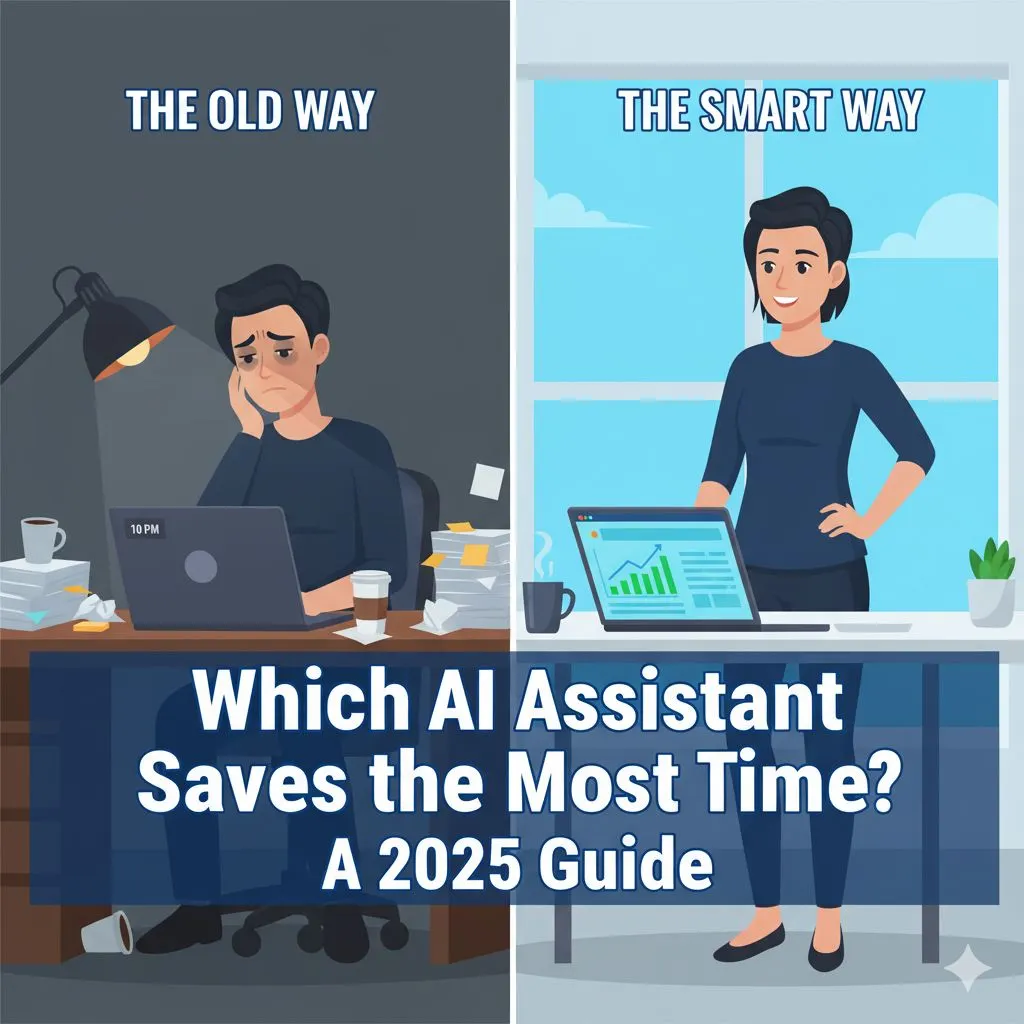
- Old Way: Write script, set up lights, record 15 takes, import to Premiere, cut bad takes, add captions, export. (Total time: 2 hours).
- New Way: Write script (or use AI to refine your points), upload to an AI video tool with your digital avatar, auto-generate captions. (Total time: 10 minutes).
3. Quality Control is King
Never publish raw AI output. Always review. Does the tone match your brand? Are the facts correct? Is the visual style consistent with your color palette? Treat the AI as a junior intern—it’s fast and eager, but it needs your final sign-off.
Conclusion: From Overwhelmed Operator to Tech-Enabled Strategist
The rise of AI video isn't about robots taking over art. It's about resourceful entrepreneurs reclaiming their time.
For years, the "content game" was rigged in favor of big teams with big budgets. Ai video generation levels the playing field. It gives you the resources of a production house for the price of a lunch.
But remember: The tool is not the strategy. A boring video produced by AI is still a boring video—it just cost you less time to make. To truly win, you need to combine this new efficiency with the one thing AI cannot replicate: your unique expertise, your brand's voice, and a proven framework for engagement.
You don't need to hire a team of ten to grow like one. You just need the right prompts and the courage to adapt. Start with our free resources — explore all 11 free AI prompt tools and templates, including the Perfect Prompt Framework and the 5-Hour Saver Pack.
If you are ready to go further, view the full Expert AI Prompts pricing catalog — 30 industry-specific prompt packs, one-time investment.
Ready to Stop Hustling and Start Scaling?
You don’t have time to learn prompt engineering from scratch. You need a system that works out of the box.
We have deconstructed the scripts and visual prompts of the internet's most successful creators and packaged them into a plug-and-play solution for business owners like you.
Get the 10-Minute Viral Reel Template & Prompt Pack Here
Stop spinning your wheels. Start dominating your niche.
Further Reading
The Definitive Guide to AI for Social Media
How to Create a Month of AI-Generated Social Media Content
AI Prompts for Viral Hooks on Social Media