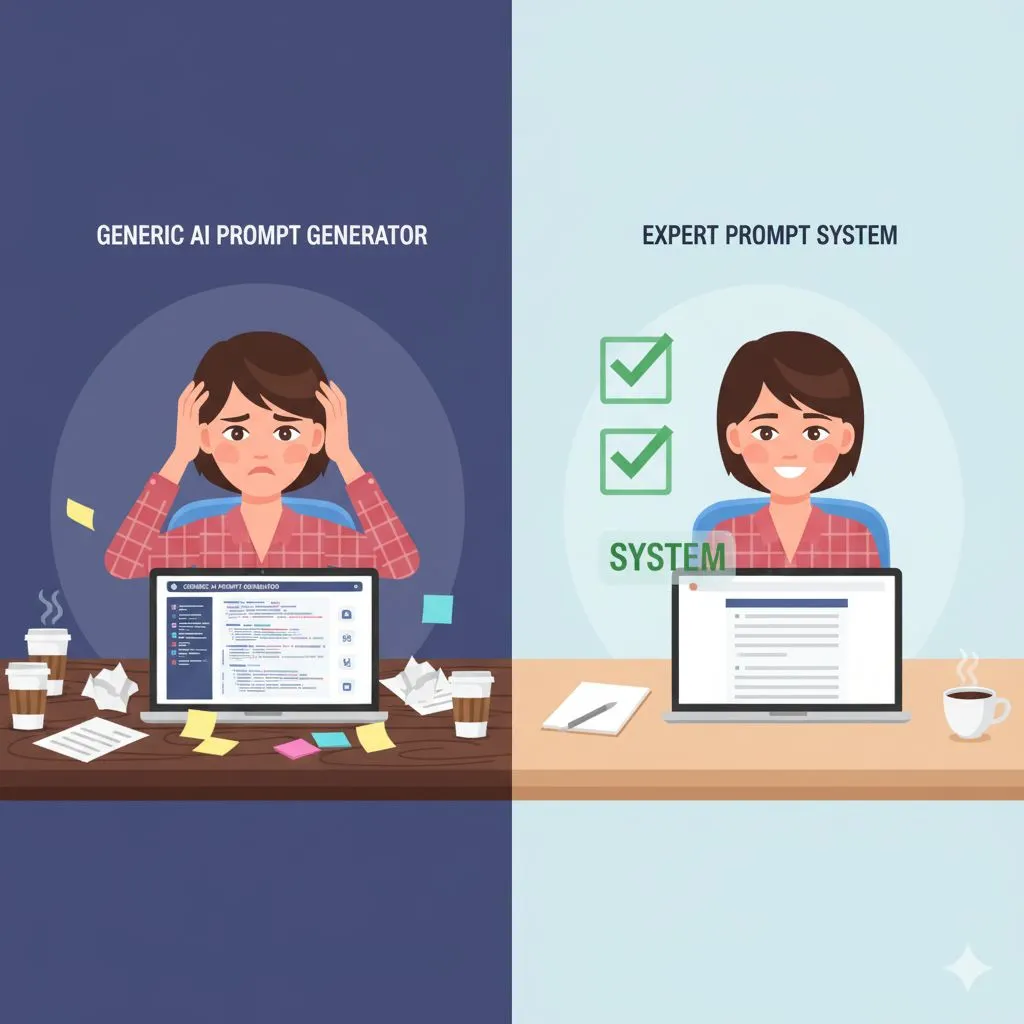
The Freelancer’s Edge: How to Win More Proposals with AI
The Freelancer’s Edge: How to Win More Proposals with AI
Jan 23, 2026

You know the feeling. It’s 9:00 PM on a Tuesday. You’ve just finished a full day of client work—the actual "billable" stuff that keeps the lights on—and now you’re staring at a blinking cursor. You have a proposal to write for a dream client.
You know you’re the best person for the job. You have the skills, the portfolio, and the drive. But you also have fatigue. You’re wondering, “Do I have the energy to spend three hours researching and writing a custom pitch, only to potentially get ghosted?”
This is the proposal paradox. To grow your business, you need to win new clients. To win new clients, you need to write exceptional, tailored proposals. But writing those proposals takes massive amounts of time—time you don’t have because you’re busy servicing the clients you already have.
For years, the only solution was to work longer hours or hire expensive sales support. But the landscape has shifted. This is where AI for freelancers changes the game.
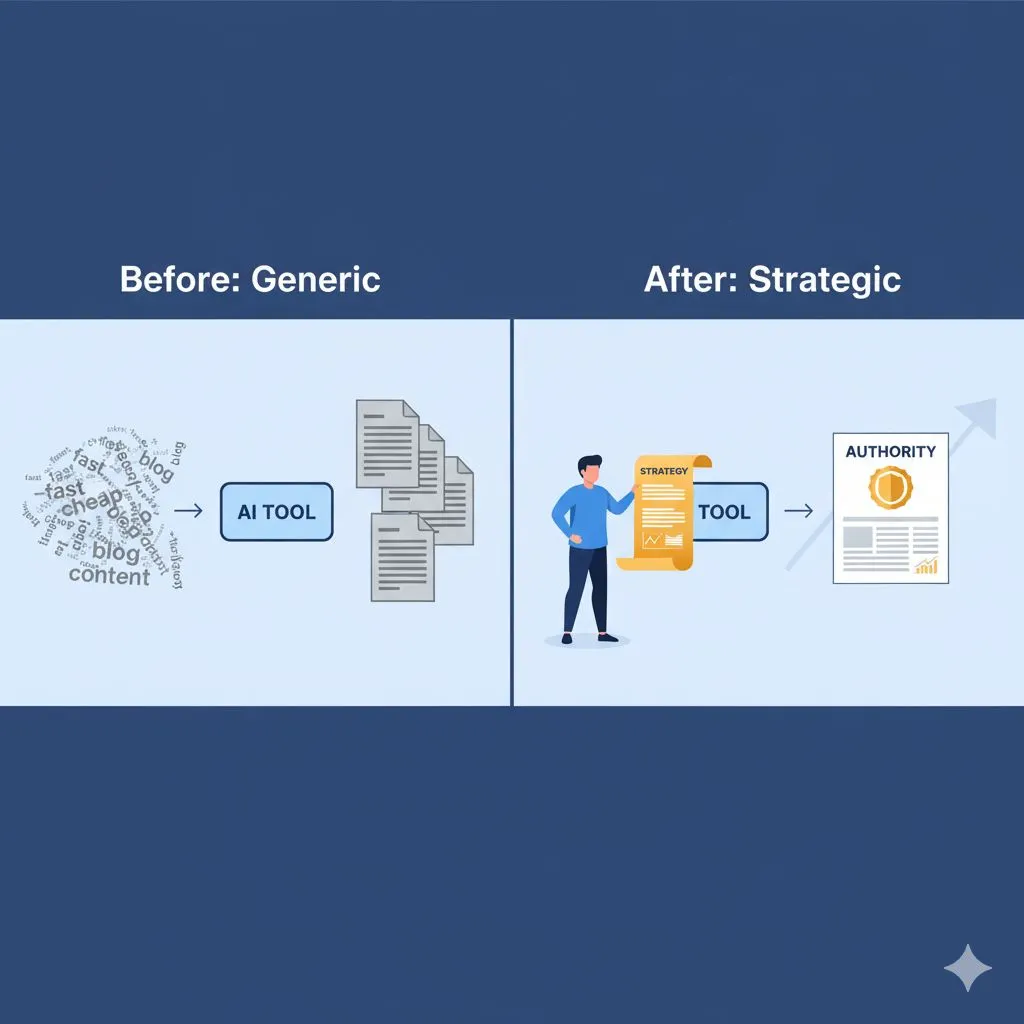
We aren't talking about generating generic, robot-sounding text that screams "I didn't try." We are talking about using Artificial Intelligence as a strategic lever to reclaim your time, deepen your research, and present yourself with the polish of a top-tier agency.
If you are an ambitious solopreneur like Alex Rivers—wearing every hat from CEO to cleaner—you don’t need more work. You need an edge. This guide explores how to transform your proposal process from a dreaded late-night chore into a scalable, winning system.
The Mindset Shift: AI as Your Junior Strategist
Before we dive into the tactical "how-to," we have to address the elephant in the room: Skepticism. When you use tailored, expert-level prompts, you bridge the gap between efficiency and quality. You stop hustling for every word and start architecting a winning argument.
You’ve likely tried ChatGPT or similar tools and been unimpressed. Maybe the output was fluffy, inaccurate, or sounded like a corporate brochure from 1995. You might be thinking, “I can’t risk my brand reputation on low-quality content. My clients pay for MY voice, not a machine’s.”
You are absolutely right. If you use AI to simply "write a proposal," you will fail.
The secret to mastering AI for freelancers lies in a shift in roles. You must stop viewing AI as the Writer and start viewing it as your Junior Strategist.
From Writer to Executive Editor
When you sit down to write a proposal from scratch, you are burning high-value cognitive energy on structure, basic phrasing, and formatting. This is "low-leverage" work.
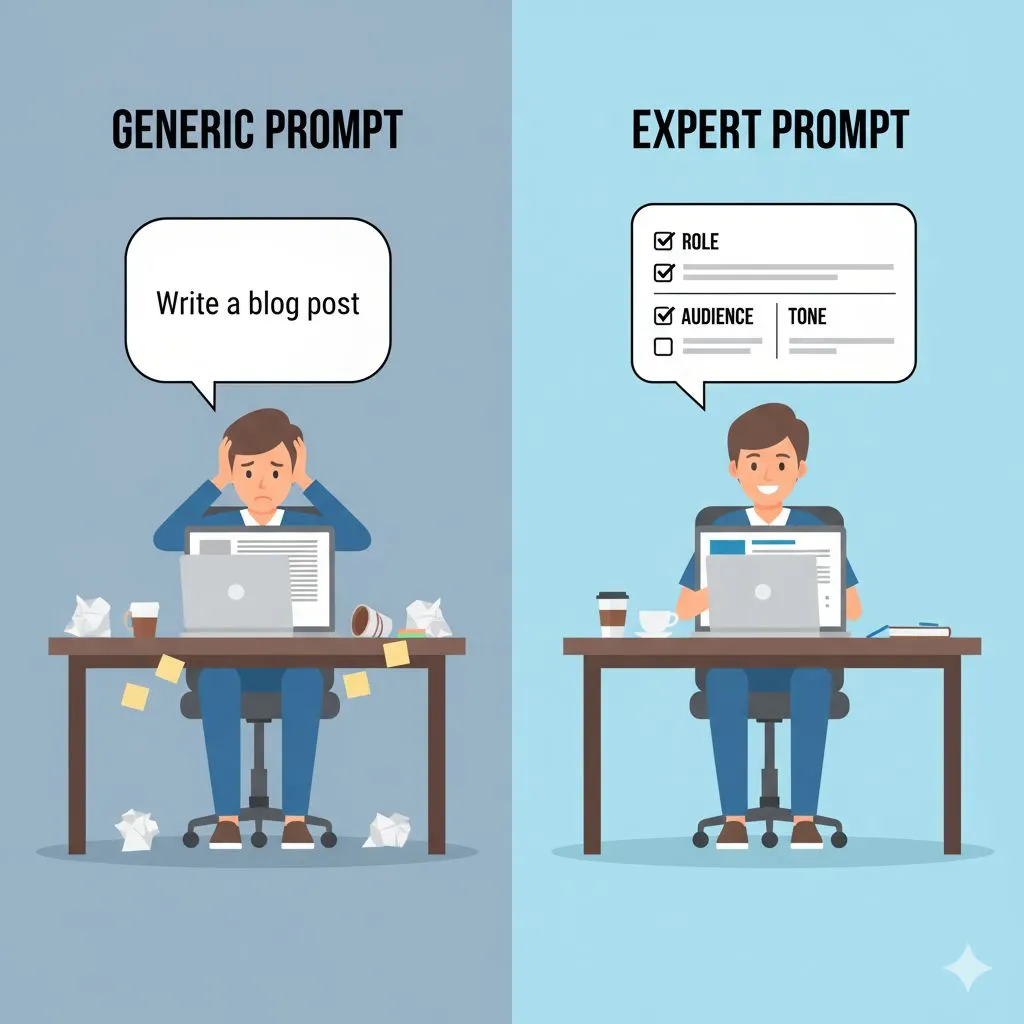
Instead, imagine you have a bright, eager assistant. You wouldn't tell them, "Go write a proposal." You would give them specific instructions: "Research this client's competitors, outline a solution based on our 'X' framework, and draft an executive summary that emphasizes ROI."
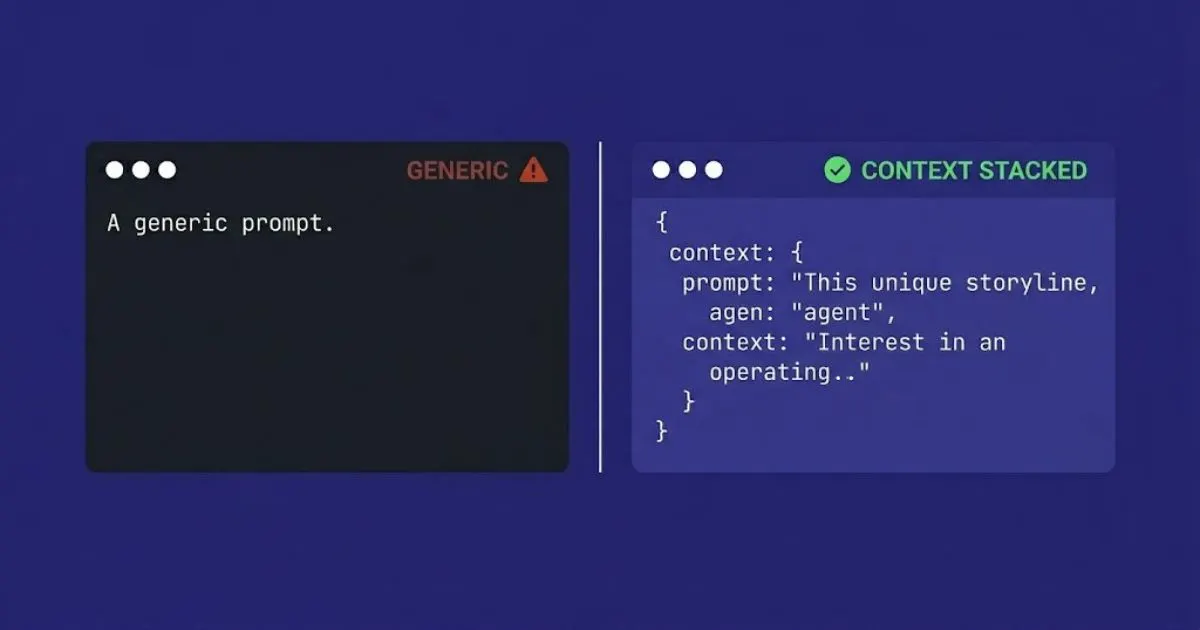
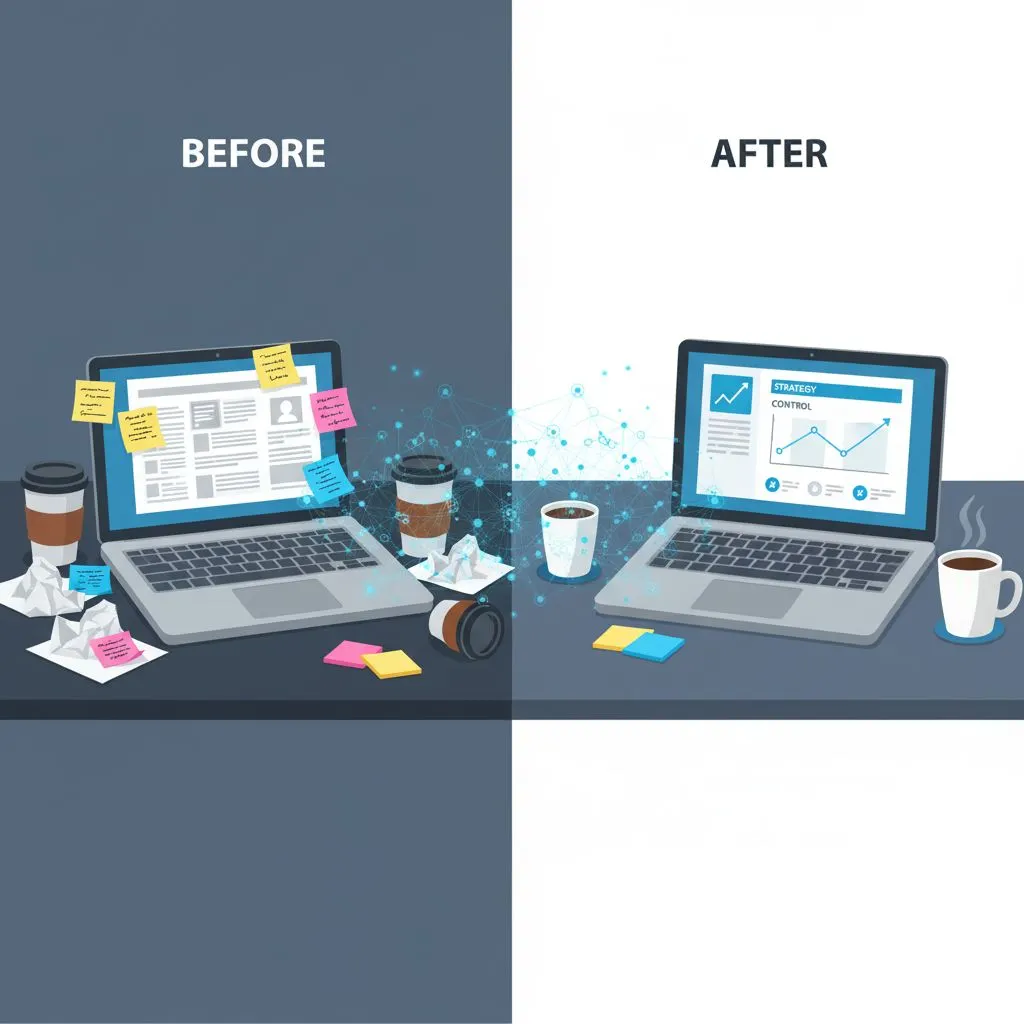
When you treat AI this way—providing context, strategy, and constraints—the output transforms. Your job then shifts from staring at a blank page to editing. It is infinitely faster and less draining to refine a solid 80% draft than it is to create 100% from nothing.
Speed Without Sacrificing "The Human Touch"
The goal isn't to automate the relationship; it's to automate the legwork. By offloading the research and initial drafting to AI, you free up your mental bandwidth for the things a machine cannot do:
- Injecting your unique personal anecdotes.
- Applying high-level strategic nuance specific to your industry.
- Building genuine rapport.
When you use tailored, expert-level prompts, you bridge the gap between efficiency and quality. You stop hustling for every word and start architecting a winning argument.
Phase 1: The Deep Dive (Research & Client Intelligence)
The biggest mistake freelancers make is sending generic proposals. Clients can smell a "copy-paste" job from the subject line. To win, you must show you understand their business better than they do.
In the past, proper research meant hours of reading blog posts, stalking LinkedIn profiles, and analyzing competitor sites. Now, using AI for freelancers effectively means you can condense that three-hour process into 15 minutes of high-impact analysis.
Beyond Google: Structured Intelligence
Instead of aimlessly browsing, use AI to synthesize information. You can feed an AI tool the client’s URL and ask for specific insights.
The "Pain Point" Extraction
Clients often don't know what their actual problem is; they only know the symptom. For example, they might say they need "new blog posts." But their actual problem is a lack of qualified leads.
You can use AI to bridge this gap.
- The Prompt Strategy: Ask the AI to act as a senior business analyst in the client's specific industry. Feed it the client’s mission statement or "About Us" page. Ask it to identify the top 3 industry-specific challenges this company is likely facing right now.
Suddenly, you aren't just pitching "blog posts." You are pitching "a content strategy to lower customer acquisition costs." You have instantly elevated yourself from a commodity provider to a strategic consultant.
The Competitor SWOT Analysis
Nothing impresses a prospect more than knowing who they are fighting against.
- The Strategy: Ask AI to list the client’s top 3 digital competitors and perform a rapid SWOT (Strengths, Weaknesses, Opportunities, Threats) analysis based on public data.
- The Result: Your proposal can now include a section titled "Market Landscape," where you highlight a specific weakness in a competitor that your service will help the client exploit.
Phase 2: Structuring the Persuasive Narrative
Once you have the intelligence, you need the narrative. A proposal is not a price list; it is a sales letter. It needs a hook, a story, and a resolution.
Breaking the Template Habit
Many freelancers use the same template for everyone, changing only the name and price. This is efficient, but ineffective. With AI, you can have a "modular" template that adapts to the client’s specific psychology.
The PAS Framework (Problem-Agitation-Solution) — This is a classic copywriting formula that AI handles beautifully—if you guide it.
The PAS Framework (Problem-Agitation-Solution)
This is a classic copywriting formula that AI handles beautifully—if you guide it.
- Problem: State the issue clearly (using the research you just did).
- Agitation: Describe the emotional or financial cost of letting that problem continue.
- Solution: Present your service as the only logical relief.
Drafting the Executive Summary
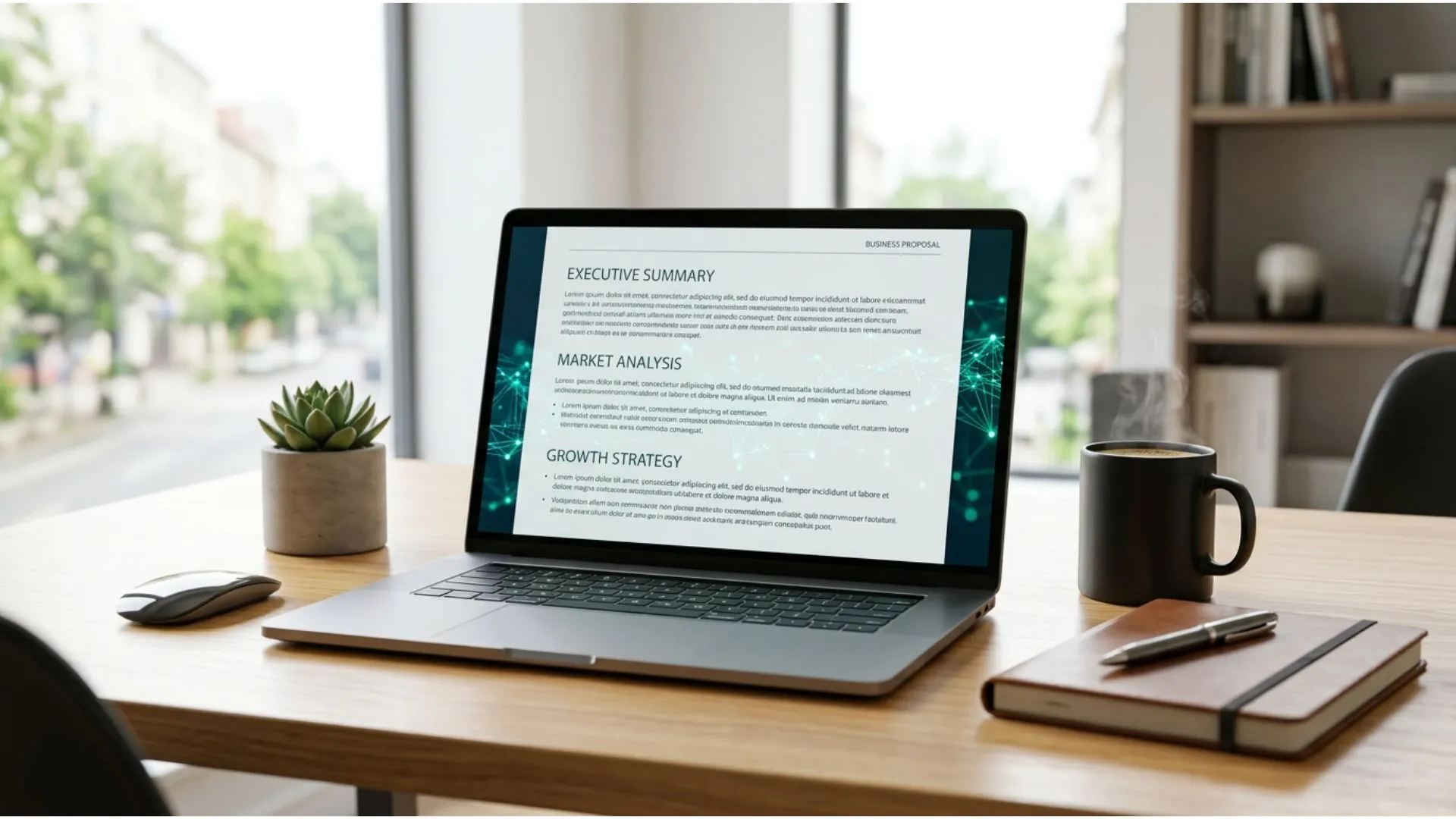
The Executive Summary is the most important part of your document. It’s often the only thing decision-makers read.
- How to do it: Don’t write this last. Use AI to draft it first based on your research notes.
- The Prompt Logic: "Based on [Client Name]'s struggle with [Pain Point], write a persuasive 200-word Executive Summary. The tone should be authoritative yet empathetic. Focus on the transformation from [Current State] to [Future State]."
Defining the Scope of Work (SOW)
This is where freelancers often get burned. Vague SOWs lead to "scope creep"—the silent killer of profitability.
AI is excellent at anticipating tasks you might forget. If you are a web designer, you might forget to list "hosting setup" or "plugin licensing."
- The Edge: Ask the AI: "I am proposing a website redesign project. List all standard deliverables and potential 'out of scope' items I should explicitly mention to protect my time."
This ensures your proposal is robust, professional, and protects your bottom line before you even sign the contract.
Phase 3: The Polish & The Price
You have done the research. You have drafted the structure. Now comes the part where deals are often won or lost: the nuance. This is where you refine the "voice" of the proposal and tackle the uncomfortable subject of money.
Value-based pricing is superior, but harder to justify in writing. AI can help you articulate the ROI (Return on Investment) to justify a higher fee. Instead of saying, ‘I charge $100/hour for SEO,’ you can use AI to help frame the value…
Before you finalise your next proposal fee, use the free AI ROI Calculator for Small Business to build a revenue justification your client cannot argue with.
Tone Calibration: Confidence vs. Desperation
One of the subtle struggles for Alex Rivers and other solopreneurs is striking the right tone. When you really need the work, desperation can creep into your writing. You might over-explain, use too many exclamation points, or sound apologetic about your requirements. Conversely, you might accidentally sound too stiff or corporate.
AI as Your Tone Editor
Never send a first draft. Use AI to act as a "Tone Police."
- The Strategy: Paste your draft into your tool of choice.
- The Prompt: "Review this proposal draft. Critique the tone. Does it sound like a confident, expert consultant equal to the client? Highlight any sentences that sound passive, apologetic, or overly complex. Rewrite them to be punchy, professional, and direct."
This is how you ensure consistency. Whether you are writing this at 8:00 AM after a coffee or 10:00 PM after a long day, the output remains high-level.
Anticipating Objections (The Red Team Exercise)
In military strategy, a "Red Team" is a group that plays the enemy to test your defenses. You can use AI for freelancers to Red Team your proposal.
Before you hit send, you need to know why the client might say "No."
- The Prompt: "Act as a skeptical CFO of a mid-sized company. Review this proposal for [Service]. What are your top 3 objections to approving this? specifically critique the timeline and the lack of [Specific Metric]."
The AI might tell you that your timeline seems too vague, or that you haven't defined what "success" looks like. You can then go back and strengthen those sections before the client ever sees them. This makes you look clairvoyant during the pitch meeting because you’ve already answered their doubts in the document.
Pricing Confidence: Moving to Value-Based Pricing
Pricing is the most stressful part of the proposal. Freelancers often default to hourly rates because it’s easy to calculate, but it caps your income. Value-based pricing (charging for the result, not the time) is superior, but harder to justify in writing.
AI can help you articulate the ROI (Return on Investment) to justify a higher fee.
Instead of saying, "I charge $100/hour for SEO," you can use AI to help frame the value:
- The Prompt: "Help me write a pricing justification for an SEO retainer. The client sells high-ticket consulting. Explain how ranking for 5 key terms could result in $50k+ revenue, making my $3k/month fee a negligible investment."
By using AI to do the math and articulate the logic, you gain the confidence to ask for what you are actually worth.
Building a Scalable Proposal System
The ultimate goal for a business owner like you isn't just to write one good proposal. It is to create a machine that generates excellent proposals on demand. This is how you move from an overworked operator to a business owner.
The "Prompt Library"
Stop reinventing the wheel. As you refine the prompts that work for your specific industry—whether you are in graphic design, consulting, or IT—save them.
Create a "Prompt Library" or a "Cheat Sheet." Or skip the trial-and-error altogether and access a curated library of 50 industry-specific prompts for service-based businesses — built and tested for freelancers like you.
- Prompt 1: Research & Competitor Analysis
- Prompt 2: Executive Summary Generator (Tone: Professional/Persuasive)
- Prompt 3: Scope of Work Checklist
- Prompt 4: Objection Handling
When a new lead comes in, you don't stare at a blank page. You open your library, run the prompts, and have a 90% complete draft in minutes.
The Workflow Transformation
Let’s look at the math of this transformation.
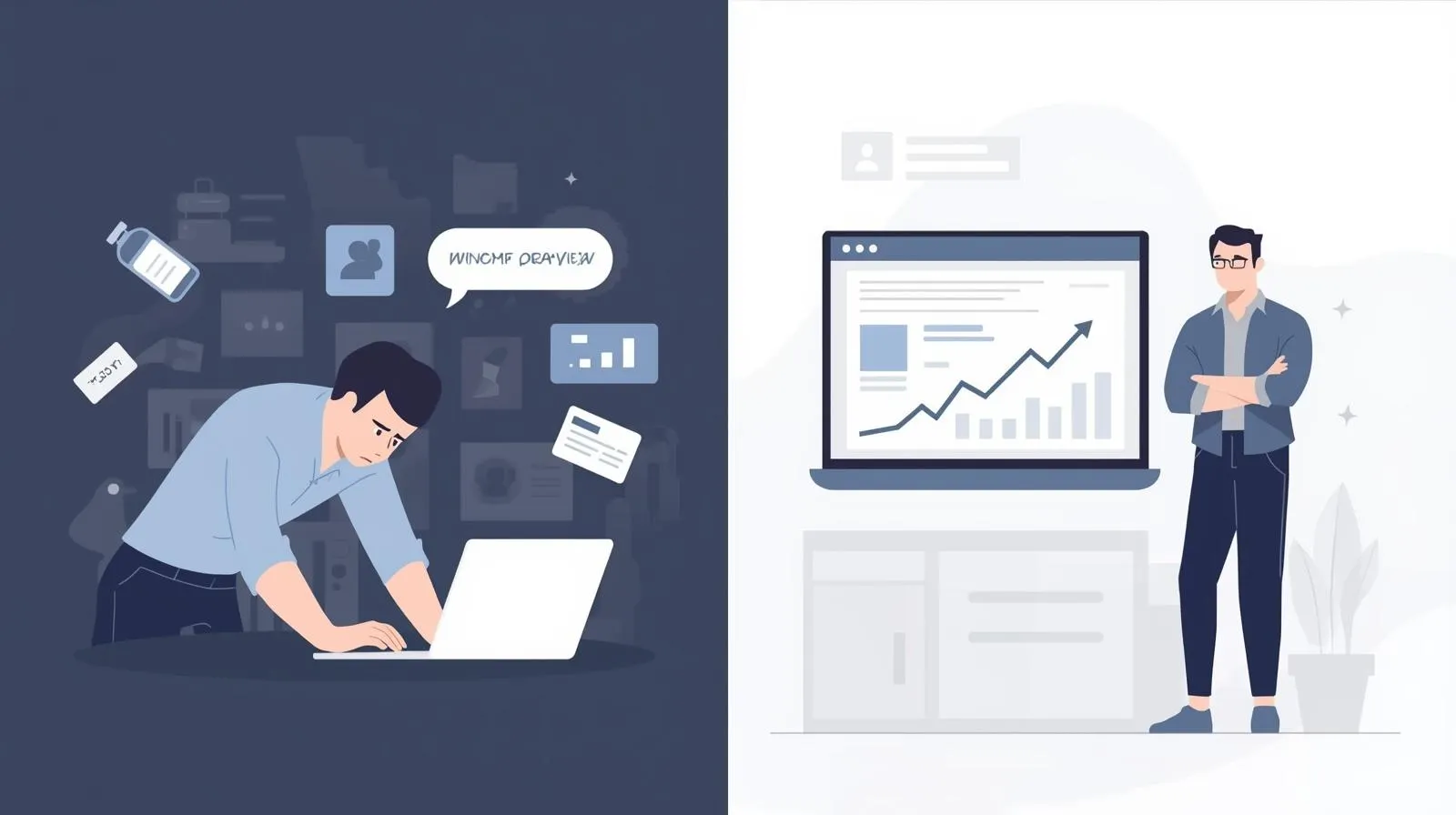
- The Old Way: 4 hours per proposal. You send 2 a week. Total cost: 8 hours (essentially one full workday).
- The AI-Assisted Way: 45 minutes per proposal. You send 2 a week. Total cost: 1.5 hours.
You have just reclaimed 6.5 hours of your week. That is nearly a full day you can devote to billable client work, strategic planning, or simply taking a well-deserved break to prevent burnout.
Consistency is Credibility
The hidden benefit of a system is consistency. When every document you send out is polished, researched, and error-free, your brand perception skyrockets. You stop looking like a "freelancer helping out" and start looking like a "firm partner." That perception allows you to raise rates and attract better clients.
Conclusion: From Operator to Architect
The digital landscape is noisy. There are millions of freelancers fighting for the same scraps on job boards. But there are very few experts who approach their business with strategic precision.
Using AI for freelancers isn't about cheating the system. It’s about professionalizing your operations. It’s about admitting that as a solopreneur, you cannot do everything manually and expect to scale.
By integrating AI into your proposal workflow, you solve the two biggest problems holding you back:
- Time Scarcity: You stop wasting hours on non-billable writing.
- Differentiation: You use the saved time to generate deeper insights that generic competitors miss.
You have the skills. You have the ambition. Now, you need the leverage. Stop hustling harder. Start bidding smarter.
Ready to Build Your Proposal Machine?
You don’t have time to learn "prompt engineering" from scratch through trial and error. You need proven, industry-specific tools that work right out of the box.
We have curated a collection of high-impact prompts designed specifically for service-based businesses like yours. From client research to objection handling, these are the exact blueprints you need to save time and close more deals.
Get the Freelancer’s Growth Kit: 50+ Expert AI Prompts to Scale Your Business
Not ready to commit? Download free AI prompts — start saving hours this week from the Expert AI Prompts free resources page.
Ready to go deeper? See all 30 industry-specific prompt packs and find the exact toolkit for your business.
Further Reading
Want to see results in action? Discover how scaling agency operations with AI delivers ROI — a real-world Expert AI Prompts case study.
Go deeper on strategy: learn how solopreneurs compete with larger teams using targeted AI prompts.
Before your next tool purchase, review the common mistakes freelancers and solopreneurs make with AI tools — avoid the traps that stall growth.