The Event Marketer’s Guide to Selling Out Venues Using AI
The Event Marketer’s Guide to Selling Out Venues Using AI
Jan 22, 2026

If you are reading this, you probably know the specific type of anxiety that comes with event marketing. It’s the creeping fear of the empty chair.
As a small business owner or marketing lead, you aren’t just the promoter. You’re likely the logistics coordinator, the budget manager, the copywriter, and the customer support team all rolled into one. You want to sell out the venue—whether it’s a 50-person workshop or a 500-person conference—but you simply don’t have the hours in the day to execute a Fortune 500-level campaign.
This is where the conversation around event marketing AI shifts from "futuristic hype" to "survival tool."
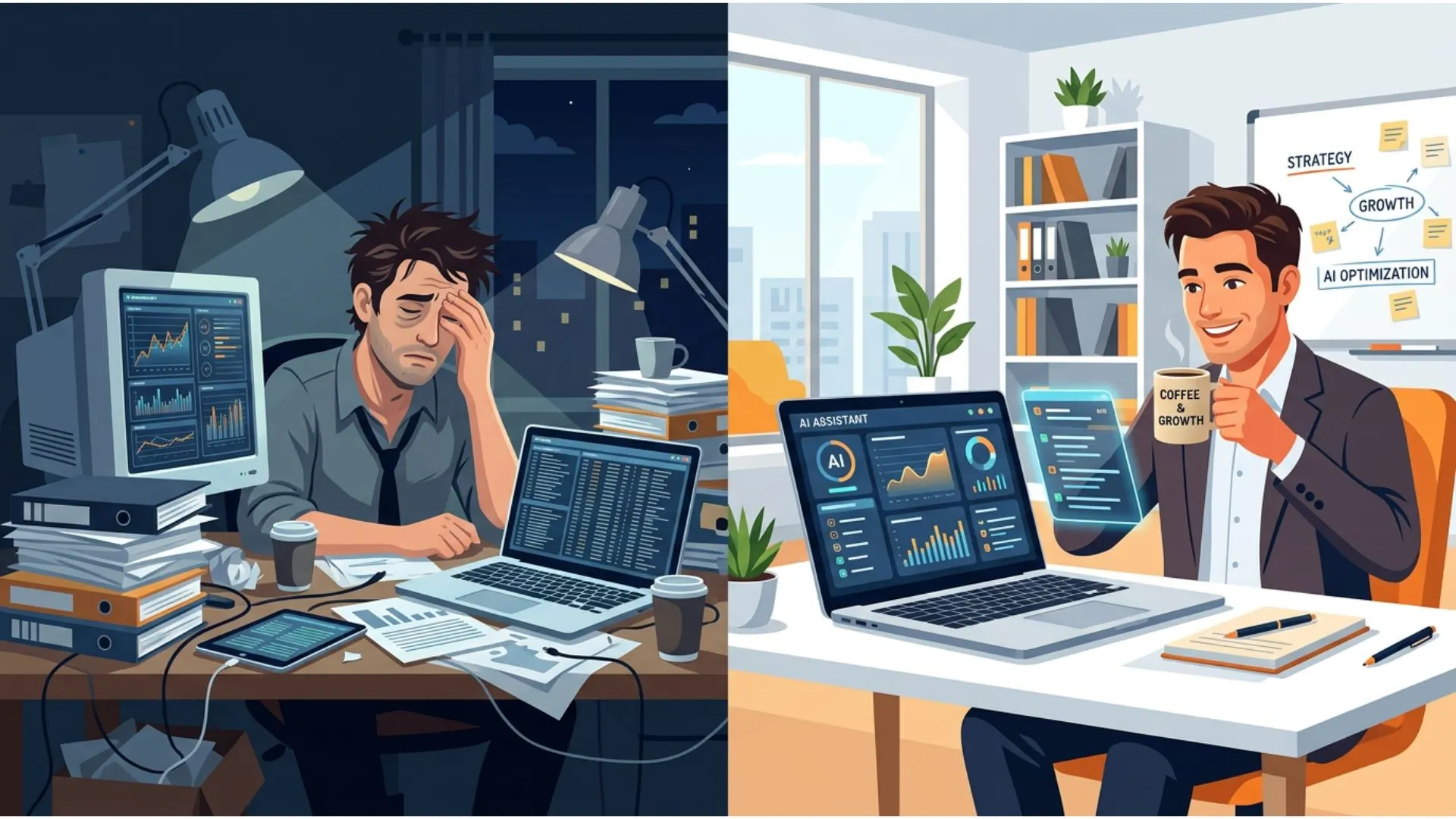
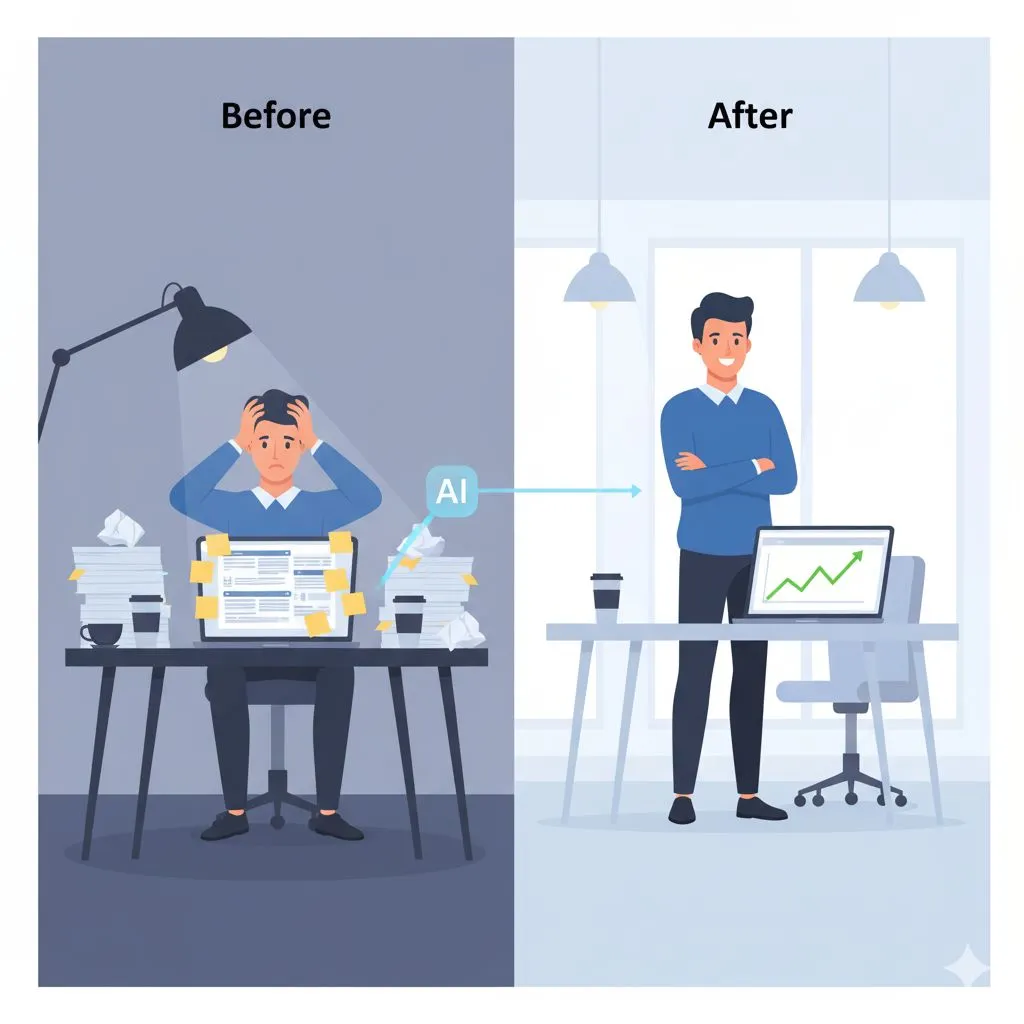
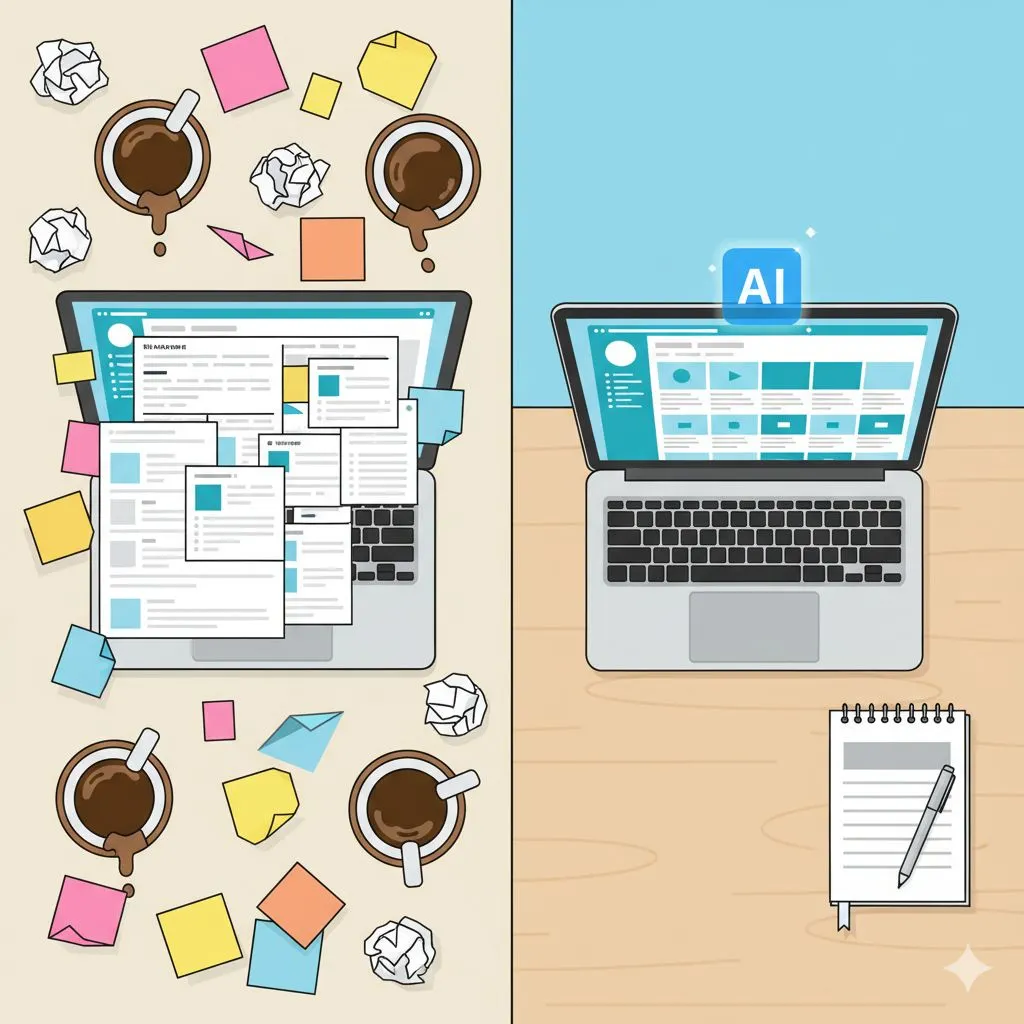
For entrepreneurs like you, AI isn’t about replacing the human touch that makes your events special. It’s about cloning your best strategic thinking so you can execute at scale without burning out. It’s about moving from a frantic operator to a confident strategist.
In this guide, we aren’t looking at theoretical tech. We are looking at a practical, step-by-step workflow to fill seats, engage attendees, and reclaim your time using artificial intelligence.
Phase 1: The Strategy — Identifying & Dissecting Your Audience
Before you write a single word of copy or design a flyer, you need to know exactly who you are inviting. Most overworked marketers skip this step or rely on gut feelings because they are rushed. AI allows you to perform deep-dive market research in minutes rather than weeks.
Deep Dive Persona Generation
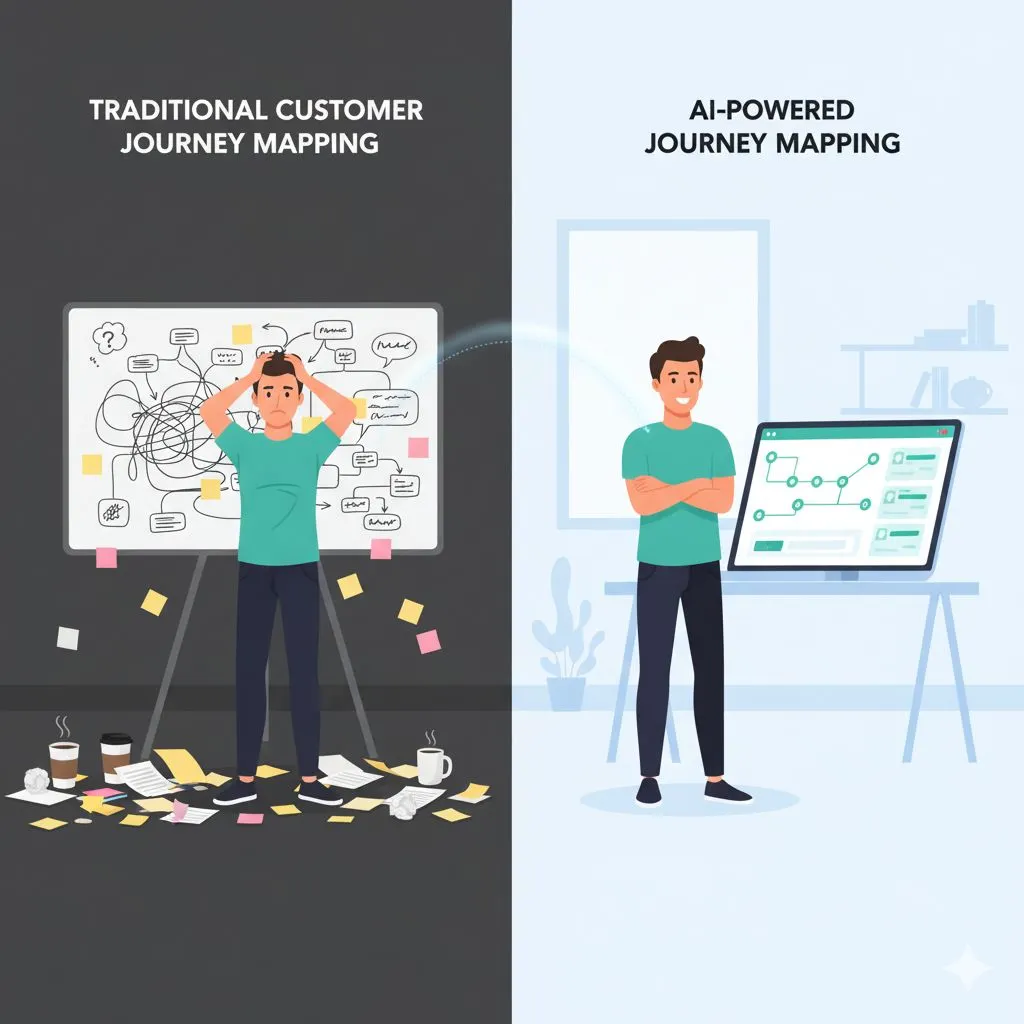
You likely have a rough idea of your target attendee. Maybe it’s "HR Managers in the Midwest" or "Tech Start-up Founders." But generalities don't sell tickets. Specificity does. The most effective event marketers build audience insight before writing a single word of copy — see how AI-powered customer journey mapping sharpens targeting for every campaign.
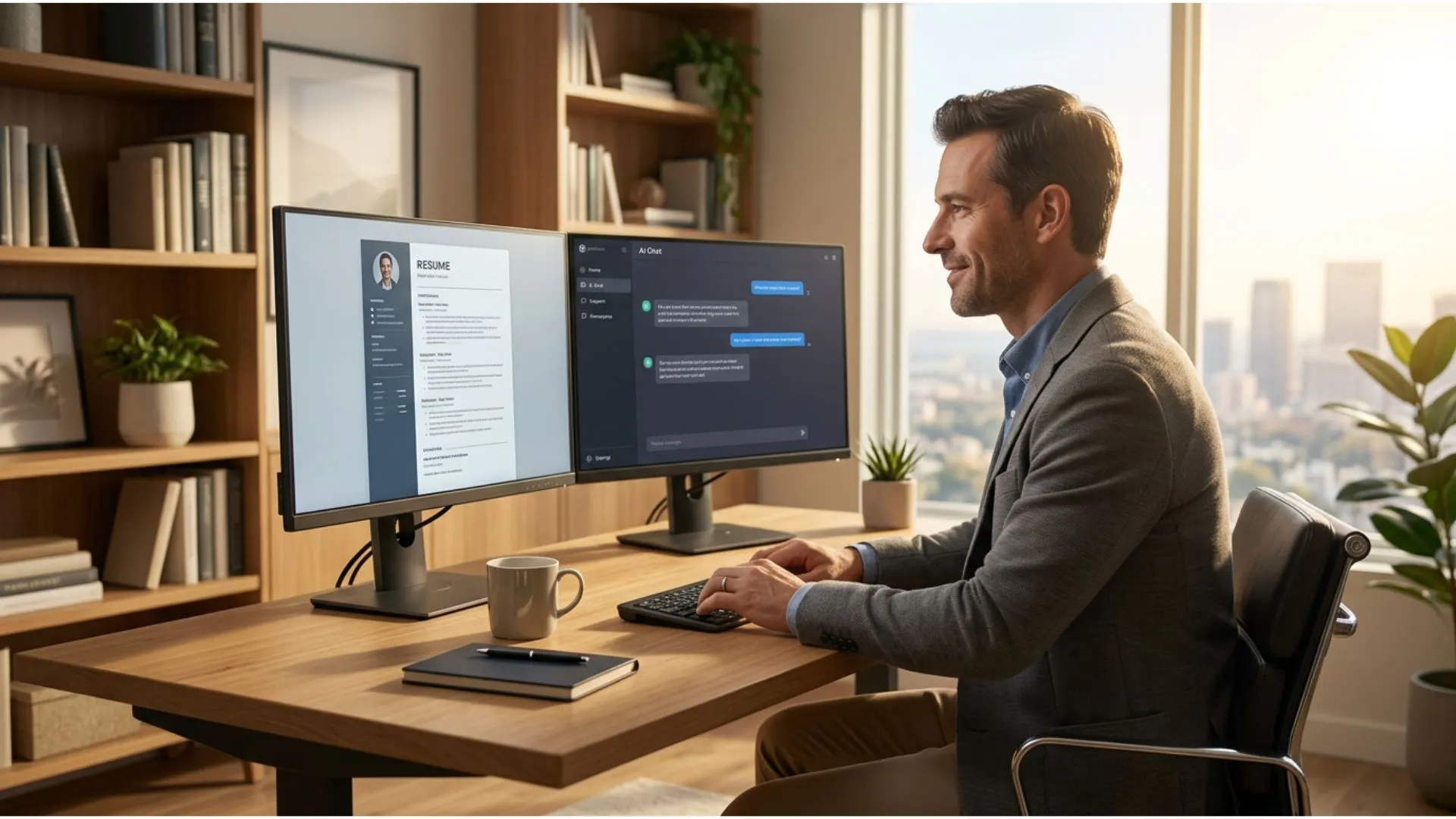
You can use AI tools (like ChatGPT or Claude) to flesh out these skeletons into living, breathing personas. By feeding an AI your basic event premise, you can ask it to generate psychographic profiles.
- What keeps them up at night?
- What objections do they have to attending events?
- Who do they need to impress?
Instead of guessing, you get a detailed profile that tells you, for example, that your target HR Manager isn't just looking for "credits"—she’s terrified of compliance lawsuits and feels isolated in her role. That is an angle you can sell.
Crushing Objections Before They Arise
One of the most powerful uses of event marketing AI is "Red Teaming." This is where you ask the AI to act as a skeptic. You feed it your event value proposition and ask it to list every reason someone would refuse to buy a ticket.
It might tell you:
- "The price point feels high for a virtual event."
- "The schedule is too vague."
- "The ROI for their boss isn't clear."
Armed with this list, you can preemptively address these objections in your FAQ and landing page copy, removing friction before the potential attendee even feels it.
Phase 2: The Content Blitz — Creating Assets at Scale
The strategy is set. You know who you are talking to and what they are afraid of. Now comes the heavy lifting: the actual creation of marketing materials.
For a solopreneur or a small team, the sheer volume of content required to stay visible in social algorithms is crushing. You need emails, posts, stories, reels, and ad copy. This is usually where the bottleneck happens. You write one great email, but the LinkedIn posts fall flat, or you run out of energy to write the follow-ups.
Here is how to use AI to break that bottleneck.
The Email Sequence Engine
Email remains the highest ROI channel for selling tickets. However, writing a 6-part nurture sequence (Announcement, Early Bird, Value Add, Social Proof, FOMO, Logistics) takes hours of creative energy. If you want a ready-made starting point, the free 1-week content plan template gives you an AI-structured framework you can adapt for any event campaign.
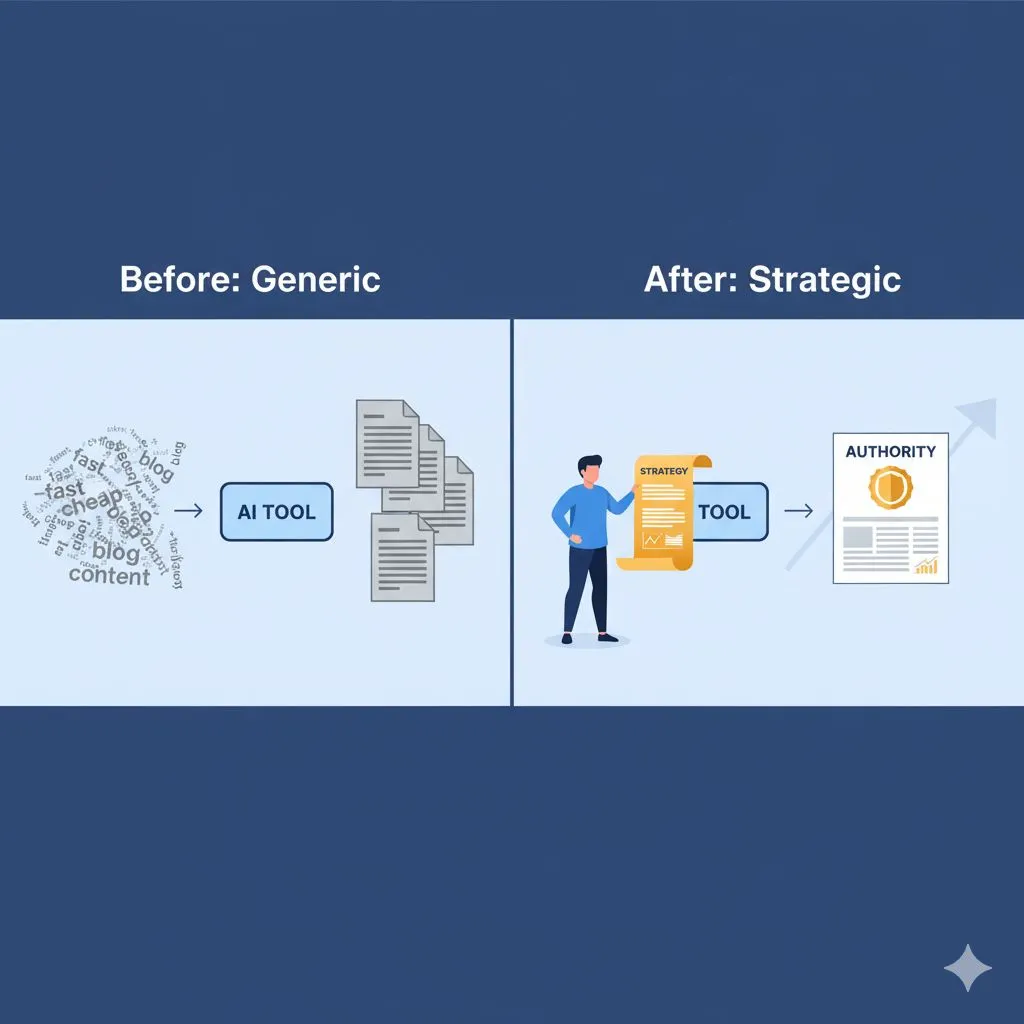
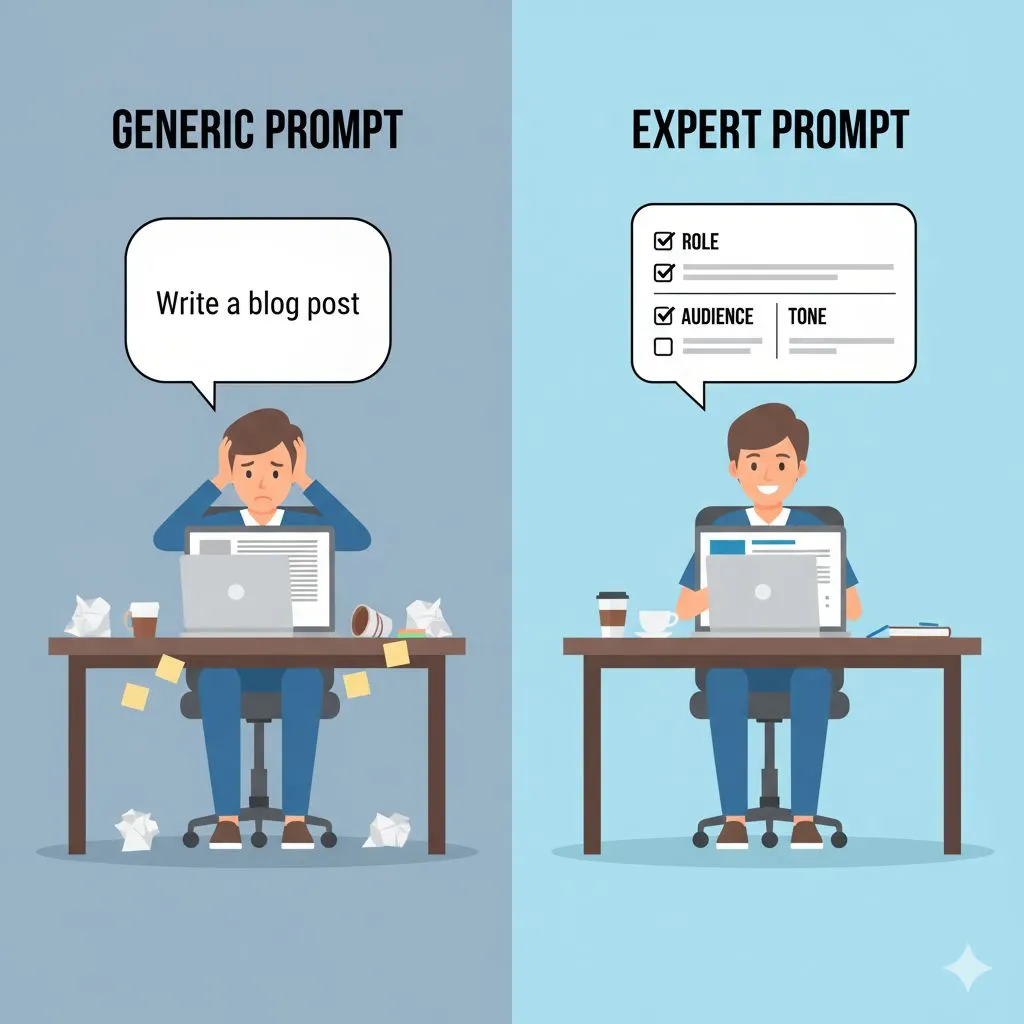
With the right prompts, you can turn this into a 20-minute task. The key is to feed the AI the "Strategy" work you did in Phase 1. Do not just say "Write an email about my event."
Instead, say: "Act as a senior copywriter. Using the persona of the 'Anxious HR Manager' we defined, write a 5-email sequence for [Event Name]. The tone should be empathetic but urgent. Focus on the fear of compliance lawsuits in email 1, and the benefit of networking in email 2."
Now, you aren't starting from a blank page. You are editing a robust draft that is already 80% of the way there.
The Social Media Multiplier
You have your core event themes. Now you need to be everywhere at once. For a repeatable process, see the step-by-step guide to creating a month of AI-generated social media content in a single workflow session. AI excels at repurposing content. You can take your event landing page or your keynote speaker's bio and ask the AI to generate:
- 10 Tweets/X posts: Short, punchy stats or quotes.
- 5 LinkedIn text posts: Thought leadership angles related to the event topic.
- 3 Instagram Reel scripts: Short hooks to grab attention visually.
This ensures your messaging is consistent across platforms without you having to code-switch your brain manually for every app. You appear to have a dedicated social media team, but in reality, it’s just you and a smart workflow.
Ad Copy Variations
If you are putting paid spend behind your event, you can’t afford to bet everything on one headline. You need to test. Start with these 7 AI prompts for high-converting ad copy as your tested framework before running variations.
Use event marketing AI to generate 10 to 15 variations of your primary ad headline. Ask for different psychological angles:
- One focusing on Gain ("Boost your career...").
- One focusing on Loss Aversion ("Don't miss the insights your competitors will have...").
- One focusing on Exclusivity ("Only 50 seats available...").
This allows you to run A/B tests immediately, letting data decide what sells tickets rather than your best guess.
Phase 3: The Engagement — Personalization & Logistics
Selling the ticket is only half the battle. The other half is ensuring the attendee actually shows up, stays engaged, and doesn't flood your inbox with repetitive questions. This is the operational side of event marketing, and it is a massive time-suck for small teams.
Chatbots as 24/7 Concierges
Nothing kills your productivity faster than answering "Is there parking nearby?" or "What is the dress code?" twenty times a day.
Modern AI-driven chatbots can ingest your event FAQ and logistics documents. You can deploy these on your event website to handle 90% of attendee queries instantly. This creates a better experience for the attendee (instant answers) and frees you up to handle high-value tasks, like securing sponsors or finalizing the run-of-show.
Personalized Outreach
If you are hosting a B2B event or a high-ticket workshop, mass emails often end up in the trash. You need personal touches to close VIPs or sponsors.
While you can't automate the relationship, you can automate the drafting. Explore how AI sales assistants automate lead follow-up across every stage of the attendee and sponsor pipeline. You can input a potential VIP’s LinkedIn bio or company "About" page into an AI tool and ask it to draft a personalized invitation that connects their specific business goals to your event's value proposition.
Instead of a generic "Dear Sir/Madam," you generate a note that says, "I noticed your firm recently expanded into the Southwest market; our session on Regional Logistics would be particularly relevant to your new Q3 goals."
You then review, tweak, and send. You achieve high-touch personalization at scale.
Dynamic Landing Page Copy
Advanced AI tools now allow for dynamic content optimization on landing pages. This means the headline a visitor sees might change based on where they clicked from.
If a user clicks from an ad about "Networking," the AI ensures the landing page header highlights the "Networking Happy Hour." If they click from an ad about "Learning," the header highlights the "Keynote Speakers." This alignment increases conversion rates significantly because the promise made in the ad is immediately met on the page.
Phase 4: The Post-Mortem — Analytics & Retention
The event is over. You are exhausted. Usually, this is where marketing stops. But to build a scalable business, you need to understand what happened so you can do it better (and more easily) next time.
Sentiment Analysis
Instead of reading through hundreds of survey forms and trying to spot themes manually, you can feed feedback data into an AI. Ask it to perform a Sentiment Analysis.
- "What was the most common positive feedback?"
- "What was the most consistent complaint regarding logistics?"
- "Identify the top 3 topics attendees requested for next year."
This turns raw text into actionable data instantly. You might discover that while everyone loved the speakers, 40% of people hated the coffee break length. That is a fixable problem for next year that ensures growth.
Repurposing Content for Evergreen Assets
Your event shouldn't die when the doors close. The recordings and transcripts are a goldmine. Using AI, you can upload hours of video/audio and ask for:
- Summarized blog posts of each session.
- "Best of" video clips (using AI video editors).
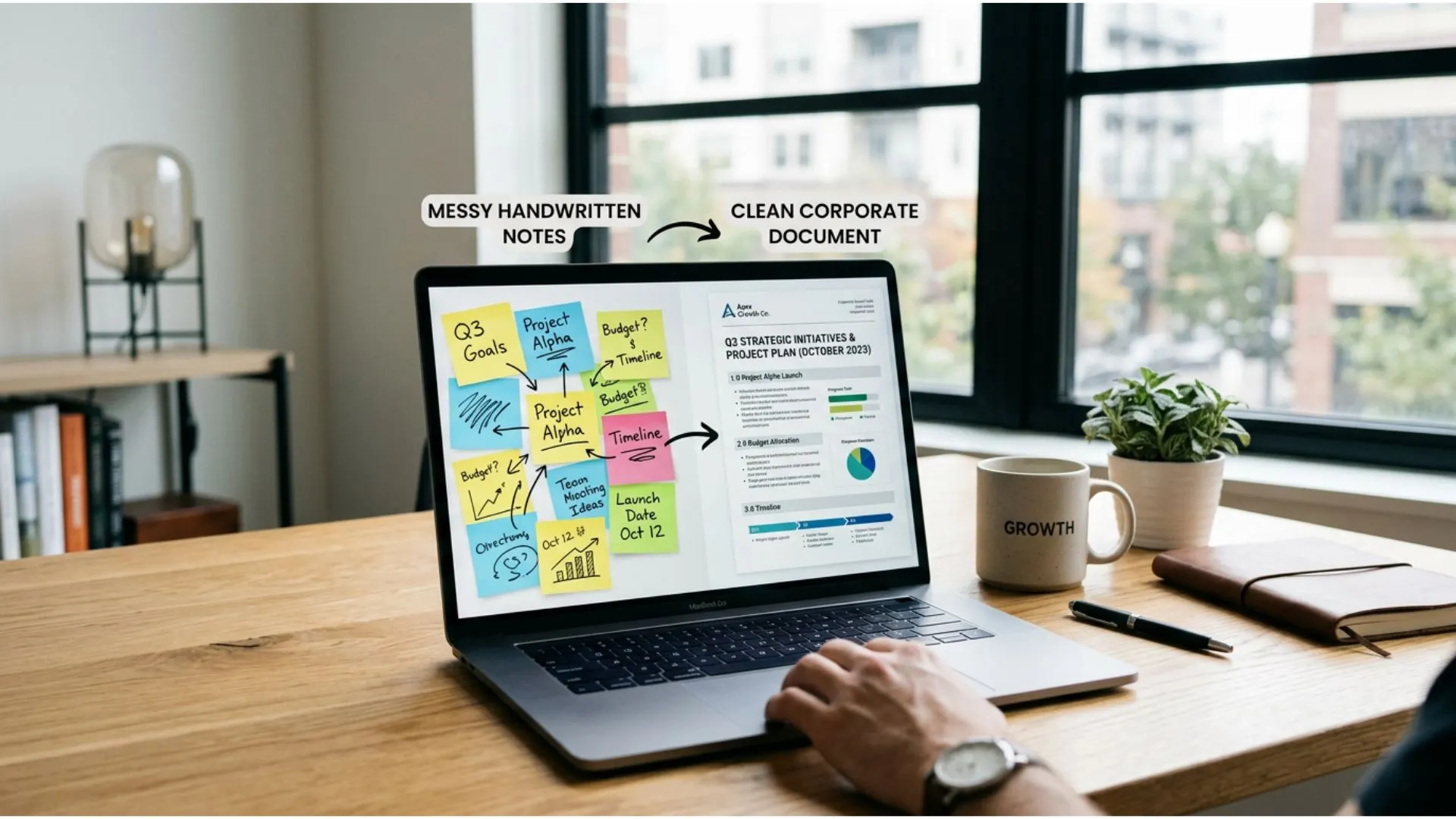
- A downloadable PDF "Executive Summary" to send to attendees as a post-event value add.
This keeps your brand top-of-mind long after the event and provides you with content for weeks to come.
Conclusion: From Overworked Operator to Strategic Host
For the small business owner, the goal isn't to use AI to "cheat." It is to compete.
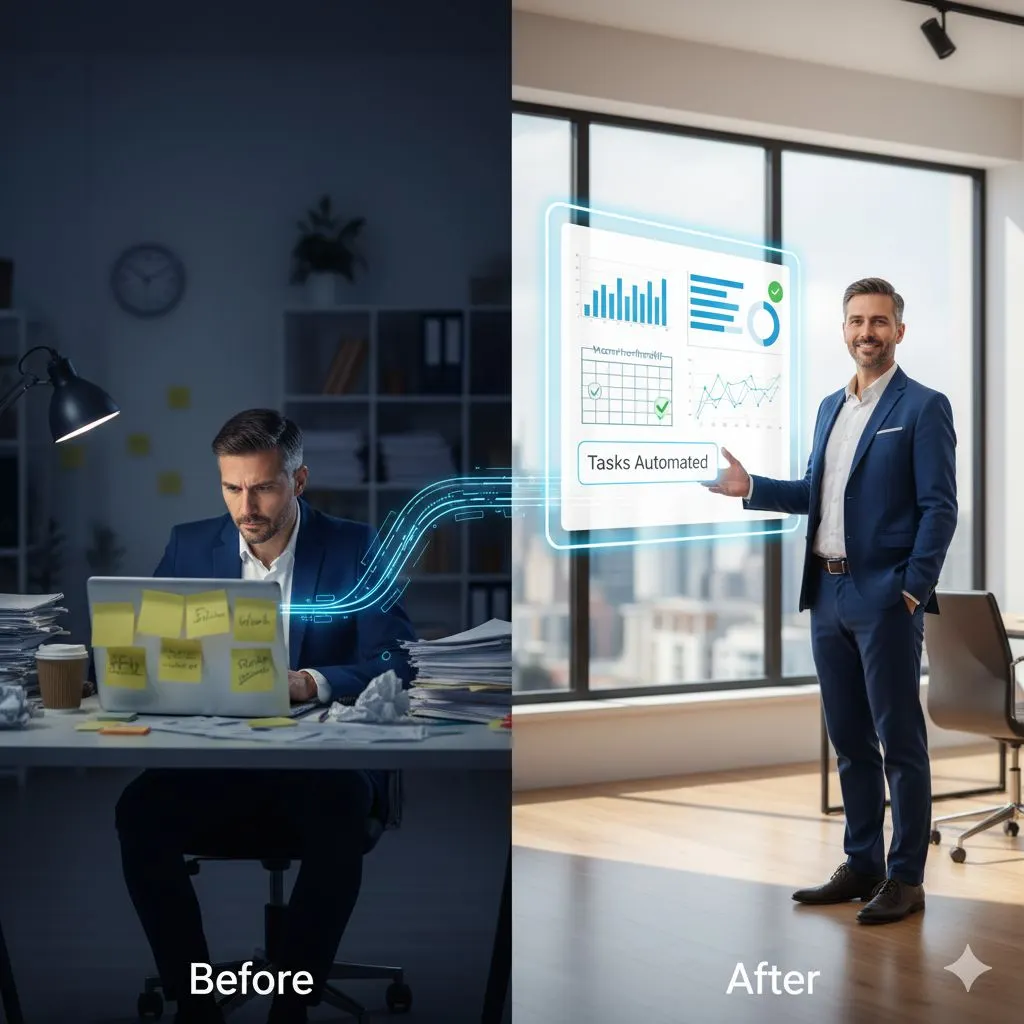
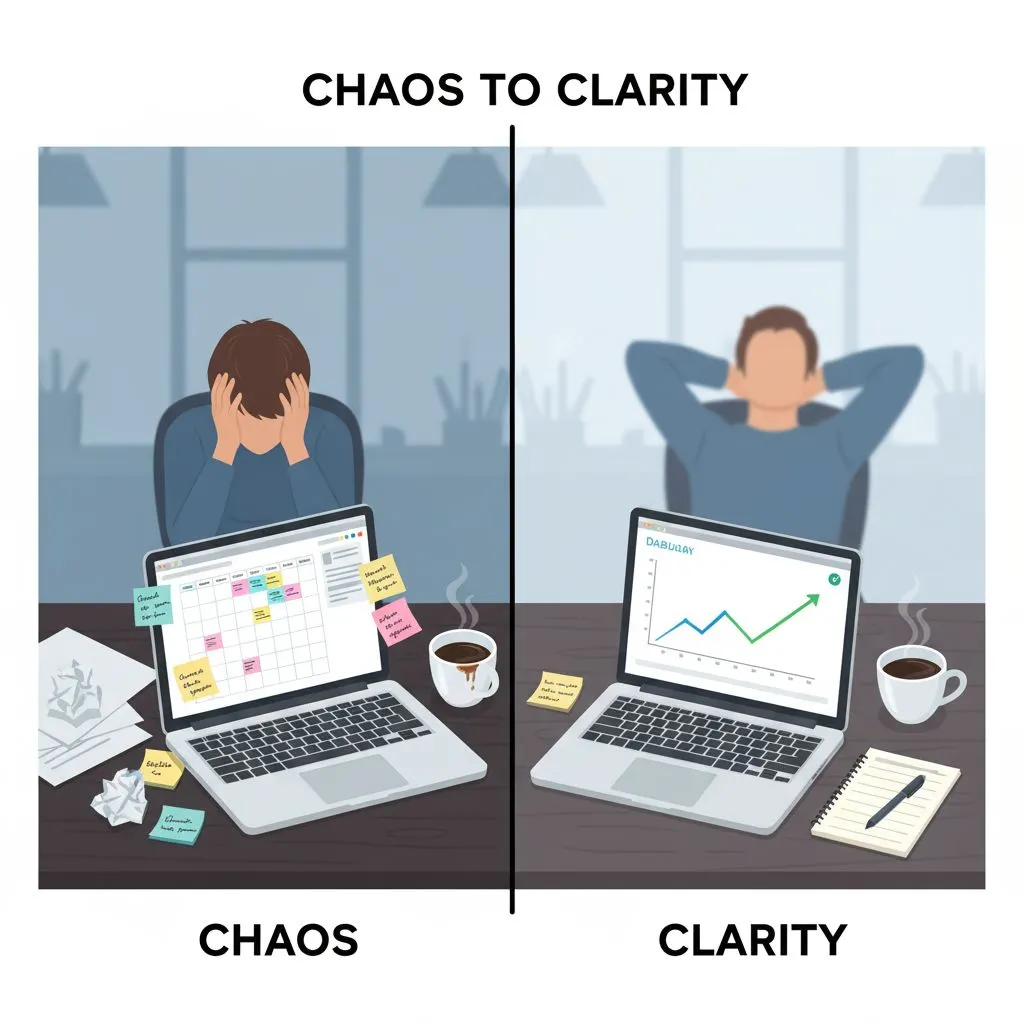
Large agencies have teams of ten people doing the work outlined above. You have yourself, your ambition, and perhaps a small team. By integrating event marketing AI into your workflow, you level the playing field. You move from the chaos of execution to the clarity of strategy.
You stop worrying about writing the 10th tweet and start focusing on the experience your attendees will have. You stop fearing the empty seats because you know your targeting was precise and your messaging was optimized.
The tools are ready. The strategy is clear. The only thing left is to give the right instructions.
New to Expert AI Prompts? Grab your free AI resources here — 11 ready-to-use tools, no credit card needed.
Ready to Scale Your Events?
You don't need to spend hours engineering these prompts yourself. We have done the heavy lifting for you.
Get the complete Event Marketing AI Prompt Toolkit.
It includes 50+ copy-paste prompts designed specifically for selling out venues, from persona generation to post-event analysis.
Get Your Prompt Pack Today — Start Saving Time Now
Ready to compare all 30 industry-specific packs? Browse the full Expert AI Prompts pricing catalog and choose the right toolkit for your business.
Further Reading
The Complete Guide to AI in Advertising and Sales
Practical AI for Ecommerce, Retail and Real Estate