The Death of the Cold Call? AI in B2B Sales
The Death of the Cold Call? AI in B2B Sales
Oct 12, 2026
Introduction: The Sound of Silence on the Phone Lines
If you are a small business owner or a solopreneur, you know the feeling. It’s 9:00 AM on a Tuesday. You have a list of fifty names, a script that feels slightly robotic, and a knot in your stomach. You are about to engage in one of the most dreaded rituals of business growth: the cold call.
For decades, the "smile and dial" methodology was the undisputed king of B2B sales. It was a numbers game—a brute-force attack on probability. If you annoyed enough gatekeepers and interrupted enough dinners, you might eventually stumble upon a prospect who was too polite to hang up. But for people like us—entrepreneurs wearing every hat in the business—this approach is more than just annoying; it is an unsustainable drain on our most finite resource: time.
As we move deeper into 2026, a shift is occurring that is as seismic as the move from Rolodexes to CRMs. We are witnessing a fundamental transformation in b2b sales trends. For a complete breakdown of how AI is transforming sales for small businesses, read The Complete Guide to AI in Advertising and Sales. The gatekeepers are stronger, digital noise is louder, and decision-makers have built fortresses around their phone lines.
So, is the cold call dead?
If you define "cold calling" as picking up the phone to harass a stranger who knows nothing about you and cares even less, then yes, it is dead. And frankly, it deserves to be buried.
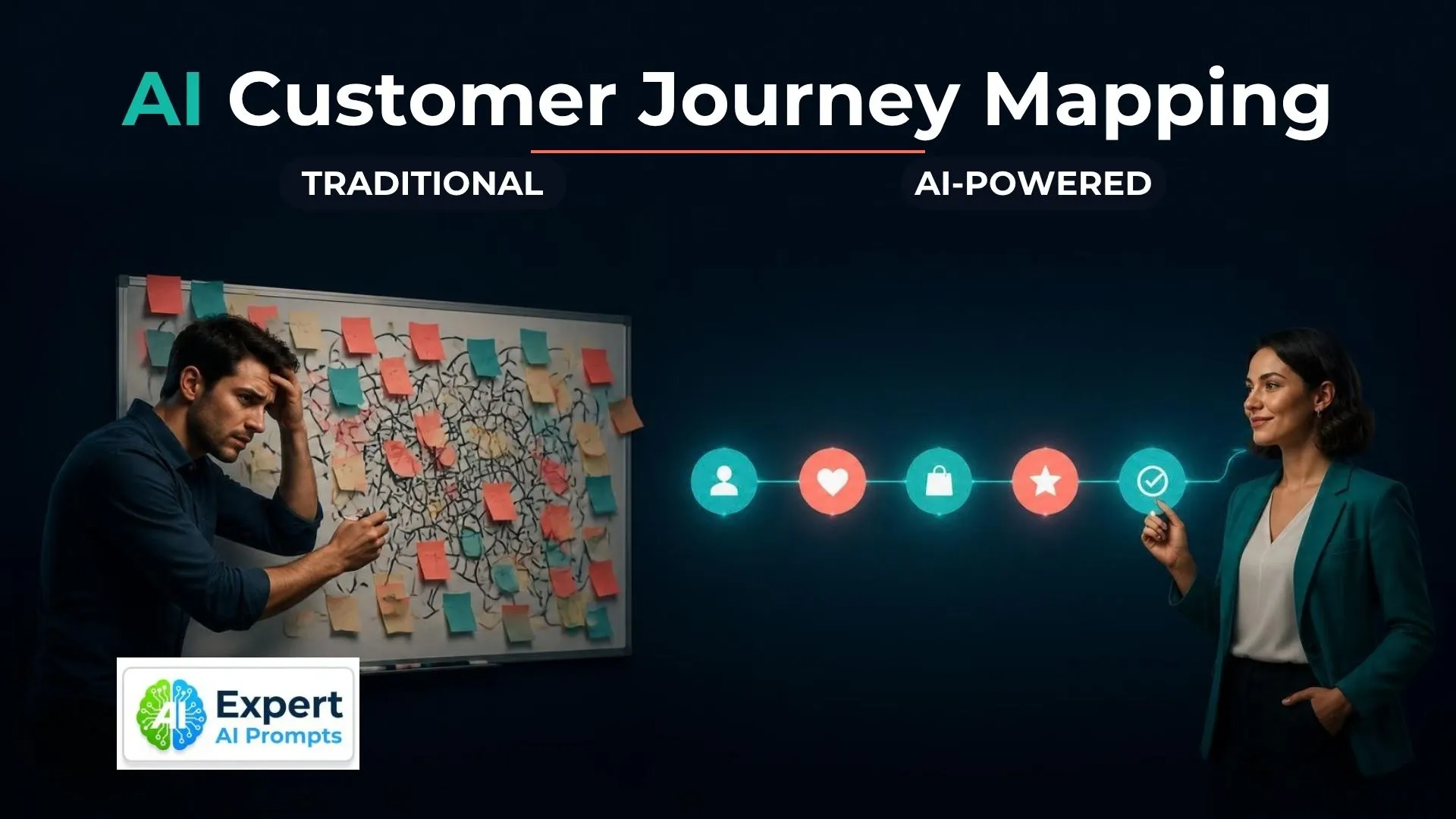
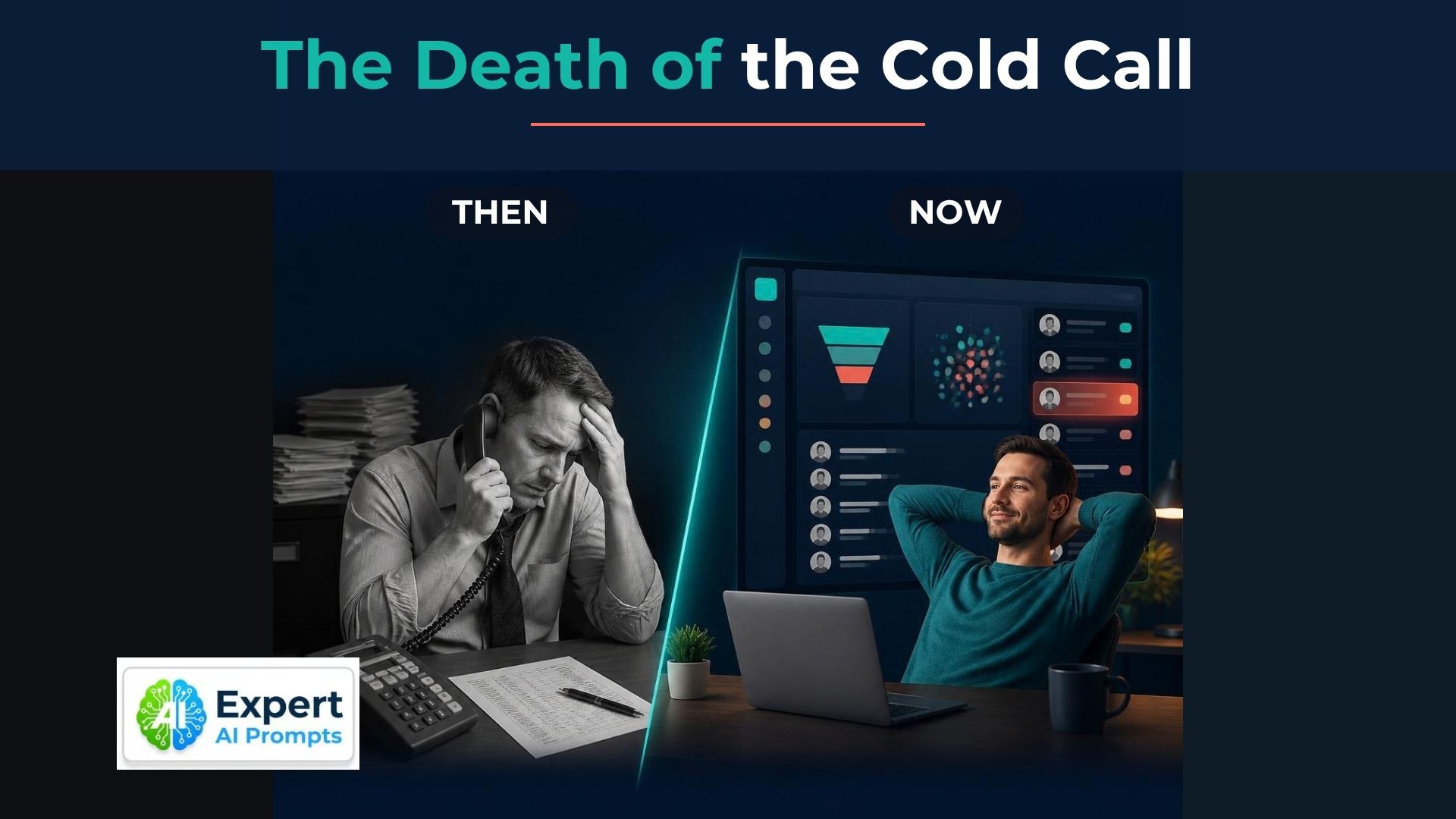
But if we look closer, we see that outreach isn't dying; it is evolving. We are moving from the era of "Cold Calling" to the era of "Smart Calling," powered by Artificial Intelligence. For the overworked business owner, this isn't just a trend; it is a lifeline. It is the difference between shouting into the void and starting a conversation that matters.
The "Spray and Pray" Era is Over (And Good Riddance)
Let’s be honest about the "good old days" of sales. They weren't actually that good, especially for small teams. The traditional volume-based approach—spraying messages to thousands and praying for a 1% conversion rate—is a luxury only large corporations can afford. They have armies of SDRs (Sales Development Reps) whose sole job is to burn through leads.
For an entrepreneur like Alex Rivers—someone balancing client delivery, marketing, and accounting—spending four hours a day cold calling is a fast track to burnout.
The "Spray and Pray" method fails the modern small business for three critical reasons:
- Inefficiency: It treats every prospect the same, wasting energy on unqualified leads.
- Brand Erosion: Nothing kills credibility faster than a generic, irrelevant pitch. In a digital world, a bad first impression lasts forever.
- Resource Drain: When you are a team of one (or five), every hour spent researching a lead that doesn't convert is an hour taken away from high-value strategy or client work. Use the AI ROI Calculator for small business to measure the true cost of manual prospecting in your business.
The market has shifted. Buyers are now 70% of the way through their decision-making process before they ever speak to a sales rep. They do their own research. They read reviews. They check LinkedIn. If you interrupt their day with a pitch that doesn't immediately demonstrate that you understand their specific problem, you aren't just ignored; you are blocked.
This is where the divide widens. Large competitors are already using sophisticated tech stacks to bypass these hurdles. The small business owner relying on manual spreadsheets and sheer willpower is bringing a knife to a nuclear gunfight.
But here is the good news: The weapon of choice has changed. AI has democratized sales intelligence. The "death" of the cold call is actually the birth of the strategic, data-driven outreach that allows a single person to outperform a ten-person sales team.
The New Standard: Hyper-Personalization at Scale
For years, sales experts preached the "Impossible Triangle" of outreach: You could have Speed, Quality, or Volume—pick two. You could send generic emails to thousands (Speed + Volume), or you could write a beautiful, researched letter to one person (Quality), but you couldn't do both.
AI has shattered that triangle.
Current b2b sales trends indicate that hyper-personalization is no longer a "nice to have"; it is the price of entry. In the past, "personalization" meant using a mail-merge tool to insert [First Name] into the subject line. Today, that is the quickest way to get marked as spam.
Real personalization means relevance. It means knowing that the prospect just opened a new branch in Chicago, that they posted about supply chain issues on LinkedIn yesterday, and that their company’s quarterly report mentioned a need to cut overheads.
Historically, gathering that intel took 20 to 30 minutes per lead. For a solopreneur, that math never worked. You simply couldn't research enough people to build a pipeline.
Enter AI. For battle-tested B2B outreach prompts engineered for conversion, the Sales Prompt Playbook for AI Copywriting delivers 50 ready-to-use prompts designed to warm leads and win clients.
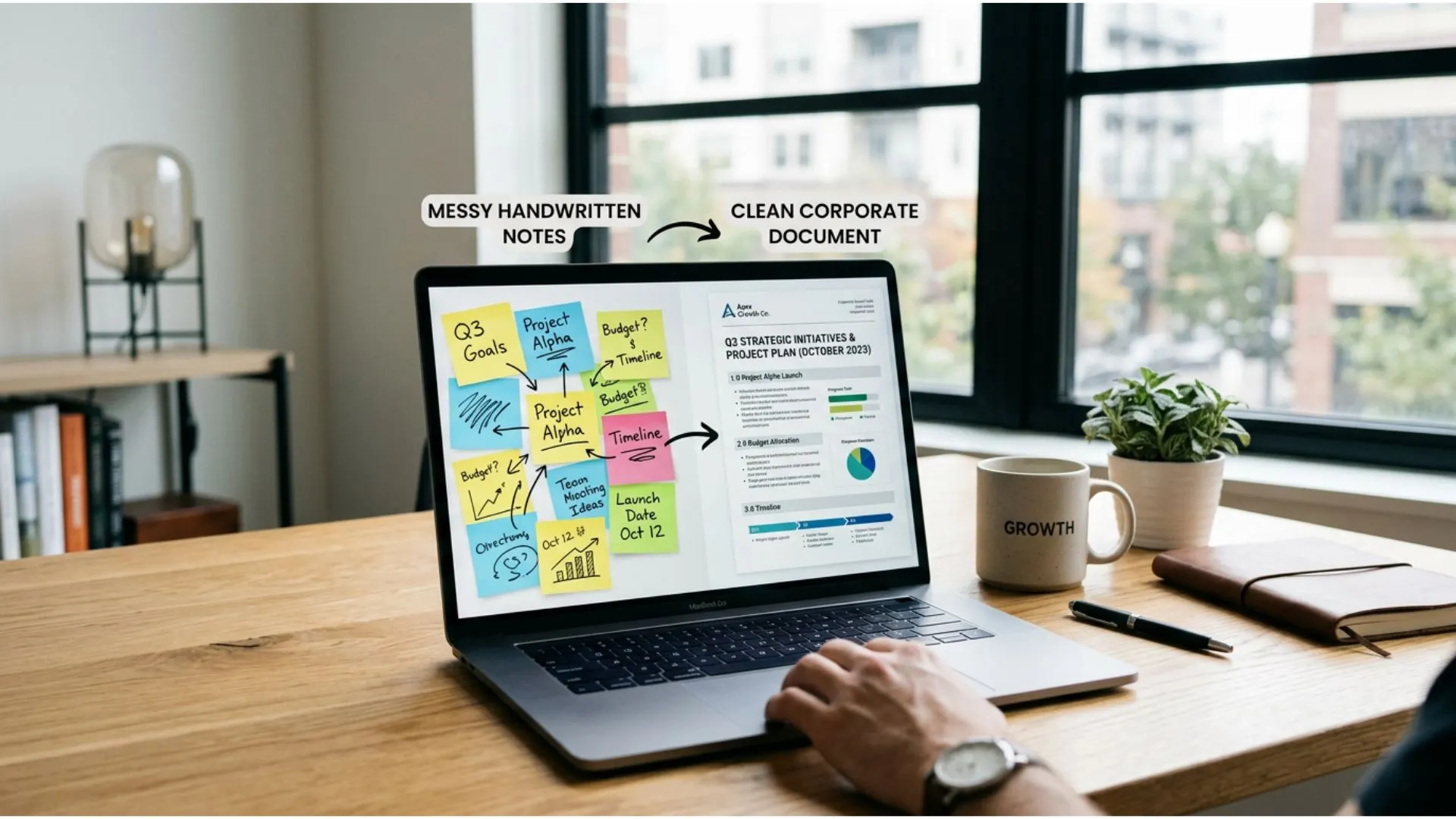
With the right prompts and tools, AI can now scan a prospect's website, LinkedIn profile, and recent news mentions in seconds. It can digest that information and draft an opening line that speaks directly to their current pain points.
Imagine this scenario:
- The Old Way: You call a prospect and say, "Hi, I'm Alex, and we offer digital marketing services. Do you have a minute?" (Click.)
- The AI Way: You use an AI tool to analyze the prospect. It tells you they just laid off their internal content team. You send an email (or make a call) saying: "Hi Sarah, I saw the restructuring news. Many GMs in your position are struggling to keep content consistent while the dust settles. I have a framework that lets you maintain brand presence without hiring a full-time replacement."
That isn't a pitch; it's a solution. It establishes authority instantly.
This is the core of the argument: If you aren't using AI for research, you are practicing negligence, not sales. You are choosing to work harder for fewer results. For the ambitious entrepreneur, AI allows you to simulate the research capacity of a Fortune 500 intelligence unit. It enables you to show up to every interaction prepared, relevant, and credible.
AI as the Ultimate SDR (Sales Development Rep)
Let's look at the mechanics of the workday. The most exhausting part of sales isn't the closing; it's the prospecting. It’s the list building, the data entry, the email scheduling, and the follow-ups. This is the "grunt work" that keeps business owners trapped in the weeds.
AI is the ultimate Sales Development Rep. It doesn't sleep, it doesn't get discouraged by rejection, and it doesn't need coffee breaks.
By automating the top of the funnel, you reclaim the most valuable asset you have: your cognitive energy. Tools exist right now that can:
- Identify companies that fit your ideal customer profile (ICP).
- Score them based on their likelihood to buy.
- Draft a 3-step outreach sequence tailored to their industry.
- Handle the initial back-and-forth scheduling.
This shifts the role of the business owner. You stop being the "lead chaser" and start being the "closer."
Consider the impact on a small consulting agency. Instead of spending Monday and Tuesday hunting for email addresses and writing cold DMs, the owner can set up an AI workflow on Sunday night. By Wednesday, they have five booked calls on their calendar with prospects who have already been qualified and warmed up.
This levels the playing field. See how a consulting business used this exact system to scale delivery without adding headcount in the case study: consulting business growth without increasing headcount. It allows the small player to compete with the big agencies on volume, while beating them on authenticity (which we will discuss next). It transforms sales from a desperate hustle into a scalable system.
The Human Firewall: Why AI Won't Replace the Closer
If AI is so good, why do we need humans at all? This is the fear that keeps many entrepreneurs skeptical. They worry that using AI will make them sound robotic or, worse, that they will automate themselves out of a job.
But looking at the deeper b2b sales trends, we see a paradox: As the volume of AI-generated content explodes, the value of genuine human connection skyrockets.
We are entering an age of "The Human Firewall." Because buyers are inundated with automated emails and deep-fake videos, they are becoming hypersensitive to authenticity. They crave a real person who can listen, empathize, and consult.
This is where the "Death of the Cold Call" argument gets nuanced. The cold call is dead, but the warm conversation is more alive than ever.
AI is the opener; you are the closer.
AI can analyze data, find patterns, and initiate contact. But AI cannot build trust. It cannot read the hesitation in a client's voice when they ask about pricing. It cannot look a client in the eye (even over Zoom) and say, "I’ve seen this problem before, and I promise we can fix it."
For the small business owner, this is your competitive advantage over the giant, automated corporations. You can use AI to get you to the table, but once you are there, you bring the bespoke, high-touch service that big firms can't replicate.
There is a danger, however, in "lazy automation." We have all received those LinkedIn messages that are clearly written by a bot—the tone is slightly off, the enthusiasm is fake, and the formatting is weird. That is how you burn a brand. The common AI pitfalls every entrepreneur needs to avoid covers exactly where lazy automation destroys credibility — and the step-by-step framework for preventing it.
The goal is not to let AI take the wheel, but to let it read the map. You must remain the pilot. The most successful entrepreneurs use AI to generate the draft, but they apply the final polish. They inject their own voice, their specific expertise, and their personality into the AI's output.
This is the concept of "Centaurs" in chess—human and machine working together to beat either one working alone. In sales, the Centaur approach means using AI to handle the logistics and data processing, leaving the human free to focus on strategy, relationship building, and creative problem-solving.
For Alex Rivers, our overworked entrepreneur, this is the key to mental freedom. It means you don't have to carry the mental load of remembering to follow up with 50 people. The system does that. You just have to show up when the prospect is ready to talk. It reduces the anxiety of "where is the next client coming from?" because the machine is constantly tilling the soil.
Navigating the Trust Gap
In this new era, "Trust" is the currency. Cold calling bankrupted trust because it was inherently selfish—it demanded time without offering value.
AI-driven "Smart Calling" restores trust by leading with value. When you use AI to identify a prospect's problem before you reach out, you are offering a service from the very first interaction. You are signaling: I have done my homework. I respect your time. I am here to help, not just to sell.
This shift changes the dynamic of the relationship. You are no longer a pest; you are a peer. You are a consultant identifying a gap in their business. This is the positioning that allows small agencies to charge premium rates. You aren't selling hours; you are selling insight. The case study on scaling agency operations with AI shows exactly how a boutique agency repositioned as a premium strategic partner using this insight-first approach. And AI provides the data that backs up that insight.
Conclusion: Adapt or Hang Up
The phone isn't ringing anymore—at least, not the way it used to. The era of brute-force sales, of dialling for dollars, and of the "numbers game" is ending. For the small business owner, we should not mourn its passing. It was a grind that favored the large, the loud, and the heavily staffed.
The death of the cold call is the liberation of the solopreneur. If you are ready to build that system, start with the ultimate guide to AI for small business — the most comprehensive resource for entrepreneurs making the shift from operator to strategist.
We are standing at a pivotal moment in b2b sales trends. The tools available today allow a team of two to out-market, out-research, and out-sell a team of twenty from a decade ago. But this advantage is not permanent. As adoption spreads, the baseline will shift. What is currently a competitive advantage (using AI for hyper-personalization) will soon become the industry standard.
For entrepreneurs like Alex Rivers, the choice is stark. You can continue to hustle the hard way—drowning in administrative tasks, fearing the phone, and struggling to fill the pipeline. You can continue to rely on "spray and pray" tactics that yield diminishing returns and increasing stress.
Or, you can adapt.
You can embrace AI not as a replacement for your expertise, but as the vehicle that delivers it. You can build a sales engine that runs in the background, constantly prospecting, researching, and warming up leads, so that you can step in to do what you do best: solve problems and build relationships.
This isn't about working harder. It is about working with higher leverage. It is about recognizing that your time is too valuable to be spent on tasks a machine can do better.
The cold call is dead. Long live the smart, strategic, AI-powered conversation.
Ready to Stop Hustling and Start Scaling? Not ready to purchase yet? Start with 11 free AI resources at the Expert AI Prompts Free Offers Hub — no credit card, no commitment.
The transition from "overworked operator" to "strategic owner" doesn't happen by magic—it happens by using the right tools. You don't need a bigger team to fix your sales pipeline; you need better prompts.
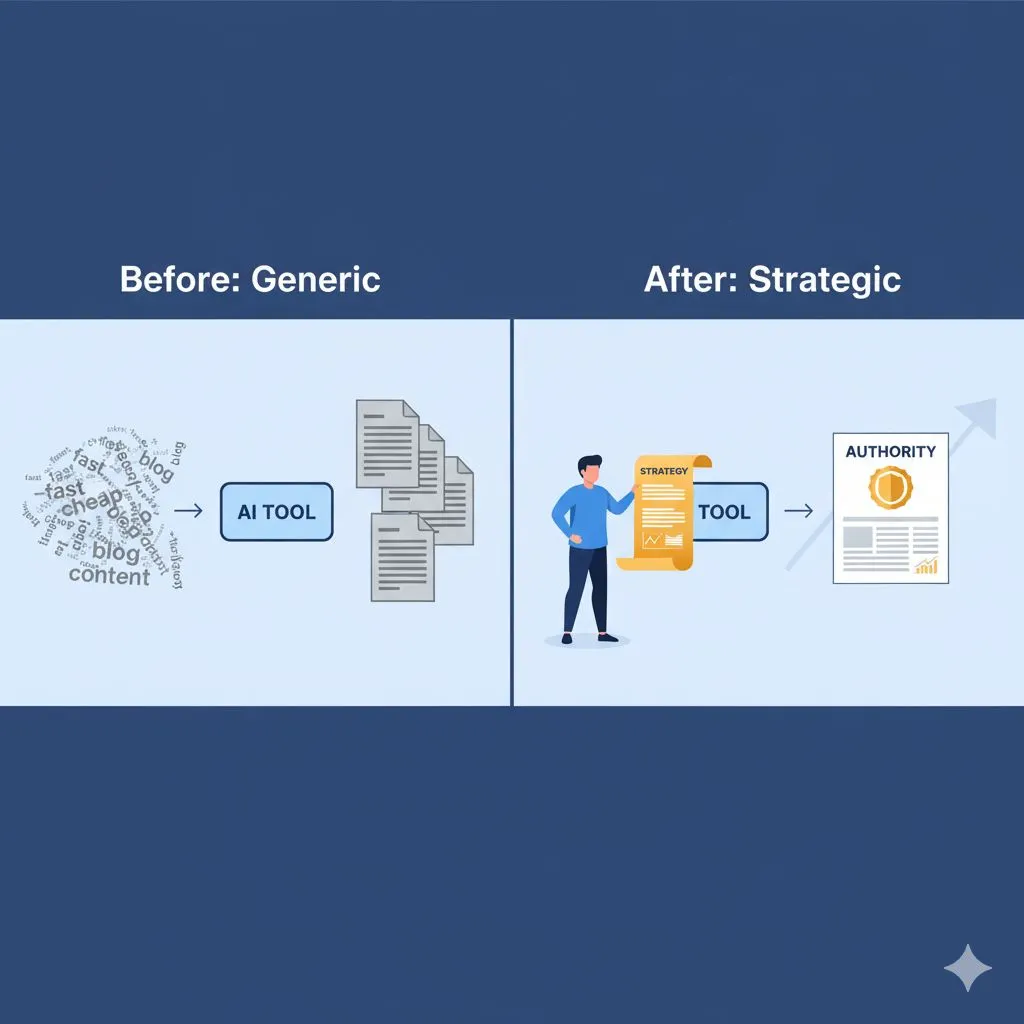
At Expert AI Prompts, we have done the heavy lifting for you. We don’t just give you a tool; we give you the strategy. Our B2B Marketing & Sales Pack includes 50 industry-specific, battle-tested prompts designed to automate your prospecting, generate expert-level outreach, and position you as an authority in minutes, not hours.
Stop spinning your wheels with manual research and generic pitches. Unlock the power of AI to refine your workflow and win more clients.
Get Your Expert AI Prompts for B2B Marketing Here
Or browse all 30 industry-specific prompt packs and compare options at the Expert AI Prompts Pricing Catalog.
Further Reading
• The Complete Guide to AI in Advertising and Sales
• Expert AI Prompts for B2B Marketing
• Case Study: Consulting Business Growth Without Increasing Headcount