Taming Shadow AI: Moving from Unstructured Chaos to Governed Workflows
Taming Shadow AI: Moving from Unstructured Chaos to Governed Workflows
Apr 26, 2026

Introduction: The Reality of Shadow AI in the Enterprise
There is a massive gap between theoretical AI ambition and executive readiness. In boardrooms across the globe, C-suite leaders are grappling with a frustrating paradox: despite pouring unprecedented capital into generative artificial intelligence, the expected operational efficiency and margin expansion remain elusive. Instead of streamlined workflows and double-digit Earnings Per Share (EPS) growth, executives are discovering a fragmented, chaotic landscape of decentralized tool adoption.
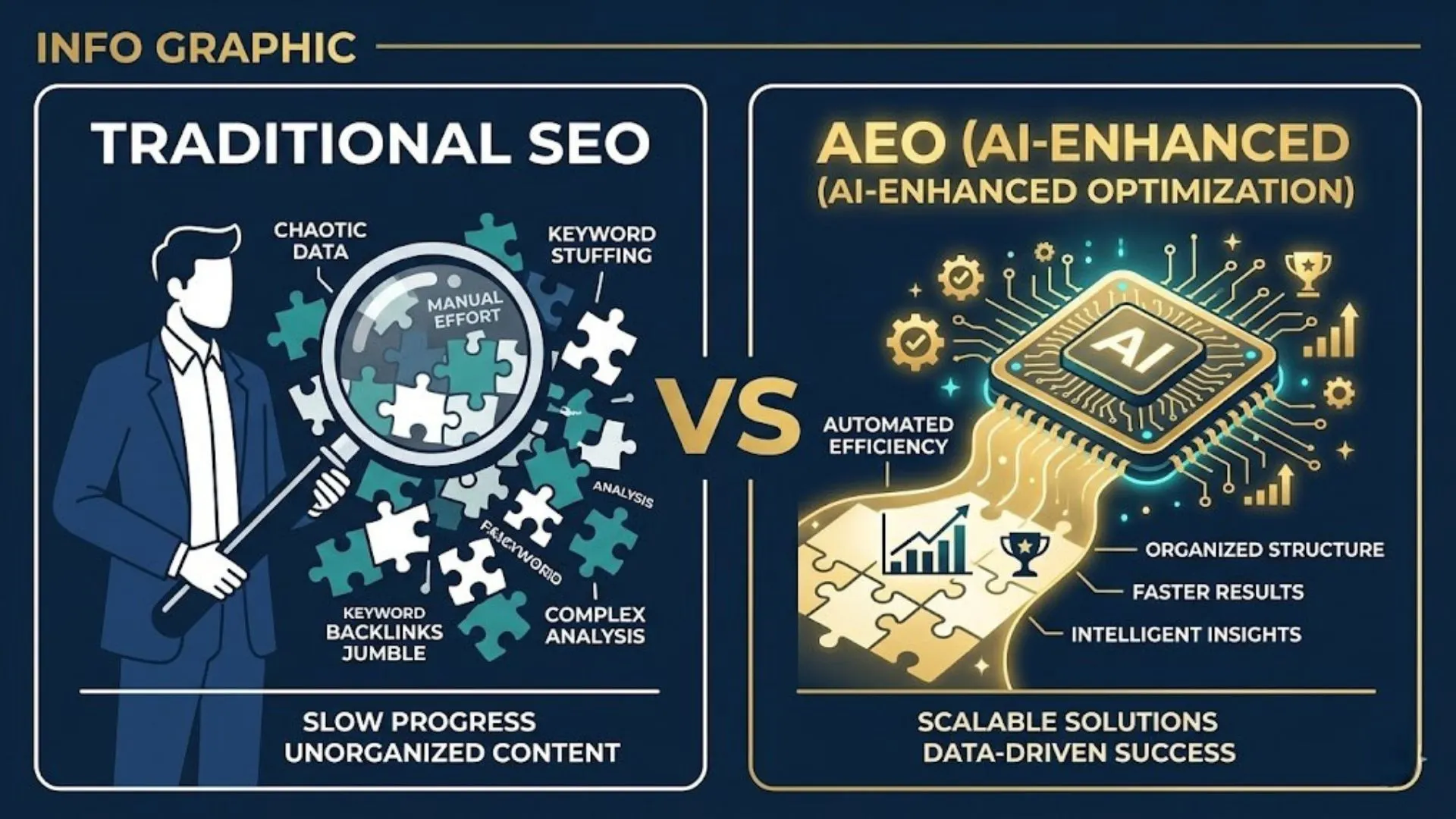
If you want to effectively manage shadow AI, you must first acknowledge its pervasive presence. Shadow AI occurs when well-intentioned employees bypass IT and governance protocols to use unsanctioned generative AI tools. They are seeking quick fixes to immediate workflow bottlenecks. However, at the enterprise scale, this ad-hoc adoption creates a critical vulnerability. When a 1,000+ employee workforce is independently experimenting with unvetted models, the organization is exposed to severe data privacy risks, algorithmic bias, and an alarming accumulation of cultural debt. For the pragmatic enterprise sponsor, AI is not an experimental toy; it is a primary driver of value creation. Transitioning from this unstructured chaos to governed, end-to-end workflows is no longer optional—it is a financial and operational imperative.
Section 1: The Hidden Cost of Unstructured AI
Currently, 78% of enterprises have AI pilots running, yet a staggeringly low 14% have successfully scaled these initiatives to production. This phenomenon, known as "pilot purgatory," is severely damaging enterprise P&L statements. More than half of corporate leaders report zero financial impact from their AI investments despite broad organizational adoption. Why? Because unstructured AI adoption lacks strategic alignment.
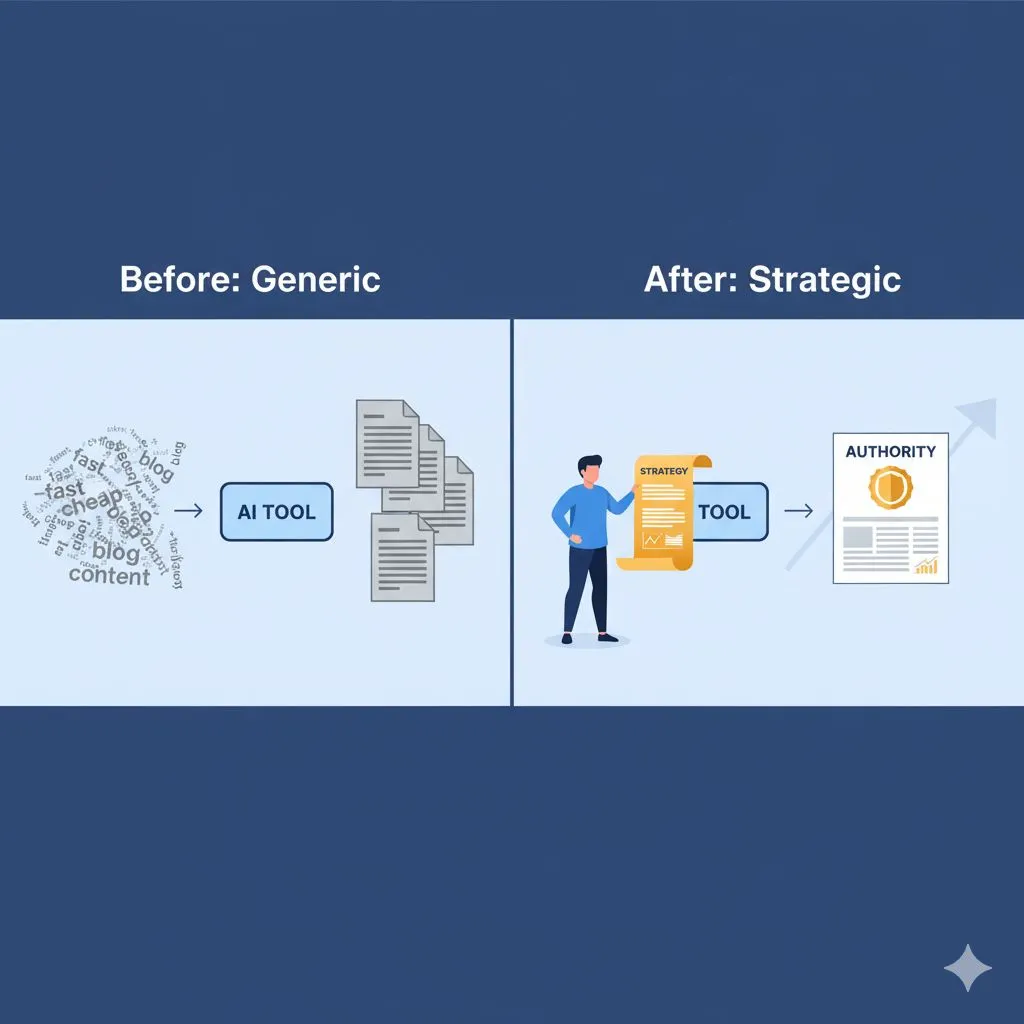
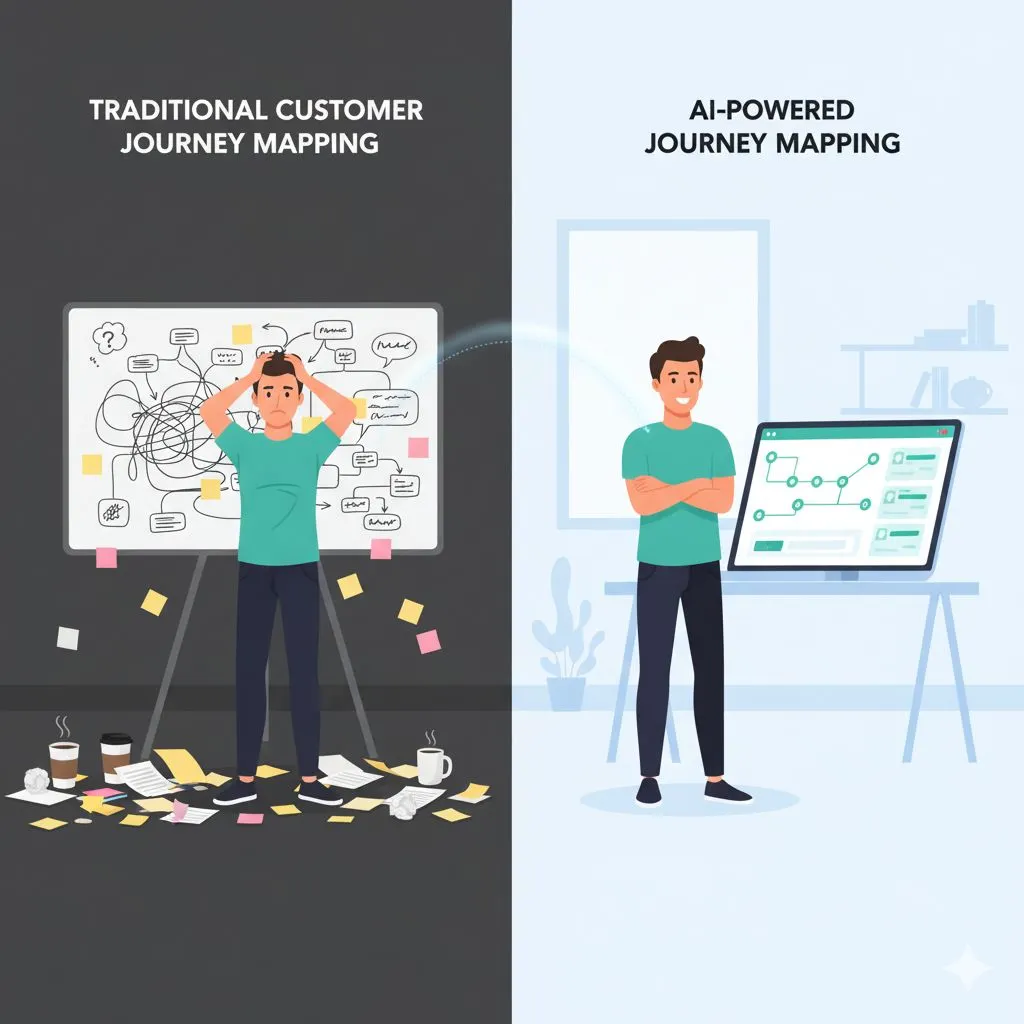
When employees are left to craft their own fragmented prompts and workflows, the result is highly inconsistent output. The hidden cost of this unstructured approach is twofold. First, there is the literal compute cost and software licensing bloat of redundant, unmanaged tools. Second, and more dangerously, there is the productivity illusion. Employees spend hours wrestling with generic AI tools, attempting to force commoditized technology to produce expert-level, industry-specific results. This trial-and-error process drains time, eroding the very operational efficiency AI was meant to introduce.
Furthermore, layering AI onto legacy processes without reimagining the jobs holistically leads to pilot fatigue. Executives are rightfully becoming impatient with purely experimental technology initiatives that do not offer transparent governance or explicitly tied financial outcomes. To manage shadow AI effectively, leadership must shift the focus from merely acquiring AI capabilities to rigorously governing how those capabilities are executed across the enterprise floor.
Section 2: The Governed AI Portfolio Matrix
To transition from disjointed technical initiatives to a governed, enterprise-wide deployment, organizations must implement a disciplined AI Portfolio Matrix. This framework is designed for the rigorous, outcome-focused executive who demands that every dollar invested in AI translates into measurable unit economics. You cannot manage shadow AI without a centralized dashboard that tracks utilization, risk, and financial return.
A successful AI Portfolio Matrix categorizes initiatives based on two primary axes: Time-to-Value (TTV) and P&L Impact.
- High TTV / High Impact: These are core strategic initiatives that require deep cross-departmental alignment and executive sponsorship. They are heavily governed and tightly integrated into proprietary systems.
- Low TTV / High Impact: These are quick wins—standardized, high-leverage workflows (such as governed prompt libraries for daily operations) that offer immediate time savings and scalable growth.
- Low Impact / High Risk: These represent the core of shadow AI. They are isolated, ungoverned experiments that must be immediately identified and sunsetted.
Crucially, this matrix must include documented, uncompromising "kill criteria." Enterprises must ruthlessly defund failing or low-ROI projects. If an AI initiative cannot demonstrate a clear path to driving up to 3x higher revenue per worker, or if it violates established security protocols, it must be terminated.
By mandating structured portfolio management, C-suite leaders—often spearheaded by a dedicated Chief AI Officer—can bridge the gap between technical teams and the board. This governance framework ensures that AI is treated with the same financial scrutiny as any other major capital expenditure. It shifts the organizational mindset from reactive experimentation to proactive, ROI-driven execution, ensuring your company does not fall into the 80% of businesses failing to capture AI's economic value.
Section 3: Mitigating Risk and Building a Defensible Moat
As executives push for enterprise-wide AI adoption, a critical objection frequently arises: "What is our exposure to algorithmic bias and data privacy violations at scale?" This is the most dangerous consequence of failing to manage shadow AI. Shifting global regulations, particularly the impending enforcement of frameworks like the EU AI Act, mandate strict accountability, transparency, and data governance. Unstructured, decentralized AI usage is a compliance nightmare waiting to happen.
A robust governance framework neutralizes these risks by centralizing the architecture. Executives must evaluate the "buy vs. build" dynamic to balance compute costs with proprietary data protection. You cannot build a competitive advantage simply by having access to the exact same generic AI tools as your competitors. If every enterprise uses identical, out-of-the-box models, AI becomes a commodity, not a differentiator.
To turn commoditized technology into a proprietary, defensible corporate moat, enterprises must control the inputs. This means moving away from employees randomly entering sensitive corporate data into public LLMs, and moving toward a governed system of highly structured, predefined interactions. By standardizing how the organization communicates with AI, you not only ensure compliance with ethical governance and data privacy laws, but you also guarantee that the outputs reflect your brand's specific credibility and professionalism.
Governed workflows protect the enterprise from the bottom up. They flatten organizational structures by allowing AI to execute end-to-end processes safely, knowing that the parameters of those processes have been vetted by legal, IT, and executive leadership. This disciplined approach eliminates the anxiety associated with workforce transitions, ensuring that AI is a tool for empowerment rather than a source of cultural debt or legal liability.
Section 4: Standardizing Execution with Structured Workflows
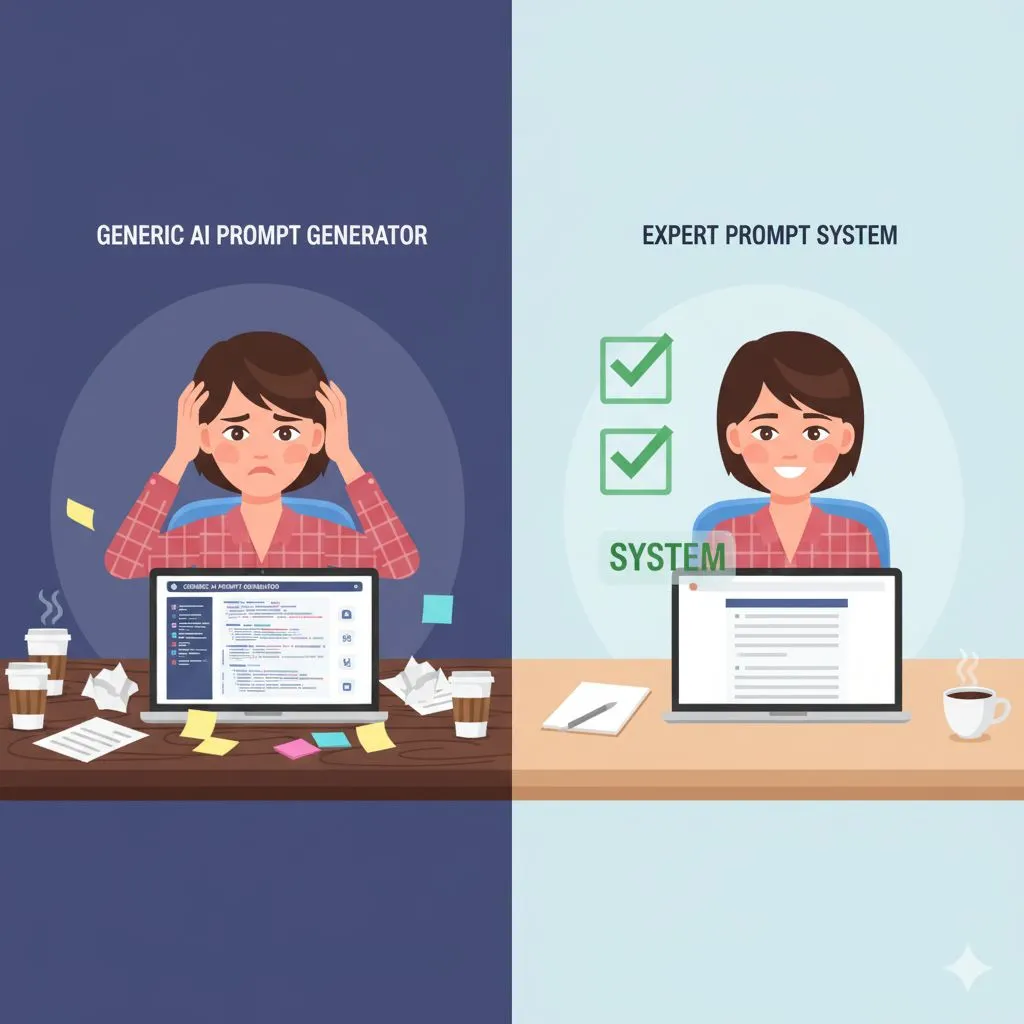
The ultimate antidote to shadow AI is providing an authorized alternative that is superior to the rogue tools employees are currently using. You cannot simply ban shadow AI; you must outcompete it with better, faster, and more reliable internal resources. This is where standardized, structured workflows become the cornerstone of your governance framework.
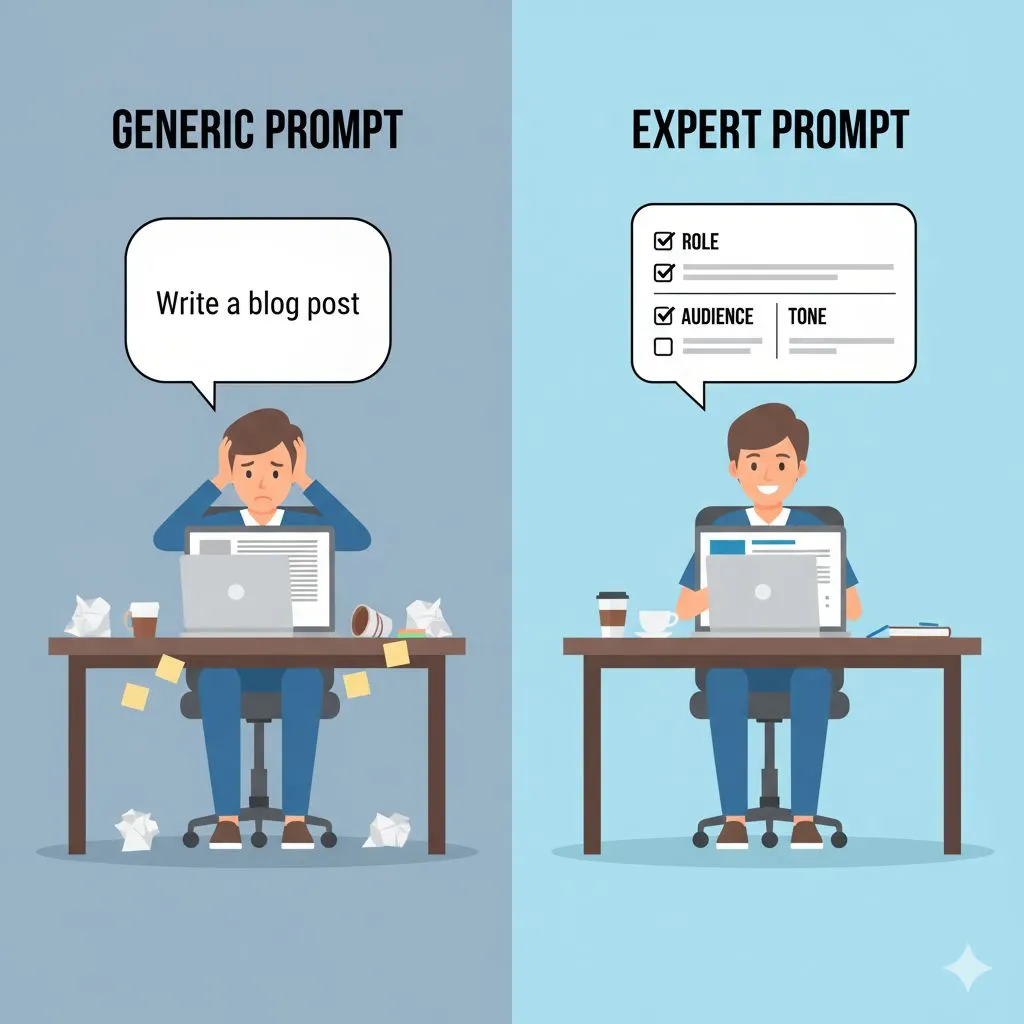
Rather than expecting every employee to become an expert prompt engineer—a process that leads to massive quality discrepancies and wasted hours—enterprises must deploy pre-built, strategically designed architectures. This is the core philosophy behind Expert AI Prompts. By providing industry-specific, carefully crafted prompt frameworks, organizations eliminate the guesswork and trial-and-error that plague unstructured AI usage.
When you equip your workforce with expert-level AI tools that are already aligned with your brand's standards, you achieve several immediate benefits:
- Immediate Time Savings: Employees reclaim hours previously lost to tinkering with generic AI tools.
- Quality Control: Outputs consistently reflect high-level credibility, reinforcing brand authority.
- Workflow Integration: Bottlenecks are broken as AI is seamlessly integrated into daily operations rather than layered awkwardly on top of them.
Expert AI Prompts represent strategy and execution built into a single, scalable asset. They transition your teams from overworked operators struggling with pilot fatigue into confident strategists executing at an enterprise level. By standardizing the input, you govern the output, effectively neutralizing the chaos of shadow AI while maximizing operational leverage.
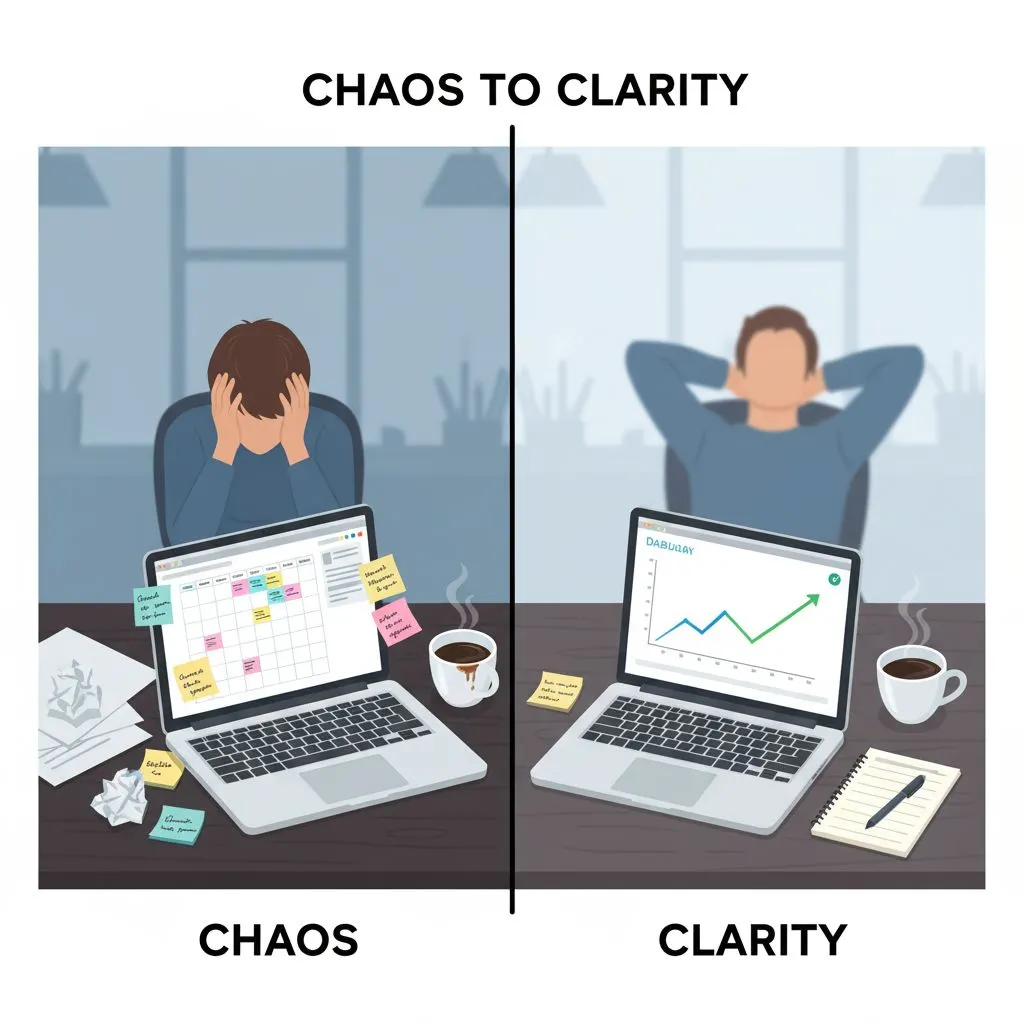
Conclusion: From Chaos to Clarity
The era of unstructured, experimental AI is over. For the pragmatic enterprise leader, the focus must shift entirely toward margin expansion, operational efficiency, and strict ethical governance. Allowing shadow AI to proliferate is a direct threat to your P&L, your regulatory standing, and your competitive advantage.
By implementing a governed AI Portfolio Matrix, establishing ruthless kill criteria for failing pilots, and standardizing your workforce's AI interactions through structured workflows, you can turn a chaotic technology landscape into a finely tuned engine for double-digit growth. It is time to stop layering generic AI onto legacy processes and start reimagining enterprise efficiency holistically.
Stop spinning your wheels in unstructured chaos. Equip your enterprise with the frameworks required to govern outputs, save time, and scale smarter.
Discover the difference between chaotic experimentation and governed, high-ROI execution: https://expertaiprompts.com/chaos-vs-clarity-structured-vs-unstructured-prompts