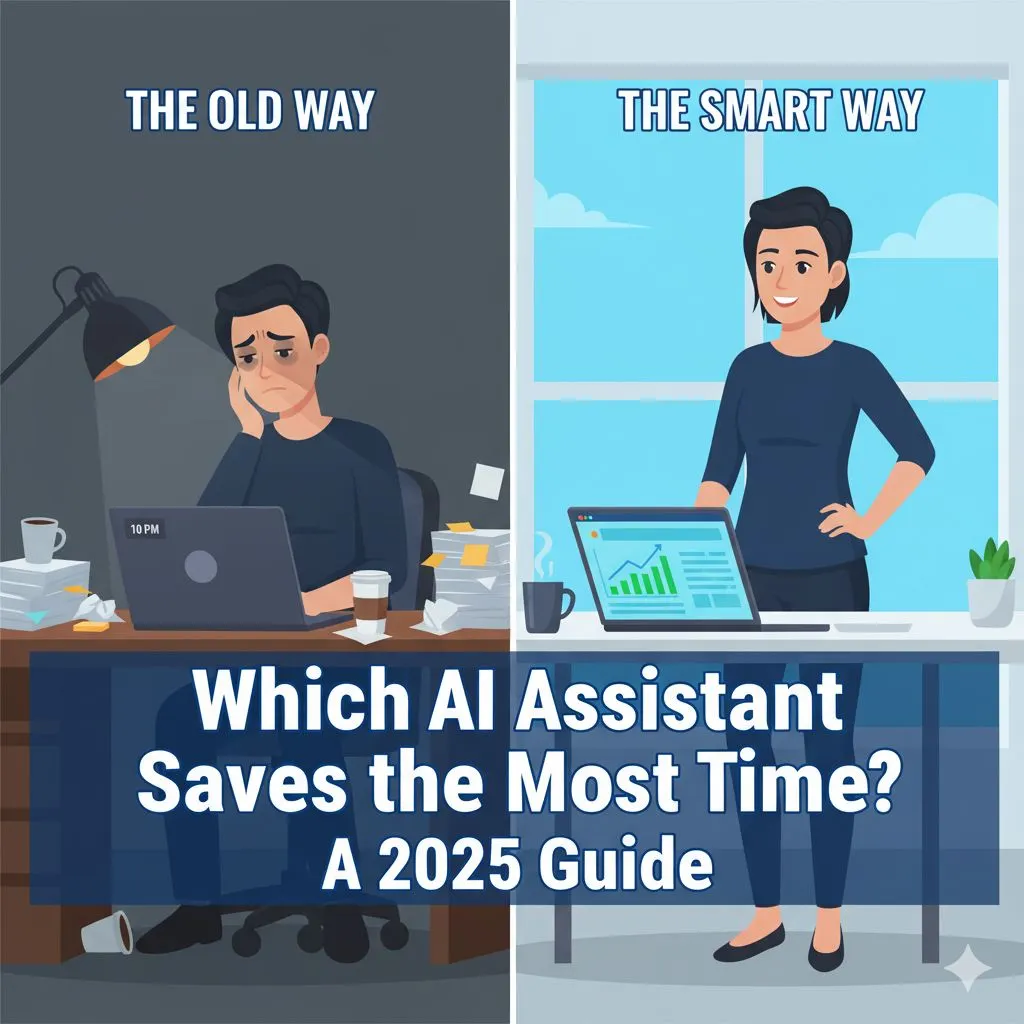
The Social Media Manager’s Toolkit: scaling Client Content with AI
The Social Media Manager’s Toolkit: scaling Client Content with AI
Jan 23, 2026

If you are a social media manager, agency owner, or a digital entrepreneur wearing all the hats, you know the specific kind of exhaustion that comes at 4:00 PM on a Thursday. You have three client calendars to finalize, a folder of raw video footage that needs scripting, and a LinkedIn inbox full of unread messages.
You want to grow your business. You want to take on that new high-ticket client. But you physically can’t. You are capped.
This is the "Operator’s Trap." You are so busy rowing the boat that you can’t steer the ship.
For years, the only solution was to hire more staff—a costly and risky move for a small team. But today, the landscape has shifted. The rise of social media AI tools has created a third option: scaling your output using artificial intelligence, not as a replacement for your creativity, but as an infinite lever for your time.
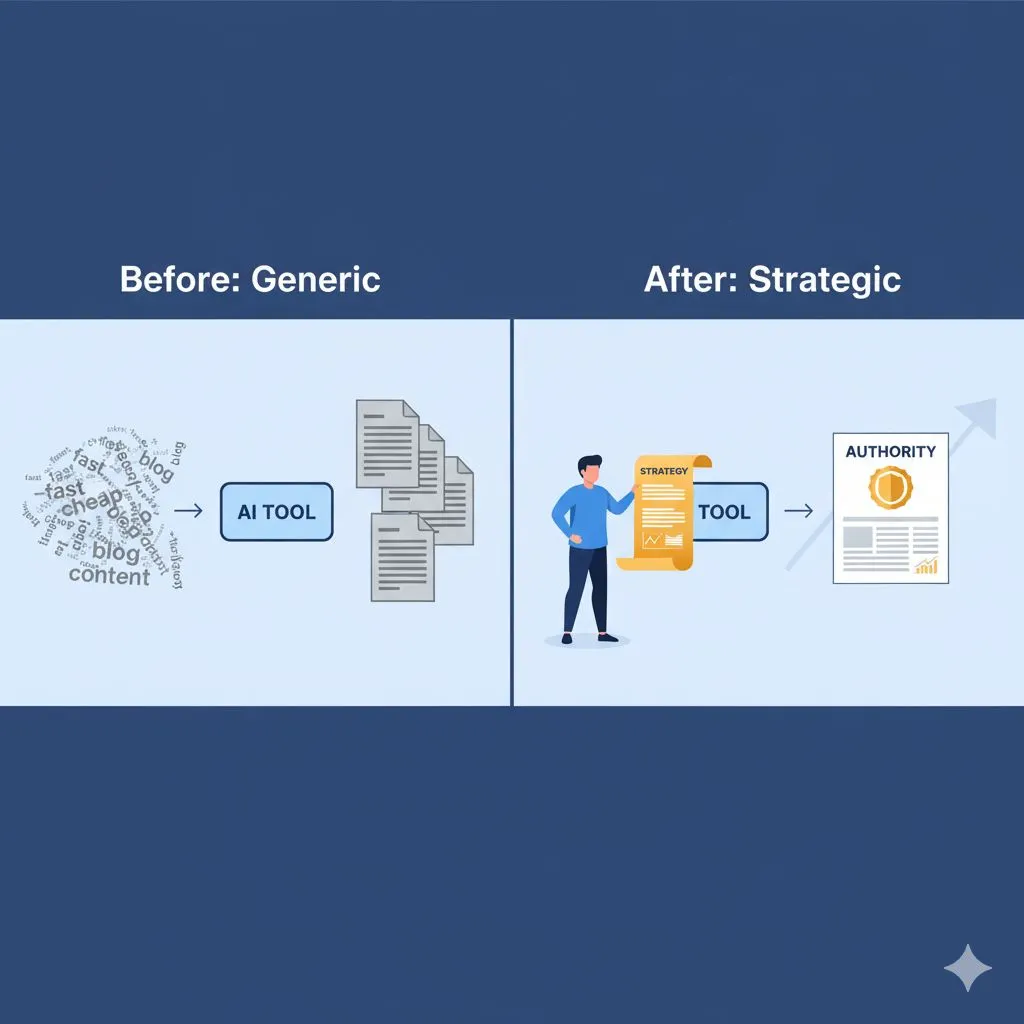
However, let’s be honest: You’ve probably tried ChatGPT or similar tools and been underwhelmed. The output felt generic, stiff, or just... "off." That’s because AI is like a high-performance sports car; if you don't know how to drive it, you’ll just spin your wheels.
The secret isn't just the software; it's the system.
This toolkit breaks down the five essential "tools" (strategies powered by AI prompts) that will help you transition from an overworked operator to a confident strategist, allowing you to scale your client content without burning out.
Tool #1: The "Content Multiplier" (Ideation & Repurposing)
The biggest bottleneck in social media management isn’t creating content; it’s ideation. Staring at a blank cursor for five different clients in five different industries is a recipe for creative fatigue.
Many managers try to invent new ideas daily. This is inefficient. The most profitable agencies use the "Content Multiplier" approach. They take one piece of "Hero Content"—a webinar, a blog post, a podcast episode, or a CEO’s rant—and fracture it into a week’s worth of social posts.
How to Scale This:
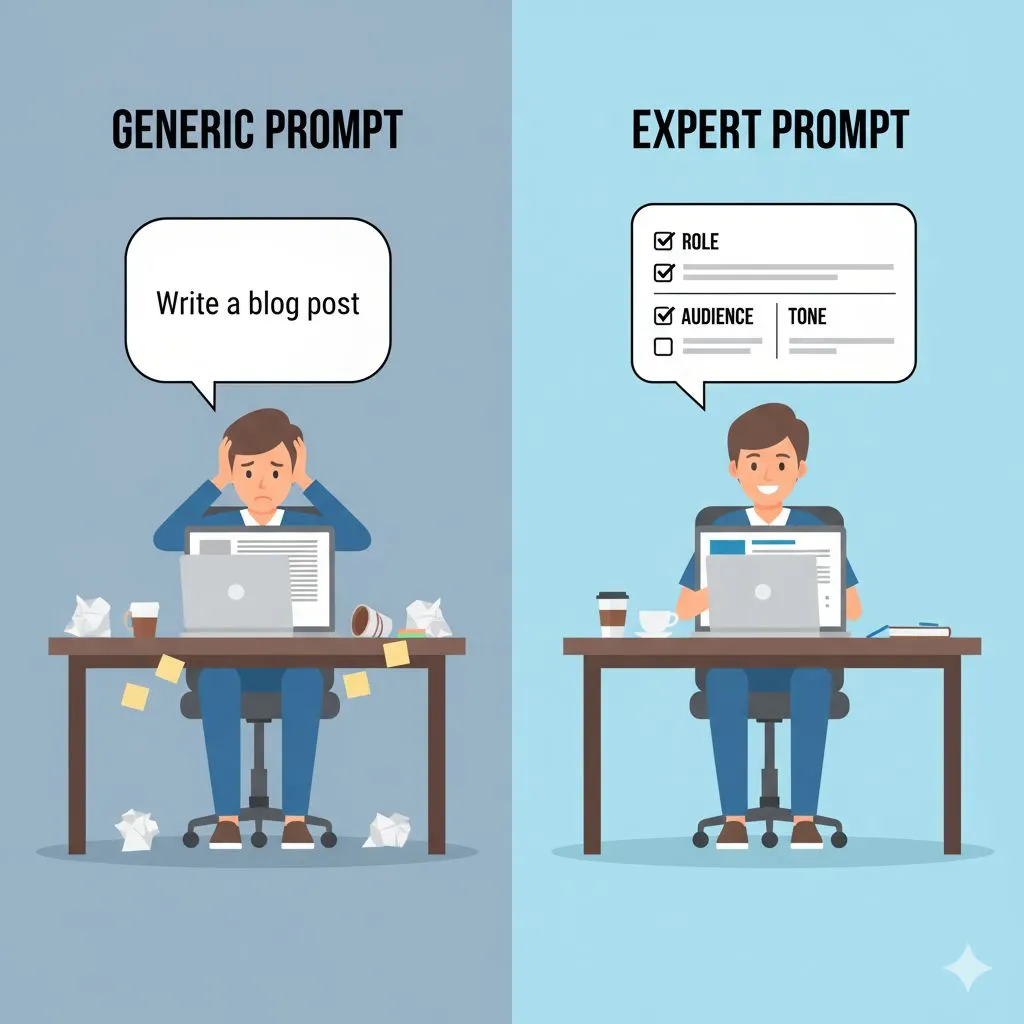
Don’t ask AI to "write me 5 posts about marketing." That is too vague. Instead, feed the AI a transcript or a finished article and use a specific prompt framework to repurpose it.
- The Strategy: Upload a client’s recent blog post. Ask the AI to extract:
- Three contrarian opinions for LinkedIn text posts.
- Five actionable tips for an Instagram carousel.
- Two short scripts for TikTok/Reels focusing on the most surprising stat in the text.
By doing this, you aren't asking the AI to think for you; you are asking it to format for you. You maintain the authority and facts of the original content, but you eliminate the hour of manual reformatting. Put this system into action with the step-by-step walkthrough in creating a month of AI-generated social media content.
Tool #2: The "Brand Voice Architect" (Copywriting & Captions)
The number one objection from business owners regarding social media AI tools is: "It doesn't sound like me."
And they are right. Out of the box, AI sounds like a helpful, slightly boring encyclopedia. If your client is an edgy D2C brand or a high-end luxury consultant, "helpful encyclopedia" is a brand killer.
To scale content production, you must build a "Brand Voice Architect." This isn't a piece of software you buy; it's a set of prompt instructions you build to ensure consistency.
How to Scale This:
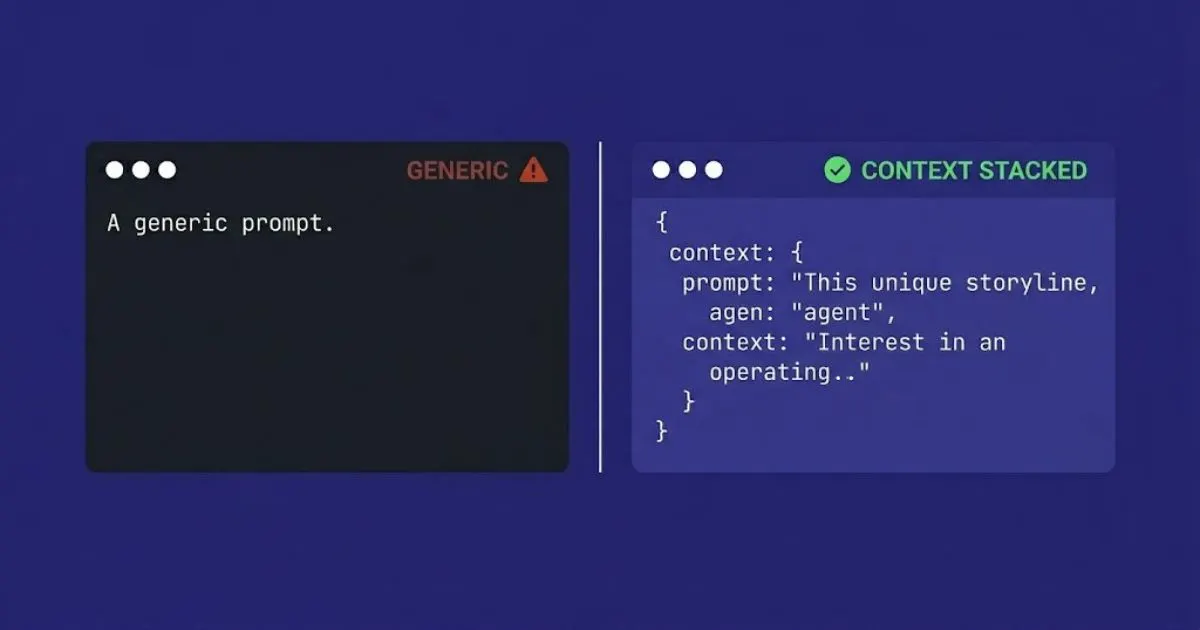
Stop writing prompts from scratch every time. Create a "Voice Profile" for each client that you paste at the top of every AI interaction.
A Voice Profile should include:
- Tone Keywords: (e.g., "Witty, dry, professional, authoritative, empathetic").
- Formatting Rules: (e.g., "Use short sentences. No emojis. Use bullet points for lists.")
- Anti-Patterns: (e.g., "Never use words like 'unleash,' 'unlock,' or 'game-changer'.")
When you combine a robust Voice Profile with your content requests, the AI output shifts from 50% usable to 90% usable. Download the free Brand Voice Kit to build your first client Voice Profile in under ten minutes. This saves you from rewriting every single caption, allowing you to focus on strategy and client relationships.
Tool #3: The "Engagement Engine" (Community Management)
Posting content is only half the job. Community management—replying to comments, DMs, and engaging with peers—is where the algorithm rewards you, but it’s also where your time goes to die.
If you are managing five accounts, you cannot spend three hours a day typing "Thanks for sharing!" This is where the "Engagement Engine" comes in.
How to Scale This:
Use AI to draft responses, not to automate the human connection out of existence, but to speed up the typing.
Copy a thread of comments from a client’s post. Feed it to your AI tool with the instruction: "Draft replies to these 5 comments. Adopt a gratitude-first tone, answer their specific questions, and end with a question to keep the conversation going."
Your job then becomes 'Editor', not 'Writer'. You review the drafts, tweak the nuance, and hit send. This reduces a 30-minute task to a 5-minute task. Furthermore, you can use AI to analyze sentiment. Instead of reading 500 comments to get the "vibe," paste them into an AI tool and ask: "What are the top 3 objections people are raising in these comments?" This gives you immediate market research you can sell back to your client.
Tool #4: The "Visual Director" (Video Scripts & Image Concepts)
Video is non-negotiable in 2026. But writing scripts for Reels, Shorts, and TikToks is a specialized skill. The TikTok Prompt Playbook gives you ready-made hook, script, and caption frameworks purpose-built for short-form video. Most business owners ramble when the camera turns on.
The "Visual Director" tool is about using AI to structure the storytelling before you or your client hits record. This ensures the raw footage you get is actually usable.
How to Scale This:
Use AI to script the "Hook-Value-CTA" structure.
- The Hook: Ask for 10 distinct hooks for a single topic (e.g., visual hook, question hook, negative hook).
- The Body: Ask for a 45-second script using simple language, broken down by visual scenes.
- The Visual Description: Ask the AI to describe the B-roll needed for each sentence.
For example, a prompt might look like: "I am a real estate agent. Write a 30-second Reel script about interest rates. Scene 1: Me looking stressed at a laptop. Scene 2: Talking head explaining the drop. Scene 3: Green screen of a chart. Tone: Reassuring."
Sending these pre-made scripts to clients makes them feel supported and ensures the footage they send back requires less editing time.
Tool #5: The "Strategy Auditor" (Analytics & Reporting)
Clients don't pay for posts; they pay for results. Use the AI ROI Calculator to quantify exactly how much time and money your AI workflows are saving — then present those numbers to clients as part of your monthly retainer report. However, creating monthly reports is often a tedious process of copying and pasting numbers into a spreadsheet that the client barely reads.
The "Strategy Auditor" utilizes social media AI tools to turn data into narrative.
How to Scale This:
Download your CSV data from Instagram or LinkedIn. Anonymize it if necessary, and feed it into a data-capable AI model.
Ask the AI:
- "Identify the top 3 performing posts this month and explain WHY they worked based on the hooks and topics."
- "Identify the bottom 3 posts and suggest how to improve them."
- "Write a 3-sentence executive summary for the client explaining the ROI of this month’s content."
This transforms you from a "reporter" (who lists numbers) to a "consultant" (who provides insights). It adds immense value to your retainer without adding time to your workflow.
The "Human-in-the-Loop" Workflow
Implementing these tools requires a safeguard. You cannot let the AI run wild. To maintain the "Expert" status your clients pay for, you must adopt the Sandwich Method:
- Human (Top Bun): Strategy, Context, and Prompt Engineering. You decide what needs to be created and how to instruct the AI.
- AI (The Meat): The heavy lifting. drafting, formatting, summarizing, and iterating. This is where the speed happens.
- Human (Bottom Bun): Review, Polish, and Fact-Check. You add the final 10% of magic—the local references, the specific client nuances, and the strategic approval.
This workflow is the key to scaling. It allows you to produce 5x the volume while maintaining 100% of the quality.
Conclusion: From Overworked to Outstanding
The difference between a struggling freelancer and a scalable agency isn't usually talent—it’s systems.
Alex, if you are feeling the weight of the "hustle," it’s time to stop trying to outwork the algorithm. You cannot create more hours in the day, but you can create more output per hour.
By integrating these social media AI workflows, you aren't "cheating." You are professionalizing your operations. You are giving yourself the space to breathe, to think strategically, and to actually enjoy the business you’ve built.
The tools are ready. The strategy is sound. The only missing piece is the specific prompts to make it all happen instantly.
Not sure where to start? Explore free AI resources from the Expert AI Prompts Free Offers Hub — eleven ready-to-use prompt tools you can download and test before you invest.
Ready to stop spinning your wheels and start winning back your time?
Get the exact frameworks, voice architects, and content multipliers you need in one ready-to-use package.
Get The Social Media Manager’s Toolkit: 50 Expert Prompts to Scale Your Business
Or browse all 30 industry-specific prompt packs and pricing to find the right toolkit for your full client roster.
Further Reading
The Definitive Guide to AI for Social Media
How to Create a Month of AI-Generated Social Media Content