Reducing Cart Abandonment with AI-Generated Email Sequences
Reducing Cart Abandonment with AI-Generated Email Sequences
Jan 28, 2026
Part 1: The Revenue Leak and The AI Solution
You are likely staring at your analytics dashboard right now, seeing a number that keeps you up at night. Traffic is coming in. People are browsing. They are adding items to their cart. And then... silence.
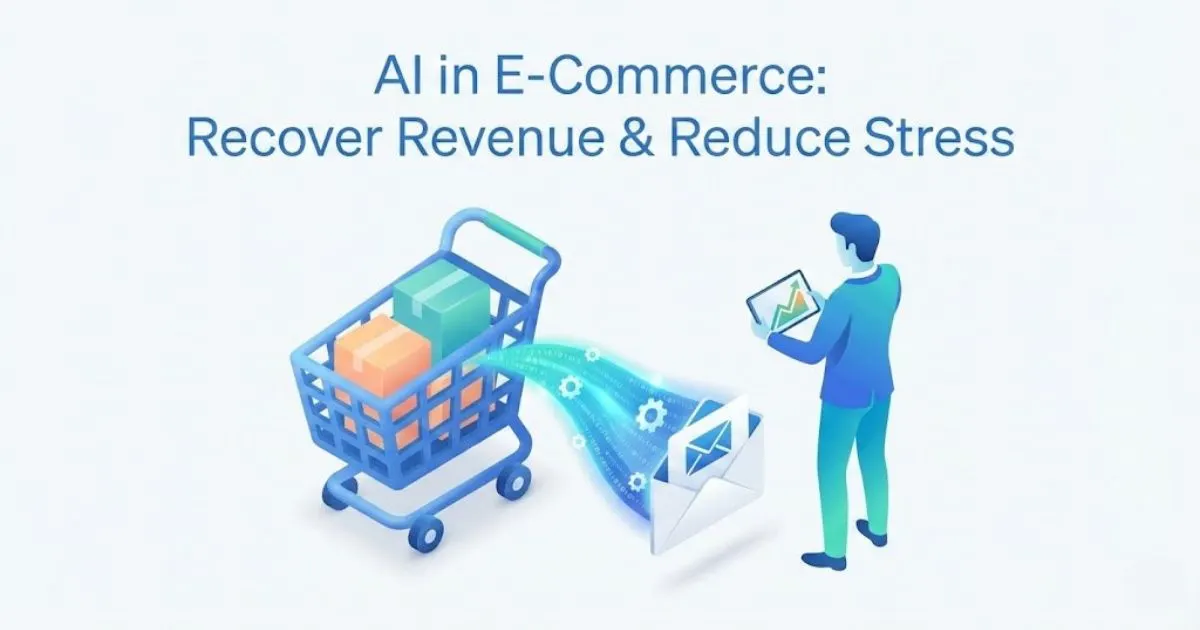
For small business owners, cart abandonment isn’t just a metric; it’s money walking out the door. The industry average for cart abandonment sits comfortably around 70%. That means for every ten people who signal they want your product, seven leave without paying.
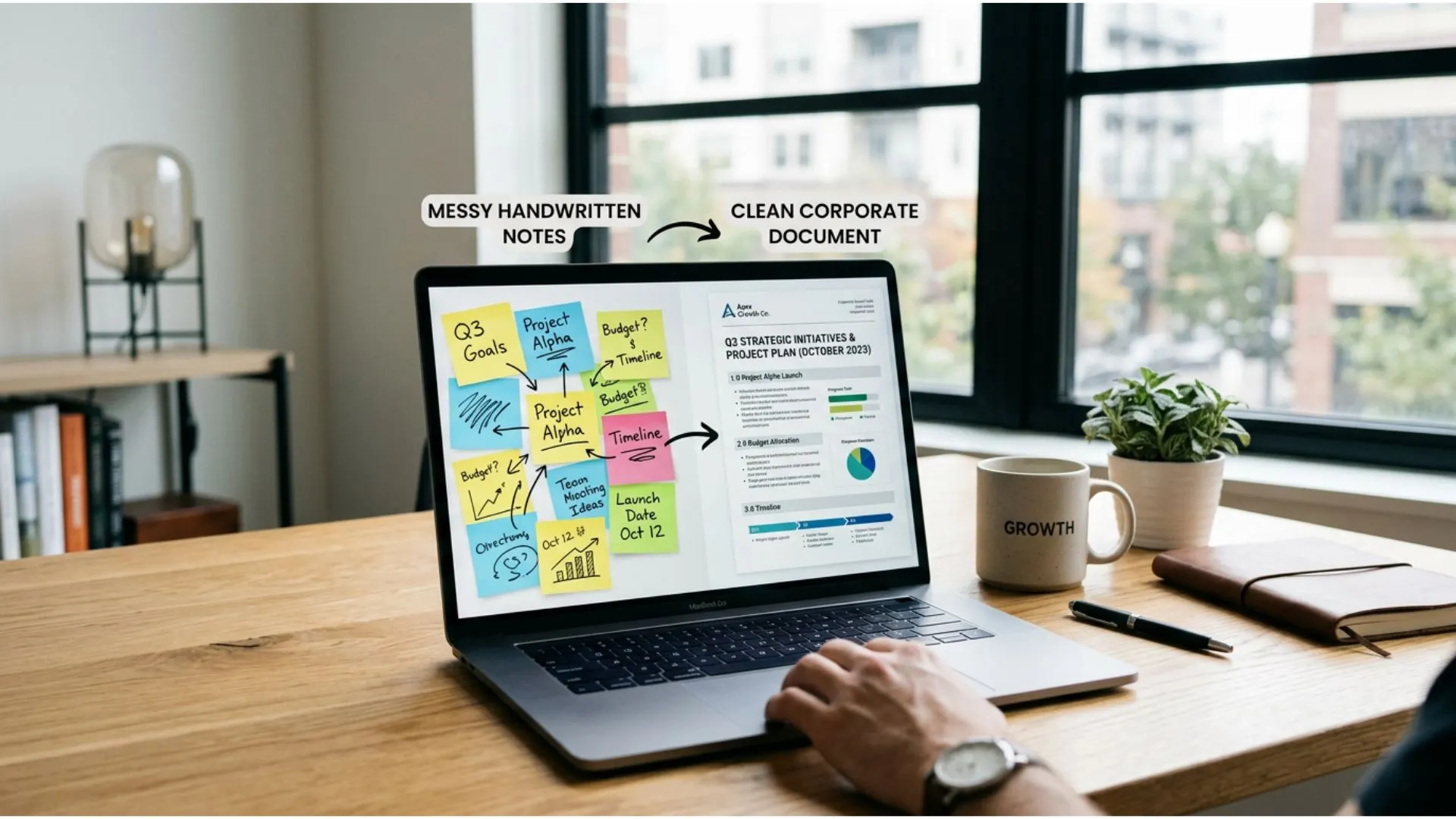
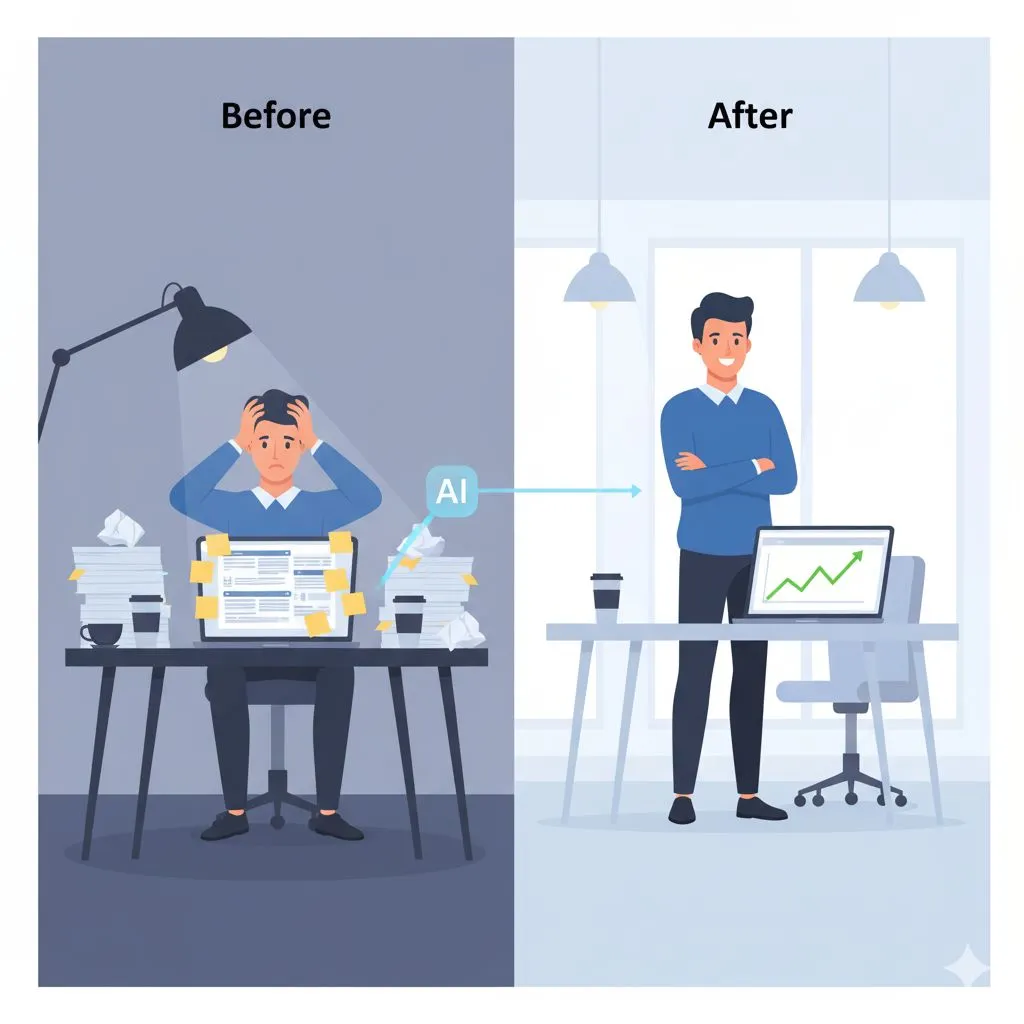
If you had a team of ten marketers, you’d have them analyzing every exit and writing personalized emails to win those customers back. But you don’t have a team of ten. You have you. You are the CEO, the customer support lead, the inventory manager, and the marketing department wrapped into one overworked human. You know you should be sending sophisticated email sequences, but the thought of staring at a blank screen to write copy—or hiring an expensive freelancer—is just another bottleneck in your week.
If you want the full strategic picture, start with our practical AI for e-commerce guide — it covers the entire AI-driven retail and e-commerce workflow.
This is where ai in e-commerce boosts sales stops being a futuristic concept and becomes your most valuable employee.
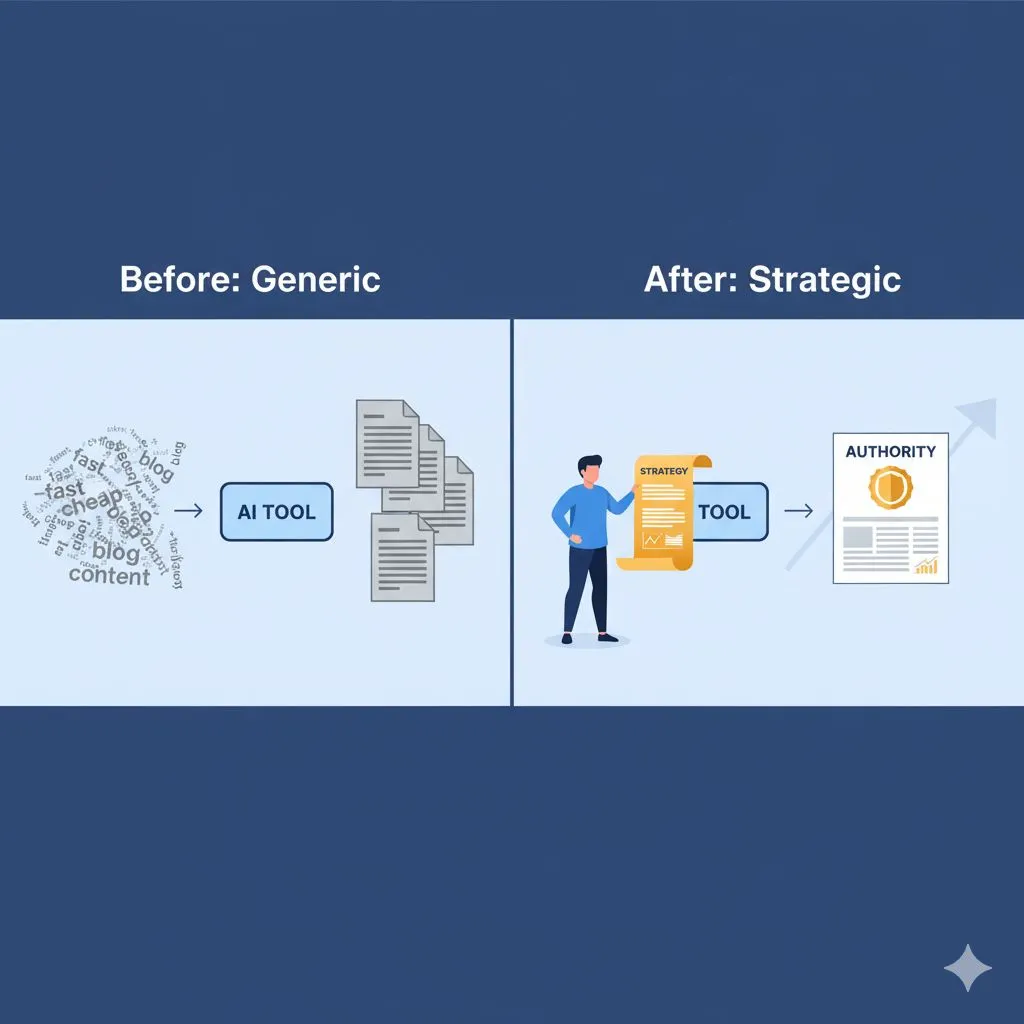
We aren't talking about generating generic, robotic text that sounds like it came from a spam folder. We are talking about using AI to act as a data analyst, a strategist, and a senior copywriter. By leveraging the right prompts and strategies, you can build a cart abandonment engine that works 24/7, recovering revenue while you focus on scaling your business.
This guide will walk you through exactly how to set this up—not with vague theory, but with actionable steps to reclaim your time and your sales.
Part 2: Diagnosing the Drop-off (AI as Analyst)
Before we start writing emails, we have to understand the why. Sending a generic "You forgot this!" email is better than nothing, but it rarely converts at a high level. To compete with the big retailers, you need to understand the psychology behind the abandonment.
Usually, customers leave for one of four reasons:
- Sticker Shock: The total cost (usually shipping) was higher than expected.
- Distraction: The doorbell rang, or their boss walked in.
- Trust/Risk: They aren't sure if the product will solve their problem.
- Technical Issues: The checkout process was too clunky.
As a solopreneur, you might guess which one it is. But AI can help you pinpoint it and structure your communication around it.
Actionable Step: The "Why" Analysis
Instead of guessing, you can use AI to build a profile of your "Almost-Customer." If you have past customer inquiries or reviews, you can feed a summary of that sentiment into an AI tool (ensuring you anonymize private data).
Try this concept:
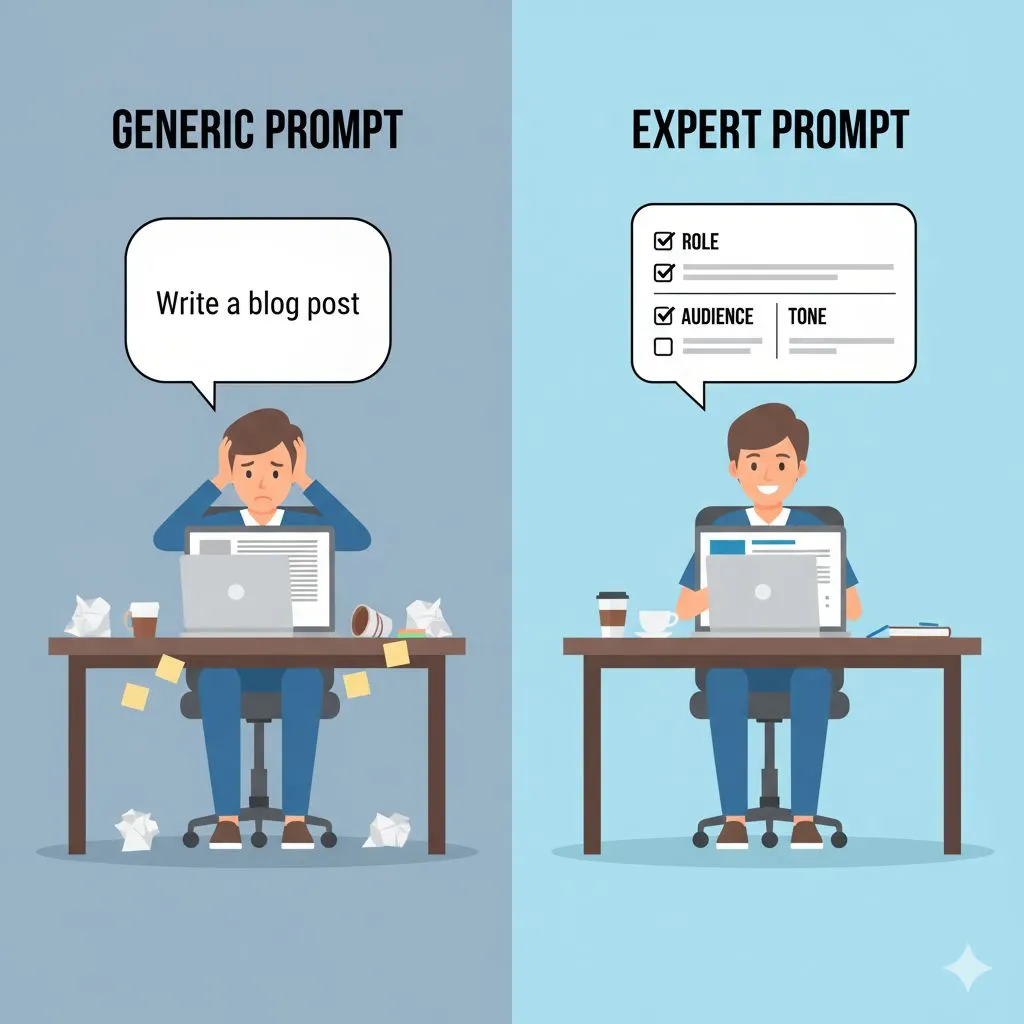
"Act as a senior e-commerce analyst. I sell [Product Name], which costs [Price]. My target audience is [Audience Persona]. Based on general e-commerce trends for this industry, what are the top 3 psychological objections stopping a customer at the checkout page, and how can I address them in an email?"
The AI will likely return insights you hadn't considered, such as the need for reassurance on return policies or social proof regarding specific product features. This transforms your email sequence from a generic "Please buy" to a strategic "Here is why you can trust us."
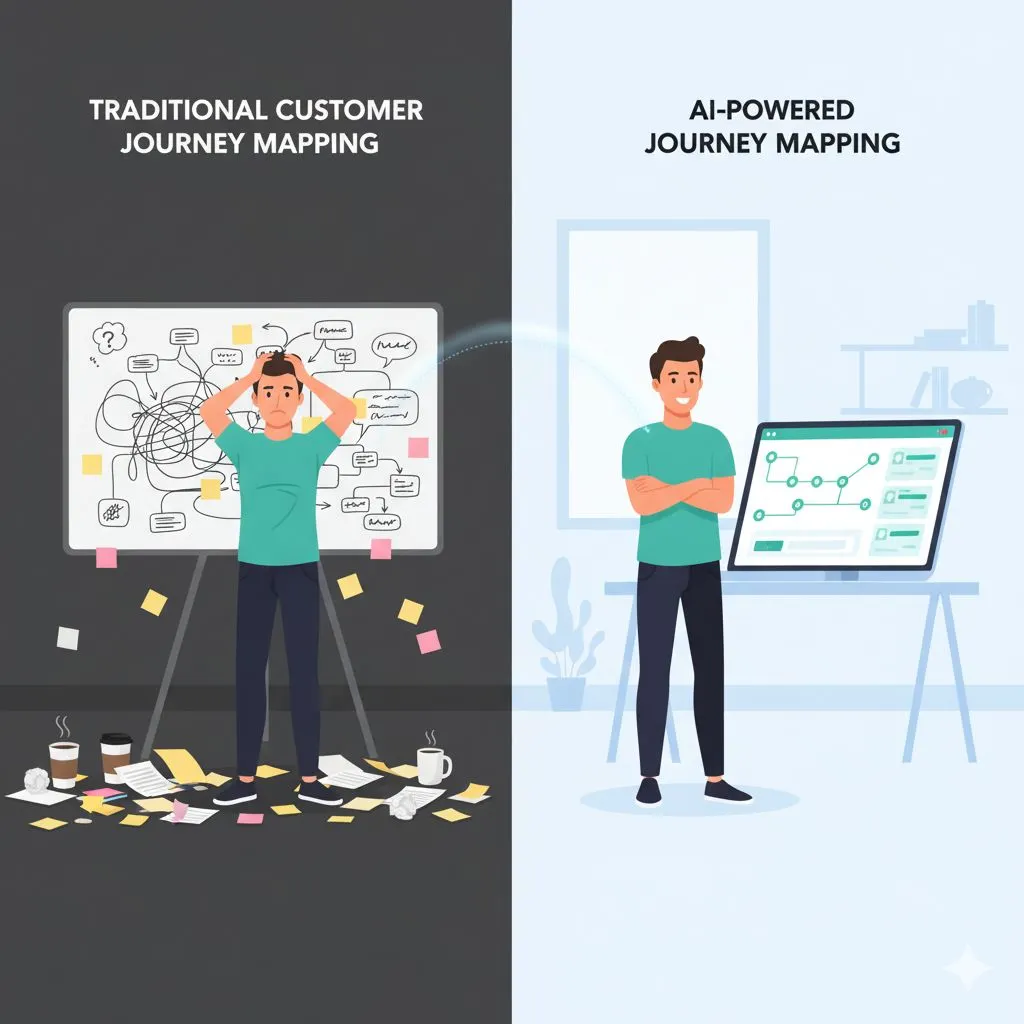
For a deeper look at how to apply this across every stage of the buying process, see using AI to write for the customer journey.
Part 3: Structuring the Perfect 3-Part Sequence (AI as Strategist) & The Prompts
Now that we have the strategy, we need the execution. A single email is easily ignored. A sequence of three emails, timed perfectly, creates a narrative that guides the customer back to the purchase.
Here is the "Golden Trio" of cart abandonment, and how to use AI to write them effectively.
Email 1: The Gentle Nudge (Sent 1 hour later)
- Goal: Customer Service.
- The Vibe: Helpful, not pushy. Assume they got distracted.
- The Prompt Strategy: You need the AI to sound like a human offering help, not a bot demanding payment.
Prompt Example:
"Write a short, empathetic cart abandonment email for [Brand Name]. The tone should be helpful and casual, like a friend checking in. Assume the customer got distracted. Do not be pushy. Just remind them their cart is saved and include a link to return. Keep it under 100 words."
Email 2: Crushing Objections (Sent 24 hours later)
- Goal: Reassurance & Social Proof.
- The Vibe: Confident and educational.
- The Strategy: This is where you address the risks we identified in Phase 1. If shipping is high, emphasize the value or speed. If quality is the concern, highlight a testimonial.
Prompt Example:
"Write the second email in a cart abandonment sequence. The customer left 24 hours ago. The goal is to overcome the objection of [Price/Quality]. Incorporate a placeholder for a specific customer testimonial. The tone should be confident and professional. Remind them of the [Main Benefit] they are missing out on."
Email 3: The "Pattern Interrupt" Offer (Sent 48 hours later)
- Goal: Conversion at all costs.
- The Vibe: Urgency and Incentive.
- The Strategy: If they haven't bought yet, price might be the barrier. This is where you offer a discount code or free shipping—but only as a last resort to protect your margins.
Prompt Example:
"Write the final email in a cart abandonment sequence. Create a sense of urgency without being aggressive. Offer a 10% discount code: 'COMEBACK10'. Explain that this code expires in 48 hours. Focus on the feeling of relief they will have once they own [Product Name]."
To skip the prompt-building process entirely, the Prompt-Led Email Mastery toolkit delivers 50 pre-built, industry-specific email prompts — including cart abandonment sequences ready to deploy today.
Refining the Output: The Brand Voice
The biggest objection entrepreneurs like you have regarding ai in e commerce is: "It doesn't sound like me."
That is a valid concern. The default voice of most AI models is bland corporate speak. To fix this, you must "prime" the AI before asking for the emails.
Our guide on how to train AI to write in your brand voice walks through this priming process step by step so your emails sound unmistakably like you.
- If you are quirky: Tell the AI: "Use a witty, playful tone. Use puns related to [Industry]."
- If you are luxury: Tell the AI: "Use a sophisticated, minimalist tone. Avoid exclamation points."
By controlling the inputs, you ensure the output maintains your brand's credibility.
Part 4: Optimization & Conclusion
You have your sequence. You have your copy. But the work of a business owner is never truly "set and forget"—it is "set and optimize."
A/B Testing Subject Lines with AI
The body of your email doesn't matter if nobody opens it. Subject lines are the gatekeepers of revenue. This is one of the highest ROI uses for AI prompts.
Instead of brainstorming for 30 minutes, ask the AI:
"Generate 10 email subject lines for a cart abandonment email for [Product]. 5 should rely on curiosity, and 5 should rely on urgency. Keep them all under 40 characters for mobile optimization."
Run a test. If "Did you forget this?" gets a 20% open rate, but "Your cart is expiring in 1 hour" gets a 40% open rate, you have just doubled your potential sales without creating any new content.
Scaling From Survival to Growth
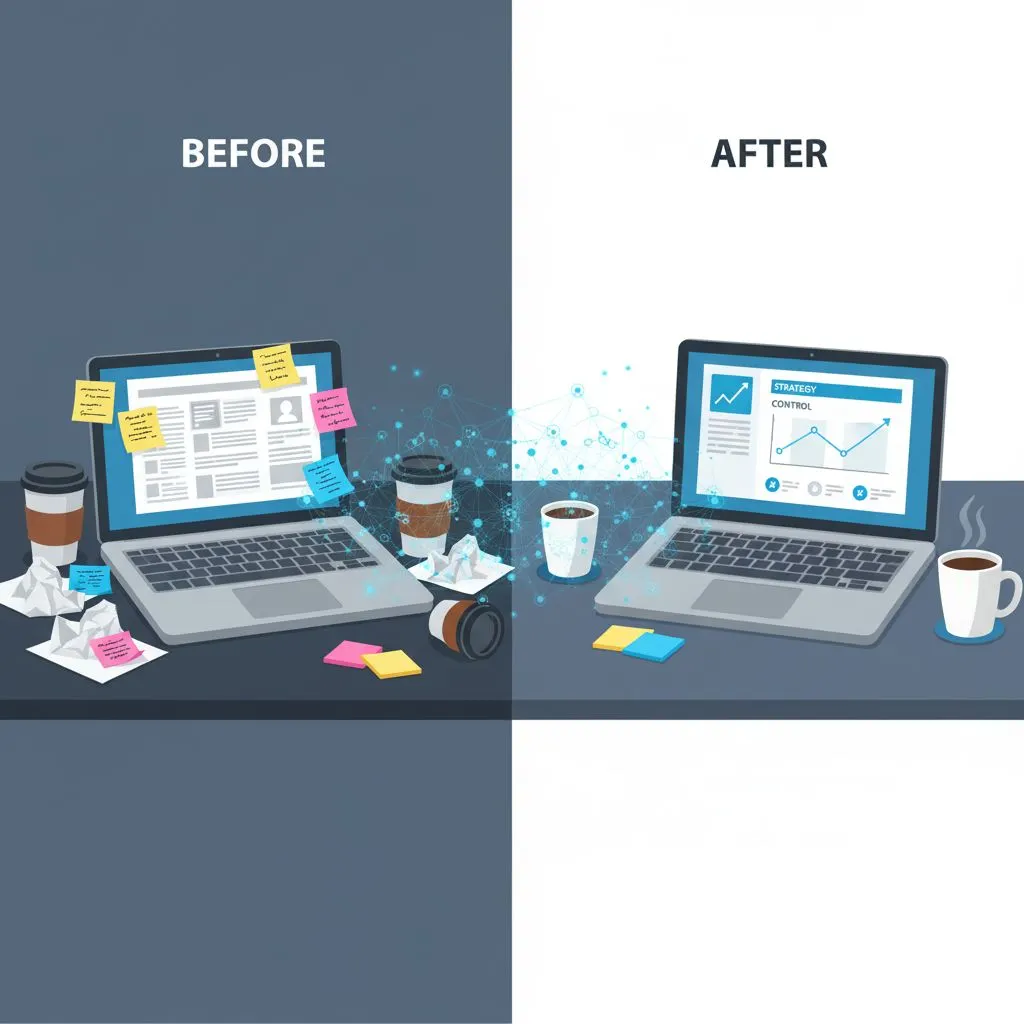
Implementing this AI-driven workflow does more than just recover a few sales. It changes your operating model.
- Time Reclaimed: You aren't writing emails from scratch. You are editing expert drafts.
- Consistency: Every customer gets the same high-quality treatment, regardless of how busy you are.
- Data-Driven: You are making decisions based on conversion logic, not gut feeling.
Conclusion: Moving from Hustle to Leverage
As a small business owner, you are used to the hustle. You are used to doing the heavy lifting. But to scale, you need leverage. AI provides that leverage.
By implementing an AI-generated cart abandonment sequence, you are building a system that works for you. You are turning the "leaky bucket" of your website into a sealed, optimized sales engine. This isn't about cheating the system; it's about competing with the giants using tools that fit your budget and your schedule.
Stop leaving money on the table. Stop agonizing over blank pages. Use AI to articulate your value, address objections, and close the sale, so you can get back to the parts of your business you actually love.
Before you go — grab your free AI productivity prompts, including tools designed specifically for e-commerce and email workflows.
Ready to streamline your entire operation?
Don't stop at email sequences. Discover how to apply these strategies across your entire business model with our comprehensive resource.
Get the Practical AI for E-commerce, Retail & Real Estate Guide
Or, if you're ready to invest in your full AI toolkit, see all 30 prompt packs and pricing — one-time access, 50 industry-specific prompts per pack.