Project Management in the Age of AI: A Guide for Overwhelmed Entrepreneurs
Project Management in the Age of AI: A Guide for Overwhelmed Entrepreneurs
Oct 11, 2026

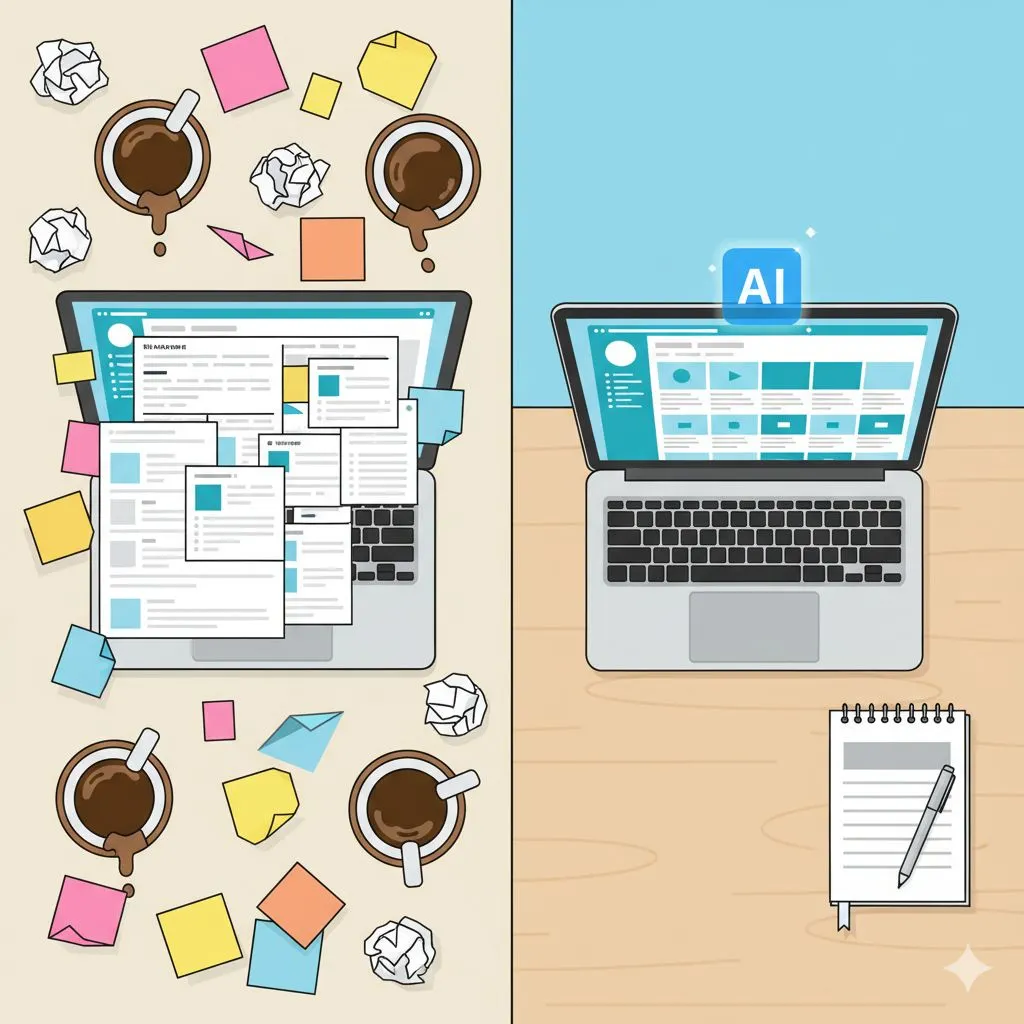
If you are like most small business owners, your "project management system" probably looks less like a Gantt chart and more like a chaotic mix of sticky notes, unread Slack messages, and a mental to-do list that keeps you awake at 2 AM.
You are Alex Rivers—the marketer, the accountant, the HR department, and the lead strategist. You aren’t just wearing many hats; you are balancing the entire wardrobe.
For years, the advice for scaling a service business or agency was simple: hire more people. But hiring is expensive, risky, and time-consuming. This leaves many ambitious entrepreneurs stuck in the "operator" trap—too busy managing the day-to-day work to actually grow the business.
Enter AI project management.
We aren't talking about sci-fi robots taking over your job. We are talking about practical, accessible technology that acts as the high-level operations manager you couldn't afford to hire. This guide is designed to help you cut through the hype, streamline your operations, and reclaim your time using Artificial Intelligence.
Section 1: The New Landscape — Why Traditional PM Fails Small Teams
Traditional project management methodologies—Waterfall, Prince2, heavy Agile frameworks—were designed for corporations with dedicated Project Managers. They assume you have a person whose only job is to update charts and nag team members for status updates.
In a team of 2–10 people, that person doesn't exist. You are the project manager, but you are also the person doing the work.
The Resource Gap
Large agencies have layers of management to handle traffic control. They have resources to burn on administrative overhead. Small teams do not. When you spend two hours setting up a project in a complex software tool, that is two hours you aren't billing a client or creating content.
This creates a massive disadvantage. You want to compete with the big players on quality and delivery speed, but you are hamstrung by administrative friction.
The Bottleneck Problem
The biggest risk to a small business is the "Founder Bottleneck." When every decision, every schedule update, and every client communication has to pass through you, the business cannot scale. It caps your revenue at exactly the amount of hours you can stay awake.
AI as the "Digital Operations Manager"
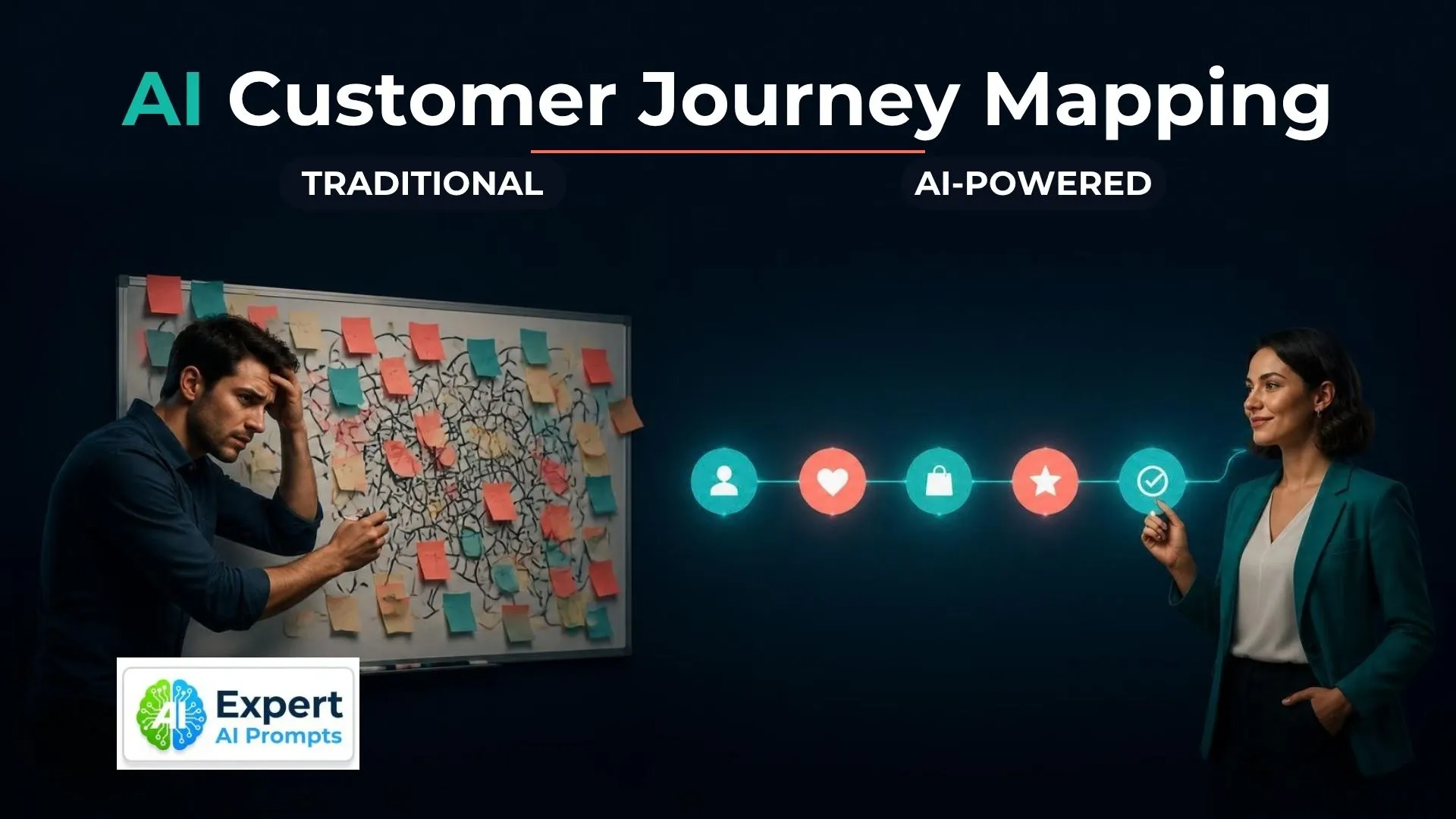
AI project management changes this equation. It doesn't just "organize" tasks; it actively participates in the workflow. Think of AI not as a tool, but as a tireless, hyper-efficient digital intern.
It can read a messy email thread and extract a to-do list. It can look at your calendar and tell you that you’ve overcommitted. It levels the playing field, allowing a team of three to operate with the efficiency of a team of thirty.
For the complete strategic picture on using AI to scale your small business, explore our ultimate guide to AI for small business — the definitive resource for entrepreneurs ready to move from operator to strategist.
Discover exactly how solopreneurs use AI to compete with larger teams — without the overhead, the headcount, or the budget of an enterprise.

Section 2: Practical Applications (Where AI Actually Helps)
Let's move away from theory. How does AI project management actually look on a Tuesday morning when you have three deadlines and a sick freelancer?
1. Automated Planning & Scheduling
In the past, creating a project timeline meant staring at a blank calendar and guessing how long tasks would take.
Today, AI-enabled tools can take a simple prompt—"Create a 4-week launch schedule for a new SEO client including audit, content strategy, and implementation"—and generate a detailed project breakdown. It can suggest dependencies (e.g., "You can't start the audit until access is granted") and assign realistic timeframes.
** The Impact:** You move from "blank page paralysis" to a working plan in seconds, not hours.
2. Intelligent Documentation & SOWs
Writing Statements of Work (SOWs), project briefs, and meeting summaries is often the most dreaded part of agency life. It’s tedious, non-billable work.
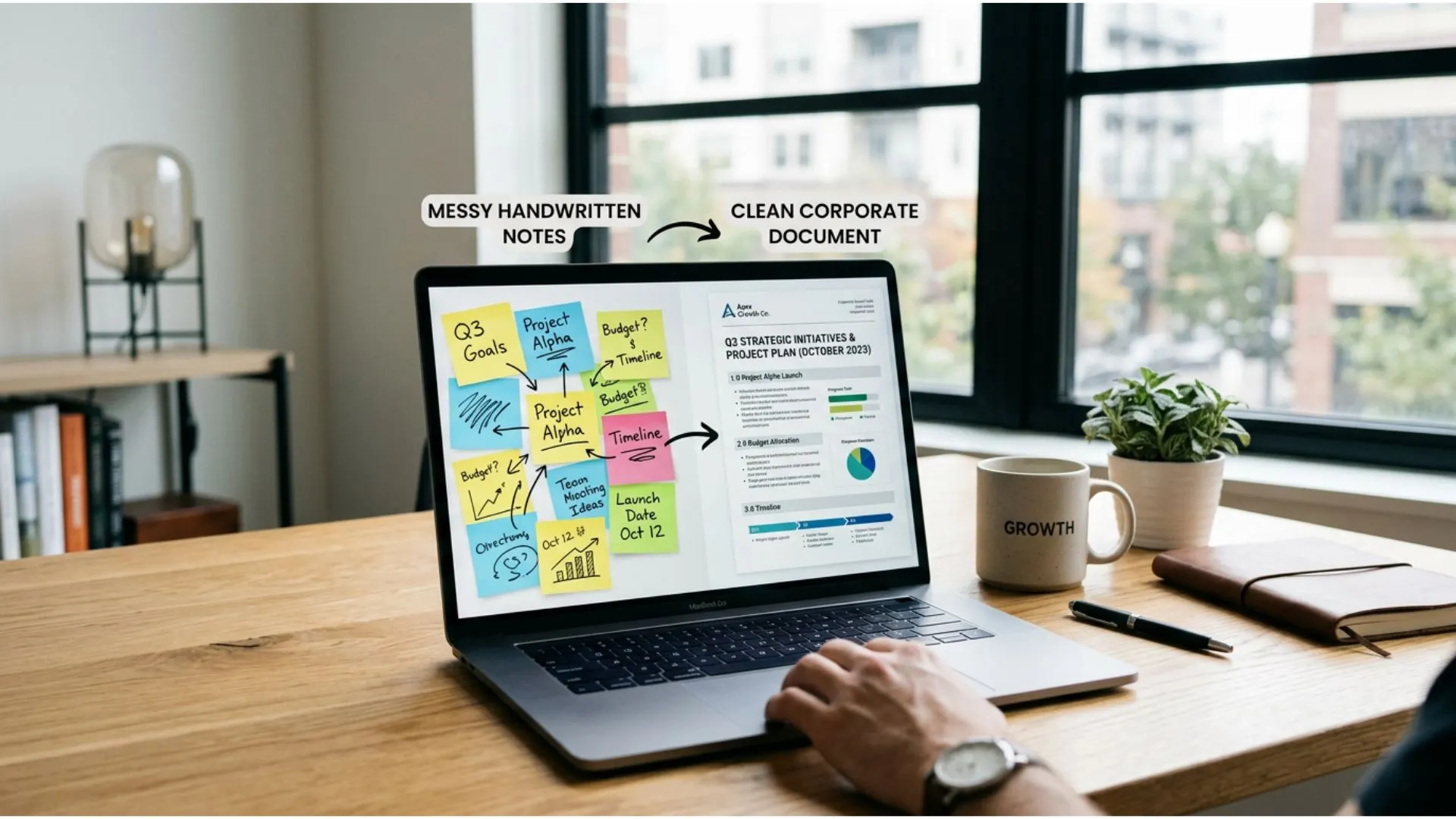
AI tools can listen to a client Zoom call (with permission), transcribe it, and instantly generate a formatted summary of action items, deadlines, and key deliverables. You can then feed those deliverables into a prompt to generate a formal SOW.
The Impact: You look more professional with less effort. Your documentation is consistent, expert-level, and completed immediately after the meeting, impressing clients with your speed.
3. Risk Prediction & Resource Allocation
This is the "killer app" for small teams. As humans, we are terrible at estimating time. We suffer from the "planning fallacy"—optimistically assuming everything will go right.
AI looks at data. If you integrate AI into your time-tracking or task management software, it can eventually learn that "Blog Post Writing" usually takes your team 4 hours, not the 2 hours you allotted. It can flag risks: "Alex, you have scheduled 50 hours of work for a 40-hour week. Delivery is at risk."
The Impact: You stop over-promising and under-delivering. You protect your sanity by spotting burnout before it happens.
Section 3: Implementing AI Project Management (The Toolkit Strategy)
For step-by-step deployment blueprints across multiple business types, explore our full library of implementation workflows and how-to guides — each designed to move you from concept to live workflow in the shortest path possible.
You might be thinking, "Great, another subscription to buy." But smart AI adoption isn't about buying new tools; it's about optimizing your ecosystem.
Embedded AI vs. Standalone Tools
We are currently seeing a massive shift where AI is moving inside the tools you already use.
- Notion AI: Can summarize pages, draft sub-tasks, and brainstorm strategies within your workspace.
- Asana / ClickUp / Monday: These platforms are rolling out "Intelligence" features that auto-generate subtasks, summarize comment threads, and suggest automations.
Strategic Advice: Before you go hunting for a shiny new "AI Project Manager" app, check the settings of your current stack. The path of least resistance is usually the most profitable one.
The Prompting Factor
Here is the hard truth: AI is only as good as your instructions.
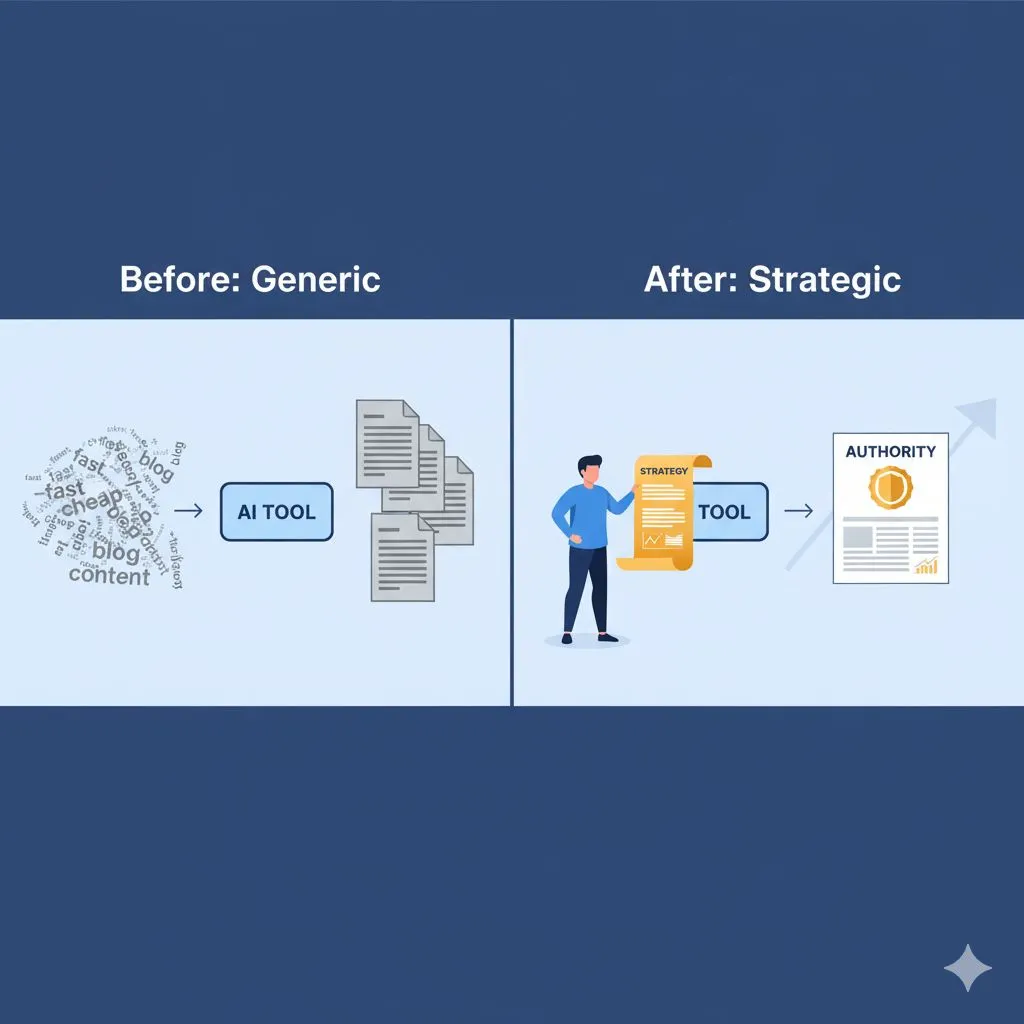
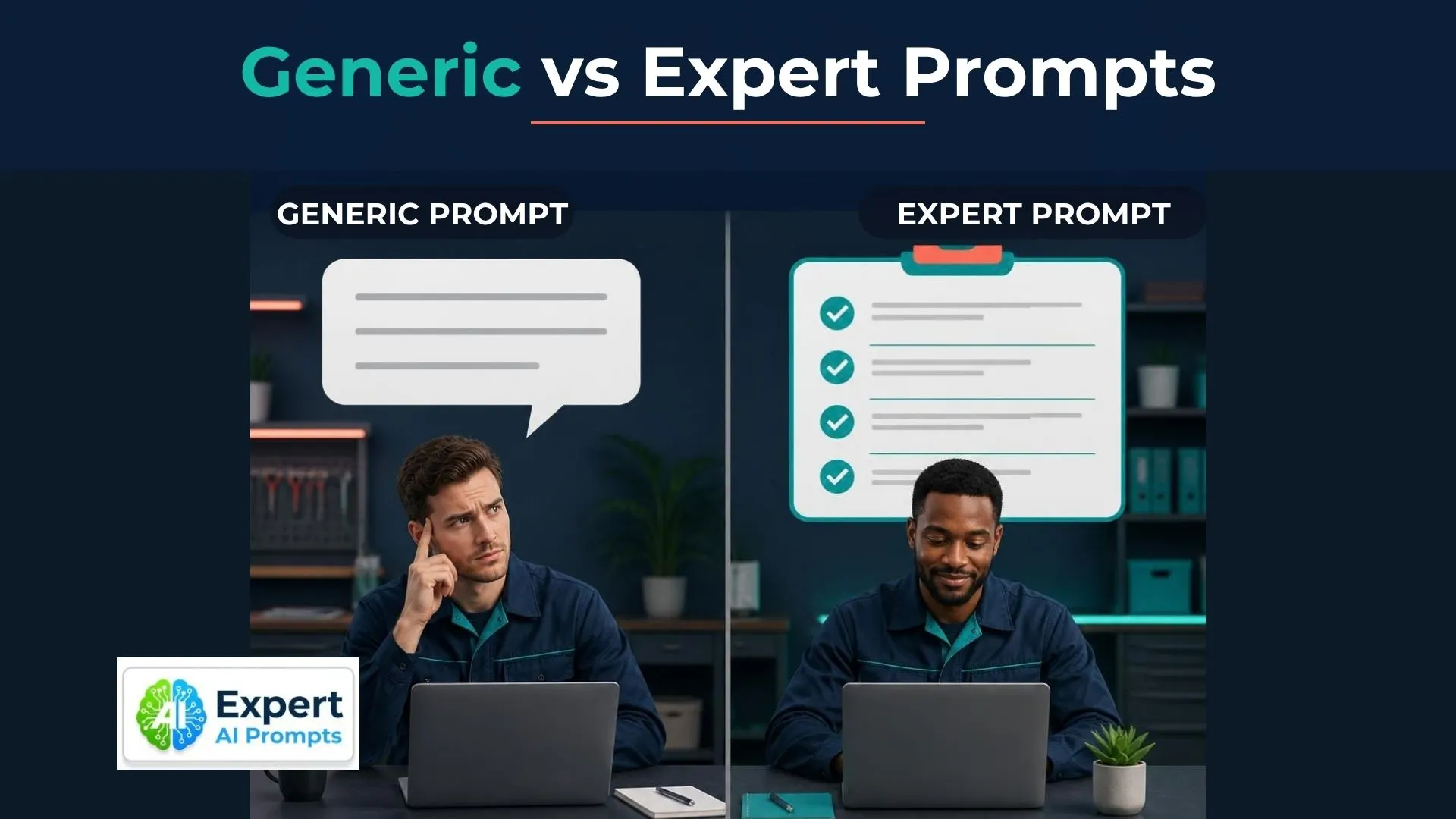
The measurable difference between a generic instruction and an expert-level one is significant — see our breakdown of generic vs strategic AI prompts to understand why prompt quality is the single biggest lever in your AI workflow.
If you give a generic prompt, you get a generic project plan. If you give an expert-level prompt, you get a strategy that rivals a McKinsey consultant.
To get ROI from AI project management, you need to treat the AI like a junior employee. For a complete framework on crafting expert-level instructions for your business, the Entrepreneur's Playbook for Prompt Engineering is the most comprehensive resource on the site. You need to give it context, constraints, and clear goals.
- Bad Prompt: "Make a plan for a marketing campaign."
- Good Prompt: "Act as a Senior Project Manager. Create a 6-week project timeline for a B2B LinkedIn marketing campaign. The team consists of one writer and one designer. Include milestones for content approval, graphic design, and final scheduling. highlight potential bottlenecks."
Overcoming "Shiny Object Syndrome"
Entrepreneurs love new tools. But switching project management systems is a productivity killer.
- Rule of thumb: Only switch tools if the AI capability solves a specific, painful bottleneck that costs you at least 5 hours a week. Otherwise, use standalone AI (like ChatGPT or Claude) to generate the content of the plan, and paste it into your existing system.
Section 4: The "Human-in-the-Loop" Workflow
Skepticism is healthy. You care about your brand. You worry that using AI will make your work feel robotic or that important details will slip through the cracks. This is why the Human-in-the-Loop (HITL) methodology is essential.

Quality Control: The 80/20 Rule
Let AI do the heavy lifting (the 80%), but you must do the polishing (the 20%).
AI can draft the project update email, but you must review it to ensure it sounds like you. AI can suggest a timeline, but you must sanity-check it against the reality that your lead developer is on vacation next week.
Maintaining Brand Voice
Efficiency should never come at the cost of your brand identity. If your automated client updates sound like they were written by a robot, you lose the "boutique service" feel that allows you to charge premium rates.
Use prompts that define your voice. Our step-by-step guide on how to train AI to write in your brand voice gives you a repeatable framework to protect your brand identity at scale. "Rewrite this project update to sound professional but warm, using our agency's casual tone."
The Trust Factor
Never copy-paste unchecked facts or calculations. AI can hallucinate (make things up). In project management, a hallucinated deadline or budget figure can be disastrous. Always treat AI outputs as a "very good first draft," not a finalized command.
Conclusion: From Operator to Orchestrator
The results are real: read how one agency scaled operations without increasing headcount — a documented case study showing exactly this transformation in action.
The goal of AI project management isn't to do more work. It is to do higher value work.
By offloading the scheduling, the documentation, and the resource tracking to AI, you free yourself from the weeds. You stop being the "overworked operator" constantly putting out fires. You become the "confident strategist"—the orchestrator of your business.
For the small business owner, this is the ultimate leverage. It allows a team of three to output the volume and quality of a team of ten. It allows you to scale your revenue without scaling your stress levels.
The technology is here. The barrier to entry is low. The only question remaining is: are you ready to stop hustling and start scaling?
Ready to Upgrade Your Workflow?
Start for free: access all 11 free AI resources and prompt templates — including the 5-Hour Saver Pack, the Perfect Prompt Framework, and the Brand Voice Kit.
You don't need to be a prompt engineer to get expert results. We have done the heavy lifting for you.
Begin immediately with a free download: grab our 5-hour saver AI prompts pack and start reclaiming time on the exact tasks slowing you down this week.
If you want to skip the trial-and-error and instantly access the specific prompts that successful agencies are using to streamline operations and manage projects, check out our Agency Growth Toolkit. It’s packed with 50+ strategic, industry-specific prompts designed to take you from overwhelmed to organized in minutes.
Get the AI Prompts for Agency Growth Toolkit Here
Ready to go further? Browse all 30 industry-specific prompt packs and pricing — one-time investment, lifetime access.
Further Reading
• Ultimate Guide to AI for Small Business
• Entrepreneur's Playbook for Prompt Engineering
• Generic vs Strategic AI Prompts — Why the Difference Matters
• How Solopreneurs Use AI to Compete with Larger Teams