Overcoming Career Pivot Imposter Syndrome with Data-Backed AI Prompts
Overcoming Career Pivot Imposter Syndrome with Data-Backed AI Prompts
Apr 05, 2026

There is a quiet, often unspoken challenge that occurs when ambitious professionals decide to scale their business, shift their niche, or step into an entirely new professional arena. From the outside, a pivot looks like a bold, strategic move toward growth. But from the inside, it frequently feels like stepping off a cliff without a parachute. You know you have the drive, the work ethic, and the overarching vision. Yet, the moment you sit down to execute—to write that new landing page, draft that introductory email, or position your new service—a familiar, paralyzing voice creeps in: Who am I to claim expertise in this new space? This is the reality of the imposter syndrome career change phenomenon. It is a specific, acute form of self-doubt that strikes not when you are failing, but exactly when you are on the precipice of your next great success. For overworked, ambitious small business owners and solopreneurs, this psychological hurdle is more than just a fleeting feeling; it is a critical business bottleneck. When you are wearing every hat in your business, self-doubt translates directly into lost hours, delayed launches, and stalled revenue.
Overcoming this barrier requires more than repeating daily affirmations or simply "faking it until you make it." True confidence in a new business direction requires structural validation. It requires systems that bridge the gap between your ambition and your output. Today, the most effective way to cross that bridge is by moving away from exhausting DIY trial-and-error and leaning into strategically structured, data-backed AI prompts.
The Anatomy of Pivot Imposter Syndrome
Why do smart, previously successful people doubt themselves so intensely when shifting gears? The answer lies in the psychological friction between past mastery and future uncertainty.
When you have spent years building competence in one specific area, you become accustomed to a certain level of fluency. You know the jargon, you know the client pain points, and you know how to deliver results seamlessly. But when you pivot—whether you are transitioning from a generalist agency to a specialized consultancy, moving from corporate leadership to executive coaching, or launching a new scalable digital service—you temporarily lose that fluency. You are suddenly a beginner again in the mechanics, even if you are an expert in the underlying principles.
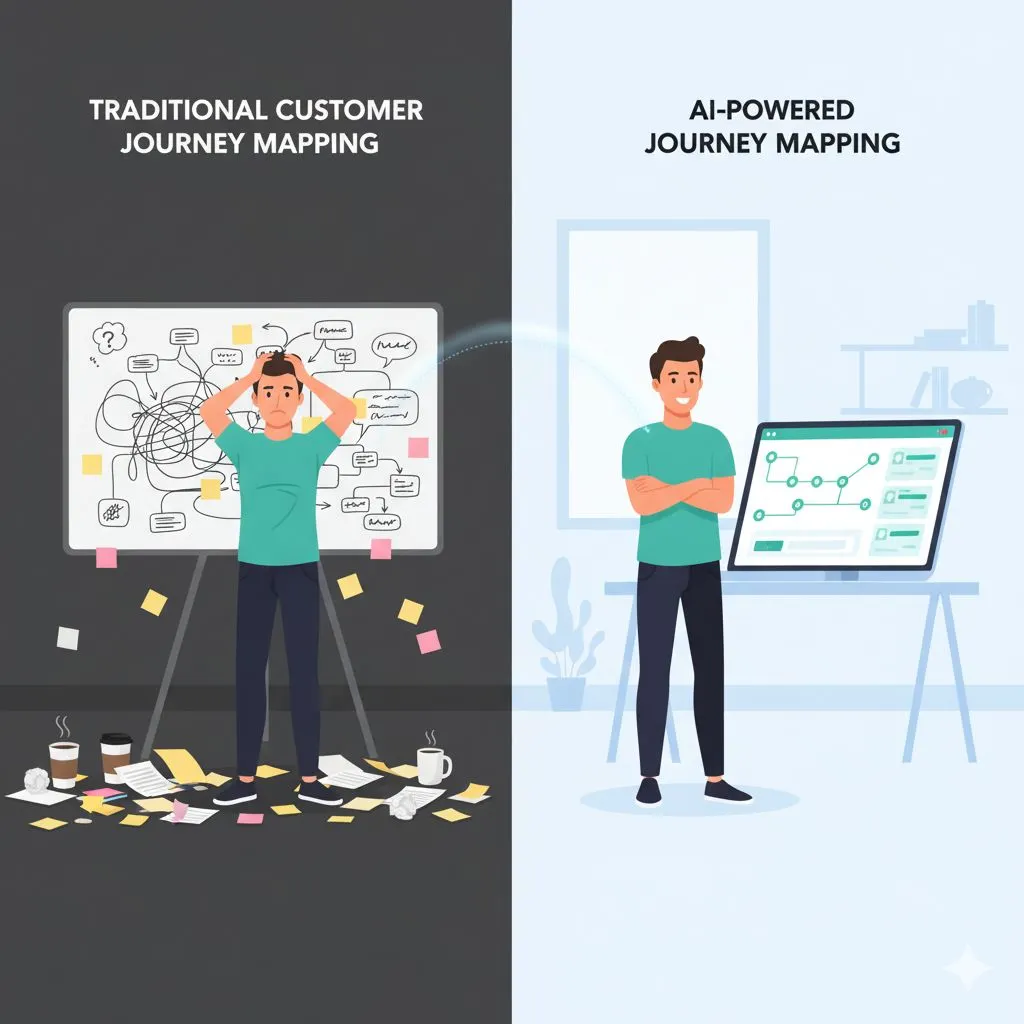
This friction breeds imposter syndrome. In the context of a career change or business pivot, this syndrome doesn’t usually look like outright panic. Instead, it masks itself as "perfectionism." It looks like spending six hours rewriting a single LinkedIn post because it doesn't sound "authoritative enough." It looks like endlessly researching competitors instead of launching your own offer. It looks like hesitating to hit 'send' on a proposal because you fear the prospect will see right through your new positioning.
For the solopreneur or small team leader with limited resources, this is a dangerous trap. You do not have the luxury of endless time, nor do you have a massive corporate backing to validate your new direction. Your brand credibility rests entirely on your shoulders. When imposter syndrome slows down your output, it chokes your business's cash flow and growth potential.
Escaping the "Blank Page" Paralysis
The most tangible symptom of pivot imposter syndrome is the "blank page" paralysis. When you are trying to establish authority in a new domain, the pressure for every piece of content, every strategy document, and every client communication to be flawless is immense.
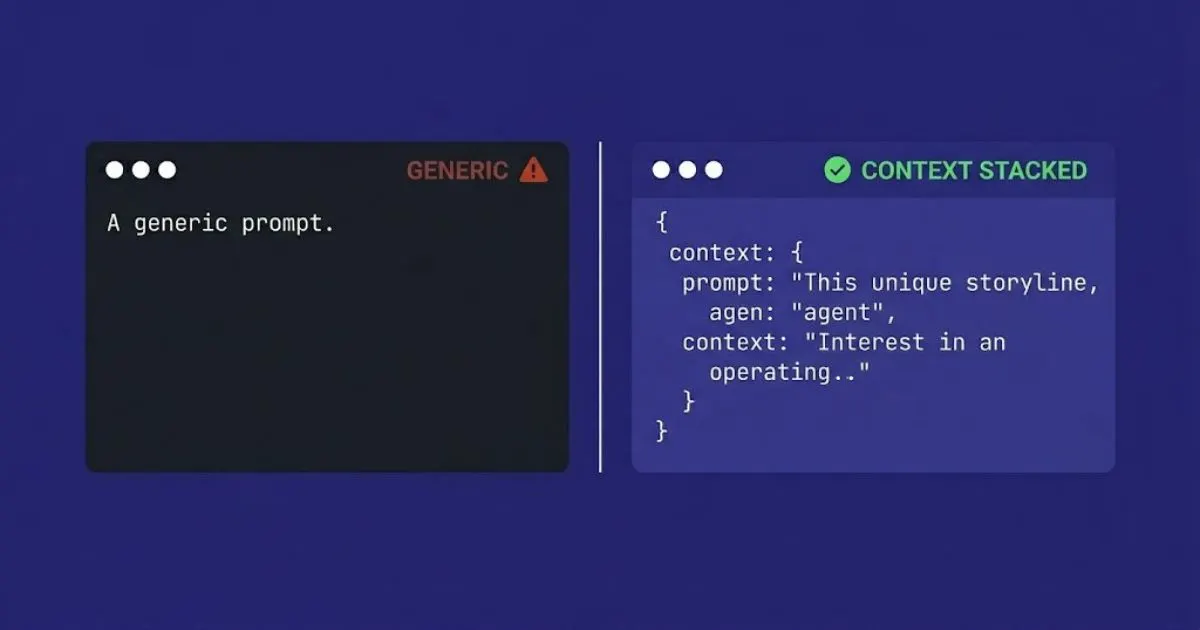
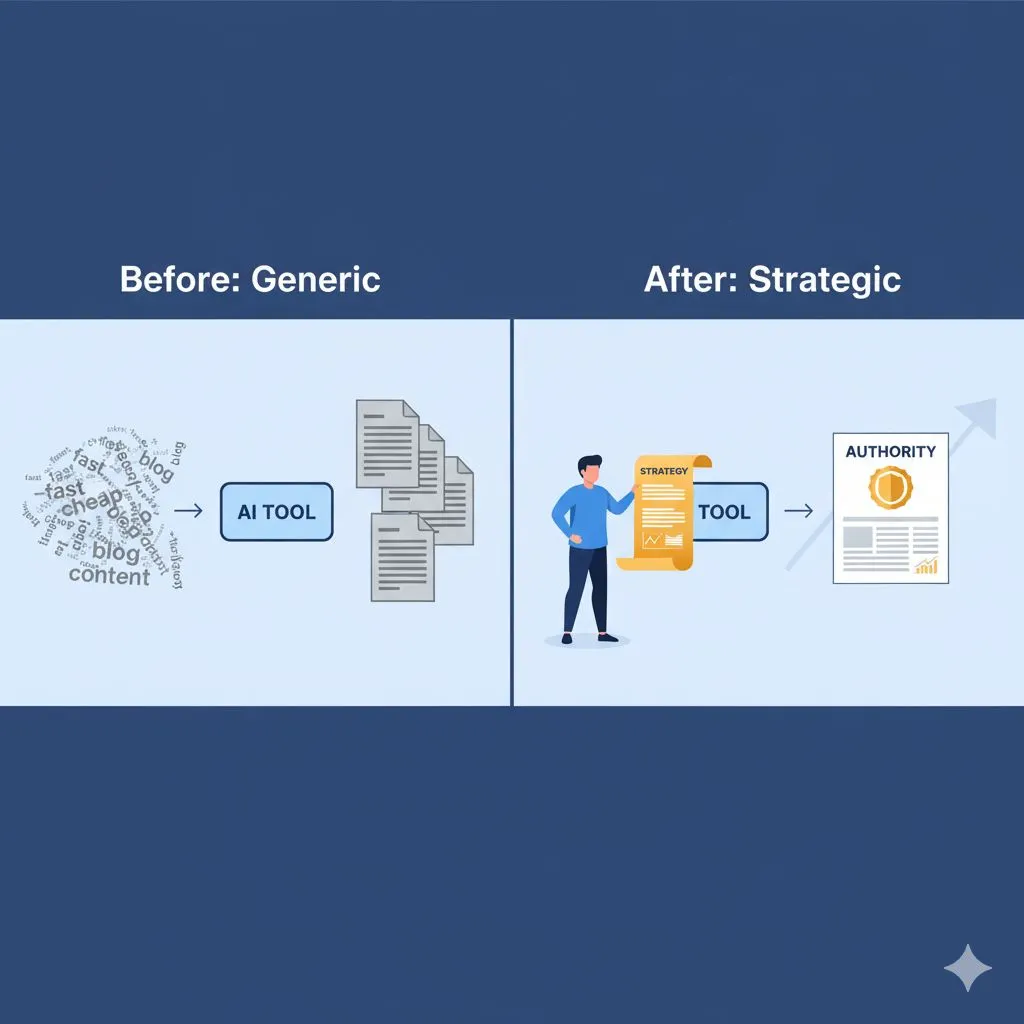
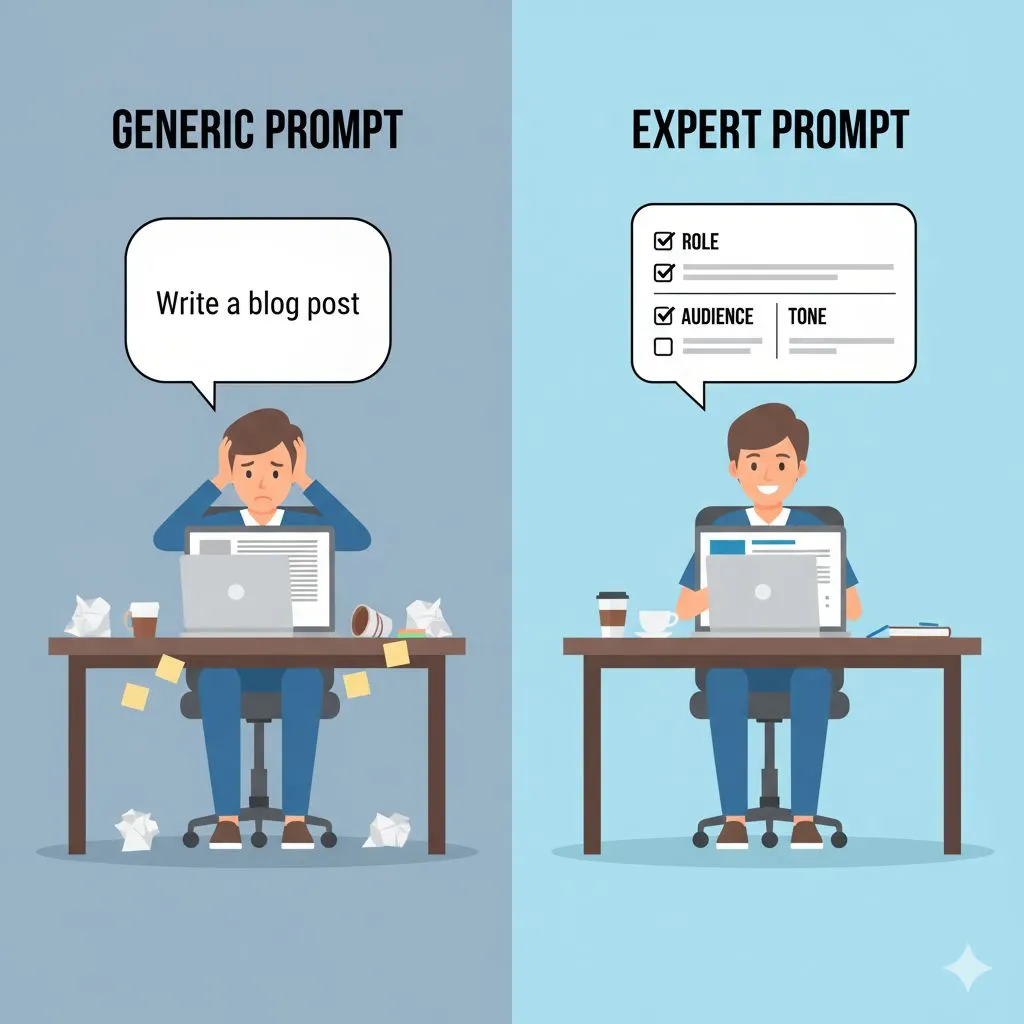
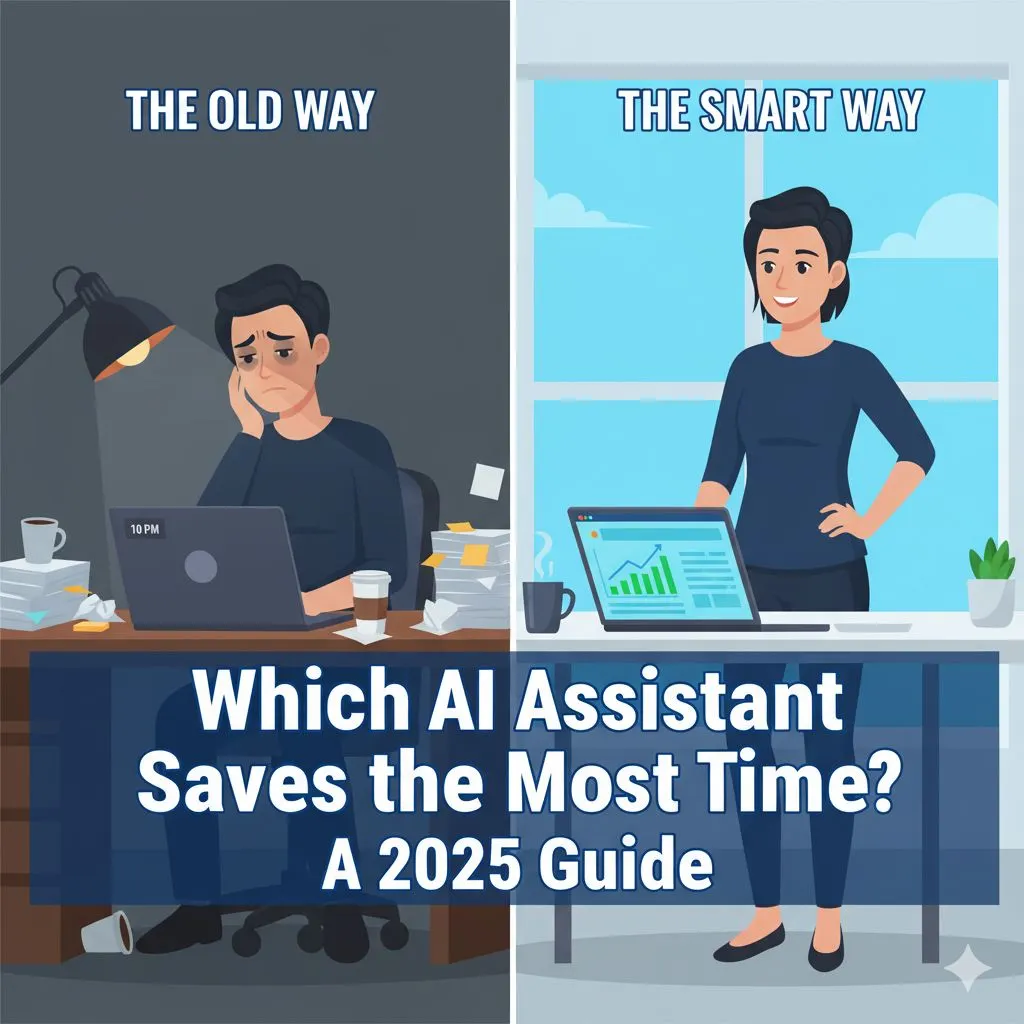
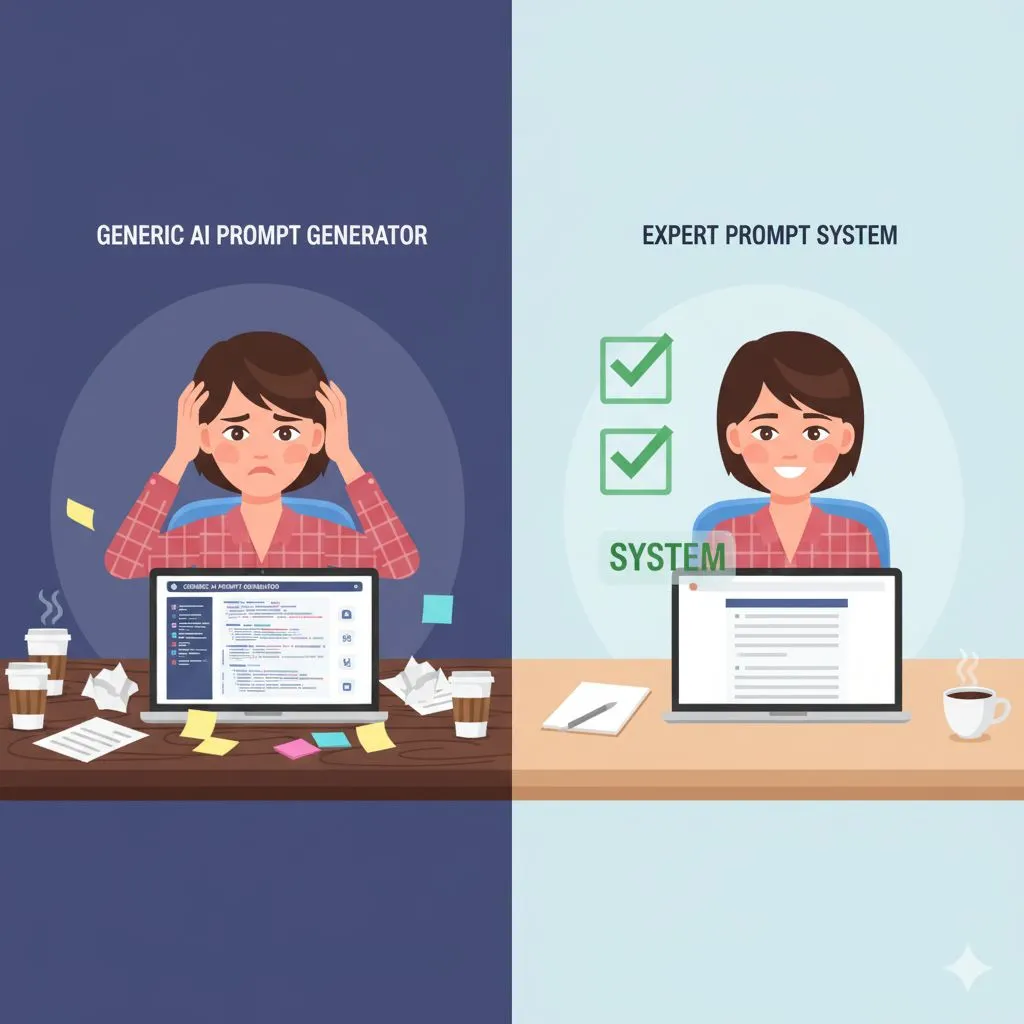
Many entrepreneurs try to solve this by turning to generic AI tools. They type a basic request into a chatbot—"Write a blog post about leadership coaching"—and receive a bland, robotic, and surface-level response. Instead of alleviating their imposter syndrome, this actually exacerbates it. The output is uninspired, lacking the nuance and depth required to compete with established industry leaders. The entrepreneur looks at the generic text, realizes it doesn't represent the high standard they want for their brand, and goes right back to the drawing board, losing even more time.
The problem here isn't the technology; it's the lack of strategic input. Relying on basic AI is like handing a hammer to someone who has never built a house and expecting a mansion. You are experiencing friction because you are trying to pull expert-level positioning out of thin air while simultaneously battling your own internal skepticism.
To break free from this paralysis, you need to eliminate the blank page entirely, but you must do so with tools that guarantee a high-caliber output. You need systems that don't just generate words, but generate authority.
Leveraging Data-Backed AI Prompts to Build Authority

This is where the paradigm shifts from relying on raw willpower to leveraging strategic architecture. The antidote to imposter syndrome is undeniable proof of competence. When you use data-backed, expertly engineered AI prompts, you are no longer relying on your own momentary bursts of inspiration to sound like an expert. Instead, you are plugging your unique insights into proven, high-converting frameworks.
Expert AI prompts differ fundamentally from generic AI interactions. A structured, industry-specific prompt acts as a guardrail. It instructs the AI to adopt a specific, authoritative tone, to utilize industry-standard frameworks, and to address the exact psychographics of your new target audience.
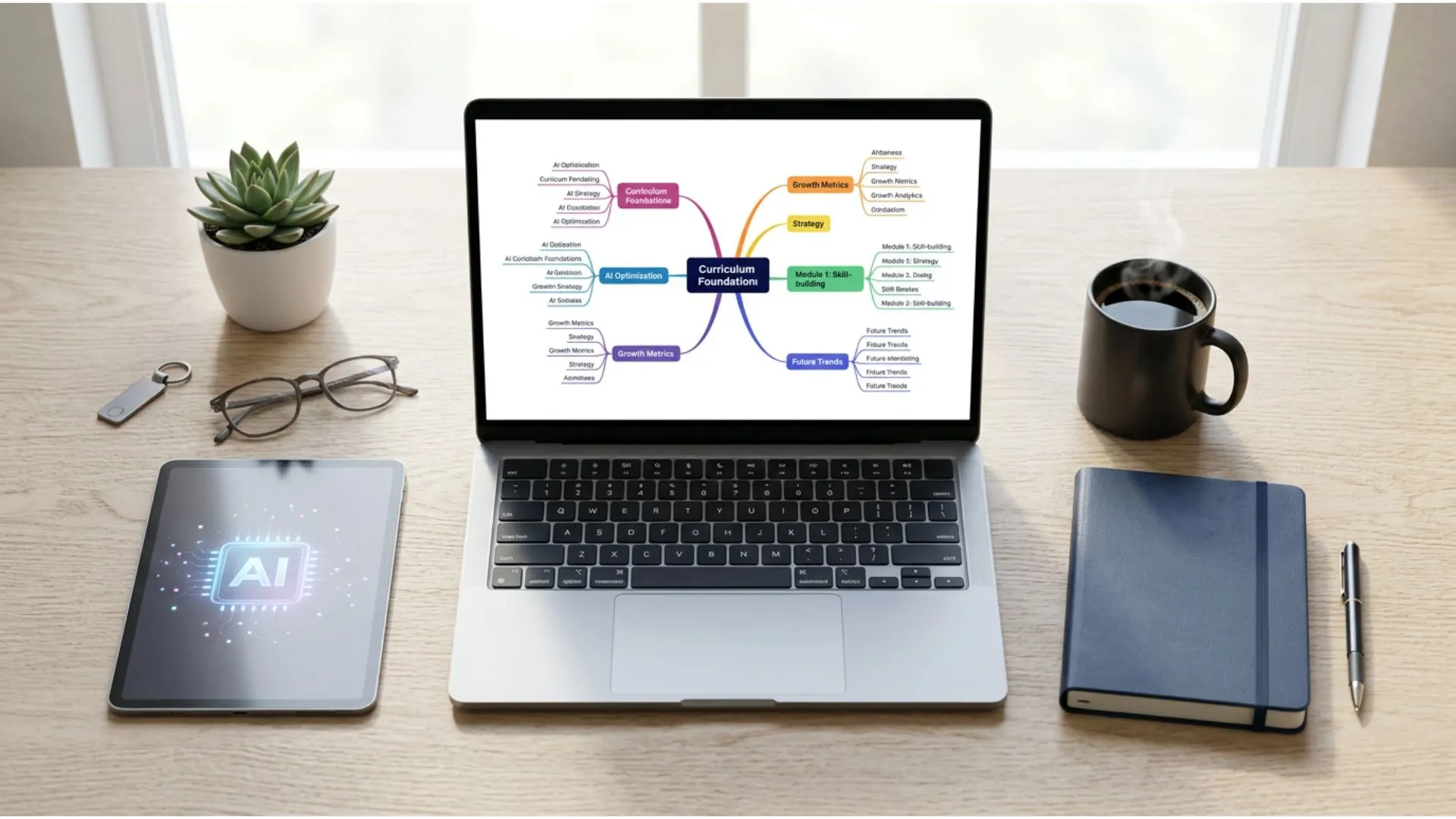
Imagine you are pivoting into executive coaching. Instead of staring at a screen wondering how to position your new high-ticket offer, you deploy a data-backed prompt designed specifically for coaching program architecture. The prompt forces the AI to output a structured curriculum, complete with learning objectives, psychological triggers, and a value proposition tailored to C-suite executives.
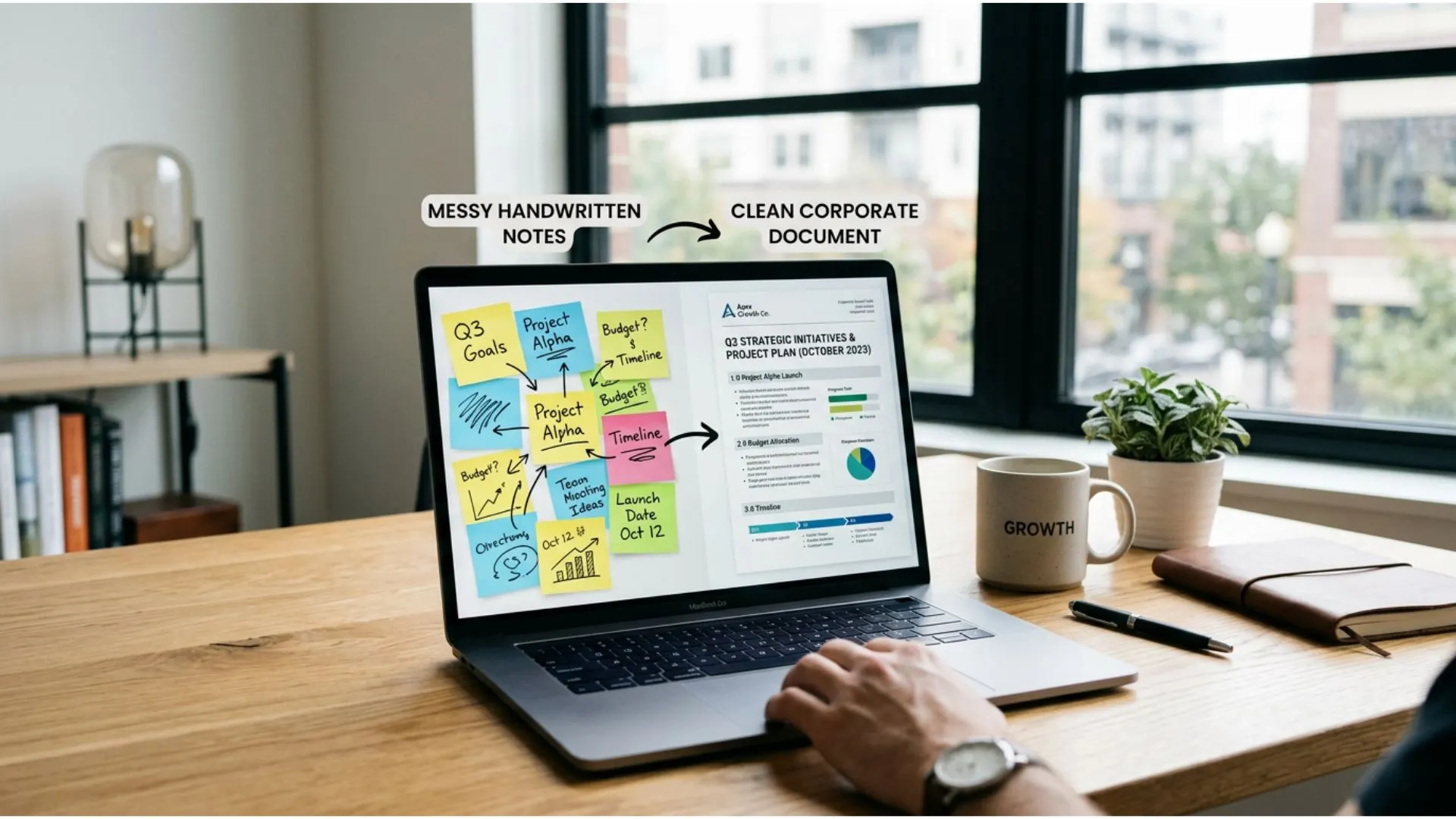
Instantly, the heavy lifting is done. You are no longer trying to invent the wheel while questioning your right to be a wheel-maker. You are simply reviewing, refining, and polishing an expert-level draft. This does two critical things for the scaling entrepreneur:
First, it delivers immediate time savings. You reclaim the 10+ hours a week previously lost to second-guessing and manual content creation. You bypass the messy, confidence-draining trial-and-error phase.
Second, and more importantly, it provides instant brand credibility. When you consistently publish polished, highly strategic content, your audience perceives you as a trusted authority. And a fascinating psychological shift occurs: as your audience begins to treat you as an expert in your new niche, your internal imposter syndrome begins to dissolve. The external validation, driven by the high-quality outputs of your AI systems, rewires your internal belief system. You stop faking it, because your business is actually doing it.
Reprogramming Your Business Mindset and Operations
Scaling a business or pivoting a career is ultimately an exercise in leverage. You cannot build a competitive, sustainable business if you are the bottleneck for every piece of intellectual property your company produces.
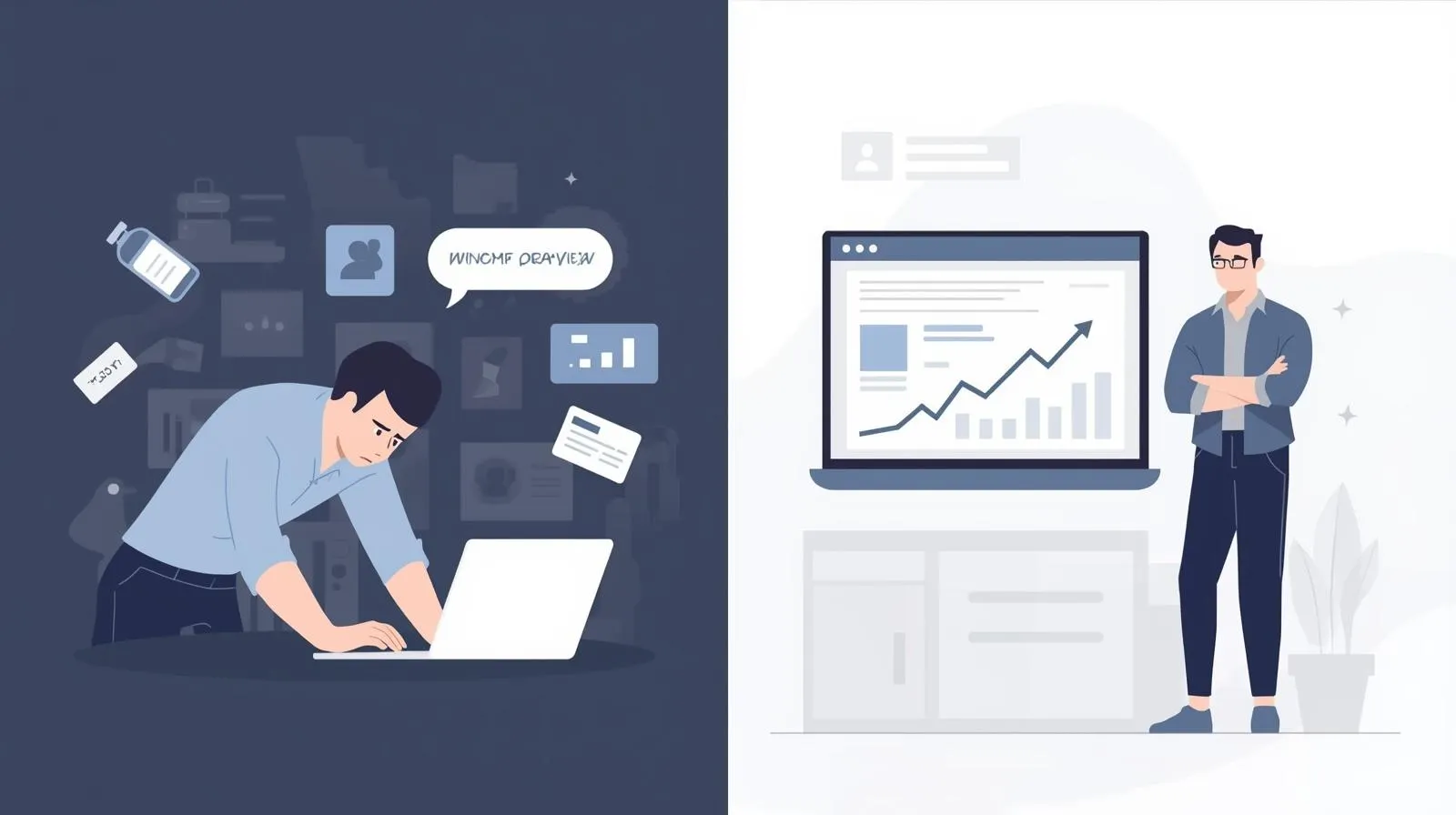
To compete with larger players who have dedicated marketing and strategy teams, you must treat AI not as a shortcut for laziness, but as a force multiplier for your intellect. By integrating expert prompt packs into your daily workflow, you transform your operational model. You elevate yourself from an overworked operator, drowning in the weeds of content creation, to a confident strategist directing high-level execution.
This is the ultimate hack for the imposter syndrome career change. You decouple your self-worth from the grueling, manual labor of starting from scratch every day. You rely on proven tools that work reliably, efficiently, and affordably. You learn to trust the system.
As you step into your new role, whether that is consulting, coaching, or leading a new digital service, remember that your past experience is the raw material. It is valuable, powerful, and entirely yours. AI simply provides the scaffolding to build that raw material into a towering, credible brand presence faster than you ever could on your own.
You no longer have to worry about whether your content is "good enough" or if your strategies will hold up against the competition. With the right AI frameworks, your outputs are guaranteed to be robust, professional, and tailored to your specific industry. You can finally stop hustling against your own doubts and start scaling your vision.
The transition from overwhelmed to outstanding doesn't require years of slow grinding. It requires the right tools, the right strategy, and the willingness to let optimized systems do the heavy lifting.
If you are stepping into a coaching or consulting role and find yourself wrestling with the mental hurdles of the pivot, it is time to upgrade both your workflow and your mindset. Stop spinning your wheels and start winning the clients you deserve. Equip yourself with the structural frameworks that build instant authority and clear the path for scalable growth.
Unlock expert-level content and reprogram your approach to growth today. Upgrade your workflow with our Mindset Mastery AI Prompts for Coaches. Scale Smarter. Grow Faster. Begin Here.