Overcoming Imposter Syndrome: Can AI Help You Think Like a CEO?
Overcoming Imposter Syndrome: Can AI Help You Think Like a CEO?
Jan 25, 2026

The Solopreneur's Dilemma & The Psychology of the Trap
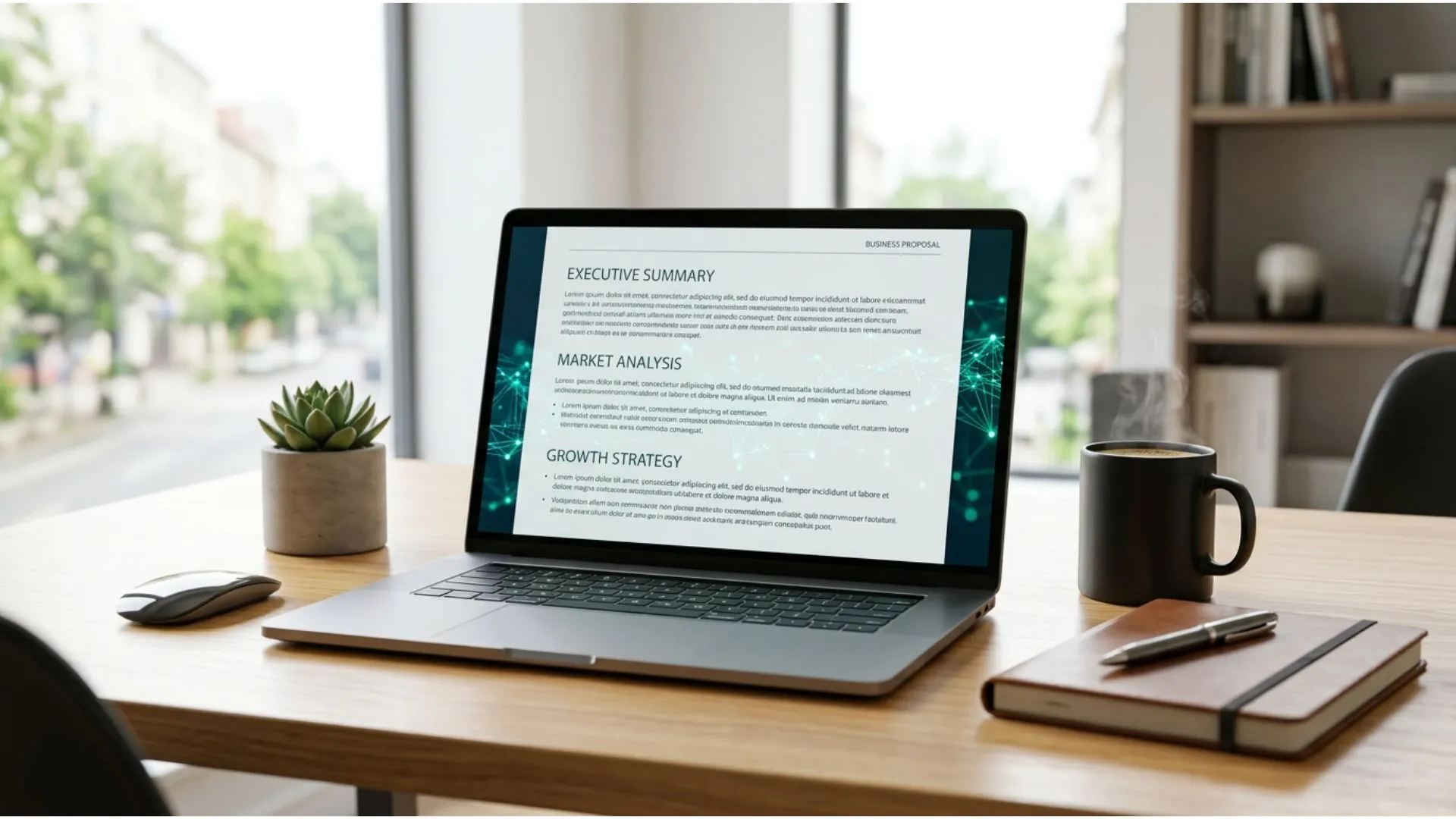
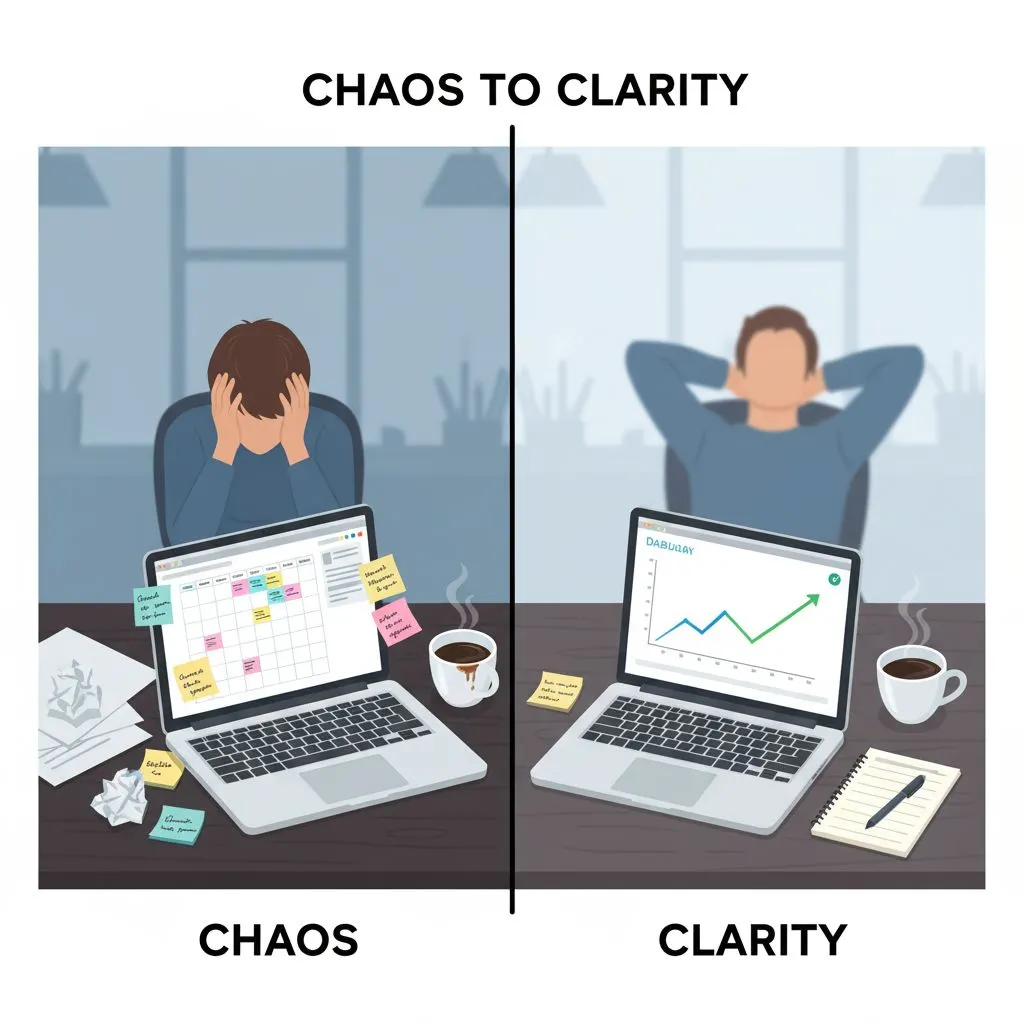
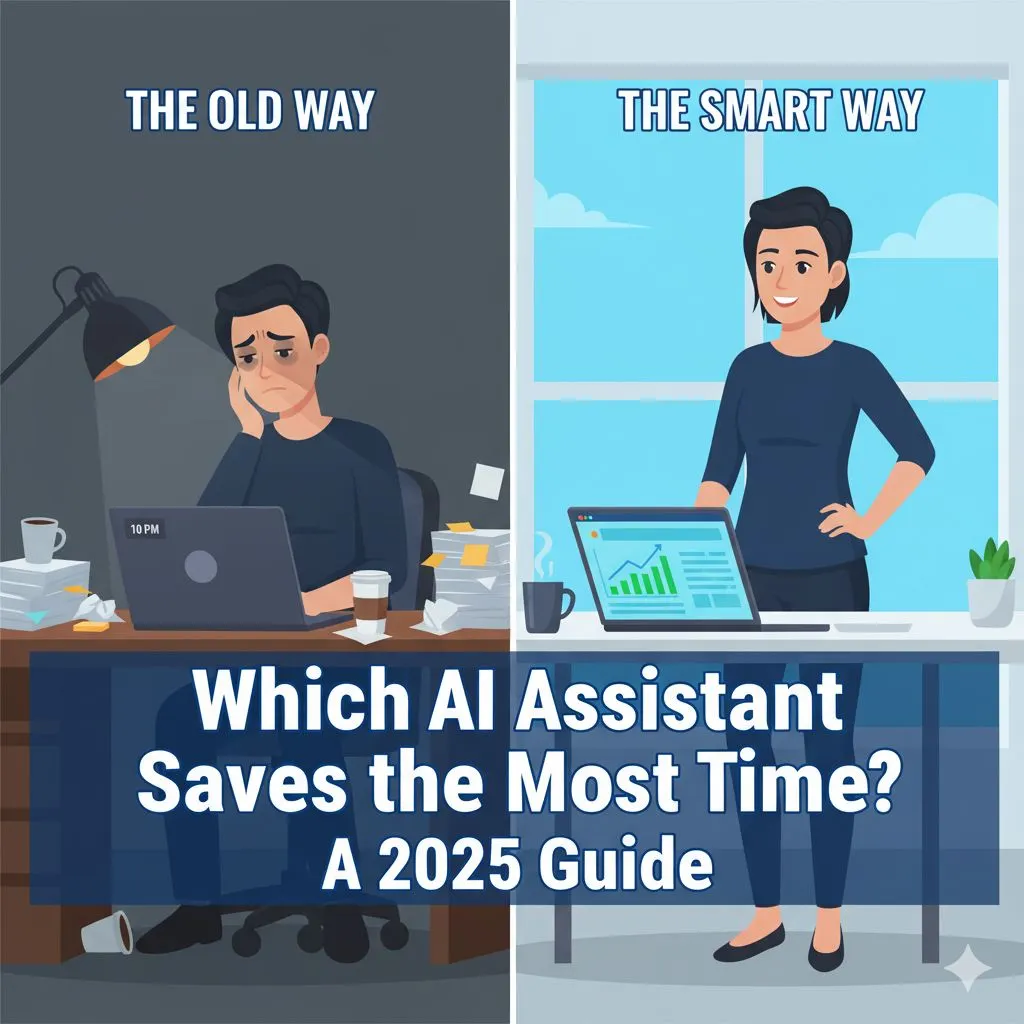
You know the feeling. It’s 10:00 PM on a Tuesday. The house is quiet, your inbox is finally slowing down, and you are staring at a proposal that needs to go out tomorrow. You’ve done the work. You know your industry. But a nagging voice in the back of your head whispers, “Who are you to charge this much? Do you actually know what you’re doing, or are you just guessing?”
If you are nodding your head, you aren't alone. For small business owners and digital entrepreneurs, Imposter Syndrome isn't just a buzzword; it is an occupational hazard. When you are the CEO, the marketing director, the IT support, and the cleaner, the pressure to be an expert in everything is crushing.
We often talk about Artificial Intelligence as a productivity tool—a way to write emails faster or generate blog posts. But for the ambitious, overworked entrepreneur, there is a much more powerful application: using ai for mindset.
Can an algorithm actually help you overcome insecurity? Can software help you think like a Fortune 500 CEO? The answer is yes. But it requires a shift in how we view the technology. It’s not just about automation; it’s about validation, strategy, and closing the gap between where you are and where you want to be.
If you are ready to see how AI transforms the entire small business journey — not just mindset — start with the ultimate guide to AI for small business.
The Psychology of the "Fake It 'Til You Make It" Trap
To understand how AI can fix the mindset gap, we first have to look at why that gap exists. Alex, let’s be honest: you aren’t suffering from Imposter Syndrome because you are incompetent. You are suffering from it because you are outnumbered.
Large agencies and corporations have layers of management. They have a CFO to crunch numbers, a CMO to approve campaigns, and a legal team to check contracts. When they make a decision, it has been vetted. It feels safe.
You, on the other hand, are operating on an island. Every decision rests on your shoulders. This creates a specific set of psychological stressors:
- The Resource Gap: You look at competitors with slicker websites and bigger teams, and you assume they possess a secret knowledge you lack. You assume their polish is a result of genius, when often, it’s just a result of resources.
- Decision Fatigue: When you make 500 micro-decisions a day—from font choices to pricing models—your brain gets tired. A tired brain is an anxious brain. By the time you get to the high-stakes strategic decisions, your confidence tank is empty.
- The Validation Void: This is the most dangerous trap. Without a partner or a board of directors to bounce ideas off of, you are left in an echo chamber. You second-guess your intuition because there is no one there to say, "That’s a great idea, Alex. Run with it."
The good news: there is a proven approach to solving this — discover exactly how solopreneurs use AI to compete with larger teams.
This is where the "fake it 'til you make it" advice fails. It asks you to mask your insecurity with bravado. But you don't need a mask. You need a mechanism to validate your expertise and support your strategy. You don't need to fake it; you need to operationalize your intelligence.
Reframing AI as Your Silent Co-Founder
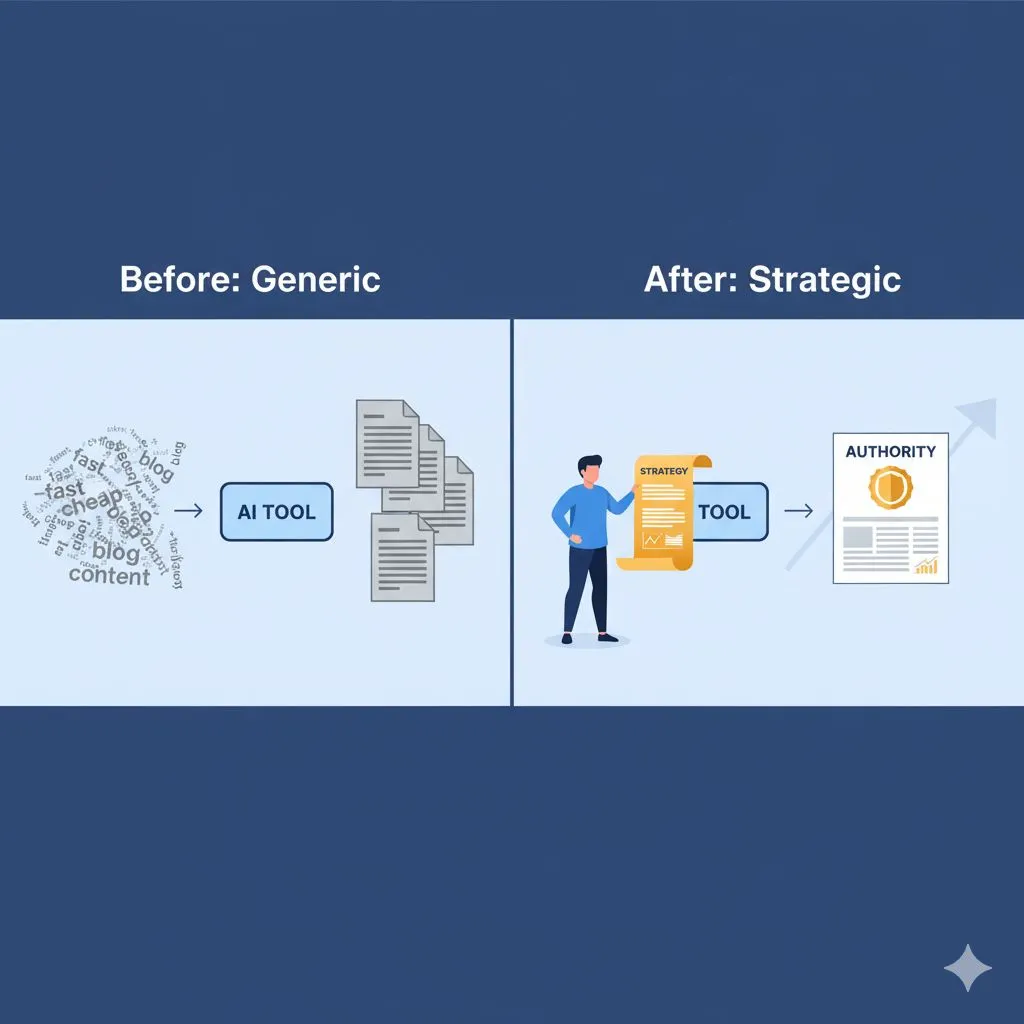
The biggest mistake entrepreneurs make with AI is treating it like an intern. If you only use ChatGPT or Claude to write captions, you are driving a Ferrari in a school zone. To tackle the mindset issues that keep you playing small, you need to promote AI to the role of Digital Co-Founder.
Thinking like a CEO requires objectivity. It requires separating the emotional fear of failure from the logical probability of success. Humans are terrible at this, especially when it’s our business and our money on the line. We are too close to the problem.
AI, however, has zero emotional baggage. It doesn't care if a client rejects a proposal. It doesn't worry about paying the mortgage. It operates on data and patterns. When you leverage ai for mindset work, you are essentially borrowing that objectivity.
For a practical starting point, read our guide on how to use a personal AI assistant to delegate tasks — the operational foundation for everything that follows.
The "On-Demand" Board of Directors
Imagine you are about to launch a new consulting package. The fear kicks in: Is this priced too high? Is the value clear?
Instead of spiraling, you can use AI to simulate a boardroom. You can prompt an AI to adopt specific expert personas to stress-test your thinking. For example:
- The Critical CFO: "Review this pricing model. Based on industry standards for boutique marketing agencies, is this sustainable? What are the financial risks I am missing?"
- The Skeptical Buyer: "Act as a potential client who has been burned by agencies before. Read this landing page and tell me exactly why you would hesitate to buy."
- The Brand Strategist: "Does this offer position me as a premium service provider, or does it sound like a commodity? Be brutal."
By externalizing the critique, you stop internalizing the fear. The feedback becomes data you can use to improve, rather than a reflection of your self-worth. You aren't guessing anymore; you are refining. This process mimics the validation loop that exists in large companies, giving you the confidence to stand behind your offer.
Closing the Skill Gap
Imposter Syndrome often thrives in the dark corners of what we don't know. If you are a creative genius but struggle with financials, looking at a spreadsheet can make you feel like a fraud.
AI bridges that gap. It grants you access to expert-level frameworks in seconds. You don't need to get an MBA to think like an MBA. You can ask AI to "Apply the Pareto Principle to my current client list" or "Conduct a SWOT analysis on this business expansion plan."
Suddenly, you aren't just a "creative freelancer" hoping for the best. You are a business owner utilizing proven strategic frameworks. That shift in capability leads to a massive shift in mindset.
Not convinced? See how a real business owner made this shift using AI — and the tangible results it delivered.
Practical Strategy – How to Use AI to Re-Wire Your Thinking
Theory is great, but let’s get practical. How do you actually use ai for mindset in your daily workflow to kill Imposter Syndrome? It’s not about affirmations; it’s about actionable simulations that build competence.
Here are three specific scenarios where AI can help you transition from an uncertain operator to a confident executive.
Scenario 1: The Pre-Mortem (Killing Anxiety with Preparation)
Anxiety often stems from the fear of the unknown. What if this launch fails? What if the client hates it? A CEO doesn't worry; a CEO mitigates risk.
- The Strategy: Before a big project, use AI to conduct a "Pre-Mortem."
- The Prompt Concept: "Imagine it is 6 months from now, and this project has failed spectacularly. List 5 plausible reasons why it happened, and suggest 3 preventative measures for each right now."
- The Mindset Shift: By facing the worst-case scenarios objectively, you strip them of their power. You replace vague anxiety with a concrete risk-management plan. You aren't hoping it works; you have engineered it to work.
Scenario 2: The Confidence Check (Audit Your Authority)
We often diminish our own authority in our communication. We use "hedging" language like "I think," "maybe," "just checking in," or "does that make sense?" This signals to clients that we aren't confident, which in turn makes them doubt us.
- The Strategy: Paste your emails or proposals into an AI before sending them.
- The Prompt Concept: "Review this email. Identify any weak, passive, or apologetic language. Rewrite those sections to sound authoritative, professional, and executive-level, without being aggressive."
- The Mindset Shift: Seeing your own ideas rephrased with authority trains you to speak that way naturally. It validates that your ideas are good—you just needed to present them with better posture.
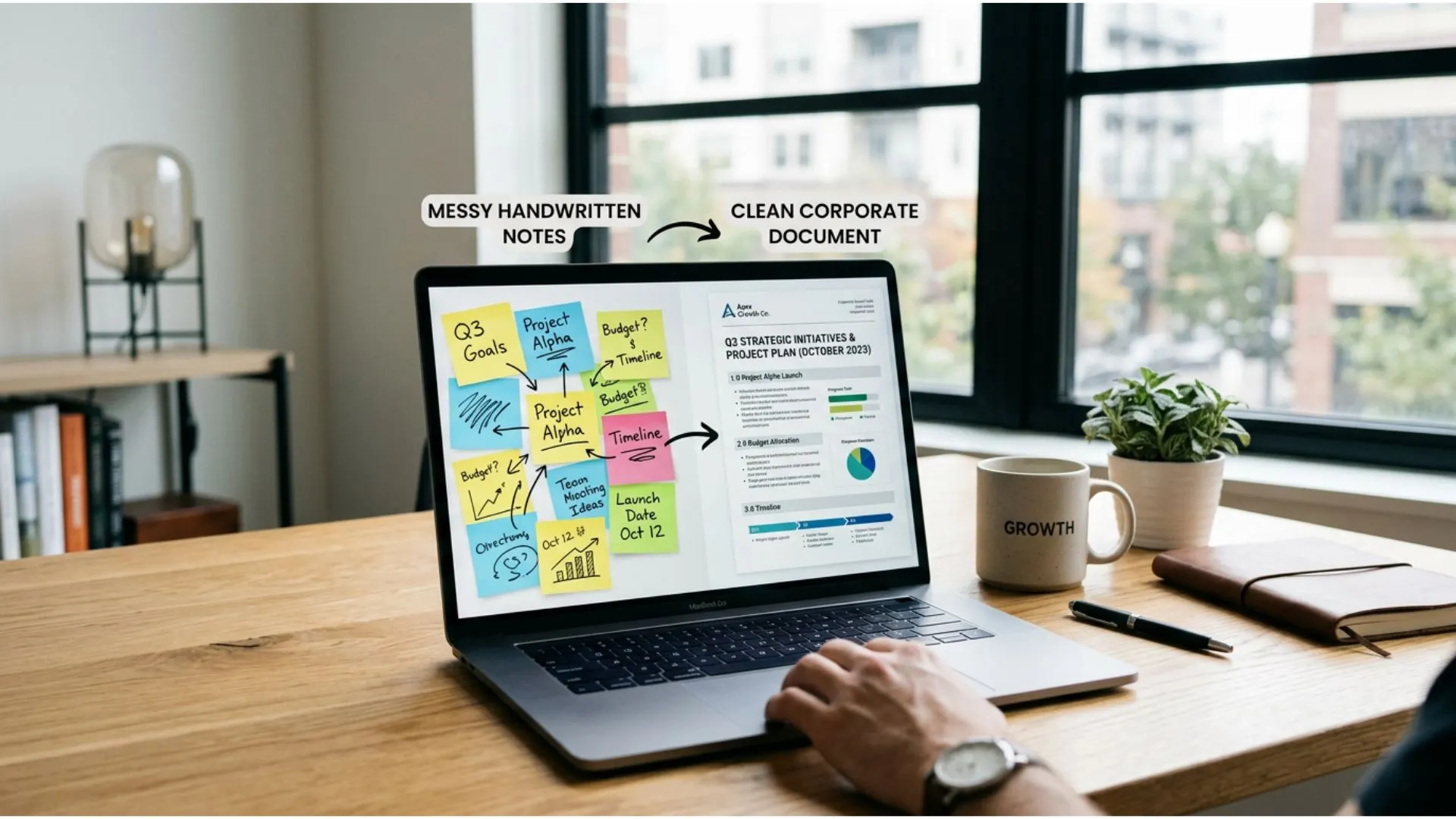
This is exactly the kind of outcome built into our AI prompts designed for coaches and consultants — prompts engineered to elevate how you communicate, not just what you say.
Scenario 3: Strategic Prioritization (The CEO Filter)
Solopreneurs often feel like imposters because they are buried in "grunt work." It’s hard to feel like a CEO when you are formatting a PDF for three hours.
- The Strategy: Use AI to audit your to-do list.
- The Prompt Concept: "Here is my task list for the week. Act as a ruthless productivity consultant. Flag the tasks that are 'low-value/low-leverage' and suggest which ones can be automated, delegated, or deleted. Highlight the top 3 tasks that actually drive revenue."
- The Mindset Shift: This forces you to acknowledge where you are wasting time. It gives you permission to stop doing the busy work that makes you feel productive but keeps you poor. It realigns your focus on growth, which is exactly where a CEO’s mind should be.
From Operator to Strategist & Conclusion
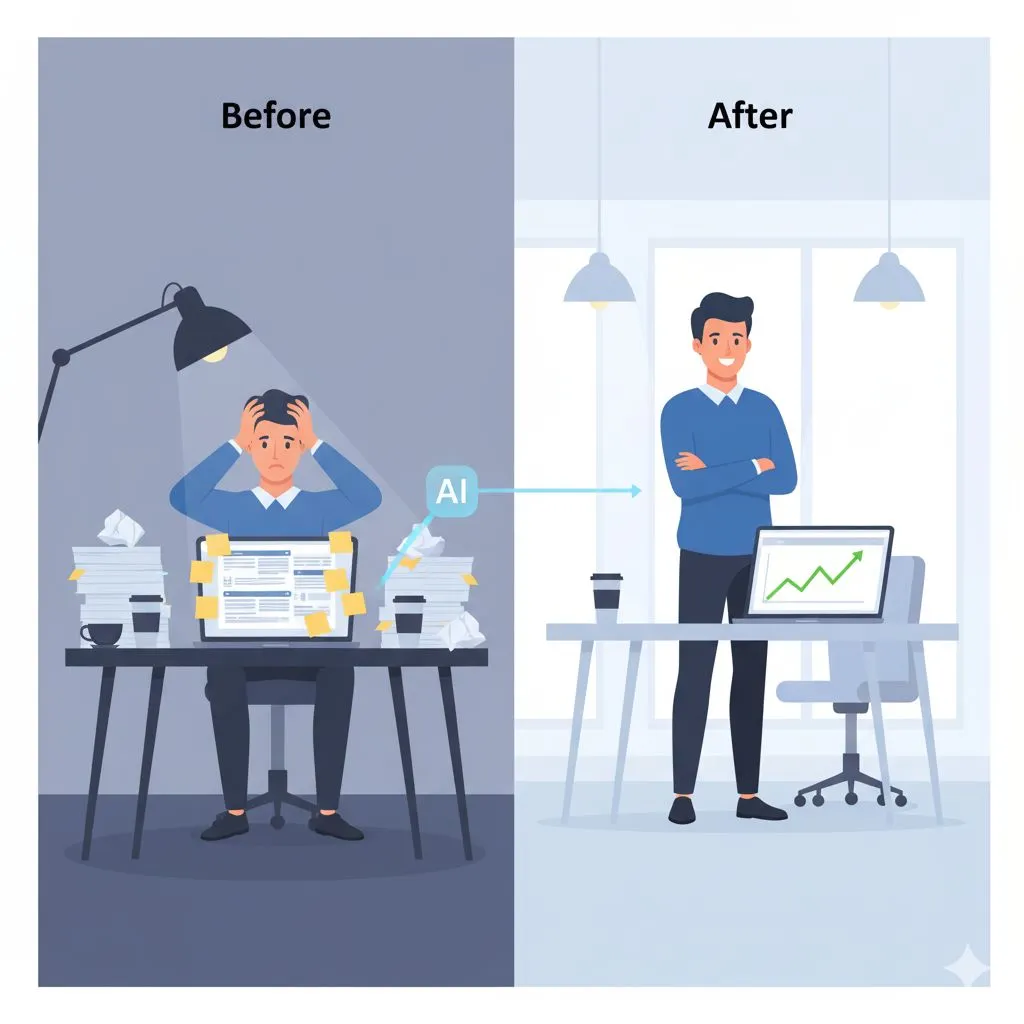
The ultimate goal of using AI isn't just to save an hour a day. It is to facilitate an identity shift.
When you are stuck in the weeds—answering every email, writing every caption, troubleshooting every tech glitch—you are operating in "survival mode." Survival mode is the breeding ground for Imposter Syndrome because you are constantly reacting. You are on the defensive.
When you implement AI as a strategic partner, you move to the offensive. You become the architect of your business rather than the laborer.
This is the key to scaling without adding staff or costs. When AI handles the execution—drafting the content, analyzing the data, structuring the plans—you reclaim the mental bandwidth to focus on the Vision.
- Instead of asking, "How do I write this blog post?", you ask, "What is the narrative that will position my brand as the market leader?"
- Instead of asking, "How do I reply to this angry email?", you ask, "How do I improve my onboarding process so this misunderstanding never happens again?"
This elevation in thinking is what separates the hustlers from the CEOs. And the beautiful thing is, you don't need a million dollars in venture capital to make this shift. You just need the right tools and the willingness to trust them.
Conclusion
Let’s go back to that Tuesday night at 10:00 PM.
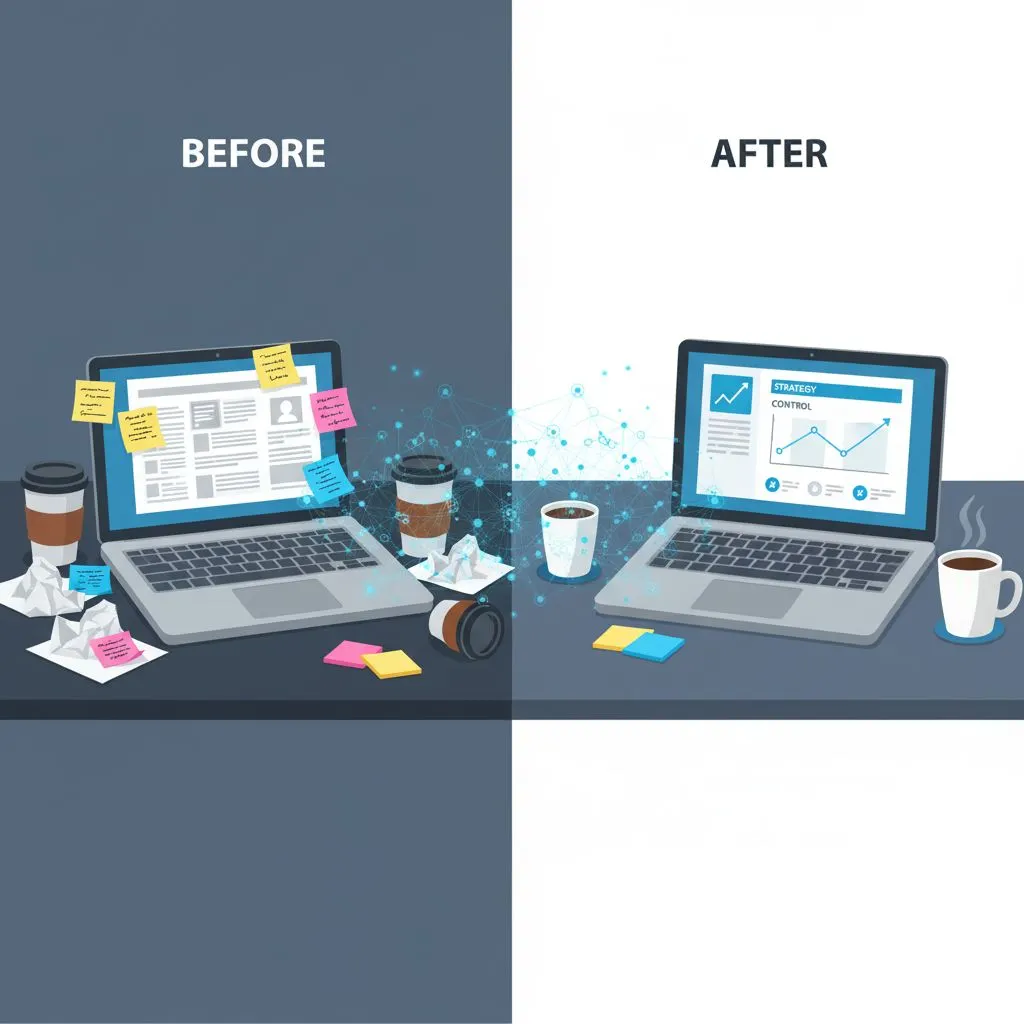
Imagine the same scenario, but this time, you have run your proposal through a "Pricing Strategy" prompt that validated your fees against market data. You have run your pitch deck through a "Persuasion Audit" prompt that tightened your messaging. You aren't staring at the screen wondering if you are good enough. You are looking at a polished, data-backed strategy that is ready to win.
You are not an imposter, Alex. You are a pioneer navigating a complex digital landscape with limited resources. The feeling of being overwhelmed is natural, but it is not permanent.
Technology is the great equalizer. It allows a team of one to compete with a team of one hundred. By using AI not just for output, but for mindset, you gain the clarity, credibility, and confidence to lead your business properly.
It’s time to stop questioning your value and start operationalizing your expertise. The world doesn't need you to work harder. It needs you to think bigger.
Ready to upgrade your internal operating system?
Not ready to invest yet? Explore our free AI resources for entrepreneurs — including prompt templates, frameworks, and tools you can use today at no cost.
We have built the bridge for you. You don't need to spend hours engineering these prompts yourself. We have curated a specific toolkit designed to stress-test your strategy, elevate your communication, and lock in your confidence.
Or, if you are ready to equip your business with the full toolkit, browse all 30 industry-specific prompt packs and find the one built for your industry.
Get the Mindset Mastery AI Prompts for Coaches & Consultants Here – and start thinking like the CEO your business deserves.