Firm Sovereignty: Building an AI Moat Your Competitors Can't Copy
Firm Sovereignty: Building an AI Moat Your Competitors Can't Copy
Apr 26, 2026

The End of the AI Honeymoon: Escaping Pilot Purgatory
We have reached a critical inflection point in enterprise technology. The initial euphoria surrounding artificial intelligence has settled, leaving the C-suite to face a sobering reality: a massive gap exists between theoretical AI ambition and actual executive readiness. Across global commercial hubs, corporate boards are asking the same uncomfortable question—where is the return on our investment?
The data paints a frustrating picture of modern enterprise adoption. While a staggering 78% of enterprises currently have AI pilots running in various departments, a mere 14% have successfully scaled these initiatives into production. Worse still, more than half (56%) of organizations report absolutely no financial impact from their AI investments, despite broad, enthusiastic organizational adoption.
As a pragmatic enterprise sponsor, you recognize that this is the definition of "pilot fatigue." Teams are caught in endless cycles of localized experimentation, playing in technical sandboxes without a mandate to drive the Profit and Loss (P&L) statement. For enterprise leaders, AI can no longer be viewed merely as an emergent capability or a shiny new tool to appease shareholder pressure. It must be a primary driver of operational efficiency, margin expansion, and enterprise value creation. If your AI strategy isn't aggressively moving the needle on Earnings Per Share (EPS), it is nothing more than a highly expensive distraction.
The Danger of the Commoditized AI Trap
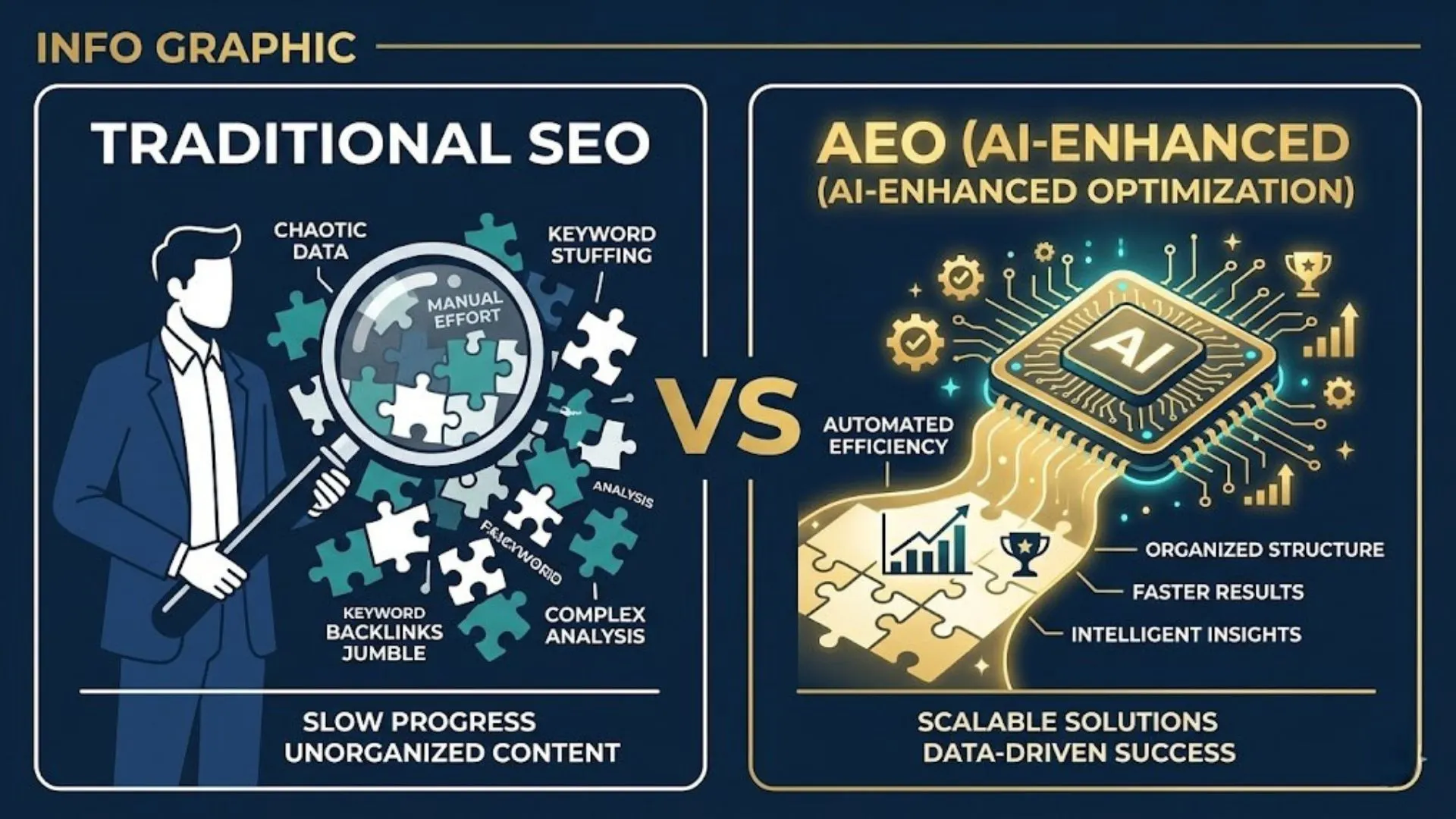
A dangerous misconception has taken root in boardrooms worldwide: the belief that simply deploying AI tools equates to innovation. Let us be clear—if every enterprise possesses the exact same generic AI capabilities, competitive advantage can no longer be derived simply from having access to AI.
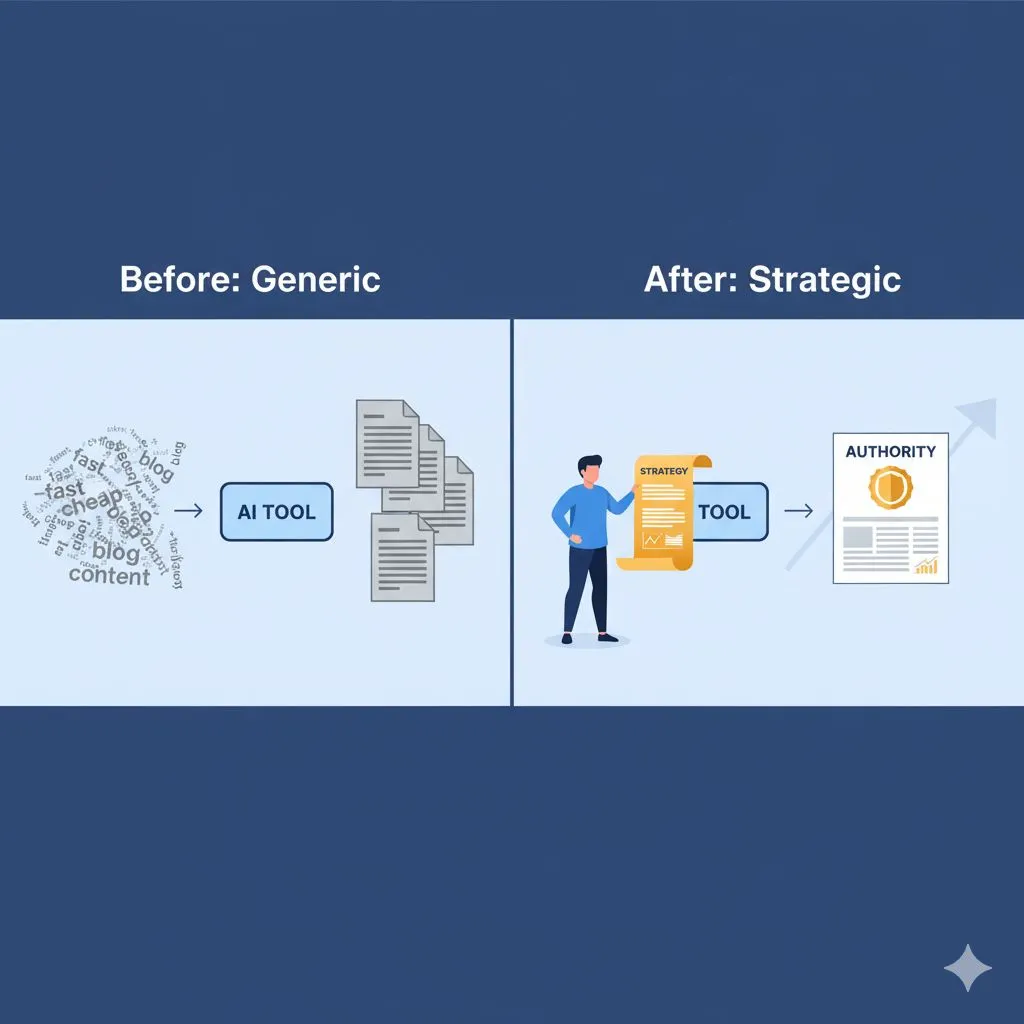
When your team relies on out-of-the-box language models and unstructured, ad-hoc prompting, you are participating in a commoditized arms race. Generic inputs yield generic outputs. You are not building a sustainable business advantage; you are merely treading water alongside your competitors.
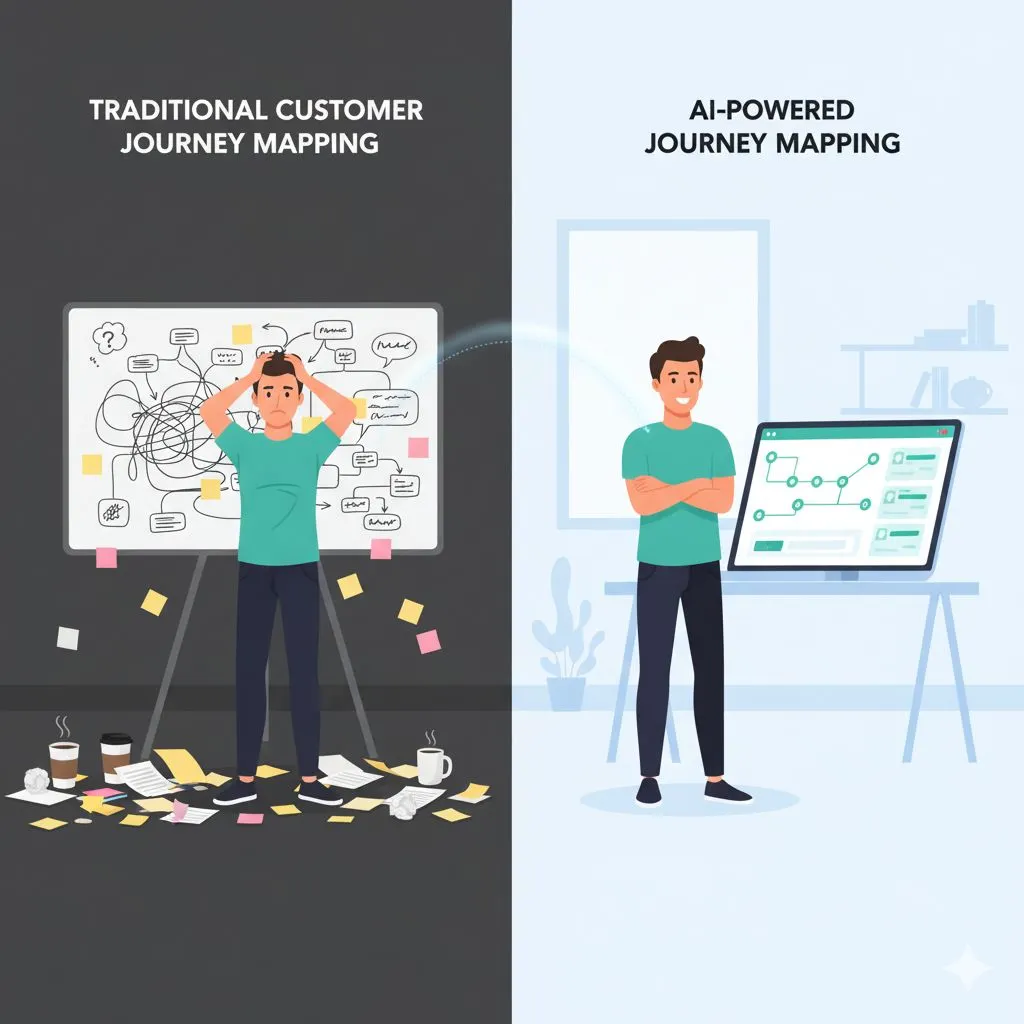
Furthermore, a common pitfall among mid-sized enterprises and Fortune 500s is the tendency to layer AI onto outdated, legacy processes. This is akin to putting a jet engine on a horse-drawn carriage. True digital transformation requires an executive mandate to stop treating AI as a band-aid for workflow bottlenecks and start reimagining job functions holistically. It demands a shift from passive consumption of AI tools to the strategic architectural design of workflows that allow AI to execute end-to-end.
Defining Firm Sovereignty AI: Building the Uncopyable Moat
To break free from the trap of commoditized technology, enterprise leaders must pivot their focus toward establishing firm sovereignty ai. This concept represents a fundamental paradigm shift. It is the transition from renting generic intelligence to owning a proprietary, defensible corporate moat that your competitors cannot replicate.
Firm sovereignty ai is not about building foundation models from scratch; it is about how you architect, govern, and contextualize those models within the unique operating fabric of your enterprise. It is achieved when you synthesize large language models with your organization's proprietary data, guarded intellectual property, and—most importantly—highly structured, strategic prompt frameworks that dictate exactly how the AI operates within your specific business context.
When you achieve firm sovereignty, AI ceases to be a disjointed, highly technical initiative managed in silos. Instead, it becomes a governed, enterprise-wide deployment. It acts as an extension of your top performers, scaling your best operational blueprints across thousands of employees seamlessly.
Consider the difference in approach. A generic AI strategy allows employees to ask an AI chatbot for help with a report, resulting in inconsistent, unvetted outputs. A strategy rooted in firm sovereignty ai integrates an industry-specific, expertly engineered prompt architecture directly into the workflow. This ensures that every output is aligned with corporate compliance, brand voice, and strategic intent. By codifying your enterprise's unique expertise into repeatable AI workflows, you transform temporary efficiency gains into long-term business leverage.
The Financial Imperative: Disciplined Portfolio Management
For the C-suite, the ultimate metric of success is not adoption rate; it is unit economics. The mandate is clear: translate massive corporate investments in artificial intelligence directly into measurable financial and operational returns. We are talking about targeting double-digit EPS growth and driving up to 3x higher growth in revenue per worker.
To achieve this, executive leadership—often championed by a dedicated Chief AI Officer—must implement structured, disciplined portfolio management. The days of letting disparate departments spin up vanity AI projects must end. Enterprises need a rigorous AI Portfolio Matrix that consolidates ROI reporting and demonstrates the exact P&L impact per dollar of investment.
Crucially, this matrix must include clearly documented "kill criteria." Enterprise sponsors must be ruthless in their evaluation. If a pilot project cannot demonstrate a clear path to scale, margin expansion, or operational efficiency within a defined timeframe, it must be defunded immediately. Capital and engineering resources must be aggressively reallocated to initiatives that are proven to drive enterprise value.
Beyond the balance sheet, leaders must also manage the human element. Integrating AI at scale naturally triggers workforce anxieties. Executives must proactively manage this transition to avoid the accumulation of "cultural debt." By flattening organizational structures and upskilling teams with expert-level AI frameworks, leaders can empower their workforce. Employees transition from being overwhelmed operators bogged down by manual tasks to confident strategists who leverage AI to amplify their output.
Governance, Risk, and the Buy vs. Build Paradigm
As AI moves out of the sandbox and into the core operating infrastructure, the risk profile changes dramatically. C-suite leaders are rightfully asking: "What is our exposure to algorithmic bias and data privacy violations at scale?" Building an AI moat requires robust, transparent governance. Executives must navigate shifting global regulations, such as the impending enforcement of the EU AI Act, ensuring that their systems are compliant, auditable, and ethically sound. Firm sovereignty ai demands that data privacy is structurally guaranteed, not just promised.
This brings us to the critical "buy vs. build" architecture evaluation. Building proprietary models from scratch is often cost-prohibitive and slow to market. Conversely, relying entirely on public APIs risks exposing proprietary data. The pragmatic middle ground—often the most effective route to firm sovereignty—is utilizing secure, enterprise-grade AI infrastructure combined with proprietary, highly structured prompt architectures. This balances compute costs and speed to market while fiercely protecting the organization's intellectual property.
Reimagining the Enterprise at Scale
The enterprises that will dominate the next decade are not those that simply adopt AI first, but those that adopt it with the most strategic discipline. Escaping pilot purgatory requires a rare synthesis of deep technical fluency, rigorous financial acumen, and advanced change management capabilities.
By moving away from generic tools and embracing firm sovereignty ai, you transition from merely participating in the AI revolution to actively dictating its terms within your industry. You replace bottlenecks with breakthroughs, elevate operational credibility, and build a sustainable engine for scalable growth.
Stop relying on the same generic AI outputs as your competitors. To build a defensible corporate moat, you must command your AI with expert-level strategy.
Ready to transition from disjointed pilots to governed, ROI-driven scale? Discover how to architect your enterprise advantage by mastering the difference between basic inputs and strategic execution.
Read the definitive guide: Generic vs. Strategic AI Prompts and start building your uncopyable moat today.