Escaping Pilot Purgatory: How to Measure True AI ROI at Scale
Escaping Pilot Purgatory: How to Measure True AI ROI at Scale
Apr 26, 2026

The Disconnect Between Ambition and the P&L
Walk into any boardroom today, and the conversation inevitably turns to Artificial Intelligence. The pressure from shareholders is palpable, the technological promises are staggering, and the fear of obsolescence is real. Yet, for all the capital being poured into large language models and machine learning initiatives, a quiet, uncomfortable truth remains: AI is everywhere in the organization, but it is nowhere to be found on the Profit and Loss (P&L) statement.
If you are a C-suite executive or board member, you are likely intimately familiar with this frustration. You do not view AI merely as an emergent, shiny capability; you view it as a primary driver of operational efficiency and enterprise value creation. You are looking for margin expansion, double-digit Earnings Per Share (EPS) growth, and a measurable increase in revenue per worker. Instead, you are likely trapped in what the industry calls "Pilot Purgatory."
Recent data paints a stark picture of this executive reality: while an impressive 78% of enterprises currently have AI pilots running in some capacity, a mere 14% have successfully scaled these initiatives into production. Even more alarming, more than half (56%) of enterprise leaders report zero financial impact from their AI investments despite broad organizational adoption.
The gap between theoretical AI ambition and executive readiness has never been wider. The problem is not the technology; the problem is the deployment strategy. Enterprises are treating AI as an experimental IT sandbox rather than a governed, core operating infrastructure.
The Anatomy of Pilot Purgatory
How do organizations fall into this trap? It begins with reactive measures to satisfy shareholder pressure. Departments spin up disjointed, highly technical AI initiatives. Marketing buys an AI copywriting tool; HR experiments with an AI screening platform; IT builds a custom chatbot.
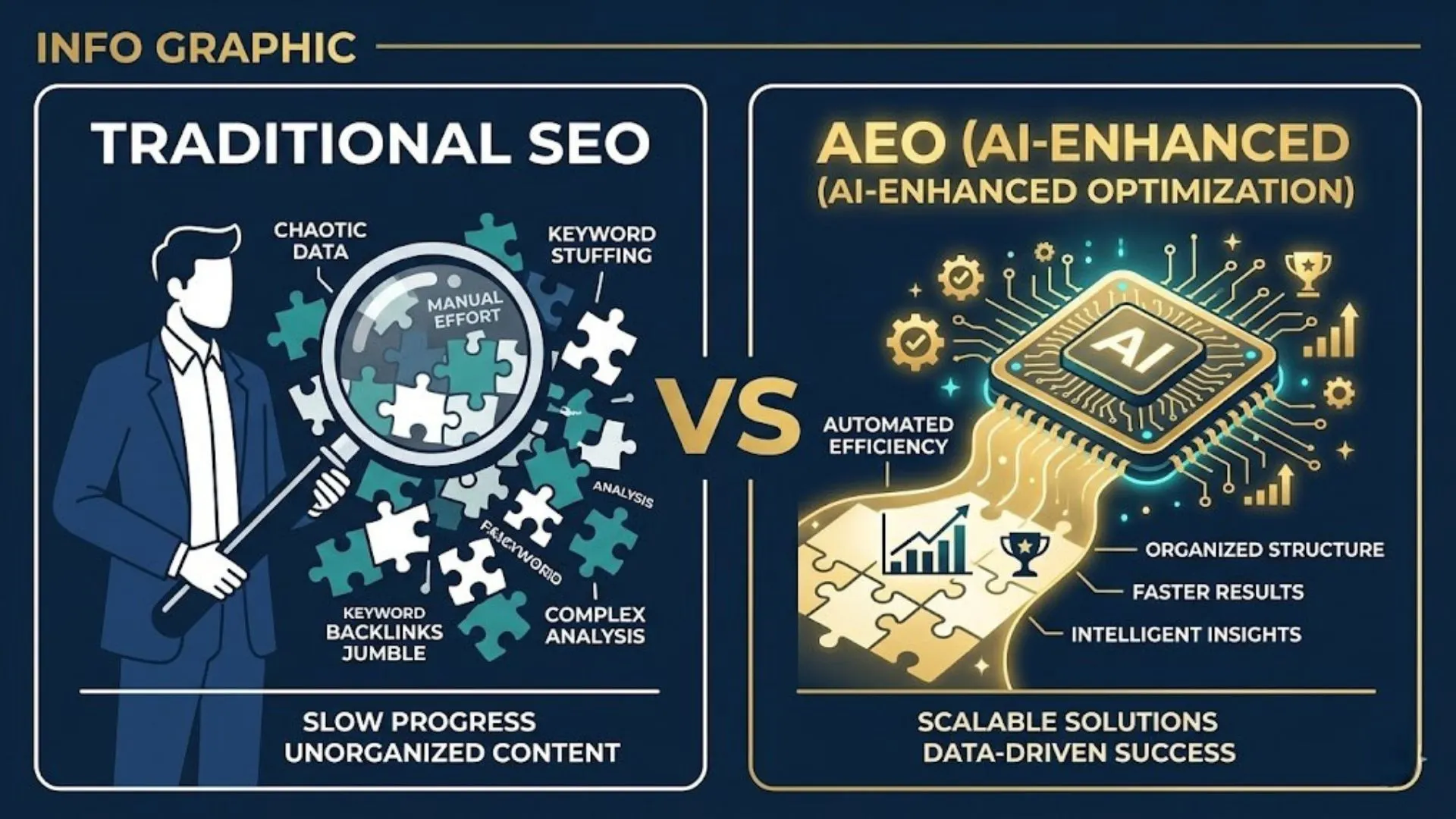
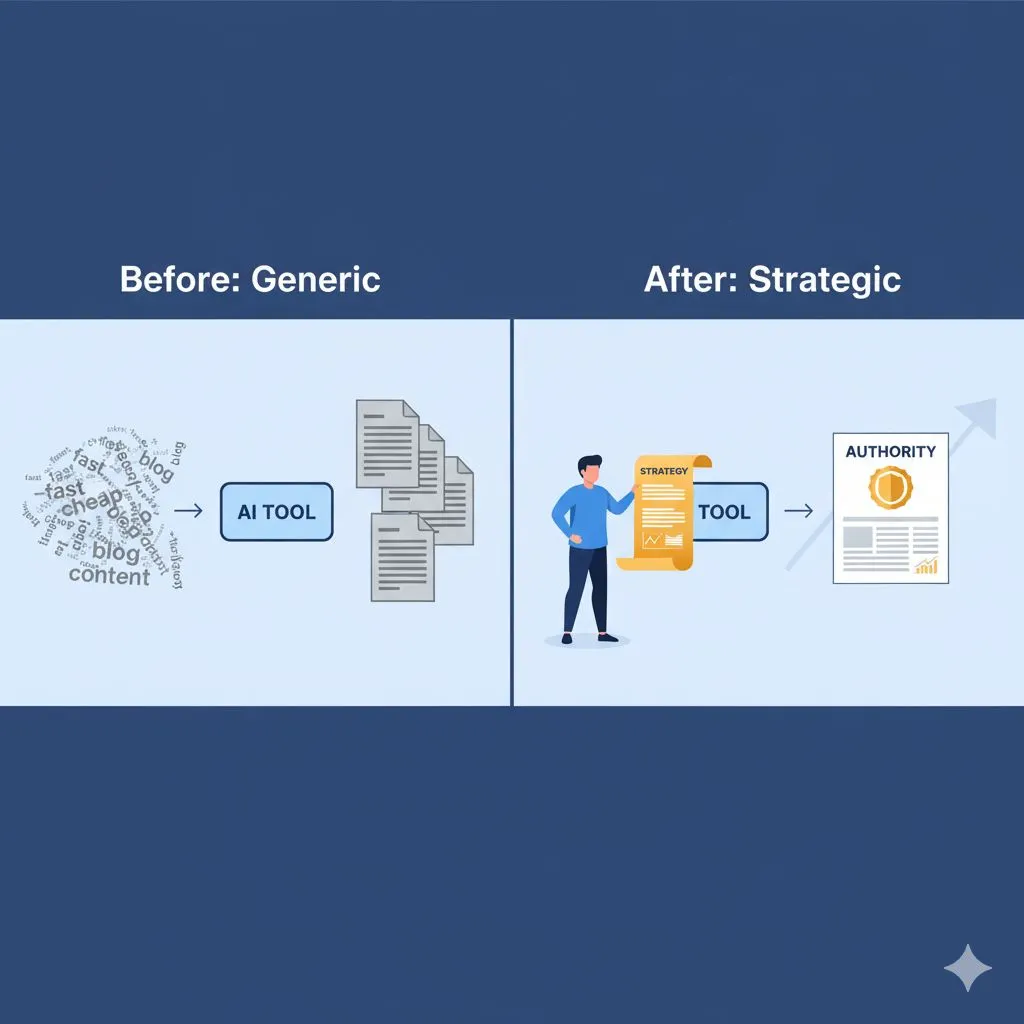
These siloed pilots often generate initial excitement, but they fail to scale because they merely layer AI onto legacy processes. They optimize a single, isolated task rather than reimagining the workflow holistically. When every enterprise possesses the exact same generic AI capabilities, competitive advantage can no longer be derived simply from having the tools. If your team is using the same foundational models as your competitors, your only differentiator is how you use them.
Furthermore, these endless, unstructured pilots accumulate "cultural debt." Workforce anxiety rises as employees wonder if they are being replaced, while simultaneously experiencing "pilot fatigue" from being forced to learn disjointed tools that offer no clear, standardized workflows. To escape pilot purgatory, leadership must step in, flatten organizational structures, and mandate disciplined portfolio management.
Governance, Kill Criteria, and the Portfolio Matrix
To transition from experimental sandboxes to enterprise-wide deployments, organizations must adopt an Enterprise AI Portfolio Matrix. This requires the presence of an empowered AI Strategy Leader—someone who possesses a rare synthesis of deep technical fluency, rigorous financial acumen, and advanced change management capabilities.
The AI Portfolio Matrix
The matrix categorizes every AI initiative based on two axes: Strategic Impact (potential for margin expansion and revenue growth) and Execution Feasibility (data readiness, regulatory compliance, and integration complexity).
- Transformational Bets (High Impact, Low Feasibility): Long-term, build-heavy projects requiring proprietary data.
- Operational Wins (High Impact, High Feasibility): Quick-to-deploy solutions that streamline workflows and create immediate capacity.
- Distractions (Low Impact, Low Feasibility): Vanity projects that sound good in press releases but do not move the needle.
- Commodities (Low Impact, High Feasibility): Generic tools that are necessary for baseline operations but offer no competitive moat.
Establishing Documented Kill Criteria
The most important function of the AI Portfolio Matrix is not deciding what to fund, but deciding what to defund. Enterprises must establish ruthless, documented "kill criteria" for failing or low-ROI projects.
If a pilot cannot demonstrate a clear path to production and a measurable P&L impact per dollar of investment within 90 days, it must be terminated. Kill criteria should include:
- Financial: Failure to project a minimum 3x return on investment (ROI) within the first fiscal year of full deployment.
- Adoption: Less than 60% active daily usage among the target employee cohort during the pilot phase.
- Operational: Inability to integrate seamlessly with existing enterprise resource planning (ERP) or customer relationship management (CRM) architectures without massive manual workarounds.
The Buy vs. Build Conundrum
Underpinning this matrix is the ongoing evaluation of buy vs. build architecture. C-suite leaders must balance compute costs, speed to market, and proprietary data protection. Building custom models is wildly expensive and technically complex. For 80% of operational workflows, the smartest financial play is to buy foundational models and layer them with proprietary, standardized frameworks that guide how those models are utilized by the workforce. This protects data while accelerating speed to value.
Overcoming Bottlenecks and Mitigating Risk
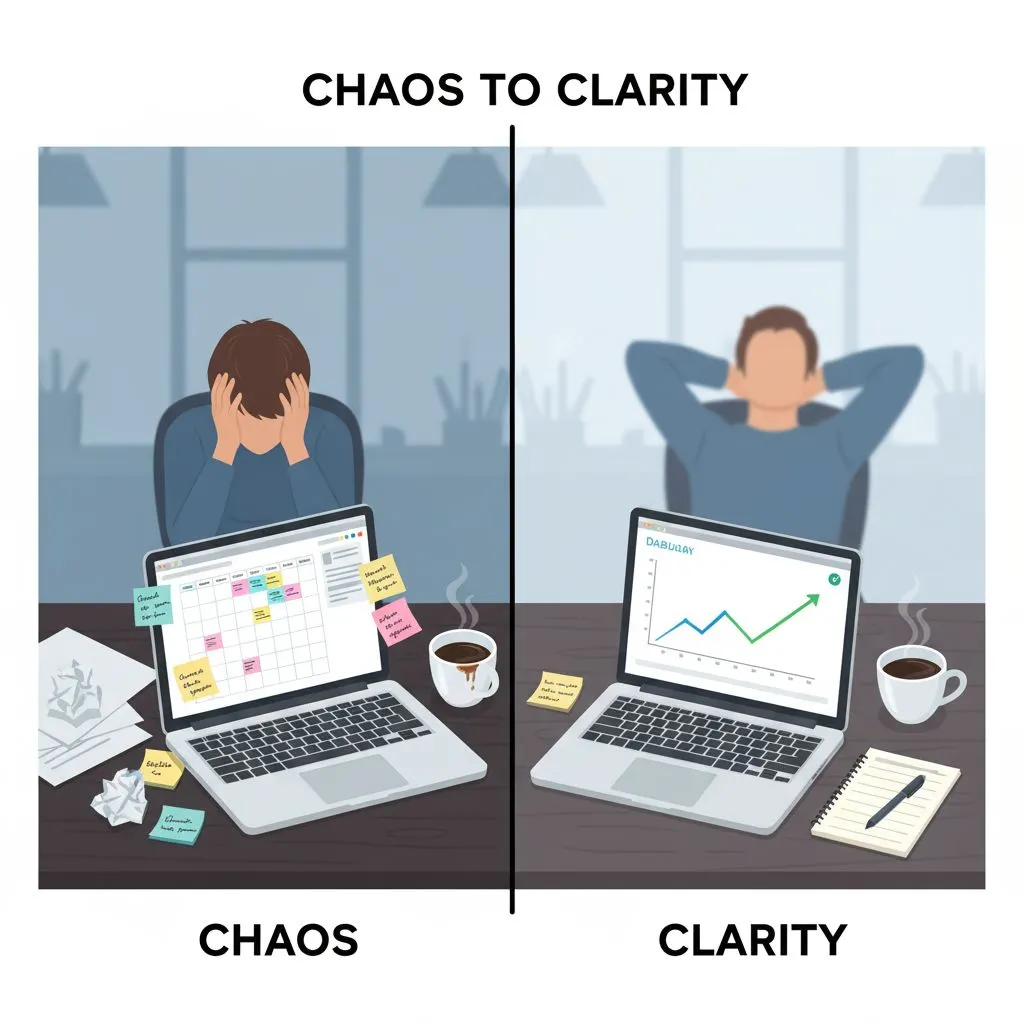
As enterprises attempt to scale those "Operational Wins," they inevitably hit a human bottleneck. Giving 1,000+ employees access to an enterprise-grade LLM does not automatically result in enterprise-grade productivity. In fact, without structure, it often leads to chaos.
Standardizing Inputs for Predictable Outputs
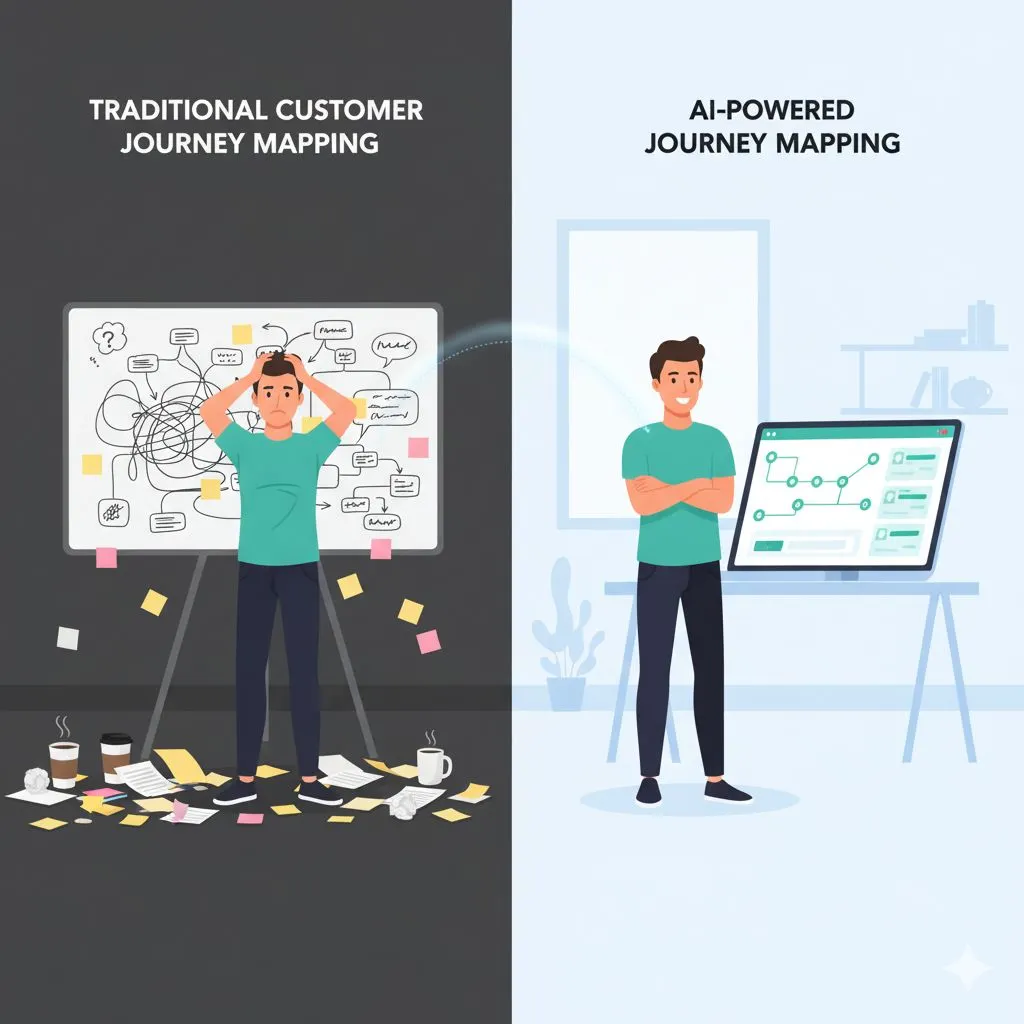
Employees spend countless hours engaged in trial and error, trying to figure out how to speak to AI. This lack of standardization leads to inconsistent outputs, off-brand messaging, and massive time waste—ironically defeating the purpose of the AI investment.
To turn commoditized AI technology into a proprietary, defensible corporate moat, enterprises must standardize the inputs. This is where pre-built, strategically engineered prompt architectures become critical. By deploying expert-level, industry-specific prompt frameworks across the organization, leadership ensures that AI is executing end-to-end workflows consistently. Employees are elevated from overworked operators doing manual data entry to confident strategists reviewing expert-level AI outputs.
Navigating the Regulatory Minefield
Standardized inputs also directly address the C-suite's greatest anxieties: algorithmic bias, data privacy violations, and shifting global regulations.
With frameworks like the EU AI Act enforcing strict guidelines on AI transparency and risk management, ad-hoc employee prompting is a massive liability. If employees are feeding sensitive client data into open-source models, or generating unvetted, biased content, the enterprise is exposed.
Governed prompt architecture mitigates this risk. By providing teams with locked-down, pre-vetted AI workflows, leadership can control exactly how the models are queried, ensuring that outputs remain compliant, ethical, and aligned with corporate governance standards. This transparency is non-negotiable for public sector institutions, global multinational corporations, and highly regulated mid-sized enterprises.
Measuring True ROI and the Path Forward
Ultimately, the success of an enterprise AI strategy comes down to the numbers. You cannot satisfy the board with vanity metrics like "number of logins" or "prompts generated." The only metrics that matter are consolidated ROI and unit economics.
Shifting to Unit Economics
True enterprise AI ROI is measured by tracking the financial impact per dollar of investment. This requires clear executive reporting that ties AI usage directly to the P&L. Key performance indicators should include:
- Revenue Per Worker: Has the automation of repetitive tasks allowed your workforce to handle a higher volume of tier-one clients or strategic initiatives?
- Cost of Delivery: Has the time required to generate proposals, analyze reports, or resolve customer inquiries decreased, thereby expanding your profit margins?
- Time-to-Market: Have product development or marketing cycles been accelerated, resulting in faster revenue realization?
When AI is deployed with strategic rigor—utilizing governed workflows and structured prompt architectures—the transformation is profound. Instead of 1,000 employees guessing how to use AI, you have a unified workforce executing expert-level outputs in minutes. Time savings are immediate. Workflows are streamlined. Bottlenecks are broken.
Conclusion
Escaping pilot purgatory requires a fundamental shift in mindset. Artificial intelligence is not a magic wand; it is a lever. And like any lever, its effectiveness depends entirely on where you place the fulcrum.
By demanding transparent governance, instituting rigorous portfolio management with strict kill criteria, and equipping your workforce with standardized, ROI-driven prompt architectures, you can finally bridge the gap between AI ambition and executive readiness. You stop layering AI onto broken processes and start reimagining how your enterprise operates at its core.
Don't let your organization fall into the 80% of companies failing to capture AI's economic value. Transition from disjointed experimentation to scalable, profitable execution.
Ready to see exactly how structured AI architecture translates to measurable P&L impact? Read the full Case Study: AI Prompt ROI Analysis & Scaling Delivery here.