Industrializing Prompts: How SMB Tactics Scale into Enterprise AI Architectures
Industrializing Prompts: How SMB Tactics Scale into Enterprise AI Architectures
Apr 26, 2026

Escaping Pilot Purgatory and Defining Enterprise Prompt Engineering
The modern enterprise is currently trapped in a costly paradox. According to recent industry benchmarks, while 78% of large organizations have artificial intelligence pilots running, a mere 14% have successfully scaled these initiatives into production. For the C-suite—CEOs, COOs, and CFOs tasked with defending margins and driving double-digit Earnings Per Share (EPS) growth—this statistic represents a massive gap between theoretical AI ambition and actual executive readiness. We have entered an era of "pilot fatigue," where more than half of enterprises report zero measurable financial impact from their AI investments despite broad, enthusiastic organizational adoption.
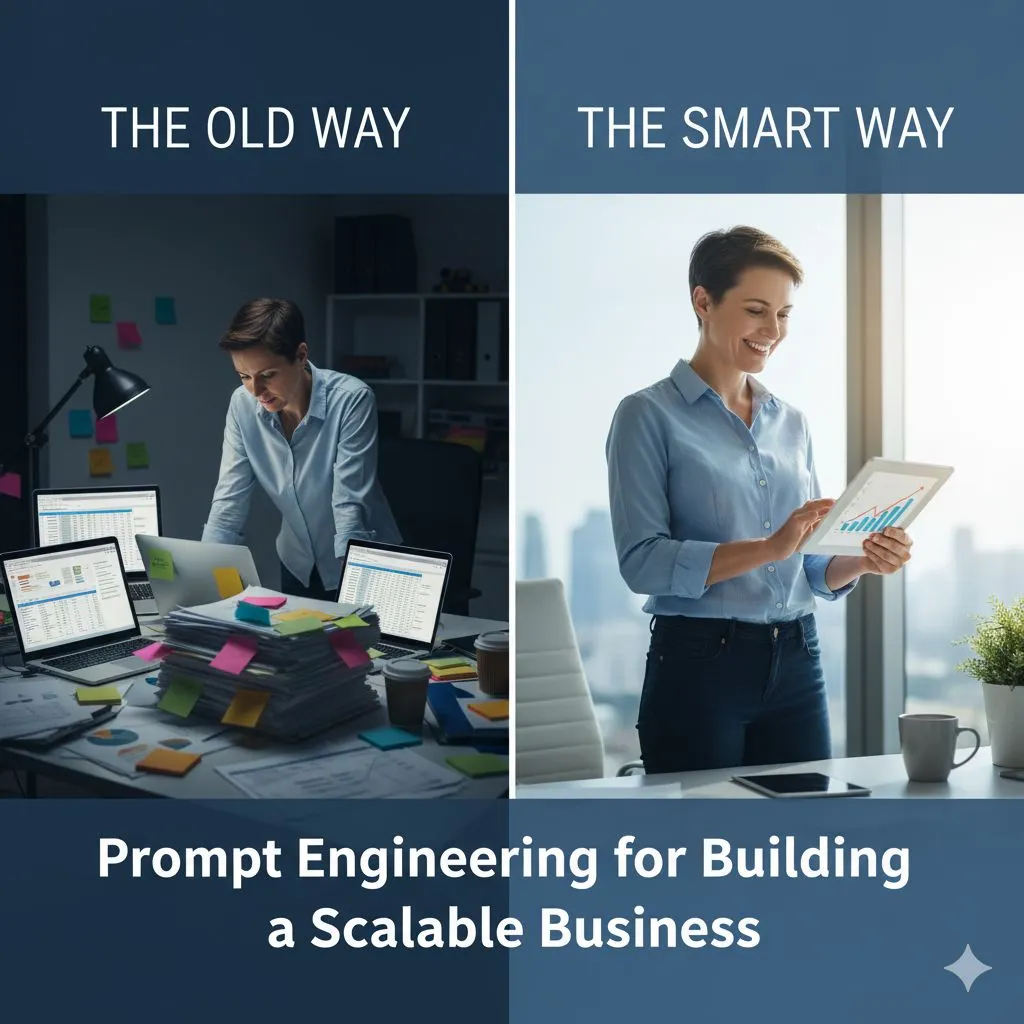
The root cause of this failure is not a lack of technological capability, but a lack of industrialization. When AI is treated as a shiny, disjointed experiment layered over legacy processes, it inevitably drains resources and accumulates "cultural debt." Employees become anxious, workflows become fragmented, and the board grows increasingly impatient with initiatives that fail to move the Profit and Loss (P&L) statement. To avoid falling into the 80% of companies failing to capture AI's economic value, enterprise leaders must demand a paradigm shift. Artificial intelligence must be dragged out of the sandbox and hardwired into the core operating infrastructure.
This transition requires mastering enterprise prompt engineering. While the term "prompt engineering" often conjures images of solitary developers tinkering with chatbots, at the enterprise level, it is a rigorous, governed discipline. It is the architectural framework that dictates how a massive organization interacts with large language models (LLMs) to produce consistent, compliant, and highly profitable outputs at scale.
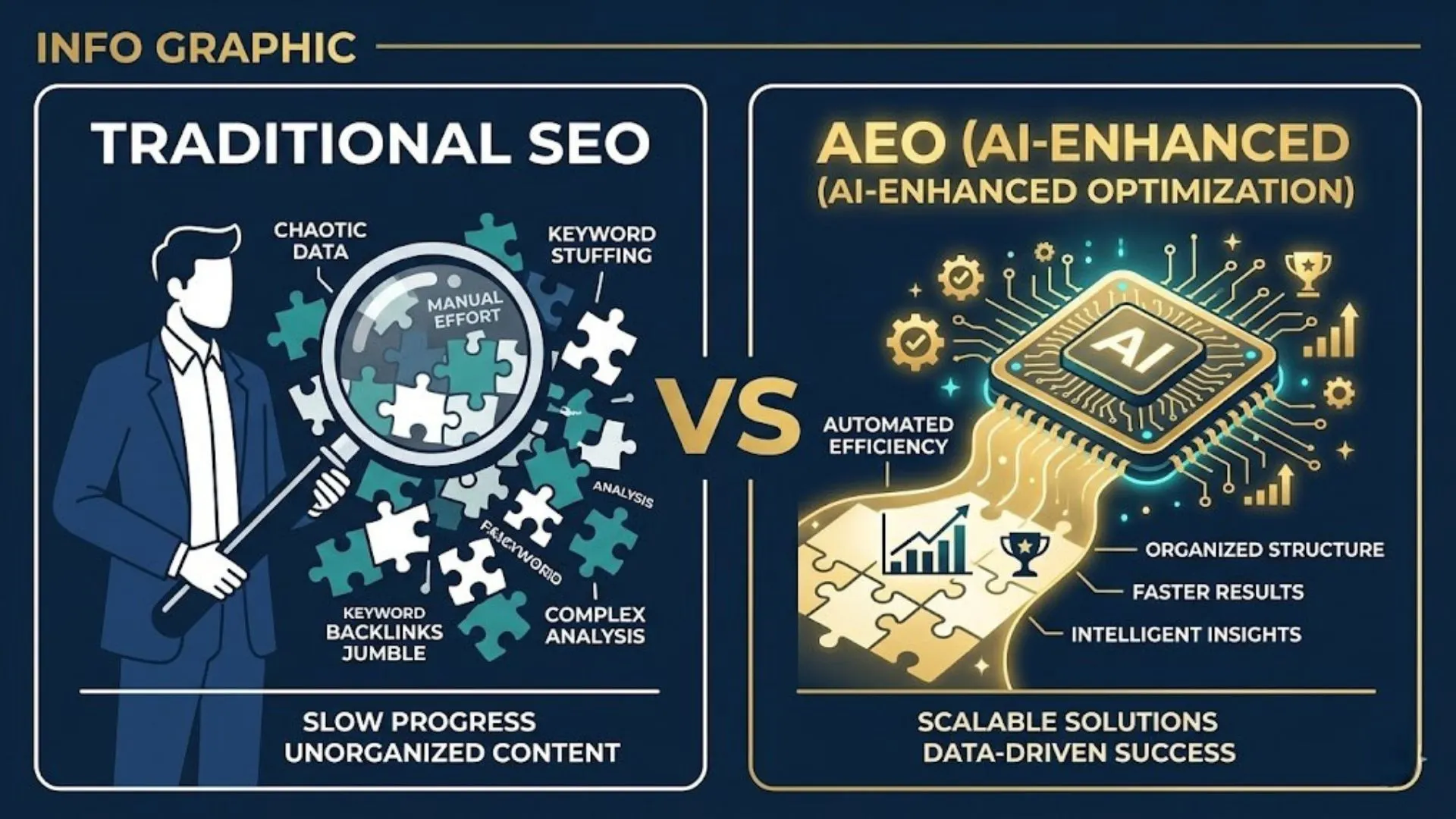
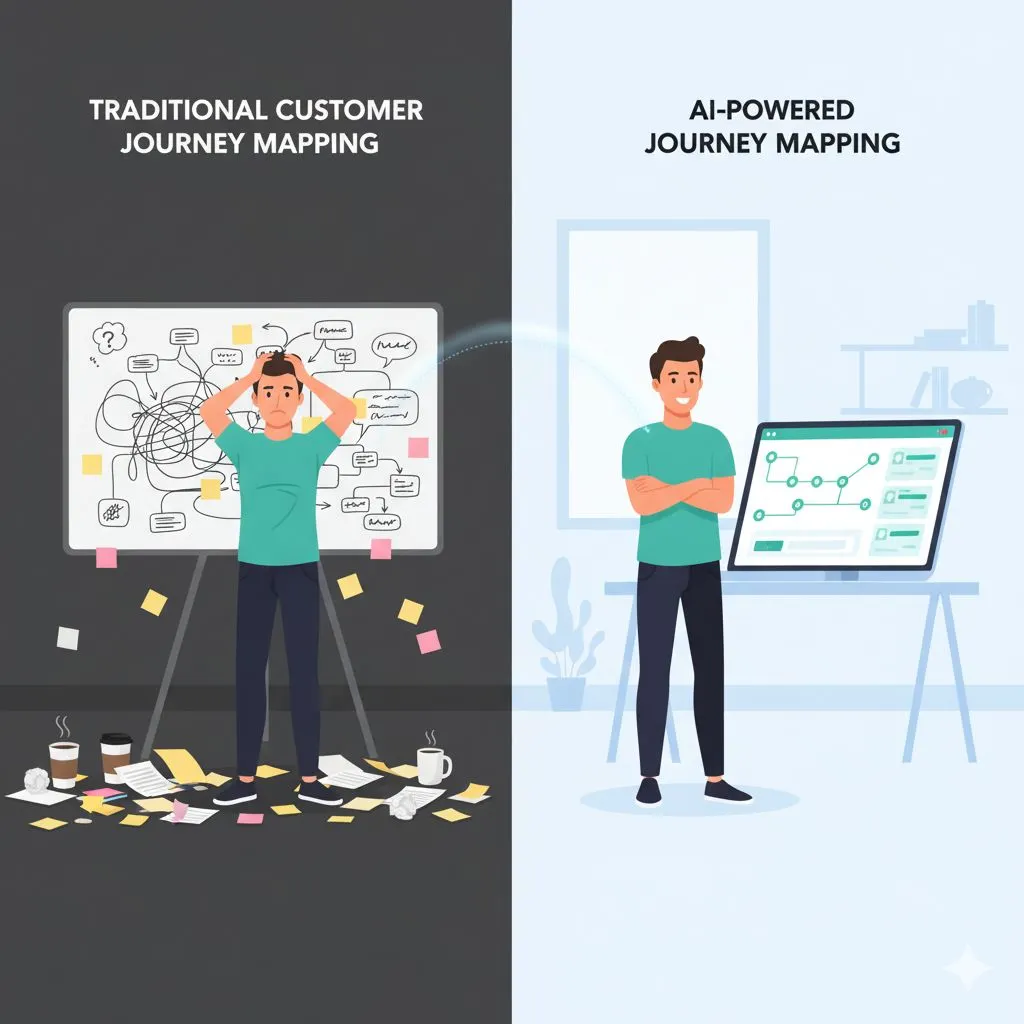
Interestingly, the blueprint for this massive scale often originates from the tactical agility of Small and Medium-sized Businesses (SMBs). In the SMB space, survival dictates that AI must deliver immediate ROI. Small business owners cannot afford pilot purgatory; they require structured, expert-level prompts that instantly streamline workflows, break operational bottlenecks, and elevate brand credibility. They rely on tightly constrained, highly optimized prompt architectures to do the heavy lifting of entire departments.
The challenge—and the profound opportunity—for the Fortune 500 executive is industrializing these agile, highly effective SMB tactics into a defensible corporate moat. If every enterprise possesses the exact same generic AI capabilities, competitive advantage can no longer be derived simply from licensing AI tools. The advantage belongs to the organization that can architect, govern, and deploy standard operating prompts across thousands of employees without sacrificing quality, security, or strategic alignment.
The Anatomy of Enterprise Prompt Engineering and Governance
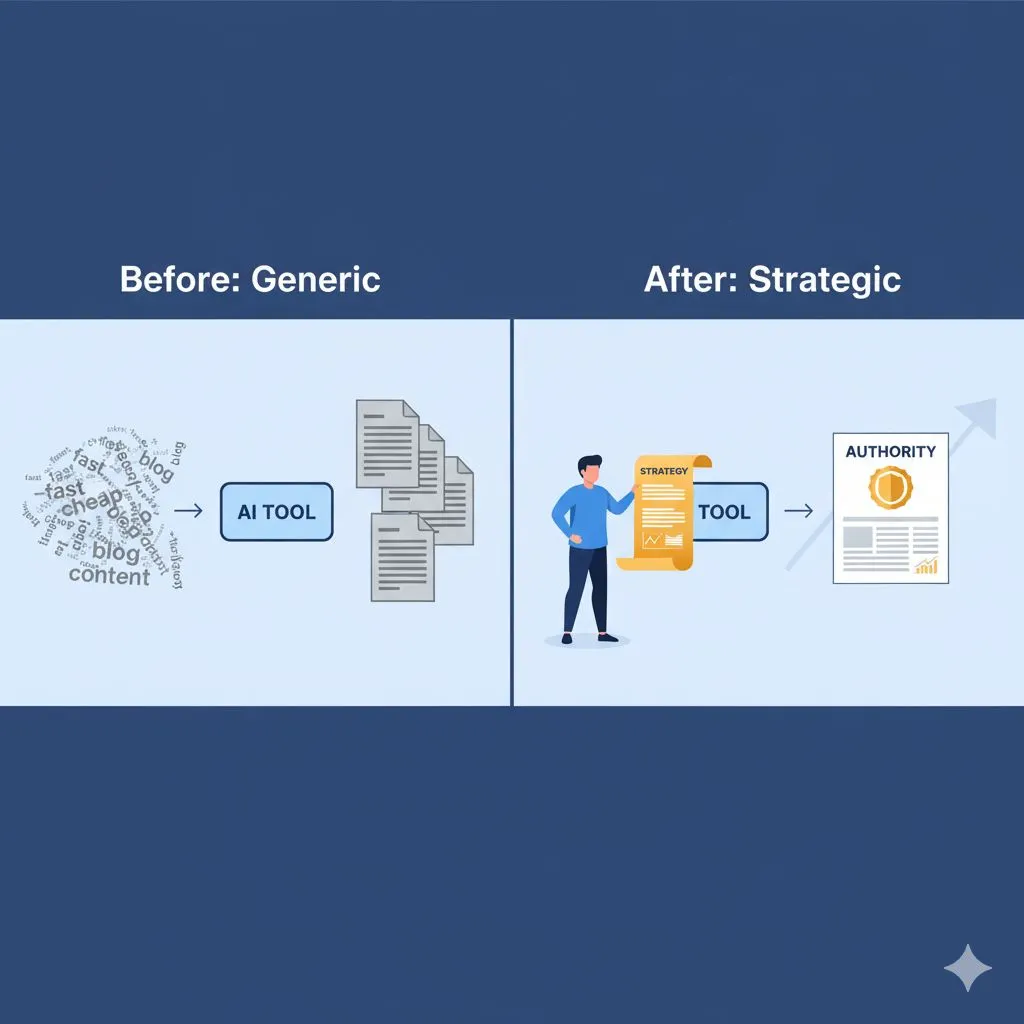
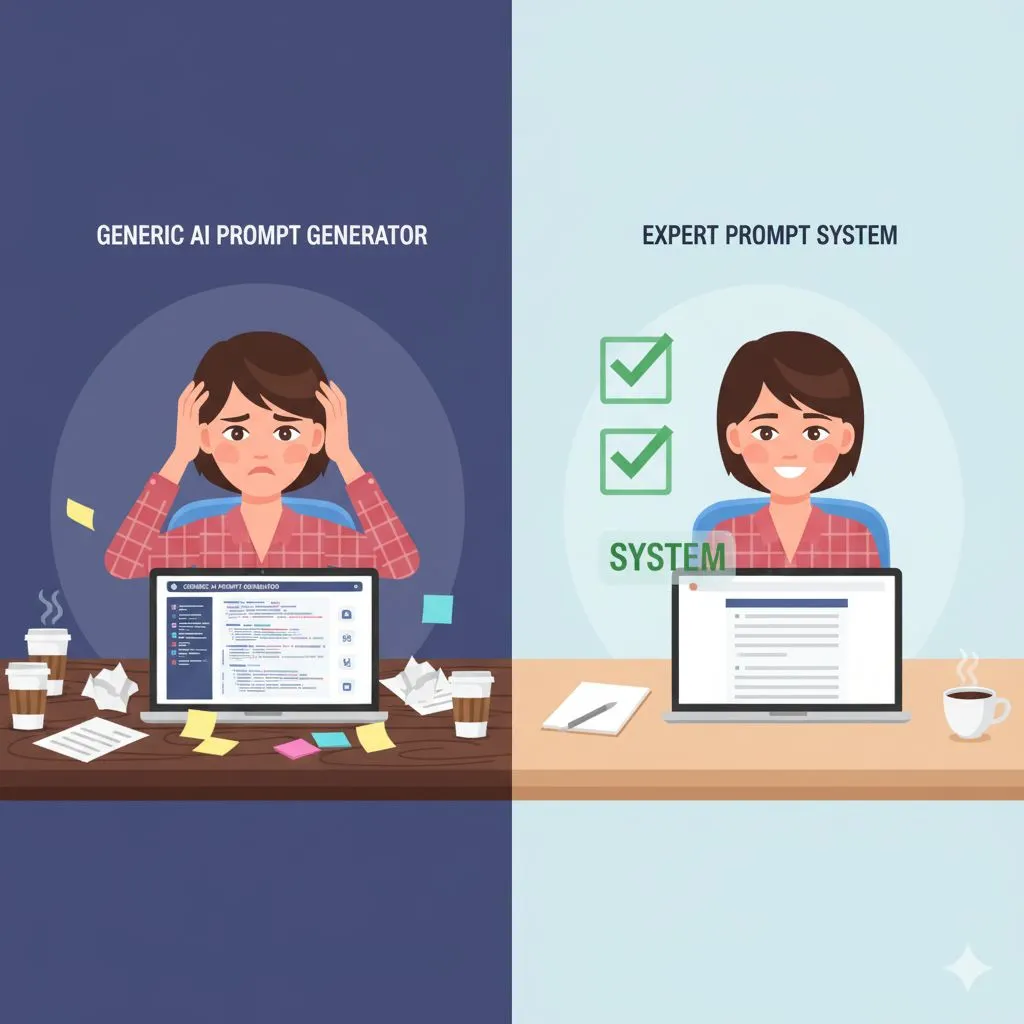
To scale the agility of highly optimized prompts into an enterprise environment, leadership must first deconstruct what makes a prompt "industrial-grade." Generic, open-ended AI prompts are a liability at scale. When 5,000 employees are left to their own devices to prompt an LLM, the result is chaotic variability. This variability introduces severe risks: brand dilution, data privacy violations, and exposure to algorithmic bias.
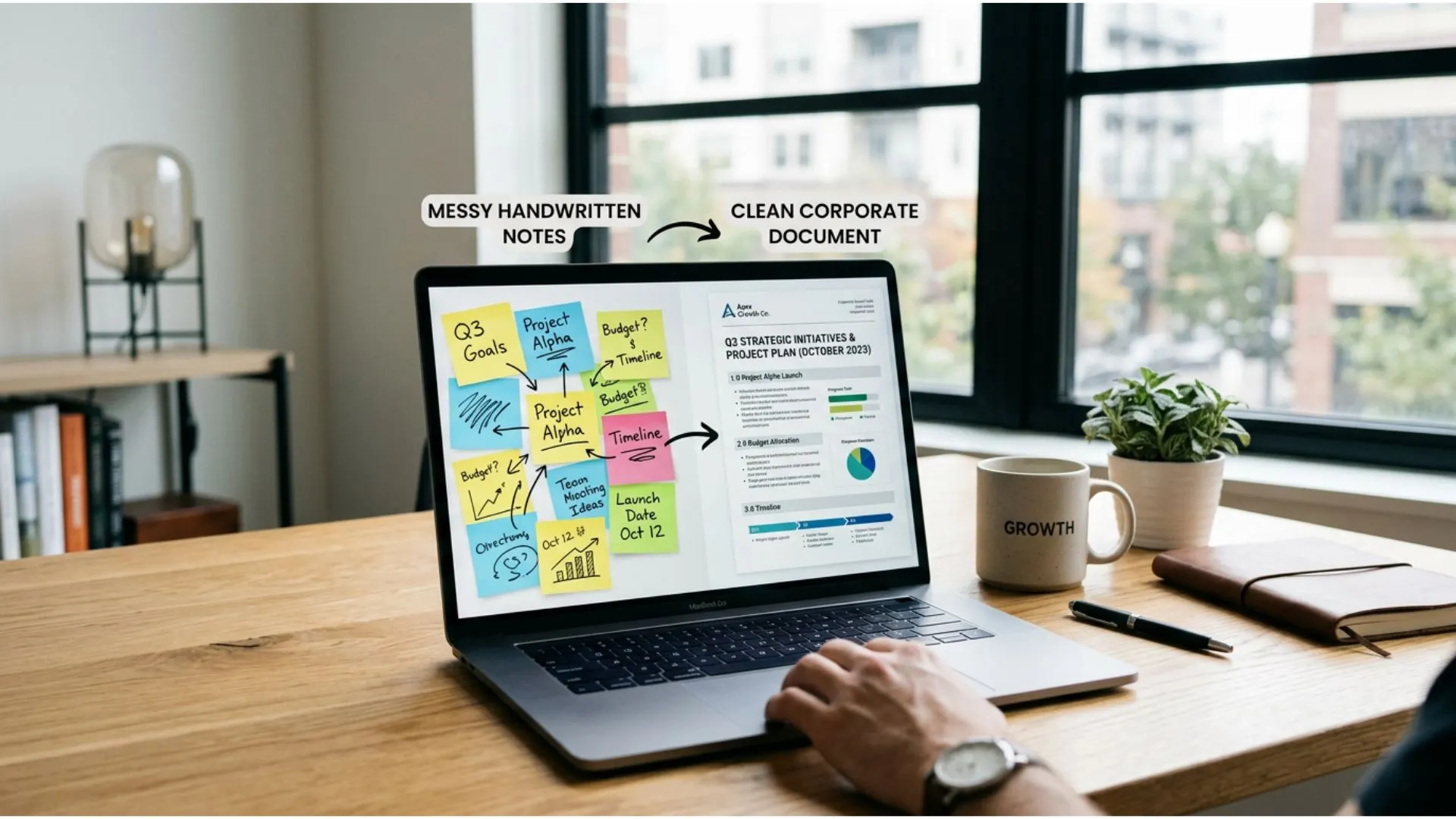
Enterprise prompt engineering requires a fundamental shift from ad-hoc querying to systemic architecture. An industrialized prompt is not a simple question typed into a text box; it is a meticulously coded asset. It contains specific context windows, strict formatting constraints, brand voice parameters, and built-in guardrails designed to prevent hallucination and ensure regulatory compliance. As global regulations shift and frameworks like the impending EU AI Act loom, the ability to control and audit AI outputs at the prompt level is no longer optional—it is a critical legal necessity.
Building this architecture demands cross-functional orchestration. The Chief AI Officer (CAIO) or AI Strategy Leader must bridge the gap between deeply technical engineering teams and the strategic imperatives of the board. The objective is to create a centralized repository of validated, highly structured prompts that execute specific, end-to-end business functions. Whether it is generating compliance reports in the finance department, drafting global procurement contracts, or analyzing sentiment in customer success, the underlying prompt architecture must be uniform, tested, and secure.
This is where the concept of "kill criteria" becomes vital. In an industrialized AI model, not every prompt or pilot deserves to live. Enterprises must implement a disciplined AI Portfolio Matrix. This matrix evaluates every AI deployment against strict metrics: compute cost, execution speed, output accuracy, and direct P&L impact. If a specific AI workflow or prompt sequence fails to meet the documented kill criteria within a set timeframe, it is ruthlessly defunded and removed from the system. This prevents the slow bleed of capital into failing projects and forces the organization to focus exclusively on AI tools that deliver tangible, expert-level results.
By applying rigorous governance to prompt engineering, enterprises can protect their proprietary data while maintaining the speed and efficiency typically reserved for agile startups. The goal is to evaluate the "buy vs. build" architecture effectively. Instead of spending tens of millions building proprietary foundational models from scratch, pragmatic enterprises are realizing that they can achieve superior ROI by layering highly advanced, proprietary prompt engineering architectures on top of existing, commoditized LLMs.
The Economics of Industrialized Prompts and Organizational Design
The ultimate measure of successful enterprise AI adoption is not technological sophistication, but financial return. The C-suite requires clear executive reporting—specifically consolidated ROI and unit economics reports—that demonstrate the P&L impact per dollar of AI investment. This is where industrialized prompt engineering proves its immense value.
When prompt architecture is optimized and deployed enterprise-wide, the unit economics of routine tasks fundamentally change. Consider a global marketing and legal compliance review process that previously required 40 human hours and cost $4,000 per iteration. By deploying a meticulously engineered, governed prompt sequence that instantly cross-references copy against regulatory frameworks and brand guidelines, the cost per execution drops to pennies in compute power, and the time is reduced to seconds. This is not merely a cost-saving measure; it is a mechanism for margin expansion.
To realize these financial gains, however, leadership must be willing to reimagine jobs holistically rather than simply layering AI onto legacy processes. The true economic power of enterprise prompt engineering is unlocked when it is used to flatten organizational structures. Middle-management bottlenecks—often responsible for routing information, summarizing data, or performing basic quality assurance—can be entirely bypassed by AI workflows executing end-to-end.
This restructuring addresses the executive mandate to achieve up to 3x higher growth in revenue per worker. When your workforce is no longer bogged down by repetitive, manual execution, they are elevated from operators to strategic thinkers. A financial analyst empowered by an enterprise-grade prompt toolkit no longer spends 80% of their time aggregating data; they spend 100% of their time interpreting data and advising on strategy.
Furthermore, this systematic approach mitigates the "cultural debt" associated with AI rollouts. Workforce anxieties are highest when AI is introduced as a vague, poorly defined threat to jobs. When AI is introduced as a structured, expert-level toolkit that removes friction, eliminates bottlenecks, and guarantees high-quality outputs, adoption rates soar. Employees recognize that these industrialized prompts are not replacing them; they are providing the leverage needed to perform at a significantly higher level. The transition becomes seamless, moving the entire organization toward a unified, efficient, and highly profitable operational rhythm.
Turning Commoditized Tech into a Defensible Moat
For the pragmatic enterprise sponsor, the mandate is clear: the era of unstructured, experimental AI is over. The future belongs to organizations that treat AI not as a novelty, but as a heavily governed, highly efficient engine for value creation.
By taking the tactical, ROI-driven prompt strategies utilized by the most agile small businesses and scaling them through rigorous corporate governance, enterprises can solve the pilot purgatory crisis. Enterprise prompt engineering provides the necessary framework to ensure that massive corporate investments in artificial intelligence translate directly into measurable financial and operational returns. It answers the critical objections of the boardroom by providing transparent governance, mitigating algorithmic bias, and clearly defining the P&L impact.
When every competitor has access to the exact same foundational LLMs, the technology itself is commoditized. Your proprietary, defensible corporate moat is built entirely upon how you instruct that technology to behave. It is built on the specific, expert-level prompts that dictate your unique business logic, protect your brand voice, and enforce your operational standards.
Transitioning from disjointed technical initiatives to a governed, enterprise-wide deployment requires strategy, discipline, and the right architectural tools. It requires moving beyond simple "shortcuts" to embrace structured, ROI-driven toolkits that elevate outputs across every department.
You need clear, strategic frameworks that do the heavy lifting, allowing you to flatten structures, expand margins, and scale intelligently. Don't let your organization fall behind while waiting for the perfect, multi-million-dollar proprietary model. Industrialize your AI operations today with proven, expert-level architectures.
Scale Smarter. Grow Faster. Begin Here:
https://expertaiprompts.com/automated-prompt-engineering-shortcut-for-consistent-ai-outputs