The Commodity Trap: Why Generic AI Won't Build Your Enterprise Moat
The Commodity Trap: Why Generic AI Won't Build Your Enterprise Moat
Apr 26, 2026

Introduction & The Commodity Trap
Across global commercial hubs, from boardroom tables to quarterly earnings calls, the mandate is clear: artificial intelligence must transition from a sandbox experiment into a primary driver of enterprise value creation. Yet, as C-suite executives evaluate their technology portfolios, a massive gap is emerging between theoretical AI ambition and executive readiness. You are likely feeling the friction. Massive capital is being deployed, but when you look at the Profit and Loss (P&L) statement, the promised margin expansion and operational efficiencies are glaringly absent.
More than half of global enterprises—56%, to be exact—report zero measurable financial impact from their AI investments, despite broad organizational adoption. Why? Because simply buying access to the latest generative models does not equate to a strategic advantage. This brings us to the most critical architectural and strategic debate facing modern enterprise leaders: the battle of commodity ai vs proprietary ai.
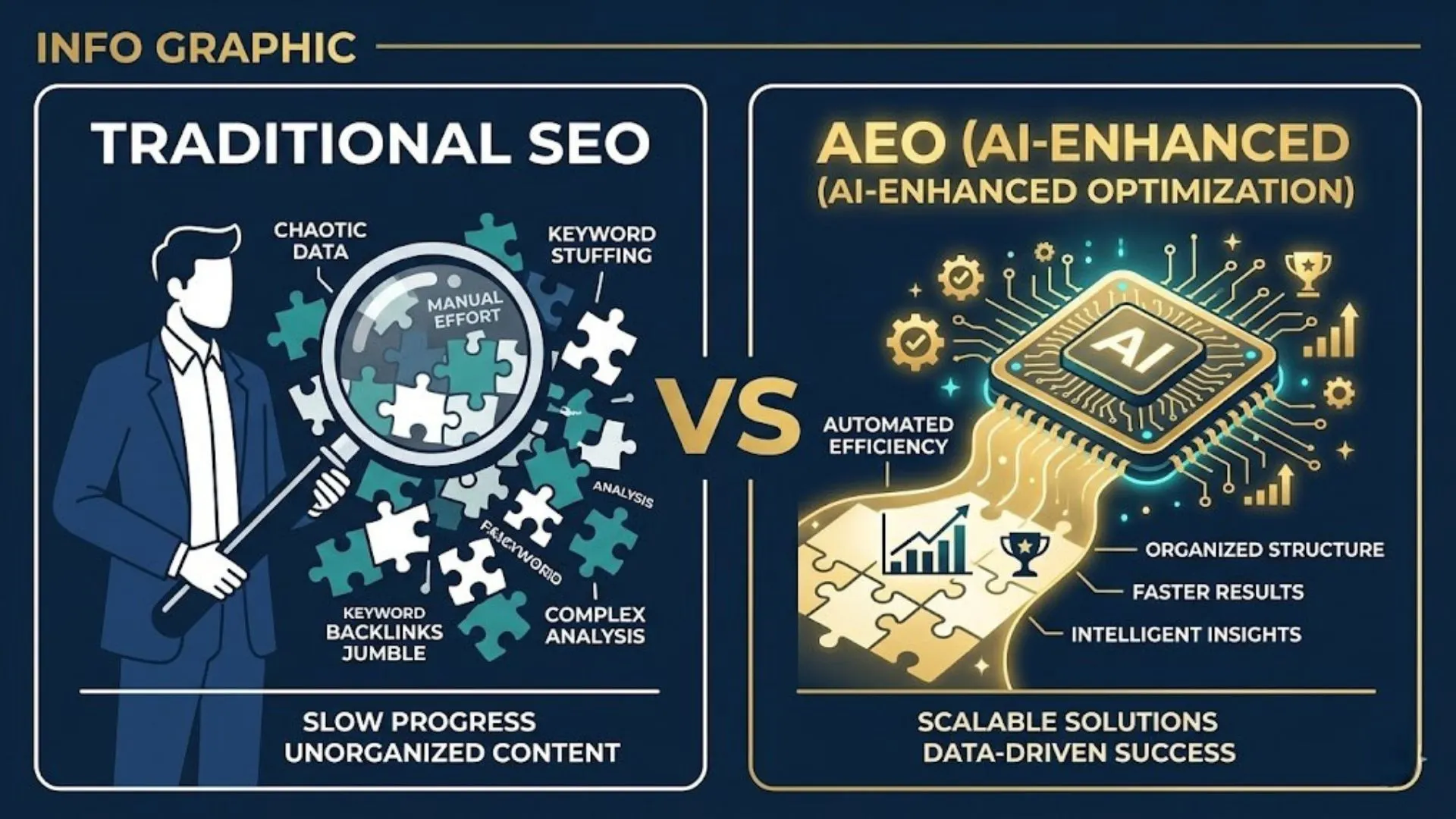
Commodity AI is the baseline. It is the off-the-shelf, generic capability that every single one of your competitors currently possesses. If every Fortune 500 corporation and mid-sized enterprise has the exact same access to the exact same generic AI capabilities, competitive advantage can no longer be derived simply from having the tools. Plugging a generic chatbot into your operations is not a strategy; it is a table stakes reactive measure.
The commodity trap occurs when organizations mistakenly believe that deploying generic AI will automatically yield double-digit Earnings Per Share (EPS) growth. Instead, they end up layering basic AI capabilities onto broken, legacy processes. They fail to reimagine jobs holistically. Generic AI acts as a band-aid, offering slight, localized efficiency bumps while failing to flatten organizational structures or streamline workflows end-to-end. To build a defensible corporate moat, executives must shift their focus toward proprietary AI—leveraging customized, expertly structured frameworks that extract unique, governed value from commoditized foundational models.
The High Cost of "Pilot Purgatory"
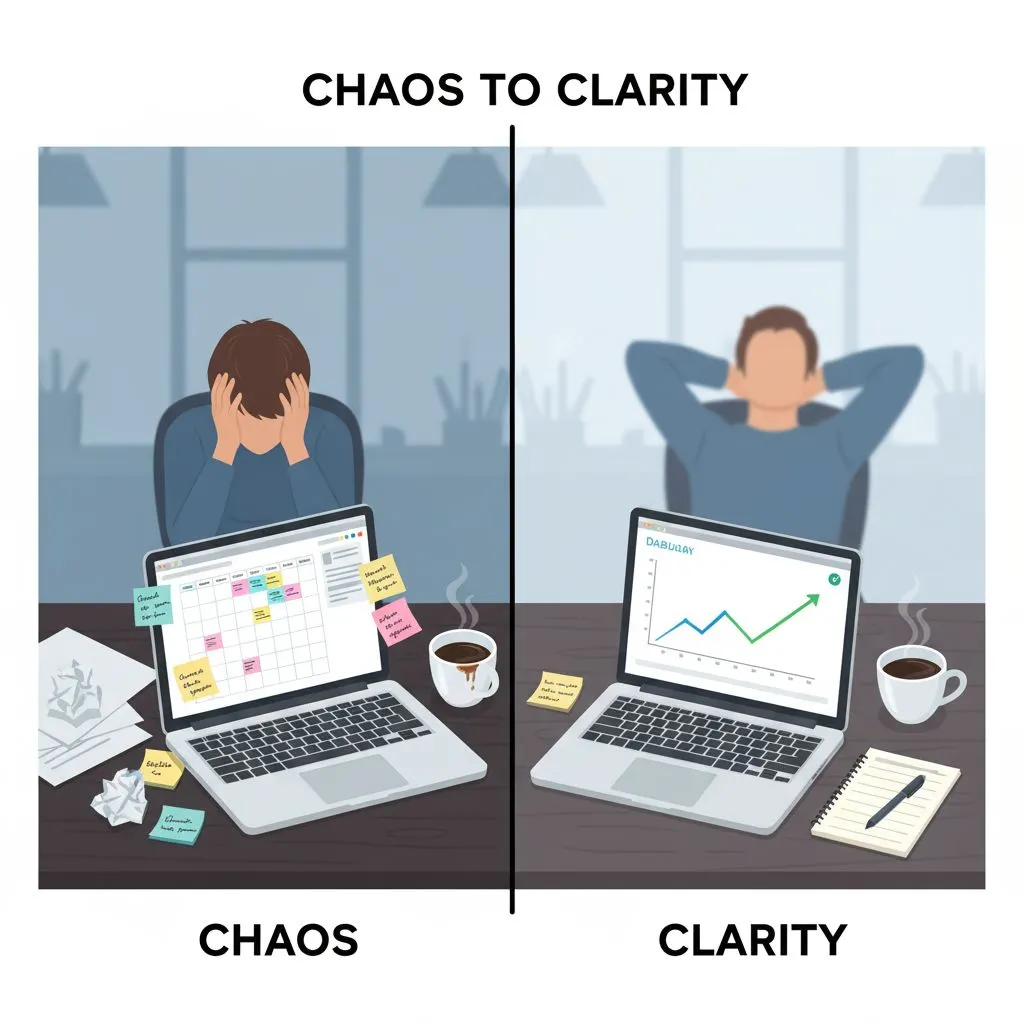
The symptom of the commodity trap is a corporate disease known as "pilot purgatory." Today, an estimated 78% of enterprises have active AI pilots running across various departments—marketing, HR, finance, and operations. Yet, a staggering 14% have successfully scaled these initiatives to production.
This pilot fatigue is exhausting your resources and your workforce. When disjointed, highly technical AI initiatives are launched without rigorous cross-departmental alignment, they become vanity projects. They exist to satisfy shareholder pressure rather than to generate consolidated ROI. Without clear unit economics reporting that demonstrates the P&L impact per dollar of investment, these pilots drain capital while delivering theoretical, unscalable results.
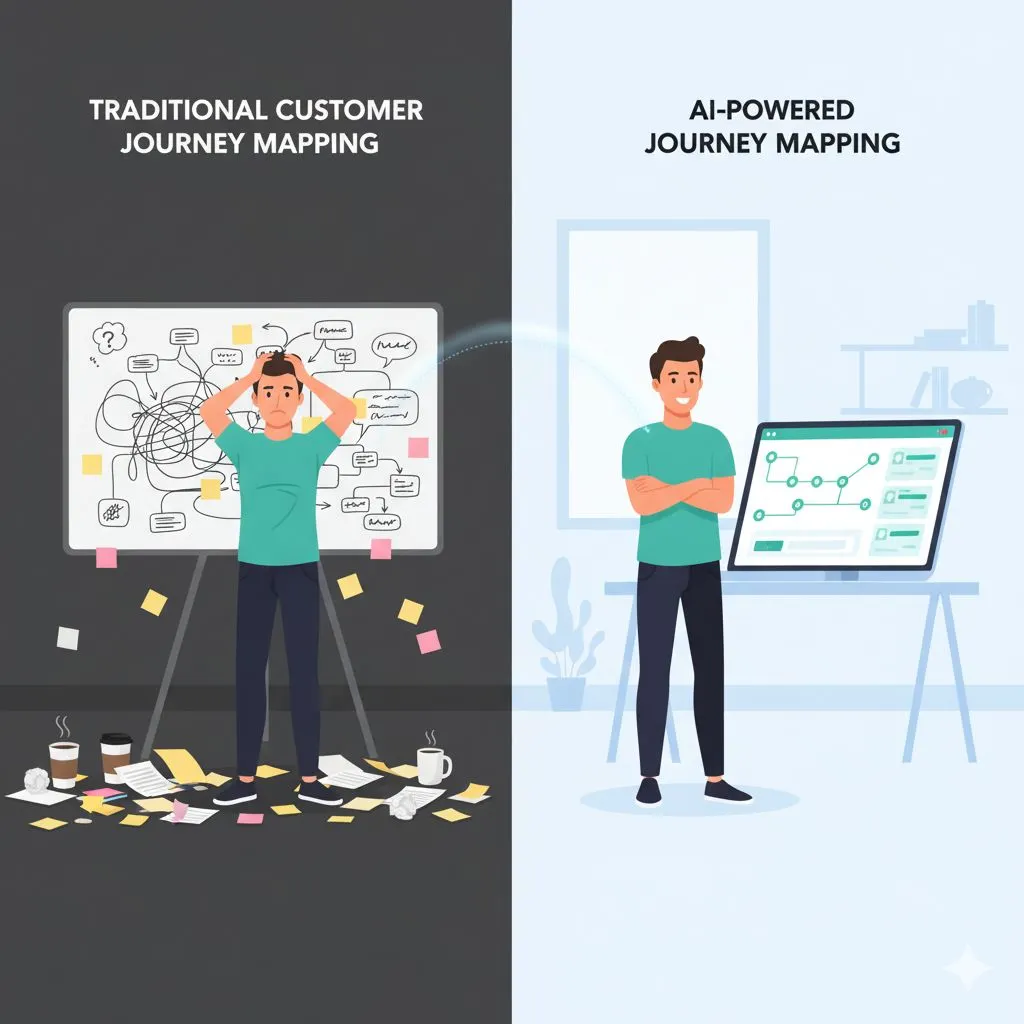
Furthermore, getting stuck in pilot purgatory creates a dangerous secondary risk: the accumulation of "cultural debt." Your workforce of thousands is watching these disjointed rollouts. They are experiencing the friction of poorly integrated tools, leading to heightened anxiety about job displacement and transition. When AI is rolled out as a generic, unguided tool, employees are left to figure out the prompts, workflows, and use cases through trial and error. This lack of centralized strategy breeds frustration and slows adoption.
To break free from this cycle, rigorous executive leadership is required. The modern enterprise needs an AI Portfolio Matrix with ruthlessly documented "kill criteria." If a pilot cannot prove its path to scaling, or if it fails to demonstrate a direct line to revenue growth or cost reduction, it must be defunded. C-suite leaders must demand structured discipline, moving away from purely experimental technology initiatives and demanding solutions that execute flawlessly at an enterprise scale.
Building the Enterprise Moat
To escape pilot purgatory and turn your investments into measurable returns, you must effectively navigate the transition from commodity ai vs proprietary ai. But how do you build a proprietary moat without spending tens of millions of dollars training custom Large Language Models (LLMs) from scratch? The answer lies in the architecture of your deployment and the strategic structuring of how your human capital interacts with the AI.
Evaluating the "buy vs. build" architecture is critical. Building custom models offers maximum proprietary data protection but comes with exorbitant compute costs and a sluggish speed to market. Buying off-the-shelf models offers speed but risks algorithmic bias, data privacy violations, and lack of differentiation. The strategic middle ground—the true enterprise moat—is built by using commodity AI engines but controlling the "steering wheel" through expertly engineered, highly structured prompt architectures and internal workflow integrations.
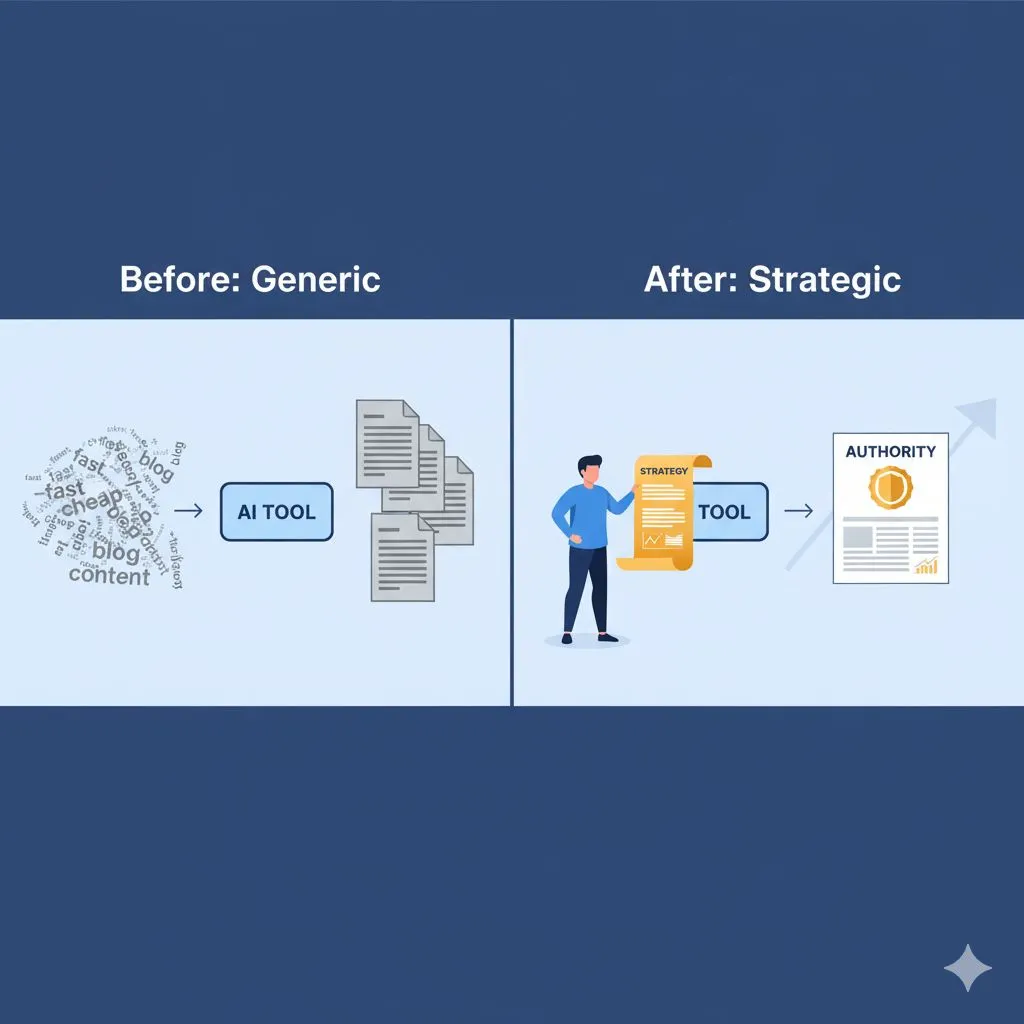
When you standardize how your enterprise interacts with AI using expert-level, industry-specific prompts, you instantly elevate the output from generic to proprietary. You are no longer relying on an employee's individual ability to guess the right instructions; you are deploying standardized, rigorously tested frameworks that ensure compliance, tone, and strategic alignment.
This structured approach is also your strongest defense against shifting global regulations, such as the impending enforcement of the EU AI Act. By moving away from wild, unstructured AI usage toward governed, pre-approved strategic workflows, you mitigate your exposure to algorithmic bias and data privacy violations at scale. You create a controlled environment where AI operates within strict ethical and operational guardrails, ensuring that every output aligns with your corporate values and regulatory requirements.
Governance and Conclusion
Ultimately, the goal is to flatten organizational structures and streamline workflows so AI can execute end-to-end, serving as a genuine multiplier of revenue per worker. This requires more than just a Chief AI Officer; it requires a cultural shift from the board down to the operational front lines.
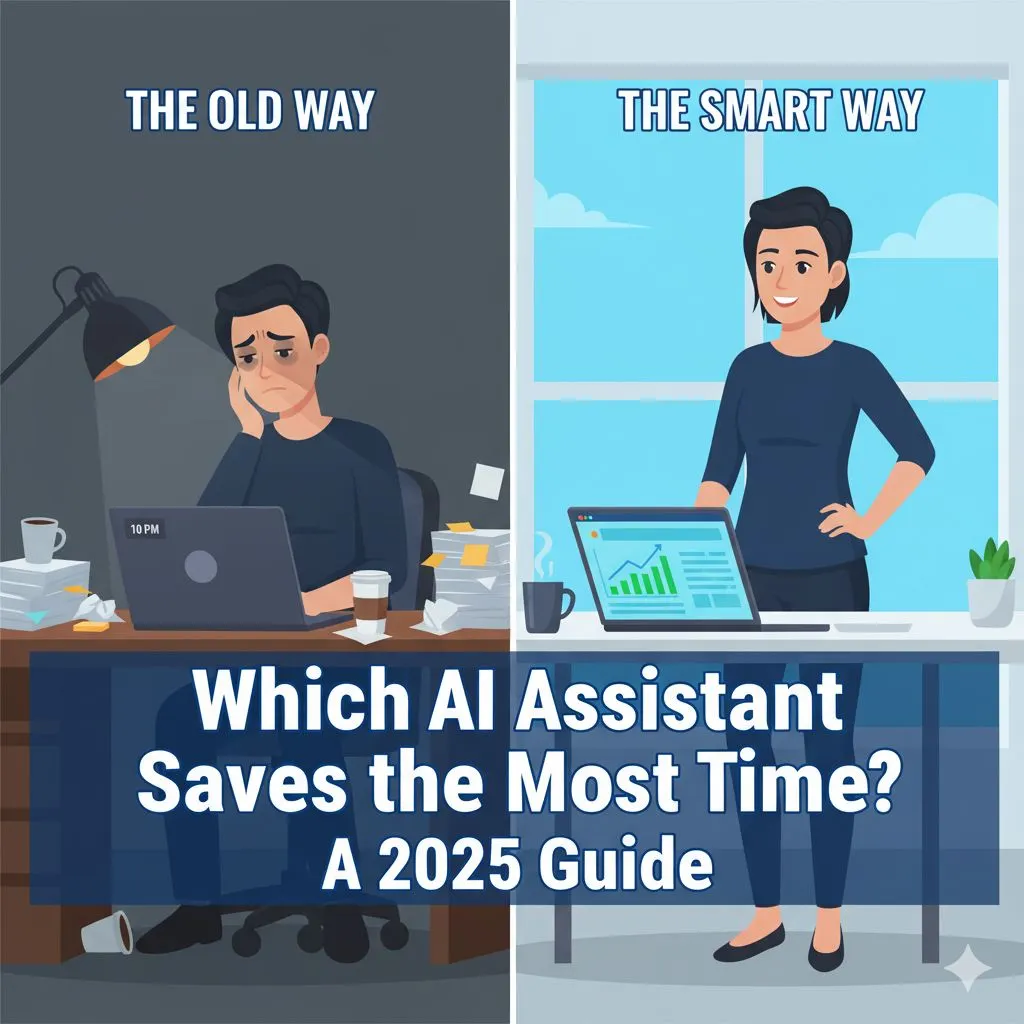
Enterprises must demand transparent governance and explicitly tied financial outcomes. When you deploy strategically structured AI tools—rather than just handing employees a blank generic chat box—you reclaim hours of lost productivity previously spent on trial and error. You produce polished, expert-level outputs that build authority and trust, and you break through operational bottlenecks. This is how you transition from survival mode or "pilot fatigue" into a sustainable, profitable operational rhythm that outpaces competitors.
Your AI investments must be ruthlessly focused on margin expansion and operational efficiency. If you are tired of the disjointed, uneven returns of generic AI, it is time to upgrade your infrastructure with strategy at its core. You don't need another experimental pilot; you need a structured toolkit that gives your enterprise immediate time savings and long-term business leverage.
Stop spinning your wheels with generic outputs and start scaling smarter. Turn your commoditized AI technology into a proprietary, defensible corporate moat by equipping your teams with the exact strategic frameworks they need to execute flawlessly.
Scale Smarter. Grow Faster. Begin Here: https://expertaiprompts.com/generic-vs-strategic-ai-prompts