The Human Premium: Why Strategic Execution Outperforms Raw AI Output
The Human Premium: Why Strategic Execution Outperforms Raw AI Output
Apr 26, 2026

The Executive Reality and the Myth of Generic Advantage
Walk into any boardroom today, and the conversation inevitably circles back to a singular, increasingly frustrating topic: Artificial Intelligence. For C-suite leaders and enterprise sponsors, the mandate is clear—modernize, optimize, and capitalize. Yet, a massive gap exists between theoretical AI ambition and actual executive readiness. We are witnessing an era of massive corporate investment, but for many, those dollars have not translated into measurable financial and operational returns.
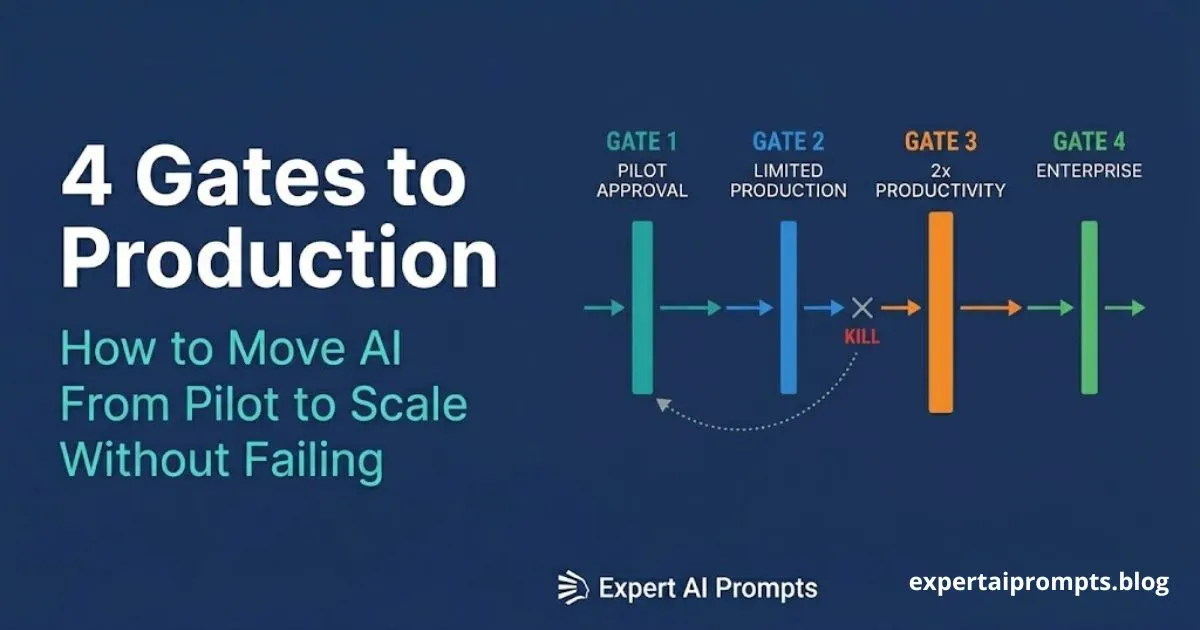
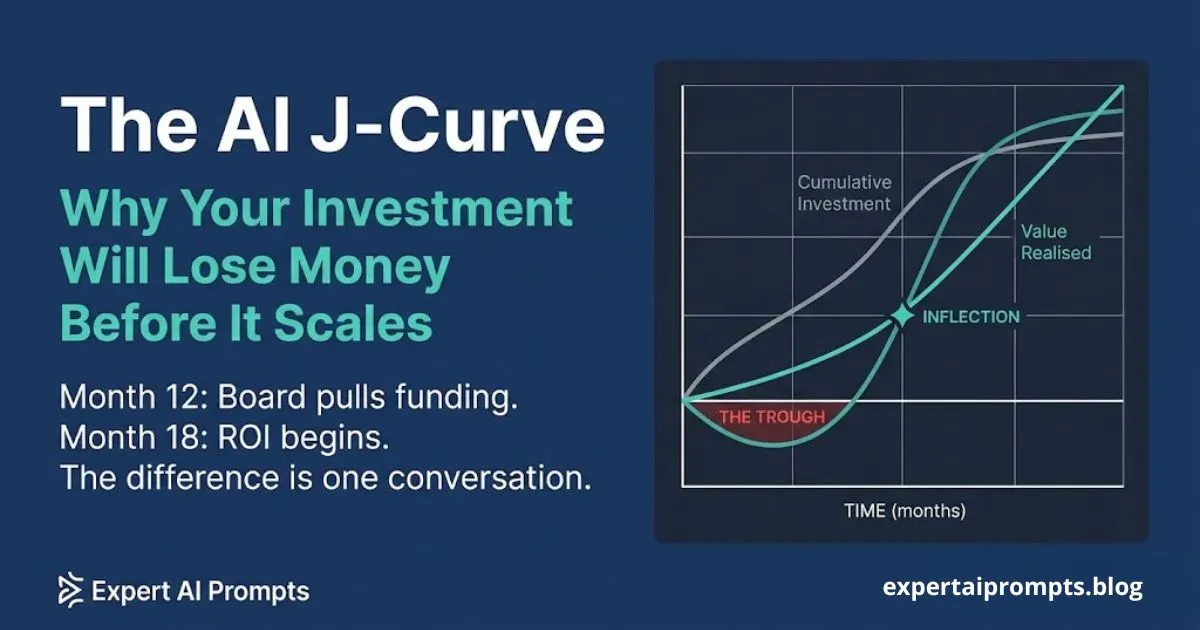
Currently, 78% of enterprises have AI pilots running, yet a staggering 14% have successfully scaled these initiatives into production. We are trapped in "pilot fatigue." Teams are experimenting, sandboxes are full, but the core operating infrastructure remains largely untouched. The result? More than half of organizations report absolutely no financial impact from their AI investments, despite broad organizational adoption.
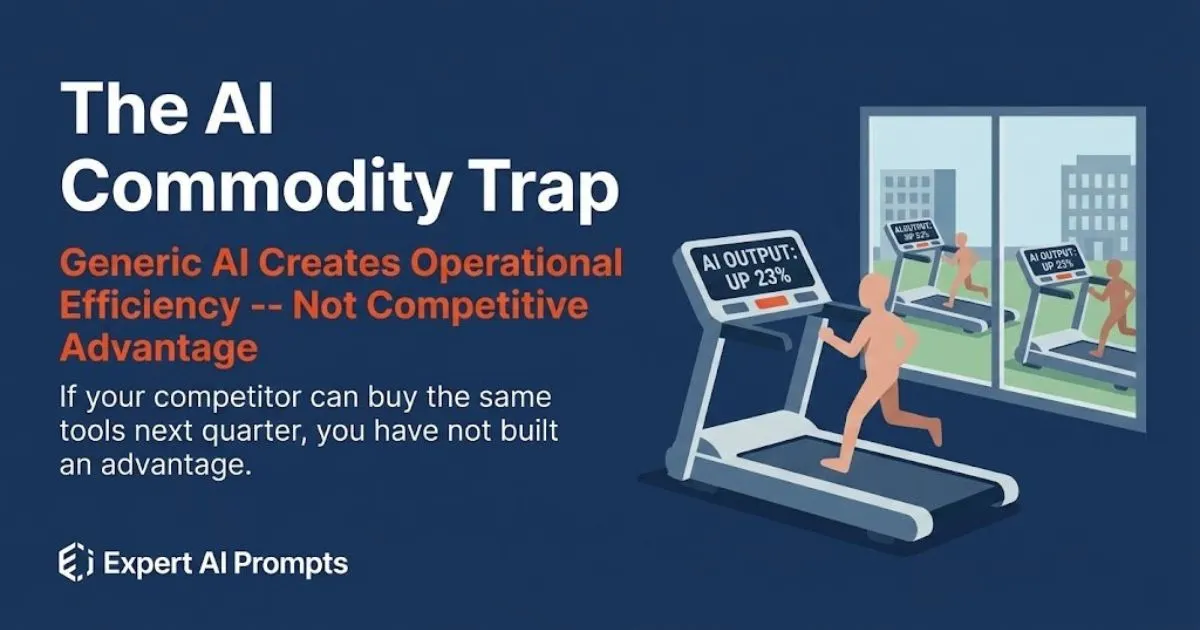
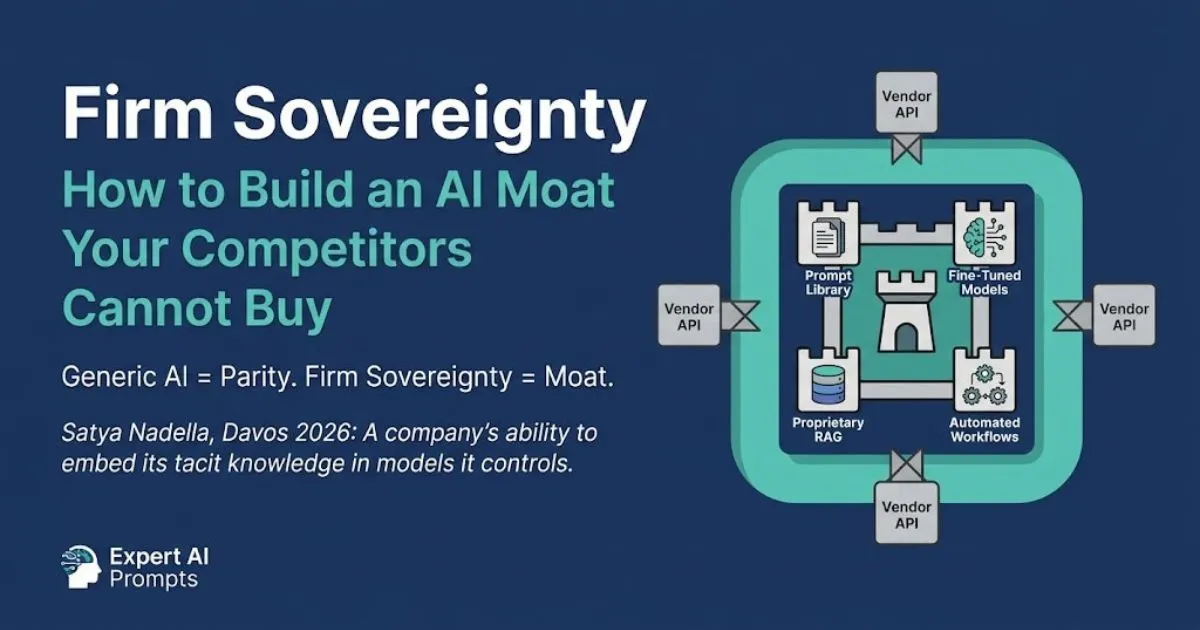
The harsh reality is that foundational AI models are rapidly becoming commoditized. If every enterprise possesses the exact same generic AI capabilities, competitive advantage can no longer be derived simply from having the tools. If your competitors have access to the same language models, the same processing power, and the same algorithms, raw AI output is no longer a differentiator—it is the baseline.
The danger lies in treating AI as a shiny veneer. Too many organizations are simply layering artificial intelligence onto broken, legacy processes. They are asking AI to perform outdated tasks slightly faster, rather than stepping back to reimagine jobs holistically. This approach creates a superficial efficiency that fails to move the Profit and Loss (P&L) statement. To achieve double-digit Earnings Per Share (EPS) growth and exponentially higher revenue per worker, executives must recognize that the ultimate differentiator is the "Human Premium." It is the strategic execution, governed by human intelligence, that turns commoditized technology into a defensible corporate moat.
Structuring an AI Workforce Transformation
To break free from pilot purgatory, leaders must orchestrate a genuine ai workforce transformation. This is not an IT initiative; it is a fundamental change management process. A successful transformation requires shifting the organization's mindset from viewing AI as an emergent, experimental capability to treating it as the primary driver of operational efficiency and enterprise value creation.
However, this transition is fraught with friction. When AI is deployed without a clear, human-centric strategy, organizations risk accumulating massive "cultural debt." Workforce anxiety skyrockets when employees feel they are competing against algorithms rather than being empowered by them. An effective ai workforce transformation addresses this friction head-on by flattening organizational structures and streamlining workflows so that humans and AI can execute end-to-end processes seamlessly.
This requires dedicated executive leadership. Bridging the gap between deeply technical data science teams and the boardroom demands a rare synthesis of rigorous financial acumen, technical fluency, and advanced change management capabilities. Employees at every level—from middle management to frontline operators—need to be given the frameworks to succeed. They cannot be handed a blank AI chat window and expected to generate enterprise-grade results.
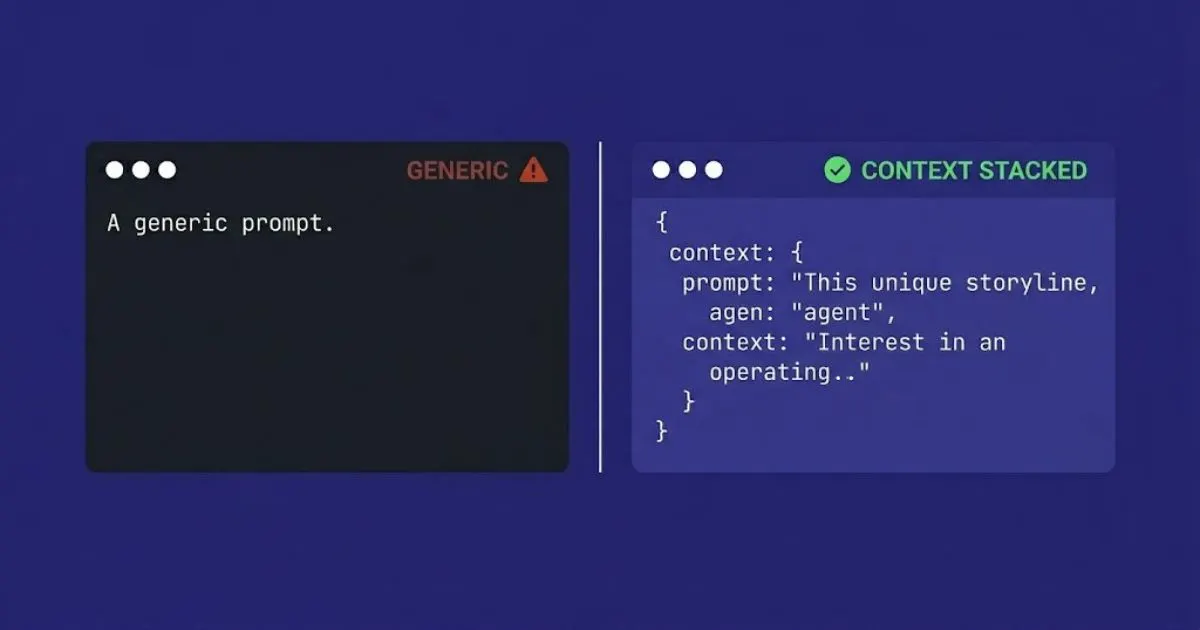
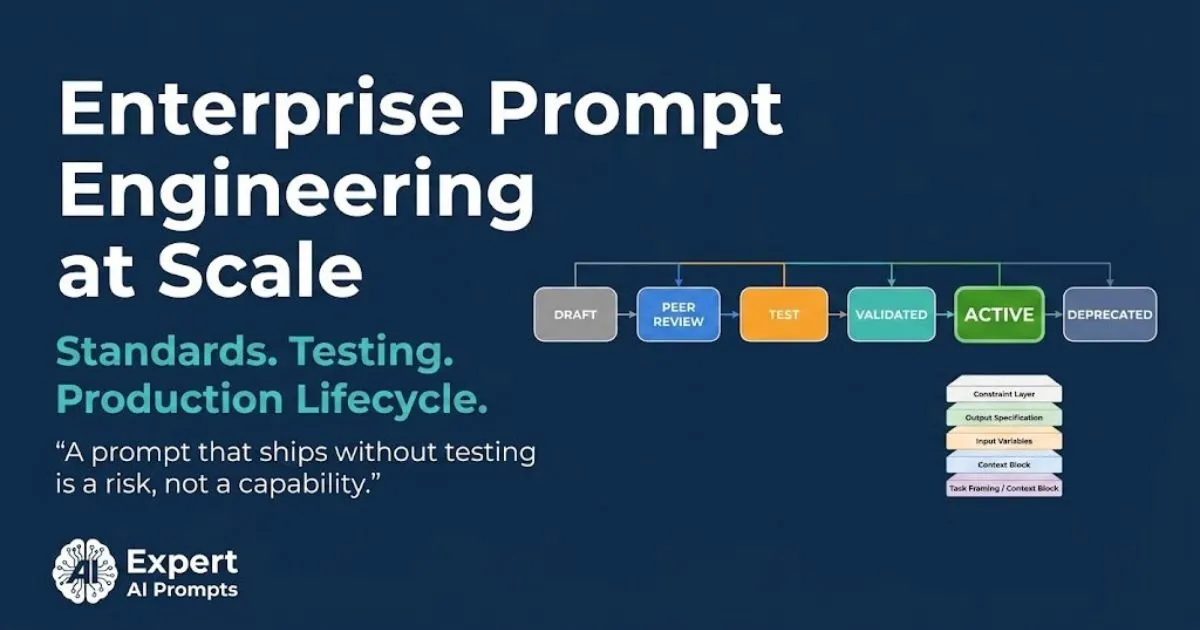
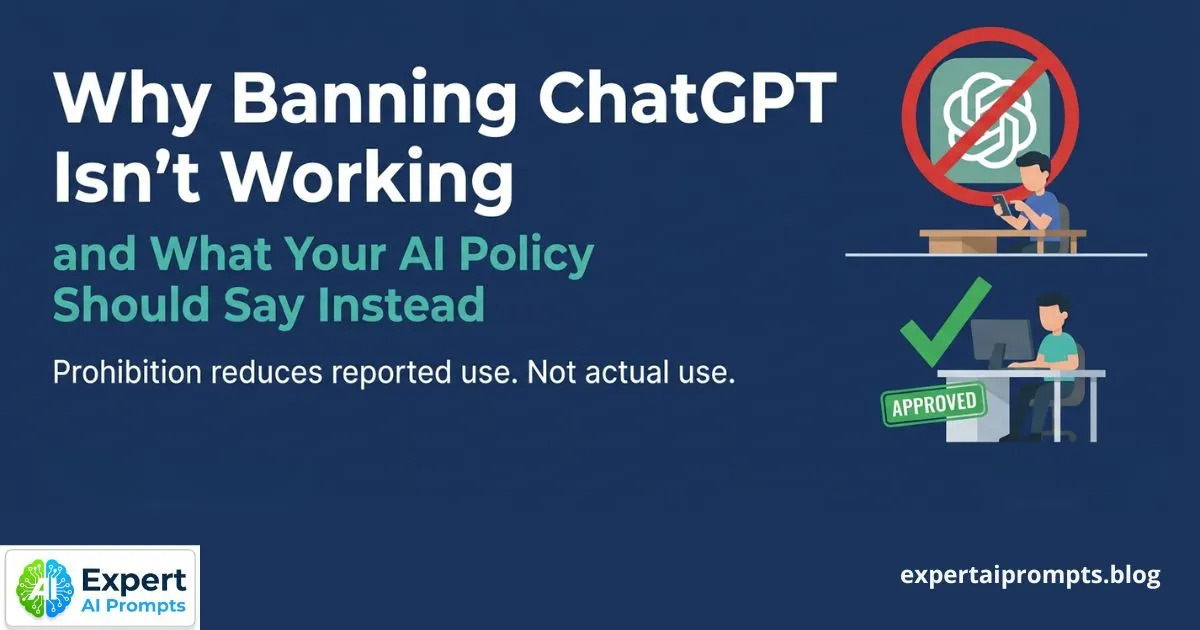
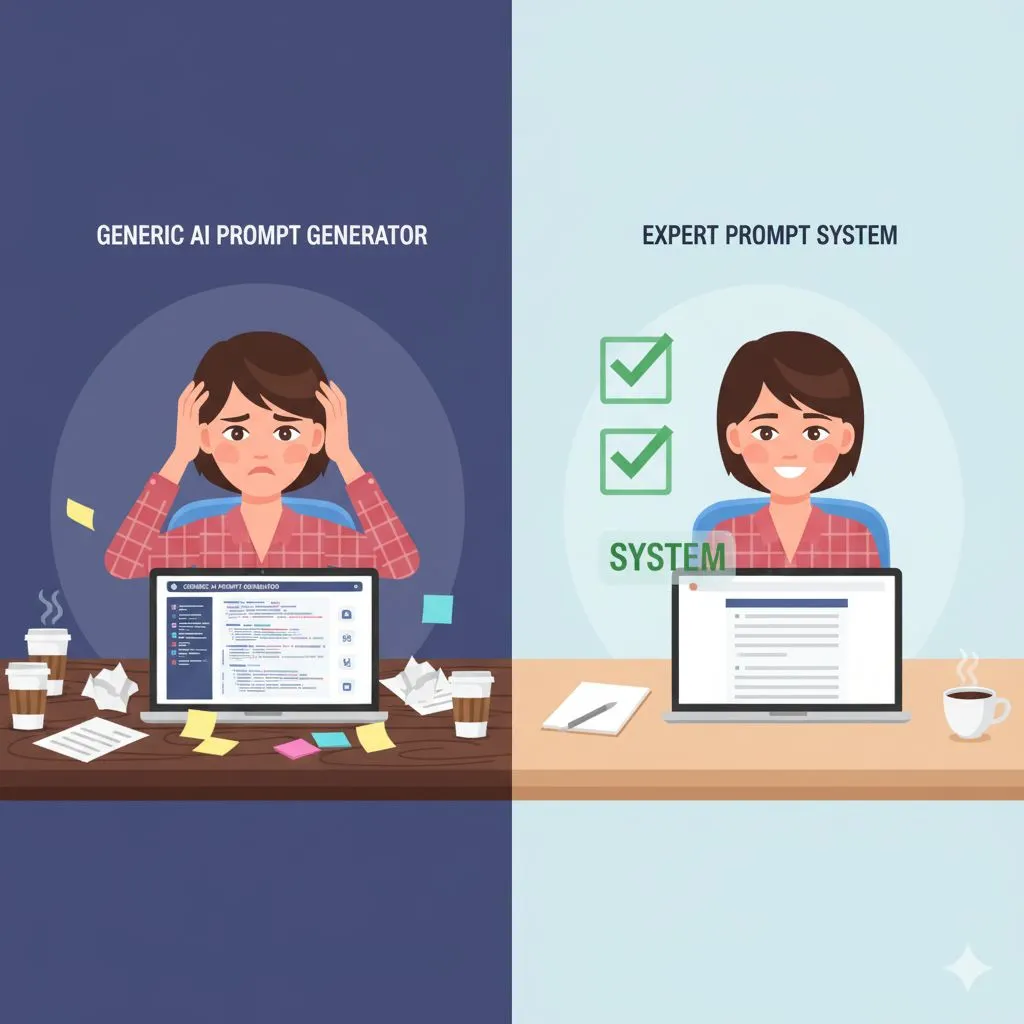
When workers spend hours in trial-and-error, attempting to prompt generic AI tools into producing useful outputs, the promised efficiency gains vanish. The solution is providing structured, strategically sound frameworks that guide the AI. By standardizing how your workforce interacts with these tools, you eliminate workflow bottlenecks, drastically reduce time wasted on repetitive manual tasks, and ensure that the outputs consistently meet your organization's highest standards of credibility and professionalism.
Governing the AI Portfolio for P&L Impact
Empowering the workforce is only half the battle; the other half is rigorous, top-down governance. For an ai workforce transformation to deliver measurable P&L impact, C-suite leaders must mandate structured, disciplined portfolio management. The days of disjointed, highly technical AI initiatives scattered across different departments must end.
Enterprises must implement an AI Portfolio Matrix—a centralized dashboard that evaluates every AI initiative through the lens of unit economics and consolidated ROI. This requires establishing documented, ruthless "kill criteria." If an AI pilot is not clearly expanding margins, driving operational efficiency, or improving output quality within a specified timeframe, it must be defunded. Leaders must be impatient with purely experimental technology that drains compute costs without delivering scalable value.
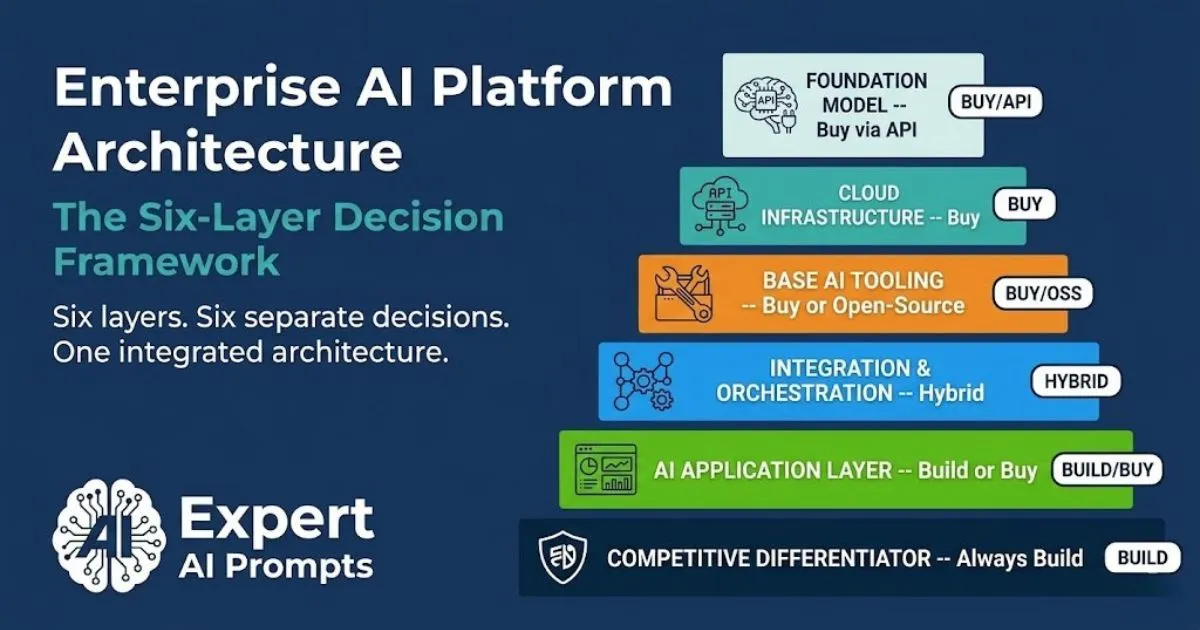
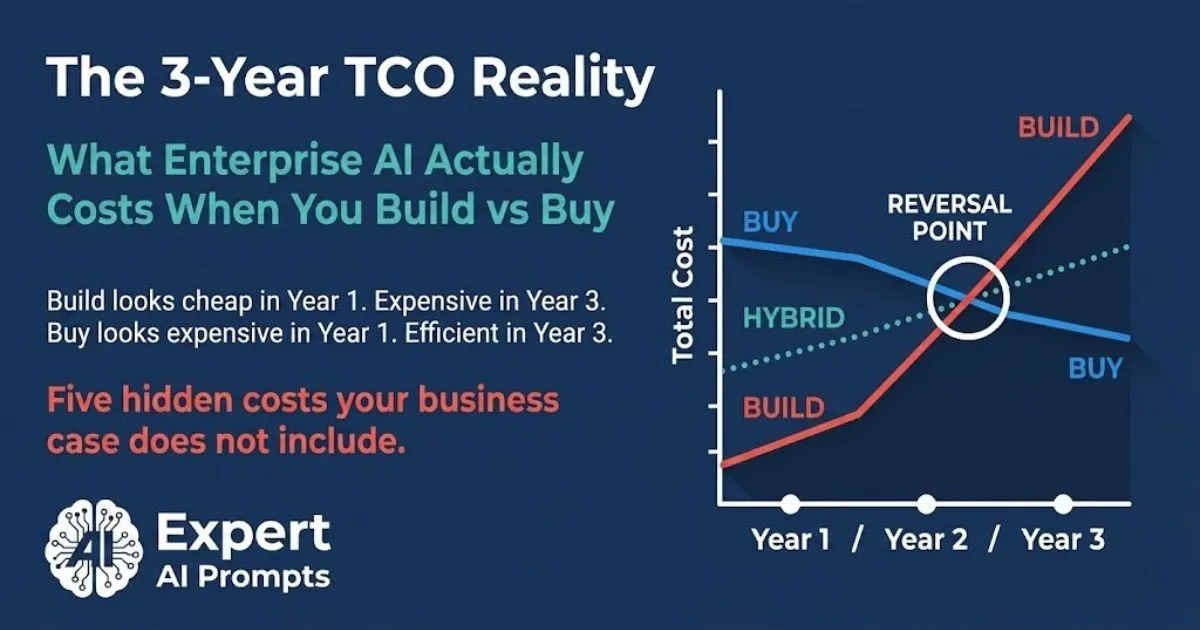
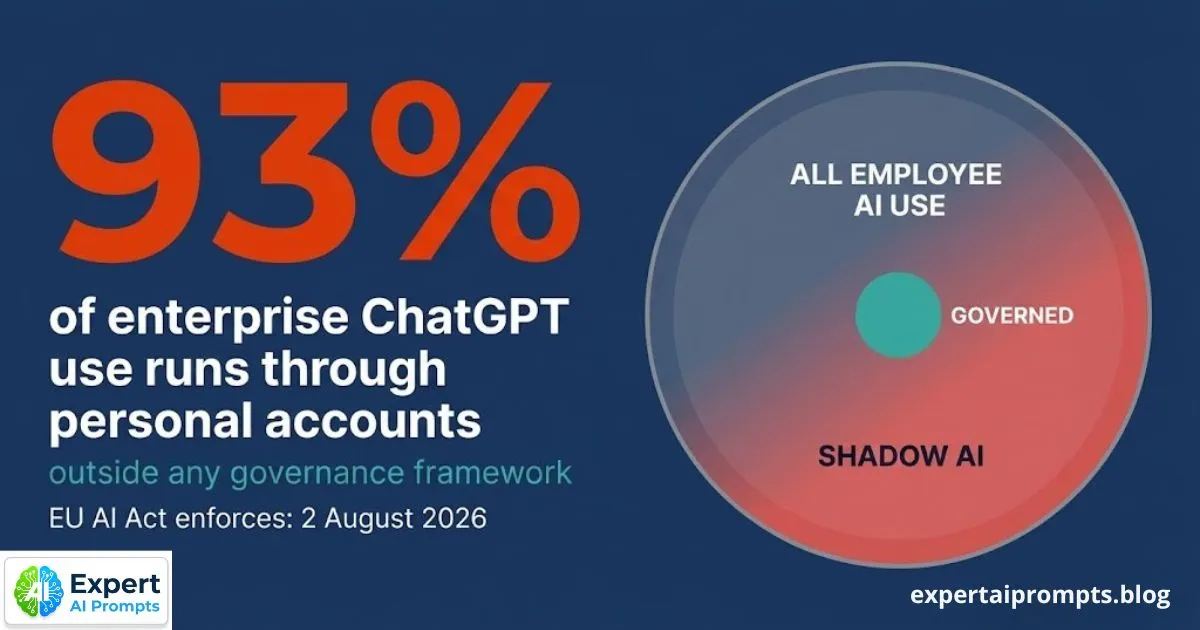
Furthermore, moving from the sandbox to enterprise-wide deployment introduces significant risk regarding algorithmic bias, data privacy, and shifting global regulations. With the impending enforcement of frameworks like the EU AI Act, organizations cannot afford to let unstructured AI usage run rampant. Evaluating the "buy vs. build" architecture becomes critical here. While building proprietary models protects data, it is capital-intensive and slow. Leveraging robust, pre-built AI frameworks and structured prompts allows enterprises to balance compute costs and speed to market while maintaining strict ethical governance and regulatory compliance.
By centralizing the strategy and decentralizing the execution through approved, expert-level workflows, executives ensure that the entire organization is pulling in the same direction. The technology becomes a governed, predictable engine for growth rather than a chaotic liability.
Empowering the Human Premium
The ultimate goal of any AI integration is not to replace human intellect, but to elevate it. When we eliminate the repetitive, manual work that consumes 10+ hours of a professional's day, we free up their cognitive bandwidth for high-level strategy and business development. This is the Human Premium. It is the realization that while AI can generate content, code, and data analysis at unprecedented speeds, it requires a human to inject context, nuance, and strategic direction.
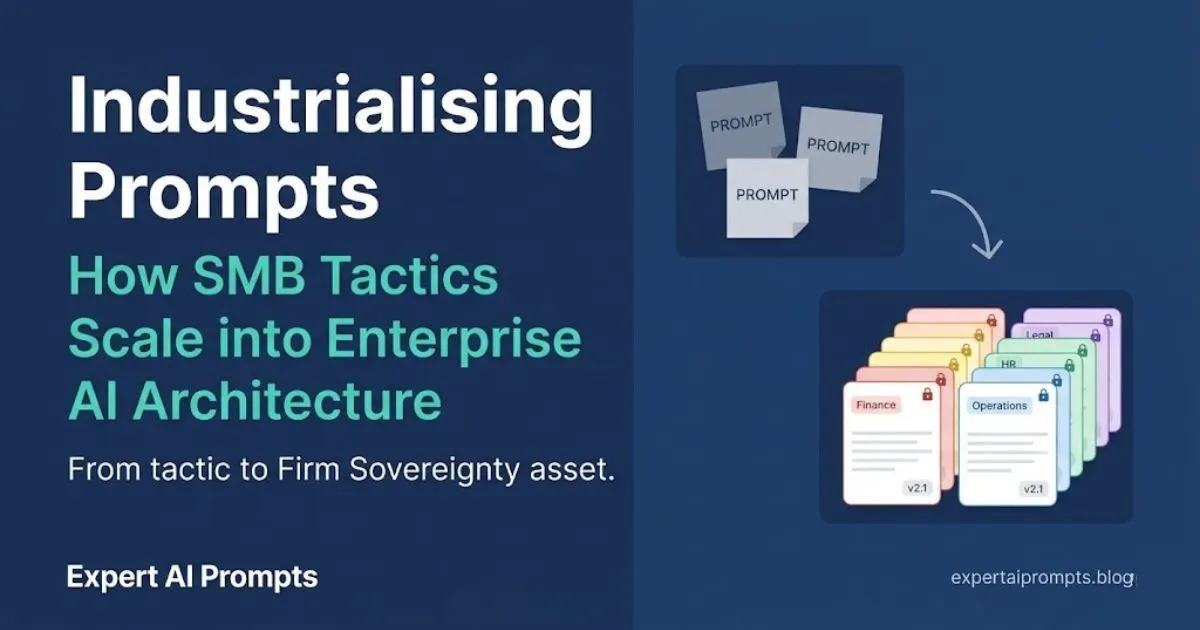
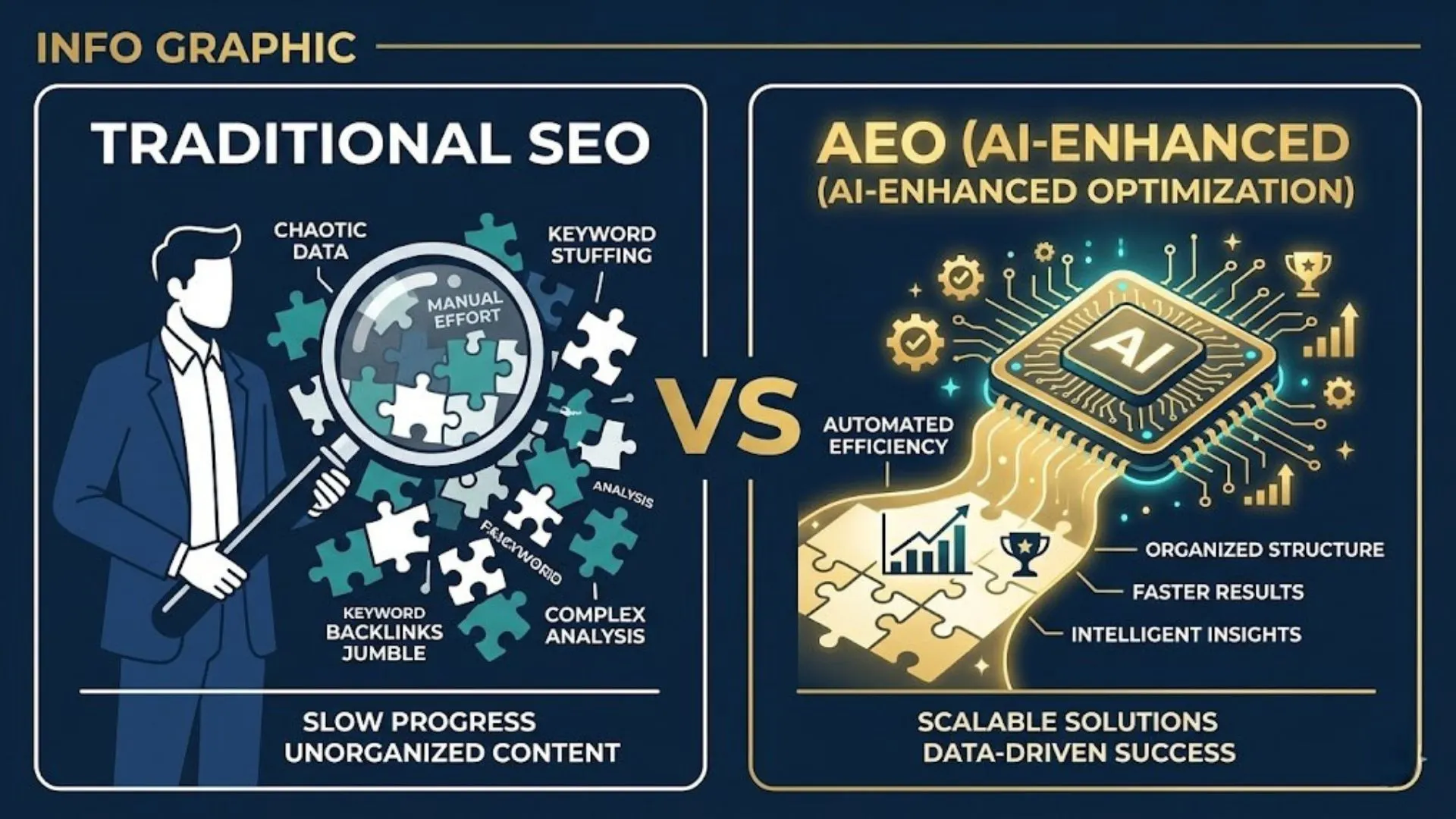
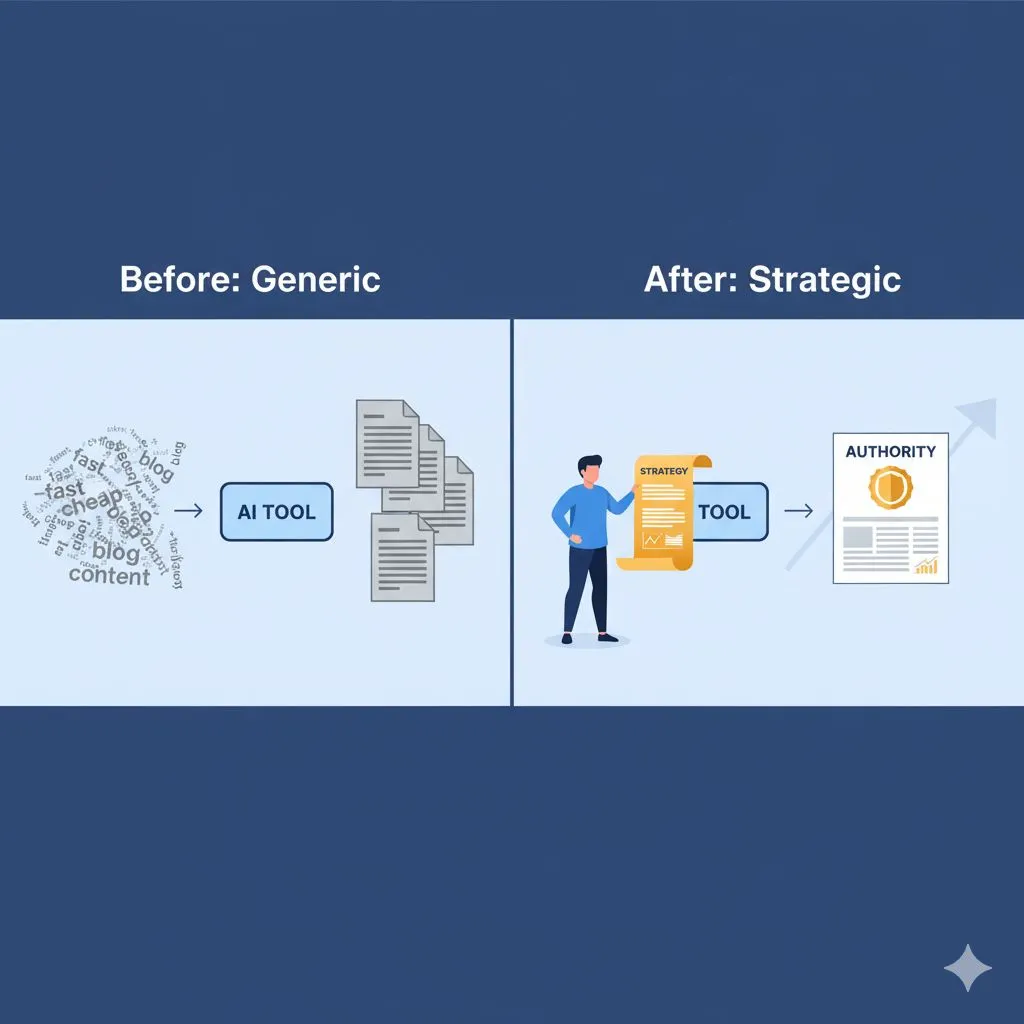
To scale smarter and grow faster, enterprises must equip their teams with tools that have strategy built into their core. This means moving away from generic copy-and-paste templates and adopting industry-specific, carefully designed prompt architectures. When a workforce uses proven, expert-level prompts, the results are immediate: higher-quality outputs that build authority, streamlined operations that break through bottlenecks, and a stronger overall brand positioning.
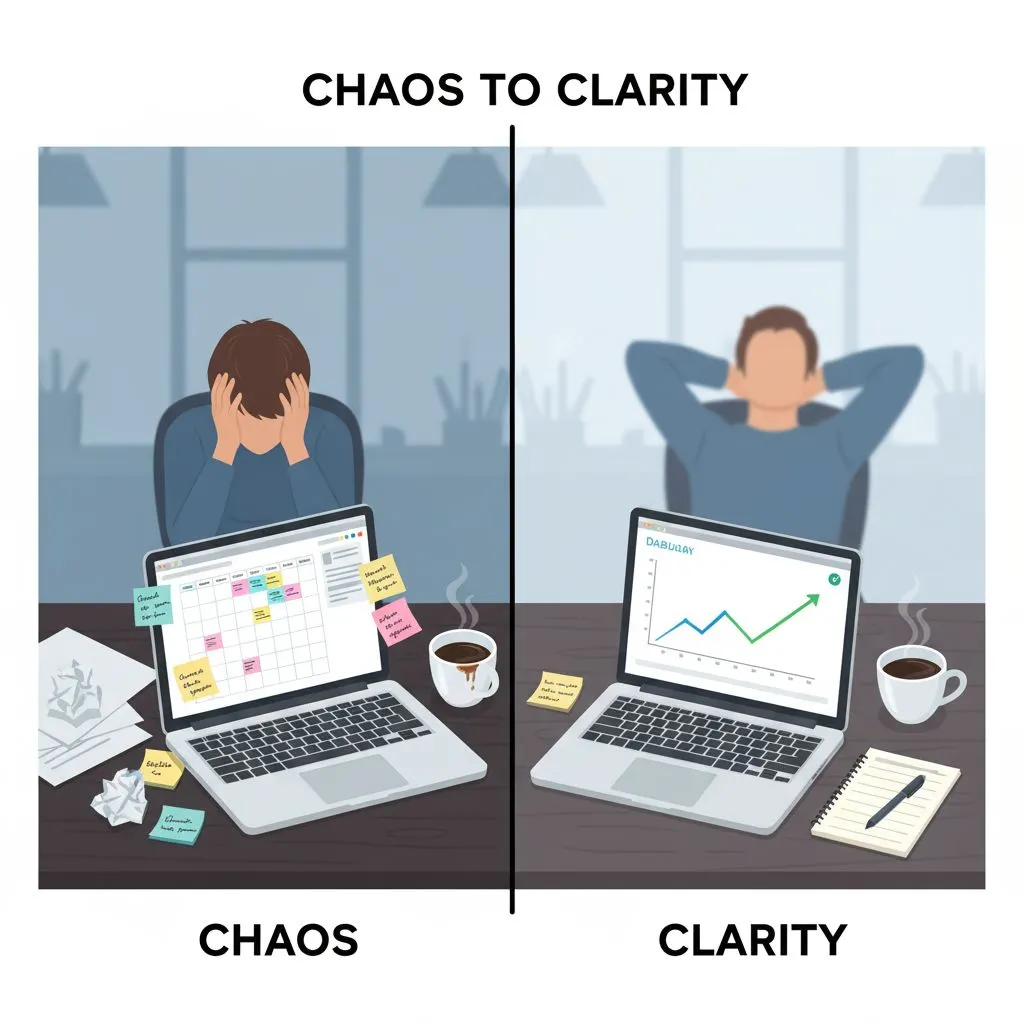
The transformation is profound: your workforce shifts from being overworked operators bogged down in the minutiae of task execution, to confident strategists who leverage AI to compound their impact. This is how you transition from survival mode in a disruptive market to building a sustainable, profitable organization that outpaces the competition.
Don't let your massive AI investments fall flat due to poor execution at the human level. Standardize your team's excellence, reclaim thousands of lost hours, and turn your operational bottlenecks into competitive breakthroughs. Equip your enterprise with the strategic frameworks required to win.
Scale Smarter. Grow Faster. Begin Here: https://expertaiprompts.com/human-strategy-plus-ai-execution-the-winning-seo-formula